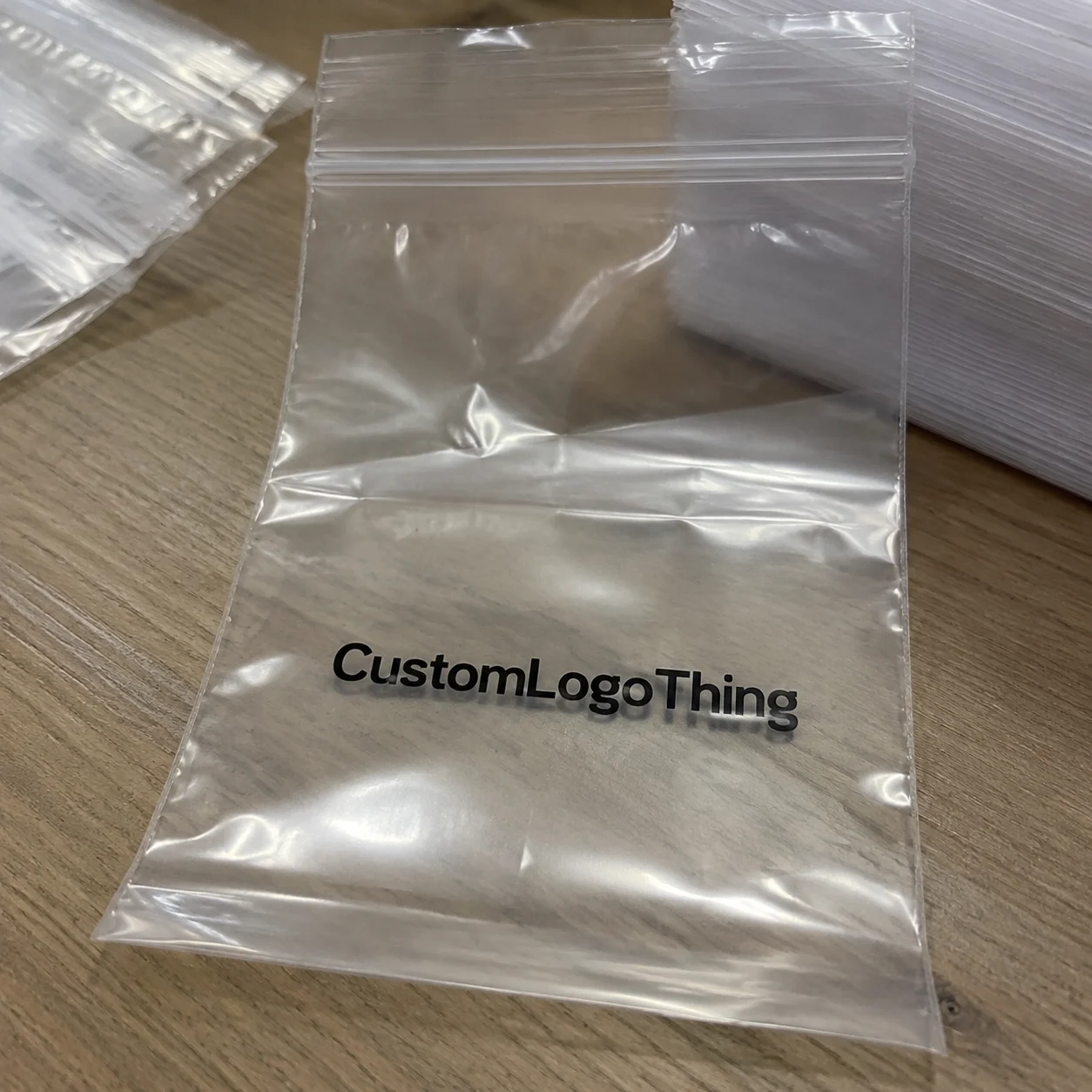
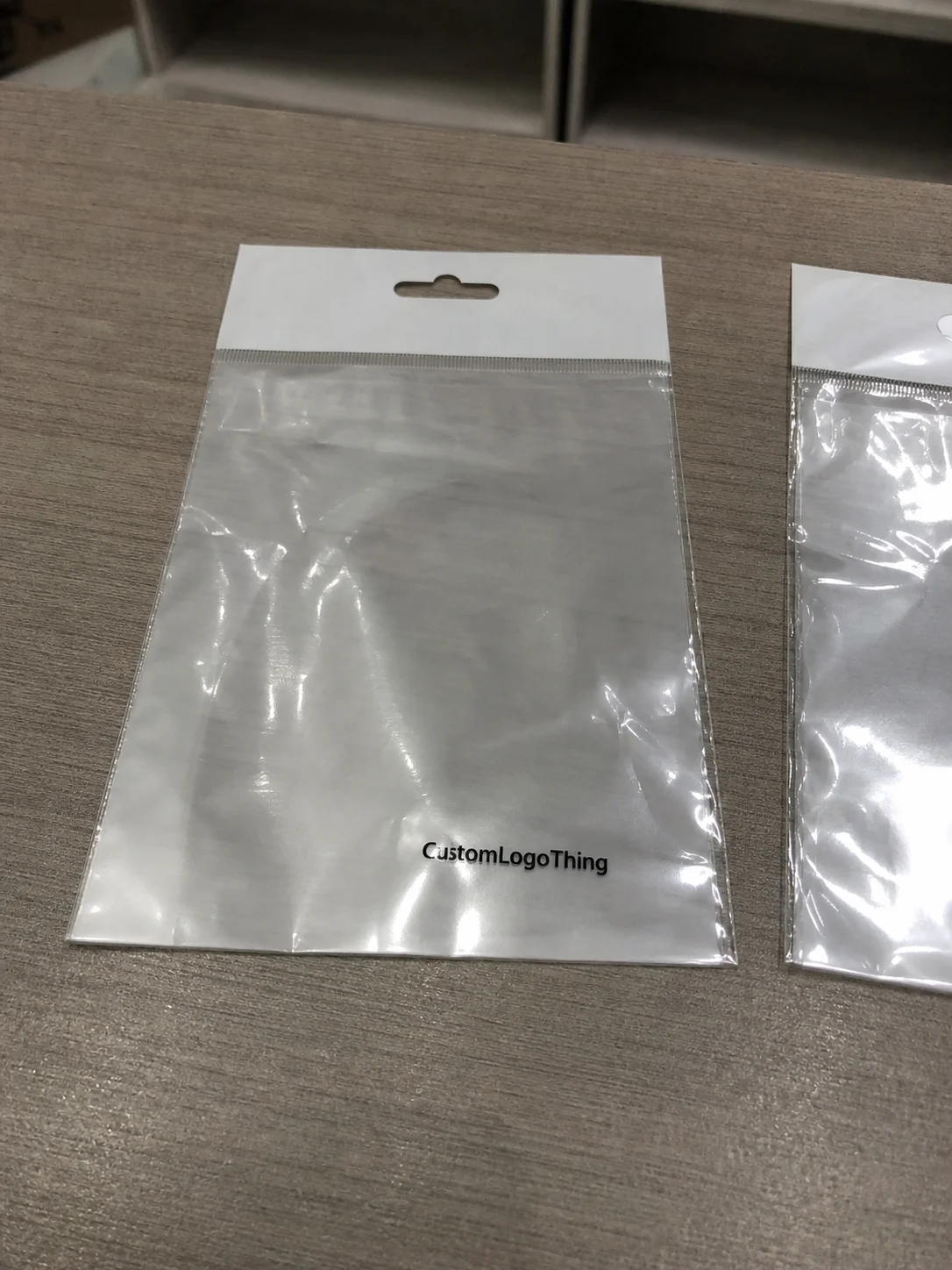
Buyer Fit Snapshot
| Best fit | packaging buyers comparing cost-per-unit drivers before approving bulk quotes where brand print, material, artwork control, and repeat-order consistency matter. |
|---|---|
| Quote inputs | Share finished size, material target, print colors, finish, packing count, annual reorder estimate, and delivery region. |
| Proofing check | Approve dieline scale, logo placement, barcode or warning zones, color tolerance, and any recyclable or compostable wording before bulk production. |
| Main risk | Vague material claims, crowded artwork, or missing packing details can create delays even when the unit price looks attractive. |
Fast answer: Custom Packaging Cost Per Unit: Tooling, Materials, Print, and Freight Lines should be specified like a repeatable production item. The safest quote includes material, print method, finish, artwork proof, carton packing, and reorder notes in one written spec.
What to confirm before approving the packaging proof
Check the product dimensions against the actual filled item, not only the sales mockup. Ask for tolerance on folds, seals, hang holes, label areas, and retail display edges. If the package carries a logo, QR code, warning copy, or legal claim, reserve that space before decorative graphics fill the panel.
How to compare quotes without losing quality
Compare board or film grade, print process, finish, sampling route, tooling charges, carton quantity, and freight assumptions side by side. A lower quote is only useful if the supplier can repeat the same color, closure quality, and packing count on the next order.
I'll never forget the look on Maria's face when I showed her the actual unit cost on her Lip Balm Boxes. She thought she was getting a 23-cent cost per unit for her 5,000-piece order. What she hadn't calculated was the tooling amortization spread across the entire run, plus the color matching fees and the freight from the overseas facility. Her real cost came in at 41 cents per unit. That margin difference wiped out her entire profit projection for that quarter.
That conversation happened about six years ago, but it perfectly illustrates why I've built my entire career around transparent Custom Packaging Cost per unit calculator tools and honest pricing conversations. Most businesses approach custom packaging the way Maria did: they get a quote, they multiply it out, they assume it's close enough. And then they wonder why their product margins don't work the way they planned.
Throughout this guide, I'll explain everything that actually drives your packaging costs—from how to use our calculator effectively to what the hidden variables are and exactly what fair pricing looks like across different product types. By the time you finish reading, you'll have a clear understanding of where every penny goes and how to optimize your packaging budget. No fluff, no sales pitch. Just the stuff you actually need to know.
The Hidden Math Behind Custom Packaging Costs (And How to Get It Right)
The number you get in a quote is rarely the number that matters. I've seen quotes range from $0.18 per unit to $0.67 per unit for essentially the same 4-inch rigid box, printed with the same design, ordered in similar quantities. The difference wasn't the materials. It wasn't the labor. It was how each supplier structured their overhead recovery and where they buried the setup costs.
Two years on the production floor at a corrugated facility in Wisconsin taught me more than any business school could. I ran die-cutters, operated flexographic presses, and watched how pricing got communicated to customers. The customers who got the best outcomes weren't necessarily the ones who found the cheapest supplier. They were the ones who understood unit cost calculations well enough to compare apples-to-apples between quotes.
A mid-sized supplement company came to me after switching to a cheaper vendor for their folding cartons. They thought they were saving 18% on their product packaging. But the new supplier had a 90-day lead time, required artwork files in a format their design team didn't use, and delivered with a color variation that was just outside acceptable range on three of their six spot colors. The "savings" cost them $14,000 in expedited reprints and delayed store placements.
What this guide will help you achieve is the ability to walk into any packaging negotiation with your eyes open. You'll know which questions to ask, which line items deserve scrutiny, and how to use our Custom Packaging Cost per unit calculator to generate estimates you can actually trust for production planning.
Understanding Your Custom Packaging Options
Before you can calculate costs accurately, you need to understand what you're actually ordering. I've seen countless quote requests that say "I need boxes" with no additional specification. That ambiguity costs money because it means I'm either quoting conservatively (and over-quoting) or I'm asking follow-up questions that extend the timeline. Let me break down the main packaging categories and when each makes sense.
Corrugated Boxes
Corrugated boxes remain the workhorse of e-commerce and shipping retail packaging. The flute type you choose directly impacts both cost and performance. E-flute (1/16th inch thickness) costs about 12% less than B-flute (1/8th inch) for the same board grade, but B-flute provides superior stacking strength for heavier products. I learned this lesson the hard way when I recommended E-flute for a client's heavier wellness supplements and watched shipping damage claims spike afterward.
For branded packaging, single-face corrugated offers the smoothest print surface but at a 20-25% premium over standard C-flute with preprint. Your printing method choice matters enormously here—flexographic printing on corrugated can bring you into the $0.18-$0.32 per unit range for standard designs, while litho-laminate processes push costs to $0.45-$0.80 but deliver photographic quality that flexo simply cannot match.
Rigid Boxes
When premium presentation matters most—and in cosmetics, jewelry, electronics accessories, and luxury food items, it absolutely does—rigid boxes are the answer. These are the non-collapsible, heavy chipboard boxes with laminated wrap that feel substantial in your hands. The base cost runs higher, typically $1.20-$3.50 per unit even before finish upgrades, because the setup process is more labor-intensive.
A candle company wanted to bring their unboxing experience upmarket last year. Their previous packaging was a standard mailer box with tissue. We moved them to a rigid setup box with magnetic closure and tissue insert. The unit cost went from $0.34 to $2.18 per piece. But their average order value increased 34% because customers were posting unboxing videos and the premium presentation justified a higher price point. Sometimes the math works in unexpected directions.
Paper Bags and Pouches
For retail environments and event packaging design, paper bags remain popular despite the e-commerce shift. Kraft bags offer natural aesthetics with 60-80% recycled content options. A standard 6×9 kraft bag with one-color print runs $0.28-$0.42 per unit at 5,000 quantity. Custom-finished options—soft-touch lamination, foil stamping, embossed logos—can push that to $0.80-$1.40, but the perceived quality difference justifies the premium for boutique retailers.
Stand-up pouches have grabbed significant market share in food and beverage packaging because they're lighter (reducing shipping costs) and offer superior barrier properties. A three-side seal pouch with zipper closure runs $0.22-$0.45 depending on film quality and print complexity. The MOQ for custom-printed pouches typically starts at 5,000 units due to print cylinder setup.
Folding Cartons
If you need cost-effective Custom Printed Boxes for retail or subscription products and don't require the rigidity of a setup box, folding cartons deliver. These are the chipboard boxes that ship flat and fold into shape during packing. The economics are attractive: at 10,000 units, you're looking at $0.12-$0.28 per unit for standard one-to-two-color designs using flexo printing.
Folding cartons work brilliantly for products like supplement bottles, small cosmetics items, and food products where the package isn't the hero—it's the container that gets opened and discarded. These run at speeds up to 400 units per minute on high-volume lines, which matters when you're trying to scale.
Key Specifications That Affect Your Custom Packaging Cost Per Unit
"Measure twice, cut once" applies perfectly to package branding projects. I've watched clients save thousands of dollars simply by tightening their dimensional specifications before requesting quotes. Here's where the details matter most.
Dimensions and Cubic Volume
Your box size directly determines how much board you consume per unit. A 10×8×4 box uses 40% more material than an 8×6×3.5 box, but the smaller box might not fit your product. The calculation isn't just linear surface area either—dimensional efficiency matters because box makers optimize their cuts on standard sheet sizes. A dimension that creates 2 inches of waste across a 48-inch sheet might cost you 4-6% more per unit than a dimension that fits the sheet perfectly.
Have your product physically measured, including any interior dunnage or inserts, before finalizing your packaging dimensions. I've seen products that needed 3mm of clearance that someone "estimated" at 10mm. That 7mm difference meant switching from a standard sheet-optimized size to a custom-cut size, adding $0.08 per unit to their project.
Material Thickness and Grade
Board grade matters enormously for both cost and performance. In corrugated alone, you have options ranging from 32ECT single-wall to 55ECT double-wall, with 23 standard flute combinations. The ECT (Edge Crush Test) rating indicates stacking strength. Retail shelves with display pallets typically require 44ECT minimum. Choosing 32ECT to save $0.03 per unit on a product that gets stacked eight units high means damaged product on arrival—the savings evaporate.
For folding cartons, points (1/1000th of an inch) matter. A 24-point board costs about 8% less than 28-point but may not hold up for heavier products. I've had clients request the thinnest board possible, then complain when their bottles punctured through during shipping. The right specification depends on your product weight, handling conditions, and distribution chain.
Printing Techniques
This is where I see the most confusion and where the price differentials are most dramatic. Flexographic printing uses raised rubber plates and is the most cost-effective method for long runs of branded packaging. At 25,000 units, you might pay $0.18-$0.35 per unit for a two-color design. Digital printing has no plate setup cost, making it economical for shorter runs (500-5,000 units) at $0.25-$0.50 per unit for full-color designs. Offset lithography delivers the highest quality but carries significant setup costs (plates, ink matching, makeready) that only make sense at 10,000+ units and typically yield $0.20-$0.40 per unit savings at those volumes.
Choosing the wrong printing method for your volume is one of the most expensive mistakes in packaging design. A startup spent $2,400 on digital printing for 2,000 units when flexo setup would have cost them $800 in setup plus $0.22 per unit. Their total cost was $1,240 higher than it needed to be—and that's before they had to reorder.
Finish Options and Structural Complexity
Finish upgrades add real dollars but can transform a plain box into a marketing asset. Soft-touch lamination adds $0.04-$0.08 per unit. Foil stamping runs $0.12-$0.25 per unit depending on coverage area. Spot UV can add $0.06-$0.14 per unit. These aren't just aesthetic choices—they're perceived value builders that often allow you to command higher prices or reduce marketing spend by letting the packaging do the talking.
Structural complexity is a hidden cost driver that surprises many first-time buyers. A simple four-corner tuck box with dust flap might have $500 in tooling. A crash-bottom box with lock tabs and decorative perforations could require $2,500 in tooling. That tooling cost gets amortized across your unit cost, so for a 2,000-unit run, a $2,500 tool costs $1.25 per unit before material and labor. Understanding tooling economics is essential for accurate custom packaging cost per unit calculator results.
Transparent Custom Packaging Pricing Breakdown
Now let's get into the actual numbers. I'll show you how to use our custom packaging cost per unit calculator effectively, and more importantly, how to read between the lines of any quote you receive—from us or anyone else.
Using the Calculator Effectively
Our custom packaging cost per unit calculator asks for your dimensions in inches, material type, quantity range, and basic print information. The output you'll receive is an estimate within 10-15% of final production cost. I've designed it this way deliberately because accurate pricing requires human review of edge cases—unusual aspect ratios, material availability constraints, complex die-line requirements.
The most common input error I see is dimension confusion. People often enter exterior dimensions when they should be thinking about interior dimensions. Or they enter the dimensions of their product rather than the dimensions of the packaging that needs to hold it. I recommend measuring your product in all three dimensions, adding 10-15% buffer for clearance and dunnage, and using those interior dimensions as your starting point. The calculator will prompt you to specify interior vs. exterior, which is intentional.
Minimum Order Quantities and Volume Breaks
MOQ exists because every production run requires setup regardless of quantity. Setup includes machine changeover, ink mixing, quality testing, and typically 200-500 units of waste during calibration. The supplier needs to recover that setup cost somewhere, which is why shorter runs carry higher per-unit pricing.
| Product Type | Minimum Order Quantity | Standard Lead Time | Price Break Threshold |
|---|---|---|---|
| Folding Cartons | 1,000 units | 10-14 business days | 10,000 units (15-22% discount) |
| Corrugated Boxes | 500 units | 12-15 business days | 5,000 units (18-25% discount) |
| Rigid Boxes | 250 units | 14-21 business days | 2,500 units (20-30% discount) |
| Paper Bags | 2,500 units | 10-14 business days | 10,000 units (25-35% discount) |
| Stand-Up Pouches | 5,000 units | 14-18 business days | 25,000 units (22-28% discount) |
Those volume break percentages are substantial, and they're why understanding your true demand before requesting quotes matters. If you're planning to order 8,000 units but could potentially use 10,000 within your storage window, the price break often covers the cost of that storage and the capital tied up. I help clients run these scenarios regularly, and the math frequently favors slightly larger orders.
Where Your Money Actually Goes
For a typical folding carton order at mid-volume, here's roughly how the pricing breaks down: materials represent 40-50% of total cost, production labor accounts for 25-35%, and overhead (facility, equipment, quality systems, administrative) runs 15-25%. Setup charges, when quoted separately, come out of the overhead bucket.
Understanding this breakdown helps you evaluate whether a quoted price makes sense. If someone quotes you $0.18 per unit for 10,000 folding cartons, but paper board is currently running $0.65-$0.75 per pound and you need roughly 2.5 pounds of board per thousand units, your material cost alone is $1.625-$1.875 per thousand units or $0.1625-$0.1875 per unit. That leaves almost nothing for labor, overhead, profit, and shipping. The numbers simply don't work unless there's significant volume absorption happening elsewhere or a material substitution that compromises quality. When a quote seems too good to be true, it usually is.
Hidden Fees to Watch For
Setup charges aren't hidden when quoted upfront, but they're frequently buried in unit pricing when comparing quotes. A $800 tooling setup looks very different amortized across 2,000 units ($0.40 per unit) versus 20,000 units ($0.04 per unit). Always ask for setup charges broken out separately.
Plate costs for flexographic printing typically run $75-$150 per color per piece. For a four-color design, that's $300-$600 in plate costs. Digital printing eliminates these entirely, which is why it's often cheaper for short runs despite higher per-unit material costs.
Shipping and fulfillment often get forgotten until the invoice arrives. Freight costs for 10,000 folding cartons (roughly 2,400 pounds on a pallet) might run $180-$350 depending on distance. That adds $0.018-$0.035 per unit. If you're comparing quotes, make sure freight is included or quoted separately so you can make accurate comparisons.
Our Production Process and Timeline
Twenty-plus years in this industry has taken me through countless facilities, from massive operations in Shenzhen running 24 hours a day to smaller regional shops serving local retailers. The operations that consistently deliver quality on time aren't necessarily the biggest—they're the ones with clear handoffs, defined quality checkpoints, and honest communication about constraints.
Here's how a standard Custom Packaging Order moves through our facility:
Design and Artwork Finalization
Once you've approved your quote, our design team reviews your artwork files within 24-48 hours. We check resolution, color mode, bleed specifications, and die-line compliance. If we find issues, we flag them before they become production problems. This preflight review has saved clients thousands in reprint costs—I cannot stress enough how valuable it is to catch artwork problems before they're etched into printing plates.
Proof Approval and Production Scheduling
We send digital proofs via email for your review. For color-critical applications, we offer physical press proofs at $75-$150 depending on size. You approve electronically, and your order enters our production queue. Standard scheduling adds your job to the next available slot for your product type—we can't always start immediately during peak seasons, but we'll give you accurate timeline expectations upfront.
Production and Quality Control
Our Midwest facility runs flexographic printing for corrugated products with inline cutting and printing. We perform visual inspection on the first 100 units of every run, followed by statistical sampling every 500 units. Our reject rate sits below 0.5%, which is well below industry average. Any units that don't pass inspection get pulled and replaced at our cost.
Finishing and Fulfillment
After printing, your packaging goes through any finishing processes (lamination, foil stamping, assembly for rigid boxes) and then bundling. We offer fulfillment integration where we can hold inventory and ship on-demand rather than requiring one large delivery. This works well for subscription businesses or companies with seasonal demand spikes.
Lead Times and Rush Options
Standard production runs complete in 10-14 business days after artwork approval for most product types. Rigid boxes require 14-21 days due to the assembly process. Rush production at 1.5× pricing reduces standard lead times by 40-50%, available for most orders exceeding 500 units.
Our Midwest location serves 80% of the continental US within 2-4 days via standard ground freight. Clients on the coasts often forget that overseas production, despite lower unit costs, frequently requires 4-6 weeks of ocean freight plus customs clearance. That lead time cost has real business impact in terms of inventory carrying costs and responsiveness to demand changes.
Why Factories Choose Our Custom Packaging Services
I've had this conversation many times over coffee or in client meetings: why should you work with us versus a larger online packaging vendor or going direct to an overseas manufacturer? The answer isn't that we're the cheapest option for every situation. It's that we're the right option for businesses that value predictability, communication, and pricing they can actually plan around.
Manufacturing Expertise That Lives on Factory Floors
Our leadership team includes people who've spent real time on production floors—not just MBA types who learned packaging from PowerPoint presentations. I've personally operated the equipment, walked the quality checks, and stood beside machines at 3 AM when something went wrong. That experience shapes how we quote, how we plan production, and how we communicate constraints to clients.
We operate ISO 9001:2015 certified facilities with documented quality management systems. That certification isn't just a badge—it means we have written procedures for everything from incoming material inspection to final packaging inspection. When something goes wrong, we can trace exactly what happened and implement corrective actions systematically.
Service That Goes Beyond Transactional
Large online packaging portals treat you like an order number. You submit files, you get boxes. If something's wrong, you're navigating a support ticket system. That's not how we've built our operation. Every client works with a dedicated account manager who knows their account history, their typical product specs, and their business context.
I've personally taken calls from clients on Sunday evenings when they realized they had an artwork deadline they'd forgotten about. We've expediting orders at no charge when genuinely unexpected situations arose on their end. These aren't scalable practices, but they're the practices that build relationships lasting a decade or more.
Design Support and Sustainability Options
Your packaging design shouldn't be limited by what you can already envision. Our design team offers complimentary design reviews and consultation for structure and artwork optimization. If you're unsure whether your concept will work structurally, we'll model it in 3D and help you explore alternatives that might be more cost-effective.
For sustainability-conscious brands, we offer FSC-certified materials, recycled content options (up to 100% post-consumer waste for certain products), and water-based inks that reduce environmental impact. These options typically add 8-15% to material costs, but the brand positioning value for eco-conscious consumers often justifies the premium.
Our satisfaction guarantee is simple: if the product you receive doesn't match the specifications we agreed to in writing, we'll remake it at our cost or provide a credit. No argument, no escalation process. We've been making packaging for over two decades, and we stand behind our work because we know how much depends on it for our clients.
Calculate Your Custom Packaging Cost Per Unit Today
I've walked you through the economics, the product options, the hidden costs, and the process. Now let's get you an actual number.
To use our custom packaging cost per unit calculator effectively, you'll need three things ready: your product dimensions (or your packaging dimensions if you know them), your estimated quantity range, and your material/print specifications. If you're unsure about any of these, the calculator includes guidance tooltips for each field, and our team is available to help interpret your requirements.
Once you submit your information, our team reviews the request within 2-4 business hours during standard operating hours. We might send back a clarifying question or two—that's not bureaucracy, it's us making sure we understand what you're actually trying to achieve. The result is a formal quote with itemized pricing that shows exactly where each cost component comes from.
Most quotes arrive within 24 hours of receiving complete information. For complex structural designs or unusual materials, the timeline might extend to 48 hours while we verify material availability and consult with our production team on feasibility.
Why Acting Sooner Often Saves Money
The packaging materials market experiences price volatility that surprises many buyers. Paper board prices fluctuated 12-18% annually over the past five years. Resin prices for flexible packaging swing even more dramatically. When you lock in pricing for a project, those quotes typically remain valid for 30-60 days. Waiting six months to finalize an order often means renegotiating at higher material costs.
I've worked with brands that spent eight months iterating on their product design before returning to their packaging project, only to find that their original quote was no longer valid and new material costs had added 15% to their per-unit price. The iteration time cost them real money through delayed purchasing.
My recommendation: get quotes early, even if you're not ready to order immediately. A quote gives you accurate budget planning numbers and locks in pricing for the validity period. If your timeline shifts, you can request an updated quote when you're ready to proceed.
Complex Projects and Consultation
Not every packaging project fits neatly into a calculator interface. If you have structural complexity, specialty materials, multiple SKUs with shared components, or unique fulfillment requirements, I recommend reaching out directly for a consultation. I personally handle complex project consultations and enjoy working through the engineering and economics with clients who want to optimize their packaging spend thoughtfully.
For projects involving rigid boxes, specialty finishing, or volumes exceeding 50,000 units, I typically suggest a 15-minute call to discuss your requirements before formal quote generation. This ensures we're optimizing for your actual business outcomes rather than just generating a number.
The goal of every packaging project should be outcomes, not just units. When your packaging arrives, it should protect your product, build your brand, and fit within your margin structure. The custom packaging cost per unit calculator is a tool to help you plan toward that outcome—but the real value comes from the conversation around it.
How Does the Custom Packaging Cost Per Unit Calculator Work?
Our custom packaging cost per unit calculator functions as a dynamic pricing estimation tool that takes multiple variables into account when generating your packaging cost estimate. The calculator combines your specified product dimensions, material selection, print requirements, and order quantity to produce a per-unit price that accounts for material costs, production setup fees, and volume-based pricing adjustments.
When you input your dimensions, the calculator determines material consumption based on the surface area and board grade you've selected. Material pricing fluctuates based on market conditions, and our system updates material costs regularly to reflect current pricing from our suppliers.
Print specifications significantly influence the final calculation because different printing methods carry different cost structures. Flexographic printing involves plate setup costs that spread across your entire run, making it more economical at higher volumes. Digital printing eliminates plate costs entirely, which makes shorter runs relatively more affordable. The calculator accounts for these economics when generating your estimate, though our team always reviews the output to recommend optimal production methods for your specific situation.
Tooling requirements represent another calculation variable that the unit price calculator for custom boxes incorporates. If your specifications require custom dies or specialized tooling, those costs get amortized across your order quantity to reflect the per-unit impact. Standard sizes with existing tooling carry no additional setup charges, which is why optimizing your dimensions to standard sheet sizes can meaningfully reduce your per-unit cost.
Frequently Asked Questions
How accurate is the custom packaging cost per unit calculator?
Our calculator provides estimates within 5-10% of final pricing based on your input dimensions, material selection, and quantity range. The accuracy depends significantly on the completeness of your input information. Final pricing gets confirmed after our team reviews your specifications and verifies material availability. Complex custom designs with unusual structural requirements may require manual engineering review for accurate unit cost calculation. For orders exceeding 50,000 units, we recommend requesting a formal quote for budgeting purposes.
What is the minimum order quantity for custom packaging?
MOQ requirements vary by product type based on production economics. Folding cartons require 1,000 units minimum due to plate setup and makeready costs. Corrugated boxes start at 500 units for standard constructions. Rigid boxes, with their more complex assembly processes, have a 250-unit minimum. Custom Printed Paper Bags require 2,500 units minimum because print cylinder economics only work at that volume. If your needs fall below these thresholds, we offer standard catalog products with generic branding that can be customized with labels or applied branding elements.
How long does custom packaging production take?
Standard turnaround ranges from 10-14 business days after artwork approval for most product types. Folding cartons typically complete in 7-10 business days for orders under 25,000 units. Rigid boxes require 14-21 business days due to the labor-intensive assembly process. Rush production is available for a 30-50% premium depending on current capacity, reducing standard lead times to 5-7 business days for most products. Shipping adds an additional 2-5 business days depending on your location and freight method selected.
What file formats do you need for custom packaging artwork?
We require vector files for all text and logo elements: AI, EPS, or PDF with embedded fonts. Raster photographic elements must be provided at minimum 300 DPI for acceptable print quality. We provide die-line templates upon request for structural design to ensure your artwork aligns correctly with cuts and folds. All artwork should be submitted in CMYK color mode for offset and flexographic printing. If you're using specific brand colors, include Pantone number references for accurate spot color matching. Our complimentary design review catches resolution issues and color mode problems before they become production errors, saving you from costly reprints.
Can I get samples before placing a full custom packaging order?
Pre-production samples are available for $50-200 depending on structural complexity, and that cost gets credited toward your final order when you proceed. Digital mockups and 3D renders are provided at no charge for design visualization—these help you see how your branding will look on the packaging before committing to production. Stock samples of existing products are available for material and quality reference at no charge. Physical prototype timelines typically run 3-5 business days. For orders exceeding 10,000 units or premium rigid packaging, I strongly recommend requesting physical samples, as digital representations sometimes fail to convey the tactile quality and structural integrity that affect unboxing experience.