Buyer Fit Snapshot
| Best fit | Rigid Boxes Manufacturer projects where brand print, material claims, artwork control, MOQ, and repeat-order consistency need to be specified before quoting. |
|---|---|
| Quote inputs | Share finished size, material target, print colors, finish, packing count, annual reorder estimate, ship-to region, and any compliance wording. |
| Proofing check | Approve dieline scale, logo placement, barcode or warning zones, color tolerance, closure strength, and carton packing before bulk production. |
| Main risk | Vague material claims, crowded artwork, missing packing details, or unclear freight terms can make a low unit price expensive after revisions. |
Fast answer: Rigid Boxes Manufacturer: How Custom Boxes Are Made should be specified like a repeatable production item. The safest quote records material, print method, finish, artwork proof, packing count, and reorder notes in one written spec.
Production checks before approval
Compare the actual filled-product size with the drawing, then confirm tolerance on folds, seals, hang holes, label areas, and retail display edges. Reserve space for logos, QR codes, warning copy, and material claims before decorative graphics fill the panel.
Quote comparison points
Review material grade, print process, finish, sampling route, tooling charges, carton quantity, and freight assumptions side by side. A quote is only useful when the supplier can repeat the same color, closure quality, and packing count on the next order.
People are often surprised when I tell them that many premium packages from a rigid boxes manufacturer begin life as plain gray board sheets rather than finished luxury boxes. I remember standing in a plant outside Shenzhen, in Guangdong Province, watching a stack of chipboard get cut, wrapped, corner-folded, and turned into jewelry packaging that looked far more expensive than the raw materials suggested, and honestly, that contrast is exactly why a rigid boxes manufacturer matters so much to a brand.
At Custom Logo Things, I’ve seen brands underestimate how much structure, finishing, and labor go into a rigid setup box, then wonder why a sample quote is nowhere near the range of a folding carton. A strong rigid boxes manufacturer is not just a printer with a glue gun; it is a packaging partner that handles structural engineering, board sourcing, paper wrapping, decorative finishes, inserts, and quality checks from the first dieline to the final shipper case. On a 5,000-piece run in Dongguan, I’ve watched a production manager stop a line to recheck a 2 mm corner gap because a tiny shift like that can turn a premium box into a loose-fitting one, and yes, the glue really does show up in the weirdest places if the line is rushed.
What a Rigid Boxes Manufacturer Actually Does
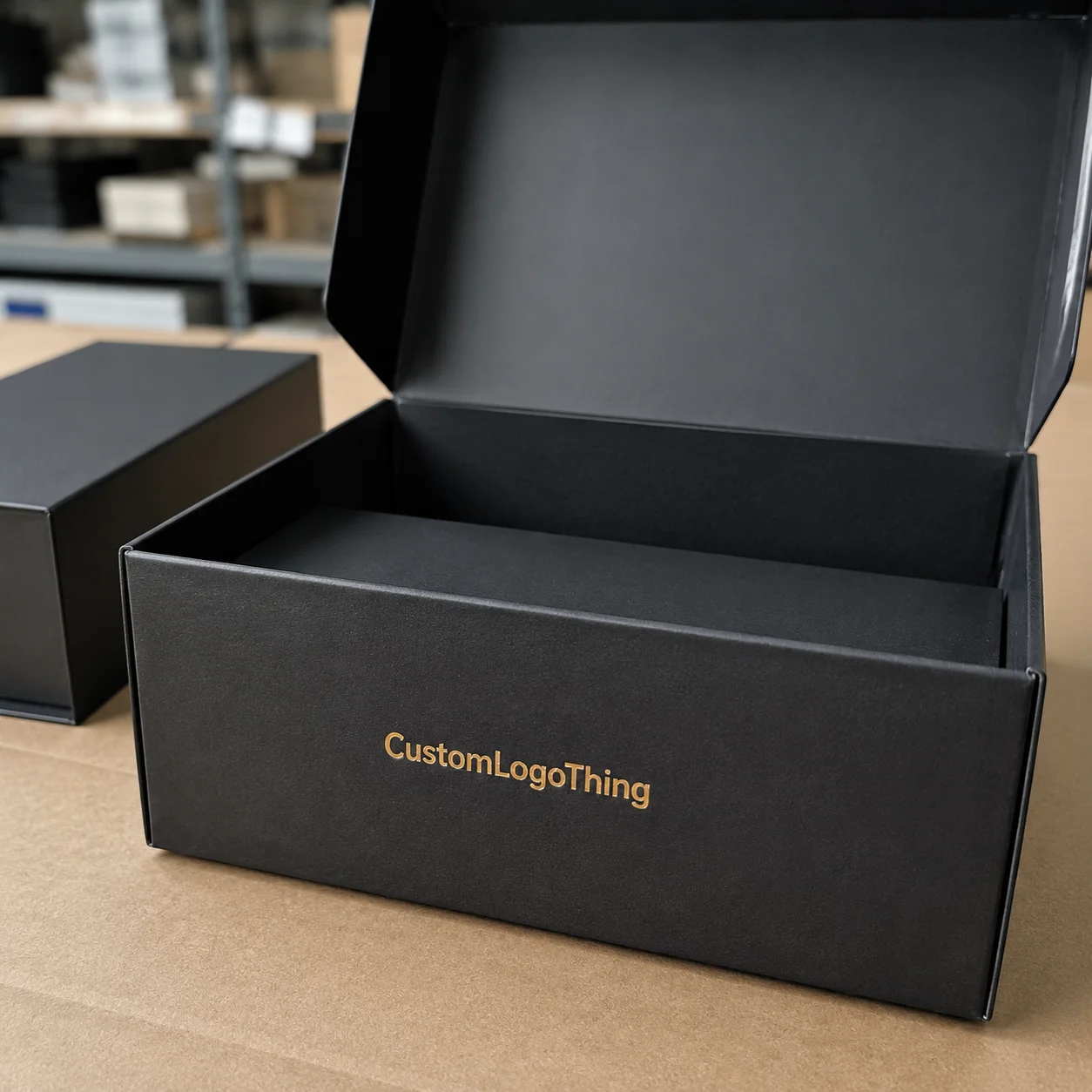
A rigid boxes manufacturer builds non-collapsible boxes that keep their shape, even before the product goes inside. Think of the type of box you see used for luxury cosmetics, wireless headphones, premium candles, apparel sets, gift kits, and high-end retail presentation packs. Unlike a folding carton, which ships flat and gets erected later, a rigid box arrives already formed, with thick walls and a much heavier feel in the hand. In factories around Shenzhen, Huizhou, and Dongguan, these boxes are commonly made for launch runs of 3,000 to 20,000 units, where the brand wants shelf presence as much as protection.
The work is not “just a thicker box.” The manufacturer has to plan the board thickness, choose the wrap paper, match the print to the fold lines, decide how the corners will close, and make sure the inserts actually support the product instead of squeezing it. In my experience, the difference between a decent box and a great one often comes down to millimeters, especially on lids that need a snug friction fit or a magnet closure that has to line up within 1.5 mm. For a 350gsm C1S artboard wrap over 2 mm greyboard, even a 0.5 mm shift in wrap tension can change how the lid closes and how the box feels when it opens.
When I sit with a client team, I usually describe the role of a rigid boxes manufacturer as four jobs in one. First, there is structure: the box shape, wall thickness, insert style, and closure system. Second, there is sourcing: chipboard, art paper, specialty textures, foam, EVA, satin ribbon, and magnets. Third, there is decoration: printing, foil stamping, embossing, debossing, soft-touch lamination, UV coating, or spot varnish. Fourth, there is assembly and QC, which is where a lot of premium value is either protected or lost. A shop in Shenzhen can quote a box at $0.15 per unit for 5,000 pieces if it is a simple tuck style wrapped in standard art paper, but the same plant may be closer to $0.95 per unit once you add a magnetic flap, custom EVA, and gold foil on the lid.
“A rigid box is a presentation tool, a protective shell, and a brand signal all at once. If one of those three is weak, the whole package feels off.”
The real difference between a rigid boxes manufacturer and a standard carton supplier shows up in board thickness and finishing complexity. Folding cartons often use 300gsm to 450gsm paperboard, while rigid setups commonly rely on greyboard or chipboard in the 1.5 mm to 3 mm range, sometimes even thicker for oversized gift boxes. That thicker board changes the way the line behaves, tightens the tolerances, and makes the labor on the wrapping table much more important. A plant in Guangzhou that runs both carton and rigid work will usually keep the rigid line slower, because a 2 mm board box wrapped with textured paper simply cannot be handled like a flat carton run.
Brands choose rigid packaging for three practical reasons. First, it protects delicate products better during handling and shelf movement. Second, it gives a premium first impression that customers notice immediately. Third, it creates a more memorable unboxing experience, which is why so many cosmetic launches and electronics kits keep moving toward custom rigid structures. The marketing around that last point can get exaggerated, but it is still real: the way a lid opens and the sound of a snug-fit closure absolutely shape perception, whether the box is going to a boutique in Toronto or a direct-to-consumer warehouse in Los Angeles.
For readers comparing options, it helps to see the functional differences side by side.
| Box Type | Typical Material | Construction | Best For | Relative Cost |
|---|---|---|---|---|
| Folding carton | 300gsm-450gsm paperboard | Ships flat, erects later | Retail items, lightweight products | Lower |
| Rigid setup box | 1.5 mm-3 mm greyboard with wrap paper | Built into final shape | Cosmetics, gifts, electronics, apparel | Medium to high |
| Corrugated mailer | E-flute or B-flute board | Flat-packed shipping carton | Ecommerce fulfillment, transit protection | Lower to medium |
If you want to understand more about our wider capabilities, take a look at Custom Packaging Products and learn how a project can move from concept into a finished package without losing brand consistency. You can also read more about our team and process on About Custom Logo Things. For brands ordering into California, Texas, or New York, it also helps to ask about shipping cartons sized for pallet builds of 48 x 40 inches, because the outer logistics matter just as much as the box itself.
How a Rigid Boxes Manufacturer Builds the Box
The production flow at a rigid boxes manufacturer usually starts with a design brief that covers product size, weight, handling, and the desired presentation style. I’ve sat through meetings where a client brought a beautiful mood board but no actual measurements, and that almost always costs time later. A useful brief includes the product dimensions in millimeters, the target quantity, the shipping destination, and whether the box needs to carry a tray, magnet, ribbon pull, or foam insert. If the destination is Frankfurt, Sydney, or Chicago, the factory should also know whether the cartons must survive air freight, sea freight, or domestic parcel handling.
Once the brief is clear, the manufacturer moves into structural prototyping. This is where a dieline or box plan is drawn and tested, often with plain board before any print is committed. The prototype tells you whether the lid height is correct, whether the insert fits the item without scuffing it, and whether the box opens with a clean motion. On one cosmetics project I reviewed, the first sample had a tray that was 2 mm too tight, and that tiny issue would have caused real problems once the aluminum bottles were packed on a fast line. The corrected prototype used 2 mm greyboard with a 350gsm C1S artboard wrap, which gave the team a cleaner fit and better corner tension.
After approval, the board cutting stage begins. Greyboard or chipboard is cut using a die-cutting press or a precision cutting table, depending on the factory setup and the order size. The paper wrap is printed separately, usually on art paper, kraft paper, textured stock, or a specialty paper chosen for tactile effect. Then the surface may be finished with matte lamination, gloss lamination, soft-touch film, foil stamping, embossing, debossing, or spot UV. Each finish changes both appearance and cost, which is why the rigid boxes manufacturer needs a clear production order before the run starts. In a standard production bay in Dongguan, a foil-stamped lid can add one extra inspection pass and about 1 to 2 minutes of handling time per hundred units, which quickly affects labor planning on a 10,000-piece order.
Here is a simple view of the main materials I see most often in premium box production:
- Greyboard / chipboard: usually 1.5 mm, 2 mm, or 3 mm thickness for the box body.
- Art paper: commonly used for printed wraps with clean color reproduction, often 128gsm to 157gsm.
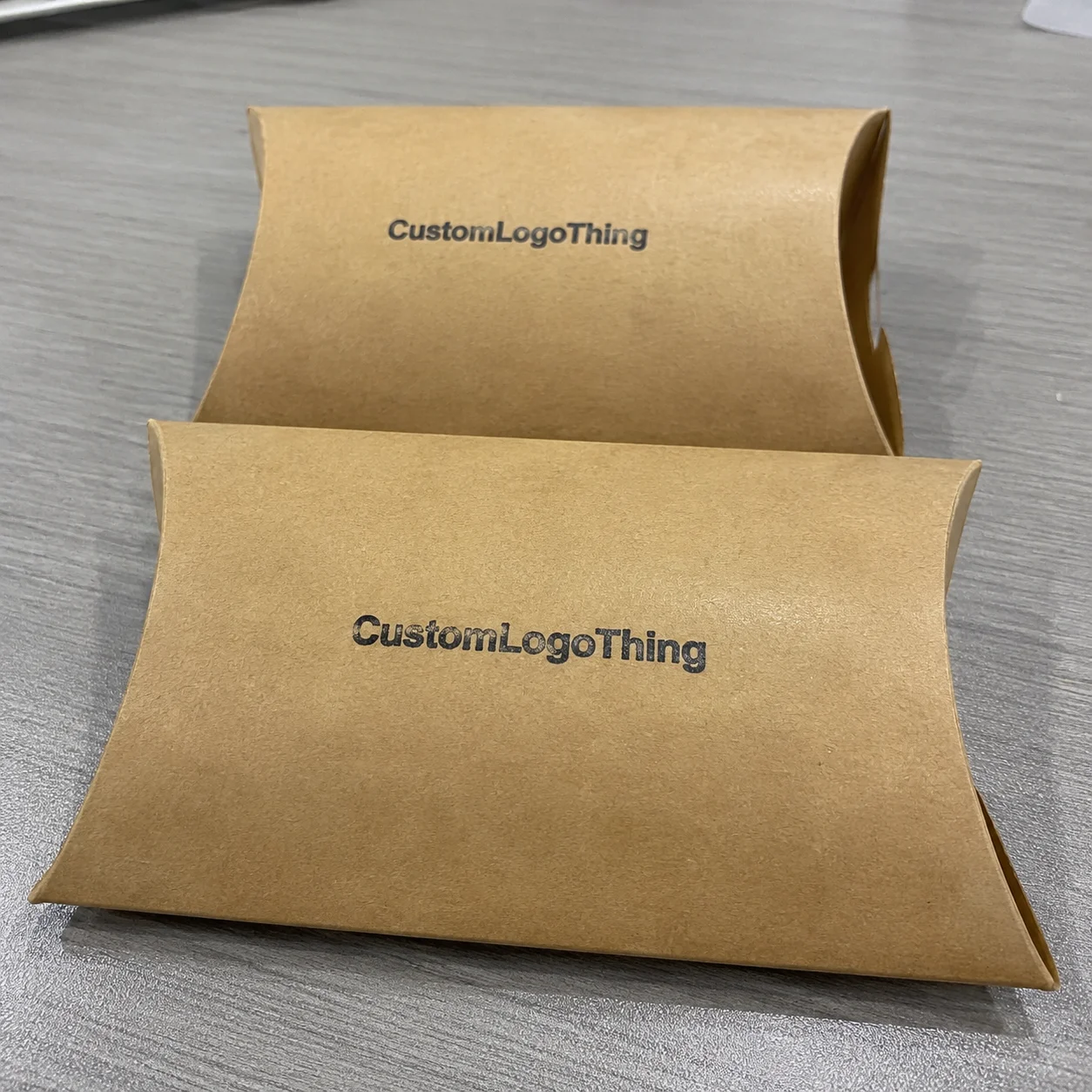
- Kraft paper: a natural, earthy look that works well for artisan brands and 120gsm to 150gsm wraps.
- Textured specialty papers: linen, felt, leather-look, or metallic textures for tactile branding.
- EVA inserts: cut to shape for electronics, cosmetics, and fragile items, often in 25 to 45 density grades.
- Foam inserts: softer cushioning, often used for display-focused packs and delicate glass bottles.
- Molded pulp: an increasingly common support option for brands trying to reduce plastic use.
- Satin ribbons and magnets: used in presentation boxes, gift sets, and magnetic closure styles, with magnet diameters commonly around 10 mm to 15 mm.
Then comes the part that makes rigid packaging feel semi-handmade, because that is exactly what it is. The board structure can be machine-cut, but the wrapping and corner folding often require skilled operators at manual stations. A wrapping table worker has to apply adhesive evenly, pull the paper taut, fold the corners tightly, and avoid bubbles, wrinkles, or glue marks. In a busy factory, you can see who’s experienced just by looking at the corners; crisp edges with no fishmouths or glue bleed tell the whole story. In a Suzhou workshop I visited, the supervisor rejected a batch because the corner fold on a black drawer box showed a 1 mm lift under the lighting booth, which would have been invisible in a loose sample but obvious on retail shelves.
The best rigid boxes manufacturer teams use corner-pasting machines, laminators, and die-cut presses where they make sense, but they still depend on trained hands for the wrap and final assembly. That is why a rigid box can feel different from one plant to another even if the boards and papers are nominally the same. Skill matters. So does patience. And so does a supervisor who notices a crooked lid before 2,000 units are stacked like a tiny, expensive game of Jenga. A well-run facility in Foshan will often keep a printed QC board at the end of the line, with pull tests, corner checks, and insert-fit confirmations logged every hour.
Samples and prototypes reduce mistakes before mass production. A plain structural sample tells you if the geometry works. A printed sample tells you if color and layout are correct. A pre-production sample, sometimes called a golden sample, becomes the reference point for the full run. In my experience, skipping that sequence is where brands get into trouble, especially when they order 5,000 or 10,000 units and expect the first bulk shipment to fix every detail that was never approved. A sample cycle of 3 to 5 business days is common for simple structures, while a printed pre-production sample can take 5 to 7 business days if the foil tooling or special paper is being sourced from another city such as Shenzhen or Dongguan.
Key Factors That Affect Quality, Price, and Lead Time
A strong rigid boxes manufacturer will always tell you that price starts with structure. A box built from 3 mm greyboard with a full wrap and magnet closure costs more than a simple two-piece setup in 1.5 mm board, and that difference is not arbitrary. More board means more material weight, more cutting resistance, more wrap paper, and more labor during assembly. If you add a custom insert, foil stamping, embossing, and soft-touch lamination, the unit price rises again because each step requires setup, inspection, and more handling. On a 5,000-piece order, the jump from a basic build to a fully decorated presentation box can easily move from $0.18 per unit to $0.75 or more, depending on the factory in Guangdong and the shipping method you choose.
For a concrete example, I’ve seen a 5,000-unit cosmetic rigid box quoted at roughly $0.18 per unit for a very basic build using standard board and simple print, while a similar size box with 3 mm chipboard, soft-touch lamination, gold foil, and a custom EVA insert moved closer to $0.72 to $1.10 per unit depending on tooling and freight. Those numbers are not universal, and I would never pretend they are, but they do reflect the way costs stack up in real production. A rigid boxes manufacturer is pricing labor as much as material, and the finishing steps can quickly become the dominant cost driver. If the box ships to a warehouse in Dallas by air freight, the landed cost can add another 8% to 18% compared with sea freight from Ningbo or Shenzhen.
Minimum order quantity matters too. Small runs often cost more per box because the setup time for printing, die cutting, wrap preparation, and machine calibration does not shrink just because the quantity is lower. If you order 500 boxes, the factory still has to prep the press, clean the line, and train labor to handle your style. At 10,000 units, those fixed costs get spread out much more efficiently. That is why a rigid boxes manufacturer may quote a lower per-unit price at higher volume even if the board spec is identical. In many Guangdong factories, the sweet spot for pricing starts around 3,000 pieces and improves again at 5,000 or 10,000 pieces.
Lead time has its own set of pressure points. A simple project with approved artwork and stock materials might move in 12 to 15 business days from proof approval, while a complex box with magnetic closure, multi-color print, custom insert, and specialty paper can push further out, especially if the paper has to be sourced or the foil tooling needs a separate approval cycle. Shipping method matters too. Air freight can move fast but costs more; sea freight is more economical for large orders but requires more calendar time. This is where a rigid boxes manufacturer earns trust by being honest about the schedule instead of promising magic. If the project starts in Shenzhen on a Monday and proof approval lands by Wednesday, a basic run may still need two full weeks before cartons are ready for pickup.
Here are the main variables that usually affect cost:
- Board thickness: 1.5 mm, 2 mm, or 3 mm changes stiffness and material usage.
- Paper type: art paper, kraft, textured stock, or specialty wrap.
- Print coverage: full bleed graphics cost more than minimal branding.
- Finishes: foil stamping, embossing, debossing, spot UV, and soft-touch lamination.
- Insert style: plain paperboard, EVA, foam, molded pulp, or velvet-lined trays.
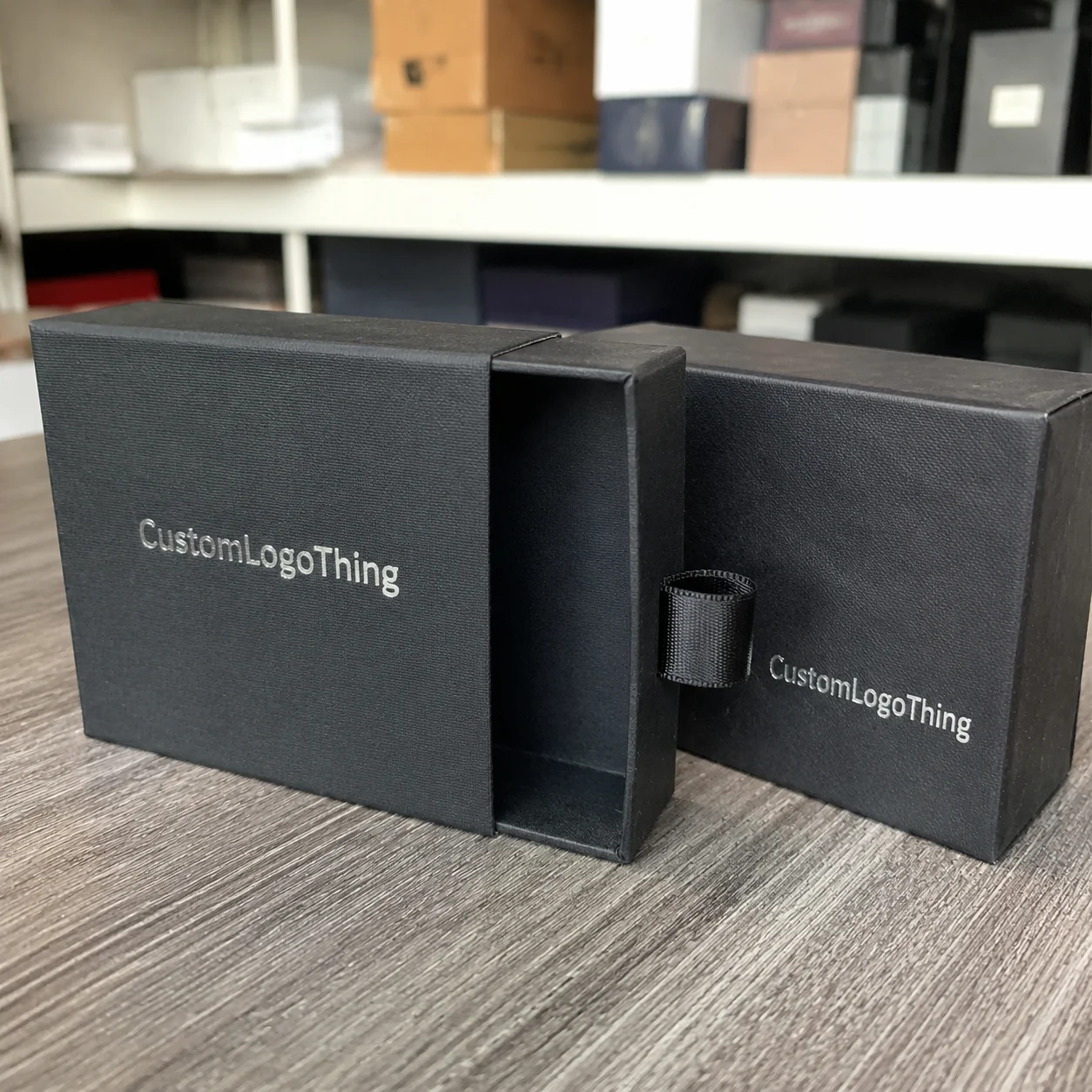
- Closure style: lift-off lid, magnetic flap, drawer box, or book-style box.
- Quantity: higher volumes usually reduce unit cost.
The table below gives a practical way to think about finish choices. The exact quote from a rigid boxes manufacturer will depend on dimensions and labor rates, but the trade-offs stay fairly consistent. In the Pearl River Delta, a soft-touch laminate may add a few cents per unit on a 5,000-piece run, while a custom magnet pair can add another $0.03 to $0.08 per box depending on size and sourcing.
| Feature | Visual Effect | Cost Impact | Production Consideration |
|---|---|---|---|
| Matte lamination | Soft, clean, modern | Moderate | Good for most premium brands |
| Soft-touch lamination | Velvety, high-end feel | Higher | Can show fingerprints less, but needs careful handling |
| Foil stamping | Metallic highlight | Higher | Requires tooling and alignment checks |
| Embossing | Raised tactile detail | Higher | Works best with thicker paper wraps |
| EVA insert | Precision product cradle | Higher | Excellent for fragile or high-value items |
For quality and handling standards, I often point clients to industry resources like ISTA packaging test protocols and the EPA packaging and sustainable materials guidance. Those references are useful when a brand wants to think beyond appearance and evaluate shipping durability, material choices, and environmental impact with more discipline. If you are shipping from a factory in Shenzhen to a fulfillment center in Atlanta, a drop test, compression test, and humidity review can save a lot more than the $0.02 per unit they cost to evaluate.
How to Work With a Rigid Boxes Manufacturer Step by Step
The best results usually start with a clear product brief. A rigid boxes manufacturer will need the product dimensions, weight, fragility level, target quantity, box style, finish preferences, and delivery location before the quote can be meaningful. If the product is a perfume bottle, for example, the factory needs not just the bottle size but the neck profile, cap height, and how much protective clearance you want around the glass. That kind of detail can save hours of back-and-forth and prevent a too-tight fit. A perfume line in Paris may need a slimmer insert for shelf elegance, while a skincare set shipping to Miami may need more cavity depth to protect pumps and droppers.
When you request a quote, send the artwork files in the right format, usually PDF or AI, along with any reference images that show the style you want. I’ve seen brands send a screenshot of a competitor’s box and expect exact duplication, but what actually helps a rigid boxes manufacturer is a clear explanation of what you like: the lid opening style, the paper finish, the insert color, the foil placement, and whether the box should feel minimal, luxurious, playful, or technical. If you already know the target board spec, say so directly, such as 2 mm greyboard with a 157gsm art paper wrap and matte lamination.
The sample stage should usually follow a simple sequence. First, request a structural sample if the dimensions are still under review. Second, ask for a printed sample or proof once the structure is locked. Third, approve a pre-production sample before the bulk run begins. That approval point matters because it becomes the reference for the full order. If a rigid boxes manufacturer is worth working with, they will be comfortable showing you each checkpoint rather than rushing you past it. A clear approval chain also helps the factory stay on schedule, which is how a 12 to 15 business day build stays realistic instead of turning into a 30-day delay.
Here is the kind of production flow I recommend:
- Brief the project: include dimensions, quantity, and brand goals.
- Review the dieline: confirm the box layout and insert placement.
- Approve the sample: check fit, finish, and color accuracy.
- Confirm bulk specifications: board thickness, paper type, closure, and inserts.
- Monitor production checkpoints: print, lamination, wrap, assembly, and QC.
- Inspect shipment: verify count, packing method, and outer carton condition.
During production, ask for checkpoints that match your risk areas. If the box uses foil on the lid, confirm foil alignment against the fold lines. If the box has a magnet closure, check pull strength and placement before the line continues. If the insert has custom cavities, confirm that the item drops in without forcing. In one client meeting, I watched a team approve a gorgeous drawer box only to discover the ribbon pull was 8 mm too short for gloved hands in retail display use. That kind of problem is easy to catch early and annoying to fix later. On a 2,000-piece drawer style made in Dongguan, a ribbon adjustment of even 5 mm can save a lot of manual rework.
At the end of the run, packaging and storage matter more than people think. Boxes should be packed in clean master cartons, protected from humidity, and stored flat or nested according to the design. A rigid boxes manufacturer can deliver beautiful product, but if the cartons sit beside a leaky wall or under direct sun for three days, the edges can scuff and the wrap can swell. I’ve seen that happen in warehouse staging more than once, and it always feels avoidable. In southern China, where summer humidity can sit above 80%, I always advise clients to keep finished cartons off the floor and away from dock doors.
For brands looking to compare capabilities, Custom Packaging Products is a useful starting point because it shows the broader options available beyond one box style. A good packaging partner should help you Choose the Right structure instead of forcing every project into the same template.
Common Mistakes Brands Make When Choosing a Rigid Boxes Manufacturer
One of the biggest mistakes I see is designing the box before the product dimensions are final. A brand might order a beautiful custom box, then change the bottle height or device thickness by 3 mm, and suddenly the insert no longer fits cleanly. A careful rigid boxes manufacturer will ask for the actual product dimensions and, ideally, a physical sample before tooling begins. That extra step saves headaches and wasted inventory, especially on a run of 8,000 units where re-cutting inserts can add days and extra labor in a Guangzhou or Shenzhen factory.
Another common issue is choosing finishes for appearance alone. Foil stamping, embossing, magnetic closures, and satin ribbons look impressive, but they all add material and labor. If the budget is fixed, it is usually smarter to prioritize one or two brand-defining details instead of trying to cram every premium effect into one box. I’ve seen a client spend heavily on soft-touch lamination and gold foil, then realize they had to simplify the insert because the total cost had gone too high. A good rigid boxes manufacturer will help balance those trade-offs honestly, and they should be able to show you exactly how a 2 mm greyboard build differs from a 3 mm one in both weight and price.
Skipping sample approval is a classic mistake. The first bulk run is not the place to discover that your logo is sitting too close to the hinge, or that the lid gap is wider than expected. In my experience, the most expensive errors are the ones caught after 3,000 pieces have already been wrapped. One buyer once told me he trusted the artwork proof and did not need a physical sample; the problem was that his deep black background looked elegant on screen but revealed every tiny fold mark once it went through production. A sample would have shown that immediately, and a pre-production sample in the right lighting booth could have caught it before the line started in Dongguan.
Brands also forget to think about shipping conditions. A rigid box can be strong in hand, but outer-carton compression, humidity, and rough freight handling still matter. If the finished package is going into ecommerce fulfillment, it may need a mailer or overpack carton that protects the presentation box during transit. If the box is going to a retail floor, it may need stronger surface coating because customers will handle it hundreds of times. A rigid boxes manufacturer should ask those questions, and if they do not, I would consider that a warning sign. A retailer in Vancouver may need a tougher scuff-resistant laminate than a gift box sold once at a holiday counter in Dallas.
Another problem is failing to ask where the work actually happens. Some vendors are brokers, not factories, and they may not control structural engineering, wrapping quality, or QC directly. Ask whether the rigid boxes manufacturer handles cutting, printing, lamination, and assembly in-house or through multiple suppliers. Ask about their minimum order quantity, their QC process, and what happens if the color shifts or the insert tolerance drifts. Clear answers are a good sign. Vague answers usually are not. If a supplier cannot tell you whether production is in Shenzhen, Dongguan, or another city in Guangdong Province, that is a useful clue about how much control they really have.
Expert Tips From a Rigid Boxes Manufacturer
My first piece of advice is to treat the box as part of the product experience, not just a shipping container. The opening motion, the resistance of the lid, the feel of the paper, and the sound of the closure all affect how premium the product feels. A skilled rigid boxes manufacturer knows that a perfume box with a slow, elegant lift-off lid creates a different emotional response than a magnetic flap that snaps shut with a sharp click. Neither is automatically better; the right choice depends on the brand story and the product category. A jewelry house in Milan may prefer a ribbon pull and shallow tray, while a consumer electronics brand in Seoul may want a stronger magnetic closure and anti-scratch insert.
Choose materials based on how the box will actually be used. If the packaging is for an understated luxury brand, a matte art paper or subtle textured paper often looks better than a glossy finish with heavy decoration. If the product will be handled a lot, a durable laminate can protect the wrap from scuffs and fingerprints. If the item is heavy, the board thickness should be chosen with real load support in mind, not just appearance. A rigid boxes manufacturer should be able to explain the trade-offs between 1.5 mm board, 2 mm board, and 3 mm board in plain language. For example, a 500-gram candle set packed in 1.5 mm board may feel soft at the corners, while the same item in 2 mm greyboard can hold its profile much better through shipping and display.
Ask for edge and corner samples if your branding depends on precision. Corner crispness is one of the easiest ways to judge the quality of a rigid box. On the floor, I’ve picked up dozens of samples where the print looked fine but the corners told the truth: uneven wrap tension, minor lifting, or glue seepage can turn an otherwise expensive-looking box into something average. If your project is high-visibility, ask the rigid boxes manufacturer to show you corner photos or a real pre-production sample with close-up detail. A close-up image taken under 5000K lighting will reveal far more than a polished marketing render.
Artwork placement deserves more attention than many teams give it. Logos, foil blocks, and pattern elements should be planned around seams, folds, hinge lines, and closure points. If a design crosses a fold without adjustment, the result can look misaligned by a few millimeters, which is enough to bother a trained eye. I usually tell clients to think of the dieline as a living map, not a flat poster. That mindset makes the final packaging much stronger, especially when a box has a lid, base, and internal tray that each needs its own print alignment.
Finally, build time into the calendar for approvals, freight, and revisions. Even a dependable rigid boxes manufacturer needs time to source the right paper, cut samples, revise layouts, and get sign-off from stakeholders. If you have a launch date, plan the packaging backwards from it and leave a buffer for one extra proof cycle. I’ve seen too many projects go sideways because someone assumed packaging could be approved in a day and shipped in a week. That is not how premium rigid work behaves, especially when the factory is managing a 10,000-piece run and a freight booking out of Shenzhen or Ningbo.
When you are comparing suppliers, look for clear communication, sample support, and an ability to discuss production in specific terms. The right rigid boxes manufacturer should be comfortable explaining board thickness, wrap stock, insert choices, finish options, and expected tolerances without hiding behind vague claims. That is the kind of partner I would trust with a launch that matters.
For industry context, the Forest Stewardship Council offers useful guidance on certified paper sourcing at fsc.org, especially if your brand wants to ask better questions about responsible material selection and supply chain transparency. A good factory in Guangdong or Jiangsu should be able to discuss FSC-certified paper options, recycled greyboard content, and whether the wrap stock can be sourced with documented chain-of-custody paperwork.
What to Do Next Before You Place an Order
Before you send anything to a rigid boxes manufacturer, gather the basics in one clean brief: product dimensions, product weight, target quantity, box style, insert requirement, finish preference, and delivery address. The more exact you are, the better the quote will be. I always recommend adding a reference photo or sample image too, because one picture of the style you want can prevent a lot of misunderstanding about sheen, texture, and closure type. If you already know the target material, specify it directly, such as 2 mm greyboard with 350gsm C1S artboard wrap and matte lamination.
Ask for a structural sample, a material explanation, and a quote breakdown. That way you can compare board thickness, paper options, insert materials, and finishing costs line by line instead of guessing what drives the number. A reliable rigid boxes manufacturer should be comfortable explaining which cost elements are fixed, which are optional, and which changes will affect the lead time. If the answer feels rushed or fuzzy, keep asking until it becomes concrete. A quote that says $0.22 per unit for 5,000 pieces with standard wrap and no insert is far more useful than a vague “premium pricing” note with no breakdown.
Confirm the approval milestones before production starts. I like to see the sequence spelled out: dieline review, structural sample sign-off, print proof approval, pre-production sample approval, bulk production, and final shipment. That process protects both the buyer and the factory. It also gives everyone a shared reference if something needs to be corrected later. In a typical project, proof approval on Tuesday may lead to bulk completion 12 to 15 business days later, assuming the paper stock is available and no extra tooling is needed.
Then do a final checklist. Confirm the box size, insert fit, finish selection, branding placement, order quantity, and shipping destination. Check whether the product will be used for retail display, gift presentation, or ecommerce shipping, because that changes the packaging priorities. A rigid boxes manufacturer can build a beautiful box, but the best results happen when the brand knows exactly how the box will live in the real world. If the box is destined for a shelf in London, a subscription unboxing in Austin, or a holiday promo in Dubai, that use case should guide the final spec.
If you want help figuring out the right packaging direction, start with our broader packaging range at Custom Packaging Products and learn more about the team behind the work at About Custom Logo Things. That gives you a better sense of how a project moves from idea to finished box, especially when the details matter.
Choosing a rigid boxes manufacturer is really about choosing a process partner, not just a vendor. If the factory understands structure, materials, finishes, QC, and honest timing, your packaging will feel deliberate from the first lift to the final close. And if the box feels right in hand, your customer will feel that quality before they ever touch the product inside.
FAQ
What does a rigid boxes manufacturer do differently from a folding carton supplier?
A rigid boxes manufacturer works with thick paperboard and wrapped construction to create a premium, non-collapsible box. Folding cartons are usually thinner, ship flat, and are assembled later, while rigid boxes are built into their final shape during production. Rigid packaging also tends to require more hand finishing, tighter quality control, and more decorative options. In many factories in Shenzhen and Dongguan, rigid lines use 1.5 mm to 3 mm greyboard, compared with 300gsm to 450gsm board for folding cartons.
How much does a rigid boxes manufacturer usually charge per box?
Pricing depends on box size, board thickness, paper selection, print coverage, finish type, insert style, and order quantity. A basic box might be priced far lower than one with soft-touch lamination, foil stamping, embossing, and a magnetic closure. For example, a 5,000-piece order may start around $0.15 to $0.22 per unit for a simple wrapped structure, while a more decorated build can reach $0.72 to $1.10 per unit depending on tooling and freight. Larger orders usually reduce unit price because setup and tooling costs are spread across more boxes.
How long does it take a rigid boxes manufacturer to complete an order?
Timeline depends on whether you need a sample, how complex the structure is, and how many finishes are included. Simple projects move faster, while custom inserts, specialty papers, and multiple decoration steps add time. A common production window is 12 to 15 business days from proof approval for a straightforward order, while more complex builds can take longer. Approval delays and shipping method also affect the final delivery date, especially if the shipment is leaving from a manufacturing hub such as Shenzhen or Ningbo.
What information should I send to a rigid boxes manufacturer for an accurate quote?
Send product dimensions, product weight, target quantity, box style, insert needs, artwork files, and finish preferences. Include your expected delivery date and shipping destination so the manufacturer can factor in production and transit time. A sample or reference photo helps the factory understand the look and feel you want. If possible, include the material spec too, such as 2 mm greyboard with 350gsm C1S artboard wrap, because that level of detail makes quotes far more accurate.
How do I know if a rigid boxes manufacturer is reliable?
Look for clear communication, sample support, transparent pricing, and evidence of quality control. Ask whether the factory handles structural engineering, printing, and wrapping in-house or through multiple vendors. A reliable manufacturer should be willing to explain materials, lead times, and practical limitations before production starts. If they can discuss exact board thickness, sample timing, and where the work is produced, such as Shenzhen, Dongguan, or Foshan, that usually indicates a more dependable operation.