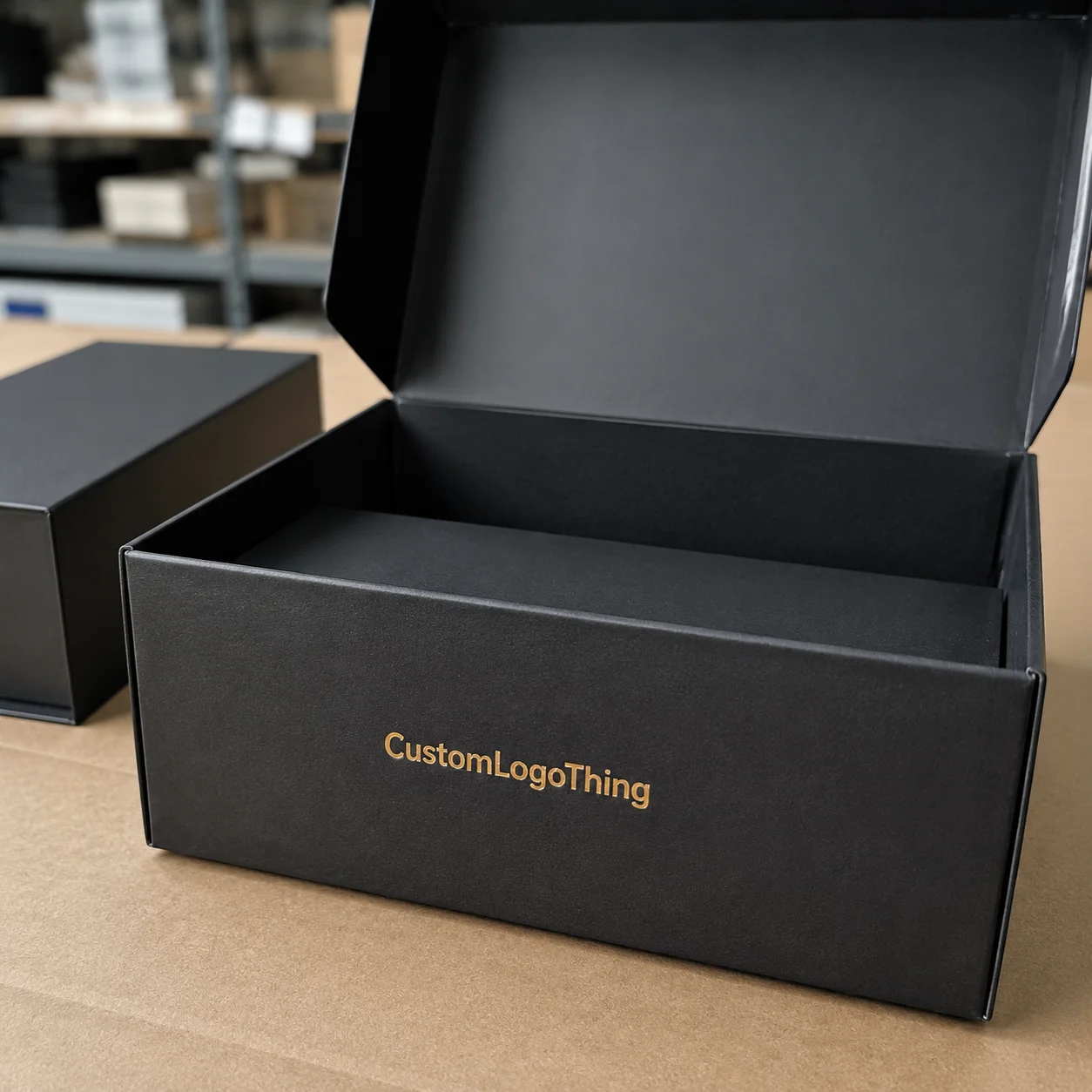
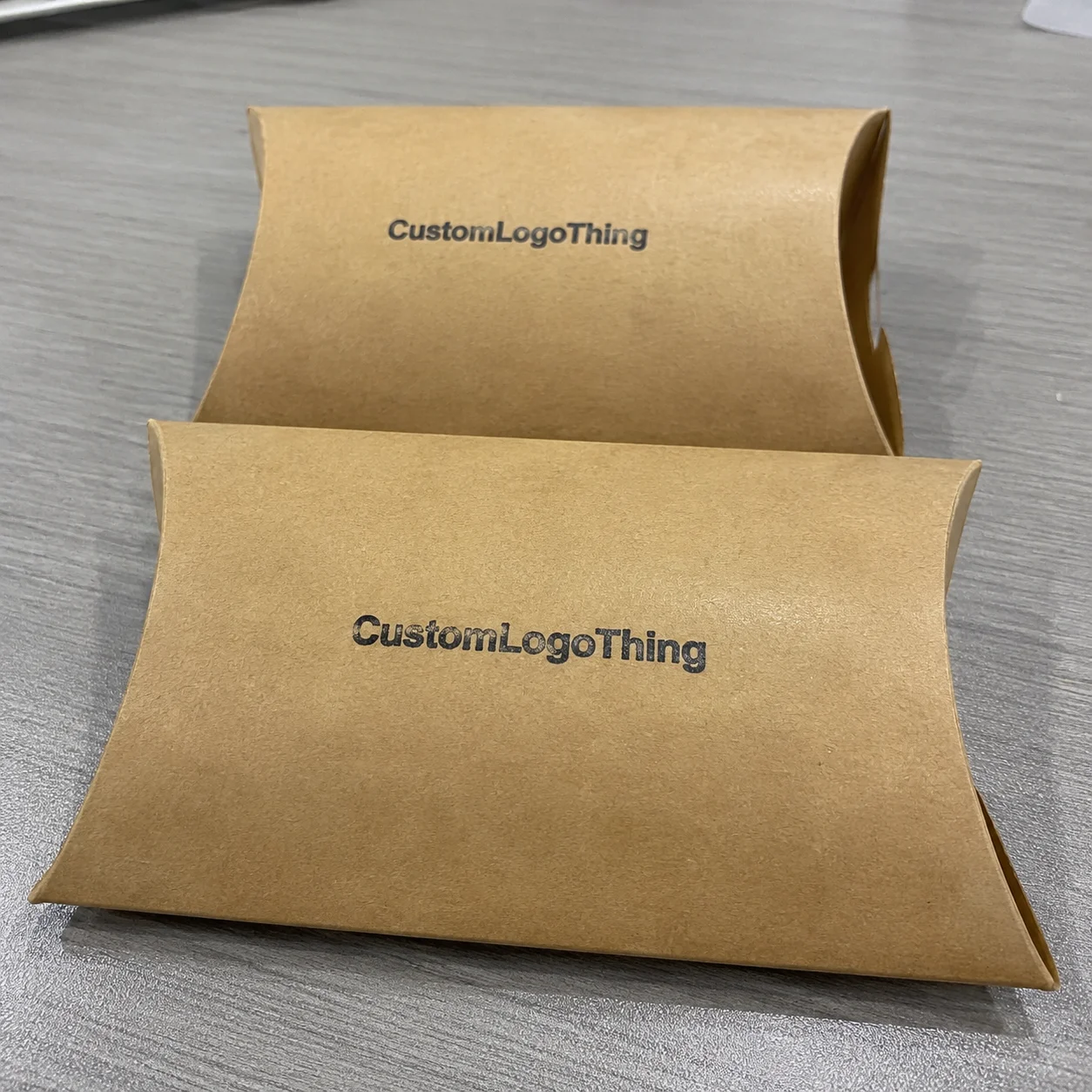
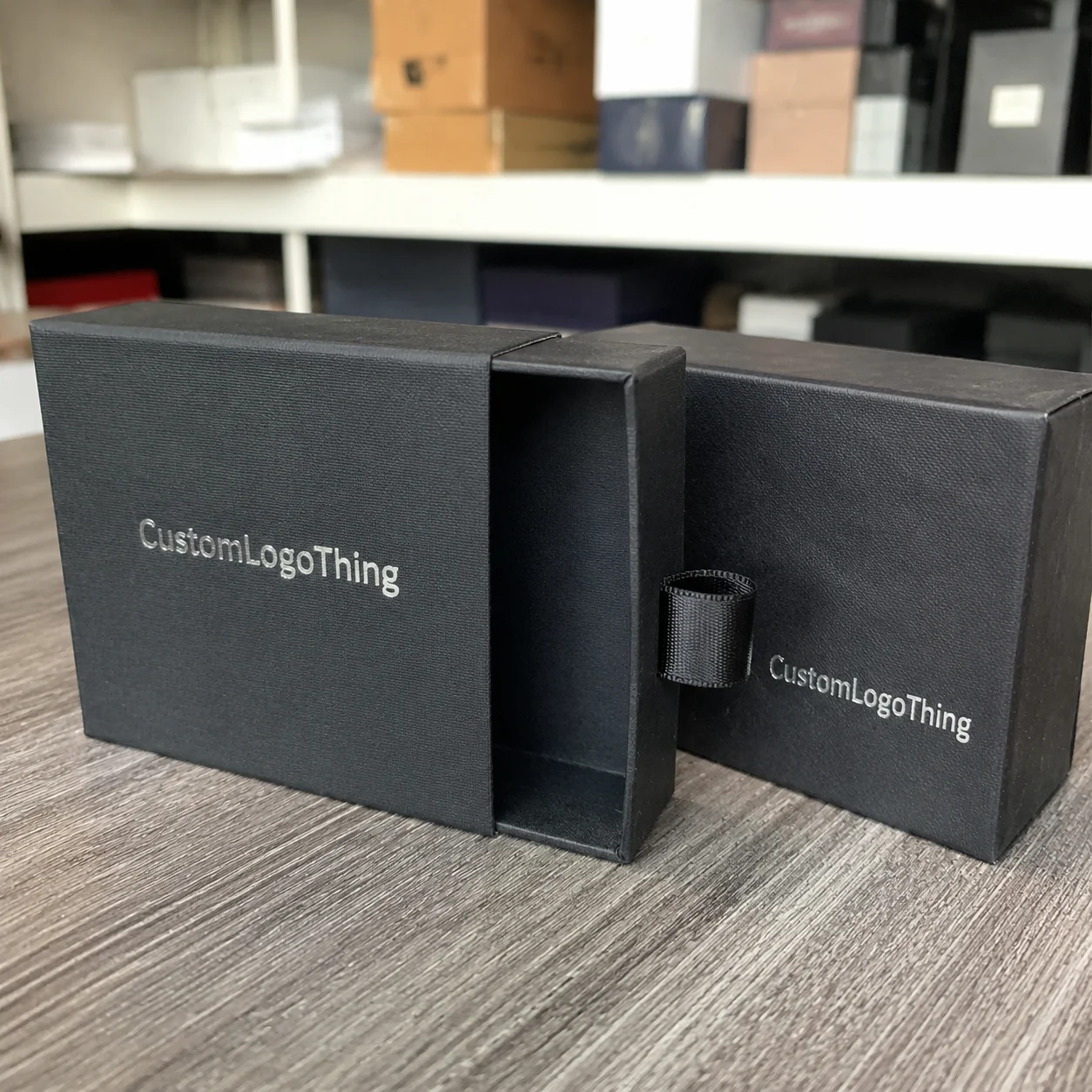
Buyer Fit Snapshot
| Best fit | Rigid Boxes Pricing projects where brand print, material claims, artwork control, MOQ, and repeat-order consistency need to be specified before quoting. |
|---|---|
| Quote inputs | Share finished size, material target, print colors, finish, packing count, annual reorder estimate, ship-to region, and any compliance wording. |
| Proofing check | Approve dieline scale, logo placement, barcode or warning zones, color tolerance, closure strength, and carton packing before bulk production. |
| Main risk | Vague material claims, crowded artwork, missing packing details, or unclear freight terms can make a low unit price expensive after revisions. |
Fast answer: Rigid Boxes Pricing: Production Review should be specified like a repeatable production item. The safest quote records material, print method, finish, artwork proof, packing count, and reorder notes in one written spec.
Production checks before approval
Compare the actual filled-product size with the drawing, then confirm tolerance on folds, seals, hang holes, label areas, and retail display edges. Reserve space for logos, QR codes, warning copy, and material claims before decorative graphics fill the panel.
Quote comparison points
Review material grade, print process, finish, sampling route, tooling charges, carton quantity, and freight assumptions side by side. A quote is only useful when the supplier can repeat the same color, closure quality, and packing count on the next order.
The first time I audited a Rigid Boxes Pricing guide with a cosmetics buyer in Los Angeles, the quote spread made her laugh out loud: two boxes with the same 8 x 8 x 3 inch footprint came back at $0.92 and $3.74 per unit on a 5,000-piece run. Same outer size, same destination, very different story. The gap came from board grade, wrap material, magnetic closure hardware, foil stamping, and a fabric-lined insert that added almost 11 minutes of hand work per carton on the line in Dongguan. I remember staring at those numbers and thinking, “Well, that’s not a pricing difference, that’s a whole personality change.”
That’s the part buyers often miss. A rigid box is not just a carton with thicker walls; it is a constructed product, built from chipboard, wrapped in paper, trimmed by hand, and finished with details that can range from plain matte lamination to embossing, debossing, and spot UV. If you are comparing quotes without understanding the build, a rigid boxes pricing guide becomes less of a pricing tool and more of a rescue map. And honestly, I have had more than one buyer call me after a bad quote round looking like they had been personally betrayed by cardboard.
Honestly, I think most budget blowups happen because teams treat rigid packaging like folding cartons. They are not priced the same way, and they should not be. A 1,000-piece pilot run in Shenzhen will not carry the same unit cost as a 20,000-piece program built on 1000gsm grayboard with 157gsm art paper wrap and simple matte lamination. In my experience, once a buyer sees how labor, materials, and finishing interact, the numbers stop looking random. This rigid boxes pricing guide is meant to make that visible, so you can compare quotes, protect margin, and still end up with packaging that feels premium. And yes, premium enough that nobody will say, “Hmm, this feels suspiciously like a shoebox.”
Rigid Boxes Pricing Guide: Why Costs Can Surprise You
Rigid boxes are premium set-up boxes made from thick paperboard, usually wrapped in printed or specialty paper, then assembled to hold shape without folding flat. That structure is exactly why they feel substantial in hand. It is also why they cost more than a standard folding carton. The board has to be cut, wrapped, glued, pressed, and sometimes fitted with magnets, foam, or molded inserts before one finished box ever reaches your warehouse in Chicago or Rotterdam. When the build is done well, it feels almost effortless to the customer; when it is done badly, everyone notices immediately, which is the kind of drama I could do without.
I have seen buyers assume that two boxes with identical outer dimensions should be nearly identical in price. They rarely are. One may use 1000gsm grayboard with a 157gsm art paper wrap; the other may use 1400gsm board, soft-touch lamination, hot foil, and an EVA insert cut to hold a 30 mL glass bottle. Those choices change not only material spend but also the number of production steps. In rigid packaging, complexity is not decorative fluff. It is cost.
At a supplier meeting in Shenzhen, a luxury accessories brand asked why a plain uncoated drawer box was quoted at $1.08 while a magnet-closure box with foil, embossing, and a ribbon pull was $2.91. The answer was simple: the magnet box had more components, more machine setup, and more hand assembly. The ribbon alone added about $0.04 per unit, but the real jump came from labor and the need for tighter alignment tolerances. That is the kind of detail this rigid boxes pricing guide tries to surface.
When buyers ask me for the “average” rigid box cost, I usually answer with a question: average for what spec? A 5,000-piece run of a basic two-piece set-up box in Guangdong is one universe. A 1,000-piece order of a magnetic closure gift box with foil stamping and custom tray in Vietnam is another. If you want meaningful pricing, you need to define the board grade, wrap, finish, insert, quantity, and delivery terms first.
“The expensive part is rarely the chipboard itself. It is the sum of small decisions: closure style, wrap choice, finishing, and how much of the build still needs human hands.”
That is why this rigid boxes pricing guide starts with structure, not just unit price. Price without context is a trap. Value without a spec sheet is guesswork.
How Rigid Box Pricing Works From Quote to Final Cost
A proper rigid boxes pricing guide has to show the quote from the inside out. In most supplier quotes, the price is built from several line items: box construction, wrap material, print method, insert type, decorative finishing, assembly labor, packaging for shipment, and freight. Some vendors bundle those together. Others itemize them. If you do not know what is included, you cannot compare quotes fairly, and that is how people end up approving something that looked fine on paper but turns into a slow-motion headache later.
Base construction usually covers the board, die cutting, wrapping, and basic assembly. Wrap material may be printed art paper, textured specialty stock, recycled paper, or a film-coated sheet. Then comes decoration: foil stamping, embossing, debossing, screen print, matte or gloss lamination, and spot UV if you want visual contrast. Every one of those steps adds setup time and usually raises the reject risk if the artwork has tight registration. I have seen a tiny misalignment on foil turn a lovely box into a “close enough, I guess” situation, and nobody ever feels good approving that.
Labor matters more than people think. On a factory floor in Dongguan, a clean straight wrap on a simple lid-and-base box can move quickly. A drawer box with a cotton ribbon pull and a two-piece EVA insert? That slows everything down. I once watched a line shift from 600 boxes per hour to just under 240 when the team switched from plain paper wrap to soft-touch with foil and an internal tray. The machinery did not fail. The process simply became more hands-on. The press operator gave me this look like, “You wanted luxury. Luxury is asking for my lunch break.”
What pricing units usually mean
Rigid box suppliers typically quote in one of three ways: per piece, per thousand, or a project setup fee plus unit cost. Low quantities often look expensive because the setup costs are spread across fewer boxes. A $350 tooling or proofing charge on 500 boxes adds $0.70 per unit before the actual box even starts. On 10,000 boxes, that same charge adds only $0.035 per unit. That is why small pilot runs can feel disproportionately pricey.
MOQ, or minimum order quantity, affects the conversation too. A prototype run or sample order often carries a premium because the supplier has to interrupt production flow, prepare new tooling, and sometimes use manual finishing. If you are testing market demand, that extra cost may be worth it. If you are scaling a known SKU, it is a different calculation.
Here is a simple comparison that shows how volume can change the math when the structure stays the same:
| Order quantity | Box style | Estimated unit price | Notes |
|---|---|---|---|
| 500 pieces | Two-piece rigid box, printed wrap, no insert | $1.85 | Setup cost spread over a small run |
| 2,000 pieces | Same structure, same wrap, no insert | $1.12 | Lower unit cost from better production efficiency |
| 5,000 pieces | Same structure, same wrap, no insert | $0.84 | Material buying and labor planning improve |
That table is not universal, and I would never pretend it is. But it illustrates a real pattern I have seen across dozens of sourcing conversations: rigid boxes pricing guide numbers drop with scale, yet only if the spec stays stable. Change the closure, add foil, switch wrap stock, or upgrade inserts, and the savings can evaporate fast.
Another point that gets missed in a rigid boxes pricing guide is sampling. Some vendors include a standard white mockup. Others charge separately for structure samples, printed prototypes, or courier delivery. On a recent client call, a buyer thought she had a $0.96 quote in hand, then discovered the dieline, sampling, and freight would add another $0.41. Suddenly the “cheap” option was not cheap at all. Apples-to-apples comparison matters more than dramatic headline pricing. I wish that lesson came with a free espresso, because the number of times I have had to explain it is frankly ridiculous.
If you want a useful benchmark, ask each supplier for the same package: box construction, wrap spec, insert spec, decoration, proofing, and shipment terms. The more consistent your brief, the more useful your rigid boxes pricing guide becomes.
Key Factors That Shape Rigid Box Pricing
The phrase rigid boxes pricing guide sounds simple, but the price drivers underneath it are layered. Board thickness is one of the first. Thicker chipboard generally increases cost, but it also improves crush resistance and gives the box that dense, premium feel buyers expect. A 1200gsm board and a 1600gsm board do not behave the same in production, and they do not feel the same in a customer’s hand.
Wrap material is another major variable. Printed paper is usually more affordable than textured specialty stock. Soft-touch lamination adds a velvety feel, but it also adds a finishing pass. Recycled wraps can reduce environmental impact and sometimes lower material costs, though the final look depends on fiber quality and print coverage. I have seen brands switch from imported specialty paper to a well-printed FSC-certified wrap and save enough to fund a custom insert upgrade instead. That is a smarter trade-off than piling on every premium effect at once.
Decoration complexity can change the bill quickly. Foil stamping needs tooling and pressure control. Embossing and debossing need precise dies. UV coating introduces another layer of process control. Metallic inks, full-bleed artwork, and exact PMS matching can all increase press time and waste. If the art wraps over corners or hits a seam, the risk rises again. This is why a rigid boxes pricing guide should always tie design ideas to production reality. A beautiful render on a screen can become a very different creature once it meets a gluing table in Suzhou.
Structure choices that change price
Different box structures carry different labor burdens. A lift-off lid and base is straightforward. A magnetic closure box requires magnet placement and alignment. A drawer box needs a friction fit or ribbon pull. A book-style box introduces hinge behavior. Collapsible rigid boxes can lower shipping and storage expense, but they add engineering and often more assembly complexity. The “best” structure is never just the prettiest one; it is the one that fits the product, the channel, and the budget.
Interior components can swing pricing hard. Foam inserts, EVA trays, molded pulp forms, paperboard partitions, and fabric-lined nests all bring different material and labor costs. For electronics, I have seen molded pulp win on sustainability and shipping efficiency, while for fragrance sets, a velvet-lined insert created the emotional lift the brand needed. Neither choice is inherently better. They just answer different business problems.
Print coverage and color count matter too. A minimalist black-on-natural wrap can be cheaper than a full-coverage four-color design with white underprint and metallic accents. Yet here is the twist: a simple design can look more luxurious than a crowded one if the material and proportions are right. In other words, cheap-looking and low-cost are not the same thing.
Quantity and freight sit at the end of the chain, but they can undo your assumptions. Larger runs usually reduce unit cost, but heavier rigid boxes can increase dimensional weight charges. A pallet of 10,000 magnet boxes can also cost more to move than a pallet of folding cartons because of volume and density. For sustainability-minded teams, it is useful to understand the packaging and material side of the equation; the U.S. EPA has useful reference material on waste and resource reduction at epa.gov.
For brands concerned with responsible sourcing, I also recommend reviewing fiber certification standards at fsc.org. FSC paper will not magically lower unit cost, but it can strengthen your sourcing story and simplify retail or export conversations.
Rigid Boxes Pricing Guide: Step-by-Step Budgeting and Sourcing
If you are building a budget from scratch, treat the rigid boxes pricing guide like a sourcing checklist, not a guess. Step one is defining the use case. Is this retail display packaging, a luxury gift box, a subscription kit, an electronics shipper, or cosmetics presentation packaging? The function tells you how much protection, brand theatre, and shipping efficiency you need.
Step two is setting non-negotiables. I ask clients to define exact outer dimensions, product weight, closure preference, and target landed cost before they ever request quotes. If a serum bottle needs a 2 mm clearance on each side, say so. If the lid must open with one hand and close with a magnetic snap, write that down. Those details prevent “surprise” quotes later. I have learned the hard way that vague specs are basically an invitation for everyone involved to improvise, which sounds creative until the invoice arrives.
Step three is creating a spec sheet. Include dimensions, quantity, artwork coverage, insert type, paper finish, closure style, destination, and whether the supplier should quote FOB, EXW, or delivered terms. One clean spec sheet can save a week of back-and-forth. It also keeps every rigid boxes pricing guide comparison honest.
Step four is gathering multiple quotes using the exact same spec. Not “similar.” Exact. I have watched sourcing teams compare a $1.24 quote to a $1.56 quote without realizing one included a printed insert, double-wall board, and freight to a warehouse in Dallas. That is not a price comparison. That is a misunderstanding, and usually a very expensive one.
Step five is asking what the quote includes. Do they charge for die lines, proofing, white samples, printed samples, or tooling? Is freight included? Are duties excluded? What about inner trays or ribbons? The real landed cost is the number that matters, not the headline unit price. This is one of the most practical lessons in any rigid boxes pricing guide.
Step six is reviewing a pre-production sample or prototype. I have seen a luxury tea brand approve artwork on screen, only to find the foil logo sat 6 mm too close to the lid edge on the actual box. The fix was minor, but only because they caught it before production. Sampling is cheaper than rework, and rework is where margins quietly disappear.
Step seven is comparing cost against value. Sometimes a higher unit price reduces breakage, improves the unboxing moment, or eliminates the need for extra packaging inside the box. I would rather see a client spend $0.18 more per unit on a sturdier insert than replace cracked products and handle customer complaints later. Customer service tickets are not a fun way to discover that “budget packaging” was actually the pricey option.
A practical sourcing checklist
- Board grade: confirm GSM or thickness, not just “rigid.”
- Wrap stock: specify coated, uncoated, textured, recycled, or specialty paper.
- Finish: identify foil, embossing, debossing, lamination, or UV.
- Insert: state foam, EVA, molded pulp, paperboard, or fabric-lined.
- Quantity: include a clear MOQ target and forecast volume if available.
- Delivery terms: ask for freight and duty assumptions in writing.
For buyers building a larger packaging program, it often helps to review broader Custom Packaging Products alongside rigid boxes. Sometimes the packaging ecosystem around the box matters just as much as the box itself.
If you want to go even deeper on structural and performance expectations, the International Safe Transit Association has useful test references at ista.org. Not every luxury box needs ISTA-style testing, of course, but if your packaging is moving through e-commerce, distribution centers, and multiple touchpoints, the standards help frame risk more clearly.
I have also seen sourcing teams benefit from working with a packaged product partner who can support design and structure, not just print. Our own experience across Custom Packaging Products shows that the cheapest quote often becomes the most expensive one once you add revisions, freight surprises, and second-round sampling.
Process and Timeline: What Affects Lead Time and Cost
Any honest rigid boxes pricing guide needs a timeline section, because lead time and cost are connected at the hip. The usual flow starts with concept, then dieline development, then quoting, then sampling, approval, production, inspection, and shipping. If one stage changes, the others usually shift too. Packaging has a way of becoming everybody’s “quick task” right until the schedule starts slipping, and then suddenly it is the only task anyone remembers.
Revisions can be expensive. Change the structure after samples are made, and you may need new tooling or at least another round of proofs. Move the logo 4 mm closer to the corner and you may trigger a recheck on the foil die. That might sound small, but on a complicated box it can mean a full day lost to recalibration.
Rush production almost always costs more. Factories re-sequence work, push overtime, or interrupt longer runs to prioritize the urgent job. That does not make suppliers villains. It is just how capacity works. If your launch date is fixed, budget for that urgency. If it is not fixed, build in buffer time and save the premium.
Decoration also affects timing. Multi-step finishes often require more inspection, more drying or curing time, and more manual handling. Specialty wraps can be slower to source. A collapsible rigid box may lower freight, but it can increase engineering time. A magnet-closure box may look simple, but the magnet placement needs precision or the lid will fight you every time it closes. I have watched a beautifully printed sample ruin everyone’s mood because the lid snapped shut three millimeters off-center. Tiny drama, huge annoyance.
International freight can shift both delivery timing and landed cost. Port delays, customs checks, and carrier rate swings have all affected rigid packaging shipments I have tracked out of Ningbo and Yantian. Heavier boxes amplify the issue because dimensional weight matters. That is why a rigid boxes pricing guide should never stop at ex-factory pricing. A box that looks cheap on paper can arrive expensive in practice.
“A launch can survive a weak sales forecast. It usually cannot survive packaging that shows up two weeks late.”
Build your buffer early. For a standard rigid box with simple wrap and basic insert, 12 to 15 business days from proof approval is not unusual once production is underway, but complex builds or large runs can take longer. Add shipping on top of that, and your calendar gets tight quickly. For premium launches, I like seeing packaging locked before the final product fill date, not after.
Common Mistakes Buyers Make in Rigid Box Pricing
The most common mistake in any rigid boxes pricing guide is comparing quotes that are not actually comparable. One quote includes freight to your warehouse in Texas. Another excludes it. One includes a printed insert; another prices an empty box. One supplier quotes 1,000gsm board, another uses 1400gsm. The numbers look close until you read the fine print.
Second mistake: ignoring hidden landed cost. Freight, duties, warehousing, and damage risk all matter. I have seen teams save $0.12 per unit on the box and lose $0.28 per unit to breakage because the insert was underspecified. That is not savings. That is a delayed expense.
Third mistake: overdesigning every surface. If you use foil, embossing, soft-touch lamination, and spot UV on every panel, the box can start to feel busy and the cost can balloon. One signature detail often does more than four competing effects. In my experience, a strong logo foil on a clean wrap beats a cluttered box nine times out of ten.
Fourth mistake: skipping samples. I cannot say this strongly enough. A sample catches fit issues, closure tension, color shifts, and board behavior. On a supplier visit for a fragrance client in Suzhou, the prototype lid looked perfect until we tested it with gloved hands; the magnet strength was fine, but the lid edge felt too sharp. A one-millimeter board change solved it. Without a sample, that would have been a customer complaint.
Fifth mistake: overordering to chase a better unit price. Yes, volume lowers the per-piece number. But extra cartons still need storage, insurance, and cash tied up in inventory. If sell-through is uncertain, a slightly higher unit price on a smaller run may be the smarter move.
Sixth mistake: not asking about design support. Some suppliers include structural engineering and dieline development. Others expect you to arrive with a final file. If you need help but do not ask, the “cheap” quote can become costly when outside design work gets added later.
This is where a disciplined rigid boxes pricing guide helps. It forces the conversation away from headline pricing and toward the complete job.
Expert Tips to Lower Rigid Boxes Pricing Without Looking Cheap
If your goal is lower cost without losing premium impact, the first rule is simple: choose one hero detail. Not five. I have seen a clean wrap with foil just on the logo outperform a busy box loaded with multiple coatings. The eye remembers contrast, not quantity. Honestly, I think restraint is a luxury signal all by itself, which is inconvenient for anyone who loves checking every decoration box just because they can.
Simplify the structure where possible. Fewer components usually mean fewer hand steps. A two-piece set-up box will often cost less than a drawer box with ribbon pulls and nested inserts. That does not mean you must downgrade the experience. It just means every extra layer should earn its place.
Standard sizes can save money too. If your dimensions fit more cleanly on common board formats, waste drops and production gets easier. Even a 3 mm adjustment can improve board utilization. That is not glamorous, but it matters when you are ordering 8,000 or 15,000 units.
Consider collapsible rigid boxes if storage or freight is hurting your budget. They still provide a premium look, but they pack flatter and can lower shipping volume. I have seen subscription brands use them to cut inbound storage costs by a meaningful margin while keeping the unboxing experience elevated.
Materials that can help the budget
Ask about recycled or alternative wraps. Some can create a distinctive aesthetic at a lower cost than imported specialty papers. A kraft-textured FSC-certified wrap, paired with a single foil logo, can look restrained and expensive at the same time. That kind of choice often beats an over-decorated structure.
Design for manufacturability. Keep artwork clean. Avoid tiny type near folds. Limit unnecessary color changes. If an insert has complex cutouts that are hard to die-cut cleanly, simplify the geometry. These small decisions reduce rework and keep the quote from drifting upward during production. Good rigid boxes pricing guide advice should always include production logic, not just style suggestions.
Negotiate around volume breaks, but only after you have checked storage and sell-through. A lower per-unit cost at 10,000 pieces does not help if you can only sell 4,500 in the first cycle. I would rather see a client buy the right quantity at a fair price than overcommit for a discount that never gets realized.
One more practical move: ask suppliers to separate setup charges, tooling, proofing, samples, and freight. Once the numbers are visible, you can make smarter trade-offs. Maybe the better option is to keep the box simple and invest in a stronger insert. Maybe the smarter move is to shift from soft-touch to a high-quality matte wrap with precise foil. A good rigid boxes pricing guide does not tell you what to spend. It shows you where the money is actually going.
For brands that need premium presentation across a wider portfolio, exploring Custom Packaging Products can also reveal structure and material options that reduce overall program cost. Sometimes the answer is not a cheaper rigid box. Sometimes it is a better packaging system.
FAQ
What is the average rigid boxes pricing per unit for custom packaging?
There is no universal average because pricing depends heavily on size, quantity, material grade, and finishing. A basic rigid box with a simple wrap and minimal decoration will cost far less than a magnetic-closure box with specialty finishes. The safest approach is to compare quotes using the same specs and calculate landed cost, not just unit price. That is the core logic behind a usable rigid boxes pricing guide.
Why do rigid box quotes vary so much between suppliers?
Suppliers may use different board grades, wraps, adhesive systems, or assembly methods. Some quotes include sampling, tooling, or freight while others exclude them. Production location and labor intensity also create major price differences. If one vendor hand-wraps more of the box than another, the quote will reflect that, even if the outside dimensions look identical.
How can I reduce rigid boxes pricing without hurting the premium look?
Focus on one strong finishing detail instead of several. Simplify the structure and use standard dimensions where possible. Keep graphics efficient and ask about alternative wrap materials or collapsible formats. In practice, that usually means preserving the emotional effect while trimming unnecessary complexity.
What is the best way to compare rigid box quotes accurately?
Create one spec sheet and send it to every supplier. Confirm whether quotes include samples, tooling, inserts, freight, and duties. Compare landed cost, production time, and quality controls side by side. If possible, request the same proofing format from each vendor so you can evaluate color, fit, and finish consistently.
How long does the rigid box production process usually take?
Lead time depends on complexity, sample approvals, and current factory workload. Simple constructions move faster than highly decorated or specialty-material boxes. Rushed timelines can raise cost, so build in buffer time before launch. For many standard builds, 12 to 15 business days after proof approval is a realistic production window, but shipping and revisions can extend that.
If there is one takeaway from this rigid boxes pricing guide, it is this: the cheapest quote is not always the best value, and the prettiest box is not always the smartest buy. Start with a clear spec sheet, insist on apples-to-apples quotes, and separate the box price from freight, sampling, and tooling before you make a call. Once those pieces are visible, the real decision becomes a lot easier to make.