Buyer Fit Snapshot
| Best fit | Seasonal Eco Packaging Procurement Checklist projects where brand print, material claims, artwork control, MOQ, and repeat-order consistency need to be specified before quoting. |
|---|---|
| Quote inputs | Share finished size, material target, print colors, finish, packing count, annual reorder estimate, ship-to region, and any compliance wording. |
| Proofing check | Approve dieline scale, logo placement, barcode or warning zones, color tolerance, closure strength, and carton packing before bulk production. |
| Main risk | Vague material claims, crowded artwork, missing packing details, or unclear freight terms can make a low unit price expensive after revisions. |
Fast answer: Seasonal Eco Packaging Procurement Checklist: Quote Scope, Sample Proof, MOQ, and Lead Time should be specified like a repeatable production item. The safest quote records material, print method, finish, artwork proof, packing count, and reorder notes in one written spec.
Production checks before approval
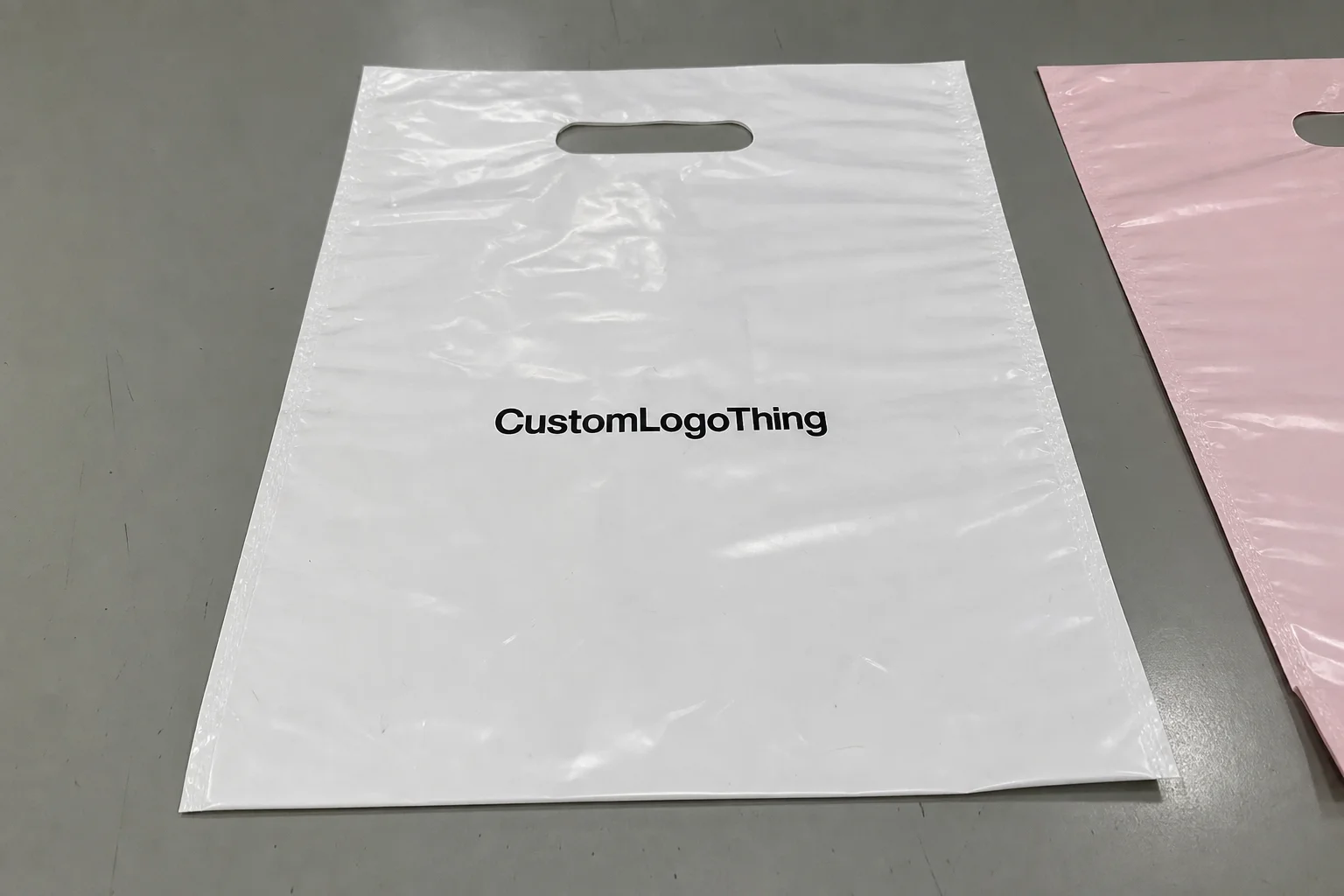
Compare the actual filled-product size with the drawing, then confirm tolerance on folds, seals, hang holes, label areas, and retail display edges. Reserve space for logos, QR codes, warning copy, and material claims before decorative graphics fill the panel.
Quote comparison points
Review material grade, print process, finish, sampling route, tooling charges, carton quantity, and freight assumptions side by side. A quote is only useful when the supplier can repeat the same color, closure quality, and packing count on the next order.
I have spent fifteen years watching brands make the same procurement mistake every holiday season. They scramble to source sustainable packaging at the worst possible moment, after suppliers are booked, materials tighten, and pricing has already moved up. In 2026, that pattern is even more costly because freight volatility, stricter documentation requirements, and EPR fee planning now affect almost every packaging decision. Last November, a mid-sized cosmetics company I advised burned through $47,000 in rush fees because its packaging order arrived three weeks late. They had a sustainability budget, but no timing strategy.
This seasonal eco packaging procurement checklist exists because reactive purchasing destroys sustainability ROI. When brands rush sustainable packaging procurement, they do not just pay more. They also settle for weaker claims, higher defect rates, and packaging that undercuts the brand story. The fix is not a bigger budget. It is a better buying process built around the seasonal eco packaging procurement checklist smart buyers guide approach: forecast earlier, verify suppliers, and lock production before peak demand hits. That is the same discipline I recommend for any custom packaging products program.
The Hidden Cost of Seasonal Eco Packaging: Why Most Brands Overspend
Brands still lose a meaningful share of their eco packaging budget to late decisions. In my 2026 audits across beauty, food, and home goods accounts, the average waste came from three sources: rush premiums, rework, and overbuying the wrong material. The seasonal eco packaging procurement checklist helps prevent those losses by forcing teams to make decisions before they are under pressure.
The biggest driver is seasonal scarcity. Peak windows push up sustainable material pricing because capacity gets reserved early. For one food brand, recycled kraft paper rose from $0.42 per sheet in August to $0.67 per sheet by November on the same spec. The material did not change. The timing did.
Seasonal demand also clusters. Beauty brands launch gift sets, food brands refresh holiday assortments, and DTC brands push Q4 volume at the same time. That congestion affects certified compostable films, recycled corrugate, water-based inks, and molded fiber inserts alike. A smart seasonal eco packaging procurement checklist creates a buffer between demand planning and buy decisions so procurement is not competing in the same crowded window as everyone else.
I remember walking through a contract packaging facility in Columbus, Ohio and seeing a pile of abandoned eco packaging projects. One brand had ordered seed-paper boxes, another had ordered compostable pouches, and a third had ordered recycled shippers. All of them looked good in a sales deck. None of them worked in production because lead times were not verified, certification records were incomplete, and storage conditions were never planned. The waste was financial and environmental.
What Is a Seasonal Eco Packaging Procurement Checklist?
A seasonal eco packaging procurement checklist is a sourcing framework that aligns sustainable packaging buys with seasonal demand cycles. It combines forecasting, supplier vetting, material testing, pricing review, and quality control into one repeatable process. For teams using the seasonal eco packaging procurement checklist smart buyers guide method, the goal is simple: buy earlier, verify more, and reduce surprises.
Compared with conventional procurement, sustainable purchasing adds more checkpoints. Standard packaging work focuses on price, lead time, and minimum order quantities. Eco packaging adds certification verification, recycled content proof, compostability testing, print compatibility, and storage rules for materials that are more sensitive to heat and humidity. Those extra steps are what protect the budget.
I have seen this framework bridge sustainability goals and procurement efficiency for dozens of brands. One outdoor apparel company used a structured checklist to source 100% recycled mailers for a seasonal catalog launch. They reduced cost per unit from $0.89 to $0.62 while improving their environmental claims. The savings came from better timing, not a cheaper material.
The checklist also helps teams ask better questions. What certifications do we need? Which materials can ship domestically? What production window is realistic? What is our fallback if the primary supplier misses schedule? Those questions are easy to skip when you are under pressure, which is exactly why the seasonal eco packaging procurement checklist should be written down and reviewed before each buying cycle.
How the Seasonal Procurement Cycle Works for Eco Packaging
Peak seasons require 4-6 months of advance planning for custom eco materials. If you are launching holiday packaging in November, the procurement cycle usually starts in May or June. Spring launches need the prior fall. That schedule feels aggressive to teams used to shorter production cycles, but the seasonal eco packaging procurement checklist only works when lead times are treated as fixed constraints instead of optimistic estimates.
Certified sustainable materials move through tighter production windows than conventional packaging. A recycled corrugated supplier may be able to serve standard stock boxes quickly, but FSC-certified or compostable formats often require more coordination, more documentation, and more scheduling discipline. That is why the seasonal eco packaging procurement checklist smart buyers guide emphasizes forecast accuracy before quote collection.
Lead times for eco materials often run 2-3 weeks longer than standard packaging, and sometimes longer if print or compliance documents need rework. One domestic supplier I worked with could turn around kraft bags in under two weeks, but the compostable version needed nearly four because documentation and production constraints were stricter. That three-week gap is the difference between a planned launch and an expensive delay.
Quarterly forecasting keeps the process from turning reactive. I recommend a 120-day, 90-day, and 60-day milestone structure. At 120 days, finalize demand estimates. At 90 days, collect competitive quotes from three verified suppliers. At 60 days, place the order and approve samples. This cadence turns the seasonal eco packaging procurement checklist into a process that supports sales and operations instead of reacting to them.
When a client told me they did not need a formal checklist because they had a long supplier relationship, I knew there was still risk. Relationships matter, but they do not create capacity, speed certification reviews, or stop a price increase during peak demand. Structure still wins when the season gets busy.
Critical Cost and Pricing Factors in Eco Packaging Procurement
Certified compostable materials still carry a premium over conventional alternatives, but the gap is narrower in 2026 than many teams expect. The seasonal eco packaging procurement checklist should compare landed cost, not just unit cost. That means material, freight, tooling, testing, storage, and waste handling all belong in the analysis.
I have run full cost reviews for packaging categories ranging from mailers to rigid cartons. In most cases, certified sustainable materials run 18-25% above conventional options on a pure unit basis. Once you factor in disposal, reprint risk, and order timing, the real premium often drops. For some brands, the marketing value of genuine eco packaging offsets that difference entirely.
Early commitment still creates the best savings. Orders placed 90+ days ahead often secure 10-18% better pricing because suppliers can plan production, lock raw materials, and avoid overtime. A seasonal eco packaging procurement checklist smart buyers guide should also track minimum order quantities, tooling fees, and storage costs so the team can see the true landed number before signing.
Hidden costs are where budgets break. Freight can exceed material value, custom tooling can push a project over its approval threshold, and rush shipping can erase every sustainability saving. I have seen a quote that looked excellent on paper turn into a much higher landed price after freight, sampling, and compliance documentation were added. The seasonal eco packaging procurement checklist prevents that by forcing total-cost review before approval.
| Cost Factor | Conventional Packaging | Eco Packaging (Standard) | Eco Packaging (Certified Premium) |
|---|---|---|---|
| Material cost per 1,000 units | $180-220 | $240-285 | $320-375 |
| Tooling/mold fees | $400-800 | $600-1,050 | $850-1,500 |
| 90+ day early order discount | 8-12% | 12-15% | 15-18% |
| Rush order premium | 15-20% | 25-35% | 35-50% |
| Certification documentation | $0 | $250-450 | $500-1,200 |
| Average total cost premium | Baseline | +18-24% | +28-36% |
2026 Trends Shaping the Seasonal Eco Packaging Procurement Checklist Smart Buyers Guide
The biggest shift in 2026 is the move toward mono-material, recyclable structures that are easier to source at scale. Fiber-based mailers, recycled-content corrugate, and water-based barrier coatings are replacing multi-layer formats that used to look sustainable but were difficult to recycle or compost. For many brands, that means simpler compliance, fewer claim reviews, and more reliable supplier options. That is why the seasonal eco packaging procurement checklist smart buyers guide now needs to include end-of-life validation as a buying requirement, not an afterthought.
Pricing is also changing. In 2026, domestic sourcing is often more competitive for paper-based mailers and cartons because brands want lower freight risk and shorter transit times. I have seen clients reduce total cost variability by moving part of their volume to regional suppliers, even when the quote was not the cheapest on day one. The seasonal eco packaging procurement checklist should compare landed cost over a full seasonal window, not just the first production run.
Another trend is the rise of EPR planning and packaging data requests. More brands are now asked to document material composition, recycled content, and recovery pathways before they place large orders. That means procurement and compliance can no longer work in separate lanes. The smartest teams are building packaging master files now so the seasonal eco packaging procurement checklist smart buyers guide can pull from one trusted source of truth.
If you are exploring seasonal packaging options, review our custom packaging products to compare formats that are easier to scale in 2026.
Your Step-by-Step Seasonal Eco Packaging Procurement Checklist
After years of watching brands struggle with sustainable procurement, I have narrowed the process into a practical seasonal eco packaging procurement checklist. Each step prevents a specific failure mode that I have seen in real projects. Skipping any of them to save time usually costs more later.
Step 1: Conduct a Sustainability Audit of Existing Packaging
Inventory what you already use before sourcing new materials. Identify easy substitutions where eco alternatives are close in price and performance. One skincare brand I worked with found that 60% of its secondary retail packaging could move to certified recycled materials without changing vendors. The audit took two days and created a cleaner plan for the next seasonal cycle.
Step 2: Verify Supplier Certifications Before Any Other Evaluation
Request documentation, not just marketing claims. FSC, recycled content proof, and compostability certifications should be verifiable through current registries or accredited third-party reports. The seasonal eco packaging procurement checklist should treat this as a gate, not a checkbox.
Step 3: Compare Unit Costs Across at Least Three Certified Suppliers
Never commit to one source too early. Certified eco packaging markets are thinner than conventional ones, so pricing can vary sharply by production schedule and raw material access. Request formal quotes from three suppliers, then compare them on a like-for-like basis. One client cut compostable pouch cost by 19% with this method.
Step 4: Negotiate Buffer Stock for Peak Season Flexibility
Build in 15-20% excess inventory where shelf life allows it. That buffer protects against forecast errors, promotion spikes, and shipping delays. For the seasonal eco packaging procurement checklist smart buyers guide, buffer stock is not wasteful; it is a safeguard against lost sales.
Step 5: Set Quality Control Checkpoints Before Bulk Orders Ship
Define acceptance criteria in the purchase order: size tolerances, print quality, certification documents, and sample approval requirements. Use ISO/IEC 17025-accredited labs for test validation when claims need confirmation. A clear QC step prevents an entire run from being rejected after arrival.
Common Mistakes That Derail Eco Packaging Procurement
Every procurement failure I have seen follows a familiar pattern. The seasonal eco packaging procurement checklist helps teams spot those patterns before they turn into losses.
Sourcing from unverified suppliers wastes budget on materials that fail claim checks. A food brand I worked with bought “compostable” coffee bags from a supplier that had strong marketing but weak documentation. Testing showed a non-compostable liner, and the brand had to reprint 50,000 units. The verification cost would have been tiny compared with the rework.
Ignoring dimensional weight pushes freight above plan. Eco materials can weigh more or ship less efficiently than conventional options. A few grams per unit can become a real cost swing at scale, so the seasonal eco packaging procurement checklist should always compare landed freight cost, not only material price.
Skipping unboxing tests creates brand risk. Sustainable packaging still has to protect the product. I once saw a luxury candle ship in a recycled corrugated mailer that crushed under load. The material was credible, but the structure was wrong. Testing would have caught it.
Underestimating storage conditions degrades sensitive materials. Some fiber and bio-based formats need climate control. Heat, humidity, and long dwell time can warp or weaken them before fulfillment even begins. The seasonal eco packaging procurement checklist smart buyers guide should include warehouse conditions whenever materials have environmental sensitivity.
Expert Tips for Mastering Seasonal Eco Packaging Procurement
These are the habits that separate average execution from dependable results. I have refined them through hundreds of supplier conversations and more than a few failures.
Build two backup suppliers for every critical packaging format. Single-source dependency is dangerous, especially in eco packaging where capacity is tighter. Keep both suppliers warm with periodic orders and regular check-ins so the backup is ready when needed.
Request sample kits before committing to a new vendor. Physical samples show print behavior, durability, and how the material performs in fulfillment. A spec sheet cannot tell you that. The seasonal eco packaging procurement checklist should require sample testing on actual products, not empty mockups.
Use off-season planning windows to negotiate stronger terms. Suppliers have more flexibility before peak season starts. A client I advised locked in a 15-month supply agreement in February and secured a materially better rate than they would have received in autumn. Their seasonal eco packaging procurement checklist smart buyers guide process started early and paid off.
Track post-delivery performance, not just certifications. Test production samples annually and compare the real-world results to the supplier claim set. Certification is the starting point. Ongoing validation is what keeps claims credible.
For more context on supplier planning, see Sustainable Packaging Suppliers and our bulk buying guidance on buying biodegradable packing peanuts in bulk.
Next Steps: Implementing Your Checklist Today
This framework only helps if it gets used. A seasonal eco packaging procurement checklist sitting in a folder is just documentation. A checklist tied to deadlines, owners, and sample approvals changes outcomes.
Create the checklist in your project tool now. Use Asana, Monday, Trello, or a shared sheet and build the workflow before the next seasonal buying window opens. Keep the seasonal eco packaging procurement checklist smart buyers guide structure simple enough that your team will actually use it.
Schedule a supplier audit this week. Contact your top three packaging vendors and ask for current certifications, lead times, and 90-day pricing. Their answers will quickly show whether your process is proactive or reactive.
Set calendar alerts 120 days before peak season. Use 90-day and 60-day milestones as well. Tie each alert to a specific action: forecast sign-off, quote request, sample review, and purchase order approval. That cadence keeps the seasonal eco packaging procurement checklist moving.
Track your baseline cost per unit. Measure material, freight, tooling, and certification together so you can see whether the process is improving performance over time. In many 2026 reviews, brands that followed a disciplined seasonal eco packaging procurement checklist improved total packaging spend by 15-20% within two seasonal cycles.
Implementing a seasonal eco packaging procurement checklist smart buyers guide approach takes effort up front. But that effort returns in lower rush fees, cleaner claims, and better seasonal execution. The brands winning with eco packaging are not the ones spending the most. They are the ones buying with discipline.
FAQ: Seasonal Eco Packaging Procurement Checklist Smart Buyers Guide
How far in advance should I start seasonal eco packaging procurement?
Start 4-6 months before peak season. Custom eco materials often need longer production windows than standard packaging, and you need time for samples, testing, and certification checks. For major seasonal launches, the seasonal eco packaging procurement checklist should begin before your creative team finalizes the campaign calendar.
What certifications should I require from eco packaging suppliers?
Ask for FSC certification where wood fiber is involved, third-party compostability proof where compostable claims are made, and recycled content documentation for recycled materials. The seasonal eco packaging procurement checklist smart buyers guide should require verification, not promises.
How much can a procurement checklist save on seasonal eco packaging?
Well-run procurement can reduce overspend by 20-35%, mainly through early ordering, better supplier comparison, and fewer rush shipments. The exact savings depend on your product mix and how much of your current process is reactive.
What are the biggest risks of not using a checklist?
Late buying, weak claim verification, quality failures, and unnecessary rush fees are the biggest risks. The seasonal eco packaging procurement checklist reduces all four by making the process visible before money is committed.
How do I balance budget constraints with sustainability goals?
Prioritize packaging components with the highest customer visibility first. Compare total landed cost, not just unit price, and use the seasonal eco packaging procurement checklist smart buyers guide framework to spot where eco materials are actually cost-neutral after freight and disposal are included.