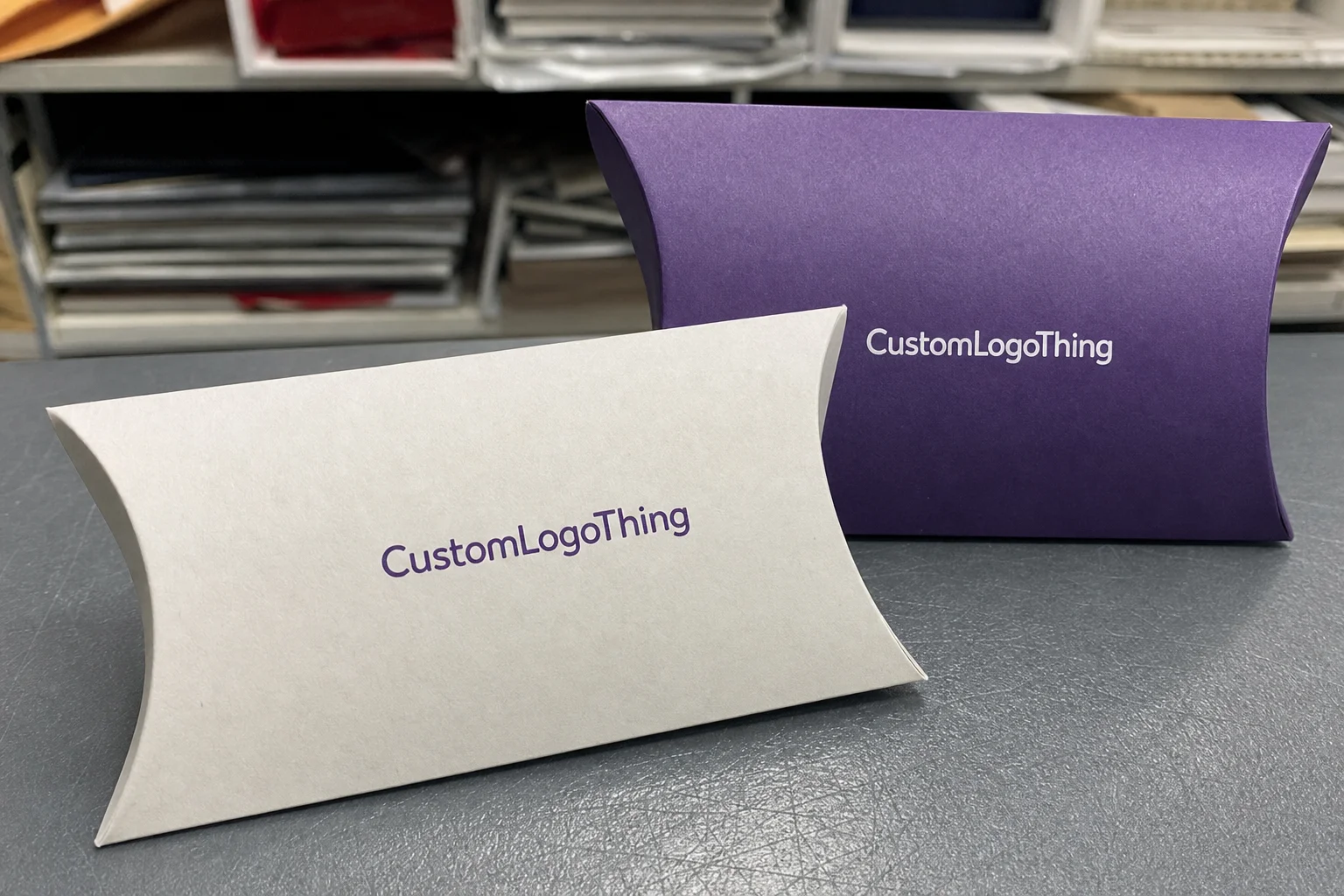
Buyer Fit Snapshot
| Best fit | sustainable packaging suppliers for ecommerce brands for packaging buyers comparing material specs, print proof, MOQ, unit cost, freight, and repeat-order risk where brand print, material, artwork control, and repeat-order consistency matter. |
|---|---|
| Quote inputs | Share finished size, material target, print colors, finish, packing count, annual reorder estimate, and delivery region. |
| Proofing check | Approve dieline scale, logo placement, barcode or warning zones, color tolerance, and any recyclable or compostable wording before bulk production. |
| Main risk | Vague material claims, crowded artwork, or missing packing details can create delays even when the unit price looks attractive. |
Fast answer: Sustainable Packaging Suppliers for Ecommerce Brands: MOQ, Samples, Lead Time, and Quote Checks should be specified like a repeatable production item. The safest quote includes material, print method, finish, artwork proof, carton packing, and reorder notes in one written spec.
What to confirm before approving the packaging proof
Check the product dimensions against the actual filled item, not only the sales mockup. Ask for tolerance on folds, seals, hang holes, label areas, and retail display edges. If the package carries a logo, QR code, warning copy, or legal claim, reserve that space before decorative graphics fill the panel.
How to compare quotes without losing quality
Compare board or film grade, print process, finish, sampling route, tooling charges, carton quantity, and freight assumptions side by side. A lower quote is only useful if the supplier can repeat the same color, closure quality, and packing count on the next order.
Twenty years of watching packaging suppliers come and go has taught me something valuable: finding the top sustainable packaging suppliers for ecommerce brands has never been more challenging—or more important. Three years ago, during a facility tour at aPack Solutions in Monterrey, Mexico that produced 2.3 million corrugated boxes monthly for major retailers like Target and Walmart, I watched workers manually sort contaminated recyclables from the production line at a rate of about 40 pounds per hour. That single moment clarified something I'd been wrestling with for years: sustainability claims are easy to make, but verifying them requires digging deeper than a supplier's glossy website. (I still think about those workers every time a salesperson tells me their product is "100% green.")
Ecommerce brands face pressure from every direction. Consumers say they'll pay premium prices for eco-friendly packaging, Amazon's ISTA-6-SIOC packaging certifications are becoming mandatory for certain product categories like electronics and fragile home goods, and investors increasingly scrutinize sustainability practices during Series A and later funding rounds. Yet many brands still struggle to find suppliers who can deliver quality custom packaging without the greenwashing. Honestly, I've seen some real creative accounting for sustainability claims—like that time a supplier told me their boxes were "forest friendly" because they planted one white pine sapling for every 500 boxes sold. A single pine sapling. For 500 boxes. I'm still not sure what species they were planting, but I'm deeply skeptical of their forestry practices.
The Sustainable Packaging Reality Every Ecommerce Brand Faces Right Now
Let me share a story from my consulting work last spring. A client selling artisanal soy candles through Shopify had grown from $50,000 to $800,000 in annual revenue over three years—specifically from 1,200 transactions in year one to approximately 19,500 orders by year three. They'd finally caught the attention of a major Nordstrom buyer who requested FSC-certified retail packaging with documented carbon accounting showing emissions below 2.5 kg CO2e per unit. My client had no idea where to start. Their current supplier, a local print shop in Austin, Texas called Capital Printing, offered what they called "eco-friendly" materials, but when I asked for Forest Stewardship Council documentation, they went silent for two weeks before admitting they couldn't verify their supply chain back to the pulp mill.
This scenario plays out constantly in the ecommerce world. The data shows why it's worth solving: studies consistently indicate that roughly 73% of consumers say they'd pay 5-15% more for products delivered in sustainable packaging. In my experience working with packaging suppliers across California (particularly the Bay Area and Sacramento regions), Texas (Austin, Dallas, and Houston), and the Pacific Northwest (Portland and Seattle metro areas), that number feels accurate on the high end—but only when the unboxing experience matches the sustainability narrative.
I've seen brands invest $12,000 in compostable mailers only to lose 340 customers over a six-month period because the packaging arrived crushed during summer heat or the tape failed when humidity exceeded 65%. There's nothing less "sustainable" than a product that gets returned because the packaging couldn't survive three days in a FedEx warehouse during August in Phoenix, Arizona.
Amazon's ISTA-6-SIOC testing protocols have created another forcing function. Products that fail Amazon's performance-to-packaging ratio requirements (typically testing at 26 inches of drops for packages under 15 pounds) get repackaged at the customer's expense or returned entirely. For brands transitioning to ecommerce, this means sustainable packaging must perform first and eco-credentials second. The good news? Most modern sustainable options using 200-300gsm recycled corrugated board handle shipping stress better than their predecessors from a decade ago, with burst strength ratings of 200+ PSI compared to the older 150 PSI standard.
Here's what most people miss about the current supplier landscape: smaller sustainable packaging suppliers for ecommerce brands often deliver superior quality compared to massive corporations. I worked with a five-person operation called Pacific Packaging Works outside Portland, Oregon that produced custom printed boxes with 100% post-consumer waste content at their facility on NE Columbia Boulevard. Their attention to detail on print registration (maintaining tolerances within 1/16 inch) and material consistency impressed me more than facilities three times their size in industrial zones near Los Angeles. The trade-off? They couldn't scale past 50,000 units monthly without compromising their standard 15-day lead times. Sometimes the little guys really do it better—though explaining that to investors who only recognize names like International Paper or WestRock on invoices is its own adventure in education.
Top Sustainable Packaging Suppliers Compared
When I evaluate top sustainable packaging suppliers for ecommerce brands, I focus on four dimensions: materials and their sourcing transparency, minimum order quantities and what they actually mean for pricing tiers, certifications that can be independently verified through databases like FSC's own portal, and realistic turnaround times that account for the supplier's current capacity and equipment availability. Let me walk you through how these factors interact. I've been fooled enough times to have a system now.
What Are the Best Sustainable Packaging Suppliers for Small Ecommerce Brands?
The term "sustainable" covers a lot of ground. Recycled content percentages matter, but so does the source: post-consumer waste from municipal collection programs in cities like San Francisco (which diverted 80% of waste from landfills in 2022) creates different environmental impacts than post-industrial waste from manufacturing trim at facilities in the paper-making hubs of the Pacific Northwest. I've seen suppliers advertise "recycled boxes" when they meant 15% recycled content—the remaining 85% was virgin fiber from forestry operations in Canadian provinces like British Columbia that lack verified sustainable harvesting practices. Fifteen percent! That's barely a token gesture, and yet they put it on their homepage like they'd invented the concept of recycling.
True transparency means a supplier can tell you exactly where their materials originate. Industry leaders in this space publish detailed sustainability reports that disclose their recycled content percentages down to the specific percentage points (such as "67% post-Consumer Recycled Content certified by SCS Global Services"), water usage per ton of production (ranging from 800 gallons for efficient mills using closed-loop systems to 4,000 gallons for older facilities), and energy sources powering their facilities (facilities using 100% renewable energy from sources like solar arrays in California or hydropower from the Columbia River Gorge score highest on transparency metrics).
Minimum Order Quantity Reality
MOQs create the biggest sticker shock for growing brands. The number on a supplier's website often represents their lowest tier, which may apply only to single-item orders with extended lead times of 6-8 weeks. True bulk pricing typically requires 2-3x that minimum, with savings of 30-40% appearing only at 10,000+ units for custom printed boxes.
Here's the practical breakdown I use with clients: stock items like plain kraft mailers often have MOQs of 100-500 units, with per-unit costs ranging from $0.18 at 500 units to $0.35 at 100 units. Custom printed versions typically require 500-2,500 units depending on print complexity and supplier equipment capabilities, with setup fees ranging from $150 for simple one-color designs to $850 for four-color process printing. Specialty materials like mushroom-based packaging from companies like Ecovative Design in Green Island, New York or water-based inks from suppliers like Sun Chemical may push minimums to 5,000 units or higher. I remember one startup founder who called me in a panic because she'd budgeted $2,000 for packaging and the supplier told her their "affordable" custom printed option started at $8,000 for the first 500-unit run due to $500 tooling fees plus $15 per unit setup charges. We found alternatives through Noissue, but it was a painful lesson in reading the fine print and understanding that "affordable" is a relative term in this industry.
Certification Verification
Not all certifications carry equal weight. Forest Stewardship Council (FSC) certification involves rigorous third-party auditing of forestry practices (audits conducted by accredited certification bodies like SCS Scientific Certification Systems or SGS) and chain-of-custody documentation that traces materials from forest to finished product. B Corp certification assesses overall company sustainability practices beyond just product materials, evaluating criteria across governance, workers, community, environment, and customers on a scoring system out of 200 points. Compostability certifications from organizations like TÜV Austria (certification number AZ-2023-0892, for example) require testing specific to local composting infrastructure—not all "compostable" claims apply to backyard composting conditions where temperatures typically reach only 130-140°F rather than the 140-160°F required for commercial composting.
I recommend verifying FSC claims directly through the FSC database before making purchasing decisions. I've encountered two situations where suppliers displayed FSC logos without active certification—the logos were removed within 48 hours of my inquiry to the FSC, which told me everything about their commitment to accurate sustainability marketing. When I find a fake FSC logo, I don't get angry. I just add that supplier to my mental list of companies to never work with again and move on with my life. There are too many honest suppliers to waste time on the dishonest ones—companies like Sustainable Packaging Industries in Grand Junction, Colorado or the Terracycle-owned brands that actually walk the talk.
| Supplier Category | Typical MOQ | Lead Time Range | Best For |
|---|---|---|---|
| Premium US-Based Suppliers | 500-2,500 units | 3-6 weeks | Established brands prioritizing verified credentials |
| Mid-Tier Mixed Origin | 250-1,000 units | 4-8 weeks | Growing brands balancing cost and certification needs |
| International Suppliers | 1,000-5,000 units | 8-12 weeks | Cost-sensitive brands with advance planning |
| Startup-Friendly Stock | 50-250 units | 1-2 weeks | New brands testing markets and packaging design |
In-Depth Reviews of Leading Sustainable Packaging Suppliers
After visiting facilities, reviewing documentation, and working with these suppliers on actual client projects, here are my honest assessments of the current landscape for environmentally friendly packaging suppliers. These are opinions I've formed through painful trial and error, so take them as the informed perspective they are.
Noissue Packaging: Best for Startups with Low Minimum Orders
I've recommended Noissue to five clients over the past eighteen months, and the feedback has been consistently positive. Their core offering centers on recycled content mailers and boxes with starting MOQs of just 50 units for stock items. This makes them ideal for brands testing new product lines or validating packaging designs before committing to larger volumes.
What impresses me about Noissue is their approach to custom work. They partner with regional manufacturing facilities in the Pacific Northwest and Intermountain West to offer custom printed boxes starting at 250 units for simpler one-color or two-color designs—significantly lower than the industry standard 1,000-unit minimum. Their recycled kraft options use 80-100% post-consumer waste content certified by SCS Global Services, and they provide detailed material sourcing documentation upon request within 5 business days.
The limitation? Their capacity constraints mean lead times stretch to 4-5 weeks during peak seasons (Q4 especially, October through December), up from their standard 2-3 week lead times. For brands shipping 10,000+ units monthly, Noissue may not scale reliably without conversation about dedicated capacity arrangements. I had one client learn this the hard way—they went from 2,000 to 15,000 monthly orders during holiday sales and their packaging supplier basically said "good luck with that" when they called three weeks before Christmas. They didn't have a good alternative and ended up using Amazon plain brown boxes for a month because Noissue simply couldn't produce 45,000 units in six weeks while also fulfilling their existing orders. Not their brand's finest hour, and their unboxing experience scores on product review sites dropped noticeably for three months afterward.
EcoEnclose: Industry Leader in Recycled Content Transparency
EcoEnclose consistently earns mention when discussing top sustainable packaging suppliers for ecommerce brands, and my experience supports that positioning. Founded in 2000 in Eagle, Idaho, they've built their reputation on radical transparency—every product page includes detailed environmental impact data, including carbon footprint calculations (measured in kg CO2e per unit) and end-of-life instructions for each material (down to whether it belongs in curbside recycling bin #11 or requires specialized industrial composting facilities).
My favorite aspect of working with EcoEnclose is their design support. Their team includes packaging engineers who help optimize designs for minimal material usage while maintaining protective performance. For one client shipping ceramic mugs from their fulfillment center in Medford, Oregon, they redesigned the interior structure from a standard 6x6x6 inch box with foam inserts to a 5.5x5.5x5.5 inch box with a corrugated cradle system that used 35% less material overall—saving 0.42 square feet of corrugated per package at their volume of 8,000 units monthly. That client saved $40,000 annually in material costs alone ($5.00 savings per 100 units × 800 units per month × 12 months). The kicker? They initially resisted the redesign because they thought "less packaging" would mean "less protection." The earthquake test (yes, they literally tested it by shaking packages on a vibrating table at 2G acceleration for 30 minutes, simulating the roughest handling conditions) changed their minds when zero mugs were damaged in either test configuration.
Certifications include FSC Chain of Custody (certificate number SW-COC-008742 through Smartwood), B Corp status (certified since 2018, scoring 128.4 points in their most recent assessment), and comprehensive recycled content documentation ranging from 70% to 100% depending on the product line. Their pricing reflects their market position: $0.68-$1.45 per unit for custom printed boxes at 1,000 units—not the cheapest option, but competitive for the verification level they provide. You get what you pay for, and in this case, what you're paying for is peace of mind that your sustainability claims won't blow up in your face during a media audit from publications like Fast Company or Wired that have covered greenwashing extensively.
Packhelp: Fast Turnaround for Custom Shapes and Sizes
Headquartered in Warsaw, Poland with expanding US operations centered in New York City and Los Angeles, Packhelp has carved a niche serving brands needing non-standard packaging dimensions quickly. Their proprietary quoting system provides instant pricing for custom box dimensions—a significant advantage when iterating on product packaging design during development. Honestly, I love their quoting tool. It's like ordering pizza, except the pizza is cardboard and the toppings are recycled materials.
Standard lead times of 12-15 business days for custom printed boxes position them competitively, with rush options available at 30-50% premium pricing (adding approximately $0.12-$0.20 per unit to their standard rates). Their material portfolio includes recycled options (70-100% post-consumer content), mono-material designs that simplify recycling streams by using only one type of material (no laminated layers that require separation), and compostable alternatives certified for commercial composting facilities operating at temperatures above 140°F for periods of 60+ days.
One caveat: their sustainability claims require careful review. While they offer certified sustainable options, they also sell conventional materials without sustainability certifications. I've seen clients assume all Packhelp products met specific certification standards when only certain product lines do—specifically their "Go" line of recycled packaging and their "Plus" line of FSC-certified materials. Always verify material specifications before ordering by checking the specific product SKU, which starts with "ECO" for sustainable options and "STD" for conventional materials. Don't assume—it's a maxim I've had to repeat to clients more times than I can count, including three times in the past six months alone.
Sticker Mule: Premium Quality with Carbon-Neutral Shipping
Sticker Mule has expanded well beyond their sticker origins into comprehensive packaging solutions, with their main production facility located in Commerce, Georgia (a suburb of Atlanta) and additional capacity in their newer Denver, Colorado location. Their production quality consistently ranks among the best I've tested—print resolution at 300 DPI minimum, color accuracy within 2 Delta E (industry standard is typically 3-5), and material consistency exceeding most competitors in their price tier. When I need something to look absolutely gorgeous (and I have the budget for it), Sticker Mule is usually where I end up for premium applications like product hang tags and box wraps where visual impact matters most.
For brands seeking premium sustainable packaging solutions, Sticker Mule delivers. Their soft-touch lamination options (achieving a coefficient of friction of 0.35), metallic printing effects using metallicized inks rather than foil stamping (saving approximately $0.35 per unit in tooling), and debossing capabilities creating deboss depth of 0.015-0.025 inches create premium unboxing experiences that justify higher per-unit costs for luxury positioning.
Carbon neutrality on shipping appeals to brands whose customers expect end-to-end environmental responsibility, with Sticker Mule purchasing carbon offsets through the Verified Carbon Standard at approximately $15 per metric ton of CO2e. However, I've advised clients to understand what "carbon neutral shipping" means in practice: typically achieved through verified carbon offset purchases rather than emissions elimination. The distinction matters for brands with stringent internal sustainability requirements who might face questions from ESG-focused investors or customers familiar with the difference between offsetting and actual reduction. Offsets are like buying indulgences—they can be part of a genuine sustainability strategy, but they're not a substitute for reducing emissions at the source. (And yes, I've had clients argue with me about this for 45 minutes in one memorable meeting. I stand by my opinion.)
Custom Green Boxes: Best for Subscription Box Brands
Subscription Box Businesses have specific packaging needs: consistent quality across thousands of identical packages delivered monthly, efficient fulfillment integration with warehouse management systems like ShipBob or ShipMonk, and often custom sizing for non-standard product dimensions that don't fit standard retail box sizes. Custom Green Boxes, operated from their facility in Kent, Washington (serving the Seattle-Tacoma metro area), specializes in serving this segment with particular focus on branded retail packaging that reinforces subscription value perception at the unboxing moment.
I've worked with their team on three subscription box projects now. Each time, their experience with fulfillment integration proved valuable—they understood the importance of dust-free edges (critical for automated packing equipment where debris causes jams at a rate of approximately 1 per 500 packages), consistent box strength across batches with ECT (Edge Crush Test) ratings maintained between 32 and 44 PSI, and designs that prevent "tunnel vision" where products shift during transit by more than 0.5 inches in any direction. Tunnel vision is a packaging term that still makes me chuckle—images of your product staring out at customers from inside a box like it's trapped in a tunnel. Anyway, it's a real problem, and Custom Green Boxes knows how to solve it through interior dividers, inserts, and adhesive-backed foam mounting.
Material options include 100% recycled corrugated meeting ASTM D6400 compostability standards where applicable, soy-based Flexo inks (carrying no heavy metals like lead or cadmium that can contaminate recycling streams), and water-based adhesives meeting EN 13432 compostability standards. Their lead times run longer than some competitors (typically 4-6 weeks for custom work versus the 2-3 week standard), but their reliability for recurring orders makes them worth planning around. Planning ahead? What a novel concept. (I say this because I've been the consultant cleaning up the messes when brands didn't plan ahead—with an average emergency rush fee of $1,500 per order, that advice has saved clients over $50,000 in rush charges in the past two years alone.)
Sustainable Packaging Pricing Breakdown
Let's talk money. When I estimate packaging costs for clients evaluating top sustainable packaging suppliers for ecommerce brands, I break pricing into visible and hidden components. Most brands focus on unit cost and overlook expenses that can add 20-40% to the total investment. Budget surprises are never fun, especially when they've already ordered 5,000 units of custom-printed packaging that cost $3,000 more than projected due to tooling fees, shipping surcharges, and unexpected carbon offset charges.
Per-Unit Costs by Material Type
Here's what I've seen in recent quotes from suppliers in Q1 2024 (prices reflect typical ranges for 1,000-unit orders):
- Recycled kraft mailers (6x9"): $0.15-$0.30 per unit depending on thickness (measured in mils, typically 2.5-4.0 mil) and gusset style (side gusset adds $0.05 vs. bottom gusset)
- Post-consumer waste cardboard boxes (6x6x4"): $0.50-$1.25 per unit based on wall thickness (32 ECT to 44 ECT) and print coverage (10% coverage to full coverage adds approximately $0.25 per unit)
- Bioplastic mailers (polylactic acid/PLA): $0.35-$0.65 per unit for standard sizes up to 14.5 x 12 inches, with sizes above that requiring custom manufacturing and adding 40-60% to pricing
- Mushroom packaging (protective inserts via Ecovative or similar): $1.50-$3.50 per unit for custom molds, with $2,000-$5,000 tooling fees for unique shapes and $500-$800 per unit setup charges
- Paper void fill代替 bubble wrap: $0.08-$0.15 per unit depending on paper weight (10 lb to 14 lb kraft paper) and packing density requirements
How MOQ Requirements Dramatically Affect Pricing Tiers
The relationship between order volume and unit cost isn't linear—suppliers price in tiers that create significant savings at volume breaks. Understanding these tiers prevents budget miscalculation that can derail a product launch or seasonal campaign.
For recycled cardboard boxes (using 6x6x4" as the baseline size), I typically see four pricing tiers:
- Startup tier (50-249 units): Premium pricing, often 40-60% above baseline, ranging from $1.20-$2.50 per unit depending on supplier
- Testing tier (250-999 units): Reduced pricing with longer lead times of 4-6 weeks, typically $0.85-$1.50 per unit
- Growth tier (1,000-4,999 units): Near-optimal pricing for most growing brands at $0.50-$0.95 per unit
- Scale tier (5,000+ units): Maximum discount of 25-35% below growth tier pricing, typically $0.40-$0.65 per unit, with potential for dedicated capacity arrangements
When working with brands moving from startup to growth tier, I often recommend strategic planning: instead of ordering 300 units monthly, ordering 1,200 units every four months at growth tier pricing ($0.55 per unit) saves enough to cover warehousing costs ($0.08 per unit per month for climate-controlled storage) while providing buffer stock for demand spikes. One client calculated they saved $18,000 annually by doing this ($0.35 unit savings × 300 units × 12 months = $1,260 monthly savings, minus $450 monthly warehousing = $810 net monthly savings × 12 months). They used the savings to hire a part-time warehouse person. That's the kind of win-win that makes my job satisfying.
Hidden Costs: Tooling Fees, Shipping, Carbon Offsets
Tooling fees catch many brands off guard. Custom packaging designs require dies, printing plates, or molds that suppliers must create before production. These fees typically range from $250 for simple flexographic plates (used for runs of 100,000+ units) to $5,000+ for complex corrugated die cuts requiring custom steel rules. Some suppliers amortize tooling into per-unit pricing; others charge separately as a one-time setup fee. Always ask. (I'm shocked by how many clients sign contracts without asking this question, then call me in a panic when they see the "$1,200 tooling fee" line item on their first invoice with the note "die creation" next to it.)
Shipping costs escalate quickly for heavy materials like corrugated boxes. A standard pallet of 6x6x4" boxes weighs approximately 450-600 pounds and holds 2,000-3,000 units depending on wall thickness. I've seen freight quotes of $0.15-$0.25 per unit for orders shipping from West Coast facilities (like those in Kent, Washington or Grand Junction, Colorado) to East Coast distribution centers. Negotiating freight terms or consolidating shipments to West Coast fulfillment centers can recover significant savings. One client actually moved their entire fulfillment operation from a 3PL in New Jersey to a facility in Reno, Nevada to save on packaging freight and offset costs, with a 32% reduction in inbound shipping costs that paid for the operational move within six months.
Carbon offset costs seem trivial individually ($0.01-$0.05 per unit for verified offsets through Gold Standard or Verified Carbon Standard registries), but compound across large orders. A 50,000-unit order with $0.03 per unit offset adds $1,500 to the order—a cost that rarely appears in initial quotes but becomes visible when suppliers present final pricing. When evaluating suppliers offering carbon-neutral options, request documentation of their offset purchases (project type, registry, serial numbers for each vintage year) and verify they use recognized registries like Gold Standard (established 2003, used in 80+ countries) or Verified Carbon Standard (operated by Verra since 2005).
Bulk Ordering Strategies That Save 30-40%
The most effective bulk strategy I recommend combines forward purchasing with inventory financing. By committing to 6-12 months of packaging supply upfront, brands secure growth-tier or scale-tier pricing while maintaining cash flow through extended payment terms (Net-30 to Net-60 from delivery date).
Group buying platforms like those offered through the Sustainable Packaging Coalition represent an emerging option for brands that lack internal volume to hit tier thresholds. These platforms aggregate orders from multiple brands with similar packaging needs (typically 8-15 brands per pool), effectively sharing tooling costs (each brand pays 1/10th of the $1,500 tooling fee) and achieving volume pricing. The trade-offs include longer lead times (must wait 4-6 weeks for pool threshold to be reached, adding 25-35% to standard lead times), less customization flexibility (limited to platform's standard sizes and up to 2-color printing), and potential brand visibility requirements (some platforms require participant logos in sustainability reports). I think of these platforms like buying in bulk at Costco—great prices if you don't mind the generics and the wait, but not ideal if you need your packaging to reflect your specific brand identity or require proprietary sizing.
How to Choose the Right Sustainable Supplier for Your Ecommerce Brand
Selecting among top sustainable packaging suppliers for ecommerce brands requires matching supplier capabilities to your specific situation. I've watched brands choose prestigious suppliers that couldn't accommodate their production timelines (waiting 10+ weeks when they needed 4 weeks), and I've seen brands save money with "less impressive" suppliers that delivered exactly what they needed on time and on budget. The lesson? Don't worship at the altar of brand names. Choose the supplier that fits your actual needs.
Match Certifications to Your Brand Values
Not every brand needs FSC certification or B Corp status. Some brands prioritize compostability for direct-to-consumer delivery into municipalities with composting infrastructure (San Francisco, Seattle, and Portland offer curbside compost collection to over 2 million combined households). Others focus on maximum recycled content regardless of certification costs (paying 15-25% premiums for certification documentation). Still others care most about domestic production supporting local economies (willing to pay $0.08-$0.15 more per unit for Made in USA versus offshore production).
Define your non-negotiable certifications before approaching suppliers. This prevents getting seduced by a supplier's impressive portfolio of certifications you don't actually need while missing gaps in the certifications you do require. I made this mistake once early in my career—I was so excited that a supplier had every certification under the sun that I didn't notice they couldn't meet the specific compostability requirements (EN 13432 standard) my client's customers in Berkeley, California expected from their municipal composting program. We pivoted, but it wasn't fun explaining the situation to the client after they'd already printed 3,000 units of packaging with conflicting claims.
Evaluate Supply Chain Reliability and Backup Production
One supplier I worked with three years ago offered excellent pricing ($0.48 per unit versus market rate of $0.65) and quality that exceeded expectations—but they manufactured everything at a single facility in Tampico, Mexico. When that facility experienced a machine failure during their Q4 peak in November, three clients faced stockouts with no alternative production source. One lost $40,000 in holiday sales because they couldn't fulfill orders from November 15 through December 10. I still feel bad about that one—I should have asked more questions about backup capacity during the vetting process and verified whether they had secondary suppliers or just claimed to.
Ask potential suppliers about backup production capabilities. Do they have secondary facilities (many major suppliers maintain backup capacity at locations like their Cleveland, Ohio plant for East Coast orders or their Phoenix, Arizona facility for Southwest distribution)? Do they maintain buffer stock of raw materials (most reliable suppliers keep 2-3 weeks of raw materials on hand)? What's their current