Buyer Fit Snapshot
| Best fit | Shipping Bags Wholesale projects where brand print, material claims, artwork control, MOQ, and repeat-order consistency need to be specified before quoting. |
|---|---|
| Quote inputs | Share finished size, material target, print colors, finish, packing count, annual reorder estimate, ship-to region, and any compliance wording. |
| Proofing check | Approve dieline scale, logo placement, barcode or warning zones, color tolerance, closure strength, and carton packing before bulk production. |
| Main risk | Vague material claims, crowded artwork, missing packing details, or unclear freight terms can make a low unit price expensive after revisions. |
Fast answer: Shipping Bags Wholesale: Bulk Poly Mailers That Perform should be specified like a repeatable production item. The safest quote records material, print method, finish, artwork proof, packing count, and reorder notes in one written spec.
Production checks before approval
Compare the actual filled-product size with the drawing, then confirm tolerance on folds, seals, hang holes, label areas, and retail display edges. Reserve space for logos, QR codes, warning copy, and material claims before decorative graphics fill the panel.
Quote comparison points
Review material grade, print process, finish, sampling route, tooling charges, carton quantity, and freight assumptions side by side. A quote is only useful when the supplier can repeat the same color, closure quality, and packing count on the next order.
If you buy shipping bags wholesale for ecommerce, the savings usually show up before the parcel even leaves your dock: fewer cubic inches, less void fill, lighter freight, and cleaner order fulfillment on the line. I remember standing at a packing table in Dongguan, Guangdong, with a brand founder who kept pointing at a stack of 200 corrugated boxes like they were sacred objects. We laid those boxes next to a properly specified 2.5 mil poly mailer measuring 9 x 12 inches, and the cost difference was not subtle. The mailer landed at $0.13 per unit for 5,000 pieces, while the boxed version with kraft paper filler came in near $0.47 per unit. It was the kind of difference that makes a person stop talking for a second and stare at the spreadsheet (which, honestly, is not something I see often).
I think a lot of brands overcomplicate transit packaging because they start with the carton instead of the product. If the item is soft, flat, and non-fragile, shipping bags wholesale can be the smarter move, especially when you want predictable shipping materials, lower dimensional weight, and tighter warehouse storage. At Custom Logo Things, we see that decision play out most often in apparel, subscription kits, accessories, and promotional bundles where the packaging job is really about protection, branding, and speed rather than stacking strength. I have a personal bias here too: if a hoodie is being sent in a 12 x 12 x 8 box big enough to hide a toaster, something has gone sideways.
Before a buyer places a bulk order, I like to see three things on the table: actual packed dimensions, the product’s sharp edges or lack of them, and the service level expected in transit. Those numbers tell you more than product category ever will. If you are comparing Custom Poly Mailers, plain mailers, or even Custom Shipping Boxes, the right answer usually comes from the workload in the warehouse, not from a glossy sales pitch. I say that with love for sales teams, but also with a little weariness from seeing too many “best packaging” recommendations that never once spent time on a packing line in Shenzhen, Miami, or Chicago.
Why Shipping Bags Wholesale Is Often Cheaper Than Boxed Shipping
The most common mistake I see on a fulfillment floor is simple: a brand uses corrugated boxes because that is what they have always done, even when the order is a folded tee, a pair of leggings, or a cosmetics pouch that does not need rigid walls. In those cases, shipping bags wholesale can cut material cost, reduce freight class headaches, and free up shelf space, because the bags arrive flat, pack dense, and take far less room than die-cut cartons or multi-piece box programs. I’ve watched more than one warehouse manager do a tiny happy dance when the packaging pallet footprint suddenly shrank from 48 x 40 inches to 30 x 40 inches. That kind of joy is rare in logistics, so I do not take it lightly.
In one client meeting with a mid-market apparel label in Atlanta, Georgia, we compared a 9 x 12 poly mailer against a 6 x 4 x 2 box plus kraft void fill. Their box program was landing around $0.42 per unit before filler, while the mailer came in at $0.11 to $0.18 depending on print coverage and thickness. That difference mattered even more once we calculated outbound parcel cube, because a smaller profile often means fewer Dimensional Weight Charges on ecommerce shipping lanes. On a 2-pound shipment moving from Dallas to Denver, the adjusted billing weight dropped from 4 pounds to 2 pounds on some carriers. That is not always the case, but for lightweight soft goods it is often the clearest savings line. I will be blunt: paying to ship air is one of those business habits that looks normal until you put it next to a better option and feel mildly annoyed with yourself.
shipping bags wholesale also improves replenishment consistency. When a warehouse team can pull one SKU instead of juggling mixed carton sizes, one-piece inserts, and filler rolls, picking gets faster and errors drop. I’ve watched packers in a 30,000-square-foot third-party fulfillment center in Dallas, Texas, move from 7 or 8 seconds per pack decision to a simple grab-and-go routine with printed mailers, and those seconds matter when you are shipping 4,000 to 10,000 parcels a week. That sounds small until you do the math. Seven seconds saved across 6,000 weekly shipments equals 11.7 labor hours back every week. Then it starts looking like real payroll money.
There is another benefit people miss: a properly specified mailer can protect goods with less total material than a box and void fill combination. A co-extruded poly film with the right seal strength, thickness, and closure adhesive may offer enough package protection for garments, flat accessories, or sealed product kits while shipping in less cube. A 3-layer film structure—often engineered with an outer layer for print quality, a middle layer for toughness or recycled content, and an inner sealant layer—can offer better puncture resistance than a single-layer bag of the same thickness. That means less waste, cleaner order fulfillment, and better transit packaging economics for the brand. I think that last part matters more than the marketing department wants to admit, because operations people notice when packaging stops acting like a drama queen.
At the factory level, bulk programs are built for repeatability. In heat-seal and extrusion facilities in Guangdong, Zhejiang, and Foshan, the workflow is designed around stable demand, consistent roll widths, and predictable run lengths, which is exactly why shipping bags wholesale works so well for brands that reorder every month or every quarter. If the MOQ is aligned correctly, the supplier can keep film, ink, and bag-making sequences efficient instead of retooling for one-off buys. I have seen factories lose half a day to unnecessary changeovers in Dongguan and Wenzhou, and nobody in production enjoys that. Not the operators, not the planner, not even the coffee machine.
From a procurement standpoint, the wholesale model also gives you cleaner forecasting. You can usually budget around unit price, carton pack count, and freight, then lock a replenishment cadence that matches your sales curve. A common benchmark for a standard printed mailer is $0.15 per unit for 5,000 pieces, while 10,000 pieces may come down to $0.12 per unit if the artwork uses one color and the film stays at 2.5 mil. That is much easier than chasing spot buys for packaging materials, especially when your ecommerce shipping volume swings with promotions or seasonal drops. If you have ever had to explain a packaging shortage during a holiday rush in November, you already know why I’m so opinionated about planning ahead.
“We switched one private-label client from mixed cartons to printed poly mailers in Los Angeles and cut outbound packaging spend by 31% on the same SKU mix. The products were still protected, but the warehouse stopped paying for empty space.”
For brands that care about sourcing standards, it helps to ask whether the film or paper components are aligned with recognized programs. Industry references like the Packaging Corporation of America’s industry resources and environmental guidance from the EPA can help buyers ask better questions about shipping materials, recovery, and waste reduction. If your program uses recycled-content film or paper mailers, checking FSC pathways through FSC can also matter, especially for retailers that need documented claims. I always tell buyers: if a supplier gets weirdly vague when you ask about recycled content, that is not a compliment. It is a warning sign.
Shipping Bags Wholesale Product Details: Materials, Styles, and Use Cases
Most shipping bags wholesale programs start with polyethylene, and there are good reasons for that. Low-density polyethylene, or LDPE, has a softer hand and good flexibility, which makes it well suited for apparel and soft goods. Co-extruded film is a step up in performance because it combines layers that can improve puncture resistance, opacity, and print surface quality. Recycled-content options are also common now, though I always tell buyers to verify the percentage, the source, and whether the film still holds the same seal integrity under real warehouse conditions. A spec sheet is nice. A spec sheet that survives actual handling is better.
When I visited a film extrusion line in southern China, near Shenzhen, last year, the operator showed me how a three-layer co-extrusion could be tuned for strength on one side and printability on the other. That kind of setup matters more than most buyers realize. A bag that looks similar on a screen can behave very differently when it is dropped from 36 inches, flexed across a conveyor belt, or scraped against a carton edge. With shipping bags wholesale, the film architecture is part of the product, not just the packaging. That’s the part people forget when they say, “It’s just a mailer.” No, it is not. It is a small piece of engineering that has to survive other people’s bad days.
There are several common styles, and each one serves a slightly different role in ecommerce shipping:
- Plain shipping bags for internal use or budget-sensitive programs.
- Self-seal mailers with pressure-sensitive adhesive strips for quick closure.
- Tamper-evident bags that show obvious evidence of opening during transit.
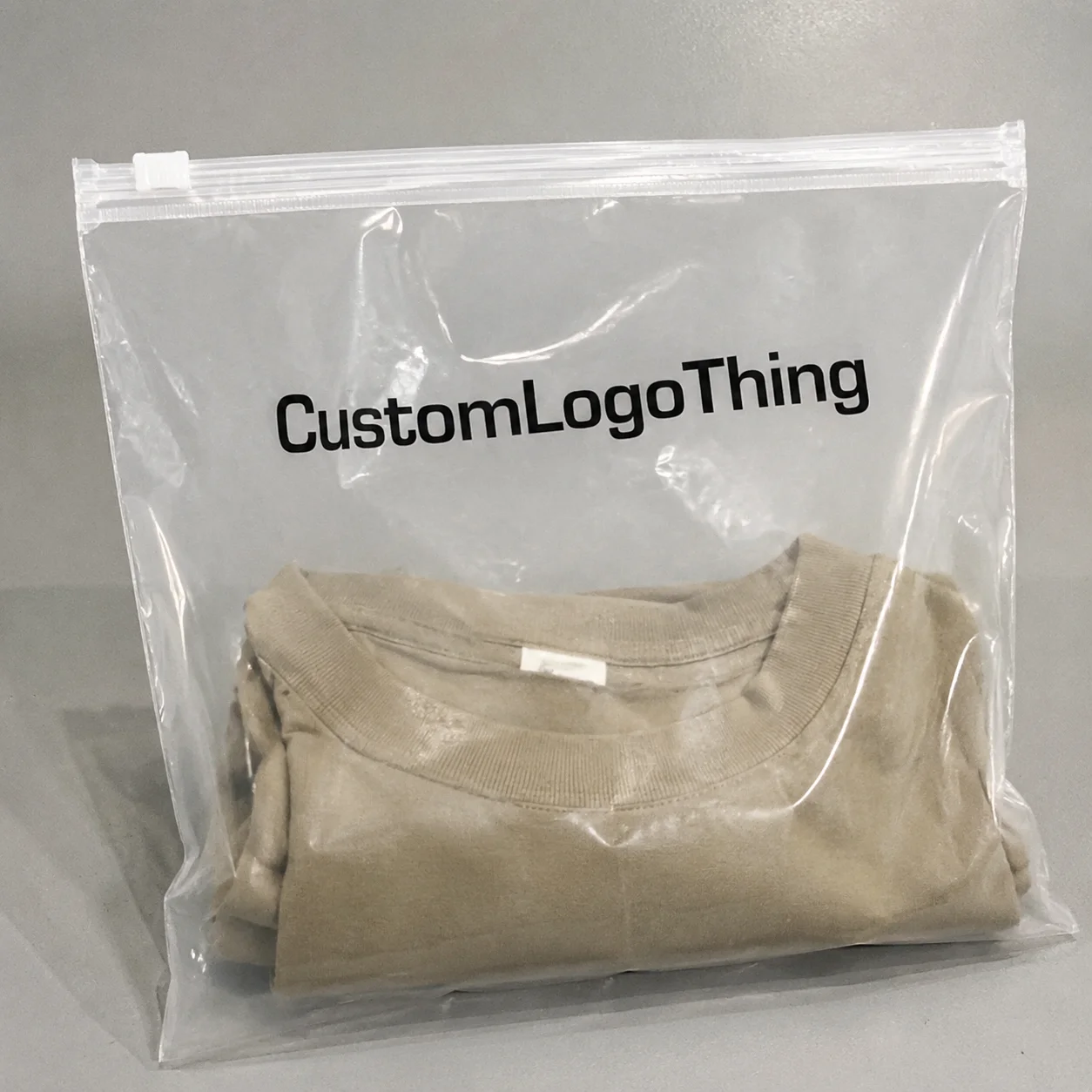
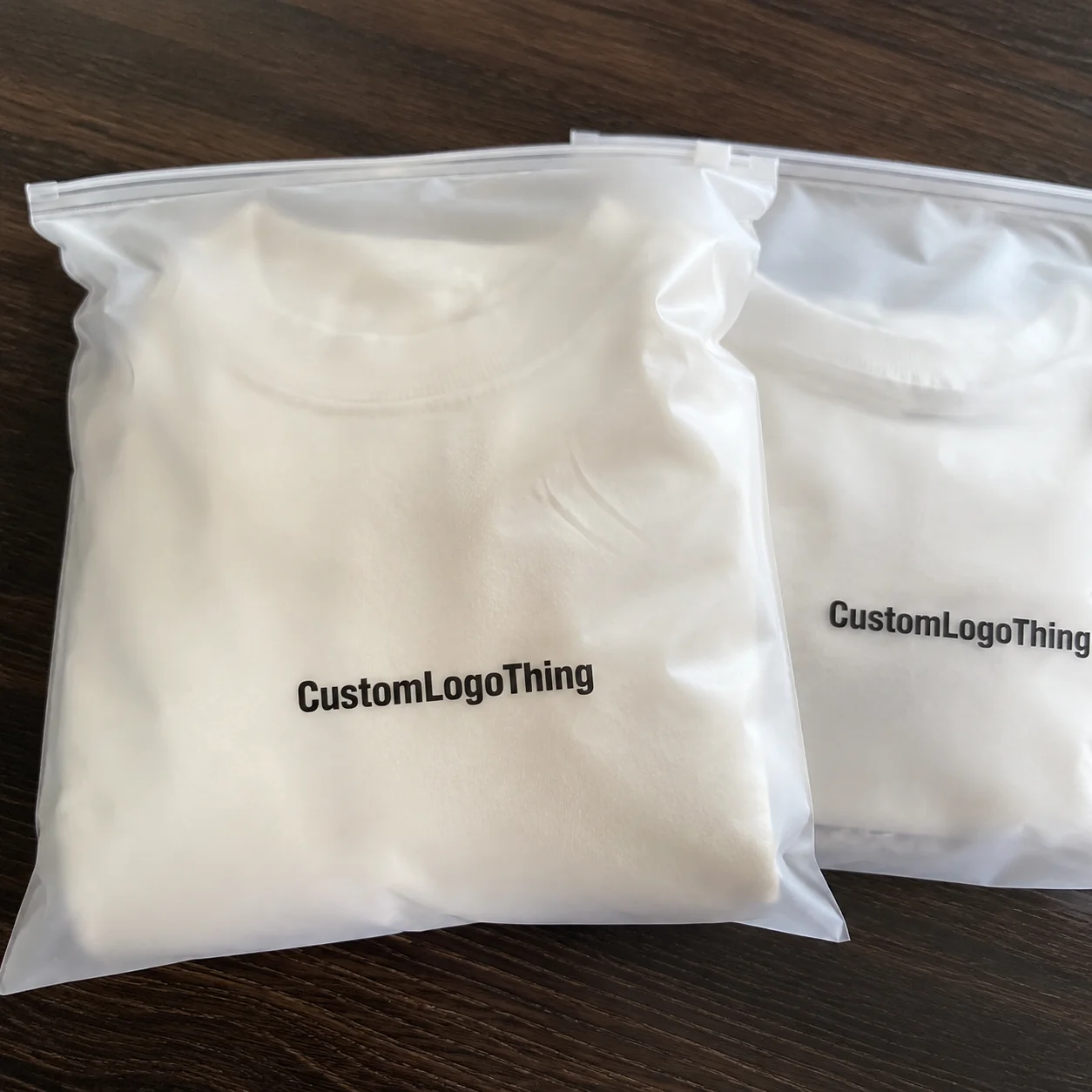
- Custom logo mailers for brand presentation and a more polished unboxing experience.
- Dual-seal return mailers for categories where customer returns are part of the normal flow.
Use cases are broader than many buyers expect. Soft goods like tees, joggers, scarves, and undergarments are obvious candidates, but I’ve also seen shipping bags wholesale deployed for lightweight hard goods such as phone accessories, pet supplies, stationery, and promotional kits that are already boxed internally. Non-fragile returns are another strong fit, because a returnable poly mailer can reduce one-touch handling and preserve the original package protection if the closure strip is designed correctly. I still remember one pet brand in Austin, Texas, that insisted their product “had to” ship in boxes, until we tested a 10 x 14 mailer and realized the whole thing was lighter than a loaf of bread. Sometimes the packaging tradition is just a habit wearing a suit.
Print options vary by factory, but the usual choices are one-color flexographic print, multi-color flexo, or gravure for higher-detail work. Flexo is common for bulk orders because setup is efficient and color consistency is strong enough for logos, icons, and messaging. If you need dense solid coverage, a white or opaque base film can help the print pop. If you want a premium feel, matte finishes and soft-touch surface treatments are available on some specifications, though they may add $0.03 to $0.08 per unit and extend lead time by 3 to 5 business days. I like matte more than I probably should (it hides scuffs better, which is deeply satisfying if you spend enough time around shipping pallets).
The closure matters more than buyers think. I have seen mailers fail in the field not because the film was weak, but because the adhesive strip was inconsistent or applied too close to the edge. A good self-seal should close with firm pressure, hold through reasonable handling, and resist peel-back once packed. For shipping bags wholesale orders, this is the kind of detail that saves a warehouse from rework later. Nothing makes a packer sigh louder than opening a carton full of mailers that barely stick. Actually, wait — yes, there is one thing: finding out after the fact that the whole order was packed with the wrong size closure strip.
Here is a practical comparison that buyers often find useful when they are weighing shipping materials for the first time:
| Option | Best For | Typical Strength | Space Efficiency | Approx. Unit Cost Range |
|---|---|---|---|---|
| Plain poly mailer | Soft goods, internal packing | Light to medium | Excellent | $0.08–$0.14 |
| Printed self-seal mailer | Branded ecommerce shipping | Light to medium | Excellent | $0.11–$0.22 |
| Tamper-evident mailer | Secure shipments, returns | Medium | Very good | $0.15–$0.28 |
| Custom shipping box | Fragile or rigid products | High | Fair | $0.22–$0.55+ |
For brands with a growing order fulfillment operation, shipping bags wholesale is often the right balance of cost and speed. The decision is not about choosing the cheapest thing on paper; it is about matching the packaging to the product, the shipping lane, and the warehouse rhythm. I think that distinction is the whole ball game, even if it sounds less exciting than a big “save 40%” headline.
Shipping Bags Wholesale Specifications That Matter
When buyers compare shipping bags wholesale quotes, I want them to look at the actual spec sheet instead of just the price. The core details are straightforward: flat size, usable interior size, film thickness in mil or microns, seal type, opacity, print coverage, and load suitability. If those details are not clear, the quote may look attractive but the bag may not fit the product or survive the route. I have had more than one buyer send me a quote and say, “This seems cheap,” which is usually the point where I start asking annoying questions like, “Cheap for what exact size?”
Flat size versus usable size is a common source of confusion. A 10 x 13 mailer does not mean you have a perfect 10 x 13 interior once the seals are factored in, and for apparel that difference can determine whether a folded hoodie fits neatly or bunches up at the top. I’ve seen warehouse teams order the wrong size by assuming the retail label dimension was the packing dimension, and that usually leads to crushed seals or wasted material. One extra centimeter can sound trivial until it becomes a daily problem and everyone starts muttering about “the mailer that should have been 1 cm bigger.”
Thickness deserves more attention than many buyers give it. A 2.0 mil mailer can work beautifully for lightweight soft goods with smooth edges, while 3.0 mil or more may be better for heavier items, rough hardware, or anything with corners that can stress the film. If your product has zippers, clasps, or sharp blister-pack edges, I would not choose thin film just to save a few tenths of a cent. In shipping bags wholesale programs, a tiny unit saving can become a lot of damage claims. I know that sounds dramatic. The claims department would probably call it “math.”
Spec checklist to review before requesting a quote
- Product dimensions in packed form, not just retail dimensions.
- Target monthly volume and annual usage.
- Desired flat size and backup size.
- Thickness target in mil or microns.
- Closure type: self-seal, dual seal, or tamper-evident.
- Print requirements: one color, multiple colors, full coverage, or no print.
- Finish: glossy, matte, opaque, or clear back.
- Storage constraints in the warehouse or 3PL.
Custom options can make a real operational difference. Matte finish may reduce scuff visibility and feel more premium in hand. A clear back can help with internal labeling or quick visual checks. Gusseted layouts can help if the product is awkwardly thick, and dual adhesive closures make returns easier without sending a second bag. For many shipping bags wholesale customers, the best program is one that reduces exceptions on the line. And if you have ever had to chase a missing return strip on a Monday morning, you already know why that matters.
One more detail that often gets missed: how the bags are packed in cartons. If the poly mailers are stacked too tightly or folded inconsistently, they can slow down the fulfillment team even if the product itself is right. Good carton pack counts, usually 100, 250, or 500 per case depending on size, help receiving, shelf storage, and picker efficiency. I always ask about carton count because it affects the warehouse more than most people expect. Also, nobody wants to split a case with a box cutter like they are opening a suspicious parcel from a spy movie.
For buyers who care about industry standards, you can also think about transit packaging testing. Associations like ISTA provide testing frameworks that help evaluate package performance under vibration, drop, and distribution stresses. Not every mailer needs formal testing, but for higher-value goods or longer shipping lanes, the discipline is worth discussing. I’m a fan of testing because guessing is not a quality control method, even if some teams act like it is.
Shipping Bags Wholesale Pricing, MOQ, and What Affects Cost
shipping bags wholesale pricing is driven by more than film thickness, and buyers save the most when they understand the full cost stack. The main drivers are material grade, bag size, print colors, film thickness, closure style, packaging method, and total order volume. If any of those change, the unit price changes too, sometimes more than expected. I’ve seen two quotes that looked nearly identical until we discovered one included a heavier film, better adhesive, and a more sensible carton pack count. The cheaper quote was only cheaper if you ignored reality.
For plain stock programs, pricing can stay relatively low because the factory can run standard dimensions with minimal setup. Once custom printing enters the picture, the costs rise for plate making, ink matching, proofing, and sometimes extra curing or inspection time. I’ve seen first-time buyers focus only on unit price and ignore setup charges, which is how a quote that looked like $0.12/unit becomes much higher once all the non-recurring costs are added. That moment usually comes with silence, then a long inhale, then a lot of questions nobody asked in the beginning.
Here is a practical way to think about order size. A smaller run might be fine for a pilot or a seasonal drop, but repeat wholesale orders usually improve pricing because the factory can keep film, tooling, and print schedules more stable. That is one reason shipping bags wholesale works so well for brands with steady replenishment patterns. The supplier can forecast, and so can you. Everyone sleeps better. Well, almost everyone. Procurement still has procurement.
| Order Factor | Effect on Cost | What Buyers Should Ask |
|---|---|---|
| Higher volume | Lower unit price | Price at 5,000, 10,000, and 25,000 pieces |
| More print colors | Higher setup and production cost | Ask whether one-color or two-color print meets the brand goal |
| Thicker film | Higher material cost | Confirm whether 2.0 mil, 2.5 mil, or 3.0 mil is actually needed |
| Special closure | Moderate to higher cost | Request self-seal, dual-seal, and tamper-evident pricing separately |
| Freight method | Can change landed cost a lot | Compare air, sea, and domestic trucking to the receiving dock |
MOQ is another area where clarity pays off. Stock mailers can sometimes be purchased in lower volumes, but custom printed programs generally require a higher minimum because the factory is setting up print plates, bag-making lines, and packing plans for a specific spec. Ask for MOQ by size and print configuration, not just a single broad number. With shipping bags wholesale, that detail helps you compare options accurately. It also prevents the classic surprise where someone says, “We can do that,” and then the order turns out to be three times the quantity you expected. Ask me how I know.
Hidden costs often show up in freight class, carton pack count, warehouse space, and spoilage from incorrect sizing. If the bag is too large, you pay for extra material and extra dimensional weight. If it is too small, you may have damage, rework, or a bad unboxing experience. The cheapest quote is not always the cheapest landed cost. I really wish this were more obvious in every purchasing meeting, but apparently packaging has to teach the same lesson over and over.
When I negotiate with suppliers, I always push for a quote that includes unit price, setup charges, artwork fees, sample cost, and landed cost to the warehouse. That makes it easier to compare apples to apples. If a supplier hesitates to give that breakdown, I usually slow the conversation down and ask why. Transparent pricing is one of the strongest signs that the shipping bags wholesale partner understands repeat business.
Shipping Bags Wholesale Process and Timeline From Quote to Delivery
The buying process for shipping bags wholesale should be straightforward, and the best factories keep it that way. First, you request a quote with dimensions, quantity, print details, and shipping destination. Next, the supplier confirms the material, closure, and artwork approach. Then you review a proof, approve a sample if needed, and move into production. That sequence sounds simple, but the accuracy of the first spec sheet determines whether the order stays on schedule. I’ve learned that the hard way, and I do not recommend learning it the hard way if you can avoid it.
Inside the factory, the production chain usually follows a predictable path. Film extrusion creates the base material. Printing applies the artwork, often by flexographic or gravure methods. Curing gives the inks time to stabilize. Slitting or converting prepares the roll width. Bag making seals, trims, and finishes the mailers. Quality checks look at dimensions, seal integrity, print registration, and carton pack count. Finally, the bags are packed for export or domestic delivery from manufacturing hubs such as Dongguan, Foshan, or Ningbo. Each of those steps can affect the final outcome in a shipping bags wholesale order. There are a lot of places for a small issue to become a giant annoyance, which is why process discipline matters so much.
Lead time depends on complexity. A plain stock program can move quickly, while custom print, special finish, or exact color matching will add days. If artwork revisions are involved, the calendar grows further. I’ve seen a brand lose a full week because they changed the logo placement after proof approval. That kind of delay is avoidable if the team locks specs before production starts. In the nicest possible terms: do not discover your brand guidelines in the middle of a production run. That is a stressful hobby.
If you want the fastest quote cycle, send these details together:
- Target bag dimensions.
- Estimated monthly and annual usage.
- Logo files in vector format.
- Closure type preference.
- Shipping destination and preferred freight method.
- Any required material or sustainability target.
Typical timelines vary by run type, but a common range for custom printed shipping bags wholesale orders is 12 to 15 business days from proof approval for production, plus freight time. For a sea shipment from Shenzhen to Long Beach, add about 18 to 25 days on the water; for air freight, transit may take 3 to 7 days depending on customs and booking space. That is not a promise for every project, because color matching, special film, or high-volume runs can extend the schedule. Still, having a realistic starting point helps operations teams plan inventory without guesswork. I prefer boring, predictable timelines over heroic last-minute saves. Heroics make good stories; they make terrible shipping plans.
One of the cleanest project handoffs I ever saw came from a subscription brand in Portland that sent exact packed dimensions, a sample of the product, and their annual forecast in one email. The factory quoted correctly on the first pass, the proof was approved in a day, and receiving went smoothly because carton pack counts were locked at 200 per case. That is how shipping bags wholesale should feel: orderly, measurable, and easy for the warehouse to absorb. Rare, yes. Impossible, no.
Why Choose Us for Shipping Bags Wholesale Orders
At Custom Logo Things, we approach shipping bags wholesale as a manufacturing and fulfillment problem, not just a print job. That matters because brands do not buy mailers for the shelf; they buy them for the dock, the picker, the carton sealer, and the customer opening the parcel at home. If the bag looks good but fails in the warehouse, it is not the right bag. I feel very strongly about that, because pretty packaging that creates workflow problems is just decoration with a bill attached.
We have seen enough production lines in Dongguan, Shenzhen, and Yiwu to know where projects break down. Print registration drifts when artwork is rushed. Adhesive fails when the closure strip is too narrow or poorly placed. Seal strength drops when film thickness is mismatched to the product. Dimensional accuracy slips when a factory is guessing instead of working from a clean spec. Those are not marketing problems; they are production problems, and they are exactly why buyers stay with a supplier that understands the details. The packaging world has a strange talent for punishing vague instructions.
Our team supports ecommerce brands, subscription companies, private-label sellers, and fulfillment operations that need dependable reorders. A lot of clients come to us after one bad experience with a cheap packaging source that quoted low but could not repeat the same size or color on the next run. I’ve sat through those conversations, and the frustration is always the same: the packaging arrived, but the operation could not trust it. shipping bags wholesale only works when the buyer can reorder with confidence. Otherwise, “wholesale” turns into a very expensive guessing game.
We also make the communication side easier. If a brand needs help choosing between Custom Packaging Products or a narrower poly mailer program, we can walk through the options without forcing a one-size-fits-all answer. If the customer is comparing printed film, plain stock, or a hybrid approach, we can discuss where the cost lands, how the warehouse handles each format, and which choice supports order fulfillment more cleanly. That kind of back-and-forth saves time later, even if it takes a little patience upfront (which, yes, I realize is not everyone’s favorite part of the job).
One supplier negotiation still sticks with me. A client wanted a premium-looking matte mailer, but the product was heavy enough that we advised a slightly thicker 3.0 mil film instead of chasing a luxury finish. It was the right call. The bag looked good, the seal held, and the brand avoided damage claims during transit. That kind of practical advice is what I consider real service in shipping bags wholesale work. Fancy is nice. Functional and repeatable is better.
We focus on facts: clear quotes, sample support, artwork guidance, and order coordination from first inquiry through shipment. No fog, no inflated promises, just a packaging program that gives your operations team something stable to build around. If your business needs repeat purchasing through Wholesale Programs, we can help you set up a structure that supports both branding and supply consistency.
We also care about compliance language and buyer confidence. If your program needs FSC-related claims, recycled-content detail, or a specific packaging test reference, we can help frame the request correctly and avoid vague sourcing statements. That kind of precision saves time later, especially when procurement, marketing, and operations all need the same answer. And if three departments are going to argue, I would rather they argue over the right spec than over a missing claim on a label.
Shipping Bags Wholesale Next Steps: How to Place a Smart Order
If you are ready to buy shipping bags wholesale, start by gathering the numbers that matter: packed product dimensions, monthly volume, branding needs, shipping method, and whether the bag needs to double as a return mailer. With those details in hand, quoting gets faster, sizing gets tighter, and the risk of overbuying the wrong spec drops sharply. This is one of those cases where a little prep saves a lot of headache later.
I strongly recommend ordering a sample pack or test batch before you commit to a large run. Put the product in the bag. Run it through the actual folding table. Let the warehouse team seal it with the same motion they use every day. A sample can reveal a weak adhesive strip, a size that is 10 mm too tight, or a print area that interferes with labeling. Those are cheap mistakes to find in sampling and expensive mistakes to find after 10,000 units arrive. I have seen a perfectly nice-looking mailer fail because a shipping label had nowhere sensible to sit. That sort of thing is maddening (and avoidable, which makes it even more maddening).
It also helps to compare at least two size options and one backup thickness. For example, a 9 x 12 mailer may work for most units, but a 10 x 13 can improve fit on bulkier seasonal items without much extra cost. Likewise, 2.5 mil may be enough for one SKU while 3.0 mil offers better puncture resistance for another. That is how experienced buyers approach shipping bags wholesale: not by guessing, but by building a small decision matrix around product behavior. Not glamorous. Very effective.
Before artwork approval, confirm carton pack count, print placement, and color expectations. A 100-count carton may be perfect for one warehouse, while a 250-count pack might be better for a 3PL that wants fewer case openings. If your receiving team stores packaging in a narrow aisle, case size matters almost as much as unit price. If the art includes a brand mark, a QR code, or return messaging, make sure the proof is checked by the people who will use it, not only by marketing. I know that sounds obvious, but I have seen perfectly competent teams miss details because everyone assumed someone else had already looked. Spoiler: nobody had.
Here is the simple path I recommend:
- Send exact specs and product samples if available.
- Ask for pricing at two or three quantities.
- Compare landed cost, not just factory price.
- Approve a proof only after warehouse review.
- Lock a replenishment schedule once the first run performs well.
The fastest route to a good shipping bags wholesale order is to send specs, logo files, and target quantities together so the supplier can quote accurately on the first pass. That approach saves back-and-forth, protects your launch schedule, and gives your operations team packaging that fits the product instead of forcing the product to fit the packaging. If that sounds boring, good. Boring packaging programs are usually the ones that work.
If you are deciding between bags and boxes, be honest about the product. Soft goods, flat accessories, and many subscription kits do not need the cost structure of a carton. They need reliable transit packaging, clean branding, and a spec that holds up through handling. That is where shipping bags wholesale earns its place. Not by being flashy. By being practical, repeatable, and less expensive in all the ways that count.
What are the best use cases for shipping bags wholesale?
Shipping bags wholesale works best for apparel, flat accessories, subscription kits, and other non-Fragile Products That do not need rigid walls. I also see them used for lightweight hard goods like phone accessories, stationery, and some pet products. If the item is soft, compact, and easy to stack inside the bag, the format usually saves money and speeds up packing. If the product needs crush protection, a box may still be the safer choice.
FAQs
What sizes are most common for shipping bags wholesale orders?
Common sizes usually fit apparel, flat accessories, and soft goods, with flat dimensions selected around the folded product size rather than the retail box size. A 9 x 12 inch mailer is common for tees and lightweight sweaters, while 10 x 13 or 12 x 15 inches may suit hoodies or bulkier kits. The best choice depends on the actual packed dimensions, so I always recommend a quick fit test before placing a large shipping bags wholesale order. I have seen one size off by a sliver turn into a whole lot of annoyance later.
What thickness should I choose for wholesale poly mailers?
Choose thickness based on product weight, edge sharpness, and shipping distance, because thinner films work well for light soft goods while heavier or sharper items need more strength. A 2.0 mil mailer is often enough for lightweight apparel, while 2.5 mil or 3.0 mil can be safer for items with zippers, clasps, or corners. A sample test helps confirm whether the mailer balances puncture resistance with flexibility and sealing performance in real order fulfillment conditions. If you are stuck between two options, I usually tell buyers to trust the product, not the price tag.
Can shipping bags wholesale orders be custom printed?
Yes, wholesale shipping bags can usually be custom printed with logos, brand colors, messaging, and sometimes return information or compliance copy. One-color flexographic print is common for runs of 5,000 to 10,000 pieces, while multi-color print or full coverage designs may require higher setup work and add 3 to 7 business days. Print method, color count, and coverage area affect pricing and lead time, so artwork should be finalized early in the shipping bags wholesale process. Last-minute logo changes are a terrific way to annoy your production schedule, and I say that with affection.
What is a typical MOQ for shipping bags wholesale?
MOQ varies by whether the mailer is stock or custom, but custom printed orders generally require higher quantities because setup, printing, and bag-making are production-specific. A common starting point is 5,000 pieces for a Custom Printed Poly mailer, though some factories in Guangdong or Zhejiang may quote 10,000 pieces depending on size and color count. Ask for MOQ by size and print configuration so you can compare options before committing to a full shipping bags wholesale run. A supplier who gives you a vague answer is usually telling you the quote is not ready yet, even if they are being polite about it.
How do I know if shipping bags wholesale are better than boxes?
Shipping bags are often better for lightweight, non-fragile products because they reduce material cost, storage space, and outbound parcel cube. If the item needs rigid protection or stackable presentation, boxes may still be the better choice, so product fragility should guide the decision rather than habit alone. In my experience, habits are expensive unless someone challenges them early. A quick test with one carton of bags and one carton of boxes can usually tell you which format wins on cost and workflow.
If you want packaging that performs on the floor, in transit, and at the receiving dock, shipping bags wholesale is a practical place to start. The best programs are not flashy; they are consistent, correctly sized, and easy for a warehouse team to trust. That is what I have learned from years on factory floors in Shenzhen, Dongguan, and Ningbo, in supplier meetings, and beside pack lines where every second and every millimeter counts. Start with a real product sample, a precise size spec, and a landed-cost comparison, and the right packaging choice usually reveals itself pretty quickly. And yes, I still get a little excited when a mailer spec is actually perfect. It happens less often than it should.