Buyer Fit Snapshot
| Best fit | shipping supplies practices tested cut damage for packaging buyers comparing material specs, print proof, MOQ, unit cost, freight, and repeat-order risk where brand print, material, artwork control, and repeat-order consistency matter. |
|---|---|
| Quote inputs | Share finished size, material target, print colors, finish, packing count, annual reorder estimate, and delivery region. |
| Proofing check | Approve dieline scale, logo placement, barcode or warning zones, color tolerance, and any recyclable or compostable wording before bulk production. |
| Main risk | Vague material claims, crowded artwork, or missing packing details can create delays even when the unit price looks attractive. |
Fast answer: Shipping Supplies Practices Tested Cut Damage: Material, Print, MOQ, and Cost should be specified like a repeatable production item. The safest quote includes material, print method, finish, artwork proof, carton packing, and reorder notes in one written spec.
What to confirm before approving the packaging proof
Check the product dimensions against the actual filled item, not only the sales mockup. Ask for tolerance on folds, seals, hang holes, label areas, and retail display edges. If the package carries a logo, QR code, warning copy, or legal claim, reserve that space before decorative graphics fill the panel.
How to compare quotes without losing quality
Compare board or film grade, print process, finish, sampling route, tooling charges, carton quantity, and freight assumptions side by side. A lower quote is only useful if the supplier can repeat the same color, closure quality, and packing count on the next order.
Shipping supplies best practices sound simple until you watch a pallet of packed orders roll in with crushed corners, split seams, and a return pile that costs more than the product inside. I’ve spent enough time on factory floors, from a corrugated converting line in Cleveland, Ohio to a busy fulfillment center outside Dallas, Texas, to know the cheapest box in the room often becomes the most expensive shipment once you count damage, reships, and customer service time. Honestly, I think a lot of teams buy packaging the way people buy socks: one size, zero thought, and then everyone acts surprised when it falls apart. Good shipping supplies best practices are not about buying more material. They are about matching the package structure to the product weight, fragility, and transit path so the right amount of package protection shows up exactly where it matters. A carton spec that looks fine on paper, like 32 ECT single-wall with a 200#/ECTS rating, can still fail if the product weighs 11.4 pounds and rides three hubs on the way to Phoenix.
Most teams get in trouble because they treat every order the same. A 2-pound apparel order in a poly mailer does not need the same transit packaging as a candle set with glass inserts, and a flat print should never be stuffed into a carton that flexes in the middle of a truck route from Atlanta to Chicago. The fastest wins usually come from right-sizing cartons, choosing the correct flute or mailer strength, and sealing with steady tape application from a dispenser instead of a shaky hand pass that changes by shift. That is the kind of shipping supplies best practices work that saves money without inviting damage, especially when you are buying 10,000 cartons at a time and every extra half-inch turns into dimensional weight charges.
When I visited a contract packer in Newark, New Jersey, their damage rate kept bouncing because night shift used one tape pressure style and day shift used another. Same product. Same carton. Different closure quality. I remember standing there thinking, “So the box is fine, but the humans are doing interpretive art with tape?” That is exactly why I like treating inner protection, outer protection, and label placement as one system instead of three separate purchases. If you want real shipping supplies best practices, consistency has to run from pack bench to carrier handoff, and it has to survive a 36-inch drop onto a concrete dock and a 120-mile trailer ride with no special treatment.
Quick Answer: Shipping Supplies Best Practices That Matter Most
The core rule behind shipping supplies best practices is straightforward: build the package for the product and the route, not for habit. A 12-inch corrugated carton with a loose fill of kraft paper might be fine for a sealed apparel box, but it is a lousy choice for a glass jar set traveling across three distribution hubs and a conveyor network with repeated drops. The package has to survive the worst touchpoint, not just the first one, which is why I look at the final mile from Indianapolis to Sacramento, not just the outbound bench in the warehouse.
The quickest improvement I see in shipping supplies best practices is right-sizing. If a carton has 2 inches of empty space on every side, the product can shift, corners can crush, and dimensional weight climbs for no reason. Pair that with the right board strength, usually 32 ECT single-wall for many ecommerce shipping orders and 44 ECT or double-wall when the load or route gets harsher, and you cut a lot of unnecessary risk. For many SKUs, that one change lowers both damage and freight cost, especially on shipments over 8 pounds or on lanes with rough cross-dock handling.
Sealing matters too. Tape applied from a dispenser with consistent overlap, firm pressure, and a centered seam outperforms tape slapped on by hand every time I have tested it. I’ve seen hot-melt tape hold beautifully in a warm pack room at 74°F, then lift at the edges in a cold trailer at 38°F because someone used too little pressure and too short a seal. Good shipping supplies best practices are really process discipline wearing a materials hat, and yes, the tape gun absolutely counts.
Three pieces need to work together: inner protection, which keeps the product from moving; outer protection, which keeps the carton or mailer from failing; and label placement, which helps the carrier read the shipment and keeps barcodes off seams, curves, and tape. Ignore one and the whole system gets weaker. Suppliers love skipping that part in a catalog, usually right next to the “premium” option that adds $0.11 per unit and solves none of the actual shipping problems.
Here’s the honest setup I use as a mental checklist for shipping supplies best practices:
- Right-size the carton or mailer so the product cannot slide.
- Match board or film strength to product weight and route abuse.
- Use filler only where needed, not as a substitute for good sizing.
- Seal the box with a dispenser for repeatable tape placement.
- Keep labels on flat, visible surfaces away from closures and edges.
That is the quick answer. The rest of the article is built around real handling performance, not brochure language, because shipping supplies best practices only matter if the package survives a messy conveyor, a careless sort, and one bad drop onto a concrete dock plate in a facility that ships 4,000 orders a day.
Top Shipping Supplies Compared: What Actually Performs Best
In a real order fulfillment operation, the best shipping supplies are the ones that fit the product, the pack speed, and the carrier path without creating extra labor. Corrugated boxes, poly mailers, padded mailers, rigid mailers, void fill, tape, stretch film, and labels each solve a different problem. The mistake I see in many shipping departments is trying to make one material do all seven jobs. That never ends well. It just creates more damage and a lot more meetings in conference rooms with bad coffee.
Corrugated boxes are still the strongest general-purpose choice for package protection. Single-wall board is common for apparel, beauty kits, and many light home goods, while double-wall earns its keep when you are shipping heavier items, stacking on pallets, or sending products through a rougher parcel network. The flute profile matters more than people think; C-flute gives decent cushioning and stacking performance, while B-flute can be better for print quality or tighter formats. If you are looking at Custom Shipping Boxes, the real value is not just the logo on the outside, but the carton dimensions, board grade, and how well the box matches the item inside. A 12x10x8 carton in 350gsm C1S artboard may look beautiful for a retail kit, but it is not a substitute for a properly rated corrugated shipper.
Poly mailers are the workhorse for soft goods. In apparel ecommerce shipping, they save space, reduce dimensional weight, and speed packing because the operator can fold, seal, and ship in seconds. If the product is soft, non-fragile, and not likely to snag on a sharp edge, a 2.5 mil or 3.0 mil PE poly mailer often beats a box on cost and speed. I’ve seen fashion brands cut pack time from 42 seconds to 23 seconds per order after moving basic tees and leggings from small cartons into the Right Mailer Size. That’s not magic. It’s just a package doing the job it was actually meant to do, and usually a better one for a 6-ounce item shipping from Los Angeles to Denver.
Padded mailers sit in the middle. They are useful for light breakables, samples, accessories, and low-mass items that need a little cushioning but not a full carton. The bubble layer can absorb small shocks, though I would not trust them for anything with a fragile glass component unless the product is already protected by its own inner carton or molded tray. Rigid mailers are the right choice for prints, documents, and flat samples that cannot bend; once a piece of artwork curls or creases, the shipment has failed no matter how pretty the outer wrap looked. A 9x12 rigid mailer can be the difference between a clean delivery and a customer email that starts with, “Why does my poster look like it got folded in half by a forklift?”
Void fill is where people waste the most money. Kraft paper, air pillows, and molded paper each have a place, but they should not be used to fill giant empty cartons that should never have been selected in the first place. Kraft paper gives solid blocking and bracing, air pillows save storage footprint, and molded paper can be very effective for a more recyclable pack-out. Bubble cushioning protects well, but it can slow the line if operators have to keep tearing and taping sheets by hand. That tradeoff matters in high-volume shipping supplies best practices, especially when a team is packing 1,200 orders per shift and every extra 5 seconds adds up to hours by Friday.
Tape seems boring until it fails. Acrylic tape usually stores and ages well, while hot-melt tape often bites faster and performs well on busy pack lines with good temperature control. In dusty environments, adhesive performance can drop if carton surfaces are dirty or operators are sealing over powder residue from corrugate dust. That is one reason I push for clean pack stations and a regular tape dispenser check. A $12 dispenser can save far more than its cost when it keeps every seal consistent. I know, wildly thrilling stuff. But broken tape is a special kind of annoying, especially when it lifts after a 48-hour LTL transfer through Memphis.
Stretch film is mostly a palletizing tool, but it still belongs in this conversation because palletized ecommerce shipping can be ruined by a sloppy wrap job. If the load shifts in transit, even a perfect carton inside can fail. Labels round out the set. Thermal labels are fast and inexpensive, but they need good placement and decent print contrast. A barcode crossing a seam or hidden under tape is a preventable problem, and I have watched sortation delays happen because of exactly that mistake in a Louisville hub that processes millions of pieces each week.
| Supply | Best Use | Typical Strength | Pack Speed | Common Failure |
|---|---|---|---|---|
| Corrugated box | Fragile, heavier, or mixed items | High crush resistance, especially double-wall | Moderate | Oversizing and excess void fill |
| Poly mailer | Soft goods, apparel, light non-fragile items | Good puncture resistance for weight | Fast | Using for sharp or rigid products |
| Padded mailer | Light accessories, samples, small breakables | Moderate cushioning | Fast | Expecting box-level protection |
| Rigid mailer | Prints, documents, flat samples | Excellent anti-bend performance | Fast | Using on bulky items |
| Void fill | Blocking and bracing inside cartons | Depends on material and density | Variable | Overfilling oversized boxes |
| Stretch film | Pallet load containment | Good when applied correctly | Moderate | Loose wrap and load shift |
If you want a practical entry point, review your current Custom Packaging Products against actual damage records, not just unit price. That is the fastest way to make shipping supplies best practices pay off, especially if your monthly claims are running above 1.5% of shipped orders.
Detailed Reviews: Shipping Supplies Best Practices by Product Type
Here is where shipping supplies best practices turn practical instead of theoretical. I want to break the materials down the same way a pack line supervisor does: by what they protect, how they behave under pressure, and where they fail. I’ve watched teams overbuy strong materials and still get damage because the package design ignored product movement, stacked weight, or carrier handling. That’s the part people keep trying to skip. And then they act shocked when the box loses the argument with gravity.
Corrugated boxes that actually hold up
For cartons, the key variables are flute profile, board caliper, and how much stacking strength you need. Single-wall corrugated is fine for many consumer goods, especially when the product already has an inner retail box or molded insert. Double-wall becomes the better call for heavier orders, long cross-country lanes, and palletized shipments. If you have a 9-pound product with glass or ceramic parts, I would not gamble on a thin carton because the sidewall can buckle long before the item reaches the customer, particularly on routes from Toronto to Atlanta or Dallas to Seattle.
Edge crush performance matters because the top-load pressure in trailers and warehouses is real. I’ve seen cartons pass a visual check and still collapse because the board grade was too light for the stacked weight on the pallet. That failure usually shows up as corner crush, panel bulging, or seal failure at the center seam. Good shipping supplies best practices always account for the load on top, not just the weight inside. A 275# test carton may be plenty for one lane and embarrassingly weak on another if the pallet goes into a double-stack trailer for 14 hours.
Mailers for soft goods and flat items
Poly mailers are the best choice for a lot of apparel, linens, and soft accessories. The savings come from less material, less dimensional weight, and faster pack-out. A simple 9x12 or 10x13 mailer can often ship a tee shirt, scarf, or lightweight retail bundle with no need for a box at all. If you are building a branded experience, Custom Poly Mailers can add identity without forcing you into bulky packaging. I’ve seen a Shopify brand in Austin, Texas cut freight costs by $0.38 per order after switching from a 6x4x2 carton to a 10x13 poly mailer for soft knit tops.
Padded mailers are useful, but they should not become a default for everything under 1 pound. I’ve seen operators reach for padded mailers because they felt “safer,” then discover the bubble layer did almost nothing against corner crush or sharp accessory edges. Rigid mailers are excellent for posters, books, certificates, and flat samples. They keep the contents from bowing during transit, which is exactly what you want when the item must arrive without a crease. A 0.12-inch rigid board mailer can protect a $24 print order better than a cheap carton stuffed with air pillows and wishful thinking.
Tape and sealing tools that save time
Seal quality often separates average shipping supplies best practices from the disciplined kind. A carton needs enough tape to hold under vibration and handling, but not so much that you waste cost on oversized overlaps. A good dispenser creates repeatability: centered tape, proper tension, and a smooth start and stop at the seam. On a fast pack line, that consistency matters more than an extra millimeter of adhesive width, especially if the team is using 2-inch hot-melt tape on 48 cartons per hour.
I once spent an afternoon in a cosmetics packroom in Charlotte, North Carolina where the team kept blaming the cartons for split seams. The real issue was the tape gun. It was worn, the blade dragged, and the operator had to jerk the tape to tear it, which caused poor adhesion at the end flap. Replacing the dispenser and standardizing a three-inch center seam fixed the issue faster than changing the carton spec. That is a classic shipping supplies best practices lesson: the process can fail even when the material is fine.
Void fill that blocks and braces properly
Kraft paper is one of the most balanced void fill options because it provides structure, takes up space, and is easy to dispense. Air pillows are cleaner to store and lighter to handle, which helps in high-volume fulfillment, but they do less blocking unless the packer places them carefully. Molded paper is a strong sustainability choice, especially when a brand wants a more fiber-based pack-out and has room to stage the material. In a 20,000-square-foot facility, that difference can matter because a single roll of kraft paper takes far less floor space than a pallet of pre-inflated dunnage bags.
Here’s the honest part: void fill is not a cure for a bad carton size. If you need an entire roll of kraft paper to keep one item from rattling, the shipping supplies best practices problem started upstream with the box selection. Use filler to prevent movement and impact, not to disguise poor sizing. I’ve had people defend giant boxes like they were family heirlooms. No. The box just needs to fit, and a 10x8x6 carton is a lot smarter than a 14x12x10 carton stuffed full of paper.
Labels, dunnage, and security supplies
Thermal labels are the standard for speed, but they need flat placement and clean surfaces. Avoid seams, corners, and tape lines because those spots can cause curl, scan trouble, or adhesive lift. Tamper-evident seals are useful for high-value shipments, subscription boxes, and replacement parts where opening during transit would create a real issue. Corner protection and pallet dunnage matter once boxes move into freight lanes; a simple corner board can save an entire stack from strap damage. I’ve seen a $0.22 corner protector save a $7,800 pallet of mixed SKUs in St. Louis.
In a warehouse in Allentown, Pennsylvania, I watched a pallet of sample kits survive three fork truck moves because the team used corner boards, stretch wrap, and a labeled top sheet that made the load easy to identify. That kind of detail rarely gets celebrated, but it is exactly what separates good shipping supplies best practices from reactive packaging after a loss. The pallet also had a 48x40 base with 4,000-pound-rated stretch film, which did not hurt.
Price Comparison: Shipping Supplies Cost vs Damage Risk
Price comparisons only make sense if you compare the full landed cost. A carton that costs $0.14 may look better than one at $0.22, but if the cheaper box causes one extra return in every fifty shipments, it can become the more expensive choice very quickly. Add labor for repacking, customer service time, and replacement freight, and the math changes in a hurry. That is why shipping supplies best practices should be measured against total cost, not just unit cost, especially when a replacement shipment runs $8.40 in postage plus another 6 minutes of labor.
I like to break shipping materials into three cost bands. Budget options are fine for low-risk, low-margin shipments, but they often have weaker adhesives, lighter board, or less consistent sizing. Mid-tier materials are usually the sweet spot for most ecommerce shipping programs because they balance durability and cost without going overboard. Premium materials make sense for fragile, high-value, or brand-sensitive products where damage is unacceptable and the unit value justifies the extra cents, like a $68 candle set or a $129 electronics accessory package.
| Option | Example Unit Cost | Damage Risk | Labor Impact | Best Fit |
|---|---|---|---|---|
| Budget corrugated box | $0.18/unit for 5,000 pieces | Higher if product is heavy or brittle | Low upfront, higher rework if failures occur | Light, non-fragile shipments |
| Mid-tier right-sized carton | $0.27/unit for 5,000 pieces | Moderate to low | Balanced pack speed and less repacking | Most standard ecommerce orders |
| Premium double-wall carton | $0.41/unit for 5,000 pieces | Low for heavier or fragile products | May require more storage space | Glass, ceramics, export, or rough lanes |
| Poly mailer | $0.06/unit for 10,000 pieces | Low for soft goods | Fastest pack-out, minimal storage | Apparel and flexible items |
| Padded mailer | $0.12/unit for 10,000 pieces | Moderate | Quick pack-out, limited protection | Light accessories and samples |
Bulk purchasing helps, but MOQ decisions need discipline. A lower unit price on 25,000 cartons looks attractive until you realize the warehouse has to dedicate 180 square feet of floor space and carry four months of inventory. That carrying cost is real. I’ve sat in supplier negotiations in Chicago where the buyer celebrated a $0.03 savings per box and forgot storage, cash tied up in stock, and the risk of ordering the wrong size by the pallet. Shipping supplies best practices always include inventory planning. I’m not saying don’t negotiate. I’m saying don’t let a tiny unit price win and then act confused when the warehouse becomes a box museum.
Dimensional weight deserves a separate mention because it changes the economics of every carton. Oversized boxes can cost more in freight than the contents are worth, especially for lightweight goods. A well-fitted carton often pays for itself through lower dimensional weight before damage savings are even counted. That is one reason custom sizing can be justified quickly for stable SKUs. If a carton can be trimmed from 14x10x8 to 12x8x6, the savings on Zone 5 shipments can show up faster than the procurement team expects.
Storage and process costs matter too. A stack of ten box sizes takes more pick time than three standardized sizes. A paper void fill system might cost more than air pillows but reduce operator confusion. A little more upfront on the right shipping supplies can save several seconds per order, and in a 2,000-order day, that turns into real labor. Even 4 seconds saved per pack is more than two hours back to the team by the end of the shift.
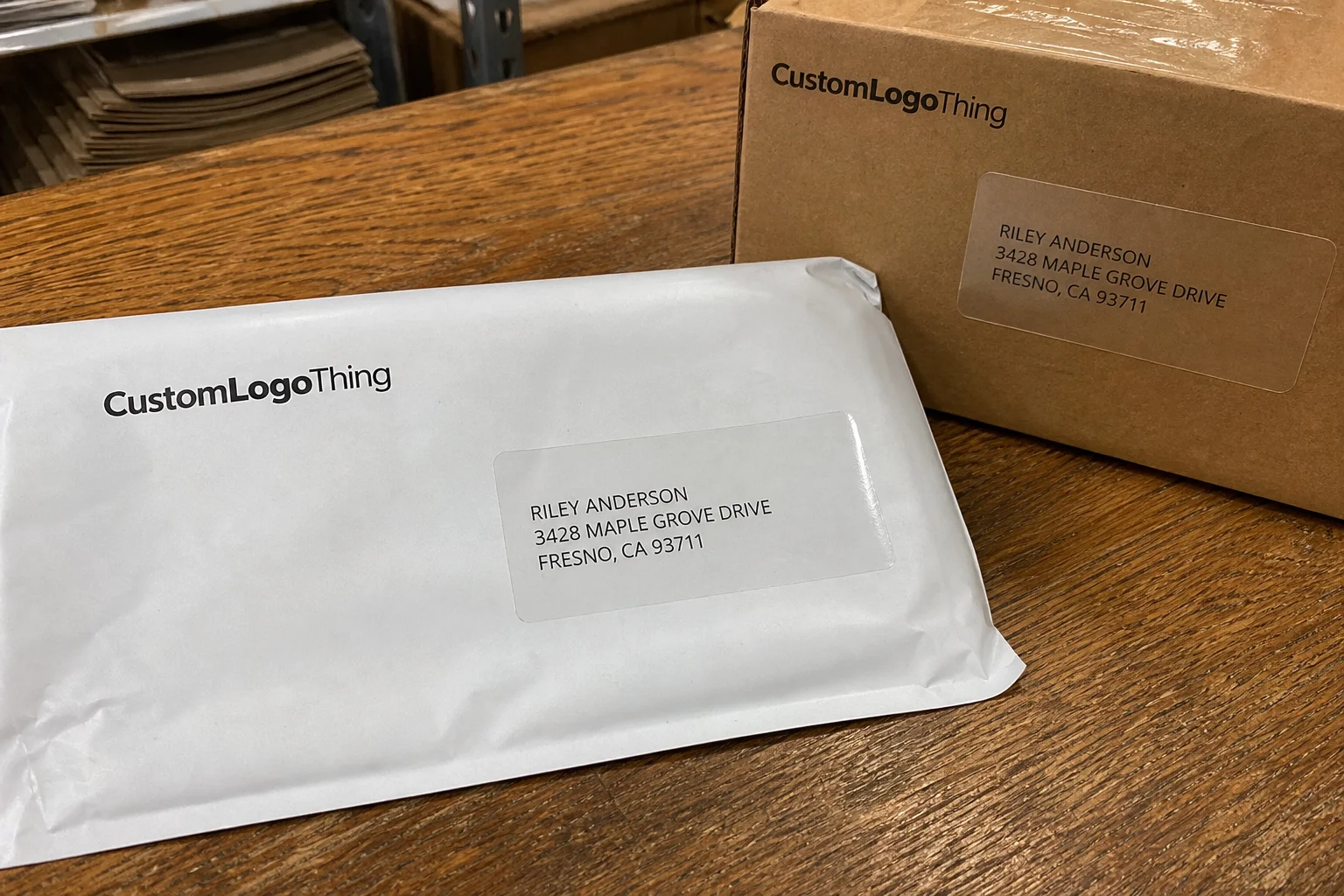
Kraft Paper Void fill, and Printed Shipping Labels ready for order fulfillment' class='blog-content-img' loading='lazy'>
How to Choose the Right Supplies for Your Shipping Process
The best way to choose supplies is to start with the product, then work outward to the route and the carrier. Ask three questions first: How fragile is it? How far will it travel? And what kind of handling will it see between your dock and the customer’s door? That framework keeps shipping supplies best practices grounded in the actual journey instead of a guess based on catalog descriptions. A lotion bottle going from Portland to Boise is a different problem than a ceramic mug going from New Jersey to Los Angeles.
For parcel shipments, the carton or mailer needs to survive conveyor drops, truck vibration, and stack pressure. For freight, the load may sit under other pallets or get handled by forklifts and clamps, which changes the choice of outer packaging and stretch wrap. For direct mail or lightweight document shipments, the challenge is often bend resistance rather than crush resistance. The product category matters, but the transit path matters just as much. A 16-ounce product in a 10x8x6 carton can still fail if it is moving through a rough regional hub in Kansas City.
I also tell teams to think about line speed and labor. A beautiful custom insert means nothing if it adds 18 seconds to every pack. A kraft paper dispenser can improve pack speed, but only if the operator can reach it without turning away from the bench. A stock mailer may be less elegant than a branded carton, but if it cuts order fulfillment time by a third, it may be the smarter short-term choice. In one plant I visited in Indianapolis, switching to a fixed mailer size saved 11 minutes per 100 orders, which is the kind of number finance actually notices.
Testing should be simple and real. Pick two or three packaging setups and send them through actual outbound orders. Then check the results using a basic damage review: corners, seams, product shift, scuffing, and customer complaints. If you want a more formal standard, ISTA testing protocols and ASTM methods give you a stronger framework for drop and distribution testing. The ISTA site is a good place to understand the structure behind package testing, and the Packaging Corporation and industry resources often help teams compare board grades and supply performance more clearly. For a carton spec example, an RSC made with 44 ECT corrugated and 350gsm C1S artboard for a retail sleeve is a very different animal from a plain stock mailer.
Lead time matters more than many procurement teams expect. Stock item changes can move fast, but custom printed cartons, branded mailers, or special inserts usually need sample approval, fit checks, and production time. I’ve seen a team approve artwork without checking box dimensions, then discover the insert pocket was 4 millimeters too tight and the whole carton had to be revised. That delay cost two weeks and a second round of freight charges for samples. Shipping supplies best practices include a real timeline, not just a purchase order, because a typical custom carton run from proof approval takes 12 to 15 business days in Dongguan, China or about 15 to 20 business days in Juarez, Mexico depending on material availability and freight routing.
Simple ship-test method
- Choose three package configurations for one SKU.
- Pack five units of each using the same operator and same fill level.
- Run a drop check from typical handoff heights, usually 18 to 36 inches depending on product type.
- Inspect corners, closure, internal movement, and label scan quality.
- Ship a small live pilot and track returns, complaints, and repack time.
That small pilot gives you a lot more truth than a catalog claim. Most of the best shipping supplies best practices I’ve seen came from simple, disciplined trials rather than big redesigns, and the teams that measured 100-test shipments in Orlando or Nashville usually made better decisions than the teams arguing over samples in an email thread.
If you want custom sizing or branded pack materials, it is smart to start with stable, repeat-shipped SKUs. A product that ships 2,000 times a month and only has one or two size variants is a strong candidate for custom packaging because the payoff from consistency is easy to measure. When the fit is predictable, custom materials stop being a luxury and start being a process improvement. A box that saves $0.09 in filler and 6 seconds of pack time can pay back a tooling setup fee in a few months.
Our Recommendation: Best Shipping Supplies Best Practices by Use Case
After years of watching good products get damaged by weak packaging choices, I have a fairly opinionated view of what works. For fragile items, I prefer a right-sized double-wall carton or a rigid mailer if the item is flat, plus structured void fill and a strong tape seal. For low-cost apparel, a quality poly mailer usually beats a box on cost and speed, provided the goods are soft and not sharp-edged. For premium presentation, a clean carton with a custom insert and precise label placement can make a real difference to perceived value, especially for a subscription box shipping from San Diego or a gift kit headed to Boston.
For high-volume fulfillment, the best setup is usually boring in the best way: standardized carton sizes, one or two void fill options, a dispenser-based tape process, and clear pack specs taped at the station. That kind of shipping supplies best practices discipline lowers variation across shifts, which is where many operations lose money. The more predictable the pack-out, the easier it is to train new staff and the fewer surprises show up in customer service. A line that ships 3,500 orders per day does not need novelty; it needs a carton size chart, a tape spec, and people who follow both.
If you are asking me for a starting point, I would recommend this default system for many ecommerce shipping operations:
- Right-sized corrugated cartons for anything fragile, boxed, or mixed.
- Quality poly mailers for apparel and other soft goods.
- Kraft paper or air pillows only where movement control is needed.
- Standardized label placement on the largest flat face.
- Good tape and a dispenser for every pack station.
If the item is valuable, fragile, or likely to be crushed, upgrade sooner rather than later. Double-wall cartons, rigid mailers, and molded inserts are worth the extra cost when the damage history proves the need. I do not believe in overbuilding every shipment, but I also do not believe in hoping a light package will survive a rough route just because the unit cost looked attractive on paper. That is not shipping supplies best practices; that is gambling, and the odds get worse when the shipment goes through Memphis, Louisville, and one rainy final-mile transfer in the same week.
My short verdict is simple: the best supply is the one that survives the worst-handling route with the least waste. If you can ship safely with one fewer inch of void, one fewer layer of tape, and one better fit, you usually win on both cost and claims. That might look unglamorous in a spreadsheet, but it looks fantastic when returns drop from 3.2% to 1.1% and nobody has to explain another cracked shipment to an angry customer.
Shipping Supplies Best Practices: Actionable Next Steps
If you want to improve results quickly, start with a three-step audit. First, identify your top five damaged SKUs and group the damage by type: corner crush, product shift, seam failure, bending, or moisture exposure. Second, measure current box fill, tape usage, and mailer sizes on those SKUs. Third, compare the true cost of damage against the cost of changing the pack spec. That gives you a clear picture of where shipping supplies best practices can deliver the biggest gain, and it usually points to one or two packaging changes instead of a total overhaul.
Then test two or three configurations on real orders. Do not change the whole line at once unless the current damage rate is severe. A controlled pilot lets you compare damage, labor, and customer complaints side by side, which is the kind of evidence management and procurement can both trust. I’ve seen operations save themselves from expensive mistakes by running a 100-order pilot before converting a full SKU family. If a new carton saves $0.05 but adds 9 seconds per pack, that tradeoff needs to be visible before the rollout, not after the warehouse has already printed 8,000 labels.
Create a standard pack spec sheet for each product family. Include carton size, board type, filler type, tape type, label position, and any special handling notes. Put that sheet where the packer can actually see it, not buried in a shared drive. In my experience, a visible spec sheet cuts mistakes faster than most software fixes because it removes guesswork from the bench. A simple laminated sheet at each station in Reno or Raleigh can do more for consistency than a 40-slide SOP nobody reads.
Set reorder points based on actual usage and lead time. If your boxes take 12 to 15 business days from proof approval to delivery, your reorder trigger should reflect that gap plus safety stock for a promotion or seasonal spike. Nothing wrecks order fulfillment like running out of cartons on a Friday and trying to improvise with the wrong size over the weekend. Good shipping supplies best practices always include stock protection, and I would rather hold 20% more inventory than pay for emergency freight from a supplier in Michigan because the warehouse guessed wrong.
Keep the team aligned too. Procurement can negotiate the best price, but packing has to use the right material, and shipping has to keep the labels and palletizing clean. When those groups follow the same playbook, shipping supplies best practices stop being a theory and become the daily routine that protects margins. The operations manager, the buyer, and the pack lead all need the same numbers on damage, usage, and reorder timing, or the wheels come off in boring but expensive ways.
If you are refreshing your materials, start by reviewing your Custom Packaging Products and then match them to your damage history, not your guess. That is the difference between buying shipping materials and building a reliable transit packaging system, whether your production runs in Shenzhen, Monterrey, or right outside Columbus, Ohio.
In my view, shipping supplies best practices work best when they are specific, measured, and honest about tradeoffs. A cheap box that fails is expensive. A well-sized carton, a properly chosen mailer, and a tape process that never varies can save money, reduce waste, and protect the customer experience all at once. That is the standard I would use in any warehouse, from a small startup to a high-volume fulfillment line, and it is the standard I keep coming back to whenever I evaluate shipping supplies best practices for real-world performance. If the spec says 44 ECT, 3-inch tape, and 12x9x4 dimensions, then that is what should be on the bench—not some mystery box that “mostly works.”
FAQs
What are the most important shipping supplies best practices for fragile items?
Use a right-sized double-wall carton or a rigid mailer when the product shape demands it, then add structured void fill so the item does not touch the box walls. Seal with quality tape, and place labels on a flat, visible surface away from seams and edges. Those details matter more than decorative outer packaging when the goal is actual package protection, especially for items with glass, ceramic, or polished metal parts.
How do I reduce shipping supply costs without increasing damage?
Start by reducing oversized packaging, because dimensional weight and wasted filler usually drive more cost than most teams realize. Then standardize carton sizes, compare total landed cost, and test lower-cost materials only if they still pass real transit checks. Shipping supplies best practices are cheapest when they reduce both damage and repacks, and a $0.06 mailer that saves 2 ounces of freight can outperform a prettier carton every time.
Which is better for soft goods: poly mailers or boxes?
Poly mailers are usually better for apparel, towels, and other non-fragile soft goods because they cost less and use less space. Boxes make more sense when the product needs crush protection, presentation structure, or separation from accessories. For many ecommerce shipping programs, poly mailers are the smarter default, especially if the item weighs under 1.5 pounds and ships in a 10x13 format.
How long does it take to switch to new shipping supplies?
Simple stock-item changes can happen quickly, sometimes within a few days if inventory is available. Custom sizes, printed mailers, or branded cartons usually need sample approval, production time, and a small pilot before a full roll-out. Plan enough time for testing so shipping supplies best practices do not get rushed into a bad launch; a custom carton proof to production cycle is often 12 to 15 business days after approval, and that is before freight from the factory to your dock.
What should I track to know if my shipping supplies are working?
Track damage rate, return rate, packing time, tape usage, filler usage, and customer complaints tied to transit condition. If a new setup lowers claims and keeps pack time steady or faster, it is usually the better system. Those are the numbers that show whether your shipping materials are actually doing their job, and they will tell you fast if a 44 ECT carton is overkill or exactly right.