Buyer Fit Snapshot
| Best fit | Shipping Supplies Wholesale projects where brand print, material claims, artwork control, MOQ, and repeat-order consistency need to be specified before quoting. |
|---|---|
| Quote inputs | Share finished size, material target, print colors, finish, packing count, annual reorder estimate, ship-to region, and any compliance wording. |
| Proofing check | Approve dieline scale, logo placement, barcode or warning zones, color tolerance, closure strength, and carton packing before bulk production. |
| Main risk | Vague material claims, crowded artwork, missing packing details, or unclear freight terms can make a low unit price expensive after revisions. |
Fast answer: Shipping Supplies Wholesale: Pricing, Specs, and MOQ should be specified like a repeatable production item. The safest quote records material, print method, finish, artwork proof, packing count, and reorder notes in one written spec.
Production checks before approval
Compare the actual filled-product size with the drawing, then confirm tolerance on folds, seals, hang holes, label areas, and retail display edges. Reserve space for logos, QR codes, warning copy, and material claims before decorative graphics fill the panel.
Quote comparison points
Review material grade, print process, finish, sampling route, tooling charges, carton quantity, and freight assumptions side by side. A quote is only useful when the supplier can repeat the same color, closure quality, and packing count on the next order.
Why Shipping Supplies Wholesale Saves Real Money
I remember walking a factory floor in Dongguan and watching a brand buy 12 x 9 x 4 cartons from one vendor, 4 mil poly mailers from another, and hot melt tape from a third. Tiny runs. Different specs. Three separate invoices. Then everyone acted surprised when the packing line slowed to a crawl and the freight bills kept climbing by 8% to 12% quarter over quarter. That is usually how money gets burned. shipping supplies wholesale cuts through that mess by lowering unit cost, tightening quality control, and reducing the constant scramble for reorders once fulfillment climbs past a few hundred parcels a month.
At a client warehouse outside Los Angeles in Commerce, the team spent nearly two hours every Tuesday chasing missing SKUs and fixing box sizes that were off by 1/8 inch. Two hours. Every week. That is 104 labor hours a year, assuming one shift and no holiday spikes. That is also the reason shipping supplies wholesale matters for growing ecommerce shipping operations: one standard spec, one forecast, fewer emergency buys at ugly prices. Honestly, I think people underestimate how much time disappears into “small” packaging mistakes, and then act shocked when payroll looks suspiciously high.
The savings show up in three places. Freight gets cheaper when you consolidate pallets instead of buying five random cartons from five vendors. Standardized SKUs shorten purchasing cycles, so your team stops re-quoting the same 12 x 9 x 4 box every month. Packaging quality becomes more predictable, which cuts damage claims and the joyless ritual of re-shipping broken product. On a 10,000-order month, even a $0.07 unit reduction can mean $700 in direct savings before labor and claims are counted.
The cheapest-looking supply is not always the cheapest. I watched a cosmetics brand save $0.06 per mailer and then lose $3.80 on each damaged unit after weak seams split in transit between Shenzhen and Dallas. Add the replacement product, the customer service time, the second shipment, and the refund, and that “cheap” mailer suddenly looks expensive. That is not theory. I saw the invoices. I also saw the warehouse manager rub his temples like he was trying to physically push the problem out of his head.
shipping supplies wholesale works best when packaging is treated like an operating system, not a random shopping cart. You Choose the Right mix of shipping materials, lock the specs, and buy in a volume that supports your monthly run rate without turning storage into a cardboard landfill. Whether you are moving 2,000 orders or 20,000, the logic stays the same. A program built around 1,500 units of a single SKU is easier to manage than a patchwork of 14 box sizes, each with its own reorder date.
Here, I’m covering the products, the specs, the pricing, the MOQ realities, and the order process. No fluff. No mystery savings. Just the stuff that keeps a warehouse from bleeding cash on transit packaging mistakes, especially once you start buying across multiple pallets from factories in Guangdong, Jiangsu, or Ohio.
Shipping Supplies Wholesale Product Options
shipping supplies wholesale usually starts with the basics: corrugated shipping boxes, poly mailers, padded mailers, void fill, packing tape, labels, and pallet accessories. That sounds simple until you realize each category behaves differently in order fulfillment. A 32 ECT single-wall carton is fine for shirts. It is not fine for ceramic mugs or 2 lb supplement jars. Common sense, somehow still a weekly argument in procurement meetings.
For apparel brands, poly mailers are often the workhorse. They are light, inexpensive, and efficient for ecommerce shipping, especially when the product is soft and low risk. A typical 10 x 13 inch 2.5 mil mailer can move a T-shirt order for a fraction of the cost of a box. Supplements and cosmetics often need more package protection, so a custom shipping box with inserts can make more sense. I’ve sat in meetings where a brand insisted on mailers for glass serum bottles. We tested it. The breakage rate made the math laughable. If you have to explain to a room full of adults why glass and flimsy mailers are a bad romance, you begin to understand why packaging people develop a permanent eyebrow twitch.
Fragile goods need shipping boxes with the right board grade more than glossy print. Returns-heavy categories benefit from a mailer with a strong adhesive strip that saves labor. Subscription kits care about the unboxing experience, but not enough to justify overbuilt packaging that drives dimensional weight up by 20% or more on UPS Zone 8 shipments. Branding matters. Paying UPS extra because someone wanted a giant box for a tiny item matters too, and not in a good way.
Common wholesale product types and where they fit
- Corrugated shipping boxes — best for heavier goods, fragile products, and branded subscription kits, especially 200 lb test and 32 ECT or higher.
- Poly mailers — great for apparel, soft goods, and low-breakage ecommerce shipping in 2.5 mil to 4 mil thickness.
- Padded mailers — useful for accessories, cosmetics, books, and small electronics that need a light cushion layer.
- Void fill — paper, air pillows, or kraft wrap to stop movement in transit packaging and reduce rattling in a 12 x 9 x 6 carton.
- Packing tape — seal strength matters more than most teams think; 2.7 mil acrylic or hot melt is common for outbound cartons.
- Labels and thermal supplies — critical for fast order fulfillment and warehouse scanning with 4 x 6 direct thermal labels.
- Pallet accessories — stretch film, corner boards, strapping, and slip sheets for bulk movement from warehouses in Ontario, CA to regional hubs in Texas or Illinois.
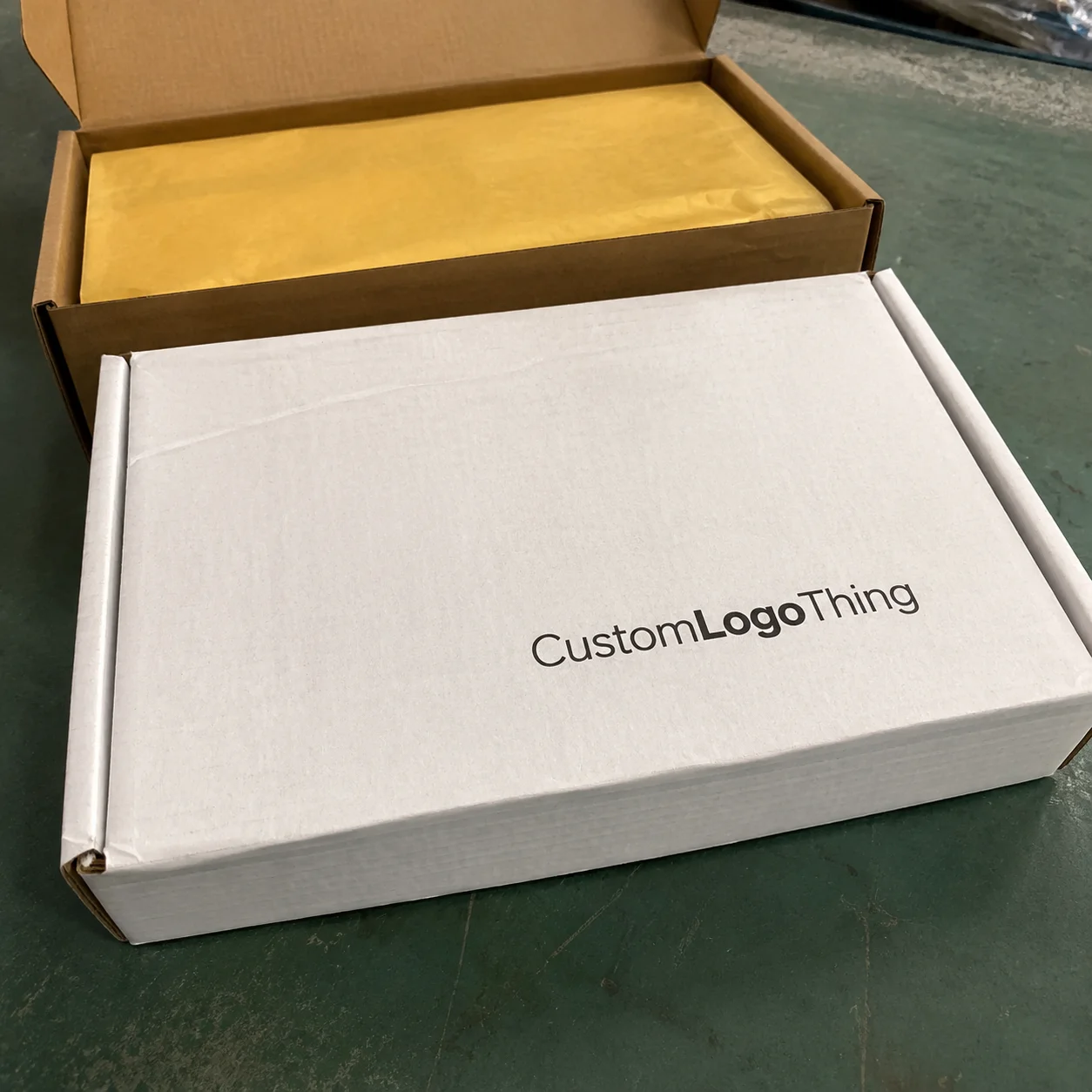
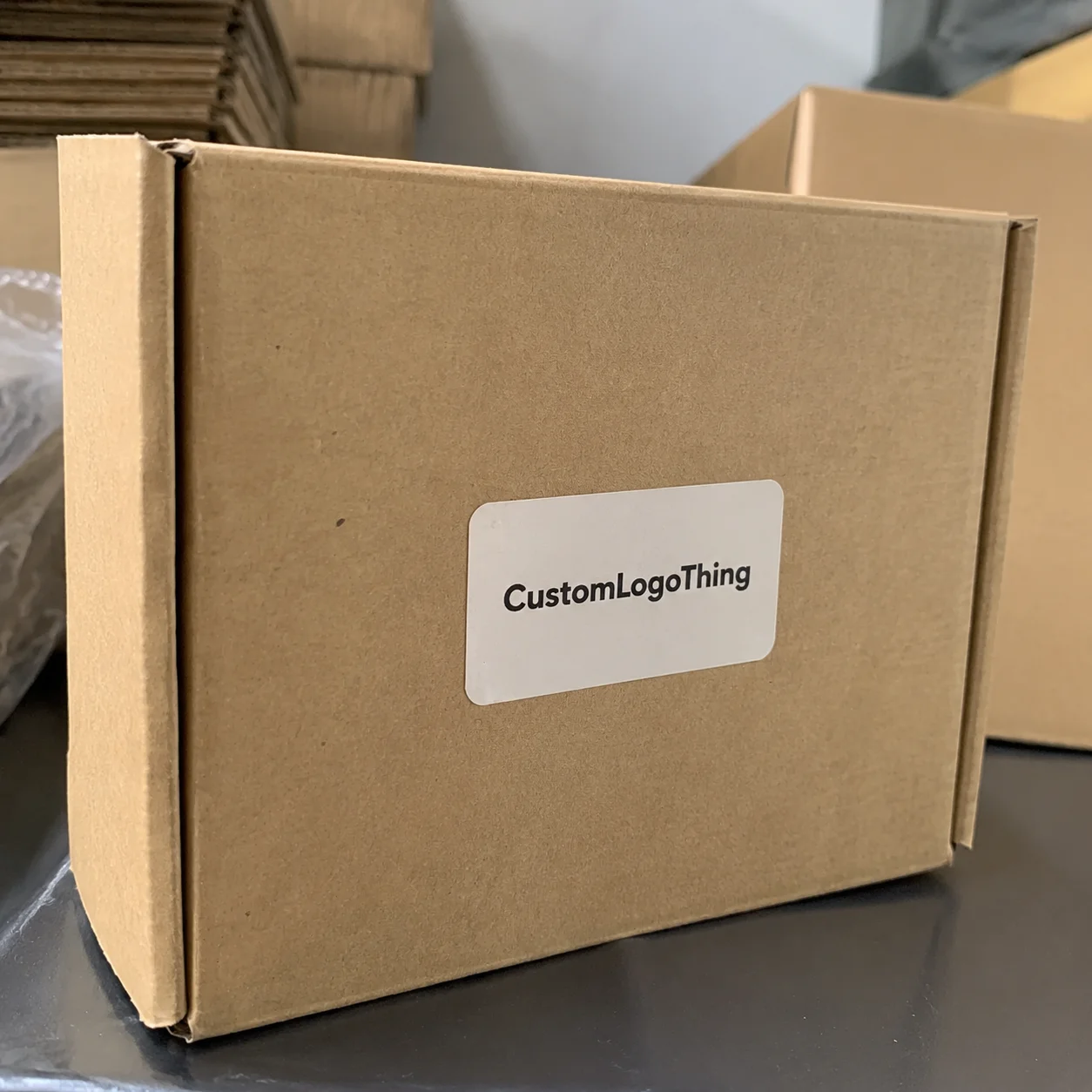
Custom options are where shipping supplies wholesale stops being generic and starts being strategic. You can print logos on boxes and mailers, upgrade adhesives, tailor dimensions to the product, or add inserts that prevent movement. For branded boxes, I usually recommend the smallest size that clears the product plus protective material. Too much empty space means more void fill and more dimensional weight. Carriers love charging for air. I don’t blame them. I just refuse to pay for it blindly.
I remember a supplier meeting in Shenzhen where a supplement client wanted a matte mailer with full-coverage print and a high-tack adhesive. Fine, but the first sample used a weak pressure-sensitive strip that failed after sitting in a 38°C warehouse for two weeks. We switched adhesive systems, tested three rolls, and kept the cost increase to $0.03/unit. That is the kind of detail that separates decent shipping supplies wholesale programs from expensive mistakes.
If you are comparing stock versus custom, do not force everything into one bucket. A smart buyer often uses stock poly mailers for fast-moving SKUs, then custom shipping boxes for higher-value items. That hybrid approach keeps lead times down while still giving you brand presence where it matters. You can also review our Custom Packaging Products to see how different packaging formats line up with specific product types, from 9 x 6 x 2 mailers to 18 x 12 x 10 corrugated cartons.
For brands that need a quick starting point, here is a practical rule I use: choose shipping materials based on ship method, product weight, and breakage risk, not on whatever looks cheapest on a quote sheet. Cheap is nice. Damage is not. A $0.12 mailer that triggers a $4.50 replacement is a bad trade in any language.
Shipping Supplies Wholesale Specifications That Matter
Specs are where shipping supplies wholesale either saves money or quietly eats margin. A box that is “just a box” is how people end up with pallet damage, returns, and carrier surcharges. I’ve seen it too many times. The buyer focuses on print, while the warehouse cares about whether the carton survives a drop test from 30 inches. Those two people are usually not speaking the same language, which is a shame because they both work in the same building.
For corrugated boxes, you need to know flute type, board grade, burst strength, and ECT. Single-wall cartons are often fine for lighter products, but when the item gets heavier or stacked in a distribution center, Edge Crush Test matters. A 32 ECT box can work for many apparel shipments. A 44 ECT or double-wall carton may be better for heavier SKUs, especially if the product is going through rough handling or cross-dock transfers in Atlanta, Memphis, or Louisville. For larger runs, a carton spec that matches the actual load is far more useful than a pretty print file.
For mailers, film thickness and seal strength are the big ones. I usually ask for thickness in mils or microns, and I want to know whether the adhesive is permanent, tamper-evident, or reclosable. If the seal is weak, returns spike. If it is too aggressive, your packers waste time fighting the bag open. That is not theoretical. I watched one warehouse lose 45 minutes per shift because operators were tearing poly mailers open with scissors like they were opening medieval mail. I laughed. Then I cried a little on the inside.
Tape specs matter more than people admit. Acrylic tape stores well and holds up across a wide range of temperatures. Hot melt usually grabs fast and performs well on certain carton surfaces, but it can be a bad choice if your warehouse is cold or dusty. When I negotiated tape pricing with a supplier in Ningbo, we traded a lower unit price for a better adhesive formula and kept the roll length at 110 yards. That kept the labor team happy because they were changing rolls less often. Time is money. Apparently, so is tape.
Box, mailer, and tape spec checklist
- Box: flute type, board grade, ECT or burst rating, inside dimensions, print coverage.
- Mailer: film thickness, seal type, tear resistance, adhesive quality.
- Tape: acrylic or hot melt, width, roll length, noise level, temperature range.
- Label: adhesive type, liner compatibility, thermal print performance.
- Void fill: paper weight, cushion performance, storage footprint.
Dimensions deserve more attention than they get. A box that is one inch too large can push you into a worse dimensional weight bracket and increase freight costs immediately. That is especially painful for ecommerce shipping where margins are already tight. I once reviewed a sample program where a brand had boxes sized at 14 x 10 x 6 for products that could fit safely in 12 x 9 x 4 with a protective insert. The change shaved $1.12 off the average parcel cost. Multiply that by 8,000 shipments. That is real money, not marketing noise.
Before ordering shipping supplies wholesale, I tell buyers to check five things: product weight, fragility, shelf life, storage conditions, and branding requirements. If the product is fragile, test a stronger carton and more package protection. If the product sits in a humid warehouse in Houston or Savannah, ask about board performance and adhesive stability. If the product is high-volume, simplify the spec. Complexity slows order fulfillment and raises the chance of error.
Samples are not optional. Request samples and test orders before committing to a full wholesale run. Put the carton on a scale. Drop-test it. Tape it in a cold room if you can. We used to run informal stress checks at our Shenzhen facility by stacking cartons overnight and checking edge deformation the next morning. Nothing fancy. Just practical. That is how you find the problem before your customer does.
For buyers who want stronger structural options, our Custom Shipping Boxes page is a good reference point for box styles and print formats commonly used in wholesale programs, including 350gsm C1S artboard sleeves, rigid setups, and heavy-duty corrugated cartons.
Shipping Supplies Wholesale Pricing and MOQ
shipping supplies wholesale pricing is usually driven by six things: material type, size, thickness, print coverage, order quantity, and freight distance. That is the real formula. Everything else is sales language. A plain stock box will always price differently from a Custom Printed Mailer because the setup, tooling, and raw material needs are not the same. A 10 x 8 x 4 stock carton from a domestic warehouse in Dallas does not price like a custom 4-color mailer produced in Dongguan and shipped by sea.
Here is the part I repeat in quote reviews: unit price drops with scale, but setup and tooling can make very small custom orders expensive. If you want 500 custom printed boxes with a full-color exterior and a special die-cut, the per-unit cost may look brutal. That is normal. The press setup does not care that your brand is “small but ambitious.” The machine still needs setup time, plates, and waste allowance. Machines are emotionally unavailable like that.
MOQ also varies by category. Stock items often have lower minimums because they are already in inventory or can be pulled from standard production. Custom printed boxes and mailers usually need higher MOQs, especially if you want multiple sizes, multiple colors, or specialty coatings. Some suppliers will quote 1,000 pieces for a custom mailer, while others want 5,000 or more depending on the print method and material. Ask by SKU and by print version. A size change can shift the minimum. So can a color change. Procurement is fun like that.
| Product Type | Typical MOQ Range | Common Price Logic | Best For |
|---|---|---|---|
| Stock corrugated boxes | 100-500 units | Lower setup, faster availability, freight dependent | Fast replenishment, testing new SKUs |
| Custom printed shipping boxes | 1,000-3,000 units | Plate/setup cost amortized over volume | Branded ecommerce shipping |
| Stock poly mailers | 500-1,000 units | Simple material cost, usually lower freight | Apparel and soft goods |
| Custom printed poly mailers | 1,000-5,000 units | Print setup, film thickness, adhesive spec | High-volume order fulfillment |
| Packing tape with print | 1,000 rolls and up | Print cylinders or plates plus adhesive choice | Brand visibility on outbound parcels |
To compare quotes fairly, I always ask whether pricing includes freight, pallets, proofing, taxes, and any setup fees. If you skip that question, the quote you thought was $0.21/unit can become $0.34/unit landed, and suddenly the “best” supplier is not the best at all. Ask for landed cost, not just unit cost. One protects margin. The other just looks pretty in an email.
I also recommend tiered pricing. A good shipping supplies wholesale quote should show breakpoints at, say, 1,000, 3,000, and 5,000 units. That way you can see whether ordering one more pallet drops your cost enough to justify the storage. In one client meeting in Newark, we found that jumping from 2,000 to 4,000 custom boxes lowered the unit cost by $0.09, which paid for three weeks of extra warehouse space. That is the kind of tradeoff worth making.
Freight distance is another sneaky factor. A pallet from Shenzhen to Long Beach does not cost the same as a pallet from a domestic distribution center in Chicago to Ohio. If your supplier does not quote freight clearly, you are not comparing the same deal. I have seen buyers choose the “cheap” quote and then lose $600 on trucking because no one discussed palletized freight, liftgate service, or residential delivery. A quote without shipping terms is just half a number.
If you want to control cost while keeping branding intact, review your Wholesale Programs options and map them against sales volume. That is the smartest way to use shipping supplies wholesale without overbuying inventory you cannot store, especially if your warehouse in Phoenix or Toronto charges by the pallet position.
Process and Timeline for Wholesale Orders
The order process for shipping supplies wholesale is usually straightforward, but the devil lives in the approvals. A clean order follows this path: inquiry, spec confirmation, quote, sample or proof, approval, production, quality check, and shipment. If one step gets rushed, the whole timeline slips. Usually by three to seven business days, which is just long enough to annoy everyone and trigger the “who approved this?” emails nobody enjoys.
Stock items move faster because they do not need custom setup. If inventory is available, you can often get stock shipping materials out quickly. Custom orders take longer because of artwork approval, die-line checks, and production scheduling. A custom run with print can take 12-15 business days from proof approval, sometimes longer if the plant is busy or the artwork is a mess. I have seen “simple” logo changes stall for four days because someone sent a low-resolution JPG instead of a vector file. Nobody is impressed by pixelated branding.
Delays happen in predictable places. Artwork approvals get stuck. Specs are unclear. Payment is late. Someone decides after proof approval that they want a different shade of blue. That last one is especially common and especially annoying. The carton is already moving. No, the factory cannot “just change it” without rework and extra cost. I’ve had people ask for that with the confidence of someone ordering coffee, and it never gets less absurd.
One warehouse buyer in Texas asked me why their mailers took longer than expected. Simple answer: they approved the proof late and then changed the adhesive requirement after the order was already queued. That added five business days. Not because the supplier was slow. Because the order changed. shipping supplies wholesale runs on clear instructions, not hope.
Timeline planning that actually works
- Map your monthly usage by SKU and pack size.
- Add a safety buffer of 15-20% for promotions or seasonal spikes.
- Request quote and sample at least 3-4 weeks before reorder need.
- Approve artwork within 24-48 hours if you want to stay on schedule.
- Book freight early for palletized shipments.
Shipping methods matter too. Smaller orders can go by parcel. Larger orders should ship palletized freight. If you have multiple fulfillment centers, split shipments may be the right move, even if the per-pallet cost rises slightly. That can still be cheaper than moving inventory across the country later in a panic. Panic freight is how budgets die.
For buyers managing seasonal spikes, align reorder dates with sales forecasts and fulfillment schedules. A packaging reorder should not happen after stockouts start. That sounds obvious until I see it happen every quarter. If your packaging is late, your orders are late, and your customer service team gets to answer the same angry email 200 times.
In practice, the best shipping supplies wholesale programs build around lead time, not just price. Cheap packaging that arrives late is not cheap. It is a delay with a label on it. A supplier in Guangzhou that promises 7 days but misses by 10 is more expensive than a 14-day factory that actually ships on day 14.
Why Choose Us for Shipping Supplies Wholesale
I have spent enough years around packaging plants in Dongguan, Shenzhen, and Ningbo to know the difference between a reseller and a real manufacturing partner. We focus on shipping supplies wholesale as an operational problem, not just a product list. That means we care about material sourcing, print control, fit, and freight planning, because that is what keeps your warehouse from turning into a complaint center.
On one supplier visit, I negotiated a better board grade for a shipping box without increasing the price as much as the client feared. We changed the carton construction, kept the outer dimensions the same, and improved stacking performance. The client expected a big price jump. Instead, the increase was $0.04/unit, which was easy to justify after we showed the drop-test improvement. That is the kind of negotiation that matters. Not “we got it cheaper.” More like “we got it right.”
When you buy shipping supplies wholesale through a team that understands packaging and logistics, you get more than a quote. You get sample support, honest feedback, and practical advice on whether a spec is overbuilt, underbuilt, or unnecessary. I will tell a brand if their requested 48 ECT double-wall carton is overkill for a 9-ounce product. I will also tell them when they are underpacking and risking claims. Friendly? Maybe not. Useful? Absolutely.
We also help buyers rationalize SKUs so they are not storing 19 box sizes when 7 would do the job. That lowers storage cost, simplifies order fulfillment, and reduces picking errors. For a growing operation, that matters as much as the unit price. The goal is not to collect packaging options. The goal is to ship product correctly, on time, with less waste. A tighter SKU list also makes annual forecasting easier by about 30% in most mid-sized warehouses.
If you want to see the types of products we support across custom packaging and transit packaging, take a look at our Custom Poly Mailers and our broader Custom Packaging Products. They are useful starting points if your team needs a mix of branded and functional shipping supplies wholesale options, from 2.5 mil mailers to printed corrugated cartons.
Credibility matters, so we also encourage buyers to check recognized industry standards and sustainability resources. For material guidance and packaging benchmarks, the Packaging Machinery Manufacturers Institute, ISTA, and FSC are solid references. If your program needs environmentally responsible material choices, the EPA also has useful guidance on waste reduction and sustainable packaging practices.
Honesty helps. If your request is too aggressive for the product, I will say so. If your MOQ is too low for a custom print method, I will say that too. I would rather lose a bad order than sell you packaging that causes claims later. That is not noble. It is just good business.
Next Steps to Order Shipping Supplies Wholesale
If you want to place a shipping supplies wholesale order without wasting time, gather the right data first. You need current packaging dimensions, monthly ship volume, average product weight, and artwork files if you want print. If you have a sample box or mailer, send that too. A physical sample tells me more in two minutes than a vague email does in two days.
Then request 2-3 product configurations. Do not compare only the headline price. Compare total landed cost, package protection, and fit. One configuration might look cheaper, but if it adds more void fill or increases dimensional weight, the math changes fast. I have watched a buyer save $0.05 on a mailer and lose $0.22 in extra freight because the package was oversized by half an inch. Tiny mistake. Real cost.
I also recommend a sample order or low-risk pilot run before committing to a full wholesale program. Test adhesion, stacking, shelf handling, and opening performance. If the product is fragile, test drop resistance. If it is apparel, test return usability. If it is a subscription box, test how the insert behaves after pallet stacking. You are buying shipping materials, yes, but you are really buying consistency.
Use your reorder data to lock in the best MOQ tier. Once you know your monthly usage, it becomes easier to hit the pricing breakpoint that makes sense. That is where shipping supplies wholesale becomes smart instead of merely cheap. No drama. No last-minute freight. No warehouse yelling because the tape order missed by 500 rolls, which, trust me, is a very specific kind of yelling.
Send us your specs, your target quantity, and your branding files if you have them. Include box dimensions, mailer size, product weight, and your preferred timeline. If you want us to compare options, ask for three configurations so we can show you the difference in landed cost and performance. That is the cleanest way to buy shipping supplies wholesale and get packaging that actually fits the job, whether your fulfillment center is in Los Angeles, Atlanta, or Vancouver.
What is the minimum order for shipping supplies wholesale?
MOQ depends on the product. Stock items are often lower, while custom printed boxes, mailers, and tape usually require higher minimums. Ask for the MOQ by SKU and by print version, since a color change or size change can affect the minimum. For example, a stock 10 x 13 poly mailer may start at 500 units, while a custom printed version may need 1,000 to 5,000 units.
How do I compare shipping supplies wholesale quotes accurately?
Compare landed cost, not just unit price. Check whether quotes include freight, proofing, pallets, taxes, and any setup fees. If those items are not listed, ask before you approve anything. A quote at $0.18 per unit can become $0.27 or more once ocean freight, palletization, and export handling are added.
Which shipping supplies wholesale products are best for fragile items?
Use corrugated boxes with the right ECT or burst rating, plus void fill or protective inserts. For extra protection, test double-wall cartons or padded mailers depending on product weight and breakage risk. A 44 ECT carton with kraft paper void fill often performs better than a decorative but weak mailer for glass, ceramics, or small electronics.
How long does a shipping supplies wholesale order take?
Stock items can move quickly if inventory is available. Custom orders take longer because of artwork approval, sampling, and production scheduling. Lead time also depends on freight method and factory workload. Custom printed runs typically take 12-15 business days from proof approval, plus 3-7 business days for freight depending on location.
Can I order shipping supplies wholesale with custom printing?
Yes, many wholesale programs support logo printing on boxes, mailers, tape, and labels. Expect artwork files, proof approval, and a higher MOQ than plain stock items. A clean vector file, such as AI or EPS, usually speeds up proofing and reduces rework compared with a low-resolution JPG.