If you are planning a product launch, a seasonal promotion, or a short packaging refresh, Small Quantity Custom Stickers can keep your branding moving without locking cash into inventory you may not use. The appeal is straightforward: you get the artwork, size, and finish you need for the current run, then revisit the spec if the campaign changes.
That flexibility matters most in packaging. A label that works for a few hundred units, a pop-up event, or a test SKU may not need the same structure as a long-term retail program. Smaller runs make it easier to test design choices, confirm adhesion on the actual substrate, and adjust before committing to a larger order.
There is also a practical side that gets overlooked. Small orders are often the cleanest way to bridge the gap between final artwork and real-world use. If the first version performs well, you reOrder With Confidence. If it does not, you have not tied up money in a format that now needs to be changed.
Why Small Runs Make Sense
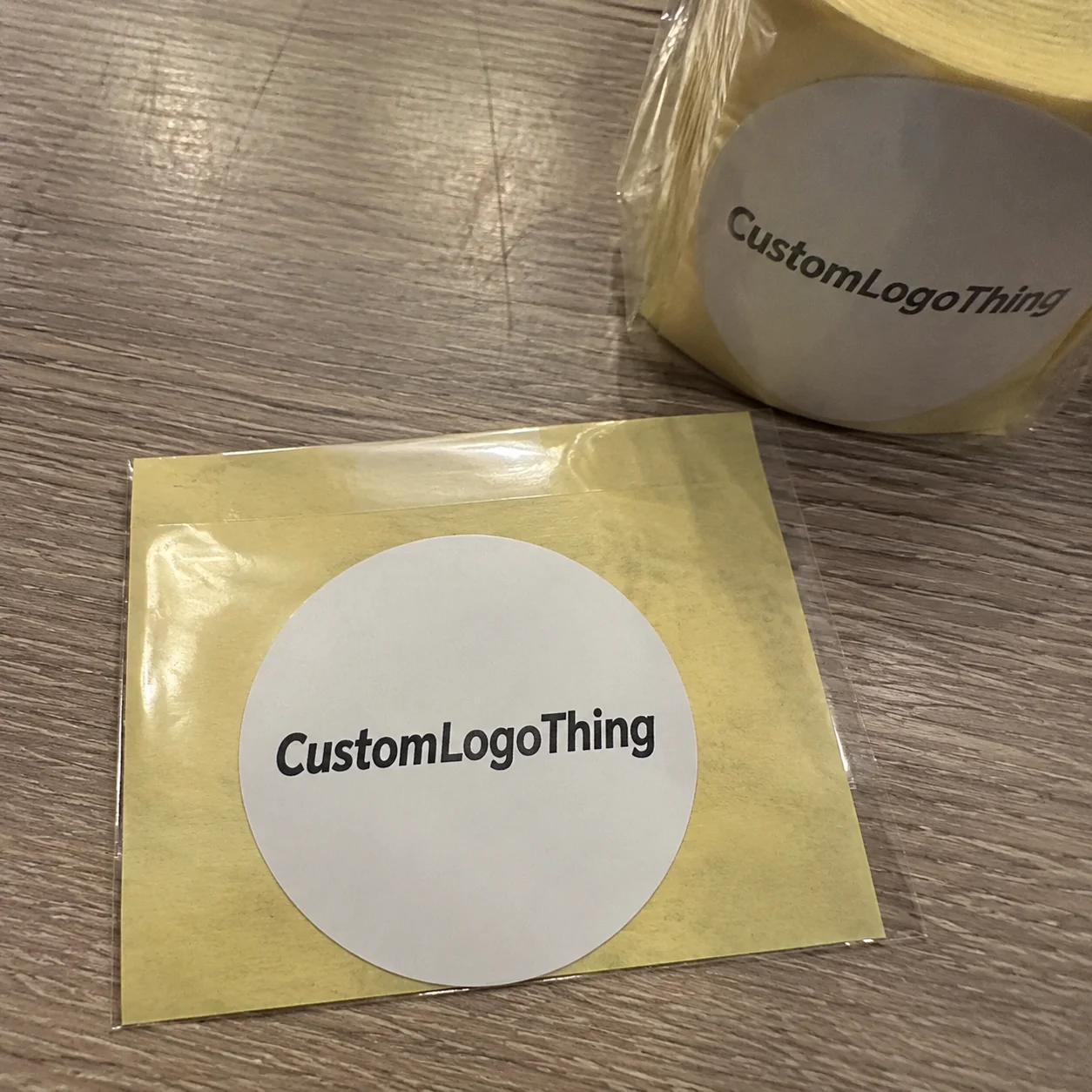
Small sticker orders are usually the right fit when the need is real but limited in duration. Think of short product launches, trade show handouts, limited-edition packaging, internal testing, or a co-packing run where the artwork may change after the first sales cycle. In those cases, a few dozen, a few hundred, or even a low four-figure count is often enough to do the job.
The term “small quantity” does not point to one fixed threshold. For some buyers, it means 25 pieces for samples. For others, it means 100 to 250 units for a boutique launch, or 500 to 1,000 for a regional promotion. The right number depends on how the stickers will be used, how fast the product moves, and whether a reorder is likely.
Digital printing is what makes these orders practical. Traditional high-volume print methods depend on plates, longer setup, and heavier upfront costs. Digital production reduces that overhead, which is why short runs can be ordered without paying for the economics of a much larger job. Pair that with die-cutting, kiss-cutting, and sheet finishing, and the whole process becomes workable at smaller quantities.
The real advantage is control. You can match the print run to the campaign instead of guessing far ahead, and that usually leads to better budget discipline. It also gives you room to correct the details that matter in packaging: how the label lays on the surface, how easy it is to peel, how it behaves under handling, and whether the finish matches the rest of the brand system.
For short runs, the best order is the one that fits the application cleanly, not the one with the biggest count.
How the Production Process Works
A good sticker order starts with file review, not printing. Artwork needs the right resolution, correct dimensions, bleed, and clean cut lines. If the file is not ready, the production team has to pause and rebuild the details that should have been set before the order was placed. That delay is avoidable, and it is one of the easiest ways to slow down a small job.
After the file is checked, the next step is proofing. This is the point where text, shape, color expectations, and layout get confirmed before production begins. Even for simple artwork, a proof is worth reviewing carefully. A small adjustment to the cut path or an unnoticed typo can be expensive once the run is already in progress.
Once approved, the job moves to the selected stock. For packaging applications, that may be paper, vinyl, polypropylene, or another pressure-sensitive label material. The choice depends on the surface and the environment. A dry carton does not ask for the same spec as a chilled bottle, a mailer, or a package that may see moisture during storage or transit.
Cutting and finishing come next. Kiss-cut stickers are cut through the face stock but left on the backing, which makes them easy to peel and well suited to sheets or sets. Die-cut stickers are cut to the final outline, giving a custom shape that can stand out on product packaging. Sheeted stickers are grouped on one sheet, which is useful for fulfillment kits, hand application, or retail inserts.
Finish is not just a visual choice. Matte can soften the look and make handwriting easier. Gloss tends to increase contrast and shine, which helps graphics pop on retail packaging. Lamination adds another layer of protection against scuffing, abrasion, and handling. If the sticker needs to survive condensation, refrigeration, or repeated touch, the stock and adhesive need to be chosen with that in mind.
For brands that use stickers alongside other package components, consistency helps. A label may behave one way on a carton and another way on a coated mailer or a polypropylene pouch. If the order also includes Custom Labels & Tags or other Custom Packaging Products, it pays to keep the material and finish logic aligned across the whole packaging system.
There are also industry references that matter when the order has performance expectations. Buyers often look at transport and distribution standards such as ISTA when packaging needs to survive shipping, and they may ask about paper sourcing through FSC when certified stock is part of the brief. Not every sticker project needs those benchmarks, but it helps to know which questions matter before production begins.
Cost, Pricing, and Minimum Order Considerations
Sticker pricing usually comes down to five variables: size, quantity, material, shape complexity, and turnaround speed. A simple round label on standard paper stock is generally cheaper than a custom contour-cut sticker on waterproof vinyl with a matte laminate. That difference reflects real production work, not arbitrary markup.
On very small runs, the unit price is often higher because proofing, setup, and cutting costs are spread across fewer pieces. That does not automatically make the order expensive in practical terms. A 100-piece run may cost more per sticker than a 1,000-piece run, but it can still be the better financial choice if the larger batch would sit unused.
For context, small orders often fall into these rough patterns. The figures below are not a universal rate card, but they reflect the way pricing usually behaves.
| Order Type | Typical Use | Relative Unit Cost | Common Lead Time |
|---|---|---|---|
| 25–100 pieces | Samples, internal review, test launches | Highest per unit | Often 5–10 business days after proof approval |
| 250–500 pieces | Small campaigns, event kits, limited retail runs | Moderate | Often 7–12 business days after proof approval |
| 1,000+ pieces | Broader distribution, repeat use, multi-location rollout | Lower per unit | Often 10–15 business days after proof approval |
Shape complexity is another hidden cost driver. A standard circle, square, or rectangle is efficient. A contour cut with tight corners, tiny details, or internal cutouts takes more setup and can slow finishing. Specialty effects, such as metallic stock or extra lamination, can also increase cost. None of those choices are wrong; they just need to be worth the added work.
Rush shipping can change the picture quickly. So can file problems. If artwork is not print-ready, the cost of prepress corrections can cancel out the savings of a smaller run. The best value is usually not the cheapest sticker on paper. It is the sticker that holds up on the package, matches the environment, and arrives on time.
Turnaround Time and Lead Time Basics
Lead time starts with the file. If the artwork is ready, the dimensions are accurate, and the proof is approved without revisions, production can move quickly. If the design needs cleanup, size changes, or a rebuilt cut path, the schedule stretches right away. That is true even when the order is small.
Smaller orders can be fast, but they are not automatically fast. A simple digital print job may ship in a few business days. Add specialty stock, lamination, or a custom shape, and the schedule gets longer. Freight time then becomes part of the equation, especially if the order has to travel across several shipping zones.
For that reason, it is smarter to work backward from the deadline. Build in enough time for proofing, production, and transit, then add a small cushion for the sort of delays that show up without warning. A two-day carrier delay is enough to hurt a launch if the order was planned too tightly.
If the stickers are tied to a dated event, a retail reset, or a fulfillment window, ask early whether the material is in stock and whether the cut path is standard. Those details tell you more about timing than a generic promise of quick turnaround. The more specific the order, the more important it is to confirm the timing before approval.
Step-by-Step Guide to Ordering the Right Quantity
Start with the application. Are the stickers going on product packaging, handouts, inserts, or shipping materials? That answer drives the size, shape, and finish. A label meant for a retail counter display can lean more decorative, while one meant to seal a mailer should prioritize easy peeling and dependable adhesion.
- Define the use. Decide where the sticker will go, how it will be handled, and whether it needs water resistance or abrasion resistance.
- Choose the format. Pick die-cut, kiss-cut, or sheeted based on how the sticker will be applied and presented.
- Finalize artwork. Use print-ready files, confirm bleed, and keep all text inside the safe area.
- Review the proof. Check sizing, cut lines, spelling, and color expectations before production begins.
- Set the quantity. Match the count to the launch length, spoilage risk, and likely reorder timing.
That last step is where buyers often misjudge the run. Overordering ties up cash and storage space. Underordering can force a second run under pressure, which is where rush fees and avoidable mistakes start to appear. For small quantity custom stickers, the smarter approach is usually to cover the campaign plus a modest safety margin, not to guess far beyond the actual need.
A useful way to think about quantity is by units of use rather than units of print. If one sticker goes on each shipped box and the campaign lasts six weeks, estimate the number of boxes, then add a small buffer for spoilage, application errors, or late demand. That keeps the order grounded in the actual packaging workflow.
Common Mistakes That Raise Cost or Delay Orders
One of the most common mistakes is choosing the wrong adhesive for the surface. A sticker that performs well on coated paper may not hold properly on textured cartons, powder-coated metal, or refrigerated packaging. Surface energy matters, and so does temperature. The adhesive has to match the job, not just the artwork.
Another problem is ignoring the environment. If the label is likely to encounter condensation, cold storage, or frequent handling, basic paper stock may not be enough. In those cases, a more durable material can prevent lifting edges, scuffing, or early failure. The wrong finish can also make a sticker look tired long before the product does.
Artwork issues cause delays faster than most people expect. Low-resolution images, missing bleed, and unclear cut lines force revisions and can push production back several days. Small orders are not exempt from file discipline. If anything, they need it more, because there is less room to absorb a missed detail.
Shape complexity can raise cost in ways that are easy to underestimate. A highly detailed contour cut may look strong on screen but create more work on press and at the cutter. The same is true for metallic stock, special laminates, or unusual adhesives. Those choices may be worth it, but they should be deliberate.
Underordering is the final trap. If the first run performs well and you need a second order immediately, the rush version often costs more than the first. That erases the savings you thought you had. In packaging operations, careful forecasting is usually cheaper than speed alone.
A sticker that fails on the package is not a bargain. It is a reprint waiting to happen.
Practical Tips for Better Results on Small Runs
Keep the structure simple when you can. Standard circles, squares, and rectangles print efficiently and are easier to place consistently across packaging surfaces. They also leave less room for cutting issues, which matters more than most buyers think on short runs.
Match finish to function. Gloss can help graphics stand out on retail packaging, while matte feels quieter and is easier to write on if the sticker also serves as a note label. If the sticker will face scuffing, choose a protective laminate. If it may see moisture or cold storage, specify a material built for that environment instead of hoping a general-purpose stock will hold up.
Ask for samples when the application is uncertain. A small test on the actual box, pouch, bottle, or mailer often says more than a spec sheet. Adhesive behavior, tack, and peel feel can change once the sticker meets a real surface.
Save the final build as a reorder file. Include the exact dimensions, stock, finish, adhesive notes, and approved proof. That makes the next order faster and more consistent, whether you are repeating small quantity custom stickers or expanding into a larger packaging program that also includes printed cartons or other branded components.
If sustainability is part of the brief, ask early about recycled content, FSC-certified paper, or other sourcing requirements. Those decisions are easier to build into the first order than to retrofit later, especially if the material choice also affects print quality or durability.
What to Check Before You Place the Order
Before you approve the job, confirm the essentials: quantity, dimensions, material, finish, shape, and adhesive. The proof should match the actual production assumptions, not a rough approximation. If the sticker is part of a broader product launch, make sure the design still fits the rest of the branded packaging.
Then check the timeline against the real deadline, not the ideal one. If the stickers are needed for a launch, event, or fulfillment window, allow time for approval, printing, and shipping. A short buffer can prevent a small carrier delay from turning into a missed date.
Ask for pricing that separates the moving parts. Unit cost, setup considerations, cut complexity, rush charges, and freight should all be visible. That makes comparison easier and shows where the cost is actually coming from. If two quotes look similar on the surface, the better material or cleaner proofing process may be the better value.
Finally, keep the final specification sheet. The next order should be easy to repeat because the details are already recorded. That is one of the biggest reasons small quantity custom stickers work well for packaging teams: the process stays flexible without becoming chaotic.
When each order is treated as a controlled production step rather than a casual print job, the result is usually better color consistency, fewer delays, and more efficient spend. That is the real value of small quantity custom stickers: enough flexibility to move quickly, enough structure to stay consistent, and enough precision to support the packaging program instead of complicating it.
What counts as small quantity custom stickers?
It usually means a low-volume order sized for a test, short campaign, or limited product run rather than bulk inventory. The exact threshold varies by supplier, but the goal is to order only what you need for the current project.
Are small quantity custom stickers more expensive per piece?
Yes, the unit price is often higher because setup, proofing, and cutting costs are spread across fewer stickers. The total order cost is still usually lower, which is why small runs make sense for testing, launches, and seasonal work.
How long does a small sticker order usually take?
Turnaround depends on artwork readiness, print method, finish, and shipping distance. Simple orders can move quickly, while specialty materials, proof revisions, or rush requests may extend production time.
What file should I send for custom sticker production?
Send print-ready vector artwork whenever possible, along with cut lines, bleed, and any outlined fonts needed for accuracy. A proof step helps catch sizing, color, and shape issues before production starts.
Which sticker material is best for small batch packaging labels?
Choose based on the surface and environment: paper for dry indoor use, vinyl or polypropylene for durability, and waterproof options for moisture exposure. Adhesive strength and finish matter just as much as the base material.


