What stickeryou custom stickers actually are—and why specs matter
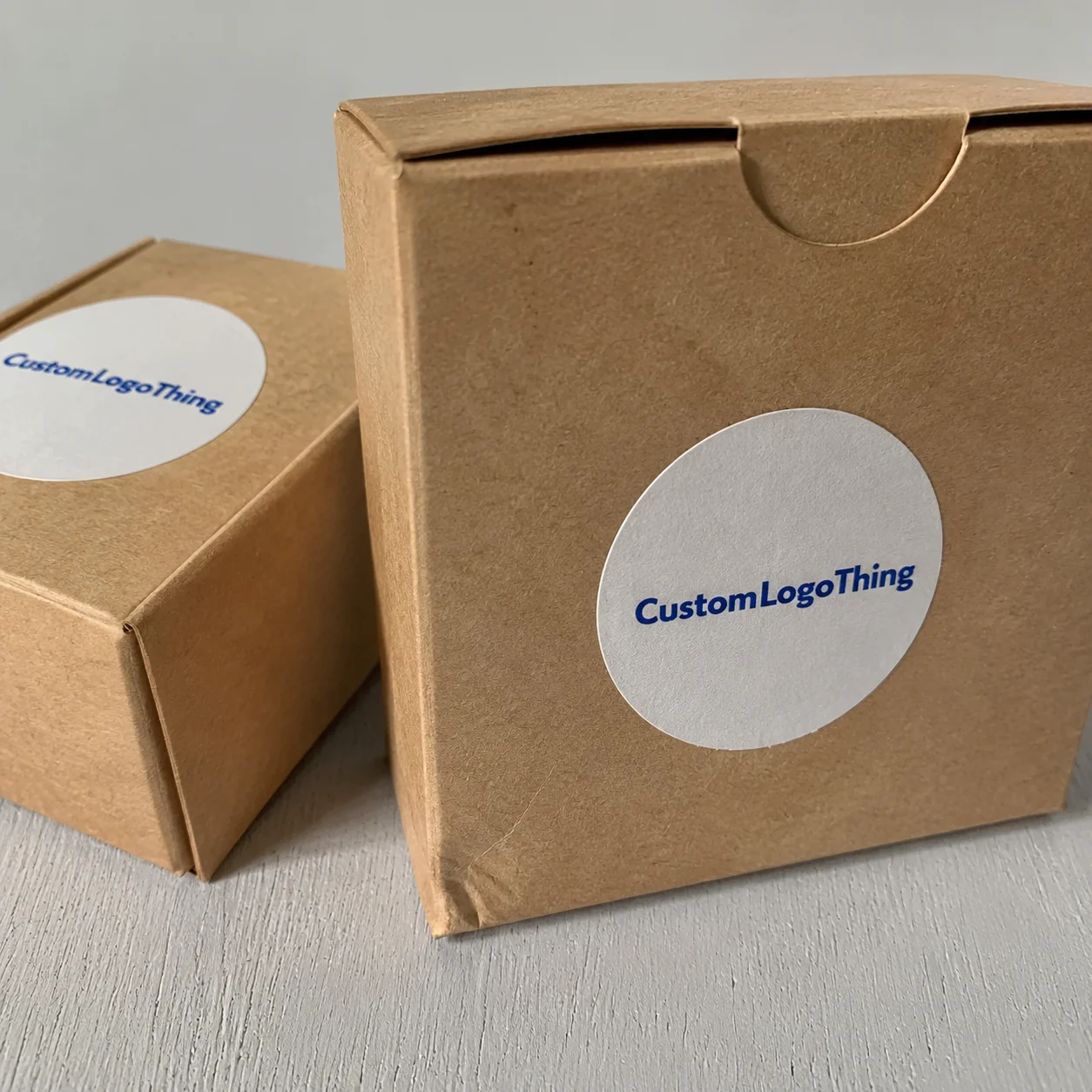
If you are comparing stickeryou custom stickers to a generic label sheet, start by thinking about function rather than artwork. A sticker is a small packaging component with a surface, adhesive, finish, and print method, and each of those choices affects how it looks on day one and how it holds up after handling, moisture, friction, or heat.
The same design can behave very differently from one material to another. A matte paper sticker may look tidy on a kraft mailer, then wrinkle as soon as condensation or damp storage enters the picture. A glossy vinyl version can handle more abuse on a jar or shipping box, but that shine may reflect store lighting and make fine type harder to read. Buyers often get frustrated here because they focus on graphics first and specs second.
In packaging work, custom stickers usually serve one of four jobs: branding, sealing, labeling, or promotion. The right choice depends on the surface and how long the sticker needs to stay presentable. A product jar, outdoor sleeve, or shipping box needs a different build than a handout sticker that is meant to be seen once and forgotten. That distinction matters more than people expect.
For small brands, stickers can support branded packaging without the expense of a custom carton or molded container. They can turn plain mailers into package branding, close a box neatly, or add a product badge to Custom Packaging Products. That only works when the sticker is matched to the surface it has to live on.
Good sticker buying is not about “best looking.” It is about “best suited.” That difference saves money, reduces reorders, and keeps packaging from looking tired before the product is gone.
One more practical point: sticker specs are not just a manufacturing detail. They affect shelf appearance, shipping reliability, and the amount of time your team spends fixing avoidable problems. A well-chosen sticker disappears into the packaging system in the best way possible; it does its job without demanding attention.
How the ordering process and timeline usually work
The ordering flow is usually straightforward: choose size and material, upload artwork, approve the proof, then production starts. The simple sequence hides a few decisions that carry a lot of weight. Size changes readability. Material changes adhesion and durability. Proofing catches setup errors before they become expensive mistakes.
A proof is not a decoration. It shows how the file will be cut, cropped, and produced. Good proofing checks cut lines, bleed, safe zones, font legibility, and color shifts. If your logo has a thin outline or tiny text, this is where the issue should surface. If a barcode is too small, this is where it should be corrected, not after the shipment lands.
Timelines depend on complexity and queue load. A standard digital run is usually faster than specialty shapes, layered effects, or oversized quantities. Die-cut work can add setup time because the contour path has to be checked carefully, especially when there are tight turns or fragile points in the design. If the order supports a launch or seasonal drop, build in buffer time rather than hoping rush shipping will fix a compressed schedule. It rarely does.
Here is the part most teams underestimate: internal approval often controls the calendar more than the production line. A manager who is unavailable for two days can slow a sticker order more than the press itself. If the deadline is real, keep the approval chain short and lock the spec early.
- Artwork prep: same day to a few days, depending on file quality
- Proof approval: a few hours to several days, depending on review layers
- Production: often about 7-15 business days for standard runs, longer for specialty specs
- Shipping: usually adds 2-7 business days depending on service and destination
That schedule is why “quick” and “simple” are not the same thing. A quick order has clean files, aligned expectations, and one person making decisions. A simple order with five reviewers, missing dimensions, and last-minute artwork changes can drag on for days.
Cost, pricing, and MOQ: what changes your quote
Sticker pricing looks inconsistent until you break down the inputs. Quantity, size, shape complexity, material, finish, and artwork prep all influence the quote. A clean square sticker on standard vinyl is a different product from a fully die-cut gloss label with lamination and detailed cut paths. The price should reflect that difference. If it does not, something in the quote is probably incomplete.
MOQ means minimum order quantity, and the practical meaning is simple: the smaller the run, the more setup cost gets spread across each unit. That is why a 250-piece order can look expensive per sticker while a 5,000-piece run looks much cheaper. The press setup, cut preparation, and proof validation happen either way.
For many small-run orders, unit pricing may fall around $0.18-$0.45 per sticker at mid volumes, depending on size and coverage. Specialty finishes, larger formats, and highly custom contours can push the number higher. If the sticker is doing premium presentation work on retail packaging, the cost can rise because it is acting as part of the product’s visible value, not just as a label.
| Sticker type | Typical use | Relative cost | Best fit |
|---|---|---|---|
| Paper label | Indoor, short-term | Lowest | Dry surfaces, mailers, handouts |
| Standard vinyl | Durable packaging | Mid-range | Bottles, jars, shipping, handling |
| Laminated vinyl | Longer wear | Higher | Moisture, friction, premium branding |
| Specialty finish | Premium presentation | Highest | Launches, gift packaging, standout visuals |
The easiest way to overspend is to guess. Buyers often order too many stickers because they overestimate demand, choose a premium finish for a temporary promotion, or pay rush fees because the launch calendar was built on optimism instead of a production window. The quote itself is not the problem; the planning usually is.
If you are comparing stickeryou custom stickers quotes, make sure the specs line up exactly. One vendor may be quoting paper while another is quoting vinyl. One may include lamination, another may not. A lower number only means something if the materials, finish, and cut are equivalent.
Choosing the right material, finish, and adhesive
Material choice is where many sticker orders either work cleanly or start failing early. The basic options are straightforward: paper for short-term indoor use, vinyl for durability, and specialty stocks when presentation matters more than rough handling. For product packaging, vinyl usually makes more sense because it handles friction and moisture better than paper. For event handouts or temporary promotions, paper may be perfectly adequate and easier on the budget.
Finish changes both appearance and use. Matte reduces glare and tends to feel more restrained on minimalist packaging. Gloss increases color saturation and makes artwork pop, but it can reflect light under retail fixtures or in product photography. A protective coating or laminate matters when stickers face moisture, abrasion, or repeated touch. If the label will live on a refrigerated item, condensation is not a surprise condition; it is the operating environment.
Adhesive is the piece that gets ignored until a sticker curls on a textured carton or lifts from a curved bottle. Removable adhesive works well for short campaigns, samples, and temporary promotions. Permanent adhesive is better for product labels, shipping seals, and most branding applications. Stronger bonds help on curved or slightly rough surfaces, but they make repositioning harder or impossible. That tradeoff is real and worth deciding up front.
Surface type matters as much as the sticker material. A smooth glass jar is more forgiving than an oily plastic bottle. A clean folding carton is easier than a rough recycled mailer. Temperature, humidity, and cold storage all change how adhesive behaves, which is why the exact packaging environment should shape the spec.
For broader packaging handling and distribution concerns, organizations like the ISTA and the Packaging School / packaging.org are useful references. If sustainability is part of the packaging brief, FSC certification may also matter for fiber-based materials; see FSC for sourcing and chain-of-custody basics.
Here is a practical match-up:
- Paper + matte: short-term, dry, low-cost branding
- Vinyl + gloss: bold color and everyday handling
- Vinyl + laminate: moisture, friction, and longer service life
- Specialty stock: premium presentation and coordinated package branding
The better the match between material and use case, the fewer complaints you get later about peeling, scuffing, fading, or awkward application.
Step-by-step: how to order custom stickers without messing it up
Start with the use case. Is the sticker going on a product jar, a shipping box, a promo bag, or a giveaway card? That answer sets the rest of the spec. A seal sticker for a mailer has different needs than a label on a cosmetic bottle. If you begin with the artwork, you are already solving the wrong problem first.
Next, choose the shape and size based on the actual surface. A logo can look elegant in a mockup and still fail in production if it is too small to read or awkward to apply. Measure the space. Leave room for fingers, seams, folds, and edges. On small labels, buyers regret tiny text much more often than they regret going slightly larger.
Artwork should be prepared properly. Vector files are best for clean edges and sharp cut paths. High-resolution raster art can work when it is large enough to retain detail without blur. Color mode, bleed, and transparent backgrounds all need attention. A printer can help with setup, but file discipline still matters. Skipping that step usually costs time.
- Confirm use case: branding, sealing, labeling, or promotion
- Choose size and shape: based on the real surface, not the mockup
- Select material and finish: paper, vinyl, matte, gloss, or laminated
- Upload files: vector preferred, high-resolution raster acceptable when appropriate
- Review proof: check cut line, spelling, contrast, and quantity
- Approve only when locked: timeline, shipping address, and spec details
Request a sample or small test run if the sticker will represent a premium line or if the surface is unusual. That is especially useful for branded packaging that depends on color accuracy or adhesive strength. If the first run is really a test, treat it as an intentional one. That is cheaper than pretending the issue is a surprise.
When you are sourcing alongside other items such as Custom Labels & Tags, keep the specs consistent so you can compare performance and cost honestly. If the finish, size, and stock differ, the numbers are not directly comparable, no matter how similar the quotes look on paper.
One useful habit is to keep a simple spec sheet for every recurring sticker order. The moment a design starts changing hands between departments, the chances of a wrong size, wrong finish, or outdated artwork go up fast.
Common mistakes that make stickers look cheap or fail early
The first mistake is using the wrong stock for the environment. Paper stickers on cold, humid, or oily packaging usually age badly. The second is choosing a size that looks fine on screen but becomes crowded, unreadable, or awkward once it is on the real item. Designers often optimize for the mockup. Production does not care about the mockup.
Another problem is ignoring bleed, safe zones, and trim tolerance. If important text or artwork sits too close to the edge, it can be cropped or look uneven after cutting. On small-format stickers, even a minor shift is visible. A one-millimeter issue on a large sign may be invisible; on a two-inch sticker, it can dominate the design.
Finish mistakes are easy to underestimate. A high-gloss sticker may look sharp in proof and then flare under retail lighting or product photography. That matters for custom printed boxes, subscription kits, and products sold online, where the packaging has to perform on camera as well as in hand. If the finish fights the lighting, it is working against you.
Lead time is another common failure point. Ordering late and paying rush fees is usually the result of poor planning rather than unavoidable urgency. Sometimes the deadline is real. More often, the timeline was built without enough margin for artwork review, proofing, or shipping. There is nothing glamorous about this mistake, which is why it repeats so often.
- Wrong environment: paper on cold or humid surfaces
- Wrong size: tiny text, awkward layout, poor handling
- Poor file setup: missing bleed or sloppy trim zones
- Wrong finish: glare, scuffing, or weak presentation
- Late ordering: rush costs and avoidable compromises
There is also a quieter mistake: ordering the most attractive option instead of the most functional one. A sticker that looks premium but fails on the surface is not premium. It is expensive.
Expert tips for better sticker results and fewer surprises
Design for the surface first. A flat carton, curved bottle, textured mailer, and peel-and-stick promo all need different thinking. The more curved or rough the surface, the more care you need with adhesive strength and sticker size. There is no universal sticker spec that works for every job, even if that would make purchasing much easier.
Keep text bold and simple. Tiny copy is the first thing to fail in small-format printing. If a QR code or URL matters, give it enough contrast and breathing room to scan under ordinary lighting. Dark text on light backgrounds usually performs best. Fancy is fine. Illegible is not.
Use the sticker as part of the packaging system. If your brand already uses custom printed boxes or coordinated retail packaging, the sticker should support that look rather than fight it. The color family should be consistent. The tone should be consistent. The finish should feel deliberate. Otherwise the package looks assembled instead of designed.
For higher-value products, order a sample set or proof before committing to volume. That is especially useful when color consistency matters across product packaging, cartons, and labels. A small proof can reveal whether the finish is too shiny, whether the adhesive is too aggressive, or whether the logo needs thicker strokes to hold up at size.
Plan inventory with reorder windows in mind. If you know your monthly usage, keep a buffer so you are not scrambling during a seasonal spike or launch. A sticker reorder should be routine, not a fire drill. The most efficient buyers are usually the least dramatic about it.
It also helps to document what worked last time. Keep notes on material, finish, size, and whether the sticker was easy to apply. That record becomes useful fast when the same product line expands or when a different packaging surface enters the mix.
In practice, the best sticker programs are built on a few small habits: clear specs, quick proof review, realistic lead times, and a preference for function over novelty. None of that is glamorous. All of it reduces waste.
What to do next before you place an order
Before You Order stickeryou custom stickers, audit the real use case. Write down the surface, exposure level, approximate quantity, and whether the sticker is decorative, functional, or both. Then gather the file basics: final size, shape preference, logo files, copy, and any barcode or versioning details. If that information is still missing, the order is not ready yet.
Compare at least two quote scenarios with identical specs. One quote for paper and one for vinyl. One for matte and one for gloss. One for standard cut and one for die-cut. That is how you learn what is driving cost. Comparing random numbers without matching specs tells you very little.
If the order supports a product launch, event, or seasonal run, decide early whether you need a sample, a prototype, or a full production run. Small test runs are useful when the packaging surface is tricky or the design carries a lot of brand responsibility. If timing is tight, place the order with enough room for proof revisions and shipping delays. That margin is what keeps a launch calm.
Ask for the material, finish, and adhesive details up front. Otherwise you are not comparing options; you are comparing incomplete quotes. That is how buyers end up choosing the cheapest-looking number and discovering later that they bought the wrong product.
One last check is worth doing before approval: look at the sticker in context. Place the proof next to the box, jar, label, or insert it will actually touch. Many problems are obvious in context even when they are easy to miss in a standalone file.
FAQ
How do stickeryou custom stickers compare with standard label stickers?
Custom stickers are usually more flexible in shape, finish, and presentation than standard labels. Labels can be better when you need fast, functional identification with less emphasis on brand impact. The right choice depends on whether you are building branding, sealing packaging, or providing product information.
What affects the cost of stickeryou custom stickers the most?
Quantity, size, material, and cut complexity usually move the price the most. Special finishes and rush production can add meaningful cost. A quote only makes sense when the specs match exactly, because otherwise you are comparing different products.
How long does the process usually take?
Simple sticker orders are usually faster than specialty or high-volume runs. Artwork approval often affects the schedule more than production itself. Add buffer time for revisions, shipping, and last-minute design changes.
Which material is best for waterproof or outdoor use?
Vinyl is usually the safer choice for moisture, handling, and longer wear. A protective finish helps stickers survive splashes, friction, and extended use. Paper stocks are better reserved for dry, short-term indoor applications.
What file should I prepare before ordering?
A clean vector logo is ideal when available, especially for die-cut stickers. High-resolution raster files can work if they are sharp enough and large enough for the final size. You should also have the exact size, shape preference, and any copy or barcode details ready.
Bottom line: the best stickeryou custom stickers are the ones matched to the surface, the timeline, and the real job they need to do. Buy with the right specs, and the result is cleaner branding, fewer surprises, and packaging that holds up instead of apologizing for itself.


