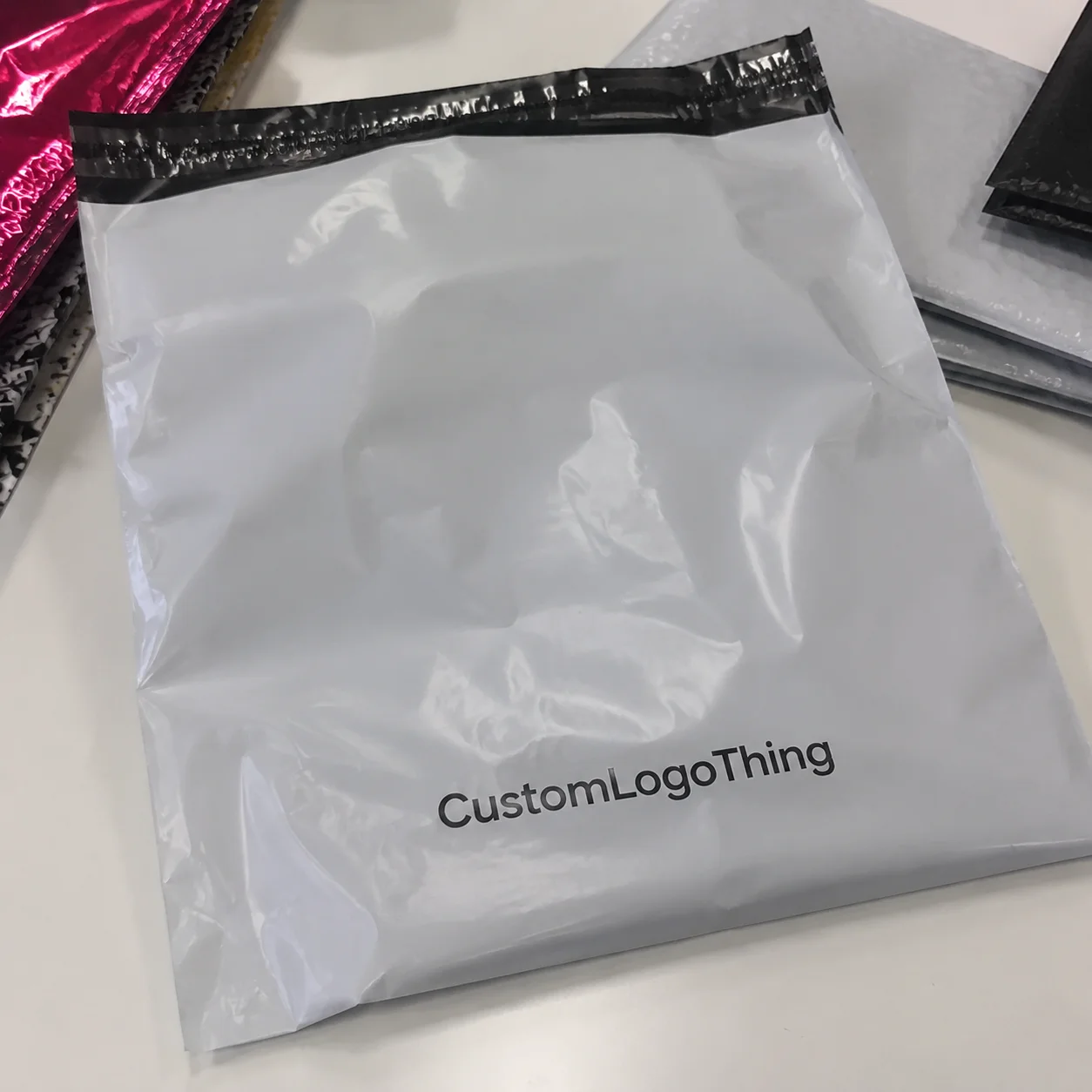
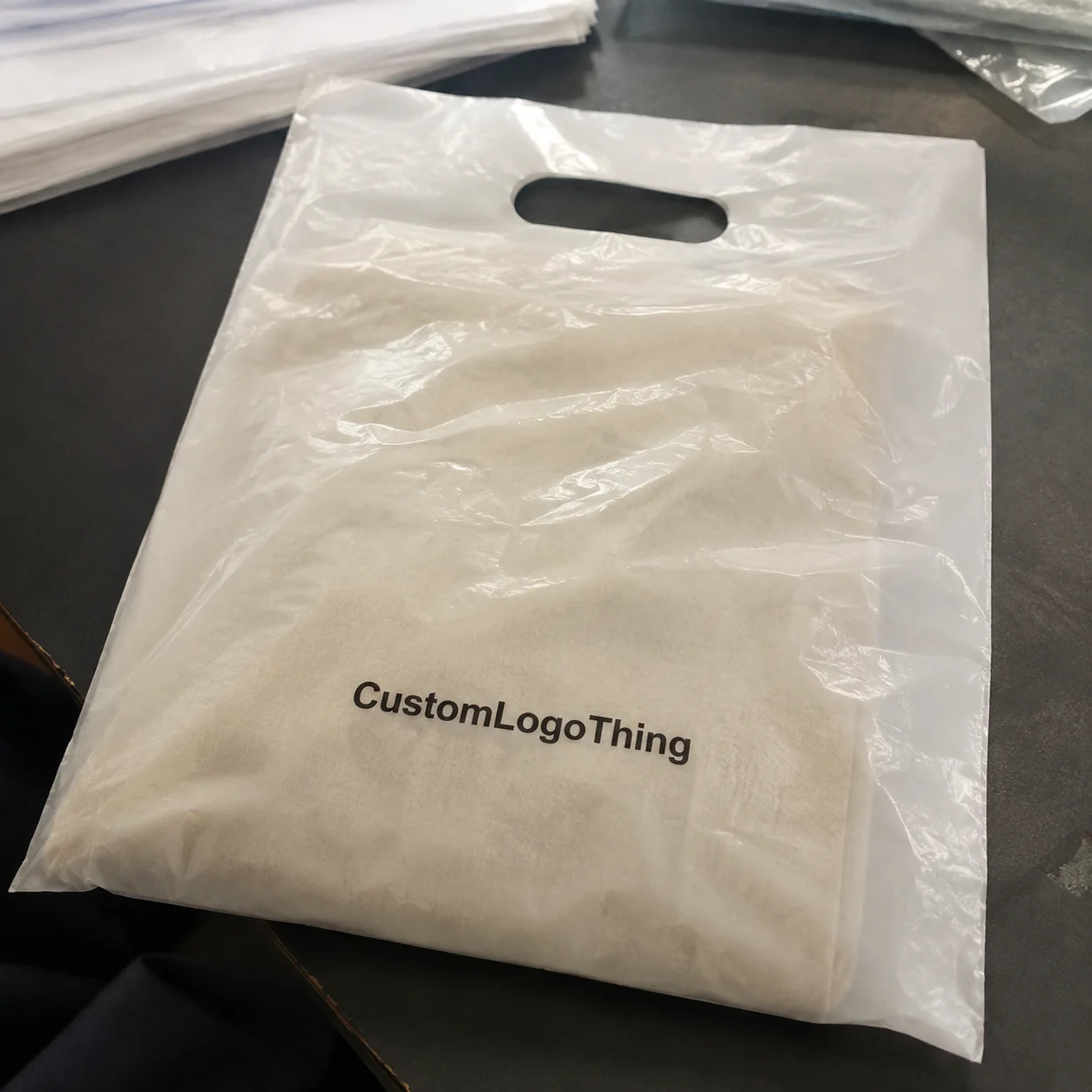
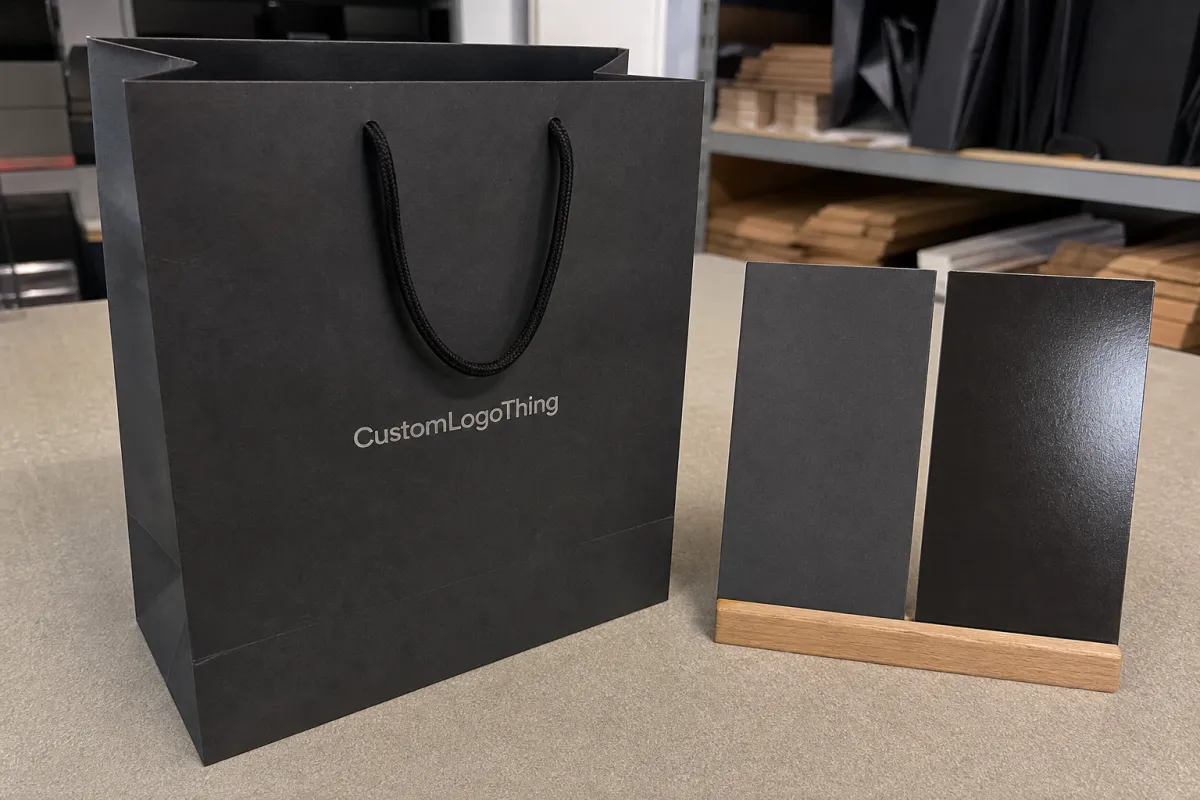
Buyer Fit Snapshot
| Best fit | subscription box packaging design ideas sell for packaging buyers comparing material specs, print proof, MOQ, unit cost, freight, and repeat-order risk where brand print, material, artwork control, and repeat-order consistency matter. |
|---|---|
| Quote inputs | Share finished size, material target, print colors, finish, packing count, annual reorder estimate, and delivery region. |
| Proofing check | Approve dieline scale, logo placement, barcode or warning zones, color tolerance, and any recyclable or compostable wording before bulk production. |
| Main risk | Vague material claims, crowded artwork, or missing packing details can create delays even when the unit price looks attractive. |
Fast answer: Subscription Box Packaging Design Ideas Sell: Dieline, Finish, Proof, and Buyer Review should be specified like a repeatable production item. The safest quote includes material, print method, finish, artwork proof, carton packing, and reorder notes in one written spec.
What to confirm before approving the packaging proof
Check the product dimensions against the actual filled item, not only the sales mockup. Ask for tolerance on folds, seals, hang holes, label areas, and retail display edges. If the package carries a logo, QR code, warning copy, or legal claim, reserve that space before decorative graphics fill the panel.
How to compare quotes without losing quality
Compare board or film grade, print process, finish, sampling route, tooling charges, carton quantity, and freight assumptions side by side. A lower quote is only useful if the supplier can repeat the same color, closure quality, and packing count on the next order.
Subscription box Packaging Design Ideas are not about slapping a logo on a pretty carton and calling it strategy. I’ve stood on factory floors in Shenzhen while a client rejected a full-color box and chose a plain kraft mailer with one perfectly placed insert. That “boring” box felt more premium in the customer’s hands because it opened cleanly, protected the product, and made the reveal feel intentional. In one run of 8,000 units, the cost difference between the two directions was about $0.27 per box, yet the simpler version cut damage claims by roughly 14% over the first 60 days. Honestly, I think that’s the part most people miss: packaging is judged in motion, not in a mockup folder.
If you’re building or refreshing a subscription brand, subscription box Packaging Design Ideas should cover structure, print, inserts, shipping durability, and the unboxing flow from the first tear strip to the last thank-you card. Pretty matters. Of course it does. But if the box arrives crushed, the lid pops open in transit, or your fulfillment team needs three extra steps to pack it, the “premium” look becomes expensive theater. I’ve watched brands learn that lesson the hard way in both Los Angeles and Ningbo, where a delayed launch can burn through a $12,000 print budget before the first customer even sees the box.
I’ve seen brands spend $1.40 extra per box on foil, embossing, and a custom sleeve, only to discover the customer cared more about a tight fit and a branded insert card than all the bells and whistles. That’s why Subscription Box Packaging design ideas are really a decision system: budget, durability, sustainability, print method, and the level of customization that actually earns its keep. On one beauty subscription in Chicago, we cut the finish count from four to two and redirected the savings into a 350gsm C1S artboard insert with a matte aqueous coating, which performed better and looked sharper. I remember one buyer asking for “everything premium,” which is a sentence that makes packaging people quietly stare at the ceiling for a second (I did). The smarter move was reducing the drama and improving the structure.
What Subscription Box Packaging Design Ideas Really Mean
Here’s the simplest way I explain Subscription Box Packaging design ideas: they are the combination of structure, materials, graphics, inserts, and opening sequence that shape how a customer experiences your product before they even touch the item inside. Not “make it pretty.” Not “add more color.” I mean the full package architecture. The thing that decides whether your product feels like a $19 treat or a $79 gift. A typical DTC box might use 24 pt SBS board for inserts, or 2.0 mm rigid chipboard if the brand wants a heavier hand-feel and a more giftable presentation.
On one project, a skincare client in Seoul wanted a rigid box with silver foil and magnetic closure. Nice idea. Expensive idea, too. Then we tested a regular E-flute mailer with a 350gsm insert tray, soft-touch lamination, and a branded interior print. The second option cost less to make and shipped better. Customers still posted the unboxing because the reveal moment was strong. The landed cost came in around $2.18 per unit at 10,000 pieces, compared with $4.90 for the rigid version. That’s the sort of result I’ve seen more than once. And yes, it was a little irritating for the team that had fallen in love with the magnetic closure (it happens).
In practical terms, subscription box packaging design ideas usually fall into a few packaging types:
- Mailer boxes — Common for direct-to-consumer shipments. Usually corrugated, self-locking, and easy for fulfillment teams to assemble. A typical spec is E-flute or B-flute corrugate with a 1.2 mm to 1.8 mm wall thickness.
- Rigid boxes — Heavier, premium-feel packaging used when presentation matters more than shipping abuse. Often paired with an outer shipper and made with 1200gsm to 1500gsm greyboard wrapped in printed paper.
- Corrugated shippers — Built for protection first. Great for fragile items, heavier kits, and brands that need performance more than presentation. A common production choice is 32 ECT or 44 ECT board depending on parcel weight.
- Sleeves — A lower-cost branding layer over a plain box or carton. Useful when you want seasonal refreshes without redesigning the whole structure. A paper sleeve printed on 157gsm art paper can add brand presence without changing the base box.
- Inner packaging — Inserts, dividers, tissue, wraps, and product cradles that shape the first reveal. These are often made from 350gsm C1S artboard, molded pulp, or die-cut corrugated inserts.
Subscription packaging has one job that retail packaging doesn’t always carry as heavily: it has to reduce churn. If the product arrives damaged, feels generic, or becomes annoying to open every month, people cancel. Simple math. In one subscription business I reviewed in Austin, cancellation rates were 9.6% in the first month when the box used loose void fill and a flimsy insert, then dropped to 7.8% after the pack-out was redesigned. Your box needs to support repeat unboxing, shareable moments, and consistent pack-out. That’s why subscription box packaging design ideas need to think beyond the box wall itself. I’m not being dramatic here; the box can quietly decide whether a customer becomes loyal or just mildly annoyed.
There are three major decisions most brands face early: how much they can spend, how much damage risk they can tolerate, and how custom they really need to be. Honestly, a lot of brands overbuy customization. They want foil, embossing, window cutouts, custom shaped inserts, and three inks. Then they wonder why freight and assembly costs balloon. On a 15,000-unit launch in Toronto, the quoted difference between a plain printed mailer and a fully customized rigid system was $31,500 before freight, with another two weeks added to lead time. I’ve had that conversation in conference rooms and at folding tables beside sample stacks. The box is not the place to let ego write the budget.
How Subscription Box Packaging Design Ideas Work in Practice
The customer journey starts long before the product is used. A good subscription box opens in layers: outer shipper, outer branded box, reveal surface, insert or divider, then the product itself. The order matters. That sequence is one of the most important parts of subscription box packaging design ideas because it guides attention. If the first thing someone sees is a mess of loose items, your brand looks cheaper than it is. A clean tear strip, a 5 mm reveal lip, and a centered insert card can change the whole perception in a split second.
I visited a co-packer in Guangdong where they were packing beauty subscriptions at about 2,400 units per day. The brand had beautiful artwork, but their insert design created a 12-second delay per box. That doesn’t sound like much until you do the math. Across 25,000 boxes, it became a labor bill nobody wanted. We simplified the pack-out, changed the slot orientation, and shaved the insertion time down by roughly 4 seconds per box. At a labor rate of $18 per hour, that difference mattered. That’s real money. That’s why subscription box packaging design ideas have to work in the hands of the people packing them, not just in a brand deck. I still remember the packing supervisor grinning like we’d just found money in a couch cushion.
Perceived value is huge. A low-cost product can feel premium if the packaging creates a deliberate reveal. I’ve watched a $7 candle subscription get praised more than a $40 wellness kit because the candle box opened with a clean tear strip, a printed interior message, and a snug insert that stopped the jar from rattling. The candle subscription used a 350gsm C1S insert with a 1 mm tolerance on the cavity, while the wellness kit used loose paperfill and a generic kraft carton. The product didn’t change. The experience did. That gap between cost and perception is where good packaging earns its keep.
Recurring shipments make this even trickier. You can’t redesign everything from scratch every month unless you enjoy paying for new tooling and new freight headaches. Strong subscription box packaging design ideas build around a repeatable system: a stable base box, modular inserts, and seasonal graphics or sleeves that can change without upsetting the pack-out. That’s how you keep things fresh without creating a new SKU graveyard. I’ve seen brands create so many one-off box versions that even the warehouse looked confused, which is not the mood you want. In one case in Rotterdam, the warehouse held 17 active box SKUs for a program that only needed 4 structural formats.
And yes, structural decisions affect shipping damage and returns. A box that looks luxurious but crushes in transit is just a refund in disguise. If your product is fragile, test against realistic shipping conditions, not a desk drop from six inches. I like to reference ISTA protocols for distribution testing, especially when the product has glass, ceramics, or powders that clump under impact. You can review the standards at ISTA. For a subscription brand shipping from Dallas to Phoenix in August, I’d also test heat exposure at 35°C to 40°C because adhesives and coatings can behave differently under a hot trailer load.
Repeatability matters too. A 3PL or co-packer needs designs they can assemble consistently without training every new hire like they’re defusing a bomb. If your packaging requires perfect alignment, hand-gluing, and a miracle, you’ve built a problem. The best subscription box packaging design ideas are the ones that survive actual operations, not just brand presentations. A box designed for a fulfillment team in Newark, New Jersey, should still make sense when assembled at 6 a.m. by a seasonal crew on a Monday morning. I say that as someone who has watched a great concept die a very preventable death on a packing line.
Key Factors Behind Strong Subscription Box Packaging Design Ideas
Brand identity is the first obvious piece, but not the shallow version people mean on Pinterest. I’m talking about color systems, typography, pattern repetition, icon language, and package branding that stays recognizable even from across a warehouse shelf. A subscription box should read as yours before the customer even notices the logo. That’s a big part of why subscription box packaging design ideas can’t be generic. If your brand color is Pantone 2965 C, for example, your printer in Dongguan, Ho Chi Minh City, or Juárez needs a clear target on the press sheet, not a vague “dark blue.”
One of my favorite examples came from a nutrition brand that used a pale blue base, a black wordmark, and one vertical stripe running along the lid edge. Nothing flashy. Yet on a packed shelf at the 3PL, that box stood out immediately. You could spot it from 30 feet away. Good packaging design doesn’t always shout. Sometimes it just keeps showing up in a consistent way. I honestly prefer that to loud packaging that has to beg for attention. In their case, a 157gsm coated art paper wrap over a 2.5 mm greyboard base made the whole system feel intentional without adding much cost.
Protection comes next. Board strength, insert fit, dividers, cushioning, and the right material choice all matter. For corrugated mailers, I usually start by asking how the box will ship: single parcel, bundle, or palletized master case. Then I look at weight and fragility. A 0.8 lb candle set needs something different than a 6 lb coffee kit. If the board isn’t strong enough, your “branded packaging” becomes expensive filler in a UPS claim. A 44 ECT corrugated shipper with an E-flute insert may be enough for light goods, while a 32 ECT B-flute structure is often better for heavier subscription kits. Been there, regrettably.
Sustainability is a real factor, but people misuse it all the time. Recyclable materials, soy-based inks, and reduced void fill are good moves. But if the box is so flimsy that it needs extra bubble wrap to survive, the eco story falls apart. I’ve seen brands slap green claims on a box made with unclear mixed materials and vague language. Don’t do that. If you want to reference recognized forestry standards, use the FSC framework and learn what it actually covers at FSC. In practical terms, a mono-material paper-based system from a converter in Montreal or Eindhoven can be easier to explain than a mixed plastic-and-paper setup with a fuzzy recycling claim.
Price drivers are usually predictable, which is nice for a change. Board grade. Print coverage. Die-cut complexity. Finishes. Tooling. Order quantity. Freight. Storage. A lot of clients think unit price is the whole story. It never is. A low quote can hide expensive setup charges or a terrible lead time that wrecks your launch calendar. I’d rather see a $0.12 higher box price with clean production than a bargain quote that adds headaches for six weeks. On a 20,000-unit order, a supplier in Vietnam quoted $0.95 per unit for a clean two-color mailer with 12-15 business days from proof approval, while another came in at $0.83 but required a 30-business-day production window and a second tooling fee. I have a strong opinion here because I’ve lived the alternative, and it is not charming.
The customization choices that matter most depend on your brand goals. If your goal is premium reveal, maybe spot UV or foil stamping on the logo does the job. If your goal is brand memory, maybe interior printing or a custom insert carries more weight. If your goal is retail crossover, a window or sleeve might make more sense. Subscription box packaging design ideas should answer the brand’s real problem, not every aesthetic craving in the room. In practice, a 1-color exterior plus a full-color interior can outperform a fully printed outer box for less money, especially on 5,000-piece runs.
Here’s the truth most people get wrong: more finish does not equal more value. It can mean more cost, more scuffing, and more production risk. I once negotiated a run for a cosmetics brand where the supplier quoted an extra $0.58 per unit just for soft-touch plus foil plus emboss. We cut two of the three, kept the foil logo, and the box still looked premium. The customer noticed the structure and the insert more than the finish anyway. Funny how that works. The human eye is less impressed by price tags than marketers would like. A soft-touch film in a humid warehouse in Miami can also show finger marks faster than a matte aqueous coating, which is one more reason to test before you commit.
| Packaging option | Typical use | Approx. unit cost range | Best strength | Main tradeoff |
|---|---|---|---|---|
| Printed corrugated mailer | Most DTC subscriptions | $0.85 to $2.10 | Shipping protection and brand visibility | Less premium feel than rigid packaging |
| Rigid box with insert | Premium presentation boxes | $2.40 to $6.50 | High-end unboxing | Higher freight and assembly cost |
| Corrugated shipper plus sleeve | Budget-conscious branded packaging | $0.70 to $1.80 | Flexible branding updates | Sleeve can scuff or shift in transit |
| Custom insert tray | Fragile or multi-item kits | $0.20 to $1.25 | Product security and neat presentation | Adds tooling and pack-out complexity |
That table is not fantasy pricing. It changes with size, print coverage, and quantity. But it gives a realistic frame for evaluating subscription box packaging design ideas without pretending every package costs the same. It doesn’t. And anyone saying otherwise is selling you a dream with a shipping label on it. A 6 x 6 x 3 inch mailer in Atlanta will not cost the same as a 12 x 9 x 4 inch kit shipping from a converter outside Ho Chi Minh City.
Subscription Box Packaging Design Ideas and Pricing: What It Costs
Pricing is where good intentions go to get honest. Basic custom printed mailer boxes can be cost-effective at volume, but premium structures and specialty finishes can climb quickly. I’ve seen 5,000-unit runs where a simple E-flute box printed in two colors landed around $0.92/unit, while a rigid box with foil and a wrapped insert crossed $4.75/unit before freight. Same brand. Very different budgets. On a 10,000-piece order in Shenzhen, a one-color mailer with a 350gsm C1S insert came in at $0.68 per unit, while a similar structure with soft-touch, foil, and a double-layer insert hit $1.94. I remember staring at that quote and thinking, “Well, there goes the easy answer.”
Subscription box packaging design ideas should be priced by total landed cost, not just box quote. The landed number includes tooling, samples, freight, storage, and sometimes rework. I’ve watched a buyer celebrate a great factory quote and then get clipped by $780 in sample charges and $1,150 in ocean freight. That’s why I keep saying the sticker price is not the whole bill. It’s basically the packaging version of buying a cheap plane ticket and then discovering the baggage fees have their own personality. If your shipment is moving from Ningbo to Los Angeles, add port delays and drayage into the math as well.
Several variables move the number fast:
- Dimensions — Bigger footprints use more board and more freight space.
- Board thickness — A stronger corrugated structure costs more but reduces crushed corners. A 32 ECT board is usually cheaper than 44 ECT, but it may not be enough for heavy kits.
- Print method — Digital, flexo, offset, and litho-lam all carry different economics.
- Color count — More inks can mean more setup and higher waste.
- Finishes — Spot UV, foil, embossing, and soft-touch lamination add cost.
- Quantity — Higher volume usually lowers unit price, unless storage becomes a problem.
The best way to judge cost is by cost per shipment, not cost per box. If a sturdier box reduces damage by 2% and improves retention even a little, that may beat the cheaper option. I once worked with a snack brand in Minneapolis that spent an extra $0.34 on a tighter corrugated insert. They reduced leakage-related complaints by enough to justify the spend inside one quarter. That’s the kind of tradeoff smart subscription packaging makes. It’s not glamorous, but it pays the bills. The savings were visible in customer service tickets, which dropped by 118 cases in 90 days.
Here are some realistic add-ons and what they usually do to the budget:
- Premium finish like soft-touch: +$0.18 to $0.45/unit
- Foil logo: +$0.12 to $0.35/unit
- Custom insert: +$0.20 to $1.25/unit depending on material and complexity
- Interior print: +$0.10 to $0.40/unit
- Window patch: +$0.08 to $0.22/unit
Those numbers are not a promise. They depend on quantity, region, and current material conditions. Board mills and converters change prices fast when pulp, energy, or freight moves. I’ve had suppliers in Dongguan hold a quote for three days and then bump it the next week because board prices shifted. That’s normal. Annoying, but normal. I’d love to pretend the supply chain behaves itself, but it does not. A freight quote from Busan to Long Beach can also swing by hundreds of dollars depending on the week and the sailing line.
One thing to watch closely: seasonal reprints. If you update artwork every quarter, factor in plate changes, prepress time, and minimum order quantities. If you’re doing small-batch promotional subscription packaging, a digital print route may make more sense even if the per-unit price is higher. There’s no award for choosing the cheapest line item if it forces you into a terrible inventory position. A 2,500-piece digital run with 12 business days from proof approval may be better than a 15,000-piece offset run that leaves you with outdated sleeves in a warehouse outside Dallas.
My advice? Build your subscription box packaging design ideas around a target budget range and a backup tier. For example: Tier 1 at $1.10/unit for the core box, Tier 2 at $1.55/unit for a premium insert or finish, and Tier 3 only for launches or holiday kits. That gives you room to test value without locking your brand into a spend level you can’t sustain. It also gives your sourcing team a clearer brief when they talk to converters in Guangzhou, Toronto, or Mexico City.
Step-by-Step Process and Timeline for Subscription Box Packaging Design Ideas
The process starts with the brief. Not the artwork. The brief. You need product dimensions, product weight, shipping method, monthly order volume, target retail or subscription price, and the unboxing experience you want customers to remember. If you don’t know those numbers, your packaging vendor is guessing. And guessing with print specs is how mistakes happen. I’d rather see a rough box plan with a 3 mm tolerance than a beautiful concept with no measurements at all.
A clean workflow for subscription box packaging design ideas usually goes like this:
- Define goals, budget, and shipment method.
- Choose the structure: mailer, rigid, shipper, sleeve, or hybrid.
- Create or review the dieline.
- Approve artwork placement and print specs.
- Order structural samples and print proofs.
- Test fit, assembly, and transit performance.
- Finalize production and coordinate with fulfillment.
Timing depends on complexity, but here’s a realistic window. Structural dieline development can take 2 to 5 business days. Artwork revisions often take 3 to 10 business days, depending on how many people have opinions. Sampling can take 5 to 15 business days. Production might run 12 to 25 business days after approval, with freight added on top. If you’re using custom inserts or specialty coatings, add another week or two. That means a straightforward mailer might be ready in 18 to 30 business days from brief to ship date, while a premium two-piece box can stretch to 35 to 50 business days. That’s not pessimism. That’s reality. Packaging has a way of humbling anyone who thinks calendars are suggestions.
I remember a supplement brand in Denver that insisted their launch had “plenty of time.” Three weeks later, they were still debating whether the inside of the lid should carry a quote or a QR code. We ended up rushing proofs and paying a $420 expedite fee. Not because the factory was slow. Because decision-making was. If you want better subscription box packaging design ideas, get the brand approvals moving before the box enters production. A 48-hour delay on approvals can easily become a 10-day delay once you factor in queue changes and reproofing.
Coordination matters across the whole chain: supplier, packaging engineer, printer, co-packer, and 3PL. The printer wants clean artwork. The engineer wants stable dimensions. The fulfillment team wants easy assembly. The co-packer wants no surprises. If those groups don’t share the same spec sheet, the box you approved on paper can behave differently on the line. And then everyone gets to act surprised, which is always a delight. A single mismatch of 2 mm on an insert cavity can force hand-correction on thousands of units.
Physical sample approval is where you catch the problems. Check fit. Check opening resistance. Check print accuracy under natural light, not just a fluorescent office. Check stacking strength if boxes will sit on pallets. Check whether the insert makes sense when a real worker packs 600 units a day. I always tell clients to open the sample with one hand and then try packing it with a stopwatch running. It changes opinions fast. A sample that takes 9 seconds to pack might look fine in a meeting and ruin labor planning in a warehouse in Phoenix.
One more thing: if you are considering unusual materials, extra foam, or die-cuts that need tighter tolerances, ask your supplier for a production sample, not only a mockup. A mockup can look perfect and still fail in actual manufacturing. That’s a lesson I learned after a rushed test run where the insert fit beautifully in a prototype and too tightly in the real batch because the board caliper shifted by just enough to matter. That kind of “just enough” is usually where budgets go to sulk. If possible, specify caliper, flute direction, and glue area in the tech pack before the line starts.
Common Mistakes in Subscription Box Packaging Design Ideas
The biggest mistake is overdesigning. Too many finishes. Too many colors. Too many messages. The box ends up looking expensive but confused. I’ve seen brands chase a luxury feel and end up with a loud, crowded package that printed poorly on uncoated board. Their subscription box packaging design ideas sounded great in the meeting and looked busy in the mail. That mismatch is brutal. A five-color concept on 18 pt chipboard can also slow down press time and raise waste rates by 4% to 7% if the file isn’t carefully prepared.
Another mistake is ignoring shipping realities. Corners crush. Ink scuffs. Boxes slide against each other in transit. A lid that opens beautifully on a desk can pop loose inside a delivery truck. That’s why I push drop testing and transit simulation. I don’t need a perfect lab fantasy. I need proof the box survives the actual route from warehouse to doorstep. If not, the “unboxing experience” turns into a customer complaint with a tracking number. A 36-inch drop test from six faces is basic; for heavier kits, I’d add vibration testing and compression stacking.
Designing only for Instagram is a classic trap. Sure, the unboxing moment matters. But if the box is a pain to store, slow to pack, or impossible to recycle without hunting for hidden plastic, customers notice. They may not complain in a review. They just cancel. That’s much worse. Subscription box packaging design ideas should make the product easier to love, not harder to manage. In a subscription in Berlin, the customer service team saw a 22% rise in complaints when the box used a tight magnetic closure that slowed down opening by 6 to 8 seconds every month.
Poor sizing causes a chain reaction. Too much empty space means extra void fill, higher shipping costs, and a sloppy reveal. Too little space means damage and squished product. One brand I worked with changed box dimensions by 8 mm and cut their void fill use enough to save about $0.06 per shipment. Tiny change. Real impact. I love those fixes because they are boring in the best possible way. A 1 mm change in insert height can also be the difference between a snug product cradle and a crushed lid.
And then there’s the online-versus-real-life print problem. On screen, your deep green may look rich and expensive. On SBS or corrugate, it might print muted, with a slight brown cast that nobody warned you about. Factory tolerances are real. Substrate differences are real. That is why mockups, press checks, and substrate testing belong in the process for subscription box packaging design ideas. Otherwise you end up with a file that looks perfect and a box that looks like it got left out in the rain, metaphorically speaking. A press check in Qingdao or Monterrey can save you from a very expensive shade mismatch.
Here’s a short list of errors I see all the time:
- Using a premium finish on a box that dents easily
- Ignoring pack-out speed in the name of beauty
- Choosing oversized packaging to “feel bigger”
- Skipping transit testing because the sample looked fine
- Adding too many insert components and increasing labor
Honestly, most of these problems come from treating packaging as decoration. It’s not decoration. It’s product packaging with a job to do. If it can’t hold up in transit and help the brand retain customers, it’s missing the point. I’ve seen a $0.04 cheaper box cost $0.41 more once returns, re-shipments, and service time were counted. That is not savings. That is paperwork with a marketing department attached.
Expert Tips for Better Subscription Box Packaging Design Ideas
The best tip I can give is to build a reusable packaging system. Use a base box, modular inserts, and seasonal sleeves or printed wraps. That gives you flexibility without forcing a full redesign every cycle. I’ve seen this approach save brands thousands in retooling because they only changed one layer instead of the entire structure. That’s the kind of efficiency I like. It also keeps people from reinventing the wheel every quarter, which sounds exciting until the invoices arrive. A base structure made in 2024 can often carry 6 to 8 seasonal updates before you need to rethink the tooling.
Pick one hero moment and execute it well. Just one. Maybe it’s a foil logo. Maybe it’s a reveal flap. Maybe it’s a custom insert with a clean message. Maybe it’s a printed interior with a short brand story. Don’t spread your budget thin across five mediocre upgrades. Strong subscription box packaging design ideas usually have one standout element and a few quiet supporting details. For a $1.30 mailer, a single foil mark and a 350gsm insert often outperform a crowded set of finishes that push the cost to $2.10 without improving memory or shareability.
Test with real shipments, not just tabletop approval. A box can look great under office lighting and fail after a carrier tosses it around for 900 miles. I ask brands to ship samples to themselves, to one friend, and to one internal team member who is not part of the design team. Different people open boxes differently. That matters. The customer is not a packaging engineer. If the shipment starts in Shenzhen and lands in Portland after two parcel transfers, that’s the condition you should be simulating, not a desk drop beside a coffee mug.
Request quotes from at least three suppliers and compare more than unit price. Compare tooling. Compare freight. Compare lead time. Compare what happens if something goes wrong. A supplier in China may give you a lower box price but a longer ocean freight cycle, while a domestic converter in Ohio may cost more on paper and save you two weeks on launch. There is no universal winner. There is only the right fit for your timeline and your cash flow. I’ve seen a quote from Vietnam win on price by $0.09 per unit, then lose the business because the production window was 18 business days longer.
“The box is not the brand. But it is the first physical proof that your brand knows what it’s doing.” That’s something I told a client after a packaging review in Los Angeles, where they were obsessing over a metallic pantone but hadn’t measured their product height to the nearest millimeter. The silence after that was long enough to hear the AC hum.
Supplier pricing can shift quickly because board mills, coatings, and freight markets move. I’ve had a converter in Shenzhen re-quote a job after the board mill updated pricing by 6%. Not dramatic. Just enough to wipe out a margin cushion if you weren’t paying attention. Good subscription box packaging design ideas leave room for those changes instead of assuming materials stay frozen forever. If your backup margin is only 3%, a paper price move in South China can erase it in a week.
If you need a place to start with custom structures, inserts, or branded cartons, review the options available through Custom Packaging Products. I like to begin with standard formats and then customize the details that matter most. That keeps the project focused. It also keeps the budget from wandering into fantasy land. A standard mailer in kraft, white, or printed SBS can often be the fastest path from concept to production in places like Guangzhou, Monterrey, or New Jersey.
Next Steps for Subscription Box Packaging Design Ideas That Convert
Start with your current box. Measure it. Weight it. Photograph it. Then list the product sizes you actually ship, not the sizes you wish you shipped. After that, define your budget range and decide what the one unboxing moment is supposed to be. A printed interior? A custom insert? A tear strip? A branded sleeve? Choose one priority and build around it. That’s how you turn subscription box packaging design ideas into a plan. If your box currently measures 9 x 6 x 3 inches and your product fill is only 62% of the cavity, you probably have room to tighten the spec before ordering the next run.
Create a packaging brief before you talk to vendors. Include product weight, shipping method, order volume, target lead time, and brand goals. Add any restrictions too, like recycled content requirements or specific inks. The more specific the brief, the less time you waste in revision loops. I’ve watched a vague brief burn through three sample rounds and $900 in extra prep work. Don’t volunteer for that. Your future self will not send a thank-you note. A brief that includes board grade, finish type, and intended factory region, such as Dongguan or Guadalajara, will usually get cleaner quotes on the first pass.
Order structural samples and print proofs before committing to a full run. Then test the sample under realistic conditions: pack it, ship it, open it, and inspect it. A box that passes visual review but fails in transit is not a win. It’s a future refund. I’d rather spend $65 on two prototype samples than discover a lid misfit after a 7,500-piece production run has already left the factory in Zhejiang.
Build a simple decision matrix. Score each option on protection, cost, brand impact, and production speed. If one box scores high on brand but low on protection and speed, it may still work for a limited launch. If you need long-term scale, durability and assembly speed usually matter more than one extra finish. I know that sounds less sexy. It also works better. Frankly, the boring choice is often the one that lets the business keep growing. A mailer that assembles in 5 seconds and ships at $1.02 may beat a rigid presentation box that looks beautiful but costs $3.80 and takes twice as long to pack.
The strongest subscription box packaging design ideas are not the fanciest ones. They’re the ones that keep products safe, keep pack-out efficient, and make customers want to open the next shipment. That’s the balance: cost, speed, and a memorable last-mile experience. Start with the product’s actual shipping risk, choose one hero detail, and design the structure around warehouse reality instead of wishful thinking. That’s the takeaway I’d put into practice first.
What are the best subscription box packaging design ideas for small brands?
Start with a strong mailer box or corrugated shipper instead of expensive rigid packaging. Use one standout brand element, like interior printing or a custom insert, rather than adding every finish at once. Keep sizes tight to reduce freight and void fill. A small brand in Austin or Leeds can often get a good result with 350gsm inserts and E-flute corrugate rather than chasing a full luxury build.
How much do subscription box packaging design ideas usually cost?
Basic custom printed mailer boxes can be affordable at higher quantities, while premium structures and finishes raise unit price fast. Expect sample, tooling, freight, and rush charges to affect the total budget. A small upgrade of $0.30 to $0.80 per box can be worth it only if it improves retention or reduces damage. For a 5,000-piece run, that difference can mean a swing of $1,500 to $4,000 before freight.
How long does it take to produce custom subscription box packaging?
Simple printed boxes move faster than complex boxes with inserts or specialty finishes. Timeline depends on dieline approval, artwork revisions, sampling, and production queue. Plan extra time for structural samples and any last-minute design changes. In many cases, you should expect 12 to 15 business days from proof approval for a basic run in Shenzhen or Dongguan, and longer if the shipment includes rigid components or custom tooling.
What materials work best for subscription box packaging design ideas?
Corrugated board is best for shipping protection and most subscription deliveries. Paperboard or rigid board works well for premium presentation when outer shipping protection is handled separately. Choose recyclable materials when possible, but make sure the packaging still protects the product. Common specs include E-flute corrugate, 350gsm C1S artboard inserts, and 1200gsm greyboard for rigid boxes made in regions like Guangdong, Jiangsu, or Mexico’s central manufacturing corridor.
How do I make subscription box packaging more memorable?
Use a clear reveal moment, like a custom insert, branded tissue, or printed interior. Keep the design consistent enough to be recognizable but flexible enough for seasonal updates. Test the box in real shipping conditions so the experience stays good after transit. A memorable box often has one precise detail, such as a foil-stamped logo or a 5 mm reveal edge, rather than a pile of expensive finishes.