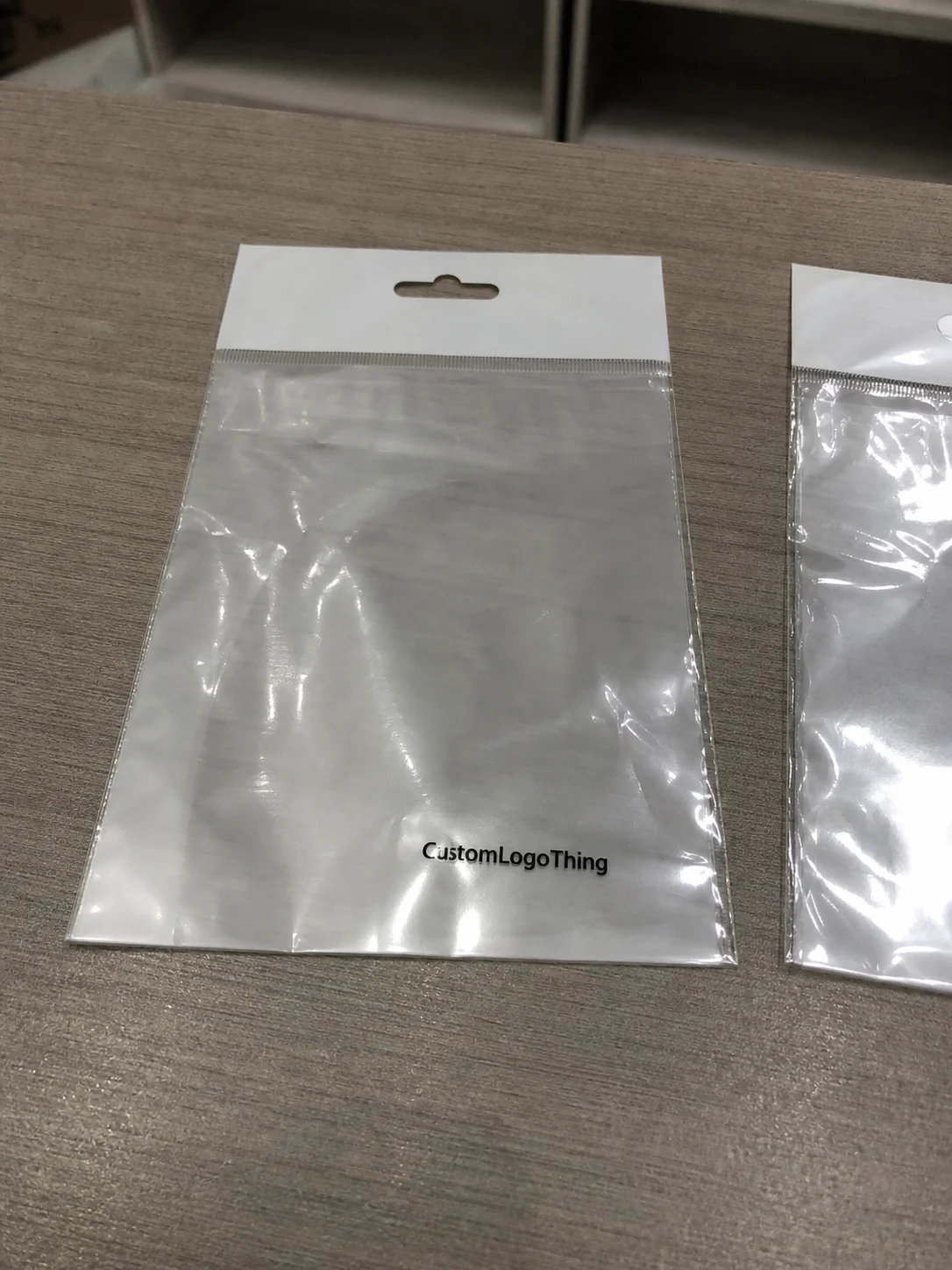
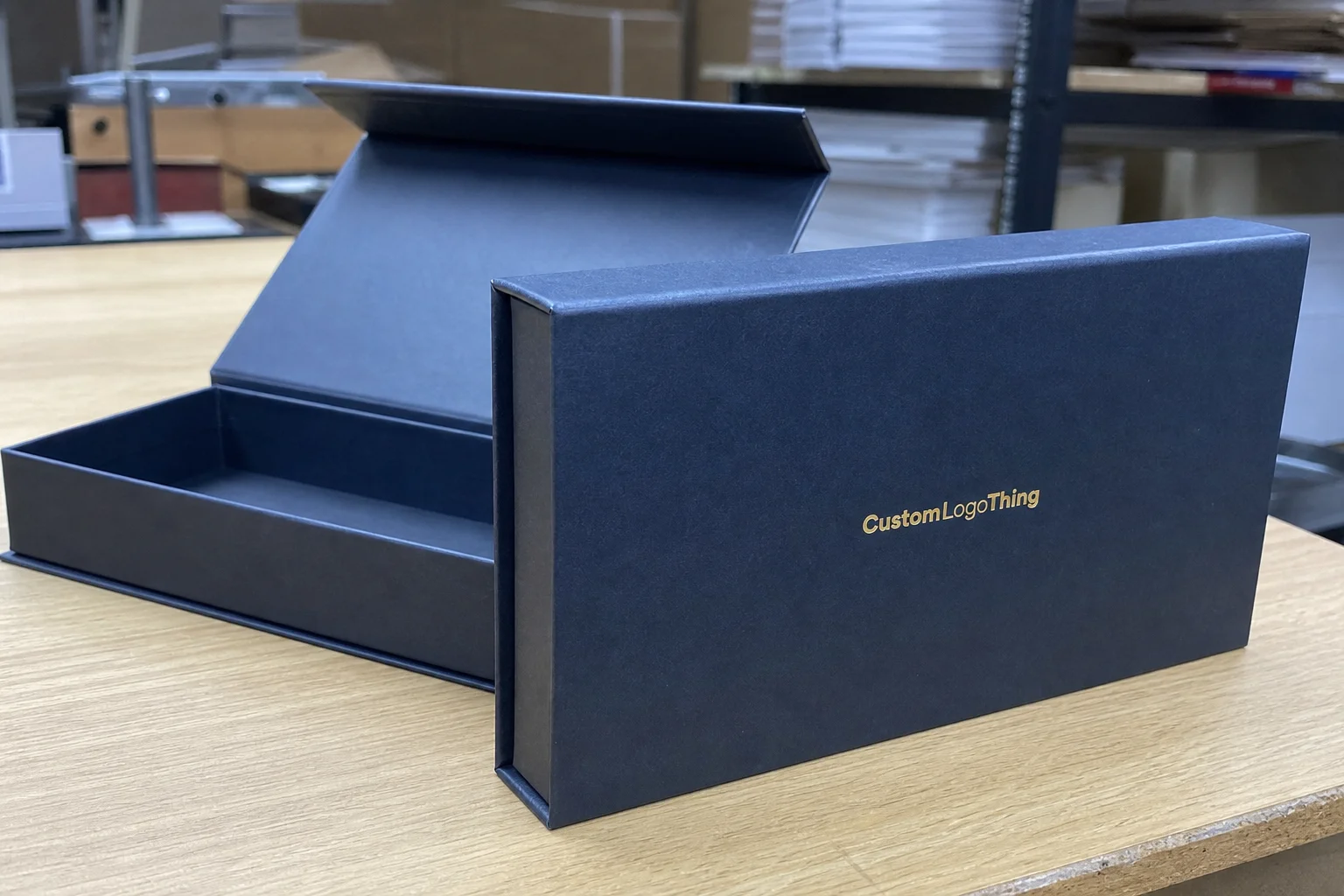
Buyer Fit Snapshot
| Best fit | sustainable packaging cost analysis report for brands for packaging buyers comparing material specs, print proof, MOQ, unit cost, freight, and repeat-order risk where brand print, material, artwork control, and repeat-order consistency matter. |
|---|---|
| Quote inputs | Share finished size, material target, print colors, finish, packing count, annual reorder estimate, and delivery region. |
| Proofing check | Approve dieline scale, logo placement, barcode or warning zones, color tolerance, and any recyclable or compostable wording before bulk production. |
| Main risk | Vague material claims, crowded artwork, or missing packing details can create delays even when the unit price looks attractive. |
Fast answer: Sustainable Packaging Cost Analysis Report for Brands should be specified like a repeatable production item. The safest quote includes material, print method, finish, artwork proof, carton packing, and reorder notes in one written spec.
What to confirm before approving the packaging proof
Check the product dimensions against the actual filled item, not only the sales mockup. Ask for tolerance on folds, seals, hang holes, label areas, and retail display edges. If the package carries a logo, QR code, warning copy, or legal claim, reserve that space before decorative graphics fill the panel.
How to compare quotes without losing quality
Compare board or film grade, print process, finish, sampling route, tooling charges, carton quantity, and freight assumptions side by side. A lower quote is only useful if the supplier can repeat the same color, closure quality, and packing count on the next order.
Most buyers want greener packaging and a clean number. Fair. The trouble starts when people treat a Sustainable Packaging Cost analysis report like a mood board instead of a buying tool. I’ve sat in Shenzhen and Dongguan factories where a brand was ready to pay more for a recycled mailer, then saved $0.11 per unit by changing the inner structure from a two-piece insert to a one-piece fold-lock. Same “green” outcome. Lower freight. Less void fill. Better damage rate. That’s the sort of thing a real sustainable packaging cost analysis report should uncover, especially when the run size is 5,000 to 10,000 pieces and every cent starts yelling.
Custom Logo Things works with buyers who need numbers, not green smoke. If you’re comparing Custom Printed Boxes, mailers, inserts, or retail packaging, the report has to show actual unit cost, MOQ, tooling, sample cost, and freight. Otherwise you’re just collecting quotes with prettier adjectives. And yes, I’ve seen suppliers dress up a $0.42 box as “eco premium” when the same structure in a different board grade came in at $0.29. Packaging doesn’t care about slogans. It cares about specs like 350gsm C1S artboard, E-flute corrugate, and whether the coating is aqueous or soft-touch. Rude, but true.
There’s also a bigger reason this report matters: sustainability claims are getting scrutinized harder by retailers, distributors, and end customers. If the paperwork doesn’t match the packaging, somebody in the chain is gonna ask questions later. Better to catch the mismatch before production. A proper sustainable packaging cost analysis report helps you avoid that mess.
Why a Sustainable Packaging Cost Analysis Report Changes Buying Decisions
A sustainable packaging cost analysis report shifts the conversation from “Which option sounds greener?” to “Which option performs best at the best landed cost?” That difference matters. I once watched a beauty brand in Shanghai compare three quotes on a compostable mailer. The outside print was identical. The price spread was not. The winning option came from changing the inner corrugate flute profile, not the artwork. That saved them around $1,800 on a 10,000-piece run and cut shipping weight by roughly 7%. Tiny change. Real money. The kind of boring win finance teams secretly love.
Sustainable packaging is not automatically expensive. Total landed cost depends on board grade, coating, ink coverage, freight class, order volume, and how much of the structure you’re actually paying for. A recycled paperboard folding carton can cost less than a heavily laminated virgin stock carton if the design is sensible. A compostable film with low availability and high setup costs can blow up a budget fast, especially when the supplier is sourcing from Jiangsu or Zhejiang and the resin lead time slips by a week. That is exactly why a sustainable packaging cost analysis report earns its keep.
The best buyers use the report to compare like-for-like options instead of chasing vague eco claims. I’ve seen purchasing teams get burned by “100% sustainable” language that meant almost nothing. FSC-certified outer carton, okay. What about the insert? What about the coating? What about adhesive? A proper sustainable packaging cost analysis report forces those details onto paper, where they belong. No hiding behind buzzwords. I’ve heard enough of those to last three lifetimes.
Client quote from a subscription brand: “Once we saw the line-item breakdown, we stopped paying for unnecessary upgrades. The sustainable packaging cost analysis report showed us we were spending $0.09 per unit on a finish nobody noticed.”
The business value is straightforward. Less waste. Fewer shipping damages. Better shelf impact. More predictable reorders. Cleaner procurement decisions. And if your packaging is part of branded packaging or retail packaging, the report also protects the brand side. Good package branding should look intentional, not bloated. A box can be eco-friendly and still feel premium. I’ve pulled samples off a finishing line at 11 p.m. in Shenzhen where a matte aqueous coat beat a soft-touch laminate on both cost and recycling compatibility. Not sexy. Effective. Which, frankly, is better.
So no, this is not a marketing document. A sustainable packaging cost analysis report is a buying tool. It should help you choose between a 350gsm FSC paperboard carton, a recycled kraft mailer, a molded pulp insert, or a corrugated shipper with the least drama and the best total cost. If your supplier can’t quantify that in dollars per 1,000 units, they’re selling vibes.
Sustainable Packaging Material Options and Real Cost Drivers
The first thing I do in a sustainable packaging cost analysis report is split the material options into reality, not branding. Recycled paperboard, FSC-certified paper, molded pulp, corrugated kraft, and compostable films all behave differently. They also cost differently because the supply chain behind them is different. That’s not a moral judgment. That’s manufacturing in Guangzhou, Shenzhen, or Ningbo, where the same spec can price three different ways depending on mill allocation and local inventory.
Recycled paperboard is often the easiest place to start for product packaging and custom printed boxes. It prints well, converts cleanly, and usually keeps costs in check at medium to high volumes. FSC-certified paper adds traceability and can help with retailer requirements, but the premium varies. I’ve seen it add $0.02 to $0.06 per unit on cartons depending on board grade and local inventory. Sometimes less. Sometimes more, especially if the supplier has to source a special basis weight or a 300gsm-to-400gsm conversion window. Suppliers love “special basis weight” as a phrase. It’s basically packaging code for “this is going to cost you.”
Molded pulp is excellent for inserts and protective structures. It feels honest, which sounds silly until you’re trying to sell sustainability to a procurement team that has been burned before. But molded pulp needs tooling, drying capacity, and consistent fiber quality. The unit price can look high on low MOQs, then normalize once you cross a volume threshold. A well-designed molded pulp tray can reduce damage claims by $0.15 to $0.30 per shipment on fragile items. That’s not a guess. That’s the kind of number that shows up after a few ugly returns reports and one unpleasant warehouse call in Chicago or Dallas when cartons arrive crushed and everyone suddenly becomes a packaging expert.
Corrugated kraft is the workhorse for ecommerce. It’s durable, widely available, and easy to right-size. If your mailer or shipper is oversized by even 10%, you’re burning money on freight and void fill. I’ve seen brands save 12% on outbound shipping just by tightening a box footprint by 8 millimeters on two sides. No print change. No material sermon. Just math. A good sustainable packaging cost analysis report always checks structural dimensions before anyone starts arguing about finishes.
Compostable films are trickier. They can be necessary for specific food, apparel, or accessory formats, but availability, minimums, and shelf-life concerns can push pricing around. If your supplier says it’s compostable, ask for documentation. ASTM and industrial compostability claims matter. So do local regulations. I’ve seen one brand order a film that looked right, only to learn their end market in Texas and Florida had no commercial composting access. Nice brochure. Wrong decision. Very expensive brochure, too.
Now for the real cost drivers. Fiber content matters, obviously. So does die-cut complexity. A box with three locking tabs, a window, and a tuck structure will cost more than a standard reverse tuck. Coating type matters too. UV, aqueous, varnish, and film lamination all hit price and recyclability differently. Print coverage can move the needle fast. A full-bleed six-color design on uncoated stock may require tighter ink control and slower press speeds, which means higher pricing. And don’t ignore finish selection. Foil looks good, but if you’re trying to keep a packaging design environmentally sensible, maybe don’t pay for a finish that gets the recycling team to roll their eyes.
Supplier choice also matters. Fedrigoni can influence specialty paper availability and lead times on certain stocks out of Europe and Asia. WestRock and Smurfit Kappa often affect corrugated sourcing tiers and regional pricing because of their scale and logistics. That doesn’t mean one is “better.” It means a sustainable packaging cost analysis report should compare actual supply routes, not just board names on a quote sheet. I’ve negotiated with mills where a one-week shipment delay changed pricing more than the board spec did. Annoying? Yes. Real? Absolutely.
Here’s a simple comparison that I use when clients need to see the tradeoffs quickly:
| Material / Format | Typical Strength | Cost Pressure Points | Best Use Case |
|---|---|---|---|
| Recycled paperboard | Good for cartons and sleeves | Print coverage, coating, caliper | Retail packaging, cosmetics, supplements |
| FSC-certified paper | Good with traceability | Certification, sourcing availability | Branded packaging with compliance needs |
| Molded pulp | Strong for inserts and protection | Tooling, fiber consistency, drying | Fragile products, premium unboxing |
| Corrugated kraft | Very strong for shipping | Board grade, box size, freight weight | Ecommerce, shippers, mailers |
| Compostable film | Application-specific | Availability, minimums, certification | Specialty flexible packaging |
If you want a clean sustainable packaging cost analysis report, stop asking “What’s the cheapest eco material?” and start asking “What performs best for my structure, my volume, and my shipping path?” That one question saves real money. The other one gets you a quote that looks good until the freight bill lands in your inbox.
Sustainable Packaging Cost Analysis Report Specifications
A bad brief is expensive. A sloppy brief can add 15% to a quote before anyone even touches the dieline. A proper sustainable packaging cost analysis report starts with exact specifications. Dimensions first. Always. Length, width, height, and any product clearance needed inside the pack. If you don’t know the exact size, send a sample unit and let the packaging team measure it. Guessing is how people end up paying for air. And air does not ship for free, despite some supplier behavior suggesting otherwise.
Here’s what should be in the spec sheet for a reliable sustainable packaging cost analysis report:
- Dimensions: finished size and internal size, in millimeters or inches.
- Material: recycled paperboard, FSC paper, kraft corrugate, molded pulp, or compostable film.
- Thickness: for example 350gsm C1S artboard, E-flute, or a specific pulp wall thickness.
- Print method: offset, flexo, digital, or screen.
- Finish: aqueous, matte varnish, soft-touch, uncoated, emboss, foil, or none.
- Insert needs: pulp tray, cardboard insert, foam-free protective structure, or no insert.
- Shipping format: flat-packed, pre-glued, nested, or assembled.
- Sustainability claims: recycled content percentage, FSC certification, compostability, plastic-free construction.
Those details change performance. They also change cost. For example, a 350gsm folding carton with 4-color print and matte aqueous coating may be perfectly suitable for a cosmetic jar. But if the product is glass and requires transit testing, I’d look closely at whether the carton needs a stronger board, like 400gsm SBS with a 1.5mm cardboard insert or an E-flute sleeve. ASTM and ISTA standards exist for a reason. A box that looks nice but fails transit is just expensive confetti. If you want to review packaging testing standards, the ISTA site is a useful reference.
A useful sustainable packaging cost analysis report also includes a comparison framework. I ask suppliers to quote the same structure, same print method, same finish, same quantity, and same freight assumption. Otherwise the numbers lie. Not maliciously. Just conveniently. One supplier quotes FOB from Shenzhen. Another quotes landed to Los Angeles. One includes overrun tolerance. The other does not. People then think they saved $0.03 per unit when they really just changed the math.
Here’s the format I recommend buyers request in writing:
- Unit cost at each quantity tier.
- Tooling cost for dielines, dies, emboss plates, or pulp molds.
- Sample cost and whether sampling is deductible.
- Freight estimate to your warehouse or 3PL.
- Overrun tolerance and under-run policy.
- Lead time from proof approval to shipment.
- Certification proof for FSC or compostability claims.
One of my clearest factory-floor memories came from a corrugated line in Dongguan. A client wanted “eco-friendly” boxes for a candle line. Their first spec called for a white-lined board, heavy ink coverage, and a soft-touch finish. In plain English, they wanted sustainability plus luxury plus low cost. Cute. We tightened the structure, swapped to kraft exterior with one spot color, and moved the insert from printed SBS to molded pulp. The sustainable packaging cost analysis report showed a $0.26 unit savings on 8,000 units and a better damage rate. That’s what good spec work does.
Another thing buyers miss: performance testing. If you’re shipping through ecommerce, stack strength matters. Compression, drop testing, and vibration testing affect the packaging design choice. A lighter board might save $0.04 per unit, but if it increases failure rates, you lose far more in returns. This is where a sustainable packaging cost analysis report becomes a risk-control document, not just a cost sheet.
And yes, certification language matters. If you’re claiming FSC, get the chain-of-custody paperwork. If you’re claiming recycled content, ask how that percentage is measured. If you’re claiming compostability, ask what standard applies. The FSC site has the basics, and buyers should use it. Otherwise you’re trusting a sales pitch. I’ve been in enough supplier negotiations in Shenzhen, Guangzhou, and Ho Chi Minh City to know how creative people get when they’re trying to win an order.
One more blunt point. If your packaging brief has no dimensions, no finish, no certification requirement, and no target MOQ, the quote you get will be vague. A vague quote is expensive. That’s not me being dramatic. That’s procurement reality in plain numbers.
Sustainable Packaging Cost Analysis Report Pricing and MOQ
Let’s talk money. A sustainable packaging cost analysis report should break pricing into prototype cost, plate or die cost, per-unit price, and shipping. If the supplier gives you a single number and says “all in,” I’d want a second quote. Maybe a third. Packaging isn’t magic. It’s setup plus materials plus labor plus logistics, whether the factory is in Shenzhen, Foshan, or Xiamen.
Prototype cost can run from $25 to $150 for simple structures, and higher for complex packaging design changes or specialty finishes. I’ve paid $85 for a quick structural sample that saved a brand $4,000 later. That’s a good trade. Dielines and dies can range from $60 to several hundred dollars depending on the size and complexity. Molded pulp tooling is a different beast; once you enter mold production, you’re in a higher setup category. Not necessarily bad. Just real.
Per-unit pricing is where MOQ hits you in the face. Lower volumes usually mean higher unit cost because setup expenses are spread across fewer pieces. For example:
| Order Size | Typical Unit Cost Behavior | Why It Happens | Best For |
|---|---|---|---|
| 500-1,000 units | Higher unit cost | Setup spread over fewer pieces | Launches, pilot runs, sampling |
| 2,000-5,000 units | Moderate unit cost | Some economies of scale appear | Early growth brands, seasonal runs |
| 10,000+ units | Lower unit cost | Material and setup efficiency improve | Stable SKUs, repeat ordering |
Here’s the part buyers love to ignore: sustainability specs can raise or reduce cost depending on availability and print complexity. An FSC-certified sheet on a standard carton might add only a small premium if the mill has stock. But a niche compostable laminate with tight supply can spike unit cost and extend lead time. A sustainable packaging cost analysis report should show that clearly. No drama. Just the numbers, down to a quote like $0.15 per unit for 5,000 pieces if the structure is simple and the board is already in stock.
I also tell clients to pay attention to the shape of the curve, not just the lowest quote at one quantity. A supplier may look cheap at 1,000 units, then become expensive at 5,000 because their pricing tiers are weak. Another supplier may be $0.05 higher at the start but $0.12 lower by 10,000 units. That’s why a good sustainable packaging cost analysis report includes tiered pricing. If it doesn’t, you’re not buying intelligently. You’re guessing.
Let’s say you’re choosing between a basic recycled carton and a more premium branded packaging option with a soft-touch finish. The first one might be $0.31/unit at 3,000 pieces, with $120 tooling and $65 freight to your 3PL in Chicago. The second might be $0.48/unit, with the same tooling but an extra $0.03/unit in coating and a longer lead time. Is the premium worth it? Maybe. If it supports retail packaging on shelf and lifts conversion by 2%, maybe yes. If the box is only used for ship-and-forget ecommerce, maybe not. That judgment belongs in the sustainable packaging cost analysis report, not in a brainstorm deck.
One of the strongest supplier lessons I’ve learned came from a negotiation with a corrugated converter in Ningbo that kept pushing a higher MOQ to “optimize the line.” Translation: they wanted to protect margin. Fair enough. But when we reworked the cut size and removed a nonessential insert, they dropped the MOQ by 2,000 units and held the unit cost steady. That’s the kind of leverage you get from asking for a line-item breakdown instead of accepting a rounded quote. The sustainable packaging cost analysis report exposes where the fat is.
For brands with tight cash flow, I usually suggest a practical rule: if the sustainable material raises unit cost by less than 8% and reduces freight damage or improves shelf impact, it’s worth serious consideration. If the premium is 20% or more, you need a stronger reason than “it sounds nicer.” That’s not anti-sustainability. That’s responsible buying.
One more thing: don’t forget overrun tolerance. A quote that looks cheap but allows a 10% overrun can become expensive fast if you don’t need those extras. This is a classic place where a sustainable packaging cost analysis report keeps procurement honest.
How long does a sustainable packaging cost analysis report take?
A clean sustainable packaging cost analysis report usually follows six steps: brief submission, specification review, cost model, sample approval, production, and delivery. That sounds simple because it is simple when the client sends complete information. The problem is that many briefs arrive with three photos, one vague size estimate, and a sustainability statement that says “eco, premium, recyclable.” That’s not a brief. That’s a wish with a deadline.
Here’s a realistic timing map for standard custom packaging projects:
- Brief review and clarification: 1-2 business days.
- Cost model and quote preparation: 2-4 business days.
- Sample or prototype production: 5-10 business days depending on structure.
- Artwork and proof review: 1-3 business days if files are complete.
- Mass production: 10-20 business days for most paper-based formats.
- Freight and delivery: 3-12 business days depending on shipping mode and destination.
That means a standard project can move from brief to shipment in roughly 3 to 6 weeks if everyone behaves. If there are structural revisions, certification checks, or re-sampling, add time. Rush orders are possible, but they cost more. Usually a lot more. I’ve seen expedited sampling add $60 to $180 to a project because the factory had to rearrange the production queue. That’s not a rip-off. It’s just what priority handling costs. People hate hearing that until they need it, then suddenly it makes perfect sense.
What slows projects down? Missing dielines. Unclear sustainability claims. Last-minute design changes. And my personal favorite, when a client sends final artwork before confirming the packaging structure. That’s how you end up paying for rework on a box that was never going to fit the product correctly. A strong sustainable packaging cost analysis report should begin before art is finalized, not after someone has fallen in love with a box mockup on a screen in Milan, New York, or Singapore.
Factory coordination matters too. I’ve spent mornings on press floors reviewing ink density because the brand wanted a natural kraft look but was using heavy saturation. That kind of contradiction shows up in cost and timing. If you want the brown board to look rich, you may need a different ink system, and the press speed may change. If your packaging design depends on a certain finish or exact color match, the supplier needs that in the first brief. Otherwise the report becomes a guessing game.
There’s also a difference between standard and custom builds. Standard mailers, rigid boxes, or folding cartons with common board grades can move fast because the equipment and materials are already in the supply chain. Fully custom structures, especially with molded pulp or unusual insert geometry, need more engineering. A sustainable packaging cost analysis report for a custom build should include a sample round, because one quick prototype can save weeks of back-and-forth later.
For ecommerce brands, I also suggest testing the pack in real transit before approving production. Ask for a sample ship test or at minimum a compression review. If the box is going to travel through parcel networks, you should care about the same factors ISTA cares about. A pretty box that arrives crushed is bad branded packaging and bad economics. If you’re curious, packaging industry resources can help you understand broader material and format trends without the sales fluff.
One of my longer supplier negotiations happened in a paper converting facility near Shenzhen. The buyer wanted an FSC carton with a plant-based coating, but the coating supplier had a 9-day stock issue. We adjusted the coat spec, kept the recycled paperboard, and cut the lead time by almost a week. That’s the kind of practical compromise a sustainable packaging cost analysis report should reveal early. The report is not supposed to force perfection. It’s supposed to help you make a better decision faster.
Why Choose Us for Your Sustainable Packaging Cost Analysis Report
Custom Logo Things is not here to sell you a fantasy quote. We price from real production data. That means material costs, actual tooling, pressing time, finishing labor, and freight assumptions that make sense. A sustainable packaging cost analysis report from us is built around manufacturing reality, not showroom language.
I’ve spent 12 years in custom printing and packaging, and I’ve stood on enough factory floors in Shenzhen, Dongguan, and Guangzhou to know where the hidden costs show up. One supplier can quote a beautiful low number and quietly load in higher finishing charges. Another can look pricier up front but win on lower rework, better board utilization, and fewer shipping headaches. The goal is not to find the cheapest line on paper. The goal is to avoid paying twice later. That’s what a strong sustainable packaging cost analysis report should protect you from.
We also help buyers compare material and print options without forcing a single answer. If recycled paperboard is the best fit, we’ll say that. If molded pulp saves money because it replaces a complex insert, we’ll say that too. If a switch from full coverage print to one-color kraft makes the economics work better, I’ll tell you directly. Honestly, I think most people get in trouble by assuming sustainability requires a premium everywhere. It doesn’t. Sometimes it requires smarter structure design and a cleaner packaging design brief.
Our approach includes sample validation and quality control checks, because a quote that cannot be produced consistently is not useful. I’ve watched brands lose weeks because a supplier accepted an impossible finish on a paper stock that couldn’t hold it cleanly. That is why our sustainable packaging cost analysis report includes practical manufacturing notes, not just a price block. We want the numbers to survive contact with the pressroom.
We also support customers who need branded packaging for retail packaging, ecommerce, or premium gifting. Whether you need Custom Packaging Products or a detailed comparison of package branding options, we can map the cost impact of each decision. That includes MOQ sensitivity, unit cost by tier, finish selection, insert choices, and the impact of freight on landed cost. Nothing glamorous. Just useful. The kind of useful that saves $0.07 per unit on a 20,000-piece reorder and keeps accounting from sending you emails with all-caps subject lines.
I’ve had clients ask whether they should choose the lower-cost stock or spend more on a premium sustainable format. My answer is always the same: it depends on volume, damage risk, shelf impact, and how the box supports the sale. A sustainable packaging cost analysis report should make those tradeoffs visible. If your packaging is part of customer acquisition, a slightly higher spend can be smart. If it’s just protecting a commodity item, maybe not. Truth beats hype every time.
And yes, we can handle the annoying details that slow people down. Overrun tolerance. Proof corrections. Certification checks. Freight estimates. Because the real cost of packaging is never just the box. It’s the whole chain from mill to factory to port to warehouse. That chain is exactly what the sustainable packaging cost analysis report should capture.
Next Steps to Build Your Sustainable Packaging Cost Analysis Report
If you want a useful sustainable packaging cost analysis report, send the right inputs. Start with product dimensions, target order quantity, branding needs, and sustainability requirements. If you have a sample box or competitor pack, send that too. Two or three references help a lot more than a paragraph full of adjectives. I’d rather measure an actual carton than decode “sleek, earthy, elevated” for the fiftieth time this month. Seriously, my brain needs a break from that sentence structure.
Here’s what to prepare before requesting a quote:
- Exact product dimensions and weight.
- Target MOQ and forecasted repeat volume.
- Preferred structure: folding carton, mailer, rigid box, insert, or shipper.
- Artwork files or at least a draft packaging design.
- Sustainability requirements such as FSC, recycled content, or plastic-free construction.
- Any testing needs, including ISTA or compression goals.
- Destination city for freight calculation.
Then ask for a line-item breakdown. Not a single blended price. Line items. Materials, tooling, sample cost, unit cost, freight, and overrun tolerance. That’s how you compare suppliers without getting fooled by low initial prices. I’ve seen brands jump on a quote that was $0.04 cheaper per unit, only to learn the freight was 18% higher and the finish required a second pass. That is not savings. That is a trap with nice handwriting.
When you compare quotes, make sure every supplier is quoting the same board grade, same print method, same finish, same insert, and same quantity. Otherwise the numbers are useless. A strong sustainable packaging cost analysis report makes apples-to-apples possible. It also prevents internal debate from turning into opinion theater. Procurement likes facts. So do finance teams. So do people who have to explain why packaging costs changed by 22% overnight.
After the report, move to sample approval. Check fit, print quality, structural integrity, and whether the sustainability claims match the paperwork. If the sample passes, move to production with clear sign-off. If not, revise early. Every revision gets more expensive once tooling and press time are locked. That’s why a well-built sustainable packaging cost analysis report saves money before production starts.
The action item is simple: collect exact dimensions, target volume, structure, certification requirements, and destination freight data before requesting quotes. If those five pieces are in place, your sustainable packaging cost analysis report will actually tell you which option protects margin and still meets the sustainability target. If they’re missing, you’ll just get prettier confusion.
For brands that want sustainable packaging cost analysis report clarity, not supplier theater, we can help you get there with clean data, real factory numbers, and a quote that actually means something. That’s how you make better packaging decisions and protect margin at the same time.
FAQ
What does a sustainable packaging cost analysis report usually include?
It should include material options, unit pricing, MOQ, tooling, sample cost, freight estimate, and sustainability certifications or claims. A strong sustainable packaging cost analysis report also compares performance tradeoffs, not just price, so you can see whether a recycled paperboard carton, molded pulp insert, or corrugated shipper is actually the best fit for a 3,000-piece or 10,000-piece run.
How do I compare sustainable packaging costs across suppliers?
Use the same dimensions, material grade, print method, finish, and quantity for every quote. Ask for line-item pricing so you can see where the cost differences actually come from. If one supplier quotes a soft-touch finish and another quotes aqueous, that is not a fair comparison, and the sustainable packaging cost analysis report should make that obvious. The same goes for freight from Shenzhen versus landed delivery to Los Angeles.
Does sustainable packaging always cost more?
No. Sometimes recycled or right-sized packaging lowers total cost by reducing waste and freight. Costs rise mainly when the design is overbuilt, highly customized, or requires specialty materials. In my experience, a smart sustainable packaging cost analysis report often finds savings in structure changes, not in cutting quality. A $0.15 recycled mailer can beat a $0.23 laminated one if the dimensions are right.
What MOQ should I expect for custom sustainable packaging?
MOQ depends on structure and material, but custom boxes and mailers often start in the low hundreds to low thousands. Lower MOQs usually mean a higher unit price because setup costs are spread across fewer pieces. A good sustainable packaging cost analysis report should show how unit cost changes at 500, 1,000, 5,000, and 10,000 units so you can compare a prototype run against a full production order.
How long does a sustainable packaging cost analysis report take to prepare?
A basic analysis can often be prepared after the spec review and material confirmation stage. The full timeline depends on whether sampling, structural adjustments, or certification checks are needed. If your brief is complete, a sustainable packaging cost analysis report can move quickly; if your dieline is missing and your claims are vague, it will slow down fast. For standard projects, expect 2-4 business days for the quote and 12-15 business days from proof approval to production on many paper-based formats.