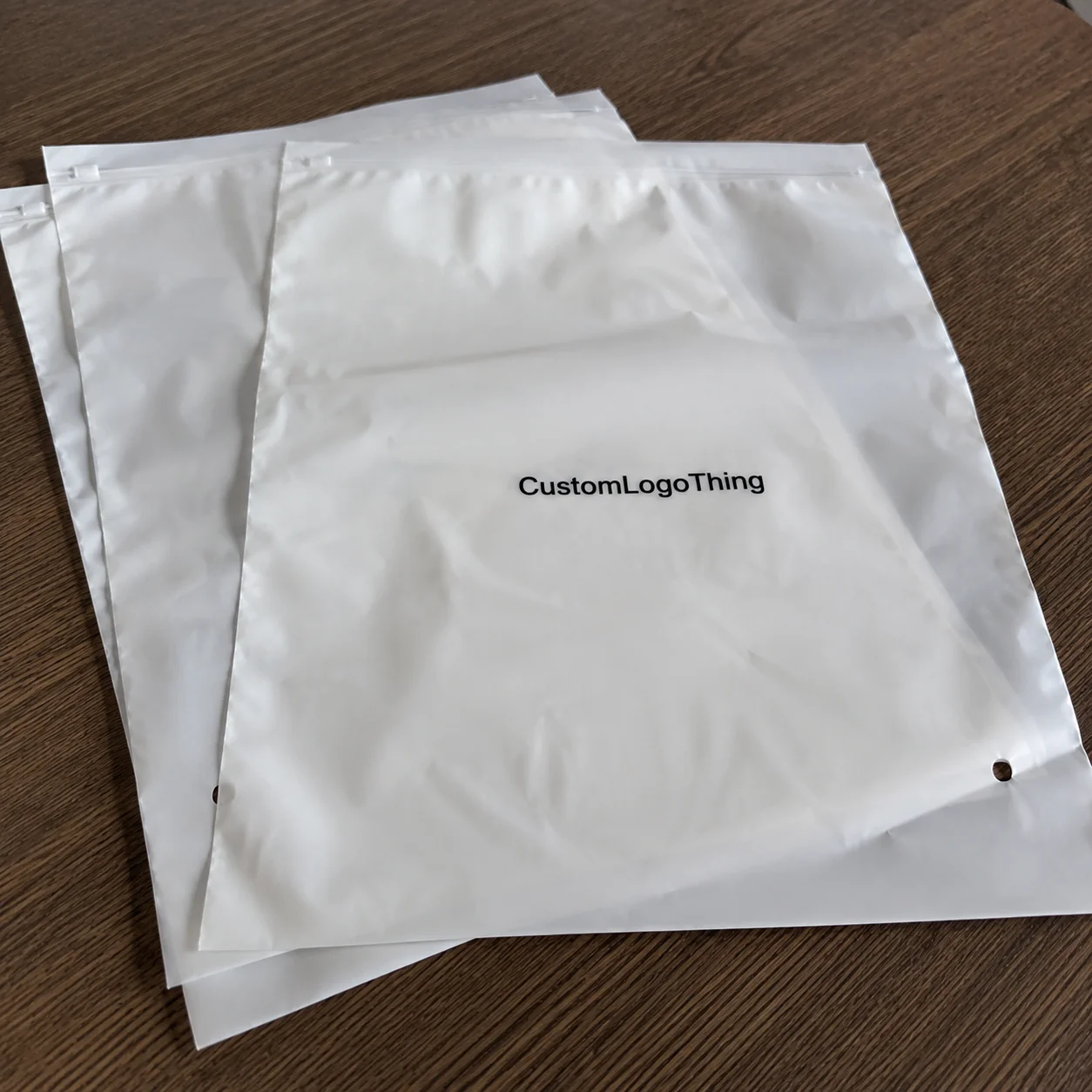
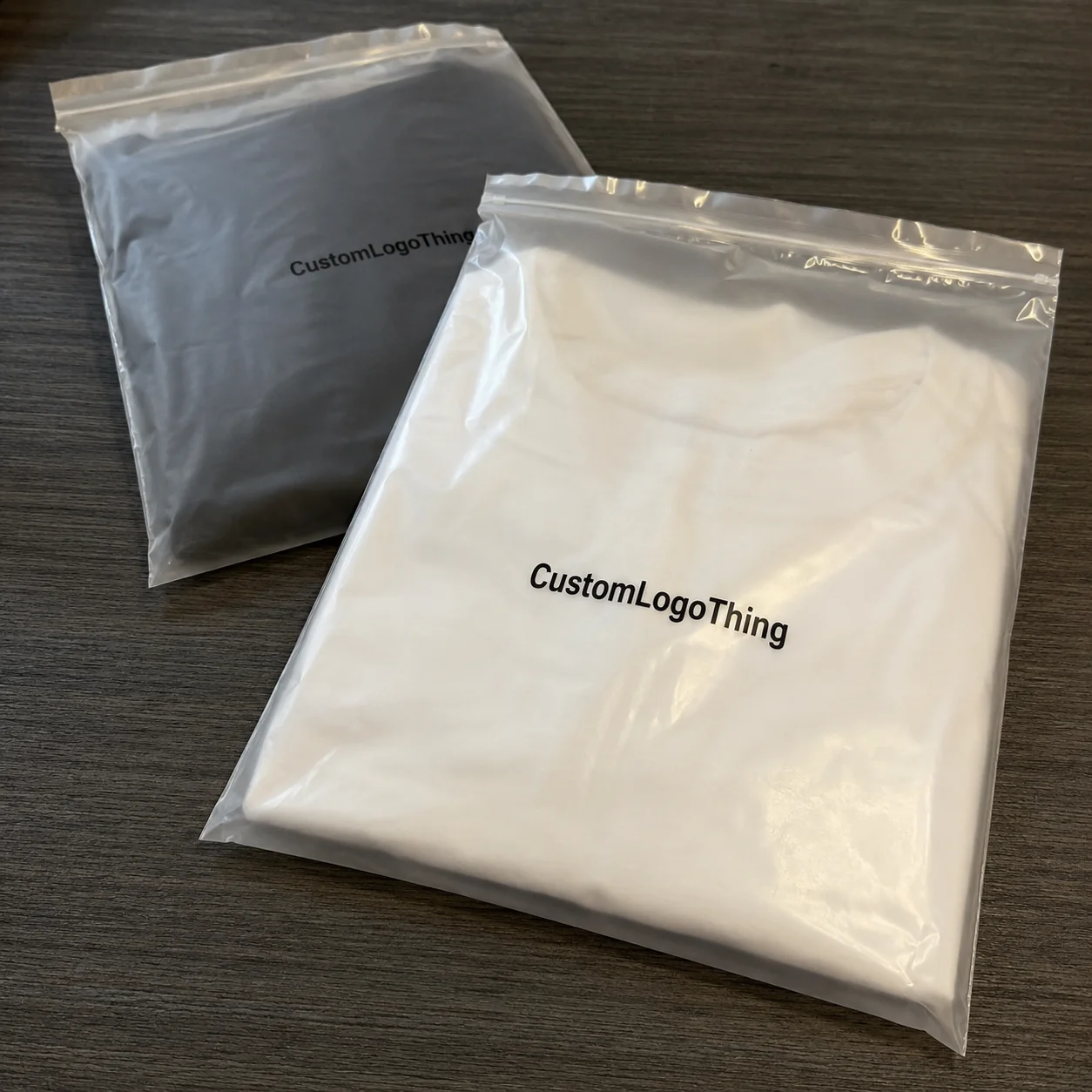
Buyer Fit Snapshot
| Best fit | Sustainable Packaging for Candle Shipping projects where brand print, material claims, artwork control, MOQ, and repeat-order consistency need to be specified before quoting. |
|---|---|
| Quote inputs | Share finished size, material target, print colors, finish, packing count, annual reorder estimate, ship-to region, and any compliance wording. |
| Proofing check | Approve dieline scale, logo placement, barcode or warning zones, color tolerance, closure strength, and carton packing before bulk production. |
| Main risk | Vague material claims, crowded artwork, missing packing details, or unclear freight terms can make a low unit price expensive after revisions. |
Fast answer: Sustainable Packaging for Candle Shipping: Retail Fit, Compliance Space, Print, and Cost should be specified like a repeatable production item. The safest quote records material, print method, finish, artwork proof, packing count, and reorder notes in one written spec.
Production checks before approval
Compare the actual filled-product size with the drawing, then confirm tolerance on folds, seals, hang holes, label areas, and retail display edges. Reserve space for logos, QR codes, warning copy, and material claims before decorative graphics fill the panel.
Quote comparison points
Review material grade, print process, finish, sampling route, tooling charges, carton quantity, and freight assumptions side by side. A quote is only useful when the supplier can repeat the same color, closure quality, and packing count on the next order.
I’ve seen more candle returns blamed on “bad luck” than I can count, but the real problem is usually packaging. sustainable Packaging for Candle shipping sounds simple until you watch a 12-ounce glass jar survive a warehouse shelf, then fail in a parcel truck because the insert was loose by 4 millimeters. Four millimeters. That tiny gap can turn a perfect product into a customer complaint and a very annoying email thread.
That gap matters. Candles combine glass, wax, fragrance oils, and a premium unboxing expectation, which makes sustainable Packaging for Candle shipping far trickier than shipping a folded tee or a boxed accessory. The good news is that you can cut waste and still protect the product if you design the whole shipper as a system, not as a pile of “eco” parts. Honestly, I think that’s where a lot of brands go sideways. They buy a green-looking box and call it strategy.
When I visited a fulfillment center outside Indianapolis last year, the team showed me a pile of cracked candle jars that had all been packed in oversized cartons with crumpled kraft paper. The carton looked environmentally friendly. The returns bin told a different story. That’s the trap: sustainable packaging for candle shipping is not about looking green; it is about using the right materials, in the right amounts, with the right fit. I remember standing there thinking, “Well, that’s a very expensive recycling lesson.”
What Sustainable Packaging for Candle Shipping Actually Means
The easiest products to ship badly are often the ones that look safest. Candles are a perfect example. They are heavy enough to crack a box corner, fragile enough to shatter, and sensitive enough to soften if they sit near heat on a delivery truck. Add scent, and now you also care about odor transfer and product presentation. That is why sustainable packaging for candle shipping starts with protection, not branding. Cute box. Useless box? No thanks.
In practical terms, “sustainable” means packaging that can be recycled, composted, reused, or made with recycled content, while still doing its job with the least material necessary. A kraft mailer is not automatically sustainable if it is 40% larger than the product and requires 12 sheets of paper filler. A plastic film is not automatically bad if it is the only layer preventing leakage in a very specific product line. People get stuck on labels and forget function. I’ve had supplier conversations in Shenzhen and Dongguan that felt like a costume party: everyone dressed up as eco-friendly, nobody checked whether the package actually worked.
Candle shipping is different from many retail categories because the product’s risks stack up. A jar candle can have a 1.2-pound finished weight, a metal lid, a brittle glass vessel, and a fragrance load that can mark up paper if it rubs during transit. Premium brands also care about the first impression, so product packaging and package branding have to support the same experience. That is where sustainable packaging for candle shipping becomes a packaging design problem, not just a procurement decision.
The best systems are built from the outside in:
- Outer shipper: corrugated box or mailer sized to the candle SKU, often 32 ECT or 44 ECT depending on weight.
- Inner retention: molded pulp, die-cut paper insert, or snug paper wrap that holds the jar within 2-4 mm of movement.
- Cushioning: paper-based void fill only where movement still exists.
- Closure: paper tape or a lock-style box that reduces extra adhesive use.
- Labeling: clear handling and recycling instructions, without clutter.
That whole stack has to work together. If one layer is overbuilt and another is weak, sustainable packaging for candle shipping loses efficiency. The goal is not “less packaging” at any cost. The goal is right-sized packaging that is structurally honest. I would rather see a slightly sturdier carton with less filler than a giant box full of shredded paper confetti that somehow still manages to let the candle slam into the corner.
For reference, standards matter here. If you are validating shipping performance, look at the general testing frameworks used across the industry, including ISTA test methods and ASTM material standards. I often point clients to ISTA’s resources at ista.org because the vocabulary around drops, vibration, and compression saves a lot of guesswork. If you are making recycled-content claims, the chain-of-custody side can also matter, which is where FSC resources at fsc.org become useful.
Here’s what most people get wrong: they assume sustainability is a finish, not a structure. A box printed with leaves is still a waste problem if it arrives oversized, damaged, or impossible to recycle. sustainable packaging for candle shipping should reduce material, reduce damage, and reduce confusion. All three. If it only checks one box, that’s not strategy. That’s marketing with better typography.
How Sustainable Packaging for Candle Shipping Works
Think of candle shipping as a three-layer risk profile. The primary container is the candle vessel itself. The next layer is the inner wrap or insert, which prevents shifting. The third layer is the outer shipper, which absorbs carrier abuse. If those layers are aligned, sustainable packaging for candle shipping can be surprisingly efficient.
Corrugated board remains the workhorse because it offers crush resistance and predictable performance. A 32 ECT single-wall carton can be enough for lighter candles, while heavier glass jars may need stronger board or a tighter insert system. I’ve seen brands waste money on thicker cartons when the real fix was a better insert geometry. That is a packaging design issue, not just a board grade issue. One of those “we paid more and still got breakage” situations. Lovely.
Molded pulp and paperboard inserts do a lot of heavy lifting. They keep the candle centered, reduce rattling, and eliminate the need for large volumes of void fill. Paper tape helps too, because it keeps the package more recyclable than plastic strapping or excessive adhesive seals. In sustainable packaging for candle shipping, these small choices add up faster than most teams expect.
Damage prevention is where the system proves itself. The common failure points are consistent: cracked jars, chipped lids, melted wax smear, and fragrance contamination from materials rubbing together. A snug paper sleeve can keep a lid from bouncing loose. A molded pulp cradle can prevent a cylindrical jar from rolling into a corner. A 2-inch air gap can become a liability if the fill is too soft and the candle is still moving. I’ve had a warehouse supervisor in Charlotte tell me, with the kind of tired honesty only a warehouse supervisor has, “The box looked fine until gravity got involved.” Exactly.
I once sat in on a supplier negotiation in Los Angeles where a brand was comparing a recycled paper insert against a cheaper loose-fill solution. The loose-fill quote was 18% lower per unit. After we added the cost of a 4.6% breakage rate, two replacement shipments per hundred orders, and customer service time, the “cheaper” option was actually more expensive by the third month. That is the math behind sustainable packaging for candle shipping. The cheapest unit price is not the cheapest total cost.
Testing matters because assumptions fail quickly. Drop tests, vibration tests, compression checks, and even temperature exposure comparisons can reveal weak points before you ship 5,000 units. I prefer real product testing over dummy weights because a candle jar’s lid, wax top, and center of gravity change how it behaves. If the wax softens slightly at 95°F during transit, the package can shift in a way a steel test block never would. That kind of detail sounds nerdy until you’re staring at melted wax in a broken carton and wondering who approved the sample.
Right-sizing is one of the most underrated levers in sustainable packaging for candle shipping. A box that fits within 0.5 to 1.0 inches of product clearance often cuts void fill, lowers dimensional weight, and improves pallet density. That means lower freight cost and fewer truck miles per shipped unit in practical terms. Sustainability and cost control can point in the same direction when the dimensions are engineered properly.
For brands using mixed fulfillment channels, I’ve seen a split setup work well: a sturdy shipper for direct ecommerce shipping and a cleaner, more retail-like outer format for wholesale samples. That keeps order fulfillment efficient without forcing one package style to do every job. If you also need broader product packaging options, it is worth comparing formats against Custom Packaging Products and specific box styles like Custom Shipping Boxes.
| Option | Typical Unit Cost | Protection | Recyclability | Best Use Case |
|---|---|---|---|---|
| Recycled corrugated box + paper void fill | $0.62–$1.05/unit at 5,000 | Good to very good | High | Single jar candles, moderate shipping distance |
| Mailer-style corrugated + molded pulp insert | $0.78–$1.32/unit at 5,000 | Very good | High | Premium candles, lower breakage targets |
| Paperboard sleeve + internal shipper box | $0.70–$1.20/unit at 5,000 | Good | High | Brand-led unboxing with moderate protection needs |
| Plastic-heavy cushioning system | $0.55–$0.95/unit at 5,000 | Good | Variable | Cases with moisture or leak risk, less ideal for sustainability goals |
That table is not a one-size answer. It depends on weight, destination, and carrier handling. But it shows a pattern I see constantly: sustainable packaging for candle shipping often sits in the middle of the cost curve, not the top. The savings come from lower damage and less wasted volume, not from chasing the absolute lowest material cost.
Key Factors That Shape Sustainable Packaging for Candle Shipping
Material choice is the first big fork in the road. Recycled-content corrugated board is usually the backbone of sustainable packaging for candle shipping, especially when paired with FSC-certified fiber or high post-consumer content. Recycled content alone does not solve everything. A 100% recycled insert that crushes under load is still a failure if the candle arrives broken. There are times when a small amount of plastic, used for a specific moisture barrier or scent protection, may be justified. That depends on the SKU, not the slogan.
Brand presentation matters more than some operations teams admit. Candle buyers often expect a premium unboxing moment, especially for giftable scents. Printed kraft, minimalist labeling, and a well-structured reveal can support branded packaging without excess gloss or foil. I’ve seen a matte one-color print on natural kraft outperform a busy, fully coated design because it looked cleaner and felt more honest. That is package branding doing real work, not decoration for its own sake.
Cost is where the conversation gets practical. A common setup might cost $0.24 for a basic candle insert, $0.38 for a premium molded pulp option, and $0.10 to $0.18 for paper tape and labels, depending on quantity. If you are ordering 5,000 to 10,000 units, the price differences can shrink with tooling amortization and standardized box sizes. Meanwhile, shipping savings can be meaningful: trimming 1 inch off the box depth can sometimes reduce dimensional weight by a full billing tier. That is a real win for sustainable packaging for candle shipping.
I remember a client in Sacramento who wanted three custom printed boxes for three candle lines, each with slightly different dimensions. After we mapped the SKU sizes, we consolidated them into two box footprints and one shared insert family. Their packaging spend fell by 11%, and their warehouse had 27% fewer pick errors because the line was simpler. Simplicity is not glamorous. It is profitable. And yes, it also means fewer late-night calls about “the wrong box on aisle six.”
Supplier availability is another issue that gets ignored until lead times slip. A molded pulp insert might look economical on paper, but if the supplier’s minimum order quantity is 20,000 and your monthly volume is 3,000, the economics can unravel quickly. The same applies to compostable films, specialty labels, and custom closures. In sustainable packaging for candle shipping, the best material on paper is not always the best material in a real procurement calendar.
Regulatory and customer expectations keep rising too. If you label a package “recyclable,” your claim should match actual local acceptance rules, which vary by municipality and waste processor. Compostable claims are even more sensitive. A compostable film that requires industrial composting is not the same as a backyard compost solution. The EPA has useful guidance on waste and materials management at epa.gov, and I tell brands to read the claim language carefully before printing anything permanent on the shipper.
Greenwashing is a reputation risk, plain and simple. If a candle box uses recycled board but ships with six layers of unnecessary wrap, customers notice. If the insert is compostable but the barcode label destroys the recycling stream, customers notice that too. The honest version of sustainable packaging for candle shipping is usually more nuanced: “This carton is recyclable in most curbside systems, the insert is molded fiber, and the tape is paper-based.” Clear beats clever.
Client quote from a sample review:
“We thought our old box was fine because it looked premium. Once we tested it, the candle moved 18 millimeters inside the shipper. That was enough to crack jars on a corner drop. The new insert fixed the damage, and the package actually looked better.”
That is the kind of feedback I trust because it comes from the floor, not the mood board. sustainable packaging for candle shipping has to survive the real path: pallet, line haul, sortation, truck, porch.
Step-by-Step Process and Timeline for Candle Packaging
The first step is a SKU audit. List every candle by jar size, weight, lid type, fill level, and shipping lane. A 6-ounce amber jar going 150 miles is not the same as a 16-ounce apothecary candle traveling cross-country. In my experience, brands that skip this step end up overdesigning the easy SKUs and underprotecting the risky ones. That slows down sustainable packaging for candle shipping instead of improving it.
Next comes format selection. Decide whether you need a mailer, a folding carton, a shipper box, a sleeve, or a two-piece setup. For some brands, a simple corrugated shipper with a custom insert is enough. For others, especially premium retail packaging, a printed sleeve around a structural box delivers the right unboxing sequence. If you need a heavier-duty option, Custom Poly Mailers may be useful for certain bundled accessories, but I would not use them as the main answer for fragile glass candles.
Prototype with real candles, not placeholders. I’ve seen teams test with a perfectly balanced block and then wonder why the glass broke in transit. Real candles shift differently because wax, glass thickness, and lids change the center of gravity. A good prototype run should include at least 12 units, with corner drops, face drops, and edge drops. If you can, add one hot-and-cold cycle to mimic truck conditions. sustainable packaging for candle shipping is only sustainable if it reduces rework after launch.
Here is a practical timeline that I’ve used with clients, though your supplier may vary by region and complexity:
- Week 1: SKU audit, dimension capture, material brief, and quote request.
- Week 2: Structural concept review and first digital proof.
- Week 3: Sample production and fit testing with real candles.
- Week 4: Revision round based on breakage, movement, and branding feedback.
- Weeks 5-6: Final approval, tooling prep, and production scheduling.
- Production lead time: usually 12-15 business days from proof approval for standard structures; longer if custom tooling or specialty finishes are involved.
That timeline is for planning, not a promise. If you are ordering custom printed boxes with special die-cuts or embossing, add time. If your box must align with a seasonal launch, build in at least one extra week. I’d rather tell a brand “14 business days after approval” than pretend rush work is free. It usually isn’t. And rush work is where tiny mistakes turn into big headaches very quickly.
Rollout priorities should follow risk and volume. Start with the candle SKU that has the highest damage rate or the highest monthly shipment count. That gives you the fastest savings signal. A 2% breakage rate on 20,000 units is a much bigger problem than a 0.5% issue on 800 units. sustainable packaging for candle shipping should be deployed where the pain is biggest first.
One more thing: document the packaging spec like it matters, because it does. List board grade, insert material, closure type, approved suppliers, and approved artwork. In one supplier meeting, I saw a brand lose a month because procurement had bought the right carton size but the wrong board caliper, which changed crush performance. That sort of mistake is avoidable with a clear spec sheet.
Common Mistakes in Sustainable Packaging for Candle Shipping
Oversized boxes are the most common mistake by far. Teams think extra space means extra protection, then they fill that space with paper, air pillows, or shredded filler. It does not work that way. More void means more movement unless the retention system is designed correctly. In sustainable packaging for candle shipping, wasted space is wasted carbon, wasted freight, and often wasted product.
Another mistake is choosing a material because the name sounds eco-friendly. Compostable packaging that cannot be processed by local waste systems is a poor customer experience, especially if the brand does not provide clear disposal instructions. I’ve watched a well-meaning launch get crushed by a customer complaint thread because the packaging claim was more ambitious than the infrastructure. The material was not the issue. The claim was.
Designing only for shelf appeal is a trap too. A candle package can look elegant on a retail shelf and still fail in a parcel network that sees 20-30 impacts before delivery. A box that survives a display table may not survive vibration on a sortation belt. That’s why sustainable packaging for candle shipping must be validated for ecommerce shipping, not just a photo shoot.
Another assumption I challenge often is that eco-friendly means flimsy. It does not. A well-designed recycled corrugated system with a rigid paper insert can outperform a heavier mixed-material pack. The structure does the work. The material type alone does not. If anything, flimsy packaging creates more waste because breakage and returns multiply the total material footprint.
Hidden costs are where brands get surprised. A cracked candle does not just mean a replacement unit. It means a second outbound shipment, a new label, customer service time, and sometimes a negative review that lingers. I’ve seen return rates rise only 1.8 percentage points and wipe out the savings from a cheaper shipper. That’s why sustainable packaging for candle shipping should always be evaluated with total landed cost in mind.
There is also a fulfillment issue: if your packaging is too custom, your order fulfillment line slows down. Workers spend extra seconds checking insert orientation or folding unusual flaps. Multiply that by 2,000 orders a day, and the labor cost becomes visible. A smart design usually simplifies the packout, not complicates it. Nobody wants to wrestle a box into submission at 4:55 p.m. on a Friday.
Expert Tips to Improve Sustainable Packaging for Candle Shipping
Standardize box sizes wherever you can. A family of two or three carton footprints is easier to buy, easier to store, and easier to train on. It also reduces the chance that a temporary stockout forces a bad substitution. Standardization makes sustainable packaging for candle shipping more predictable, which is exactly what operations teams want.
Match the insert geometry to the vessel. A round candle in a square box often needs corner support or a ring-style cradle. A straight-sided jar may need a friction-fit tray with minimal clearance. The product should not move more than a few millimeters in any direction. If it does, the design is not done yet. I’ve measured packages with 14 mm of lateral movement that passed visual review and failed transit within a week. Beautiful render. Terrible performance.
Use fewer print colors and simpler finishes. Every extra ink coverage, coating, or foil layer can complicate recyclability and sometimes add cost. A clean one- or two-color print on kraft often feels more thoughtful than a dense full-bleed design. That is especially true in branded Packaging for Direct-to-consumer candle orders where the product itself carries the emotional lift.
Test the package against the carrier you actually use. UPS, FedEx, USPS, and regional carriers handle parcels differently, and parcel handling is not perfectly uniform. A box that passes one route may fail another if the conveyor speed, drop height, or route length changes. In one project, a package that did fine in regional shipping began showing lid scuffing when the brand switched to national coverage. The materials did not change. The route did. sustainable packaging for candle shipping has to be validated in the real lane.
Track three metrics together: damage rate, shipping cost, and customer feedback. If you optimize only cost, you may increase breakage. If you optimize only appearance, you may increase waste. If you optimize only sustainability claims, you may create confusion. The best results come from balancing all three. I like a simple scorecard with a 1-5 rating for each SKU because it reveals the tradeoffs quickly.
There are also practical procurement advantages when you work with an established packaging partner. You can compare paperboard cartons, insert options, and shipping formats across one vendor set instead of splitting the order among several suppliers. That tends to improve lead time consistency and reduce communication errors. For brands building out product packaging and retail packaging at the same time, the cleaner workflow often saves more than a small material discount ever could.
If you want a starting point for a broader packaging refresh, compare your candle line against other custom options in Custom Packaging Products and see whether one structural family can support multiple SKU sizes. That kind of packaging design discipline can trim waste without making the box feel generic.
Expert shorthand: if the candle can move, the box will eventually fail. If the box is larger than necessary, it will also cost more to ship. The best sustainable packaging for candle shipping removes both problems at once.
Next Steps: Build a Better Candle Shipping System
Start with a scorecard. Rank each candle SKU by fragility, monthly volume, shipping distance, and current breakage rate. Then mark which ones are candidates for immediate redesign. This gives you a clean roadmap for sustainable packaging for candle shipping instead of a vague sustainability wish list.
Request quotes for at least two or three material combinations. For example, compare a recycled corrugated box with paper fill, a molded pulp insert system, and a paperboard sleeve plus shipper setup. Ask for unit pricing at 5,000 and 10,000 pieces, not just a single quantity. You’ll get a better sense of where the economics move. In some cases, the second tier drops by 12% to 19% once tooling is amortized.
Run a pilot batch before switching your full catalog. I usually recommend 100 to 300 units per SKU, split across at least two shipping lanes. Watch for crushed corners, lid separation, scent rubbing, and customer questions about disposal. A pilot will show whether your sustainable packaging for candle shipping idea is practical or just pretty.
Document your disposal instructions clearly. If a component is recyclable, say so plainly. If an insert is compostable only in industrial systems, explain that. If a secondary label must be removed before recycling, tell the customer. Confusion creates distrust, and distrust hurts branded packaging more than a slightly plainer box ever could.
There is a business case here, not just an environmental one. Less waste can mean lower freight costs, fewer replacements, and a cleaner operations line. Stronger packaging can still be lighter if it is designed well. That is the part I wish more brands understood. sustainable packaging for candle shipping is not a compromise when the system is engineered properly. It is the smarter default.
If you are ready to move, pick one SKU, one test, and one measurable goal. Maybe that goal is cutting breakage from 3.2% to under 1%. Maybe it is lowering dimensional weight by half a billing tier. Maybe it is replacing mixed-material filler with paper-based cushioning. Whatever the target, make it specific. Then test, revise, and scale.
Custom Logo Things works best when packaging does more than carry a product. It should protect the candle, support the brand, and keep waste down in the same motion. That is the real promise of sustainable packaging for candle shipping: less excess, fewer damages, and a better package experience from warehouse to doorstep.
FAQs
What is the best sustainable packaging for candle shipping?
The best option is usually a right-sized corrugated box or mailer with paper-based cushioning and a molded pulp or paper insert that stops movement. The ideal choice depends on candle weight, jar fragility, and how far the package will travel.
Is sustainable packaging for candle shipping more expensive?
Sometimes the unit price is higher, but total cost can be lower when you factor in fewer damages, less void fill, and reduced dimensional weight. Bulk buying and standardized sizes can narrow the price gap significantly. For example, a 5,000-unit run might come in at $0.78 per unit, while 10,000 units can drop to $0.64 per unit after tooling is spread out.
How do I keep candles from breaking during shipping with eco-friendly materials?
Use tight-fit inserts, limit movement inside the box, and test with real product weight and shape. Choose packaging that absorbs impact through structure, not excess filler. A 350gsm C1S artboard sleeve or a molded pulp cradle can often hold a jar within 2-4 mm of movement, which is a lot better than hoping shredded paper does the job.
What sustainable materials work best for candle shipping boxes?
Recycled corrugated board, paper tape, molded pulp, and paper-based void fill are common strong choices. Material selection should match the candle’s fragility and the shipping distance. For premium kits, a 32 ECT corrugated shipper with a paperboard insert is often enough; heavier jars may need 44 ECT or a tighter insert system.
How long does it take to set up sustainable packaging for candle shipping?
A simple stock-based setup can be quick, while custom packaging usually takes longer because of sampling, testing, and revisions. Lead time depends on whether you are redesigning one SKU or a full product line. Standard structures often take 12-15 business days from proof approval, while custom tooling or embossing can stretch the timeline to 3-4 weeks.