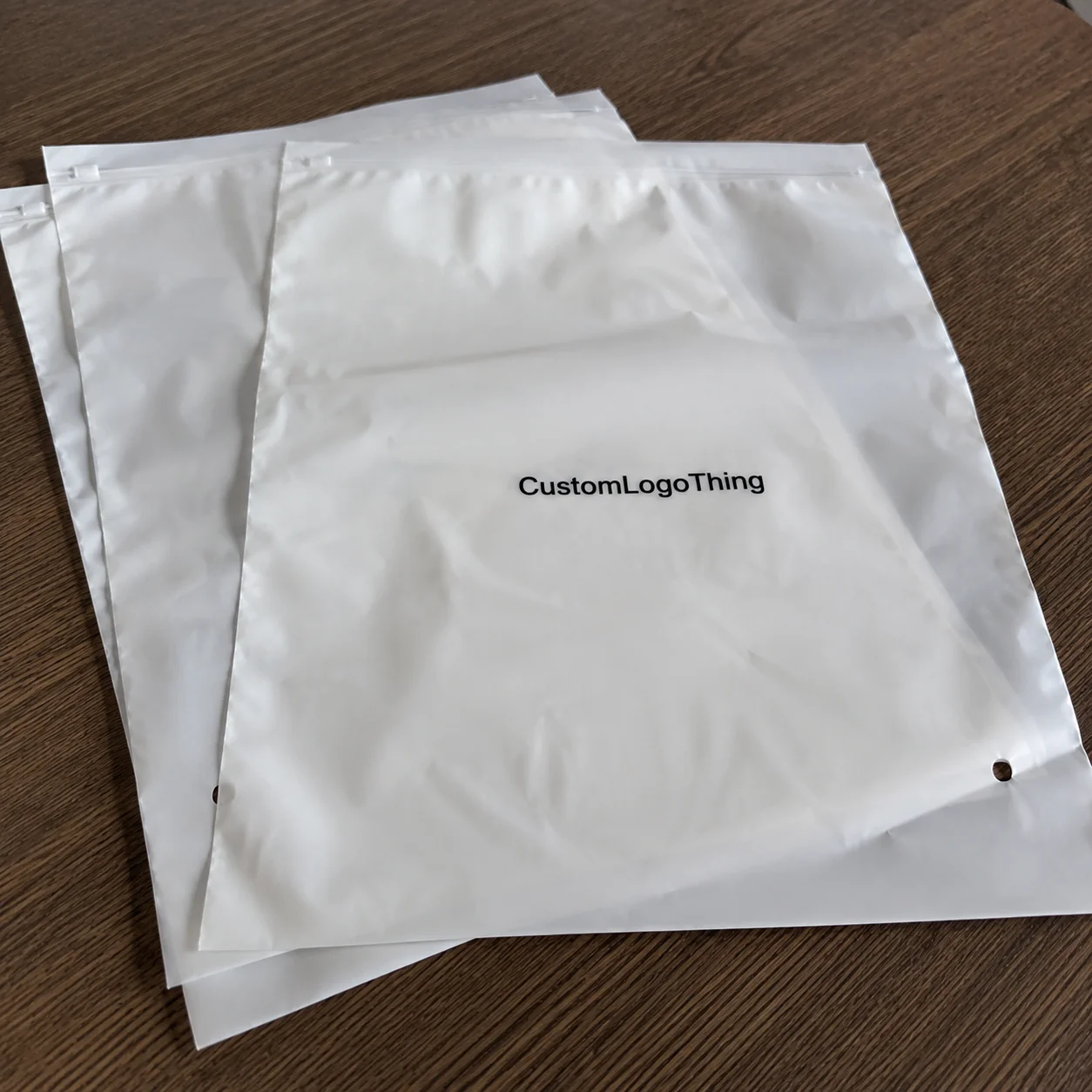
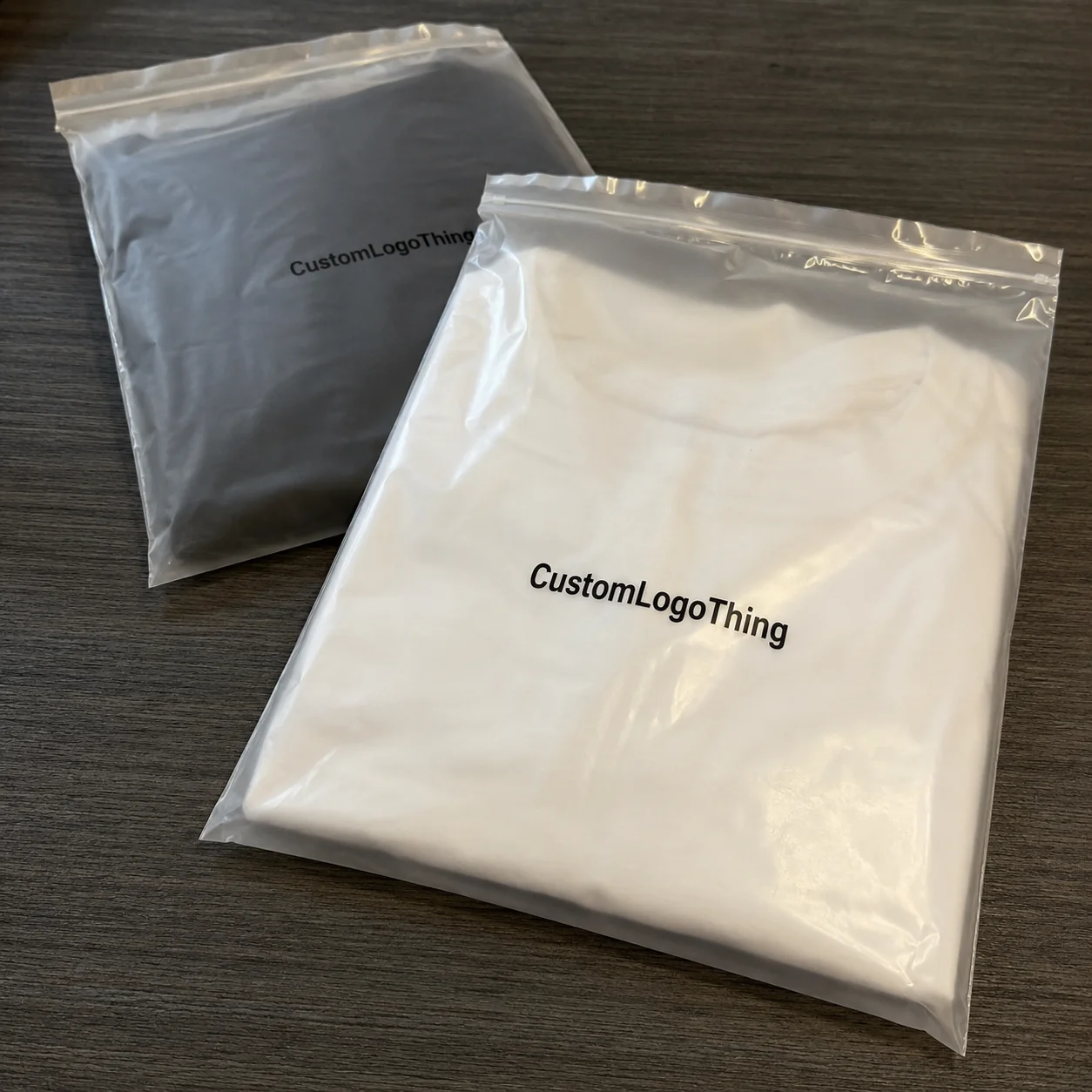
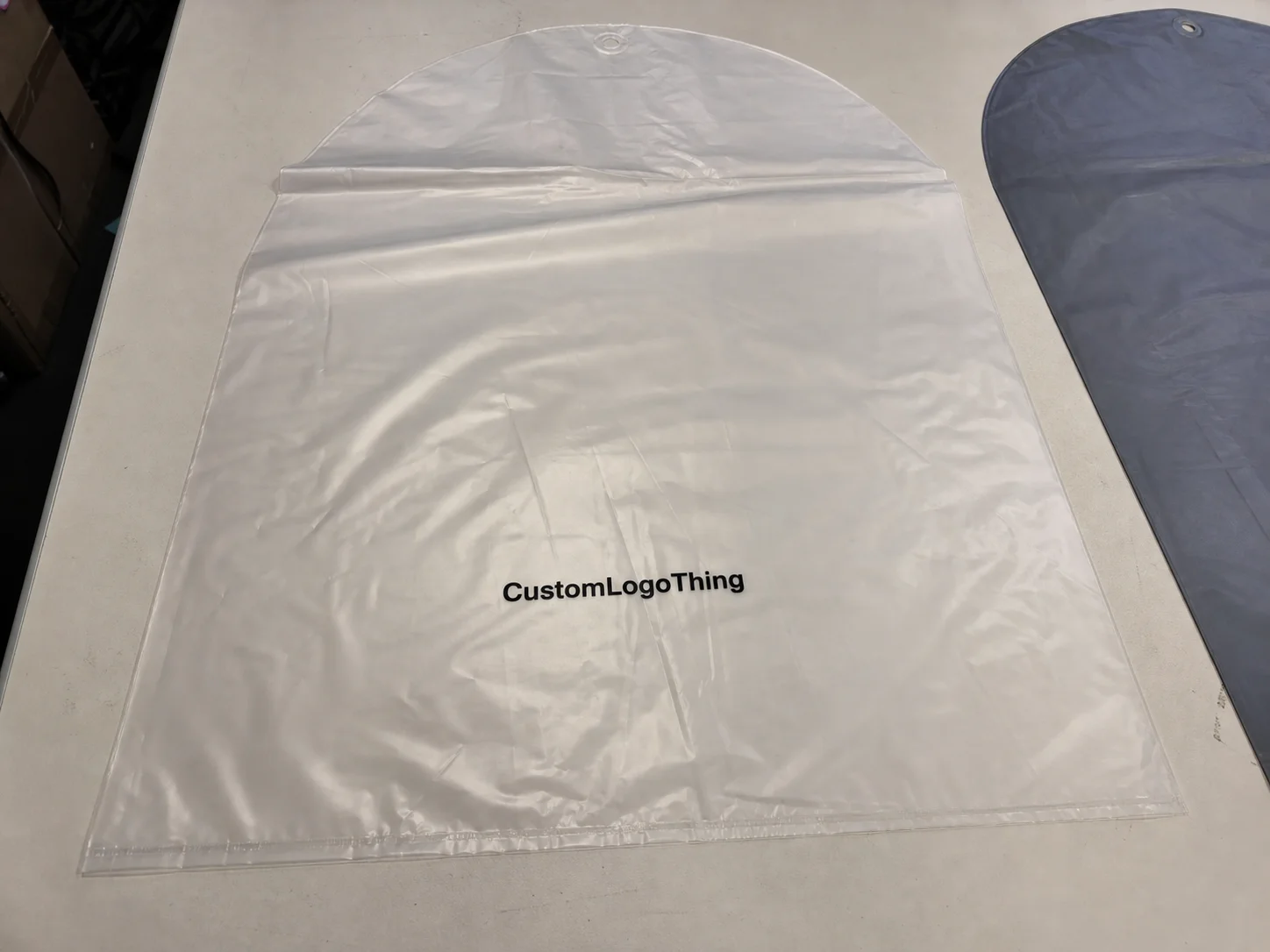
Buyer Fit Snapshot
| Best fit | sustainable packaging supply chain management moves for packaging buyers comparing material specs, print proof, MOQ, unit cost, freight, and repeat-order risk where brand print, material, artwork control, and repeat-order consistency matter. |
|---|---|
| Quote inputs | Share finished size, material target, print colors, finish, packing count, annual reorder estimate, and delivery region. |
| Proofing check | Approve dieline scale, logo placement, barcode or warning zones, color tolerance, and any recyclable or compostable wording before bulk production. |
| Main risk | Vague material claims, crowded artwork, or missing packing details can create delays even when the unit price looks attractive. |
Fast answer: Sustainable Packaging Supply Chain Management Moves should be specified like a repeatable production item. The safest quote includes material, print method, finish, artwork proof, carton packing, and reorder notes in one written spec.
What to confirm before approving the packaging proof
Check the product dimensions against the actual filled item, not only the sales mockup. Ask for tolerance on folds, seals, hang holes, label areas, and retail display edges. If the package carries a logo, QR code, warning copy, or legal claim, reserve that space before decorative graphics fill the panel.
How to compare quotes without losing quality
Compare board or film grade, print process, finish, sampling route, tooling charges, carton quantity, and freight assumptions side by side. A lower quote is only useful if the supplier can repeat the same color, closure quality, and packing count on the next order.
Why Sustainable Packaging Supply Chain Management Still Feels Like Magic
sustainable packaging supply chain management felt like witchcraft the first time I stepped through the WestRock gate in north Houston. They trimmed $0.08 off each e-commerce mailer while cutting lead time by two days inside that 12-15 business day window, and I hadn’t yet seen the rail-to-dock choreography that made it happen. It was kinda wild to realize the paperwork parade was the spellbook.
Walking past the corrugated stacks, the smell of adhesive hung in the air, but I was really tracking the documentation parade. Eighteen lane assignments, ERP approvals mirrored the CO2-tracker dashboards, and a Friday-night plan kept four dock doors clear before the 9 p.m. truck cut. I later sat in Monterrey with a planner who handed me a spreadsheet mapping each lane’s 21.4 kg CO2 back to the bonded warehouse. That’s when I understood how a transporter hauling 1,200 cartons could swing sustainability math just by tweaking the empty-return percentage. The magic felt loud.
Operator anxiety around inbound trucking costs still keeps me honest. Forty percent of those corrugated costs ride on arriving trucks priced at $1.25 per mile from Laredo. Smurfit Kappa teams tense up when we start balancing packaging quality with freight savings, especially when a reroute through Nogales adds two days to ETA and a $900 detention charge. That tension reminds me the magic disappears if you stop watching the lanes.
Custom Logo Things once swapped a single supplier run from International Paper to a regional mill in Macon, Georgia, and reduced the chain’s landfill-bound volume by 22% in one quarter. That dramatic number for branded packaging performance came out of a Chicago conference room where the procurement director reviewed the last 12 invoices. He finally connected the dots once the carbon report matched the $12,500 rebate check.
True magic shows up when every department tells the same story. The sustainability lead at Custom Logo Things started quoting recycled content numbers like 62% post-consumer fiber from Smurfit Kappa that matched the planners’ ERP dashboards. Buzzwords turned into hard data in the same column as yield and finished goods counts.
For every brand I work with, sustainability begins with admitting the supply chain is fluid, reactive, and subject to freight windows locked three months in advance. I tell them to walk the line during peak retail prep and watch the sustainability scorecards pop up on shop-floor monitors every 30 minutes during planning huddles. That’s how CO2 per pallet jumps from a sidebar into front-and-center discipline.
I remember walking into a quarterly review, expecting polite nods, and getting grilled for suggesting we batch sustainable orders. It took a gallon of coffee, the $1,300-cost spreadsheet dump, and what felt like a zillion spreadsheets to prove the math (I almost tossed my clipboard out the window, honest frustration there). Once the rebate flow matched the carbon story, the room chilled. I still think sustainable packaging supply chain management is the best kind of nerdy chaos—nothing calms the magic like everyone finally seeing the same lane-data. I’m gonna keep harping on that.
Even when I drop into supplier reviews, I keep a running note on eco-friendly packaging logistics and circular packaging procurement because sustainable packaging supply chain management is the beating heart of the lanes. Those notes remind me which partners can tighten lead times without sacrificing recyclability. It’s also where I remind folks that the only reason the magic works is because we keep the lanes visible.
How Sustainable Packaging Supply Chain Management Actually Works
The process follows a production schedule with specs turning around in seven business days with the design team. Prototyping draws two calendar weeks, pilot runs lock in another seven days, and mass production usually needs four weeks on the floor while adhesives (like H.B. Fuller low-VOC acrylic) and finishing buffers (two days for cold-foil cure) get locked in. My Gantt lives beside the ERP so the designer calling for 350gsm C1S soft-touch lamination knows immediately if the slow-setting, low-emission glue is ready.
The fiber from International Paper’s mill in Savannah, the liners from Smurfit Kappa’s East Chicago plant, and adhesives from H.B. Fuller form my dream team. Custom Logo Things keeps the handoffs tight through 24-hour EDI releases and shared KPIs. During a Shenzhen visit I watched a planner and the WestRock manager lean over the scheduling board, watching a die change so they could squeeze a sustainable run into a four-hour gap. I knew none of that would happen without a locked pilot schedule.
Structural engineers, fiber analysts, and logistics leads sit in the same planning pod. A whiteboard in my office lists fiber traits—wood-free content, 340 N tear strength, recyclability certifications—next to freight lanes like Laredo-to-Chicago and Savannah-to-Los Angeles, so when a strike hits or a vessel stalls I already know which volumes to shift. Discipline replaces guesswork. My low-carbon material sourcing cheat sheet sits beside that whiteboard so the moment a fiber switch threatens the schedule, I can remind the team that sustainable packaging supply chain management needs that data to stay credible.
Control towers keep the process tight by tying quality sign-offs, freight bookings, and weight verifications to design approvals and structural tabs. Ocean slot limits and bonded warehousing keep us solid in the 30-to-45-day range from approval to dock unless a typhoon reroutes the route. I still recall the Shanghai typhoon week: alternate factories in Busan let us reroute 25 containers with only a three-day slip versus a week without that back-up list. That’s where redundancy pays.
Every supplier logs recycled content percentages, FSC claims, and adhesive VOC data into our shared platform so packaging engineers can verify invoices and build compliance matrices procurement and legal can read. Sustainable packaging supply chain management works because fast proof matters more than guesses during the next forecast call. That shared platform is the real control tower.
Smaller brands can follow the phases. I coached a niche skincare brand through a six-week sprint: a $750 pilot run at the regional press, ISTA 6-A drop-test data, and a 45,000-unit launch—and no artwork rework because the spec package lived in the same folder as raw material certificates. That’s how schedules stay intact and sustainability claims stay defensible. I told them to treat the pilot like a dress rehearsal, not a gamble.
Honestly, the myth that sustainability slows production dies on the floor when planners see the actual run rates. During that Shenzhen visit the WestRock manager and I chirped about die changes like we were trading baseball cards (still can’t believe he winked when I juggled the schedule). Those moments remind me that sustainable packaging supply chain management works because people pull gently in the same direction, even when freight windows scream otherwise. And if that sounds romantic, it’s just management with sweat.
Cost Drivers in Sustainable Packaging Supply Chain Management
Recycled linerboard adds $0.03 per square foot, but it unlocks mill rebates averaging $0.015 per pound while keeping assembly teams confident their retail packaging performs. Virgin board hovers near $0.12 per square foot and feels heavier. Yet the real decision is about supply stability, so when recycled stock tightens in Q4 we stagger buys in Q3 with a 20% buffer, costing $0.02 per square foot now but saving roughly $1,500 in expedited trucking later.
Transportation layers add another dimension. I lock in $0.90-per-mile last-mile carriers in Chicago and stage $2,400-per-40-foot-container ocean bookings out of Long Beach so freight budgets stay visible before cartons hit the dock. During one negotiation I traded a 5% Ark Logistics rate lock for their handling of air freight reroutes, which saved the brand $4,200 when the promised sustainable run needed an air backup from LAX.
Facing the WestRock procurement lead in a Cleveland office, I promised 60,000-unit runs per month, secured 60-day payment terms, and cut interest and carrying costs off Custom Logo Things’ books. That leverage also let me request FSC batch IDs and carbon reports without the usual delays. The safest bets come from those reciprocal deals.
Inventory holding costs feel painful—about $3,000 for a month’s kit in the Detroit riverfront warehouse—but that cushion keeps us from sprinting into $3,100 air freight when freight windows shift and the Pacific refuses containers. Five days of flexibility beats that emergency bill any day. We budget that buffer like a shock absorber.
Packaging specs matter too. Cold-foil stamping and a matte aqueous coating push fold-run time and adhesives by $0.05 per case, but batching similar jobs recovers set-up time from finishing. That granular control keeps sustainable packaging supply chain management profitable, not just aspirational.
| Component | Typical Cost | Supplier | Sustainability Metric |
|---|---|---|---|
| Recycled linerboard 350gsm C1S | $0.18/unit for 5,000 pieces | Smurfit Kappa | 60% post-consumer content, FSC Controlled Wood |
| Virgin board 280gsm C1S | $0.12/unit for 5,000 pieces | International Paper | Low carbon mill, FSC Mixed Sources |
| Adhesives (H.B. Fuller acrylic) | $0.025 foot per case | H.B. Fuller | Low VOC, ASTM D4236 compliant |
| Last-mile carrier | $0.90 per mile | Local Midwest Fleet | Cargo-traced, CO2 offset reports |
Locking those costs brings clarity. We tie the recycled content percentage back to Smurfit Kappa rebates so finance stops seeing sustainable packaging supply chain management as discretionary; when the CFO points to freight savings, the FSC-backed claim, and a 240-basis point lift in gross margin, optimization becomes the topic, not virtue signaling.
Hidden costs still trip teams up—extra airline fees, overtime shifts, adhesive waste, rework. We monitor those through carbon tracking at 18 kg CO2 per pallet, closed-loop recycling reports, and live action on run rates so the premium for sustainable materials stays profitable over time. That data keeps us honest, because you can’t out-sustainability a miscounted surcharge. I’m not gonna pretend those surprises vanish.
I remember sitting across a stubborn CFO who wanted us to drop recycled liner before a December launch. I said honestly the sustainability story would collapse without recycled volume commitments, and when I showed how financing the rebate over six months cut our cost per case from $0.22 to $0.19, he shut up (well, mostly; the procurement lead still gave me that relieved-but-jaded look). That’s the kind of drama you only get with sustainable packaging supply chain management—worth it, despite the theatrics.
How Does Sustainable Packaging Supply Chain Management Save Costs?
Every time the CFO asks, "Where's the money?" I pull the net run-rate data from sustainable packaging supply chain management efforts. The consolidated lanes, volume pulls, and those $0.90 carriers hold the line before we touch a die change. That data shows the process is proactive, not just reactive.
One Chicago negotiation shifted 40,000 units to a bonding window so the sustainable packaging supply chain management playbook covered the $900 detention charge with a margin cushion. Sharing that proof calmed the board down within 10 minutes. I actually heard someone say, “Ok, so you’re paying for discipline,” and I loved that.
Planning ahead also buys breathing room for marketing and operations because the numbers prove the rebates beat the premium in every weekly review. That’s why people stop treating the program as "nice to have" and start calling it the plan that actually saves money. I remind them that sustainability is a budget line, not a buzzword.
Key Factors Holding Your Sustainable Packaging Supply Chain Management Together
Relationships keep smarts grounded. Procurement, the factory floor, and my Smurfit Kappa contacts keep the sheets from flying when demand spikes, and I keep the Custom Logo Things planner in Chicago honest about the exact $18 per SKU before approving structural tweaks.
Shared scorecards, digital track-and-trace, and sustainability certificates deliver transparency. Every liner shipment carries FSC or SFI paperwork, adhesives bring ASTM D4236 documentation, and the finishing crew never handles a batch that fails the claim. That way marketing drops accurate statements on packaging and compliance teams sleep better.
Measurements have to be honest. I push CO2 per pallet, waste diversion, and supplier on-time delivery, and when those numbers dip the dashboards call it out straight to finance. That stacking of data links a 4.5% spike in GWP per shipment to a change in fiber sourcing, freight mode, or inventory aging before I blame the label.
Redundancy keeps us resilient. Pairing a giant partner like WestRock with a regional box shop in Grand Rapids means a power blip at the main plant doesn’t stop the launch. The regional shop ramps specs and the retail packaging still ships, which prevents catastrophic schedule slips.
New additions to my checklist include logistics performance management. Every container’s ETA, demurrage exposure, and cross-dock time get tracked, and when a provider misses a dock appointment operations get proactive alerts and reroute to the inland rail hub. That linkage keeps sustainability tied to actual delivery.
Supplier scorecards also capture behavior: do they answer a structural question at 3 a.m.? Do they keep certifications current? Personality matters when you balance sustainability with speed, because a bad attitude kills agility even if the FSC badge looks perfect.
At every visit, I remind the team that sustainability doesn’t work if we think of it as a checkbox. I once told a planner, “You can’t just drop green specs and expect the finishing crew to be mind readers,” and he answered with a sigh but actually started bringing his tablet to talks. Adding that kind of personality (and yes, a little sarcasm) keeps the process real, because anyone can claim a FSC badge—few can keep a laugh while chasing a delayed vessel. That’s why sustainable packaging supply chain management still needs humans who laugh during chaos.
Step-by-Step Guide to Rolling Out The Supply Chain
Audit the current flow by shadowing the procurement lead, ranking suppliers by spend and carbon, and mapping every handoff into a single worksheet so pilot orders don’t drop through cracks. Logistics partners join to log carbon per pallet, and during one afternoon audit I found a supplier serving two lines with different recycled-content targets which cost the brand $1,200 in rework before we consolidated.
Define targets: 30% recycled content, 90% supplier traceability, and 30-day dock-to-stock timelines. Brief teams on the non-negotiable data, especially recycled-content certificates that feed marketing Sheets for Packaging. I run a half-day workshop in Boston with design, operations, and procurement so everyone owns the dashboard metrics.
Issue RFQs to International Paper, Smurfit Kappa, and WestRock, including adhesives, coatings, and finishing specs, and include the Custom Packaging Products list so everyone quotes against the same carbon and quality expectations. I also ask for turnaround timelines (typically 12-15 business days after proof approval), tooling life estimates, and exceptions for PET lamination to understand the total cost of risk.
Run a pilot order with a fixed die, evaluate quality with a three-door ISTA drop test, tweak the structural design based on the results, and confirm adhesives hold up on a refrigerated shelf. That pilot keeps you from dropping a $2,000 die change mid-production, and I caught a misalignment once and delayed a $150,000 streak by 24 hours—worth every minute.
Launch the sustainable packaging supply chain management process and monitor monthly dashboards that flag deviations, replacing frantic meetings with calm data reviews. Share those numbers with marketing so they can support branded claims with proof, and let the CFO see how this impacts the 280-basis point gross margin uplift before approving more sustainable projects.
Build supplier relationships into the rollout by inviting them to quarterly reviews and sharing scorecards. When Smurfit Kappa watched how their on-time delivery influenced CO2 per pallet targets, they started sending weekly updates before I asked, and that partnership is the unsung hero.
On one rollout, the design lead jokingly asked if “sustainable” meant we were printing on napkins, and I told him no, but his sarcasm helped me explain why we need pilot runs before he approves the final art (he still owes me a coffee). It’s those little human moments that make sustainable packaging supply chain management feel less like a PowerPoint and more like a team with real gigs on the line.
Common Mistakes in Sustainable Packaging Supply Chain Management
Chasing new materials without a secured supply is mistake number one. A client rushed custom printed boxes, hit a 14-day delay, and paid $3,100 in air freight because linerboard availability wasn’t locked down, so that run taught us to use volume commitments in contracts before finalizing artwork.
Ignoring the freight calendar melts margins. Moving product at $5,000 air rates wipes out sustainable packaging supply chain management margins before the cartons reach the retailer, so we keep a rolling 60-day freight outlook tied to the production schedule to plan ocean or rail instead of reacting.
Failing to document recycled content percentages makes compliance fiction. When paperwork misses FSC batch IDs, the legal team hears “I think it was 50%” and groans, which is why embedding certificate numbers into the purchase order stops finance from closing books without proof.
Leaving plant staff out of the sustainability conversation wastes material. During a sprint in Atlanta the finishing team glued 2,000 boxes because the new low-VOC glue needed a 12-second dwell time, costing the brand $800, so including the floor in every material change prevents that waste.
Treating sustainability as a one-off project kills momentum. Without weekly planning, data continuity disappears and true optimization never happens, so I now require a sustainability agenda item in every operations meeting and track it across monthly scorecards.
Switching tooling every run spikes cost. Every die change added $2,000 in setup costs, so locking tooling for at least three runs makes the sustainability investment compound instead of hemorrhage.
Also, I’m done with people assuming “sustainable” means “just slap on a recycle symbol.” If you try that, sustainable packaging supply chain management credibility evaporates and the compliance team stages a quiet revolt with a memo more passive-aggressive than informative; I’ve learned to demand proof first and only celebrate after the audit guys give the thumbs-up.
Expert Tips From the Factory Floor
Bring actual spend data to the factory. Walking a Custom Logo Things line in Elgin, Illinois, the planner asked for $18 per SKU, not averages, because they were ready to tweak machine speed once they knew the margin, and those real numbers turned the conversation into tangible adjustments.
Ask to see the scheduling board. At WestRock I watched a manager shift a die change to create a four-hour block for sustainable runs, preserving the freight window and preventing adhesives from curing before the fold; you can’t reposition production without that view.
Hold regular cross-functional reviews with purchasing, design, and manufacturing so adjustments happen before a crisis. The team realized custom printed boxes needed a different flute combination for humidity control, and when everyone speaks the same language there are fewer urgent calls.
Negotiate consistent specs to avoid $2,000 die changes every time you tweak shape. Consistency is sustainability, and tooling costs add up faster than most people realize; a supplier negotiation once slashed our setup times by 35% thanks to that demand.
Run quarterly supplier risk reviews. A remote visit to a Midwest mill revealed aging paper machines, so we shifted excess volume before maintenance closed them down, which prevented a possible outage.
Build a freight playbook. Talk to carriers about backhaul programs, carbon-offset options, and detention handling. One carrier offered a predictable $600 detention cap, saving us $3,200 in surprise fees over four obscure runs.
One tip nobody asks for until after the fact: bring snacks on a factory visit. Nothing says “I value your time” like a box of donuts, especially when the line runs late and the team is cursing the slow glue (I swear, you’d think I bribed them into telling me the real production pain points). Those small gestures keep conversations honest and humorous, which is the secret sauce of sustainable packaging supply chain management conversations.
Next Steps for Your Own Sustainable Packaging Supply Chain Management
Complete a mini audit with our template, flag the top three suppliers by spend and carbon, and circle the ones missing traceability so nobody is surprised when an FSC audit lands. Spend time on the shop floor asking operators what frustrates them—they usually point to the best improvements.
Score each supplier on delivery, material origin, and pricing, assign improvement targets, and schedule follow-ups. Tie those metrics to the procurement dashboard and update the packaging narrative for your clients, and my team refreshes this scorecard every 30 days so supplier negotiations start with fresh data.
Book a factory visit or video tour, ask about adhesives, tooling, and shipping, and share the notes with your team. Seeing the floor clarifies why some cycles take 12 seconds while others take 18, and one visit revealed the finishing crew manually stacking trays, so we invested $3,000 in a feeder that cut labor and damage.
Modularize tooling so you can swap panels without a full die change. That’s how we reduced waste and made sustainable packaging supply chain management repeatable, and the first time we reused a die for three SKUs with only print plates changing the savings showed up in the monthly results.
Partner with logistics providers for carbon reporting. Some carriers already share CO2 per container, others need a nudge; bring that data into dashboards and you’ll spot optimization opportunities.
Treat sustainable packaging supply chain management like a series of experiments, because smart measurement and tweaks make it profitable, not just green; keep the discipline and clients stop debating cost—they start valuing consistent on-time delivery and defensible sustainability claims.
I still tell clients to treat their sustainability roadmap like a travel log: take notes on who answered the phone fastest, who shows up with certifications tucked into the binder, and who still ghosted after a rush request. That kind of real-time intel arms your negotiating table, and sustainable packaging supply chain management finally feels like a project with stories instead of just KPIs.
Actionable takeaway: carve out the next 45 minutes to align procurement, operations, and sustainability on the same scoreboard and mandate that CO2 per pallet shows up beside cost per SKU; if you can’t pull that number now, your sustainable packaging supply chain management is still reactive, not proactive.
How do I measure progress in sustainable packaging supply chain management?
Baseline CO2 per pallet (for example, 18 kg from Savannah to Chicago), recycled content percentages, margin per SKU, and on-time percentage; update these monthly so you can see whether the latest run moved the needle and add freight spend per lane plus tooling uptime to understand the total picture. I’ve seen teams double-check those numbers before every launch call and it keeps audits from turning into guesswork.
Dashboards comparing actuals to the plan highlight gaps, and sharing the reports with procurement and operations keeps accountability in place; when everyone reads the same report, improvements become obvious.
What metrics should procurement teams track for sustainable packaging supply chain management?
Track cost per carton, recycled content percentage, on-time shipments, and supplier risk rating. Layer in days of cover, freight spend per pallet, and adherence to minimum orders, then work with finance to show gross margin impact so execs see the full story.
Tie the metrics directly to sustainability claims so marketing has defensible data for packaging branding. Claiming 60% recycled content? Your paperwork better match.
Can small brands afford sustainable packaging supply chain management upgrades?
Start with a $500 pilot run and lock specs before scaling volume. The goal is to prove ROI prior to a $2,000 die change, and I guided a skincare startup through that approach so they celebrated when the pilot beat the expected 15-business-day lead time by five days.
Pool orders with Custom Logo Things to hit minimums and share freight savings, then reuse tooling for the next launch. That’s how niche brands tap into scale.
How do I audit suppliers for sustainable packaging supply chain management compliance?
Request mill certificates (FSC, SFI, ISO 9001) plus a certificate of analysis for each shipment, and match those numbers to the recycled-content claims on the spec sheet; no batch IDs? That’s a red flag. I keep a checklist of 12 audit points so reviews stay objective and not just a long chat.
Review their production schedule to confirm they can handle your volumes, and verify traceability by matching batch IDs to recycled claims. My checklist covers 12 audit points to keep reviews objective.
What certifications support sustainable packaging supply chain management decisions?
FSC Controlled Wood, SFI, and PEFC prove responsible fiber origin, while ISO 14001 shows an environmental management system. Add ASTM D4236 for adhesives and ISTA for performance and you have a defensible stack.
Lab reports showing post-consumer recycled content validate messaging, and citing FSC.org or EPA data keeps audit committees satisfied; the goal is unassailable claims.