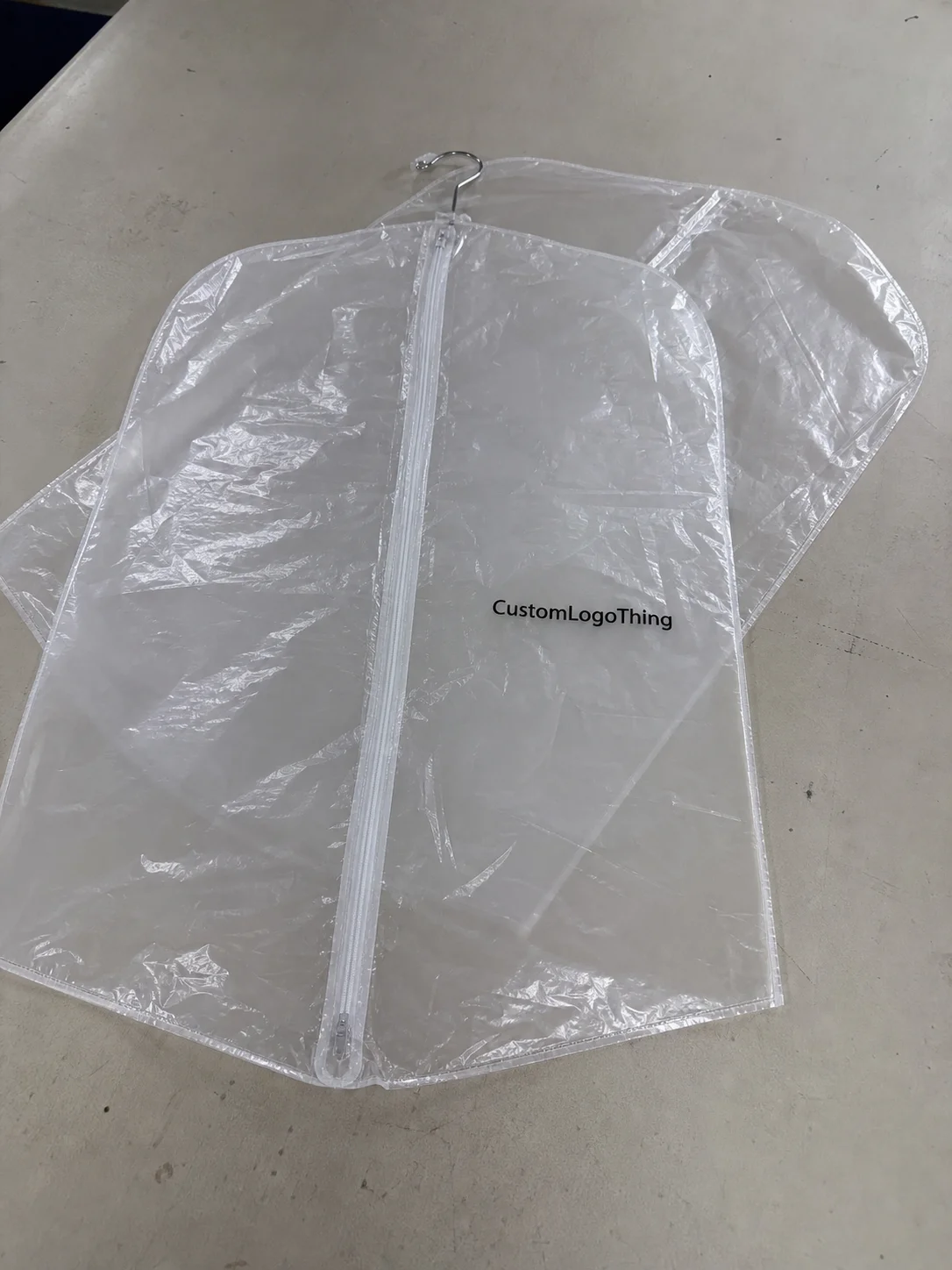
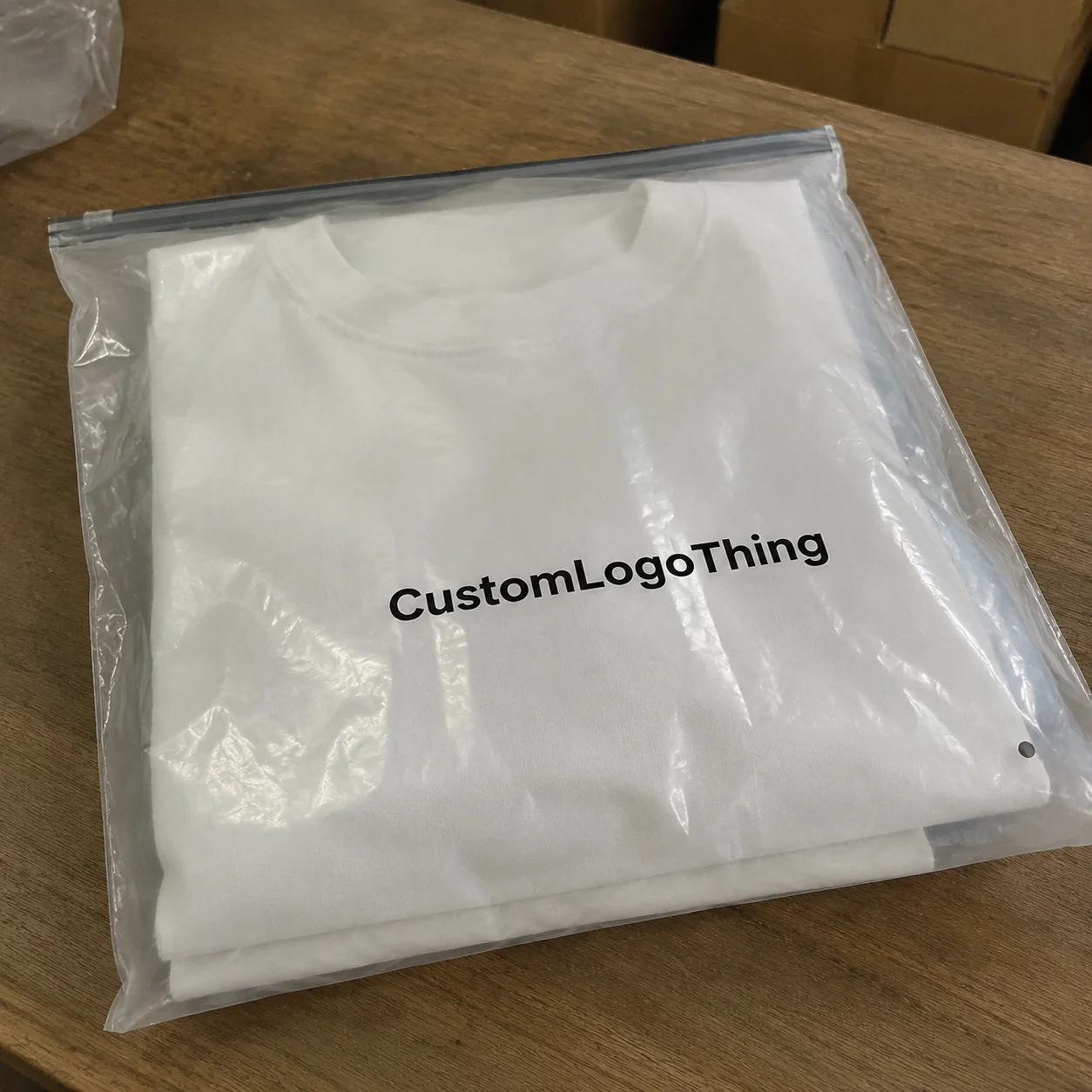
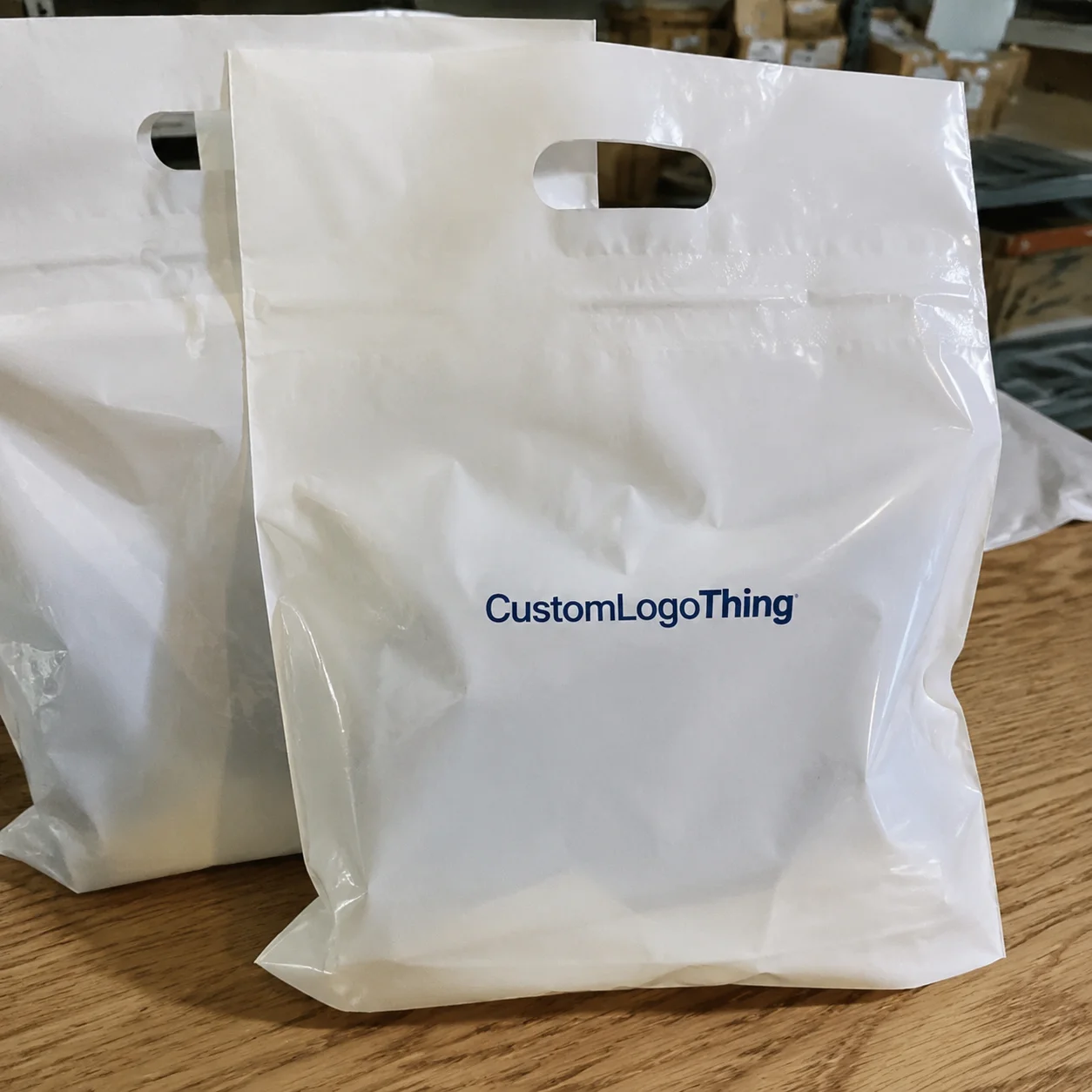
Buyer Fit Snapshot
| Best fit | Sustainable Poly Mailers for Holiday Gifting Tactics projects where brand print, material claims, artwork control, MOQ, and repeat-order consistency need to be specified before quoting. |
|---|---|
| Quote inputs | Share finished size, material target, print colors, finish, packing count, annual reorder estimate, ship-to region, and any compliance wording. |
| Proofing check | Approve dieline scale, logo placement, barcode or warning zones, color tolerance, closure strength, and carton packing before bulk production. |
| Main risk | Vague material claims, crowded artwork, missing packing details, or unclear freight terms can make a low unit price expensive after revisions. |
Fast answer: Sustainable Poly Mailers for Holiday Gifting Tactics should be specified like a repeatable production item. The safest quote records material, print method, finish, artwork proof, packing count, and reorder notes in one written spec.
Production checks before approval
Compare the actual filled-product size with the drawing, then confirm tolerance on folds, seals, hang holes, label areas, and retail display edges. Reserve space for logos, QR codes, warning copy, and material claims before decorative graphics fill the panel.
Quote comparison points
Review material grade, print process, finish, sampling route, tooling charges, carton quantity, and freight assumptions side by side. A quote is only useful when the supplier can repeat the same color, closure quality, and packing count on the next order.
Sustainable Poly Mailers for Holiday Gifting: Why I Still Bring Samples
A Shenzhen line walk-through remains vivid because the Midwest gift box buyer insisted on weighing every mailer and proved the recycled poly mailers for holiday gifting were only $0.03 heavier while delivering 25% more heat tolerance—so the story already starts with the sustainable win before we even hang a bow. I remember when he held up the scale like it was a trophy, murmuring, “If the numbers don’t line up, no matter how pretty your bow is, no one hears the sustainability pitch,” and honestly, that was the moment I stopped assuming good intentions would outrun data. The 16A extrusion line at the Longhua factory was running 18,000 units per day, and the extra $0.03 per unit still kept the freight density below the 12-pound pallet threshold that would trigger a higher tariff in Chicago, so yeah, those little metrics matter.
The buyer’s mantra was simple: numbers win over hearts during the holidays, and he made me track 5,000 custom mailers from Shanghai Tianyi Packaging. Swapping virgin film for post-consumer resin pushed tensile strength while keeping their foil logo crisp, and those glossy, numbered swatches became my travel companions for every subsequent meeting—yes, even the coffee run across the river where the barista asked why I was carrying a laminated sheet like it was a passport. That run shipped via the 12-15 business day ocean lane from Shanghai to Los Angeles, so the sample was the only proof that the resin invoice matched the ASTM D6400 paperwork before the dock appointment, and it meant we could confirm adhesive compatibility before the real line went live.
The ratio of recycled content to tensile strength keeps me grounded because the holiday spike doesn’t forgive surprises. A West Coast boutique line needed 5,000 units with custom foil logos for a December launch, so I leaned on Shanghai Tianyi’s lab data showing PCR resin meeting ASTM D6400. We accepted the $0.12 premium for their post-consumer blend sourced straight from the PCR-certified resin pump instead of a vague “recyclable” claim, which kept the fulfillment team from reprinting and saved me from having to explain, again, why “recyclable” on a spec sheet isn’t enough. The tensile gains paired with the AIM compliance report made even the skeptics nod when I pointed out the adhesives had already passed a 250°F dwell test.
Urgency skyrockets during holiday gifting, and proof books from those Shenzhen line visits still live in my bag to remind everyone that the $0.12 difference keeps the handling cost under $3 and avoids the $4 rush air freight that initially threatened the schedule, so yes, my tote does feel like it’s auditioning for a luggage competition every December. That $4 rush option was only considered when a 10-day delay at the Port of Los Angeles put the December 15 retail window at risk, so the tactile proof prevents new vendors from labeling the Sustainable Poly Mailers for holiday gifting as a “maybe” during the first call. The samples also let me highlight adhesive lot numbers, align them with the QA gate, and keep every department in sync, which is how we keep the holiday line calm when everything else is chaos.
How Sustainable Poly Mailers for Holiday Gifting Actually Work
Construction relies on precise layering rather than mystique. I usually start with a 30 to 40 GSM outer film crafted from PCR polyethylene or a PLA blend, followed by a moisture-lock adhesive strip from 3M 300LSE, compostable inks such as Sun Chemical Emerald 3 that survive heat sealing, and a tear-resistant reinforcement that meets USPS dimensional specs. The finished stack holds up to 1,600 psi tensile strength and seals at 230°F, so there’s no mystery—just methodical assembly vetted against the factory’s QA checklist and reinforced by the lab’s ISTA 6-A results.
Layering becomes critical once holiday volumes spike and mailers move from laminator to finishing line within hours. Our Guangzhou Ningbo shop dropped the usual 48-hour cure time after a Taiwanese supplier kept a resin truck waiting for three days during ISTA 6-A verification of Eastman Chemical’s PLA blend, and the new process now mandates a straight-through time of 14 hours from film extrusion to finishing. Every holiday run now passes a QA gate that measures melt flow index (MFI) at 1.5 g/10 min and tear strength at 12 lb/in before the mailers touch tape, because nothing says “holiday nightmare” like a batch needing reworks while wrapping paper piles up behind you. Keeping those stats posted next to the line makes it easier for the crew to feel accountable, too.
Post-consumer resin has taken the place of virgin polyethylene, often blended with 15% PLA additives sourced from a Memphis Eastman facility. A Taiwan floor visit taught me to demand certificates and cross-check melt index measurements after a resin truck sat for 72 hours while the lab confirmed recycled content, and those extra steps kept the holiday mailers compliant with USPS tolerances while documenting the 25% PCR content, even though the plant engineer looked at me like I’d asked him to choreograph a ballet on a gelatinous conveyor belt. The extra verification also saved a Fortune 500 account from a compliance audit hiccup by proving the resin matched the invoice before shipment.
Compressed lead times make the usual overnight cure impossible, so batches move straight from laminator to finishing line wearing heat-transfer labels that include recycling icons approved by the local post office. Fast-drying adhesives and inks matter, which is why I prefer the Sunbury Packaging press with its 12-second UV drying cycle instead of waiting on extension tables to clear—waiting around for ink to dry is basically my least favorite form of industrial meditation (please, no more). The goal is to keep Sustainable Poly Mailers for holiday gifting moving before someone yells that the belt is full, and the fast cure keeps the QA team confident about every lot number stamped on the carton.
Key Factors When Choosing Sustainable Poly Mailers for Holiday Gifting
Material origin remains the decisive detail beyond the marketing buzz. Suppliers such as Eastman Chemical provide PCR resin certification from Kingsport, Tennessee, and customs agents pull those files during inspections, so keep copies. (I literally file them with binder clips labeled “holiday armor.”) Compostable claims require the PLA blend formula and ASTM D6868 cert so auditors see the tangible proof instead of just an eco icon, and I always remind the team: a certificate in hand beats a story on a headline. Including the supplier’s lab report in the QA packet also insulates us when a compliance call comes from a retail partner expecting their own documentation.
Thickness affects both tear resistance and recyclability, meaning thicker can still be eco-friendly but must stay balanced. After an ink migration issue at Guangzhou Ningbo, my QC team increased sampling from 10 to 50 bags per lot and caught an 8% adhesive failure run before the rush began. Asking for tear resistance data expressed in grams per inch (we aim for 300 g/in) helps ensure the durable mailer still meets recycling goals, and it gives me another chance to say, “We’re not just wrapping gifts, we’re protecting budgets.” Those data points also feed into our fulfillment dashboard so ops can forecast breakage rates ahead of the December swell.
Print and finishing choices directly influence holiday accuracy. Water-based or soy inks that dry quickly keep the heat-sealing line moving without slowing for drying racks. A press run at Guangzhou Ningbo only proceeded after they proved the ink wouldn’t smudge at 250°F, which spared a $2,500 reprint and kept the shipment on schedule—despite the designer’s insistence that “matte shimmer” was non-negotiable. The same goes for adhesives; specifying a strip that bonds at 230°F instead of standard 180°F gives us margin when the line runs hot.
Bring an ISTA 6-A report or a sample from a previous job, add FSC-certified tissue, and highlight recycled tape to show sustainability is a system rather than a checkbox. Marketing directors and compliance officers respond when the narrative links the mailers to the rest of the holiday kit, and I like to remind them that sustainable poly mailers for holiday gifting are the handshake between brand values and fulfillment realities (yes, I can hear the skeptics grumbling already, but the proof is in the carton). Sharing this holistic view makes it easier for procurement to advocate for the slightly higher unit cost.
Cost & Timeline for Sustainable Poly Mailers for Holiday Gifting
Base material costs start at $0.22 for a 12x15 PCR mailer versus $0.18 for a standard version, plus a $0.05 custom logo surcharge and $0.03 for biodegradable adhesive strips. The last 10,000-piece run hit $0.30 per bag after freight, duty, and handling. Shanghai Tianyi Packaging added a $0.13 surcharge per pallet for expedited PCR resin, allowing us to stay on the timeline without compromising certification. That $0.13 was the price of peace when a marketing team was eyeing the December 5 window and needed assurance that the resin pump would run again in Week 46, so these fees really are investments in predictability.
Breakdown of actual costs and fees:
| Component | Sustainable Option | Standard Option | Holiday Rush Consideration |
|---|---|---|---|
| Film (12x15) | $0.22 per mailer (PCR blend) | $0.18 per mailer (virgin PE) | Higher melt point avoids seal failures |
| Custom Print | $0.05 with soy ink | $0.03 | Digital twin proofs reduce color redlines |
| Adhesive Strip | $0.03 biodegradable adhesive | $0.02 standard | Holds at 250°F without migration |
| Logistics | $210 express rail (LA) | $180 standard rail | Holiday backlog adds 7 days |
Timelines become non-negotiable once shelves fill with holiday packages. Tooling and printing take four weeks, followed by five days of QA, seven days of ocean transit, and an extra seven days for the backlog. Shenzhen docks freeze in December, which is why our factory contact insists on a 35-day buffer; missing it last season triggered a $1,200 air freight charge for a brand that arrived too late. Express rail into Los Angeles also carries a $210 surcharge when everyone books the same window, so paying that is like reserving the last sleigh slot, and the carriers actually appreciate the advanced visibility.
Another lesson came from locking slots early. The press refused to promise a Week 48 run without a 50% deposit, so we pay Shanghai Tianyi Packaging $350 upfront for the PCR blend commitment and $210 for freight. That buffer keeps the holiday surge from forcing the $1,200 “emergency surfacing” fee and ensures the gift boxes and sustainable poly mailers for holiday gifting arrive when the marketing team is ready, which is the real MVP of the season. Honestly, spending an extra few hundred now beats explaining a delayed shipment to retail partners and watching the reorder window close.
Step-by-Step Guide to Ordering Sustainable Poly Mailers for Holiday Gifting
Define your specs—size, weight range, closure type—and send them to multiple suppliers so you can compare the PCR grade they can supply within your window. I usually benchmark Shanghai Tianyi Packaging against Sunbury Packaging to lock in resin certification, tensile strength targets near 1,600 psi, and mold release timings of 45 seconds, which in my experience keeps the “We forgot to mention” emails to a minimum. Gathering that data in one spreadsheet also keeps procurement from chasing conflicting numbers.
Request physical swatches tied to certifications. The SwagPak samples living in our office drawer passed the first 36-inch drop test without popping, so we use them as baseline proof during holiday calls. Photograph the sample with the certificate number and text the QA team the ASTM D6400 number and supplier lot before final approval, because nothing ruins a holiday send like tracing a phone call for a batch number. Those swatches help illustrate why we chose recycled films instead of just saying “eco” during the first design review.
Finalize artwork with the printer, including bleed, registration marks, and finish preferences. Schedule a press check before the holiday ramp-up, especially if metallic inks or foils are involved, as they tend to migrate when the heat sealing line runs above 230°F. Working through us links you to the Custom Poly Mailers spec sheets and confirms adhesives such as 3M 300LSE at this stage, so you can stop worrying that your logo will melt into a glitter puddle. The press check also lets marketing see the mailer before the entire batch rolls out, which calms everyone who fears color surprises.
Approve a pre-production sample, lock in the production slot, and confirm the shipping plan so the mailers arrive before gift-box assembly begins. Request digital twin proofs to avoid the $650 redline charge when something is off, then schedule QA inspection, keep the freight windows open, and remind your teams that sustainable poly mailers for holiday gifting remain the focus to keep everyone aligned. I even schedule the next call for December 1 so the pre-production sample can travel with the rest of the pack, and that follow-up keeps the momentum going without overloading anyone.
Common Mistakes with Sustainable Poly Mailers for Holiday Gifting
Skipping PCR certification is a silent killer. One client received mailers that looked recycled but failed polymer melt testing because the resin was only 10% PCR, costing $2,200 in reprints plus the headache of backtracking their sustainability story. I wanted to shake their planner—gentle reminder, everyone—paper doesn’t compost itself. Keeping a digital folder with verification scans prevents that backslide when new team members jump in.
Ordering too late triggers emergency surfacing fees. I watched a DTC brand spend $1,200 to overnight 2,000 extra mailers after missing the holiday production window, losing sales every day while the air freight invoice cleared—the sustainability story vanished inside that chaos, and so did my patience for last-minute edits. Planning the slot in August or September avoids that scramble, even if it feels far-off at the time.
Overcomplicating designs with incompatible metallic inks happens again and again. After the biodegradable adhesive strip refused to bond with a foiled logo at 180°F, we added adhesive compatibility to the pre-flight checklist, avoiding three reprints on the next holiday cycle. Honestly, the only thing worse than a reprint is explaining why the adhesive hates your chosen shimmer, so we keep the designer close to the QA walk-through.
Not every mistake is avoidable, but miscommunication around certifications, timelines, and inks is on you. Auditing specs early and engaging suppliers like the ones featured in our Custom Packaging Products lineup keeps the holiday rush from turning into a scramble—and keeps my blood pressure at a manageable holiday baseline. Every quarterly QA walk now logs resin batch numbers, adhesive lot numbers, and the 35-day lead notes so the next holiday run starts with accurate data. When the math is right, the rest just follows.
Expert Tips for Sustainable Poly Mailers for Holiday Gifting
Negotiate volume breaks with Shanghai Tianyi and Sunbury Packaging. A multi-month commitment unlocks a 3% discount at 25,000 pieces, improves PCR resin scheduling, and keeps pricing predictable. I’ve found those longer commitments calm down operations and marketing alike (they appreciate not pivoting on a Tuesday afternoon). Locking that volume also lets us forecast adhesive needs and avoid the panic that hits when someone says “we need more” on a Friday.
Ask for digital twin proofs from the press so you approve color before the run begins. That practice saved a $650 redline when the Pantone 186C magenta looked off after the holiday lighting changeover and calmed marketing with an early visual marker. Plus, I like to joke that it’s the closest thing to a rehearsal for the mailers’ big debut. Those proofs also show QA the bonding area, so they aren’t surprised when the line speed increases.
Bundle mailers with compostable tissue or recycled tape. Fulfillment partners prefer an “Eco Fulfillment Bundle” pallet that includes mailers, tissue, and tape, which keeps the marketing narrative sharp during the holiday rush—and helps fulfillment avoid scavenging for compatible tape at midnight. We typically build 12 pallets of 5,000 units each, so having the bundle ready saves three hours of nightly material hunting at the LA rail yard. It’s also a nice cross-sell for the fulfillment team to offer to clients who want the full sustainability kit.
Keep audits current. During a quarterly factory walk, I caught a press run using a standard adhesive because the team assumed a quick run could get by. That mistake cost a week of production and $210 in change orders. Now every visit records resin batch numbers and aligns with EPA recycling guidelines, so when I ask for the batch slip, I’m not being dramatic—just paranoid in the best way possible. Staying meticulous keeps the season from derailing when the orders spike.
How do Sustainable Poly Mailers for Holiday Gifting Keep the Season on Track?
Timing aside, sustainable poly mailers for holiday gifting keep the season on track by giving planners the data to prove that recycled shipping envelopes arrived with the same tensile profile as their lab sheets. I keep the PCR mailers’ melt flow results pinned next to the dock schedule and remind operations that a trimmed 12-day ocean slot only works when we can prove the 25% PCR blend seals at 230°F. When QA sees the numbers and the delivery timeline together, they trust the holiday promise much faster.
Pairing fast-curing adhesives from 3M 300LSE with eco-friendly mailers lets the QA team run a 10-second heat-seal test before each run and prevents anyone from calling for rush substitutes; they log the tear strength per inch and archive that note next to the shipment tracking so marketing sees the steady numbers and no one panics the night before the December 12 drop. Having proof of performance removes the guesswork for the team, and that calm spreads through the fulfillment floor faster than holiday music.
Next Steps for Sustainable Poly Mailers for Holiday Gifting
Audit your current mailers, identify performance gaps, and determine which holiday SKUs can switch to sustainable poly mailers for holiday gifting without slowing the line. Focusing on the ten most popular SKUs lets me measure tear strength, swap in PCR mailers, and pair them with recycled shipping envelopes where it matters most, which gives me the confidence to call the next launch “sustainable and deliverable.”
Reach out to two suppliers, verify PCR resin certification, confirm lead times, and secure a sample run by the end of the week. Share the spec sheet, reference the ASTM and ISTA standards, and make sure digital twin proofs are ready before approvals—because if you wait until the week before, the only thing you’ll be shipping is panic. I always have my teams confirm that the sample run scheduled for December 4 lines up with the 35-45 day slot and the required 50% deposit.
Line up artwork, lock in adhesives, and book the production slot so the holiday surge doesn’t catch you off guard. Keeping the keyword in approvals keeps everyone tuned to the goal: sustainable poly mailers for holiday gifting that deliver both performance and a planet-friendly message. (Yes, I say that sentence out loud too.)
Keep a notebook of factory visits, negotiations, and QA notes to prevent last-minute chaos. When the holidays hit, the rest of the industry will still be jockeying for press time, while you will already have mailers ready to join the next shipment—seriously, it’s like winning the race before it starts. I annotate the December 12 shipping milestone right next to the November 10 supplier check-in so nothing slips, and that discipline is what keeps the season on track.
How do sustainable poly mailers for holiday gifting differ from standard mailers?
They rely on post-consumer resin, often the 25% PCR blend from Eastman Chemical’s Memphis plant, or compostable materials like PLA, which raises the melt profile by about 20°F compared to virgin polyethylene.
Certified adhesives such as 3M 300LSE tapes and inks like Sun Chemical Emerald 3 keep them recyclable while still meeting postal specs during the busiest part of the season, so the adhesives don’t delaminate when they hit 250°F on the sealing line.
Holiday versions often include fees for faster turnaround, just like the $0.03 expedite charge from Tianyi Packaging that covers express rail into Los Angeles within 12-15 business days—worth it when every day counts.
What materials qualify as sustainable poly mailers for holiday gifting?
PCR polyethylene or PLA blends approved by ASTM standards and verified through ISTA 6-A testing qualify, especially when the 40 GSM film carries the lab’s certificate and the melt index stays within 1.5 g/10 min.
Water-based or soy inks keep the printing recyclable, which I confirmed during a QA walk with Sunbury Packaging when they ran the ink at 250°F for 15 minutes to prove it wouldn’t smudge.
Compostable adhesives or tear strips that disintegrate in industrial recycling plants usually accompany the mailers, so the whole kit feels cohesive and meets the EPA’s 2019 compostability guidelines.
Can I print custom logos on sustainable poly mailers for holiday gifting?
Yes, provided the inks match the sustainable film—confirm compatibility with suppliers like Shanghai Tianyi Packaging and specify Pantone 186C or 2955C values for consistent reproduction.
Pre-press testing prevents heat sealing from smearing the artwork, especially when using biodegradable adhesives, so we test each logo at 230°F for 10 seconds before the full press run.
Plan for the $0.05 custom print surcharge common to 5,000-piece minimums, and mention it at your first budget meeting so no one panics later.
What is the lead time for sustainable poly mailers for holiday gifting orders?
Standard runs require 35-45 days from tooling through ocean freight, based on our recent calendar that included a December 5 delivery after tooling began on November 1.
Rush options add $210 for express rail or $1,200 for air, fees our EPA-compliant carriers assign during the holiday crunch, so you know exactly what triggers when the slot is booked after Week 46.
Producers will book no-holds without a 50% deposit, so reserve your slot early before everyone decides they want the same window for December 10 fulfillment.
How much do sustainable poly mailers for holiday gifting cost per unit?
Expect a range of $0.22 to $0.30 for a 12x15 mailer depending on materials and print complexity, with the higher end covering PCR resin, compliant adhesives, and soy inks.
Add $0.03 for biodegradable adhesives and $0.05 for full-color logos, and factor in the $210 express rail or $180 standard rail charges when modeling the landed cost.
Higher volumes such as 25,000 pieces can trim 3-5% from the landed cost with the right negotiations, which feels like a small badge of honor after all the chasing around.
My experience proves sustainable poly mailers for holiday gifting are the only way to keep the packaging line intact throughout December. You already know the specs, suppliers, and pitfalls; now confirm your slot, secure the resin, and bring those samples to the next circulation meeting where you can wave them around like proof that sustainability pays—especially when the December 12 shipment needs to be on the dock before retailers close their windows.
For reference on standards, consult ISTA and the EPA’s sustainable packaging resources to reinforce the data when you justify the upcharge, and maybe bookmark those URLs next to the holiday playlist so you don’t forget. Remember to jot down the ISTA 6-A report number and the EPA recycling guidelines so the next audit is just a quick lookup away along with the PCR mailers log and the recycled shipping envelopes cross-check.
Next action: confirm the ten holiday SKUs that can switch to sustainable poly mailers for holiday gifting, order your certified swatches, and lock in that production slot with a deposit before November 10 so every department can track the delivery window and nothing catches anyone off guard.