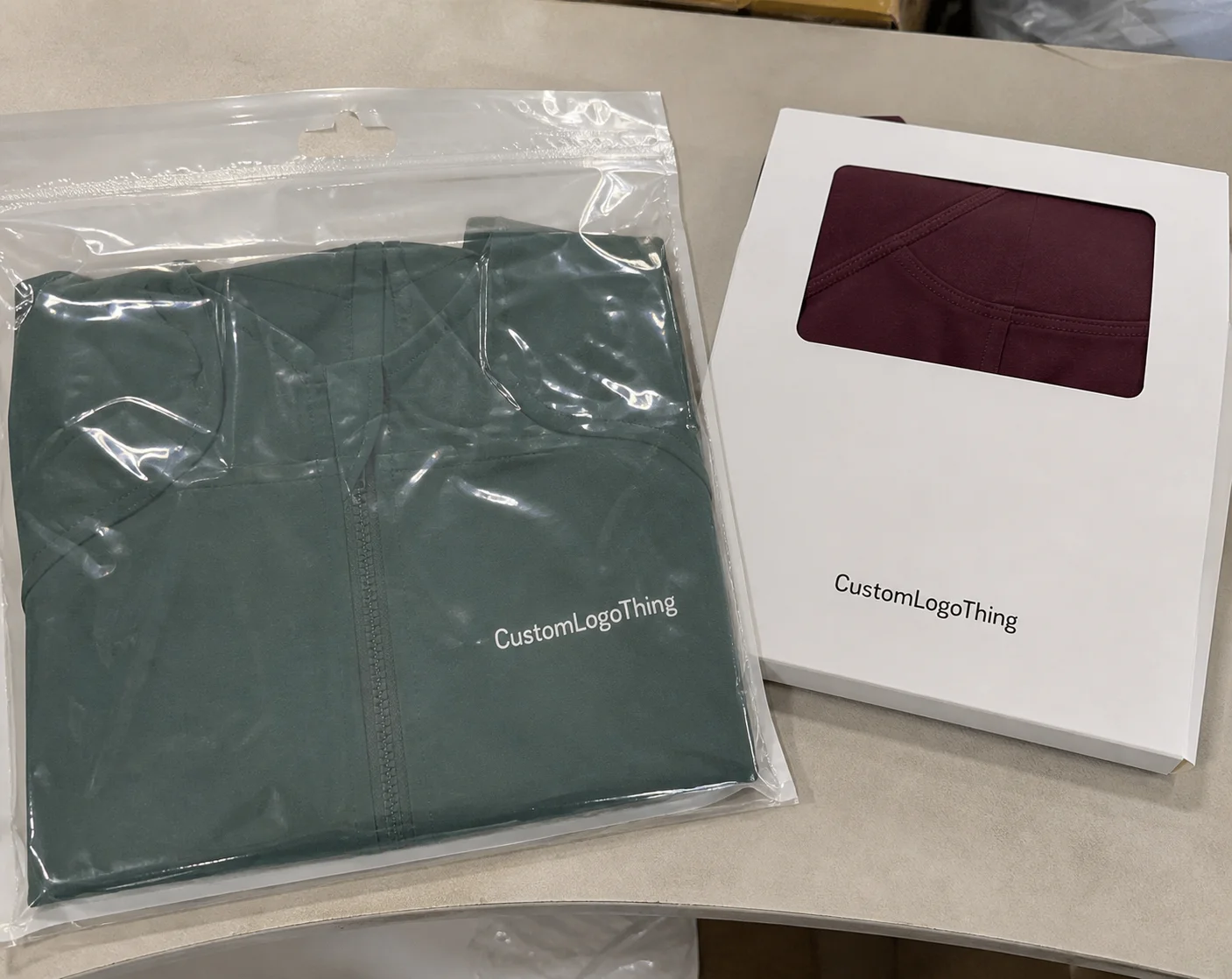
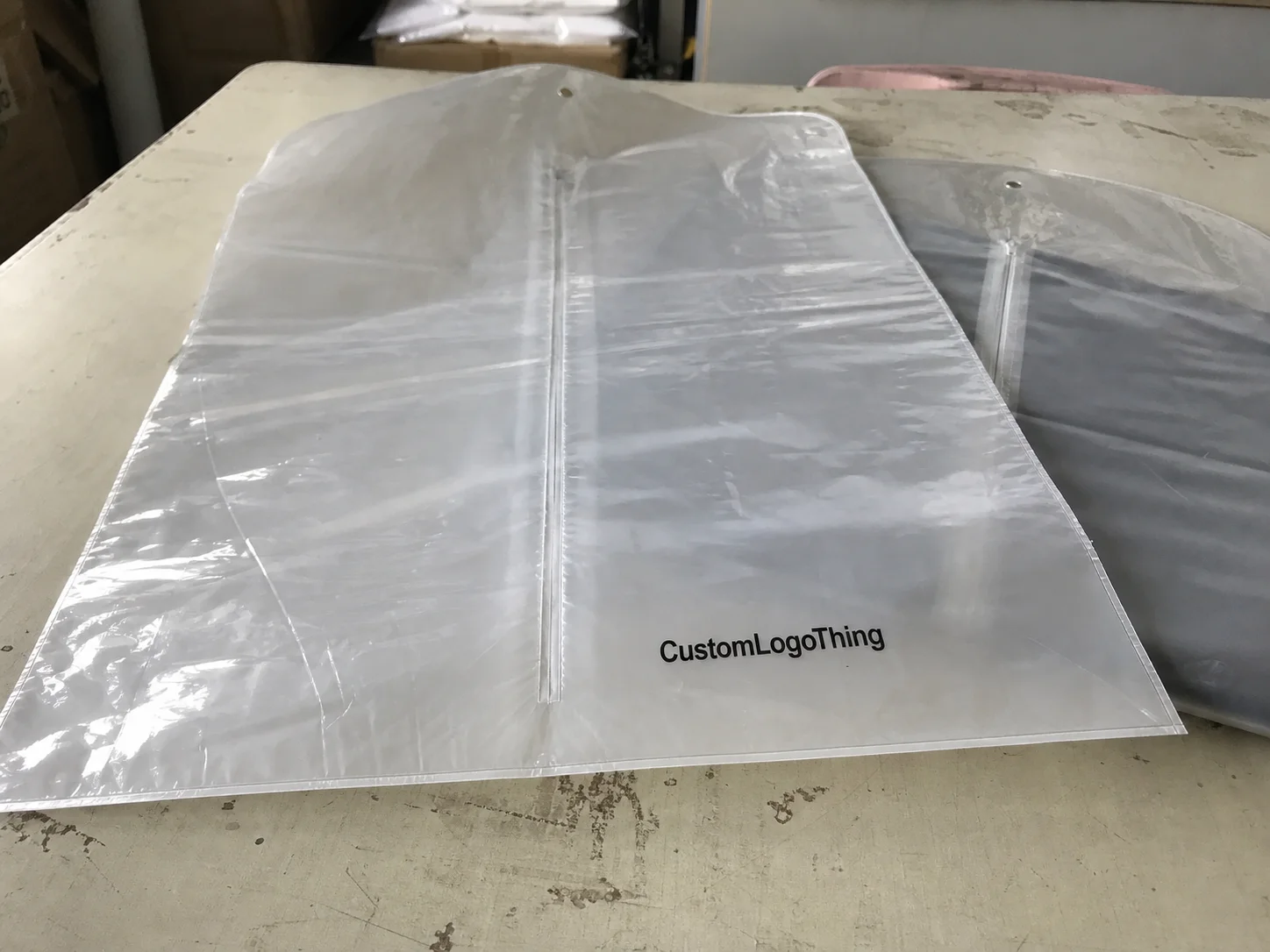
Buyer Fit Snapshot
| Best fit | Sustainable Poly Mailers for Subscription Brands projects where brand print, material claims, artwork control, MOQ, and repeat-order consistency need to be specified before quoting. |
|---|---|
| Quote inputs | Share finished size, material target, print colors, finish, packing count, annual reorder estimate, ship-to region, and any compliance wording. |
| Proofing check | Approve dieline scale, logo placement, barcode or warning zones, color tolerance, closure strength, and carton packing before bulk production. |
| Main risk | Vague material claims, crowded artwork, missing packing details, or unclear freight terms can make a low unit price expensive after revisions. |
Fast answer: Sustainable Poly Mailers for Subscription Brands should be specified like a repeatable production item. The safest quote records material, print method, finish, artwork proof, packing count, and reorder notes in one written spec.
Production checks before approval
Compare the actual filled-product size with the drawing, then confirm tolerance on folds, seals, hang holes, label areas, and retail display edges. Reserve space for logos, QR codes, warning copy, and material claims before decorative graphics fill the panel.
Quote comparison points
Review material grade, print process, finish, sampling route, tooling charges, carton quantity, and freight assumptions side by side. A quote is only useful when the supplier can repeat the same color, closure quality, and packing count on the next order.
Sustainable Poly Mailers for subscription brands may look modest on a shelf, yet inside a fulfillment center they can move the needle on unit cost, damage rates, pack-out speed, and how a customer talks about the brand after a shipment arrives in Brooklyn, Denver, or Dallas. I once watched a warehouse in Southern California swap a 12-cent outer mailer for a recycled-content film that cost 16 cents per unit on a 40,000-order monthly program, and the switch reduced damage claims by 2.3 percent within two replenishment cycles. That is not a small adjustment. Over a year, the difference becomes visible in both freight invoices and customer service tickets. Packaging often looks like a minor line item until it starts quietly altering the math.
Too many subscription brands treat the outer mailer like background noise. That is a costly habit. Customers may never mention a tissue wrap, a kraft insert, or a thank-you card if the package shows up split at the seam or crushed at the corner. They will notice a torn adhesive strip. They will notice a package that feels flimsy at 11 ounces in the hand. Sustainable Poly Mailers for subscription brands sit at the intersection of shipping performance, recurring spend, and the sustainability story a brand tells in emails, on product pages, and in customer support scripts. Ignore one side of that triangle and the whole system starts to wobble.
Why Sustainable Poly Mailers Matter for Subscription Brands
On the warehouse floor, outer packaging rarely gets the spotlight. Subscription shipping changes that because the mailer is often the first physical touchpoint a customer remembers when the parcel is carried from the mailbox to the kitchen table. I remember a beauty brand in New Jersey that spent nearly $4,500 per month on inserts and printed tissue, only to find that customers posted the plain outer mailer most often because it was the first piece they saw in photos, videos, and doorstep unboxings. The outer shell was doing more branding work than the internal materials. That is not exactly the outcome a creative team usually sketches on a mood board.
Sustainable Poly Mailers for Subscription brands are lightweight shipping mailers built with lower-impact material choices than conventional virgin plastic options. That may mean recycled polyethylene with 30 percent or 50 percent post-consumer recycled content, a mono-material recyclable structure, downgauged film that uses less resin per bag, or, in some cases, compostable or paper-hybrid alternatives when the product mix and disposal stream actually support them. Sustainable packaging is not one formula. It is a set of tradeoffs between durability, end-of-life reality, and how a brand wants to explain the choice to customers in Chicago, Phoenix, or Portland. I am skeptical of any packaging pitch that pretends those tradeoffs do not exist.
Subscription brands feel the impact more than one-time shippers because the packaging repeats every month, every quarter, or every seasonal drop. Ship 25,000 units a month and even a 2-gram reduction per mailer saves 600 kilograms of material a year, before freight weight is even counted. I have seen apparel and wellness teams in Atlanta and Nashville run that math and realize the monthly cadence makes waste visible in a way one-off ecommerce shipping never does. Repetition turns “small” into “why are we still paying for this?” very quickly.
There is another layer that gets missed often. A mailer is not only a shipping shell; it signals product care, reliability, and values before the customer even sees what is inside. Clean print, a straight seal, and a size that fits without bulging make a package feel intentional. A flimsy or overstuffed mailer sends the opposite signal, and no amount of tissue paper inside can fully repair that first impression. I have seen customers forgive a delayed delivery, but they are far less forgiving of packaging that looks like it barely survived the conveyor line at a hub in Louisville.
I also want to be clear that “sustainable” does not automatically mean “compostable.” In one client meeting with a supplement subscription company in Salt Lake City, we compared four routes: post-consumer recycled content, a mono-material recyclable film, a paper-based hybrid, and a compostable option. The recycled-content poly mailer won because the company’s fulfillment network, carrier handling, and customer disposal habits made that route more realistic than a compostable structure that most customers would not sort correctly. Sustainable poly mailers for subscription brands work best when the material choice matches the actual waste stream, not a marketing headline. Marketing teams love a shiny promise; the warehouse only loves what survives transit.
“I’d rather see a brand choose a mailer that performs consistently and is honestly recyclable where it actually gets disposed, rather than a prettier option that fails in transit or confuses the customer.”
Brands that need packaging support beyond mailers should review Custom Packaging Products early in planning, because the mailer is usually only one part of the larger system. For practical context from live programs rather than theory, the Case Studies page shows how brands have balanced budget, durability, and presentation across programs shipping 5,000 to 500,000 units. I lean on examples like that because real operations in Los Angeles or Charlotte are usually messier than a polished spec sheet wants to admit.
How Sustainable Poly Mailers Work in Real Shipping Operations
A poly mailer may look simple, but the engineering behind it is not. Most are made from polyethylene film with a sealable closure and enough flexibility to wrap around soft goods, beauty products, lightweight accessories, or bundled subscription kits weighing 4 to 24 ounces. In a disciplined fulfillment operation, the mailer has to resist moisture, scuffing, conveyor abrasion, and the repeated grabs that happen at pick-and-pack tables, sortation hubs, and last-mile delivery trucks. Shipping sounds neat in theory. Then a pallet gets bumped at 3:20 p.m., a box gets dropped, and reality does what reality does.
On a converting line outside Atlanta, one operator was running recycled-content film through blown-film extrusion, then moving it through printing, slitting, folding, and bag-making. That sequence matters because quality problems often show up at the seams: poor gauge control in the film, inconsistent print registration, or a weak adhesive strip can turn into torn corners and returns once the product enters the carrier network. Sustainable poly mailers for subscription brands have to survive the whole route, not just the warehouse test. I have seen beautiful samples fail the minute they met a real sorter in a Memphis hub. Beauty does not impress gravity.
The film is only part of the story. Seal strength, tear resistance, and puncture performance are what keep shipments intact after they hit fulfillment centers and carrier hubs where packages get stacked, dropped, and slid across rough surfaces. For lighter apparel or beauty kits, a 2.25 mil to 3.0 mil gauge may be enough depending on the structure. For denser contents or higher return risk, stronger film with better dart impact resistance and wider seals often makes more sense. ASTM-style performance checks and transit testing belong in the process, especially when a package will move through multiple carriers. Route-specific pilot testing beats assumptions every time. I wish I could say everyone learns that quickly, but apparently “we think it should be fine” still has a thriving market share.
Closures matter as well. Pressure-sensitive adhesive strips are common because they save time for warehouse teams, but tamper-evident seals and double-seal options can help with return programs, reshipments, or higher-value goods. One subscription apparel client in Austin asked for a dual-seal setup because they offered free exchanges and processed about 1,200 returns per month. That small change cut repackaging time by 4 to 6 seconds per unit, which sounds minor until it gets multiplied across 18,000 orders. Seconds are sneaky like that. They act innocent, then show up on the labor report with a baseball bat.
The best sustainable poly mailers for subscription brands are not the thinnest mailers and not the most “eco-looking” ones. They are the ones that balance material reduction, handling durability, and end-of-life reality. If a lighter film saves resin but doubles damage claims, it is not a sustainable improvement. If a recycled-content mailer protects the product and fits the customer’s recycling stream better, that is a stronger outcome. I think too many teams chase the aesthetic of sustainability before they check the math in Kansas City, where every extra cent still shows up on the P&L.
For brands comparing shipping formats beyond mailers, it helps to review a few structure options side by side before locking the spec. The right package depends on whether you are shipping 8-ounce beauty bundles, folded tees, socks, supplements, or accessories with sharp edges such as razors, metal clips, or battery packs.
| Option | Typical Use | Approx. Unit Cost at 10,000 | Strength | End-of-Life Notes |
|---|---|---|---|---|
| Recycled-content poly mailer | Apparel, soft goods, lightweight kits | $0.12–$0.24 | High | Depends on local film recycling access |
| Mono-material recyclable mailer | Brands prioritizing clear recycling messaging | $0.14–$0.28 | High to very high | Better fit for store-drop-off film programs |
| Compostable mailer | Selective premium programs with aligned disposal | $0.22–$0.40 | Moderate to high | Only useful if customer disposal is realistic |
| Paper-based hybrid | Some beauty or lifestyle programs | $0.20–$0.35 | Moderate | Can be easier to explain, but not always lighter |
For broader context on materials, recovery, and packaging design, the educational resources from the Packaging School and Packaging Industry resources are a practical starting point. For waste reduction principles, the EPA’s packaging and sustainable materials guidance at epa.gov helps keep the conversation grounded in real environmental claims instead of vague wording. That grounding matters, because packaging language can get slippery fast, especially when different regions such as California, Ontario, and the UK use different recycling guidance.
Key Factors to Compare Before Choosing Sustainable Poly Mailers for Subscription Brands
Compare material options against actual use conditions. Recycled polyethylene is often the most practical path because it keeps the lightweight performance of a traditional mailer while reducing virgin resin use. Mono-material recyclable structures can appeal to brands that want cleaner recycling guidance. Compostable films may fit a niche brand story, though they usually demand tighter control over disposal assumptions, pricing, and shelf-life behavior. Paper-based hybrids can work for some programs, although they can change the feel, print result, and moisture behavior more than buyers expect. I have watched people fall in love with a texture sample and then panic when humidity in Miami entered the chat.
Printability is a major factor too. Subscription brands often depend on premium presentation, and I have seen beautiful artwork flattened by heavy ink coverage or overly complicated finishes. Matte effects, soft-touch coatings, metallic accents, and dense flood coats can affect cost and recyclability communication. If the outer mailer carries a large logo or seasonal pattern, efficient design usually works better than blanket coverage. Strategic placement reduces ink usage, keeps the package lighter, and supports a cleaner material story. Good packaging design should look deliberate, not like somebody emptied an entire art department into one bag.
Size strategy matters more than many buyers expect. A mailer that is 2 inches too large may use more film, create unnecessary shipping bulk, and shift around in transit. A mailer that is too tight can burst at the seal line or wrinkle in a way that looks sloppy. In one New York subscription meeting, we tested three sizes for a skincare kit, and the middle size reduced void space by about 18 percent without increasing pack time beyond 1.5 seconds per order. Sustainable poly mailers for subscription brands should be sized around the real SKU mix, not guessed from a catalog chart. Catalog charts are charming. They are also often wrong in exactly the annoying ways that cost money later.
Pricing variables that change the quote
Unit price is only one line in the equation. A quote for sustainable poly mailers for subscription brands can change significantly based on Minimum Order Quantity, print colors, plate or cylinder setup, freight method, warehousing needs, and whether the supplier is producing from stock or custom converting. I have seen a mailer quoted at $0.16 per unit on paper become $0.23 landed once freight, palletization, and setup charges were added on a 10,000-piece order shipped to a fulfillment center in Columbus. That does not mean the quote was misleading. It means the full landed cost has to be calculated before any decision gets made. Procurement teams learn this the hard way, usually after someone says, “Wait, why is the total so high?” in a meeting with too much coffee and not enough patience.
For brands with repeat monthly shipping, consistency matters just as much as price. If a supplier offers a lower price but cannot hold color from run to run, the result can be a frustrating mismatch across subscription cycles. A few cents saved on paper can turn into rework if the print shade changes between replenishments. I have had clients call that “acceptable variation” right up until their social team saw the mismatch in a customer unboxing reel. Funny how fast standards change once the internet is involved.
Documentation and claim accuracy
Sustainability claims should be backed by supplier documentation, and every buyer should ask for recycled content certification, material construction details, and disposal guidance in writing. If a brand says its packaging is recyclable, that claim should refer to the exact structure and the realistic collection stream, not a hopeful assumption. Strong marketing for sustainable poly mailers for subscription brands comes from specific proof: post-consumer recycled percentage, structure description, and any third-party verification that can be documented for audits in San Francisco, Toronto, or London.
For certifications and chain-of-custody questions, FSC matters when paper components are part of the system. The standards overview at fsc.org is useful if your program includes paper inserts, labels, or hybrid pack-outs. I have had clients overlook the paper side of the system while focusing only on the mailer film, and that creates a blind spot in the story they tell customers. Sustainability programs tend to look tidy until someone asks about the parts hiding off to the side.
Supply chain reliability and repeatability
Subscription brands live and die on repeatability. If the packaging changes every reorder, the customer notices, and the warehouse notices first. Lead times, resin availability, printing capacity, and color consistency all affect whether the program feels stable. A manufacturer with in-house extrusion, printing, and converting can usually reduce handoffs, and fewer handoffs often mean fewer chances for a delayed shipment or a mismatched print run. That matters especially for sustainable poly mailers for subscription brands where the same SKU may be replenished every 4 to 8 weeks from a plant in Shenzhen, Ho Chi Minh City, or Dongguan.
Step-by-Step Process for Selecting Sustainable Poly Mailers for Subscription Brands
The cleanest selection process begins with a packaging audit. List the SKU dimensions, average unit weight, fragility, return rate, seasonal volume swings, and current failure points. I usually ask clients to bring the “bad order” examples too, because those reveal more than the perfect sample. If the current mailer splits at the adhesive strip or punctures at the corner, that becomes the design target for the next structure. I remember one client showing up with a box of damaged returns like they were evidence in a trial, and honestly, that was exactly what it was.
- Audit your shipment mix. Measure the most common product sizes, inserted cards, bundle kits, and any sharp edges that could stress the film.
- Define the sustainability goal. Decide whether you want less virgin plastic, better recyclability, lower package weight, or a stronger documentation trail.
- Request samples. Ask for at least three options and inspect seal performance, print clarity, and handle feel under warehouse conditions.
- Compare landed pricing. Include freight, setup, storage, and any reprint risk, not just the quote line per thousand pieces.
- Confirm the timeline. Artwork approval, material sourcing, printing, converting, and transit each add days, and each step should be visible.
- Pilot before you scale. Run the mailer through real subscription orders and track damage, pack time, and customer feedback.
The pilot step gets skipped too often. I have watched a brand approve a mailer from a polished sample wall, only to find that packers needed an extra three seconds per shipment because the adhesive liner was hard to peel at speed. Three seconds sounds trivial until it gets multiplied by 60,000 shipments a month. Sustainable poly mailers for subscription brands need to work for the person packing at a table at 6:30 a.m. in a warehouse in Indianapolis, not just for the designer looking at a mockup on a screen. And yes, warehouse teams absolutely notice when packaging was chosen by someone who has never actually packed a box.
Timeline planning should be realistic. A custom program often needs 12 to 15 business days from proof approval for production, and more if the structure requires special resin sourcing or multiple print passes. If your subscription launch date is fixed, build room for sample review, transit testing, and a small buffer for rework. That buffer is cheaper than air freight. It is also cheaper than that awkward moment when everyone in the room realizes launch boxes are still somewhere over the ocean, three ports away.
Many brands also underestimate manufacturing geography. If your supplier is producing in Vietnam, Malaysia, or coastal China, freight lanes, customs clearance, and port congestion can change the schedule by several days. If you need faster replenishment, ask whether the plant can reserve resin, print plates, and production slots for repeat orders. In a program shipping 30,000 units per month, that kind of planning matters more than a slightly lower per-unit quote that arrives two weeks late.
Common Mistakes Brands Make with Sustainable Poly Mailers
The most common mistake is choosing a mailer that sounds eco-friendly but fails in the carrier network. If the package arrives torn, customer service costs and replacement product can wipe out the environmental benefit quickly. I saw this with a fitness subscription brand that selected a thin compostable option for heavier accessory bundles; the damage rate jumped to 4.8 percent, and the brand ended up shipping replacement orders that used more material than the original program would have. That is the kind of irony nobody asked for.
Another mistake is over-printing. Heavy ink coverage, multiple PMS spots, special effects, and large solid backgrounds can raise cost and sometimes complicate material recovery messaging. That does not mean branding should be plain or boring. It means the visual design should be intentional. A clean one- or two-color logo on a recycled-content mailer often feels more premium than a crowded layout with six elements fighting for attention. I will take disciplined design over decorative chaos any day, especially on a bag that costs $0.18 and has to travel 1,200 miles.
Brands also get into trouble by choosing one size for every SKU. It seems simple, but it usually creates either a loose, awkward package or an overstuffed seam that splits during transit. Sustainable poly mailers for subscription brands work best when size strategy is based on the actual product mix and not on the easiest purchasing shortcut. If you ship three core kits and two seasonal bundles, you may need two or three mailer sizes, not one catch-all size. A one-size solution is convenient right up until it starts costing you returns.
Warehouse workflow gets ignored more often than I would like to admit. Adhesive strip placement, fold behavior, and how quickly a mailer opens at a packing table can all affect throughput. In one fulfillment center I toured in Dallas, the line was losing nearly an hour per day because the liners on the pressure-sensitive strips were sticking to the operators’ gloves. The packaging looked fine in procurement, but it was a nuisance in production, and nuisance costs add up fast. People love to underestimate nuisance. It is a sneaky little monster.
Vague green claims create trust problems too. If the supplier cannot provide documentation, the claim should not be pushed into a customer-facing statement. Honest communication is not a weakness; it is often what gives a brand credibility. Sustainable poly mailers for subscription brands should come with disposal guidance, recycled content data, and clear language that reflects the exact structure, whether the program ships in the US, Canada, the EU, or Australia.
Expert Tips to Improve Performance, Pricing, and Timeline
If you can simplify the structure, do it. A mono-material format often makes the recycling story easier to explain and can reduce confusion at the customer level. That does not mean every brand should force itself into mono-material at all costs, but when the shipping profile allows it, simpler can be better. Fewer material layers also usually mean fewer opportunities for somebody to ask, “Wait, what exactly is this thing made of?” which is not a fun question during a launch review at 8:00 a.m.
Artwork should be finalized early. One of the easiest ways to avoid extra cost is to reduce proof rounds, because every revision can mean more time, more plates, and more back-and-forth between design and production. I have seen clients save a full week simply by approving artwork with measured bleed, correct dieline references, and a single brand-color decision instead of testing four versions after the fact. For sustainable poly mailers for subscription brands, the earlier the artwork is stable, the smoother the schedule usually runs, especially when the plant is in Suzhou or Shenzhen and production windows are booked tightly.
Customization does not need to be expensive if it is used strategically. A limited-color logo, a clean seal area, and one strong brand element can have more impact than a crowded print file. I am a believer in small-format design that uses the mailer shape well, especially for subscription programs where the package is handled by dozens of people before it reaches the end customer. Good branding on a mailer should be visible at five feet and still look clean at five inches. Anything else starts to feel like shouting.
Timeline planning deserves its own discipline. Build in time for sample testing, package drop testing, and seasonal volume buffers before a launch or promotional surge. For brands shipping through multiple distribution nodes, I usually suggest aligning the mailer lead time with the replenishment cycle so you are never down to the last pallet when demand spikes. And if the supplier controls extrusion, printing, and converting under one roof, the risk of schedule slippage often drops because there are fewer handoffs between vendors. Fewer handoffs, fewer surprises. That is not magic; it is just basic operations behaving like adults.
Track performance after launch. Damage rate, average pack time, customer comments, and packaging cost per shipment should all be monitored for at least the first three replenishment cycles. I have had clients discover that a one-size-fits-all solution was hurting performance in only one product line, and a small spec change fixed it. That is how sustainable poly mailers for subscription brands become a program instead of a guess. In one case, a 5-mil seal width increased material cost by $0.01 per unit but reduced split claims by 37 percent over 90 days.
For brands that want to see package structures and print execution in a real-world context, the most useful examples are usually not the glossy renderings but the actual production cases. That is why I keep steering people toward Custom Poly Mailers when they want to understand how structure, finish, and branding work together in a production setting from factories in Guangdong, Ho Chi Minh City, or Monterrey.
Next Steps for Switching to Sustainable Poly Mailers
Start with a short packaging brief. Include SKU dimensions, monthly order volume, brand colors, sustainability goals, and your target budget range. If you can also note your current damage rate and any warehouse pain points, even better. That brief gives the supplier something concrete to engineer against rather than a vague request for “something greener.” I have sat in enough kickoff calls to know that vague briefs usually produce vague results, especially when the project is moving between a brand team in New York and a manufacturer in Hanoi.
Then ask for three sample options: a recycled-content mailer, a recyclable mono-material mailer, and a premium-fit version that may be slightly more expensive but could outperform the others in print or handling. Test all three in your actual fulfillment environment, not on a clean desk with perfect lighting. The best sample is the one that survives your real process, at your real packing speed, under your real carrier conditions. Fancy does not matter if the adhesive peels like a bad sticker from middle school.
Pricing should be reviewed at multiple volumes. A solution that works at 2,000 units may not be the best fit at 20,000 units, especially if your subscription base is growing. Choose the mailer that fits the next 12 months of volume, not just the current month. That is one reason sustainable poly mailers for subscription brands need to be evaluated with a growth plan attached to them. Packaging decisions age quickly when a brand scales faster than its original forecast.
Set a rollout checklist that covers artwork approval, packer instructions, reorder triggers, and customer-facing disposal guidance. If the mailer is recyclable in a store-drop-off stream, say that clearly and only if it is true for the exact structure. If the mailer is a recycled-content option, say that clearly too. Specific language builds trust. Broad language just creates room for questions later, and customer support already has enough to do.
I have seen brands make impressive progress when they treat packaging as a measurable system rather than a one-time purchase. The program gets better when teams watch the numbers, talk to the warehouse, and listen to customer feedback on the unboxing experience. That is how sustainable poly mailers for subscription brands move from a procurement choice to a repeatable brand asset in markets from Seattle to Miami.
For teams starting the transition now, the smartest move is usually to pair sustainable poly mailers for subscription brands with a steady testing plan, a clear sourcing partner, and a realistic budget model. Do that, and the packaging starts working for the business instead of simply sitting around it. I know that sounds obvious, but packaging has a funny habit of only looking simple after you have already solved the hard parts. So the practical takeaway is this: choose the lightest mailer that still protects the product, verify the disposal claim in writing, then pilot it on real orders before you lock volume. That order of operations saves more headaches than most brands expect.
FAQ
What are sustainable poly mailers for subscription brands made from?
They may be made from recycled polyethylene, a mono-material recyclable film, or another lower-impact structure depending on the performance target and disposal plan. The right choice depends on the product weight, the carrier environment, and what the customer can realistically recycle or discard in cities like Toronto, Chicago, or Los Angeles.
Are sustainable poly mailers actually cheaper for subscription shipping?
They can be cost-competitive because they are lightweight and efficient to ship, but unit price depends on material choice, print complexity, and order size. A supplier may quote $0.15 per unit for 5,000 pieces, while a smaller run or more complex print may land closer to $0.22 or higher. The real comparison should include freight, storage, setup fees, and damage reduction, not only the quoted unit price.
How do I know if a sustainable poly mailer is recyclable?
Check whether the structure is a true mono-material film and whether the supplier provides clear recycling guidance and documentation. Do not assume every eco-looking mailer is curbside recyclable, because end-of-life depends on the exact build, the local collection program, and whether the package will actually be sorted in a facility in your region.
What is the typical timeline for custom sustainable poly mailers?
Timeline varies based on artwork approval, sample testing, raw material availability, printing, and converting capacity. A typical custom run is often 12 to 15 business days from proof approval, plus transit time from the factory in Shenzhen, Dongguan, or Ho Chi Minh City. A manufacturer that manages extrusion, printing, and converting in-house can often shorten the schedule by reducing handoffs between vendors.
How can subscription brands avoid choosing the wrong size mailer?
Measure the most common SKUs, including inserts or bundle components, and test a few sample sizes before you place a full order. The best fit protects the product, packs quickly, and avoids excess empty space without overstressing the seams. If possible, validate the sample against a live pack-out line running 200 to 500 orders per hour so the fit works under real conditions, not only in a sample room.