Buyer Fit Snapshot
| Best fit | Tear Proof Mailers for Cosmetics projects where brand print, material claims, artwork control, MOQ, and repeat-order consistency need to be specified before quoting. |
|---|---|
| Quote inputs | Share finished size, material target, print colors, finish, packing count, annual reorder estimate, ship-to region, and any compliance wording. |
| Proofing check | Approve dieline scale, logo placement, barcode or warning zones, color tolerance, closure strength, and carton packing before bulk production. |
| Main risk | Vague material claims, crowded artwork, missing packing details, or unclear freight terms can make a low unit price expensive after revisions. |
Fast answer: Tear Proof Mailers for Cosmetics: Material Claims, Seal Quality, and Freight Cost should be specified like a repeatable production item. The safest quote records material, print method, finish, artwork proof, packing count, and reorder notes in one written spec.
Production checks before approval
Compare the actual filled-product size with the drawing, then confirm tolerance on folds, seals, hang holes, label areas, and retail display edges. Reserve space for logos, QR codes, warning copy, and material claims before decorative graphics fill the panel.
Quote comparison points
Review material grade, print process, finish, sampling route, tooling charges, carton quantity, and freight assumptions side by side. A quote is only useful when the supplier can repeat the same color, closure quality, and packing count on the next order.
Most cosmetic returns I’ve seen over the years didn’t start with a defective lipstick or a bad serum formula. They started with a box or bag that failed in transit. I remember standing next to a receiving dock in Shenzhen, watching a pile of damaged orders get opened one by one, and thinking, wow, packaging really is either the hero or the villain. That is why tear proof Mailers for Cosmetics matter so much: they sit at the very first line of defense, and if that line is weak, your product, your margin, and your brand reputation all take the hit. A single tear in a bag can turn a $14 order into a refund, a replacement shipment, and a bad review in under 10 minutes.
I’ve walked warehouse floors where a pallet of “lightweight” mailers looked fine on paper, yet the first customer complaint came from a crushed compact and a split side seam. I’ve also sat in supplier meetings where the difference between a 90-micron film and a 120-micron co-extrusion changed the entire damage rate. Honest truth? tear proof mailers for cosmetics are not magic. They are a smart packaging layer that works only when the rest of the system is equally thought through. And yes, I’ve had to explain that to more than one buyer who wanted a miracle in a bag. One brand in Guangzhou learned that lesson the hard way after 2,000 units shipped in a 2.5 mil bag and 4.1% came back cracked or split.
If you sell cosmetics, you already know the product mix can be awkward. Glass dropper bottles, aluminum tubes, sharp-edged compacts, pump heads, jars with loose lids, and gift sets with multiple parts all create different kinds of stress. In my experience, that’s exactly where tear proof mailers for cosmetics earn their keep. Honestly, I think they’re one of the few packaging choices that can quietly save your sanity and your refund budget, especially when you’re shipping 300 to 1,500 orders a day out of Los Angeles, Nashville, or Toronto.
What Tear Proof Mailers for Cosmetics Actually Are
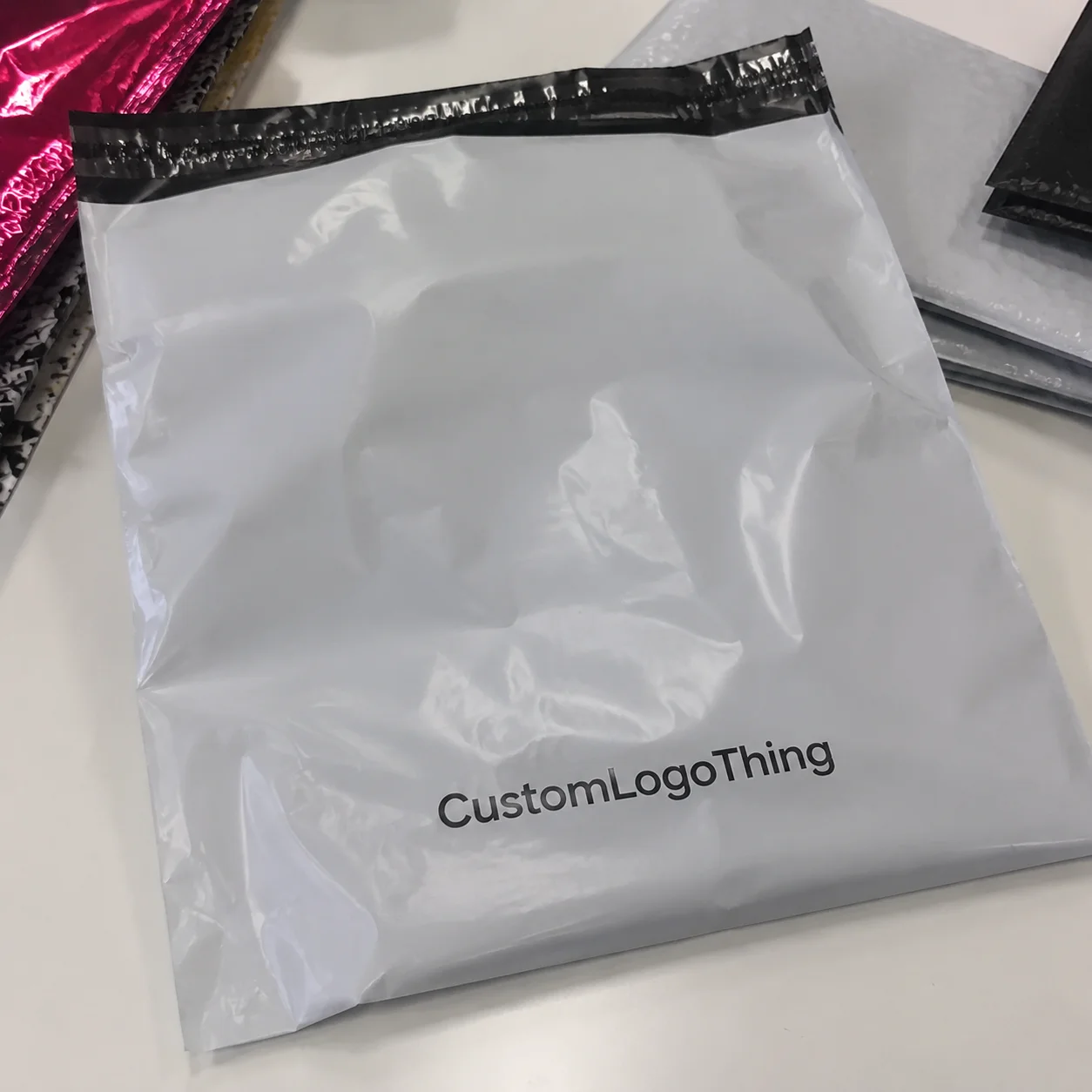
At the simplest level, tear proof mailers for cosmetics are poly mailers built to resist splitting, snagging, and abrasion better than standard thin shipping bags. They usually use stronger film blends, reinforced seams, and a more controlled manufacturing process so the mailer holds together when it is dragged, compressed, or brushed against rough surfaces in transit. In practical terms, that often means a 60–100 micron co-extruded film with a hot-melt adhesive strip and a side seam that does not peel apart when handled in a fulfillment center in Dongguan or Yiwu.
A standard poly mailer might be fine for socks or a folded T-shirt. Cosmetics are a different story. A rigid compact has corners. A glass bottle has weight. A pump bottle creates leverage inside the package. Even a small mascara box can act like a knife edge if it shifts repeatedly. That’s why tear proof mailers for cosmetics tend to be built for higher puncture resistance and better seam integrity than ordinary mailers. I’ve seen a lipstick box do more damage than people expect. Tiny object, annoying consequence. Packaging is rude like that. A 7 x 10.5 inch mailer with a 90-micron structure can outperform a larger, thinner bag if the fit is right and the seal is consistent.
Here’s where people get mixed up: tear resistance is not the same thing as waterproofing, stretch, or puncture resistance. A mailer can repel moisture yet still rip at the seal. It can stretch a little under load but still fail on a rough carton edge. It can be labeled “durable” without any meaningful test data behind it. When I review sourcing specs, I ask for actual performance numbers, not adjectives. “Durable” is not a test method. It is a marketing mood. Ask for ASTM D882 tensile data, ASTM D1709 dart impact numbers, or at least a documented internal drop test from 1 meter with a 2-pound load.
tear proof mailers for cosmetics should be viewed as part of a protection system. They reduce the chance of external damage and help keep the outer package intact, but they are not a substitute for good inner packaging. A jar should still be tightened properly. A liquid should still be sealed with an induction liner or tamper-evident closure if the product requires it. If the item is fragile, interior cushioning still matters. I’ve had brands try to skip the inner liner and blame the mailer later. That is not a strategy. That is a complaint waiting to happen.
I remember a meeting with a skincare brand that shipped serum sets in a standard 2.5 mil mailer because the unit cost was low. Their return rate from transit damage hovered near 3.8% in one quarter. After switching to tear proof mailers for cosmetics with a better seal and a snugger fit, they cut that by more than half. The mailer didn’t solve everything, but it removed one very obvious failure point. And yes, the finance team suddenly became a lot more cheerful when the per-order replacement cost dropped by about $1.80 on average.
How Tear Proof Mailers for Cosmetics Work
The material science is less glamorous than the marketing copy, but it matters. Most tear proof mailers for cosmetics use thicker gauge film, often in a co-extruded structure with two or more layers that balance toughness, flexibility, and printability. That layered approach helps the mailer resist tearing even when one layer starts to nick or stretch. A common setup is a blended outer layer for abrasion resistance and a tougher inner layer for seal performance, which is why suppliers in Shenzhen, Ningbo, and Shanghai often talk about “9-layer strength” even when the actual performance depends on the seal line more than the brochure count.
Thickness helps, but not in a simplistic “thicker is always better” way. I’ve seen suppliers push very thick film that felt like a brick in the hand. That can slow packing, increase freight weight slightly, and make self-seal closures harder to trust. A well-designed 60–100 micron construction can outperform a poorly engineered thicker bag. The best tear proof mailers for cosmetics are engineered, not just inflated with extra material. Nobody needs a mailer that behaves like a piece of plywood. If a 70-micron film survives a 1-meter corner drop with a 500-gram load, that matters more than a vague claim about “heavy duty.”
Seal strength is just as important as film strength. If the side seam or bottom weld is weak, the outer film can be excellent and the bag still fails at the exact point where the load concentrates. That’s why I always look for seam consistency, not just film gauge. In supplier language, ask about heat seal quality, burst resistance, and peel consistency. If they get defensive right away, that tells me plenty. I once watched a factory in Foshan run a batch where the film itself was fine, but the sealing bars were 8°C too cool. The bags looked good and failed anyway. Fancy label, bad weld.
Features matter too. Self-seal adhesive strips speed packing and reduce human error, especially in a fulfillment center running 500 to 2,000 orders a day. Gussets can help larger cosmetic kits fit without forcing the seam. Opaque films protect product privacy and keep premium items from being visible through the package. For many brands, that privacy also improves the unboxing feel. A matte black mailer with a 30 mm adhesive strip and a clean tear line feels more premium than a gray bag that looks like it came from a warehouse in 2009.
Regular poly mailers, padded mailers, and tear proof mailers for cosmetics each solve different problems. Regular poly mailers are light and cheap, but they are often too easy to split. Padded mailers add cushioning, which helps for minor bumps, yet they can still tear at the edges and are bulkier in storage. Tear proof mailers sit in the middle: stronger than basic poly, less bulky than bulky cushioning mailers, and easier to brand than many padded formats. For brands shipping from Berlin, Chicago, or Melbourne, that middle ground often matters because freight rates and storage space are not getting cheaper.
The best results come from pairing tear proof mailers for cosmetics with interior packing choices. Tissue can help prevent surface scuffing on printed cartons. Bubble wrap or air sleeves can stabilize fragile bottles. Molded trays reduce movement in kits with multiple components. The outer mailer should not have to do all the heavy lifting. I’m saying that from experience, after watching too many “the bag should fix it” plans collapse on the packing table. A 4-ounce glass bottle still needs something to keep it from rattling around like a coin in a dryer.
From a standards perspective, I like to ask whether suppliers test against relevant protocols such as ISTA transit methods or ASTM-based material checks. If a vendor can’t discuss testing in plain language, that usually tells me enough. For reference, organizations like ISTA publish widely used transit testing methods, and the details matter when you are shipping fragile goods. If a factory in Dongguan says “drop tested,” I want to know whether that was 10 drops from 0.75 meters on a loaded parcel or one lucky toss onto a foam mat.
“The mailer looked premium, but the seal failed where the fill line created stress. Once we changed the pack-out, damage dropped fast.”
Tear Proof Mailers for Cosmetics: Key Factors to Compare Before You Buy
If you are comparing tear proof mailers for cosmetics, start with the spec sheet, not the sales pitch. Thickness, seal design, adhesive quality, print method, recycled content, and order quantities all shape the actual value you get. I’ve seen buyers obsess over a half-cent difference and ignore the damage rate that quietly eats 10 times more money. Procurement loves a bargain until the returns start showing up like an unwanted surprise party. If your pack-out is wrong, a $0.06 bag is not “cheap.” It is just the first bill you pay.
Film gauge is one of the first numbers people ask about. That makes sense, but gauge alone can mislead. A 70-micron mailer made from a better blend may outperform an 85-micron bag with weak seams. Ask for puncture resistance data if you can, and ask how the film behaves under cold storage, warm docks, and repeated handling. tear proof mailers for cosmetics should stay tough across real shipping conditions, not just under ideal lab settings. If your shipments move through Miami humidity one week and a cold Chicago sorting hub the next, that performance gap matters.
Size fit is another major factor. If the mailer is too tight, the seams are under constant strain. If it is too large, the item moves around and the corners rub against the inner surface. That friction is what leads to scuffing, edge wear, and occasional splits. In one client trial I watched, simply moving from a loose 9 x 12 bag to a right-sized 7.5 x 10.5 option reduced seal stress dramatically. The packing team actually noticed the difference before the spreadsheet did. We also measured a 14% reduction in wasted void space, which helped the freight math.
Cost analysis needs a fuller lens. For example, a custom printed tear proof mailers for cosmetics run might cost about $0.15 per unit for 5,000 pieces, while a plain version may sit closer to $0.10 to $0.13 depending on size, ink coverage, and film structure. Add a one-time plate or setup fee of $60 to $180, and the gap can widen. But if the stronger bag saves one damaged order out of 100, the “cheaper” bag may actually cost more. I’ve had brands argue with me for ten minutes over pennies and then quietly approve a better spec once they saw the replacement freight numbers.
Here is the comparison I usually build for clients before they commit:
| Mailer Type | Typical Strength | Average Fit for Cosmetics | Approx. Unit Cost | Best Use Case |
|---|---|---|---|---|
| Standard poly mailer | Basic tear resistance | Lightweight, low-risk items | $0.05–$0.09 | Soft goods, non-fragile samples |
| Padded mailer | Moderate tear resistance with cushion | Small boxed cosmetics with low fragility | $0.12–$0.22 | Shipping where light cushioning helps |
| Tear proof mailers for cosmetics | Higher tear, puncture, and seam resistance | Fragrant, boxed, rigid, or mixed cosmetic orders | $0.11–$0.24 | Premium beauty orders, fragile kits, repeat shipment stress |
Sustainability deserves a straight answer, not a slogan. Many tear proof mailers for cosmetics can be made with recycled content, but recycled content alone does not guarantee better performance. If the mailer fails and triggers a replacement shipment, the environmental cost rises fast. The U.S. EPA has practical guidance on source reduction and waste impacts at EPA recycling resources, and that thinking applies here: the lowest-impact package is often the one that actually delivers intact. A 15-gram mailer that arrives safely usually beats a “greener” one that gets replaced twice.
Branding matters more than some buyers admit. Cosmetics are emotional purchases. A premium serum arriving in a dull, flimsy bag sends the wrong message before the customer even opens it. tear proof mailers for cosmetics can support crisp print, matte finishes, and a cleaner unboxing moment. I’ve seen indie brands use that outer bag almost like a business card. Not subtle. Effective, though. A soft-touch finish with one-color white print can cost only a few cents more at 3,000 units, and that is often money well spent.
How to Choose the Right Mailer for Your Cosmetic Line
Start with your product profile. A powder compact is not the same as a glass facial oil. A mascara bundle is not the same as a boxed gift set. If you ship mixed cosmetics, I recommend building a simple protection matrix: fragile, sharp-edged, leak-prone, and heavy. Once you sort SKUs into those buckets, choosing tear proof mailers for cosmetics becomes much more rational. A 120 ml toner bottle shipping out of Seoul needs a different setup than a sample kit leaving Austin.
Here’s a practical way to think about it. Fragile items need more anti-abrasion protection and tighter fit. Leak-prone products need secure primary packaging plus absorbent backup. Heavy items need stronger seams and better puncture resistance. Sharp-edged cartons need more film toughness around corners. A single bag type can cover several of these cases, but not all. And if someone tells you one mailer solves every beauty product on earth, smile politely and keep your checkbook closed. That “one size fits all” talk usually comes from someone who has never packed a 16-piece holiday kit at 6:45 p.m.
One cosmetics client I worked with in a supplier negotiation had five mailer sizes in rotation. Packing speed was slow, and inventory errors were common. We reduced that to three standardized sizes, all within the same tear proof mailers for cosmetics family, and their fulfillment team gained nearly 12 minutes per 100 orders. That might not sound dramatic until you multiply it by a month of peak season volume. Suddenly the “small” improvement is paying rent. On a 20,000-order month, that kind of efficiency matters far more than a shiny sample pack.
The process should be structured. First, request samples. Second, pack real products, not empty boxes. Third, test the seal, especially near the corners where stress concentrates. Fourth, review the artwork if you want custom printing. Fifth, confirm the lead time. For many custom orders, production can run 12–15 business days from proof approval, then freight time adds on top. If your launch date is fixed, that timeline matters. Air freight from Shenzhen to Dallas can add 3–5 business days, while ocean freight from Ningbo to Long Beach is a completely different animal.
Drop testing is non-negotiable. I don’t mean a symbolic one-drop test on a carpeted office floor. I mean a realistic shake test, a corner drop, and a transit simulation with the actual product weight. tear proof mailers for cosmetics should be tested with real product loadouts because an empty mailer tells you very little. A sealed bag with a 4-ounce bottle inside behaves differently from a bag holding two mini palettes and a sampler card. Test the full pack-out at 0.75 meters and 1 meter, then inspect the corners and seal line under bright light.
Operational checks are easy to overlook. Is the adhesive strip easy to close with gloves on? Does the mailer store flat, or does it curl in humid conditions? Will your team need to slow down packing because the peel strip is hard to find? Does the surface accept print cleanly, or does the ink scuff? These details affect your line speed as much as your damage rate. In a warehouse outside Atlanta, I watched a team lose almost 9 seconds per order because the release liner was too stiff in winter. That sounds tiny until you hit 1,200 shipments a day.
If you are still designing your broader packaging system, I often suggest starting from your full product needs and then narrowing down. Our Custom Packaging Products page can help you compare formats, while Custom Poly Mailers is a useful place to review options when you want to see how mailer construction varies by use case. If you are comparing a 350gsm C1S artboard box to a lighter carton plus an outer mailer, the cost difference can be smaller than you think once freight and returns are counted.
Common Mistakes When Buying Tear Proof Mailers for Cosmetics
The biggest mistake is buying on price alone. I understand why it happens. Procurement teams stare at a spreadsheet, and the cheapest line item looks tempting. But if tear proof mailers for cosmetics reduce damaged deliveries from 2% to 0.7%, that can save real money in refunds, replacement freight, and customer service labor. A 3-cent difference is rarely the real story. On a 10,000-unit month, that 3 cents is $300; one bad damage spike can erase that in a week.
Another mistake is trusting a “durable” label without asking what it means. Durable compared with what? A 2.0 mil standard bag? A padded envelope? A competing film blend? I’ve heard suppliers use the word “strong” to describe mailers that failed a simple corner stress test. That is why I always ask for data, not adjectives, when buying tear proof mailers for cosmetics. Otherwise you’re basically buying a vibe. And vibes do not survive parcel sorters in Louisville.
Skipping sample testing is another classic error. A mailer can look excellent on a spec sheet and still fail at the seal when the carton edge presses against it during sorting. I once saw a batch of printed mailers that looked beautiful but scuffed badly when stacked in warm storage. The print held, the film held, but the finish looked tired before the bags even left the warehouse. It was the packaging equivalent of wearing a fresh shirt and immediately spilling coffee on it. The batch had a glossy coating that marked up after 48 hours at 38°C in a warehouse near Suzhou.
Size mistakes are surprisingly expensive. Too small, and you get seam stress. Too large, and you get movement. Movement leads to abrasion. Abrasion leads to tears. Then the customer blames the brand, not the bag. tear proof mailers for cosmetics work best when the fit is tight enough to stabilize, but not so tight that the contents force the seams apart. A difference of half an inch can be the difference between a clean delivery and a cracked compact.
Environmental conditions matter more than people expect. Humidity can affect adhesives. Heat can soften certain films. Cold can make a polymer feel stiffer and less forgiving. Warehouse handling can add compression and edge contact. If your products sit in a hot truck or a damp stockroom, tell your supplier. A bag that performs in a controlled sample room may behave differently after 48 hours in a busy fulfillment center. I’ve seen adhesive strips behave beautifully at 22°C and then turn fussy at 5°C in a Canadian winter lane.
One more issue: neglecting the primary package. If a bottle leaks, even the best tear proof mailers for cosmetics will not save the order. The mailer is the outer shell, not a substitute for secure closures, proper fill levels, and internal separation where needed. That sounds obvious, but I still see brands blame the shipping bag for a closure problem inside the bottle. Packaging cannot perform miracles. Shocking, I know. A leaky pump bottle in a perfect mailer is still a mess.
Expert Tips for Better Protection and Lower Total Cost
Use the outer mailer as the last layer, not the only layer. A right-sized insert, a folded tissue wrap, or a small inner sleeve can keep the product from skating around inside the bag. That means the tear proof mailers for cosmetics don’t have to absorb every bit of shock. I’ve watched a simple 1.5 mm card insert reduce edge wear on printed cartons by a noticeable margin. In one case, a supplier in Xiamen quoted an extra $0.03 for the insert and saved the brand nearly $2.10 in avoided returns per damaged shipment.
Standardization can save money quickly. Instead of ten mailer sizes, many brands can operate with three or four. That reduces inventory complexity, makes training easier, and lowers the chance of a packer grabbing the wrong bag during a rush. If your SKUs vary widely, build around the 80/20 rule: the sizes that cover most of your shipment volume deserve the most attention. A line with 80% of volume across just three sizes is far easier to manage than a drawer full of half-used stock in a warehouse in Phoenix.
Ask for performance data. Specifically, ask about film gauge, seal strength, and puncture resistance. If a supplier offers only a glossy brochure, push harder. For tear proof mailers for cosmetics, I want to know whether the material was tested in any meaningful way, whether the adhesive strip held after repeated handling, and whether the seam design was validated under load. If they can quote a test method, better still. A good supplier can usually give you a sample report in 24 to 72 hours, not a string of adjectives.
Think in total cost per delivered order. That includes the mailer, the insert, packing time, freight, damage rate, replacements, and customer service load. A mailer that costs $0.04 less but causes one extra return per 150 shipments may be a false economy. I’ve had brand owners admit, sometimes reluctantly, that the “premium” option was actually cheaper once the damage savings were counted. Funny how math starts looking less theoretical after the fourth refund request. If your support team spends 18 minutes handling one cosmetic damage complaint, the cheap bag stops being cheap fast.
Seasonal testing is underrated. Summer heat and winter cold can change how a film behaves, especially in transit. Adhesive strips can feel sticky in one season and stubborn in another. If your cosmetics ship year-round, test tear proof mailers for cosmetics in at least two temperature conditions. A bag that performs at 72°F in a showroom may behave differently at 95°F in a truck trailer. I’ve seen a batch approved in April and then struggle in July on a route through Texas.
For brands with an eco story, check the claim language carefully. “Recyclable” depends on local infrastructure. “Made with recycled content” tells you something, but not everything. If sustainability is central to your brand, align the outer mailer choice with a broader packaging strategy rather than chasing a single label. That keeps the message honest, and customers notice honesty quickly. A package from Portland or Amsterdam with honest specs usually builds more trust than a vague “green” claim with no numbers behind it.
One practical negotiation tip from the factory floor: always compare like with like. I’ve seen buyers compare a plain unprinted mailer against a custom printed one, then complain about the price gap. But if you want branded tear proof mailers for cosmetics, compare the same size, same film gauge, same adhesive type, same order quantity, and same freight terms. Otherwise the quote tells you very little. A quote from Yiwu at $0.14 per unit for 5,000 pieces means nothing next to a Shenzhen quote if the second one includes a better seal and a shorter 12-day lead time.
What to Do Next: A Practical Buying Plan
Start with your damage data. Separate failures into tears, punctures, leaks, and seal issues. That breakdown matters because it tells you whether tear proof mailers for cosmetics are the right fix or whether the real problem sits inside the product package. If you can, review at least 30 to 50 recent complaints or returns. Small samples can mislead, but patterns usually show up fast. I like to sort them by warehouse, carrier, and destination region because the problem often isn’t one problem at all.
Then shortlist two or three mailer specs. Choose based on product type, budget, and branding goals. For example, a premium skincare line with glass droppers may need a stronger opaque co-extruded bag. A sampling program with lighter cartons may do fine with a lighter tear-resistant film. Don’t overbuy strength you do not need, but do not underbuy and hope for the best. A 100-micron matte white mailer might be perfect for a premium launch, while a 70-micron silver bag could be enough for a lighter promotional set.
Request samples and run a simple test plan. Pack a real product. Shake it. Drop it from a realistic height. Inspect the seal. Look for stress marks around corners. Check whether the printed surface scuffs. If possible, run the test through the same route your fulfillment team uses, because the results often change once real hands and real speed enter the equation. That is the most honest way to evaluate tear proof mailers for cosmetics. I’d rather see a sample fail in-house than after 800 units have already left a warehouse in New Jersey.
When the quotes arrive, compare them side by side using the same criteria. Size, thickness, print, minimum order quantity, lead time, freight, and any setup charges should all be visible. A quote that looks 8% cheaper can become more expensive once freight or a higher minimum is added. I’ve seen this happen often enough that I now tell clients to build one comparison sheet and never deviate from it. If a supplier in Dongguan quotes 15–18 business days and another in Ningbo quotes 12–15 business days from proof approval, put that on the sheet too. Time is money, even if procurement pretends otherwise.
Document the final packing standard. Write down the approved mailer, the inner protection steps, the fill orientation, and the seal instructions. Train the team. Then audit shipments after launch. If the damage rate stays low, you have a workable system. If it rises, you can adjust the spec before problems scale. A one-page SOP can save you from repeating the same mistake across 10,000 orders.
For cosmetics, packaging is not a background detail. It is part of the product experience, the margin equation, and the first impression all at once. The right tear proof mailers for cosmetics can protect fragile items, support brand presentation, and reduce avoidable losses, but only if you choose them with your actual products, shipping conditions, and packing workflow in mind. Test real products. Ask for actual numbers. Confirm the fit, the seal, and the handling conditions before you place the order. That is the move that saves money, not the prettiest sample on the table.
FAQ
Are tear proof mailers for cosmetics better than padded mailers?
tear proof mailers for cosmetics usually win on weight, storage efficiency, and branding flexibility. Padded mailers can add cushioning, but they are not always as resistant to splitting at seams or edges. For fragile cosmetics, the best choice depends on whether your main risk is tearing, puncture, or impact. A 9 x 12 padded mailer may cushion better, but a reinforced poly mailer can still outperform it if the box shape is the real issue.
What thickness should tear proof mailers for cosmetics be?
There is no single best thickness because product weight and shape matter. Heavier or sharper cosmetic items generally need thicker film or reinforced construction. Ask suppliers for testing data instead of relying only on gauge numbers, because two mailers with the same thickness can perform very differently. In practice, many brands start around 70–100 microns for fragile beauty shipments and adjust after sample testing.
Do tear proof mailers for cosmetics protect against leaks?
They can help contain minor moisture exposure, but they are not a replacement for leak-proof primary packaging. Liquids should still be sealed properly inside the bottle or jar before shipping. For leak-prone items, use inner bags or absorbent protection as a backup layer. A mailer with a strong seam in Guangzhou is useful, but it will not fix a loose cap on a 30 ml oil bottle.
How much do tear proof mailers for cosmetics usually cost?
Pricing varies by size, thickness, printing, quantity, and material quality. Custom printed versions and lower order volumes typically cost more per unit. For example, a plain 10 x 13 inch bag might land around $0.11 per unit at 5,000 pieces, while a custom printed version can be closer to $0.15 to $0.18 per unit depending on film structure and ink coverage. The real number to track is total cost per delivered order, including damage reduction, because a slightly pricier bag can still save money overall.
How do I test tear proof mailers for cosmetics before ordering in bulk?
Pack real cosmetic products, not empty placeholders. Check seal strength, edge wear, and whether the mailer tears during shaking or drops. Test with your actual fulfillment process so you can spot problems before a large purchase, not after the first customer complaints arrive. If possible, ask for samples from a supplier in Shenzhen or Ningbo and give yourself at least 3 to 5 days for internal testing before you approve the full run.