Buyer Fit Snapshot
| Best fit | Custom Boxes Manufacturer projects where brand print, material claims, artwork control, MOQ, and repeat-order consistency need to be specified before quoting. |
|---|---|
| Quote inputs | Share finished size, material target, print colors, finish, packing count, annual reorder estimate, ship-to region, and any compliance wording. |
| Proofing check | Approve dieline scale, logo placement, barcode or warning zones, color tolerance, closure strength, and carton packing before bulk production. |
| Main risk | Vague material claims, crowded artwork, missing packing details, or unclear freight terms can make a low unit price expensive after revisions. |
Fast answer: Custom Boxes Manufacturer: Material, Print, Proofing, and Reorder Risk should be specified like a repeatable production item. The safest quote records material, print method, finish, artwork proof, packing count, and reorder notes in one written spec.
Production checks before approval
Compare the actual filled-product size with the drawing, then confirm tolerance on folds, seals, hang holes, label areas, and retail display edges. Reserve space for logos, QR codes, warning copy, and material claims before decorative graphics fill the panel.
Quote comparison points
Review material grade, print process, finish, sampling route, tooling charges, carton quantity, and freight assumptions side by side. A quote is only useful when the supplier can repeat the same color, closure quality, and packing count on the next order.
Why Your Custom Boxes Manufacturer Choice Matters More Than You Think
I still remember the phone call that cost a skincare brand I was consulting for $47,000. Their product launch was three weeks away when their "custom boxes manufacturer" revealed they were actually a trading company that had outsourced production to a facility in Indonesia without telling them. The boxes arrived two months late, in the wrong color, and with a typeface that looked like someone had run it through a bad photocopier. That beautiful six-month pre-launch campaign? Wasted. The retail buyer who'd committed to shelf space? Furious. Everything they'd built up had to start over.
That story isn't unique. I've heard variations of it from at least a dozen founders over the years, and honestly, it drives me crazy because most of those disasters were completely preventable. The problem isn't that there aren't good custom boxes manufacturers out there—it's that the packaging industry is cluttered with middlemen posing as manufacturers, brokers who'll take your money and hope for the best, and facilities that talk a big game but can't deliver consistent quality.
Here's what most people don't tell you: the difference between working with a genuine custom boxes manufacturer versus a broker can literally mean the difference between a successful launch and a $50,000 lesson learned. I learned this the hard way in 2015 when I was sourcing packaging for my first brand. I went with the cheapest quote I received, and the "manufacturer" turned out to be a guy operating out of his apartment in California who sourced everything from overseas. My initial run was fine. The reorders? Not so much. Every single box came in slightly different shades, and two shipments arrived with water damage nobody would take responsibility for.
I've worked with over forty packaging suppliers across three continents, and I'll tell you this: price transparency and direct communication with actual production staff? That's the difference between sleeping well at night and waking up to disaster photos on your phone.
You're not just choosing a vendor when evaluating a custom boxes manufacturer—you're choosing a long-term partner who will touch every unboxing experience your customers have. Your box IS your brand in that moment. It doesn't matter how great your product is if the packaging looks cheap or arrives damaged. Products with mediocre formulations have outsold premium ones simply because their packaging told a better story and arrived intact.
The decisions you make now about your custom boxes manufacturer will ripple through every aspect of your business for years to come. Make sure you're making the right call.
What Does a Custom Boxes Manufacturer Actually Do?
Before we get into how to choose a custom boxes manufacturer, let me break down exactly what these facilities do, because I've found that most first-time buyers have a surprisingly fuzzy understanding of the process. A custom boxes manufacturer takes your design files and transforms them into physical packaging through one of three main production methods:
Offset printing is the workhorse of high-volume packaging production. If you're ordering 5,000+ units, offset will almost always give you the best quality-to-price ratio. The setup costs are high (typically $500-$2,000 depending on complexity), but the per-unit cost drops dramatically at scale. I visited a facility in Dongguan in 2019 that ran a Heidelberg Speedmaster that could produce 15,000 sheets per hour. The noise alone was enough to need ear protection, but watching the colors come out perfectly registered on 350gsm board was genuinely impressive.
Flexographic printing sits in the middle ground. It's faster than offset for simpler designs and works well for corrugated materials. The print quality isn't quite as sharp as offset, but for brands that need Sustainable Corrugated Mailers with basic branding, flexo gets the job done at a lower price point. The setup costs are lower, making it more accessible for smaller runs.
Digital printing has transformed options for brands that can't commit to 5,000-unit minimums. Direct-to-press digital printers can handle runs as low as 100-300 units, though the per-unit cost is higher. HP Indigo presses (which is what most serious digital packaging printers use) can produce near-offset quality with variable data capabilities—meaning every box could theoretically have a different serial number or personalized message. For subscription box companies or limited edition releases, this is incredibly powerful.
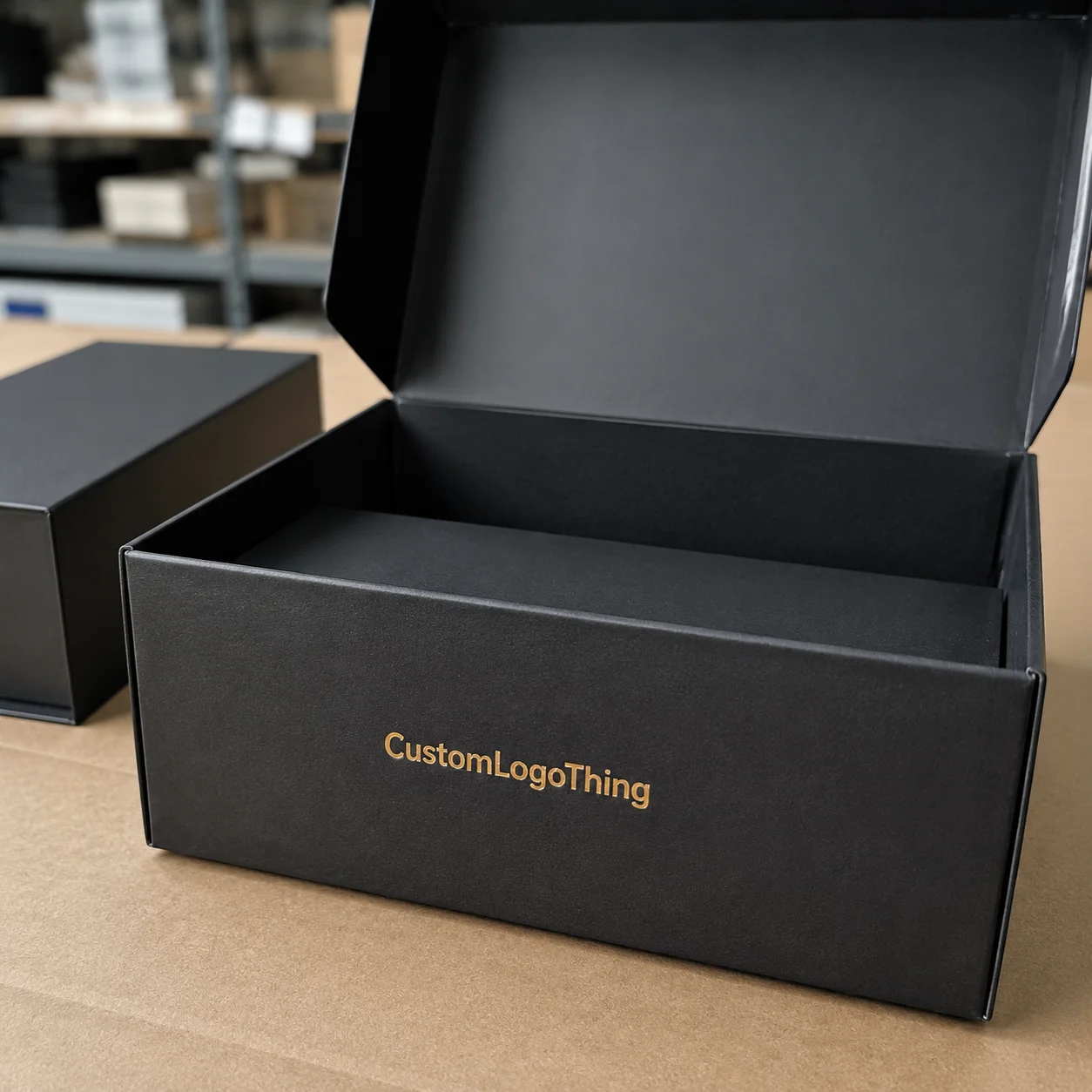
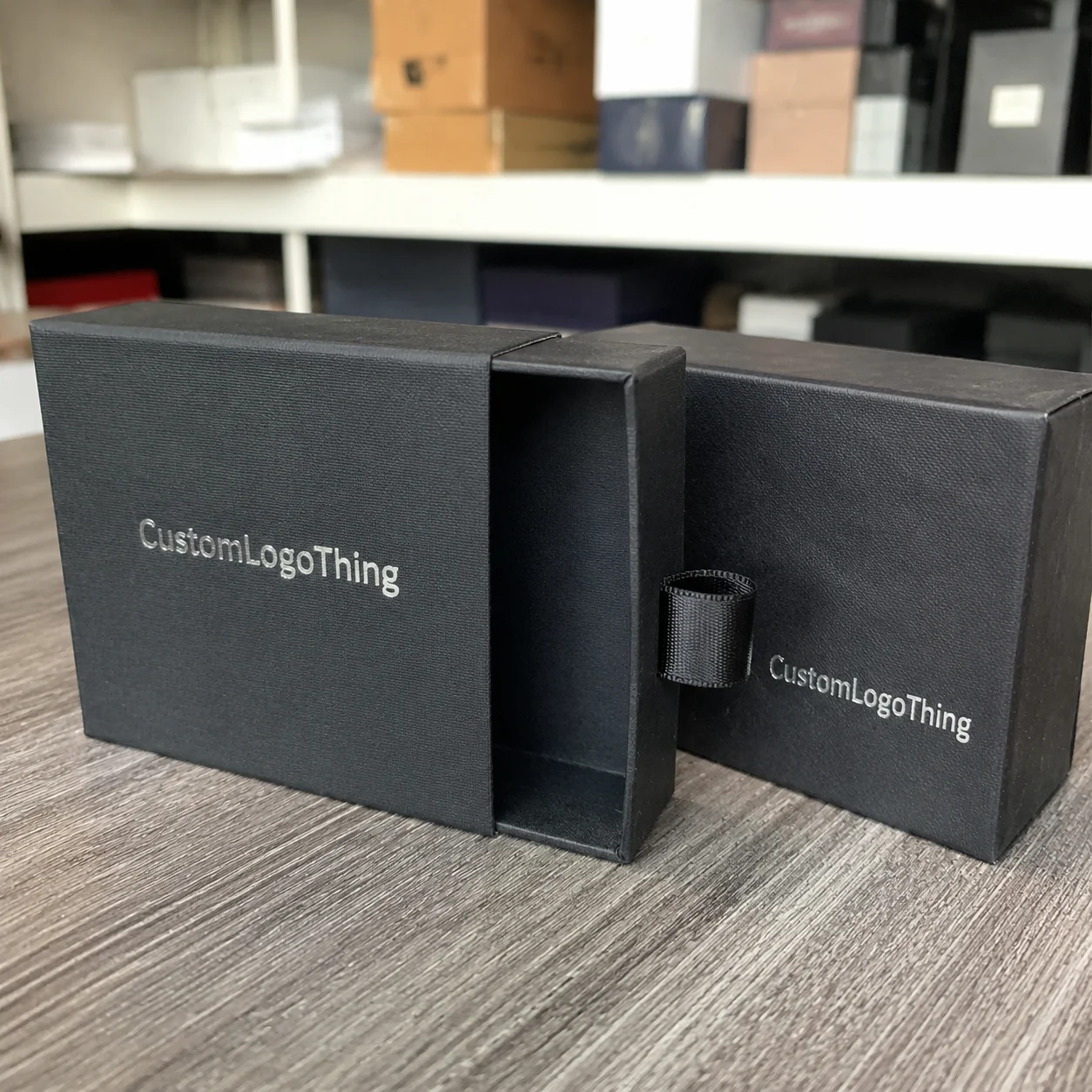
Beyond printing methods, different box styles serve different purposes. Mailer boxes are the backbone of e-commerce packaging—two-piece constructions with separate lids that ship products safely. Think of how Dollar Shave Club or Hello Bello send their products. Rigid boxes are the premium option, made from thick chipboard covered in decorative paper. Apple products, high-end cosmetics, and luxury spirits come in rigid boxes because they convey quality before the product is even touched. Folding cartons are what you see in retail environments—cereal boxes, cosmetic palettes, pharmaceutical packaging. They ship flat and assemble at the packer.
Custom manufacturing versus stock sizes depends heavily on your volume and brand positioning. Stock boxes come in predetermined dimensions, and you print labels to apply to them. This works fine for startups testing the market or brands where packaging is purely functional. But Custom Printed Boxes signal professionalism, enable better structural design (including inserts and partitions), and create a cohesive brand experience from the moment your customer sees the shipping label.
Key Factors That Separate Quality Custom Boxes Manufacturers from the Rest
Not all custom boxes manufacturers are created equal, and the differences aren't always obvious from a website or a sales email. Here's what I look for when evaluating suppliers—pay close attention because these factors will determine whether your experience is smooth or nightmarish.
Minimum Order Quantities (MOQs) are often the first conversation point. Established manufacturers typically set MOQs between 500 and 2,000 units depending on box complexity and printing method. If you're seeing a 5,000-unit minimum for a simple mailer box, that's not unusual—some facilities simply can't run smaller quantities economically. However, I've noticed more manufacturers becoming flexible, especially those with digital capabilities. At a trade show in Chicago last year, I met a manufacturer rep who told me they'd started offering "starter runs" of 250 units for first-time customers at a premium, which I think is brilliant for the industry. A manufacturer that absolutely refuses to accommodate smaller quantities for your early-stage brand might tell you something about their customer service philosophy.
Material quality and certifications matter more than most people realize until they don't. When a manufacturer mentions FSC or SFI certification, they're referring to responsible forestry standards. FSC (Forest Stewardship Council) is the more recognized standard internationally. If sustainability is part of your brand story—and let's be real, it probably should be—you need to verify that the certification is legitimate, not just mentioned in marketing copy. Ask for a copy of their chain of custody certificate, which tracks the paper from forest to finished product.
The actual board specifications tell you more about quality than any sales pitch. For a standard mailer box, 350gsm clay-coated newsback (CCNB) is common and cost-effective. If you want something more substantial, 400gsm CCNB or E-flute corrugated will feel more premium but cost more. I've personally tested boxes from different manufacturers by doing a simple squeeze test—grip the assembled box and apply pressure. Cheap boxes will show visible deformation; quality boxes snap back to shape. Do this with samples before you commit to anything.
The sample process reveals everything about a custom boxes manufacturer's operational maturity. Professional manufacturers will provide physical samples (typically charging $50-$200 depending on complexity, though many waive this for serious orders). The sample timeline should be 7-14 days maximum. When you receive the sample, check the color accuracy against your design files, examine the structural integrity, and test how the box feels when assembled.
Pay attention to their communication during the sample phase. Did they ask clarifying questions about your product dimensions? Did they suggest structural modifications that would improve durability or reduce material costs? The best custom boxes manufacturers act as consultants, not just vendors. They catch potential problems before production begins rather than letting them become expensive mistakes.
What You'll Actually Pay: Custom Boxes Manufacturer Pricing Breakdown
Money talks. I know that sounds cynical, but in packaging procurement, it's completely true. Understanding how a custom boxes manufacturer structures their pricing will help you evaluate quotes intelligently and avoid sticker shock when invoices arrive. Let me walk you through the actual cost structure.
Every quote from a custom boxes manufacturer will have several components:
Per-unit pricing is what most people focus on, and it's the cost for each individual box. For a standard mailer box in a basic configuration (single wall corrugated, 350gsm, 4-color printing), expect to pay roughly:
- 500 units: $1.80–$3.50 per unit
- 1,000 units: $1.20–$2.20 per unit
- 2,500 units: $0.85–$1.50 per unit
- 5,000 units: $0.55–$1.00 per unit
These ranges vary based on dimensions, complexity, and which manufacturer you're working with. I've seen prices outside these ranges in both directions, but if someone is quoting you $0.35 per unit for 500 custom printed boxes, either you're missing hidden costs or quality will be a significant problem.
Setup fees are where many first-time buyers get surprised. Plate charges (for offset printing) typically run $75-$150 per color per side. A 4-color design requires four plates. Die-cut tooling (for custom box shapes) runs $300-$1,500 depending on complexity. Digital printing has minimal setup, which is part of why it's more economical for short runs—you're not paying for plates. When you receive a quote, make sure setup fees are clearly itemized so you can compare apples to apples between manufacturers using different methods.
Shipping and fulfillment gets overlooked but can add meaningful costs. Many custom boxes manufacturers quote FOB (Freight on Board), meaning you're responsible for transportation from their facility. For large orders from overseas manufacturers, freight and customs clearance can add $0.15-$0.40 per unit. Domestic manufacturers often offer better terms for smaller brands because they can consolidate shipments or have existing relationships with logistics partners.
| Cost Component | Typical Range | Notes |
|---|---|---|
| Per-unit (500 units) | $1.80–$3.50 | Digital printing methods |
| Per-unit (5,000 units) | $0.55–$1.00 | Offset printing methods |
| Plate charges | $75–$150 per color | Offset/flexo only |
| Die tooling | $300–$1,500 | One-time cost, reusable |
| Samples | $50–$200 | Often credited to order |
| Shipping (domestic) | $0.08–$0.25 per unit | Depends on quantity and location |
The relationship between order quantity and per-box cost is dramatic and non-linear. This is why establishing brands often struggle with packaging economics—you know you should order more to get better pricing, but tying up $15,000 in packaging inventory when you haven't validated product-market fit yet is risky. My advice: start with a quantity that makes financial sense for your stage, get everything perfect on that run, and then commit to larger orders once you've proven the product works.
Hidden fees that surprise first-time buyers include: re-design or art preparation charges if your files aren't print-ready, color matching fees beyond the initial proof, rush production surcharges (25-50% for expedited timelines), and warehouse storage fees if you can't accept delivery when the order is complete. Always ask "what else might I be charged for?" and get the answer in writing.
From Design to Doorstep: The Custom Boxes Manufacturer Timeline
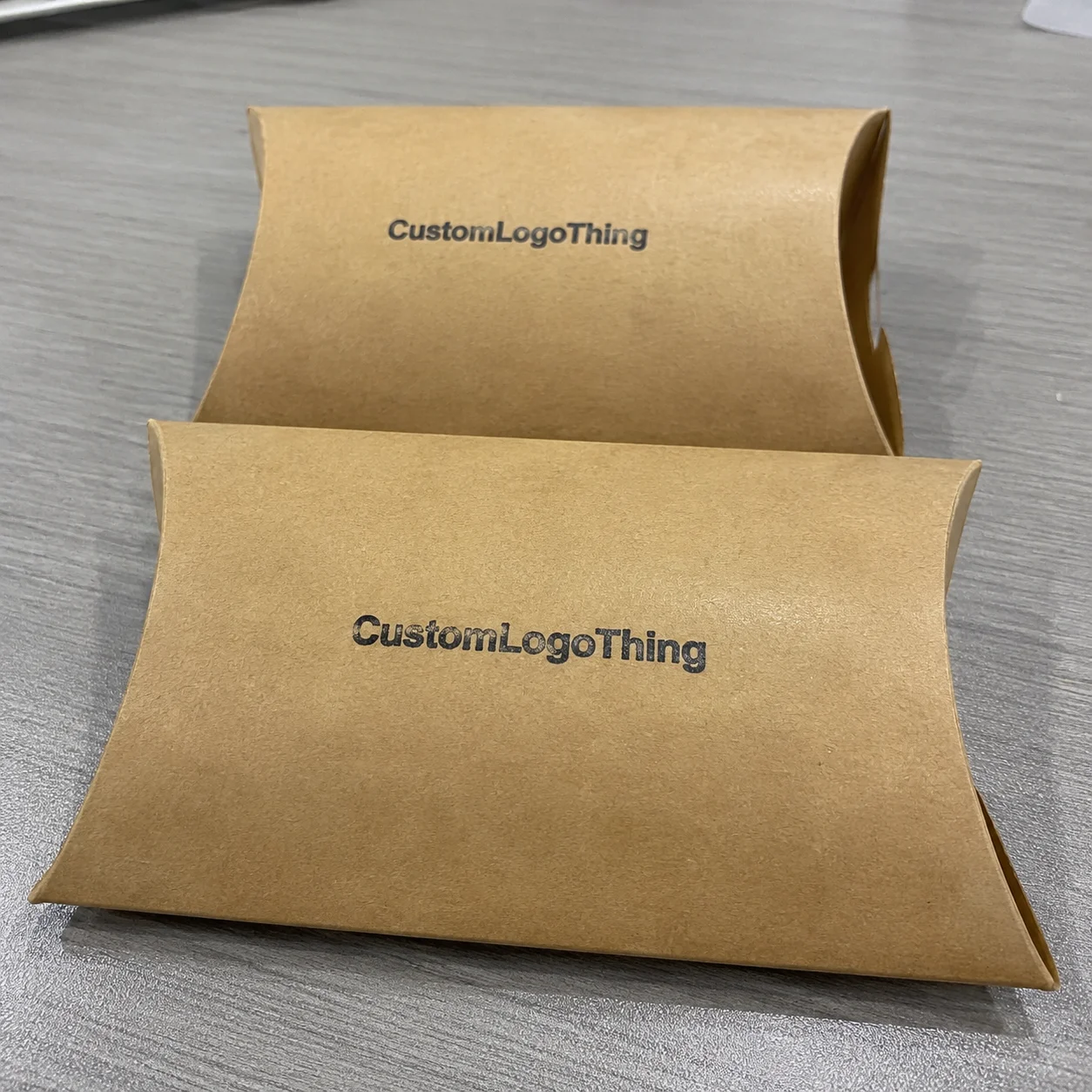
I underestimated the packaging timeline by about six weeks when launching my own brand and had to do a "soft launch" with temporary packaging while waiting for my actual boxes to arrive. We used brown kraft paper with a rubber stamp. It was... charming, in a bootstrapped way, but I swore never to make that mistake again.
The full cycle from initial quote request to boxes in your warehouse typically follows six stages:
1. Quote request and clarification (3-7 days): You submit your specifications (dimensions, quantities, materials, artwork) and the manufacturer reviews for feasibility. They'll ask questions about print files, structural requirements, and possibly suggest modifications. Quality custom boxes manufacturers catch potential issues here—like a design element that won't reproduce well at the specified size, or a structural weakness that will cause boxes to fail during shipping.
2. Sample production and approval (10-21 days): The manufacturer produces a physical sample of your box with your actual artwork. This is critical—never skip this step for production orders. Review the sample thoroughly: check color accuracy against your brand guidelines, test structural integrity by filling it with your product and shaking it, simulate shipping conditions by dropping it a few times from waist height. If the sample doesn't pass your standards, the production run won't either.
3. Prepress and approval (5-10 days): Once samples are approved, the manufacturer prepares files for production. They'll generate proofs showing exactly how the final print will look, accounting for their specific equipment and materials. Review these proofs obsessively. Read every line of text. Check that all graphics are positioned correctly. Approve in writing—your signature (or email confirmation) is your green light to proceed.
4. Production run (10-25 days): Actual manufacturing happens here. For standard offset runs at established facilities, 10-15 business days is reasonable. More complex orders (unusual dimensions, specialty materials, intricate finishing) can take longer. The manufacturer should provide estimated production completion dates, though I've learned to build in buffer time because issues come up. A machine goes down. A batch of material fails QC and needs to be remade. These things happen.
5. Quality control and shipping (3-7 days): Finished boxes are inspected—either by the manufacturer or by a third-party inspection service. They check for color consistency, structural defects, and print accuracy. Then the order is palletized, packaged, and handed to the carrier. Standard transit times vary by location and shipping method.
Total timeline for a typical order: 6-10 weeks from quote approval to delivery. For brands planning product launches, I strongly recommend building a 12-week buffer into your timeline, especially if this is your first time working with a particular manufacturer. The packaging timeline is one of those areas where Murphy's Law definitely applies—whatever can go wrong, probably will, and your launch date won't move to accommodate a late box shipment.
Seasonal considerations matter too. If you're launching a product for holiday gifting season, your custom boxes manufacturer will be juggling orders from dozens of other brands in Q3. Book your production slots early—I'm talking 4-6 months in advance for the November-December window. Some manufacturers offer pre-booking at locked-in pricing if you commit to annual volume.
Questions to Ask Before Choosing a Custom Boxes Manufacturer
I've developed a mental checklist over the years that helps me quickly assess whether a custom boxes manufacturer is worth my time. Here are the five questions that reveal everything about their reliability:
1. "What's your typical production lead time for an order this size?" And then: "Have you ever missed that timeline, and if so, how do you handle it?" A confident manufacturer will acknowledge that problems occasionally happen and explain their process for communication and recovery. A defensive manufacturer who insists "we never miss deadlines" is either lying or has never been tested. I once worked with a manufacturer who blamed weather for every delay—during a California summer. Red flag.
2. "Can I visit your production facility?" Or at minimum: "Can you provide a virtual tour or recent photos of the equipment?" Legitimate manufacturers welcome facility tours or at least want to appear transparent. The custom boxes manufacturer I've worked with longest in Shenzhen has a formal visitor process and even maintains a photo archive of their production floor for remote clients. If someone gets evasive about their actual manufacturing capability, that's a problem.
3. "Walk me through your quality control process." How do they inspect for print defects? Who has authority to reject a production run? What percentage of defects is considered acceptable (industry standard is typically 2-5%, though premium manufacturers shoot for under 1%)? You want to hear specifics here, not vague reassurances.
4. "What happens if the order arrives and it's wrong?" Get their policy in writing before you place an order. Some manufacturers offer reprints at no cost if the error is theirs; others charge for reprints regardless. The best I worked with had a policy that if more than 2% of an order was defective, they'd reproduce that quantity at no charge and cover return shipping. They stood behind that promise three times for me over three years.
5. "Who will be my point of contact, and how do I reach them if there's an issue?" This sounds obvious but I've been burned by faceless production companies more times than I can count. You want a direct line to someone with production knowledge, not a customer service rep reading from a script. Ask for their process: Will you get email updates? Phone calls? Access to an online portal? The manufacturers I've trusted most assign dedicated account managers who actually understand the printing process.
Samples are non-negotiable. I don't care how great someone's portfolio looks or how impressive their client list is. If a custom boxes manufacturer won't send samples, walk away. When you receive the samples, evaluate them with the same rigor you'd apply to your final order. Check color accuracy under natural light. Test structural integrity with your actual product. Do the boxes look professional? Do they feel like they represent your brand well?
Contract details matter more than people realize. A solid purchase order or manufacturing agreement should specify: exact quantities and specifications, pricing and payment terms, production timeline with milestone dates, quality standards and acceptance criteria, defect handling procedures, and termination clauses. I've seen too many disputes that could have been avoided with clearer written agreements at the start.
Mistakes Brands Make When Working with a Custom Boxes Manufacturer
If I could send a warning letter to every brand about to place their first custom packaging order, it would focus on the mistakes I've personally witnessed (and made myself) over twelve years in this industry. Learn from our collective pain.
Choosing purely on price leads to expensive problems. The cheapest custom boxes manufacturer quote is not the best deal. Factor in quality, reliability, communication, and hidden costs before making your decision. A box that costs $0.15 less per unit but arrives two weeks late and has 8% defect rate will cost you far more in the long run than a slightly more expensive manufacturer who delivers on time and gets it right the first time.
A founder I know chose a manufacturer based entirely on price for her candle company's packaging. She saved about $1,200 on her first order. Then the boxes arrived with alignment issues that made the branding look crooked. She had to spend $2,300 on a graphic designer to create a "fix" that still didn't look professional, and she lost two wholesale accounts because buyers saw the packaging and decided her brand wasn't serious enough. That $1,200 savings ended up costing her over $5,000 in rework and lost business.
The sample step is the most commonly skipped—and most commonly regretted—step in the process. I understand why it happens: samples cost money and take time, and when you're excited about launching a product, waiting an extra two weeks feels painful. But skipping samples to "save time and money" is false economy. I've never had a manufacturer tell me "your production run will match your expectations perfectly, we promise." Production environments are messy. Colors vary between print runs. Materials change. Without seeing a physical sample, you're essentially gambling on your own brand presentation.
Miscommunication about artwork specifications derails more orders than almost anything else. This is where clear documentation saves lives. Before sending artwork to a custom boxes manufacturer, confirm: what color space do they require (CMYK vs. Pantone)? What's their bleed requirement (usually 0.125" or 3mm)? What resolution do embedded images need (300 DPI minimum, 400 DPI preferred)? What font formats are acceptable (outline fonts eliminate font-matching issues)? What file format do they prefer (PDF/X-4 is generally the standard for print production)?
I've seen a beautiful hand-illustrated design get ruined because the artist saved it in RGB color space, and when converted to CMYK, the vibrant colors turned muddy and desaturated. That was a $6,000 lesson in establishing proper file preparation workflows.
How Do I Choose the Right Custom Boxes Manufacturer for My Business?
Selecting a custom boxes manufacturer requires evaluating several key factors beyond just the price quote. Look for manufacturers with transparent pricing structures, clear communication processes, and demonstrated quality control procedures. The Best Custom Packaging suppliers will ask questions about your product, suggest structural improvements, and provide physical samples before requiring full production commitments. A manufacturer who serves as a consultant—catching potential problems in the design phase rather than letting them become expensive production mistakes—will save you money and headaches over time.
Verify the manufacturer's credentials by requesting facility tours, checking industry certifications (FSC for sustainability, ISO for quality management), and asking for case studies or references from brands similar to yours. Your packaging is an extension of your brand promise, so the right custom boxes manufacturer relationship should feel like a partnership, not a transactional vendor arrangement.
Your Action Plan: Finding and Vetting the Right Custom Boxes Manufacturer
Here's what to do before you request a single quote:
Step 1: Define your requirements with specificity. Before reaching out to manufacturers, know your box dimensions (in inches or millimeters, not vague descriptions like "medium-sized"), your expected order quantities for the next twelve months, your target price range per unit (this helps manufacturers guide you toward appropriate production methods), your material preferences or requirements (sustainability certifications, specific board weights, barrier properties if needed), your timeline (when do you need boxes in hand, and is this date flexible or hard?), and your quality expectations (what defects are unacceptable to you?). The more specific you are, the more useful responses you'll get.
Step 2: Identify candidates through multiple channels. Don't just search online for "custom boxes manufacturer" and click the first five results. Use industry directories like the Packaging Machinery Manufacturers Institute directory or ISTA (International Safe Transit Association) for testing labs and certified facilities. Attend trade shows—the PPAI and PAC are good starting points. Ask for recommendations in industry forums and groups. When you find a potential manufacturer, search for reviews, check their Better Business Bureau rating, and look for any complaints filed with the FTC or state consumer protection agencies.
Step 3: Request quotes from 3-5 manufacturers using a standardized format. Create a template that includes all your specifications so you're comparing apples to apples. Ask for itemized quotes that break out unit pricing, setup fees, sample costs, shipping terms, and payment expectations. Then evaluate based on more than price—consider their communication responsiveness, their willingness to answer questions, how they present their capabilities, and your overall impression of their professionalism.
When requesting quotes, include these specifics for the most accurate pricing: exact dimensions (L x W x H in inches), intended use (e-commerce shipping, retail display, gift packaging), estimated quantity, whether you have artwork ready or need design assistance, your desired timeline, and any special requirements (SFI/FSC certification, specific testing protocols, branded inserts or partitions).
Red flags that signal you should walk away:
- Unwilling to provide references or case studies
- Vague or evasive answers about their production process
- Pressure tactics ("this price expires in 24 hours")
- Prices significantly below market rates for the specified specifications
- No sample process or resistance to providing samples
- Communication that feels unprofessional or unresponsive before you've even placed an order
I've walked away from three potential manufacturers in the last two years alone, including one who quoted me 40% below everyone else and then revealed hidden "material sourcing fees" that doubled the actual price. The manufacturer I ultimately chose for my current projects has been reliable for three years, responsive within 24 hours, and genuinely helpful in suggesting cost-saving modifications that didn't compromise quality. That's the kind of partnership you want, not just a transactional vendor relationship.
Your packaging is an extension of your brand. Don't trust it to anyone who hasn't proven they deserve that responsibility.
Frequently Asked Questions
How do I tell if I'm working with a real custom boxes manufacturer versus a middleman?
Ask for their facility address and request a virtual or in-person tour. Legitimate manufacturers will share photos of their production floor and equipment—they're usually proud of their setup. Brokers often can't answer specific questions about printing methods, material sourcing, or quality control processes because they're one step removed from production. If someone can't tell you which print method they'll use for your order or what happens if their supplier has a problem, they're probably not actually manufacturing anything.
What's a typical minimum order quantity when working with a custom boxes manufacturer?
Standard MOQs range from 300 to 1,000 units depending on box style and the manufacturer's equipment. If you need something smaller, look for custom boxes manufacturers with digital printing capabilities—digital workflows can handle runs as low as 100-300 units. Some manufacturers offer starter quantities at higher per-unit cost for brands that can't commit to larger volumes yet. At Custom Logo Things, we work with brands at various stages and can often accommodate smaller initial orders.
How long does production take from a custom boxes manufacturer?
Most manufacturers require 4-8 weeks from artwork approval to delivery for standard orders. This includes prepress preparation, sample approval (if applicable), actual production, quality inspection, and shipping logistics. Rush production (1-2 weeks) is sometimes available but typically adds 25-50% to the per-unit cost. Always factor in an additional 1-2 weeks for samples before committing to full production—this step is non-negotiable for professional results.
What payment terms should I expect from a custom boxes manufacturer?
First orders typically require 30-50% deposit with balance due before shipping. This protects the manufacturer from non-payment and ensures you have some recourse if the order goes wrong. Established relationships often allow Net-30 or Net-60 terms after you've demonstrated reliability. Be cautious of manufacturers demanding 100% upfront payment with no recourse—legitimate businesses understand that trust is built over time and don't require cash-in-advance for every transaction.
Can a custom boxes manufacturer match my brand's specific color requirements?
Request Pantone or CMYK values and ask for printed samples to verify accuracy before production. Professional manufacturers provide color proofs before running full production—these show you exactly how colors will look on the final material. Digital printing typically offers better color matching for small runs than traditional offset methods because it doesn't require separate plate creation. If brand color accuracy is critical (as it should be), schedule a call with the manufacturer's prepress team to discuss your requirements in detail.