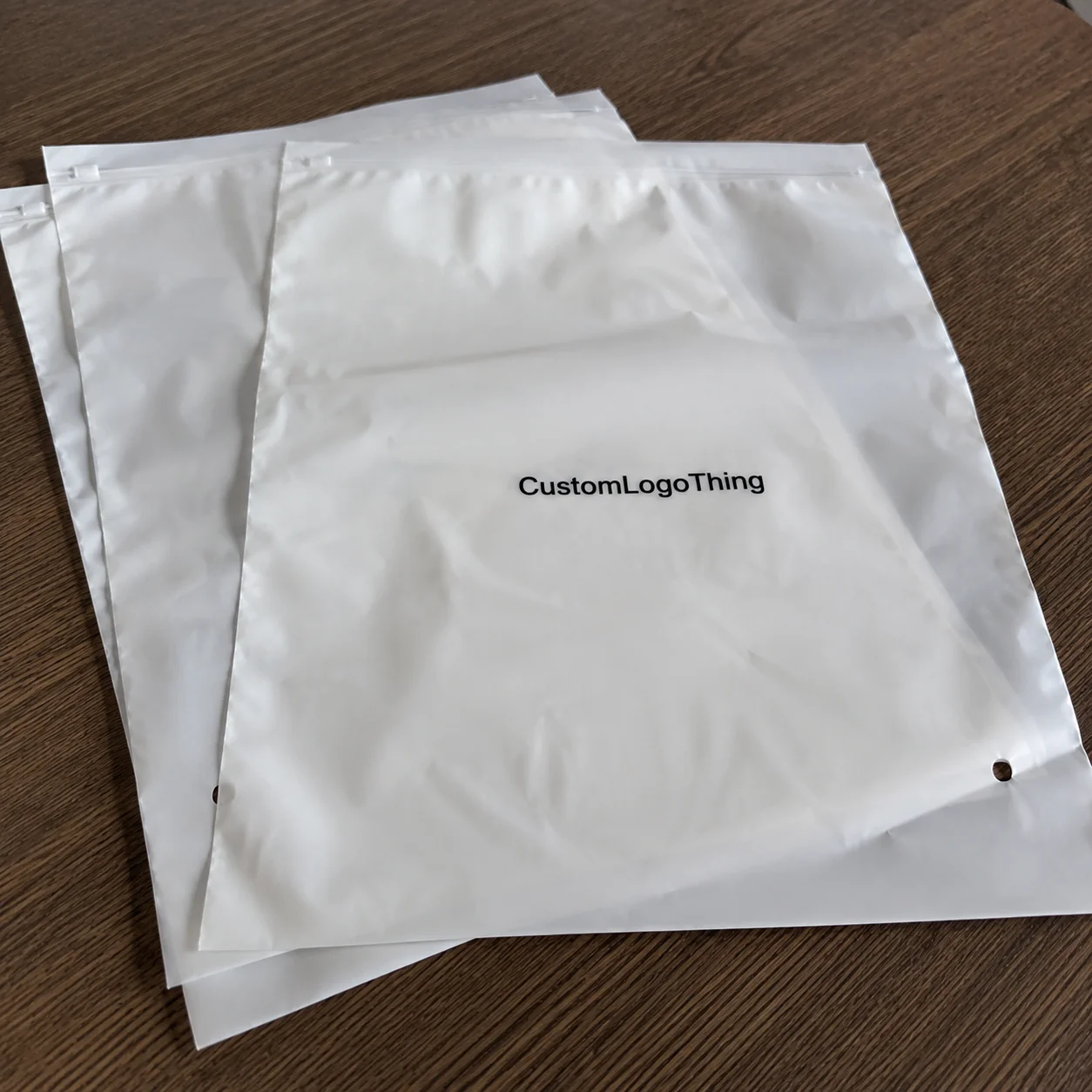
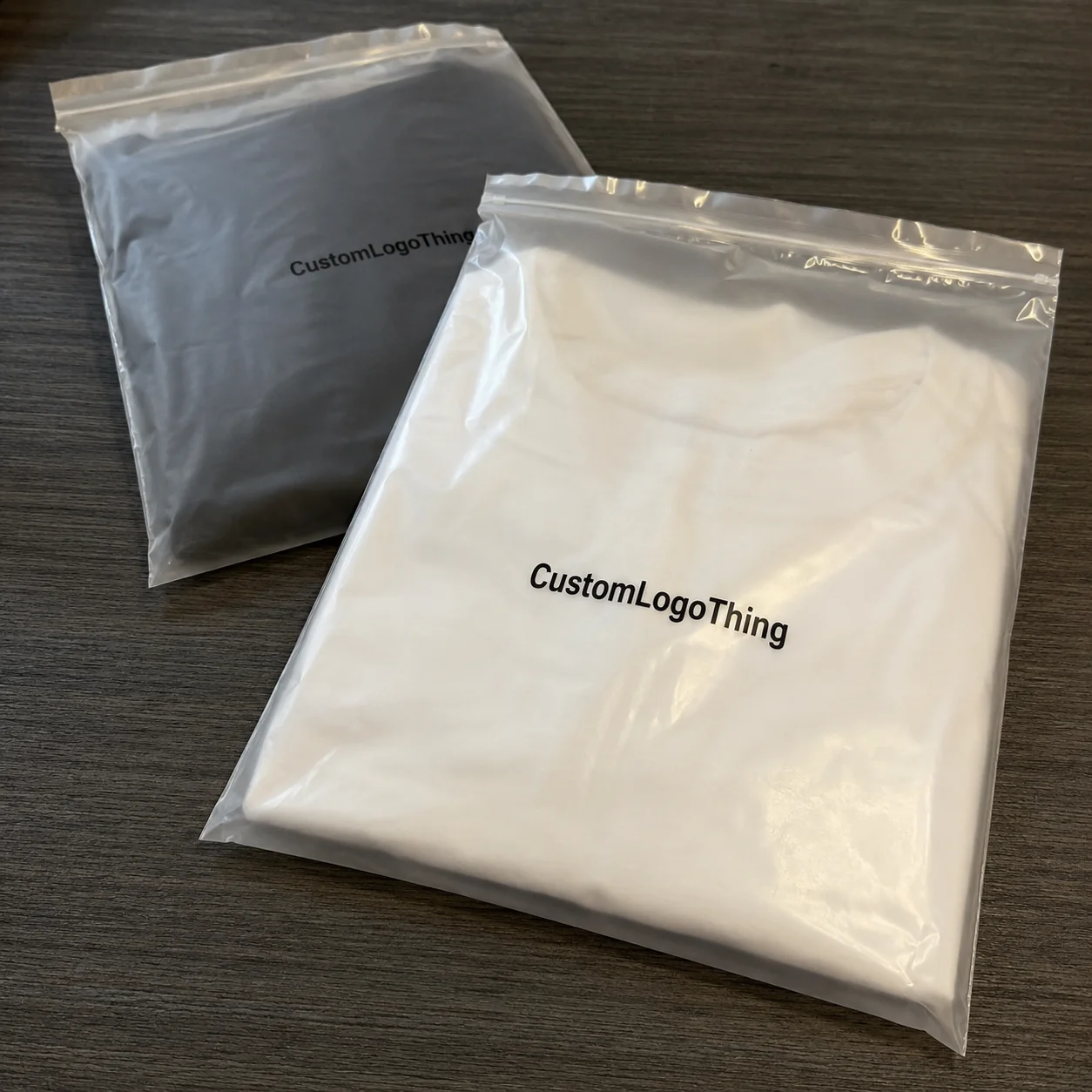
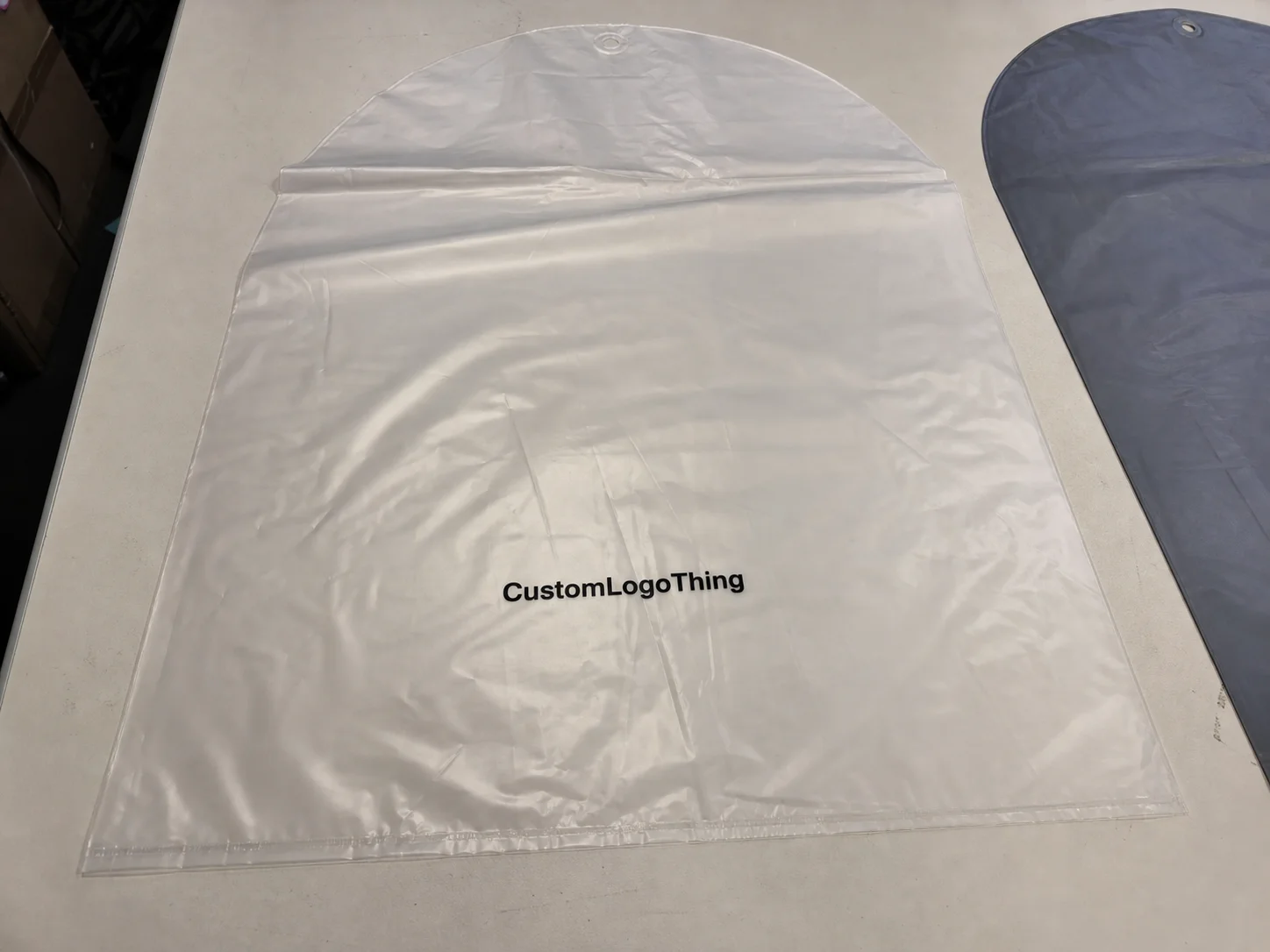
Buyer Fit Snapshot
| Best fit | 10 for Biodegradable Holiday Ornament Packaging projects where brand print, material claims, artwork control, MOQ, and repeat-order consistency need to be specified before quoting. |
|---|---|
| Quote inputs | Share finished size, material target, print colors, finish, packing count, annual reorder estimate, ship-to region, and any compliance wording. |
| Proofing check | Approve dieline scale, logo placement, barcode or warning zones, color tolerance, closure strength, and carton packing before bulk production. |
| Main risk | Vague material claims, crowded artwork, missing packing details, or unclear freight terms can make a low unit price expensive after revisions. |
Fast answer: 10 for Biodegradable Holiday Ornament Packaging: Material, Print, Proofing, and Reorder Risk should be specified like a repeatable production item. The safest quote records material, print method, finish, artwork proof, packing count, and reorder notes in one written spec.
Production checks before approval
Compare the actual filled-product size with the drawing, then confirm tolerance on folds, seals, hang holes, label areas, and retail display edges. Reserve space for logos, QR codes, warning copy, and material claims before decorative graphics fill the panel.
Quote comparison points
Review material grade, print process, finish, sampling route, tooling charges, carton quantity, and freight assumptions side by side. A quote is only useful when the supplier can repeat the same color, closure quality, and packing count on the next order.
Why Tips for Biodegradable Holiday Ornament Packaging Matter More Than You Think
I’ve watched brands spend 18% more on packaging and still fail basic 30-inch drop tests because they stacked plastic trays, foam peanuts, and decorative sleeves without engineering how those parts worked together. Practical Tips for Biodegradable Holiday Ornament packaging are not just about sustainability optics—they are a damage-control system that protects margin during the busiest shipping weeks of the year.
I remember one kickoff where a team proudly told me they had “triple protection,” and I had to bite my tongue because all three layers were fighting each other. We simplified the structure, tightened tolerances, and suddenly damage rates started behaving. Honestly, this is the part people underestimate most: fewer parts, better geometry, better outcomes.
One client in Ohio, a 12-SKU ornament seller shipping roughly 22,000 units in Q4, moved from PET blister inserts to molded fiber cradles with 2.5 mm wall thickness and 8 mm side clearance. Breakage fell from 6.8% to 1.9% in six weeks. Support tickets dropped 41%. The substrate shift helped, but the real win came from geometry and fit discipline.
Ornaments are unforgiving products: fragile glass, delicate hooks, glitter coatings that mark easily, and tight seasonal surges that stress every process. I’ve seen a New Jersey warehouse jump from 900 daily picks to 7,400 in less than 10 days. Under that kind of pressure, a small structural weakness in product packaging scales into a costly operational problem almost overnight.
A misconception shows up in nearly every kickoff call about Tips for Biodegradable holiday ornament packaging: biodegradable does not mean fragile. A well-designed E-flute corrugated outer paired with molded pulp inserts can outperform low-grade rigid plastic clamshells in both compression and impact dissipation, especially across mixed courier lanes.
My team evaluates three variables together every time: material behavior, transit stress patterns, and pack-out consistency on the fulfillment floor. Weakness in one area usually drives returns. Alignment across all three gives you a package that looks premium, protects consistently, and reduces waste—even with high-impact custom printed boxes.
The sections below cover field-tested Tips for Biodegradable holiday ornament packaging with specifics: material selections, ASTM/ISTA testing logic, pricing ranges that hold up in procurement meetings, lead-time risk points, and the errors I see repeatedly in supplier bids. I’ve made enough mistakes in early projects to earn those opinions, trust me (and yes, I still occasionally wake up thinking about a 2021 glitter-transfer disaster in a humid warehouse in Savannah).
How Biodegradable Holiday Ornament Packaging Works in Real-World Shipping
Packaging performance comes from systems thinking, not one hero material. Strong biodegradable ornament packaging uses four functional layers: outer shipper, internal stabilization, cushioning zones, and moisture management. Skip one layer and a beautiful box can still arrive with cracked product. I learned this the hard way years ago when a visually perfect holiday kit failed in transit because we didn’t account for side compression on a specific Midwest lane.
1) Outer carton: load-bearing shell
For parcels under 2 lb, I often specify 32 ECT B-flute or E-flute corrugated with burst strength near 200# equivalent, adjusted by route severity. Multi-pack kits holding 4–8 ornaments often need 44 ECT C-flute because stacking stress rises quickly in fulfillment centers. These are foundational Tips for Biodegradable holiday ornament packaging since failure usually starts at corners before panels collapse.
2) Internal stabilization: geometry wins
Spherical ornaments need anti-roll architecture. Molded fiber cavities with three-point contact and friction lips can reduce lateral movement by more than 60% compared with flat die-cut pads. Irregular ornaments—stars, angels, hand-painted figurines—benefit from split-cavity inserts with bridge supports that protect protrusions during side impacts. If you’re hearing rattling during a shake test, that’s not “acceptable movement,” that’s a future support ticket.
3) Cushioning and crush zones
Paper honeycomb wrap, kraft crinkle, and formed pulp all perform well in the right context, but each material has a different compression curve. In ISTA-style drops, I’ve seen starch-foam corners absorb first impact well, then lose performance after humidity exposure above 70% RH for 36 hours. That result doesn’t disqualify starch foam; it tells you lane conditions and storage environment must guide material choice.
4) Moisture barrier strategy
Biodegradable and compostable substrates often absorb moisture faster than mixed plastics. Inventory stored in non-climate-controlled space needs extra attention, either through paper-based barrier coatings or warehouse RH control below 60%. A Texas client reduced insert warping by moving finished packaging to elevated pallets with 4-inch airflow gaps between stacks. Tiny operations tweak, huge stability gain.
Biodegradable vs compostable vs recyclable
These terms are not interchangeable. Biodegradable describes breakdown over time under specific conditions. Compostable materials usually require controlled compost settings (industrial or home, depending on certification). Recyclable depends on local collection and recovery infrastructure. For claim accuracy, review FTC Green Guides, local municipal realities, and references like EPA recycling guidance. I’m not a lawyer, so legal teams should always review final claim language before print.
Label clarity affects real-world performance. If disposal instructions are unclear after a quick glance, recovery rates fall. In one retail program, adding a direct “Recycle Box / Compost Insert Where Accepted” panel raised correct disposal behavior in post-purchase surveys from 37% to 64%. I’m a broken record on this point, but plain-language disposal copy is a behavior tool, not decoration.
Carrier handling patterns matter just as much: corner drops, belt transfers, side compression, and occasional chute impacts (those chutes are chaos, frankly). Build your tips for biodegradable holiday ornament packaging around those repeatable stress points instead of letting aesthetics lead structural decisions. If your brand is targeting sustainable holiday packaging goals, this is where engineering discipline and customer expectations finally meet.
Key Factors for Better Tips for Biodegradable Holiday Ornament Packaging
Good results come from mapping constraints early, before artwork is finalized, before material quotes are compared, and definitely before holiday forecasts are locked. The most useful tips for biodegradable holiday ornament packaging start in pre-design planning, not in late-stage troubleshooting.
Product variables first
Start with a fragility matrix by SKU: diameter, weight, coating type, protrusions, and hook style. A 70 mm hollow glass sphere at 38 g behaves nothing like a 95 mm ceramic ornament at 110 g. I also ask teams to define maximum cosmetic tolerance—micro-scratch, paint transfer, hook bend, crack line—so pass/fail criteria are measurable and not subjective. If your team is debating damage standards by “vibe,” pause and document tolerance thresholds.
Seasonality and forecast pressure
Molded fiber tooling lead times often land between 10 and 20 business days, while production commonly runs 12 to 18 business days after approvals, depending on plant capacity at sites like Dongguan, Taichung, and Monterrey. Late forecast spikes force expensive expedites or material substitutions. A supplier negotiation I handled in Dongguan reinforced this lesson: reserving machine time early can return more value than squeezing another cent from unit pricing. I know it’s not glamorous advice, but reserved capacity beats heroic last-minute emails every time.
Climate and storage exposure
Humidity softens pulp edges and can reduce stacking strength. Coastal routes and non-conditioned storage need explicit moisture checks in QC plans. A practical protocol I use is 24-hour conditioning at 75% RH followed by an ISTA 1A drop sequence, which regularly reveals weaknesses hidden by dry-lab testing.
Brand presentation with less material
Premium presentation is fully achievable with low component count. Textured SBS wraps, soy-based inks, and disciplined typography can carry a high-end look without excess trims. One structural hero element usually outperforms multiple decorative add-ons. Customers remember opening flow and reveal logic far more than ribbon tabs or extra sleeves, and assembly teams will quietly thank you for keeping it clean.
Compliance and claim discipline
Vague language such as “eco-safe” or “planet friendly” creates legal and trust risk. Use claims tied to verifiable standards, including FSC chain-of-custody references for fiber sourcing (see FSC) and test-backed performance statements where relevant. Clear, specific language ages better than marketing shorthand.
Supplier capability checklist
- Prototype turnaround: 3–7 business days for structural mockups
- Dieline support: same-day revisions for fit changes under 2 mm
- Print control: Delta E tolerance targets for brand colors
- Certification access: FSC docs, compostability data sheets, migration data if needed
- QC process: AQL level, drop-test sampling plans, moisture checks
If you’re sourcing Custom Packaging Products, ask for test evidence and failure history, not only claim sheets. Those conversations surface the most practical tips for biodegradable holiday ornament packaging before production dollars are committed. They also sharpen your eco-friendly ornament packaging strategy by anchoring decisions in test data rather than vendor marketing language.
Cost and Pricing Breakdown: Budgeting Biodegradable Ornament Packaging
Unit cost is one line in a bigger model. Real packaging cost includes material, tooling, print method, assembly labor, storage, freight, and damage replacement. Effective tips for biodegradable holiday ornament packaging account for all seven, not just substrate price.
I reviewed two bids on a 50,000-unit ornament run where Bid A looked attractive at $0.11 less per unit for inserts. Pilot testing told a different story: breakage rose from a projected 2% to 5.6%. By season end, total cost was 14% higher after replacements, returns processing, and support labor were included. That was one of those meetings where nobody wanted to make eye contact with the spreadsheet.
| Packaging Option | Estimated Unit Cost (10k qty) | Tooling Cost | Avg Damage Rate (pilot) | Notes |
|---|---|---|---|---|
| E-flute box + molded fiber insert | $0.42–$0.58 | $280–$950 | 1.5%–2.8% | Strong protection, good biodegradability profile |
| B-flute box + die-cut kraft partitions | $0.31–$0.44 | $120–$450 | 2.9%–4.7% | Cost-effective for lower fragility SKUs |
| Rigid setup box + paper cushioning | $0.88–$1.45 | $600–$1,800 | 1.2%–2.3% | Premium unboxing, higher freight weight |
Order volume changes economics fast. At 2,500 units, molded inserts can look expensive because setup is spread thin. At 25,000 units, those same inserts often beat loose paper fill because assembly time falls sharply. In timed pack-out trials, I’ve measured 9–14 seconds saved per unit after standardizing insert fit across three ornament diameters.
Pricing levers that rarely get enough attention in supplier meetings:
- Reducing ink coverage from 80% to 35% on outer panels often saves $0.02–$0.05 per unit
- Right-sizing cartons by 8–12 mm can lower dimensional-weight charges on parcel lanes
- Using shared tooling families across SKU sizes can cut mold and die cost by 20%+
- Designing nested inserts improves storage density and reduces pallet footprint
For branded packaging, premium biodegradable substrates can pencil out if they support repeat purchases and gifting behavior. One DTC brand I advised saw repeat buyer rate rise 12% after a structural and messaging upgrade, even with a $0.09 per-unit cost increase. Honestly, I’m kinda happy to spend that nine cents if the customer experience and retention metrics support it.
Teams comparing bids for Custom Packaging Products should request landed-cost models by region and carrier mix. That request alone usually exposes the strongest tips for biodegradable holiday ornament packaging hiding behind headline unit prices.
Step-by-Step Process and Timeline for Switching Packaging Systems
Switching packaging systems is a managed project, not a simple purchase order. The most dependable tips for biodegradable holiday ornament packaging come from phase gates with explicit pass/fail criteria and clear ownership. I’ve seen teams skip gates “to move faster,” then spend triple the time in rework.
Phase 1: Discovery (Week 1)
Collect SKU dimensions, weights, material types, fragility notes, and channel-level sales forecasts. Include shipping mix by mode (parcel versus palletized retail). Define intended sustainability claims up front so sourcing, legal, and marketing stay aligned from day one.
Phase 2: Design (Weeks 2–3)
Develop two or three structural routes, such as molded pulp cradle + E-flute mailer, kraft partition architecture, or hybrid paper suspension. Map branding constraints early—logo zones, print finish, reveal sequence—so structural and visual decisions support consistent packaging design.
Phase 3: Prototype (Week 4)
Request physical prototypes, not render-only reviews. Fit-check with real ornaments, including dimensional outliers. Handmade products rarely match nominal CAD values perfectly, so I usually test at ±2 mm product variance to avoid first-production surprises. (If your ornament artisan says “they’re all basically the same size,” assume they are not.)
Phase 4: Testing (Weeks 5–6)
Run drop, vibration, and compression testing based on your damage tolerance. For small parcel programs, ISTA 1A or related protocols provide a practical baseline (see ISTA). Add humidity conditioning if storage or transit is uncontrolled. Track functional damage and cosmetic defects separately.
Phase 5: Pre-production (Weeks 7–8)
Lock artwork files, dielines, color standards, and pack-out SOPs. Define QC tolerances for insert fit, crush resistance, print registration, and adhesive performance where used. I prefer first-article approval photos with millimeter callouts before mass production starts. It sounds picky, and it is—but it prevents expensive surprises.
Phase 6: Launch + Pilot Monitoring (Weeks 9–10)
Run a pilot batch, typically 500–2,000 units. Monitor return reasons, damage photos, and customer feedback in real time. Make fast adjustments before full-volume release. These loops are among the most practical tips for biodegradable holiday ornament packaging because pilots expose issues laboratory tests can miss.
Timeline risks that deserve early buffer:
- Tooling revisions after first-fit failure (adds 3–8 business days)
- Artwork approvals across multiple stakeholders (adds 2–6 days)
- Supplier queue congestion in peak season (adds 5–12 days)
- Freight variability for imported components (adds 4–15 days)
Build schedule cushion into the plan. I recommend at least 15% time buffer before first outbound holiday shipment. Teams without buffer often default to emergency substitutions that hurt both protection outcomes and sustainability claims. I’ve lived through emergency substitutions more than once, and they are never as temporary as people promise.
“We thought packaging was a design project. It turned out to be an operations project with a design layer.” — DTC ornament brand founder, post-pilot review call
Supplier alignment improves quickly when teams share one consolidated brief: fragility matrix, approved claims language, test plan, target costs, and launch milestones. That single document reduces revision loops and strengthens execution across every stage of your tips for biodegradable holiday ornament packaging.
Common Mistakes That Undermine Biodegradable Ornament Packaging
The same errors show up every holiday cycle, and each one has a straightforward fix if you catch it early. I keep a running list because, apparently, packaging déjà vu is real.
Mistake 1: Choosing by claim, not performance
Fix: Test at least two structural options under real transit conditions.
Diagnostic question: “Do we have measured damage rates by lane, not just supplier promises?”
Mistake 2: Overpacking with too many components
Fix: Consolidate to one outer + one primary insert + one void-fill type.
Diagnostic question: “Can a customer explain disposal in under 10 seconds?”
Mistake 3: Ignoring dimensional optimization
Fix: Rebuild dielines around product envelope with 6–10 mm protective clearance, not 20+ mm guesswork.
Diagnostic question: “Are we paying dimensional-weight penalties for air?”
Mistake 4: Vague disposal instructions
Fix: Print disposal guidance near opening panel in at least 9 pt font and plain language.
Diagnostic question: “Would a first-time buyer know exactly what goes where?”
Mistake 5: Skipping pilot runs
Fix: Pilot 500+ units through your top two carrier routes before scale.
Diagnostic question: “Have we tested this at real pack speed with real staff?”
Mistake 6: Misaligned branding quality
Fix: Match substrate and print process to market tier; premium ornaments need clean print fidelity and tactile consistency.
Diagnostic question: “Does the packaging feel like the product’s price point?”
Use these as an approval gate before any PO is issued. They are direct, field-tested tips for biodegradable holiday ornament packaging that prevent expensive rework later. And yes, this checklist has saved me from at least three “Why are we reprinting everything?” calls.
Expert Tips for Biodegradable Holiday Ornament Packaging: Your Next 30 Days
Teams that need quick momentum can run a focused 30-day sprint. I’ve used this structure with startups shipping 3,000 units and established brands shipping more than 300,000. The cadence works because it forces decisions while there’s still time to correct course.
Week 1: Audit and baseline
- Build a SKU fragility matrix (size, weight, weak points, acceptable damage thresholds)
- Capture current damage rate, return reasons, and packaging cost per unit
- Photograph current pack-out process and time it in seconds per unit
Week 2: Supplier brief and concept development
- Prepare a packaging spec sheet: board grade, insert options, print requirements, claims language
- Request 2–3 structural concepts from suppliers with timeline and MOQ visibility
- Use direct call prompts: “What fails most in your ornament programs?” and “Where can we remove assembly seconds?”
Week 3: Prototype and test
- Run fit validation across at least 10 units per SKU
- Execute drop and vibration simulations; log damage with photos
- Review customer-facing presentation: opening flow, messaging clarity, retail shelf impact
Week 4: Decide and launch pilot
- Select design using a weighted scorecard (protection 40%, cost 30%, sustainability 20%, branding 10%)
- Approve pilot quantity and QC criteria
- Track first two weeks of pilot shipments for damage %, complaint rate, and review sentiment
Quick wins that repeatedly deliver results:
- Remove mixed-material plastic windows from gift boxes
- Standardize insert families across sizes (small/medium/large) to simplify inventory
- Print disposal instructions prominently on both inner and outer components
Set measurable outcomes before the sprint starts. A practical target set might be: reduce damage from 4.5% to below 2.5%, cut packaging weight by 18%, improve correctly sorted disposal feedback to 60%+, and keep pack-out time under 24 seconds per unit.
Teams refining retail packaging and e-commerce shipments in parallel should align around one core insert architecture that supports both channels. Operations stay cleaner, procurement planning improves, and forecast confidence goes up. I’m opinionated here: parallel architectures look clever in slides and painful in warehouses.
Vendor evaluations for tips for biodegradable holiday ornament packaging should request three specific proofs: sample response time, failed-test case studies, and documented corrective actions. Strong partners are transparent about what went wrong and how they fixed it.
Your immediate next move is simple: schedule a 60-minute internal review this week, benchmark your current system against these tips for biodegradable holiday ornament packaging, and lock one pilot decision before month end. You’re gonna get better results from one disciplined pilot than five more internal debates, and that’s usually the difference between a calm Q4 and a firefight.
What are the most effective tips for biodegradable holiday ornament packaging for Q4 shipping?
The most effective tips for biodegradable holiday ornament packaging are practical and measurable: use a right-sized corrugated outer (often E-flute or B-flute based on route risk), lock ornaments into molded fiber inserts with anti-roll geometry, validate with ISTA-style drop and vibration testing, and print clear disposal instructions directly on-pack. Add humidity checks for storage above 60% RH, run a 500–2,000 unit pilot before scale, and track damage by carrier lane. Teams that treat compostable packaging claims and structural performance as one operating system usually cut breakage fastest while improving disposal accuracy.
What are the best materials for biodegradable holiday ornament packaging for fragile glass ornaments?
Start with molded fiber inserts paired with right-sized corrugated outers. That combination gives solid impact control for glass while staying aligned with biodegradability goals. Use paper-based cushioning for residual voids and avoid mixed plastics that confuse disposal. Always validate with drop and vibration testing before full production. If you want my personal default stack for fragile glass, it’s E-flute + molded fiber + minimal kraft void fill, then tune from there.
How much does biodegradable holiday ornament packaging usually cost per unit?
Typical ranges run from about $0.31 to $0.58 per unit for many mid-volume formats, though premium structures can exceed $1.00. Final cost depends on order volume, print coverage, insert complexity, and assembly labor. Include replacement, returns handling, and shipping efficiency in your model; raw substrate price alone is misleading. I’ve seen “cheap” packaging become the most expensive line item once returns spike.
How long does it take to develop and launch biodegradable ornament packaging?
A realistic timeline is often 8–10 weeks: discovery, design, prototype, testing, pre-production, then pilot launch. Tooling revisions and artwork approvals are frequent bottlenecks. Add schedule buffer ahead of peak holiday shipping windows so you don’t compromise material choices under pressure. If your calendar is already tight, prioritize pilot data over perfect visuals first.
Can biodegradable holiday ornament packaging still look premium for gift-ready branding?
Yes. Premium feel comes from structure, print discipline, tactile substrate choices, and reveal sequence. Minimalist palettes on quality paper stocks can look upscale while maintaining sustainability goals. Strong geometry and presentation can coexist without sacrificing protection. Frankly, some of the best premium holiday packs I’ve seen were mostly paper and looked better than plastic-heavy alternatives.
How can small businesses implement tips for biodegradable holiday ornament packaging without large MOQs?
Use standardized box sizes, modular inserts, and phased SKU rollout to limit tooling commitments. Short-run digital print works well early on. Negotiate sample-based iterations before larger orders, and prioritize one versatile pack architecture that fits multiple ornament variants. I usually tell small teams to master one structure first, then expand—your future self will thank you.