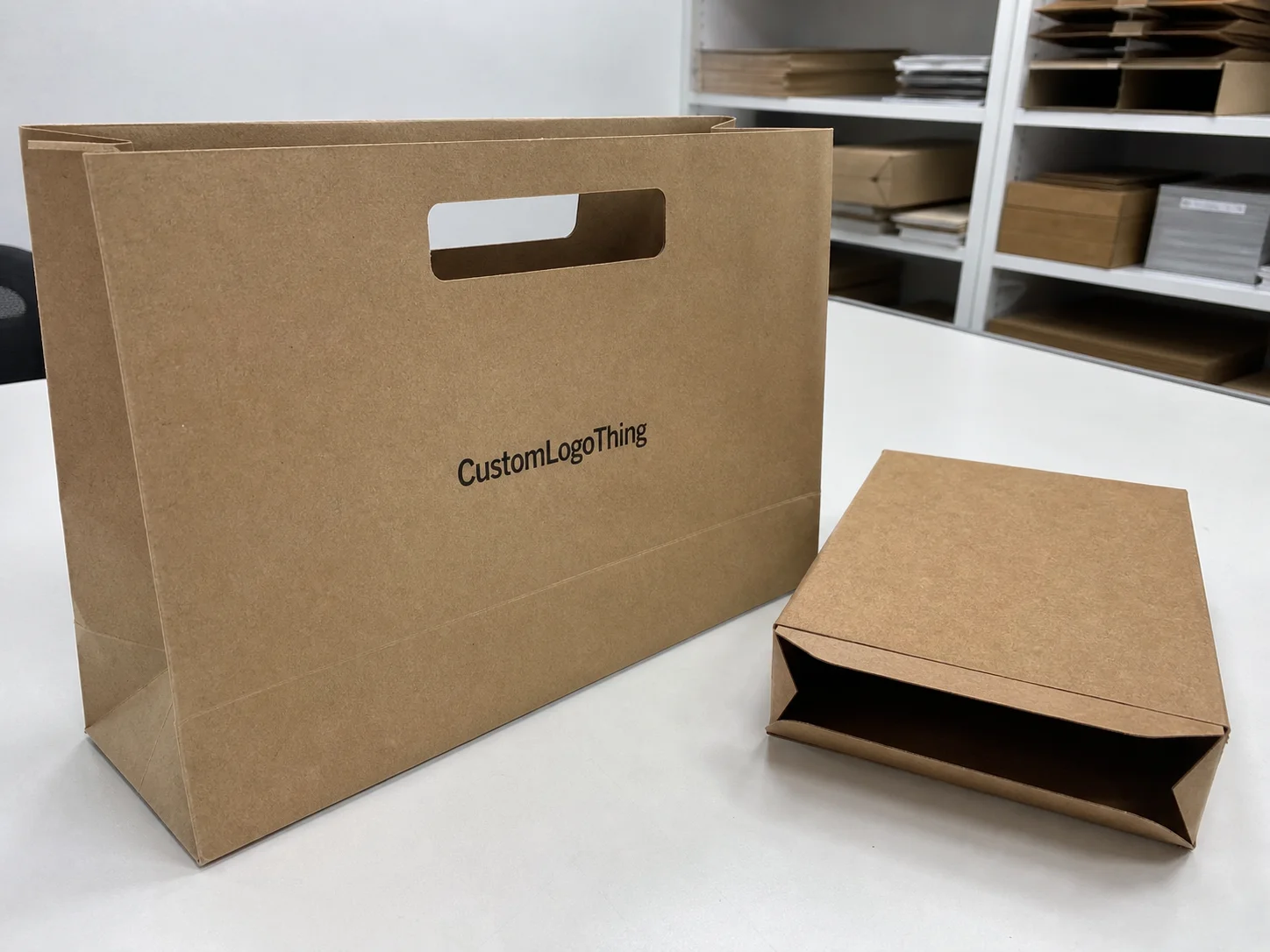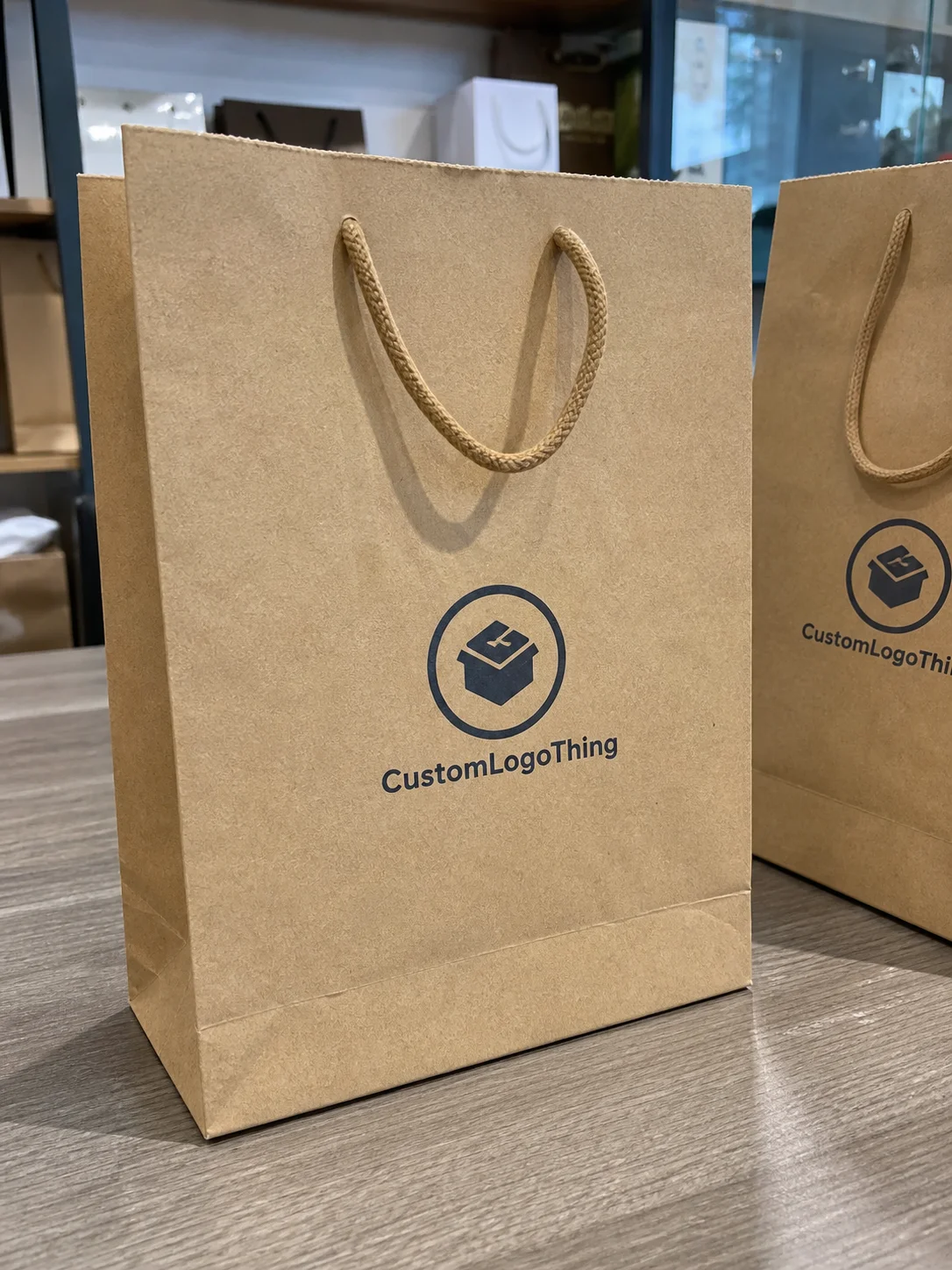
Buyer Fit Snapshot
| Best fit | 7 for Biodegradable Wine Bottle Wraps projects where brand print, material claims, artwork control, MOQ, and repeat-order consistency need to be specified before quoting. |
|---|---|
| Quote inputs | Share finished size, material target, print colors, finish, packing count, annual reorder estimate, ship-to region, and any compliance wording. |
| Proofing check | Approve dieline scale, logo placement, barcode or warning zones, color tolerance, closure strength, and carton packing before bulk production. |
| Main risk | Vague material claims, crowded artwork, missing packing details, or unclear freight terms can make a low unit price expensive after revisions. |
Fast answer: 7 for Biodegradable Wine Bottle Wraps: Film, Print, MOQ, and Carton Packing should be specified like a repeatable production item. The safest quote records material, print method, finish, artwork proof, packing count, and reorder notes in one written spec.
Production checks before approval
Compare the actual filled-product size with the drawing, then confirm tolerance on folds, seals, hang holes, label areas, and retail display edges. Reserve space for logos, QR codes, warning copy, and material claims before decorative graphics fill the panel.
Quote comparison points
Review material grade, print process, finish, sampling route, tooling charges, carton quantity, and freight assumptions side by side. A quote is only useful when the supplier can repeat the same color, closure quality, and packing count on the next order.
Why Tips for Biodegradable Wine Bottle Wraps Matter More Than Most Brands Think
A Napa client once spent $38,400 in a single quarter replacing bottles broken in transit, while their “eco” wrap budget was just $11,900. Read that again. They saved pennies per unit and burned dollars by the truckload. Serious Tips for Biodegradable wine bottle wraps matter whether you ship direct-to-consumer, wholesale, or club subscriptions.
I remember when we walked that damage report line by line in their office—everyone got very quiet around page three. I’ve watched this same pattern play out on factory floors in Dongguan and during warehouse audits in New Jersey: brands pick a wrap that photographs beautifully and signals sustainability, yet it can’t pass a basic ISTA 3A drop sequence. Pretty doesn’t protect. Protection starts with structure, fit, and hard test data, and yeah, that sentence has started a few uncomfortable meetings.
Plain-English definition: biodegradable wine bottle wraps are protective wraps designed to break down under specific microbial or composting conditions. That does not mean any brown paper wrap is biodegradable, and it definitely doesn’t mean “green-looking” equals compliant or durable.
Teams usually get tangled in terminology:
- Biodegradable: breaks down biologically over time under defined conditions.
- Compostable: breaks down into non-toxic components within composting standards (often industrial composting conditions).
- Recyclable: can be processed into new material streams, if local systems accept it.
- Oxo-degradable: additive-driven fragmentation, often controversial because it can become microplastics rather than true biodegradation.
Kickoff meetings expose the disconnect fast. Marketing says “biodegradable.” Procurement hears “cheap paper.” Ops hears “slower pack line.” Legal hears “risk.” Everyone is partly right and partly wrong until specs are aligned early.
These Tips for Biodegradable wine bottle wraps focus on the real balancing act: shipping protection, shelf and unboxing presentation, sustainability claims, and unit economics. We’ll cover structures that hold up, performance drivers that actually matter, realistic costs with real numbers, and the timeline you should expect from sample to rollout.
Honestly, I think this is the part people avoid because it isn’t flashy: the lowest quote often becomes the most expensive decision once breakage, returns, labor, and brand reputation are added back into the math.
How Biodegradable Wine Bottle Wraps Actually Work in Transit
Wine bottles rarely break from one dramatic hit. Most failures come from repeated stress: conveyor drops, truck vibration, pallet compression, corner impacts, and humidity softening over time. Practical Tips for Biodegradable Wine Bottle wraps start with physics, not buzzwords.
Protection mechanics you need to engineer for
Shock absorption: A 1.5-meter courier drop can spike force at the bottle base and shoulder. Wraps with layered crush zones reduce peak impact energy.
Compression resistance: In pallet stacks, bottom cases may carry 90–140 kg depending on stacking pattern. Once wrap structure collapses, glass-to-glass contact happens quickly.
Vibration damping: Long-haul truck lanes (California to Texas, for example) can run 1,500+ miles. Micro-vibrations cause abrasion and neck fatigue over time.
Puncture prevention: Carton corner failures or strap pressure can create sharp intrusions. Your wrap needs enough caliper and fold geometry to stop puncture transfer.
Common biodegradable wrap structures
Molded pulp sleeves: Usually excellent at fixed-geometry cushioning. Typical tooling cost: $1,200–$4,800 depending on cavity complexity. Unit cost at 10,000 pcs: $0.26–$0.44.
Kraft honeycomb wraps: Flexible, lighter tooling requirements, strong side-impact behavior when correctly tensioned. Unit cost at 10,000 pcs: $0.14–$0.28.
Multi-layer kraft wraps: Two- or three-layer die-cut wraps with lock tabs and shoulder reinforcement. Unit cost at 10,000 pcs: $0.16–$0.31.
Bio-resin film hybrids: Some use certified biopolymers with paper cores. Strong presentation, mixed end-of-life outcomes depending on regional waste systems.
Stress points that crack bottles first
The shoulder takes oblique impacts. The neck suffers whip movement if fit is loose. The base cracks under axial shock during vertical drops. If a supplier can’t explain how their wrap handles all three zones, you’re buying hope, not protection.
I watched one line in Shenzhen pack 600 bottles per hour with a wrap that left 8 mm of headspace at the neck. Damage rate jumped from 0.9% to 3.4% in two weeks. We tightened die-line tolerances, added one lock flap, and cut claims by half in the next cycle. I still keep that sample on a shelf because it’s a perfect reminder that 8 mm can be very expensive.
Testing basics you should require
- Drop test: ISTA-style sequence at 76 cm and 120 cm depending on pack weight.
- Compression: Simulated stacking pressure for 24 hours minimum.
- Humidity exposure: 50%, 65%, and 85% RH checks for stiffness retention.
- Abrasion: Internal rub tests to verify label and wrap dust performance.
Reference: ISTA transit test standards.
Humidity and temperature carry extra weight for biodegradables compared with traditional plastics because fiber-based materials can absorb moisture, lose rigidity, and creep under load. If bottle weight climbs, caliper and cushion profile must scale with it. A 1.2 kg sparkling bottle needs noticeably more structure than a 750 g still wine bottle. Simple rule, frequently ignored.
Quick disclaimer from the field: no wrap material performs well if the outer shipper is under-spec’d or if void fill is inconsistent. I’ve seen teams blame wraps for failures that started with a weak RSC case and sloppy pack-out. You kinda need the full packaging system working together.
Key Factors Behind Great Tips for Biodegradable Wine Bottle Wraps
Bottles vary more than most teams assume, and your strategy has to reflect that. The best tips for biodegradable wine bottle wraps begin with bottle family mapping.
Material fit by bottle type
Bordeaux bottles (straighter profile) often accept simpler wraps with consistent lock points.
Burgundy bottles (sloped shoulders) need stronger shoulder cradling.
Sparkling bottles carry heavier glass, higher pressure risk, and usually need thicker cushioning plus tighter neck control.
One client tried a “universal” wrap across three bottle families. That decision hurt quickly. Fit variance hit 11 mm around the shoulder, and returns rose 1.8%. We split SKUs into two dielines and recovered margin within one quarter. Honestly, I think “universal” in wine packaging usually means “we’ll fix this later with overtime.”
Thickness, profile, and edge-lock design
Caliper alone won’t save a weak structure. Flute or profile orientation plus edge-lock geometry determine whether energy dissipates through the wrap or transfers straight into glass. I like a lock system that tolerates ±1.5 mm converting variation without popping during auto-pack.
For most 750 ml still wine programs, strong outcomes often land in a 2.5–4.0 mm equivalent cushioning profile, depending on ship mode. Sparkling programs commonly sit around 4.0–6.0 mm. Final spec belongs to test data, not opinions.
Inks, adhesives, and migration-safe coatings
Luxury presentation and sustainability claims can coexist without plastic lamination. Use water-based inks, low-migration systems, and compost-friendly adhesives where needed. Heavy UV flood coatings tend to complicate compostability claims and certification alignment.
I negotiated this exact issue with two converters in Suzhou. One pushed a glossy barrier varnish at +$0.03 per unit. It looked excellent and failed the brand’s compostability strategy. We moved to a matte aqueous system and protected both claims and budget. Matte also looked better with their label art, but that’s my bias and I’m gonna stand by it.
Claim discipline and documentation
If you print “biodegradable,” keep your paperwork ready: supplier declarations, lab reports, and standard references. Printing claims first and asking compliance questions later is how legal budgets get torched.
Useful frameworks and sourcing references include EPA composting guidance and chain-of-custody programs like FSC for paper sourcing.
Storage before use matters more than people expect
Keep wraps in controlled humidity whenever possible. I’ve measured board stiffness dropping after 12 days in a damp warehouse corner with no pallet cover. Same wrap, same supplier, completely different performance because storage discipline slipped.
Standard practice I recommend: keep pallet wrap intact until use, maintain floor clearance on racking, and run FIFO rotation inside a 50–70% RH target band. Small controls, outsized impact. Not glamorous work, but it prevents those 6:30 a.m. “why are claims spiking?” phone calls.
Cost Breakdown: What You’ll Really Pay for Biodegradable Wine Bottle Wraps
You asked for real pricing, so let’s put numbers on the table. Useful tips for biodegradable wine bottle wraps include hard costs, not vague promises.
Sample and setup phase costs usually include:
- Prototype samples: $120–$480 per round
- Transit test batch prep: $300–$1,200
- Molded pulp tooling: $1,200–$4,800
- Die-cut tooling (kraft structures): $180–$950
- Print plates (if flexo): $90–$350 per color/station
| Wrap Type | Sample Run (500 pcs) | 5,000 pcs | 10,000 pcs | 50,000 pcs | Typical MOQ |
|---|---|---|---|---|---|
| Kraft Honeycomb Wrap | $0.46–$0.78/unit | $0.21–$0.34/unit | $0.14–$0.28/unit | $0.09–$0.19/unit | 3,000–5,000 |
| Molded Pulp Sleeve | $0.62–$1.05/unit | $0.34–$0.58/unit | $0.26–$0.44/unit | $0.18–$0.31/unit | 10,000+ |
| Multi-layer Kraft Die-cut | $0.49–$0.82/unit | $0.24–$0.39/unit | $0.16–$0.31/unit | $0.11–$0.23/unit | 5,000+ |
| Bio-film Hybrid | $0.71–$1.20/unit | $0.38–$0.66/unit | $0.29–$0.52/unit | $0.22–$0.41/unit | 8,000–12,000 |
Now for the metric finance teams care about: landed cost. Unit price is just one variable. Freight cube, labor speed, damage rate, and returns handling can wipe out “savings” in a hurry.
Example from a Midwest wine club program (about 18,000 shipments per month):
- Old wrap: $0.17/unit, damage 2.9%, repack labor 19 sec/bottle
- New wrap: $0.23/unit, damage 1.1%, repack labor 13 sec/bottle
- Net monthly savings after claims + labor: $9,640
They paid $0.06 more per unit and still saved money. The math was never close once damage and labor were included. It sounds counterintuitive at first, but every ops leader I trust eventually lands in the same place: optimize total system cost, not just purchase price.
Hidden costs most teams miss
- Breakage replacements: product cost + outbound freight + customer support time
- Return handling: receiving labor, disposal, restocking complexity
- Line speed loss: awkward folds can drop throughput by 10–25%
- Storage inefficiency: high-cube formats inflate warehouse costs
- Reputational drag: subscription churn after repeated broken shipments
Supplier types and MOQ reality
Regional converters: easier communication, faster truck freight, MOQs often 3,000–10,000.
Large mills/integrated groups: stronger consistency, less flexibility for small pilots.
Offshore factories: lower piece price at scale, longer lead times, tighter planning discipline required.
I’ve sourced through International Paper channels, smaller California converters, and two long-term partners in Guangdong. Negotiation levers that work include annual volume commitments, blanket PO schedules, shared tooling amortization, and approved alternate board weights.
Budget strategy I use with clients:
- Test budget: $2,500–$8,000
- Pilot budget: $8,000–$25,000
- Rollout budget: volume-dependent, usually with 5–10% contingency reserve
Numbers vary by bottle count, artwork complexity, and shipping geography. Teams that start with zero contingency usually end up buying emergency fixes at premium pricing.
Step-by-Step Process and Timeline to Source, Test, and Launch
Reliable tips for biodegradable wine bottle wraps come from disciplined execution. Ad-hoc sourcing creates expensive chaos.
Step 1: Define specs before quoting (3–5 business days)
Lock bottle dimensions, filled weight, closure type, ship mode (parcel, LTL, mixed), and claim requirements. Include the target test standard (for example, ISTA 3A profile) in the RFQ. Skip this and your quotes become apples-to-oranges noise.
Step 2: Shortlist 3–5 suppliers and request matched samples (7–12 business days)
Matched means identical constraints for every supplier: same bottle SKU, same outer carton, same pass/fail criteria. I usually request 25–50 sample sets per supplier so we can run repeat tests instead of one lucky drop.
Step 3: Run controlled tests with scorecard (5–10 business days)
Build a pass/fail matrix around drop survival, compression hold, humidity stiffness, and pack speed. Weight categories so protection carries top priority. Fancy print finishes don’t matter if you’re shipping glass confetti.
“We thought the premium texture mattered most. Then we saw the damage dashboard. Protection became the brand strategy.” — DTC wine operations manager, Oregon
Step 4: Approve proofs, dielines, and line method (4–8 business days)
Proof signoff should cover print color limits, lock-tab tolerances, and fold-direction visuals. I’ve seen teams lose a month because packers folded opposite to design intent. A one-page visual SOP at each station prevents that mess.
Step 5: Pilot launch by SKU or region (2–4 weeks)
Choose a controlled slice: one varietal line, one subscription cohort, or one region. Track four live KPIs weekly: damage rate, pack time per case, customer complaint ratio, and total cost per shipped bottle.
Step 6: Full rollout with SOPs and reorder triggers (ongoing)
Document reorder points by lead time and safety stock. Example: 18-day lead plus 10-day safety buffer means reorder at 28 days of inventory remaining. Keep at least one approved alternate spec ready for material disruptions.
Common delays and how to cut them
- Delay: bottle spec changes mid-project. Fix: freeze dimensions at kickoff.
- Delay: artwork revisions across marketing and legal loops. Fix: define claim language early.
- Delay: single-source sampling bottleneck. Fix: run parallel sample rounds from two vendors.
- Delay: failed humidity test late. Fix: include humidity testing in round one.
Typical end-to-end timing for a clean project lands around 6–10 weeks. Faster timelines are possible when internal approvals move quickly and suppliers have open capacity.
Common Mistakes That Ruin Biodegradable Wine Wrap Projects
I’ve cleaned up enough messy launches to see patterns quickly. Poor execution ignores the fundamentals behind good tips for biodegradable wine bottle wraps.
Mistake 1: Choosing by eco label only
“Certified” is not a protection metric. If the wrap can’t survive transit tests for your real ship profile, it fails the job. Full stop.
Mistake 2: Ignoring bottle variance
Same brand family, different glass plant, slightly different shoulder angle. Tiny variance can break fit. I’ve measured 2–4 mm differences across batches that wrecked lock-tab performance.
Mistake 3: Overprinting and heavy coatings
High coverage, metallic effects, or thick coatings can conflict with biodegradation or compostability intent. Great visuals are still possible, but design choices have to match claim strategy.
Mistake 4: Warehouse neglect
Wraps left near dock doors at 80% RH for two weeks lose stiffness. Then everyone blames the supplier. Storage discipline is part of packaging performance.
Mistake 5: Zero packer training
Incorrect fold direction, loose wraps, and rushed motions can push damage rates up by one to two points. Training takes hours. Claims cleanup takes months.
Mistake 6: Marketing claims outrun compliance proof
If copy says “compostable” but documentation only supports certain components or conditions, complaints and legal risk follow. Keep claims precise and documented.
Strong tips for biodegradable wine bottle wraps combine materials, testing, operations, and claims as one system. If one piece is weak, the system tells on itself pretty quickly.
Expert Tips for Biodegradable Wine Bottle Wraps: Your Next 30-Day Action Plan
You need execution, not theory. Here are practical tips for biodegradable wine bottle wraps you can put in motion Monday morning.
Week 1: Discovery and spec lock
- Finalize bottle dimensions, weights, and annual forecast by SKU.
- Define sustainability claim language with legal and compliance.
- Set KPI targets: damage rate, pack speed, complaint rate, and cost per shipped bottle.
Suggested KPI baseline targets:
- Damage rate: below 1.5% parcel average
- Pack-out time: under 14 sec per bottle on manual lines
- Complaint rate: under 0.8% shipment-level
- Cost/shipped bottle: all-in, not unit-only
Week 2: Sampling and vendor alignment
- Request quotes and samples from 3–5 suppliers.
- Send a one-page requirements template with standards and defect allowances.
- Ask for documentation: fiber source, test data, biodegradability or compostability evidence where applicable.
Template points to include in emails:
- Target transit test profile (ISTA sequence)
- Lead time from PO and from art approval
- AQL/defect tolerance expectations
- Board weight/caliper tolerances
- Print and adhesive system details
Week 3: Testing and pilot prep
- Run side-by-side drop, compression, and humidity tests.
- Score protection first, then labor speed, then branding.
- Prepare SOP visuals for pack teams (fold direction, lock checks).
Week 4: Pilot decision gate
- Launch one region or one SKU with the best-performing wrap.
- Track KPIs daily for the first 10 shipping days.
- Approve full rollout only if thresholds are met.
Quick wins that pay off fast
- Dual-source strategy: keep two approved suppliers for continuity.
- Standardize bottle families: fewer dielines, cleaner inventory.
- Pre-approve alternate board weights: less disruption in supply crunches.
The smartest brands treat these tips for biodegradable wine bottle wraps as an operations project, not a marketing campaign. Lock specs, test with discipline, train the line, and measure total landed cost weekly during rollout.
Actionable takeaway: if you only do three things this month, do these in order: (1) freeze bottle specs and claim language, (2) run matched ISTA and humidity tests across at least three suppliers, and (3) approve only the option that wins on protection and total landed cost—not the lowest unit quote. That sequence will save you money, protect your sustainability claims, and cut breakage headaches fast.
FAQs
What are the best materials to use for biodegradable wine bottle wraps?
Top options include molded pulp, kraft honeycomb paper, and selected certified bio-film hybrids. The best fit depends on bottle weight, geometry, and ship mode (parcel vs palletized). Request lab-backed biodegradability or compostability documentation plus transit test results before approval.
How much do biodegradable wine bottle wraps cost per unit at scale?
Cost depends on structure, print complexity, and volume. Typical large-run pricing often lands around $0.09–$0.31 for paper-based options, with molded pulp sometimes higher unless volume is strong. Calculate total landed cost, including damage reduction, labor, and freight cube, rather than piece price alone.
How long does it take to switch to biodegradable wine bottle wraps?
A practical transition usually takes 6–10 weeks including sampling, testing, proofing, and pilot rollout. You can shorten timing by freezing bottle specs early and testing multiple suppliers in parallel.
Do biodegradable wine bottle wraps protect as well as plastic wraps?
They can perform equally well when engineered for caliper and profile, then validated through drop and compression testing. Most failures come from poor fit, weak lock design, or under-spec’d material, not from biodegradability itself.
Which mistakes should I avoid when implementing tips for biodegradable wine bottle wraps?
Avoid choosing solely by eco claims or appearance, skipping humidity and storage checks, and ignoring packer training. Align every sustainability claim with verifiable certifications and test documentation. Strong projects tie together material science, operational discipline, and compliance from day one.