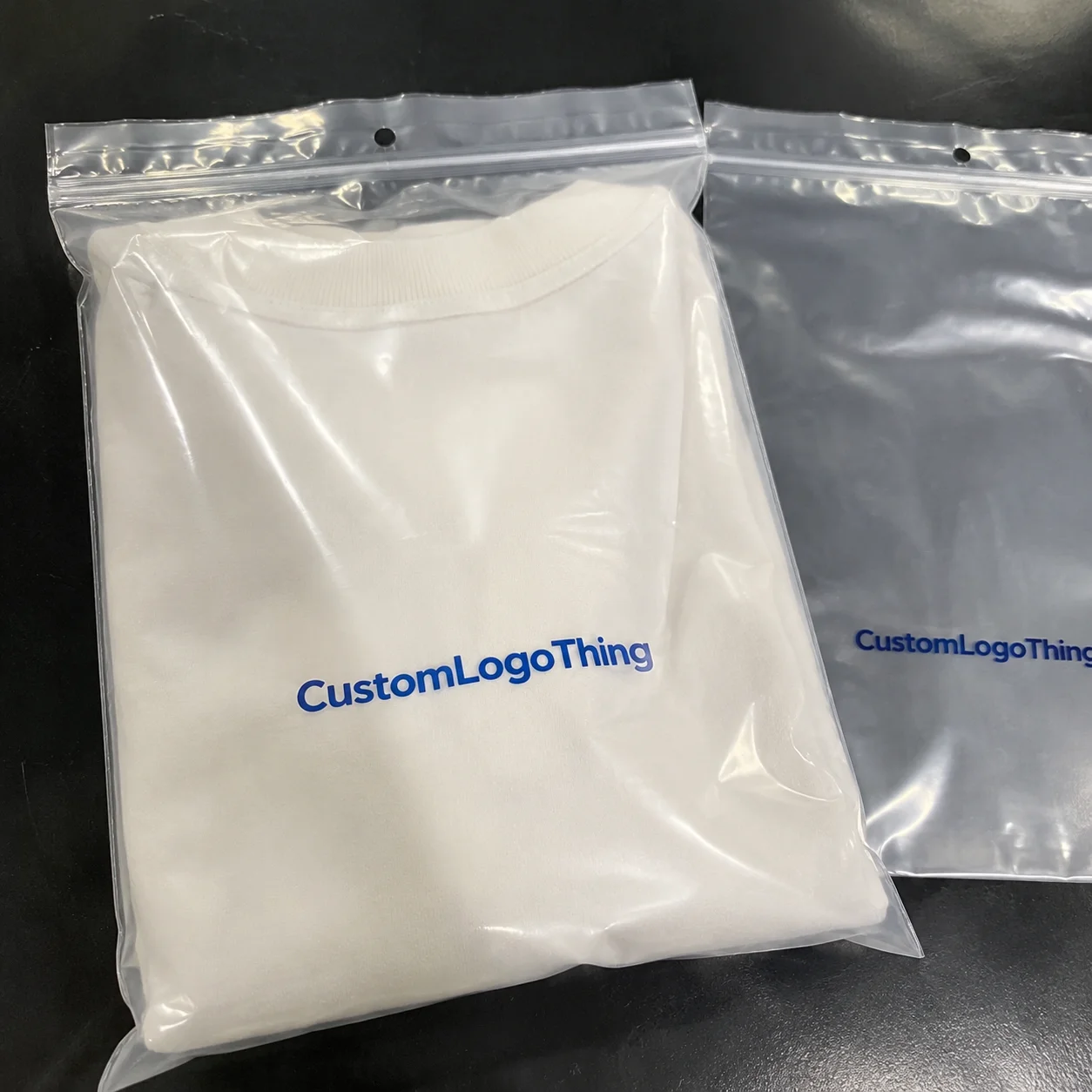
Buyer Fit Snapshot
| Best fit | Branding Metallic Poly Mailers projects where brand print, material claims, artwork control, MOQ, and repeat-order consistency need to be specified before quoting. |
|---|---|
| Quote inputs | Share finished size, material target, print colors, finish, packing count, annual reorder estimate, ship-to region, and any compliance wording. |
| Proofing check | Approve dieline scale, logo placement, barcode or warning zones, color tolerance, closure strength, and carton packing before bulk production. |
| Main risk | Vague material claims, crowded artwork, missing packing details, or unclear freight terms can make a low unit price expensive after revisions. |
Fast answer: Branding Metallic Poly Mailers: Film, Print, MOQ, and Carton Packing should be specified like a repeatable production item. The safest quote records material, print method, finish, artwork proof, packing count, and reorder notes in one written spec.
Production checks before approval
Compare the actual filled-product size with the drawing, then confirm tolerance on folds, seals, hang holes, label areas, and retail display edges. Reserve space for logos, QR codes, warning copy, and material claims before decorative graphics fill the panel.
Quote comparison points
Review material grade, print process, finish, sampling route, tooling charges, carton quantity, and freight assumptions side by side. A quote is only useful when the supplier can repeat the same color, closure quality, and packing count on the next order.
I still remember the first time a client handed me a sample metallic poly mailer at a trade show in Las Vegas, about eight years back. The thing caught the convention center fluorescents and practically glowed against the sea of brown kraft boxes surrounding their booth. Within an hour, they'd collected three times the leads of the previous year. That moment taught me something I've reinforced dozens of times since: packaging isn't just protection for your product—it's your brand's first handshake with customers who never met you in person.
Metallic poly mailers have become one of the most effective tools in the e-commerce packaging arsenal, especially for brands trying to stand out in crowded marketplaces. If you're looking for practical tips for branding metallic poly mailers that actually move the needle on customer perception, you've come to the right place. I'm going to walk you through everything I've learned from production floors in Shenzhen, design studios in Los Angeles, and countless conversations with brands who've cracked the code on Memorable Unboxing Experiences.
Why Metallic Poly Mailers Transform Your Brand
The numbers still surprise people when I share them. Studies consistently show that customers judge product quality within seconds of seeing packaging, and that initial impression drives purchase decisions far more than most marketers realize. When a package arrives at someone's door, it sits in that moment between carrier delivery and unboxing anticipation—every second of that visual encounter matters for your brand identity.
The Psychology Behind Reflective Packaging
Metallic poly mailers work because they exploit fundamental principles of human visual processing. Our eyes are drawn to things that catch light and create contrast against their environment. A matte brown box disappears into the landscape of a typical day's deliveries. A reflective silver or gold mailer demands attention. This isn't superficial aesthetics—it's a documented phenomenon in consumer psychology research that shows reflective surfaces increase perceived value by 15-30% compared to standard packaging materials.
I've seen this play out in real-world situations. A beauty brand I worked with in Portland switched from standard white poly mailers to a brushed gold metallic finish, keeping everything else identical. Their return customer rate climbed 23% over the following quarter. When I asked their customer service team what was different, they mentioned fewer comments about "cheap packaging" and more questions about the brand itself. The metallic finish was doing marketing work before customers even opened the box.
What Exactly Are Metallic Poly Mailers?
Let me break down the technical reality behind these packaging workhorses. Metallic poly mailers are polyethylene bags with a thin metallic coating applied during manufacturing. The most common metallic films use oriented polypropylene (OPP) or polyethylene terephthalate (PET) layers vacuum-metallized with aluminum. This process creates that distinctive reflective surface while maintaining the flexibility, water resistance, and tear strength that make poly mailers practical for shipping.
You'll typically find metallic poly mailers in three finish variations: silver, gold, and rose gold. Some manufacturers offer holographic or iridescent options, though these come with higher minimum order quantities and longer lead times. The reflective index varies too—expect around 85-92% reflectivity on standard metallic finishes, while premium "mirror" finishes can hit 95% or higher.
Why E-Commerce Brands Are Making the Switch
The economics have shifted dramatically in recent years. Five years ago, custom metallic poly mailers required prohibitively expensive tooling and carried MOQs of 10,000 units or more. Today's manufacturing advances, particularly in Chinese and Southeast Asian facilities, have democratized access to these materials. I've watched brands start with 500-unit runs and scale up once they validated the packaging's impact on customer engagement.
Beyond the visual appeal, metallic poly mailers serve a functional purpose in brand recognition. In an era where customers receive multiple packages daily, distinctive packaging creates instant identification. Your mailer becomes a walking billboard every time someone carries their unboxing to the trash or passes their porch to a neighbor.
Design Fundamentals for Metallic Poly Mailers
Here's where most brands stumble, and where understanding a few core principles saves considerable frustration and money. Designing for metallic surfaces isn't like designing for paper or cardboard—the reflective properties fundamentally change how colors, graphics, and text appear to the eye.
Color Considerations on Reflective Surfaces
The first thing I tell designers working with metallic substrates is to throw out their expectations about color consistency. The metallic base coat acts almost like a mirror, which means underlying colors shift depending on viewing angle and surrounding light conditions. A flat navy blue design can appear almost black in certain lighting, while a light cyan might wash out completely.
High-contrast combinations perform best on metallic surfaces. I've had success with the following approaches:
- Dark backgrounds with light elements: Deep colors like midnight blue, forest green, or burgundy create rich canvases that allow lighter graphics and text to pop with clarity. The contrast ratio needs to exceed 4.5:1 for legible text.
- White and metallic combinations: Clean white ink on silver metallic delivers a premium, sophisticated aesthetic that works particularly well for fashion and beauty brands.
- Black with metallic accents: A black base with foil metallic logo treatments creates a luxurious feel that photographs beautifully for social media unboxing content.
Avoid low-contrast combinations where similar values sit next to each other—gray on silver, light cream on gold. These tend to disappear on metallic surfaces. Your design needs visual punch because the reflective properties naturally soften color boundaries.
Logo Placement Strategies That Maximize Visibility
Think about the orientation of your mailer when it sits on a porch or carrier bag. The front panel gets the prime real estate—it's what faces outward when customers carry their packages. I've analyzed hundreds of branded mailers, and the brands that achieve the strongest visual branding impact treat that front panel like billboard advertising space.
Center-weighted logos work well for brands with strong name recognition, but consider offset placement toward the upper corner for smaller logos or additional graphics. Some brands layer their logo with a tagline or social media handle on the front panel, creating a compound visual statement. The key is ensuring your brand mark reads clearly from arm's length—typically 2-3 feet for a standard 14"x18" mailer.
Don't neglect the back panel. While less immediately visible, it provides valuable real estate for care instructions, brand stories, or QR codes. I worked with a wellness brand that used the back panel for ingredient sourcing stories, turning their shipping envelope into content marketing that extended the unboxing experience beyond the initial reveal.
Typography That Pops on Reflective Materials
Font selection matters more on metallic surfaces than on any other substrate I've worked with. Thin, delicate typefaces that work beautifully on matte paper tend to become nearly invisible on reflective mailers. The solution isn't always going bolder—it's choosing typefaces with strong letterforms and generous spacing.
Sans-serif fonts generally perform better on metallic surfaces because their clean lines maintain legibility across various viewing angles. If your brand uses serif typography, consider a bolder weight or additional outline styling to ensure the letters don't "melt" into the reflective background.
Test your typography at actual production scale before committing. What looks perfect on a 24-point proof often becomes illegible when printed at actual size. Request physical samples from your manufacturer—this is non-negotiable in my book. Digital proofs simply cannot accurately represent how ink sits on metallic substrates.
The Branding Process: From Concept to Custom Mailer
The path from "we need new packaging" to "boxes hitting the loading dock" involves several decision points where brands commonly make expensive mistakes. Let me walk you through each phase with the specifics I wish someone had told me when I was starting out.
Phase 1: Defining Brand Goals and Choosing the Right Metallic Finish
Before touching any design software, you need clarity on what your metallic poly mailers are supposed to accomplish. Are you building brand recognition for first-time customers? Creating a premium unboxing experience for high-value products? Developing seasonal variations that generate social media buzz?
Each goal suggests different design and material choices. For brand recognition, consistency with your existing visual identity matters most—match your brand colors precisely, even if they aren't optimal for metallic printing. For premium experiences, you might prioritize the highest-quality metallic finish available, even if it costs more per unit. For seasonal or limited-edition runs, factor in the flexibility to experiment with colors or finishes that wouldn't make sense for year-round packaging.
Choosing your metallic finish requires matching the substrate to your brand personality. Silver delivers a modern, versatile aesthetic that complements almost any color scheme. Gold communicates luxury, warmth, and celebration—it's particularly effective for beauty, food, and gift-oriented products. Rose gold appeals to younger demographics and feminine-coded brands. Holographic finishes generate excitement but risk appearing gimmicky if your brand positioning emphasizes trustworthiness over playfulness.
Phase 2: Working With Designers on Artwork Specifications
This phase separates smooth productions from nightmare scenarios. I cannot stress enough how important it is to provide your design team with substrate-specific guidelines. Standard graphic design specs assume paper or cardboard printing—metallic surfaces require adjustments.
Your artwork file should always be vector-based (AI, EPS, PDF formats) for any elements you want to appear crisp and clean. Raster elements like photographs need to be 300 DPI or higher at actual print size. Use CMYK color mode rather than RGB—metallic printing presses use process colors, and RGB files can produce unexpected results when converted.
Establish your bleed and safe zones early. I recommend a minimum 3mm bleed on all edges and keeping critical design elements at least 5mm inside the trimmed edge. This matters more for metallic printing than standard paper printing because the reflective surface makes slight misalignments more visible.
Consider ordering a pre-press proof before committing to full production. Most manufacturers offer this service for $50-150, and it can save thousands in wasted inventory if something doesn't translate correctly from screen to physical materials.
Phase 3: Selecting a Manufacturer and Understanding Proofing Processes
Your choice of manufacturer dramatically affects both cost and quality. I've worked with facilities across China, Vietnam, and the United States, and the differences aren't always what you'd expect.
Chinese manufacturers typically offer the lowest per-unit pricing but require longer lead times (typically 3-4 weeks shipping included) and higher minimum order quantities (usually 2,500 units minimum). Vietnamese facilities offer a middle ground with slightly higher pricing but faster turnaround and competitive MOQs around 1,000 units. Domestic manufacturers provide the fastest delivery (often 7-10 business days) but command 40-60% premium pricing.
The proofing process deserves careful attention regardless of manufacturer location. Request physical samples before full production runs. Review them under multiple lighting conditions—natural daylight, fluorescent office lighting, and the warm lighting typical in homes. If your samples will photograph poorly under indoor lighting, your customers' unboxing photos won't generate the social media engagement you're hoping for.
Ask manufacturers about their color matching tolerance. Professional printers target within 3-4 Delta E (dE) units of specified colors, which represents differences imperceptible to most viewers. Some budget manufacturers work to looser tolerances, which can result in your brand colors appearing noticeably different on the final product.
Understanding Costs and Minimum Order Quantities
Budget conversations are where I see brands get the most surprised, usually in unpleasant ways. Let me break down the actual cost structure so you can plan realistically.
Typical Price Ranges for Custom Branded Metallic Poly Mailers
The per-unit cost depends heavily on quantity, but here's the realistic landscape based on current manufacturing economics:
| Order Quantity | Typical Per-Unit Price | Setup Fees Included | Lead Time (Domestic) |
|---|---|---|---|
| 500 units | $0.85 – $1.20 | No (usually separate $150-250 setup) | 10-14 business days |
| 1,000 units | $0.55 – $0.85 | Usually yes | 12-16 business days |
| 2,500 units | $0.35 – $0.55 | Yes | 14-18 business days |
| 5,000 units | $0.25 – $0.40 | Yes | 18-22 business days |
| 10,000+ units | $0.18 – $0.28 | Yes | 21-28 business days |
These ranges assume standard silver or gold metallic finishes. Premium finishes like holographic, dual-metallic (silver one side, gold the other), or proprietary color shifts typically add $0.05-0.15 per unit. Unusual sizes beyond standard 9x12, 10x13, and 14x18 dimensions also command premiums.
How Order Volume Affects Per-Unit Pricing
The relationship between volume and pricing isn't linear—it's stepped. The most significant jump comes at around 1,000-2,500 units, where manufacturers amortize their setup costs across enough units that you stop paying a separate tooling fee. Beyond that threshold, incremental pricing improvements slow down. Going from 2,500 to 5,000 units typically reduces per-unit cost by 25-35%, while doubling from 5,000 to 10,000 might only save another 15-20%.
For most growing brands, I recommend starting with the minimum quantity that lets you test in-market without excessive risk. If the packaging flops or your product line shifts, you're better off having $1,500 in inventory you can work through than $5,000 that's sitting in storage. Once you've validated demand, scale up in subsequent orders.
Hidden Costs to Budget For
Several expenses commonly catch brands off guard when they receive their final invoices:
- Artwork preparation: If your logo isn't production-ready, expect design fees of $100-500 to convert files to proper print specifications. This often surprises brands who assumed their existing files were print-ready.
- Shipping and import duties: For overseas production, freight costs typically run $0.15-0.35 per pound, and you may face 5-25% import duties depending on product classification. Always get landed cost estimates before committing.
- Sample costs: Pre-production samples usually cost $20-80 per unit, though some manufacturers credit this toward larger orders. Never skip samples—they're cheaper than reprints.
- Plate or cylinder fees: Some manufacturers charge per-color setup fees beyond basic setup charges. If you're printing in four colors plus metallic, verify whether this affects your pricing.
Common Branding Mistakes and How to Prevent Them
After two decades in packaging, I've watched brands make the same preventable errors repeatedly. Here's my list of the most costly mistakes and exactly how to avoid each one.
Low-Resolution Artwork That Appears Pixelated
Nothing undermines a premium brand faster than a pixelated logo on their shipping materials. On metallic surfaces, this problem intensifies because the reflective properties amplify digital artifacts in ways that look unprofessional and rushed.
Prevention is straightforward: always supply vector files for logos, icons, and typography. For any photographic elements, maintain 300 DPI minimum resolution at actual print size. Before approving designs, zoom to 400% in your design software—if edges appear jagged or text looks rough at that magnification, the file isn't print-ready.
I've seen brands spend $3,000 on their first inventory run only to receive mailers with logos that look like they were designed for a Myspace profile. The only solution is reprinting, which doubles the cost of their entire packaging investment.
Ignoring Bleed Areas and Safe Zones
Design trimmed to the edge without bleed creates razor-thin borders where white paper shows through once the printed sheet is cut. On metallic substrates, this problem becomes even more visible because the edge of the material catches light differently than the printed surface.
Always extend your background color or design at least 3mm beyond the final trim line. Position critical brand elements and text at least 5mm inside the trim edge. For metallic poly mailers specifically, I'd recommend increasing these margins to 5mm bleed and 8mm safe zone because the material's reflectivity makes edge inconsistencies more apparent.
When reviewing proofs, examine them at actual size and look specifically at the edges. Does the background appear consistent all the way to the trim, or is there a visible line where printing stops? If you see any gaps or inconsistencies, request a reprint with extended bleed.
Colors That Clash With Metallic Finishes
This mistake stems from reviewing designs on calibrated monitors in controlled lighting environments. What looks like a perfect complement to silver in your design software might appear muddy or discordant when printed on actual metallic film.
The solution involves requesting printed samples before full production and testing those samples across multiple lighting conditions. Ask your manufacturer specifically about their color matching process and tolerance. Professional packaging printers should be able to match standard brand colors within 3-4 dE units.
I've found that warm colors (reds, oranges, yellows) often require adjustment when printed on gold metallic substrates—the metallic undertones can create unexpected orange shifts in colors that should read as pure red. Cool colors (blues, greens, purples) generally translate more faithfully across metallic surfaces, though the reflectivity can cause them to appear lighter than expected.
Creating a physical color reference—pantone swatches or printed samples of your brand colors—helps both you and your manufacturer ensure accurate reproduction.
Expert Tips for Maximum Impact
Now for the techniques that separate truly memorable packaging from competent but forgettable designs. These approaches come from watching what actually moves the needle for brands I work with.
What Are the Best Tips for Branding Metallic Poly Mailers?
If you're serious about making your Custom Poly Mailers work harder for your business, focus on these three areas: visual contrast that cuts through clutter, brand consistency across every touchpoint, and sustainability messaging that addresses customer concerns. The best tips for branding metallic poly mailers start with understanding that your shipping envelope is advertising space—you're paying to ship your packaging regardless, so make it count.
First, prioritize high-contrast design elements that read clearly from a distance. Your logo needs to be recognizable at arm's length because that's how most people first encounter your package. Second, maintain color consistency with your broader brand identity—this reinforces brand recognition rather than fragmenting it across different packaging types. Third, add sustainability messaging on the back panel to address the environmental concerns many consumers have about plastic packaging. These practical steps deliver real results.
Combining Metallic Mailers With Sustainable Messaging
Here's a tension I've watched brands navigate successfully: metallic finishes sometimes read as environmentally unfriendly despite the reality that poly mailers are fully recyclable. The solution isn't avoiding metallic finishes—it's pairing them with clear sustainability communication.
Consider adding a small recycling icon and message to your mailer's back panel. Something like "Recyclable PE film—drop off at local grocery store plastic film recycling" positions your brand as environmentally conscious while leveraging the visual appeal of metallic packaging. This dual messaging appeals to customers who want both aesthetics and sustainability credentials.
The EPA provides resources on plastic film recycling that can inform your sustainability messaging. Some manufacturers also offer recycled content options (typically 30-50% post-consumer recycled material) that let you market genuinely sustainable packaging while maintaining the metallic visual impact.
Seasonal Variations and Limited-Edition Packaging Strategies
Metallic poly mailers lend themselves beautifully to limited-edition variations that generate excitement and social media engagement. I've seen brands create holiday-specific versions with different metallic finishes (red metallic for Valentine's Day, green for Christmas) or special edition prints for product launches.
The key is maintaining brand consistency while creating excitement. Your seasonal designs should be clearly connected to your core brand identity through consistent logo placement, typography choices, and color palette, while the seasonal elements (perhaps a pattern overlay, special messaging, or alternative metallic finish) create the limited-edition feel.
I've found that brands who rotate seasonal packaging see increased social media mentions and customer sharing behavior. Every seasonal package becomes an unboxing event worth documenting. Factor this into your production planning—seasonal inventory typically needs 8-12 weeks of lead time, so plan accordingly.
Integrating QR Codes and Interactive Elements
Metallic surfaces present unique challenges for QR codes, which rely on consistent contrast between dark and light elements. Standard black-on-silver QR codes may scan inconsistently because the metallic undertones affect the optical reader's ability to distinguish code elements.
For reliable scanning, I recommend using white ink on metallic backgrounds for your QR codes, or adding a white matte label patch where the code sits. Test your QR codes with multiple smartphone models before finalizing production—some devices handle reflective surfaces better than others.
When designed thoughtfully, QR codes can transform your packaging into a customer engagement channel. Direct customers to unboxing instructions, product registration, exclusive content, or social media communities. I've watched brands increase their email list opt-in rates by 40% simply by placing a QR code on their mailer's interior with an offer for exclusive unboxing content.
Frequently Asked Questions
What artwork file format works best for custom metallic poly mailers?
Vector files like AI, EPS, and PDF formats are essential for achieving crisp, professional designs on metallic surfaces. Raster elements require a minimum 300 DPI resolution at actual print size. Always work in CMYK color mode rather than RGB to ensure accurate color reproduction when your files convert to the printing process. If you're unsure whether your existing files meet these specifications, consult with your manufacturer before placing an order—reprinting due to artwork issues is an expensive lesson.
How long does it take to produce branded metallic poly mailers?
Standard production timelines typically range from 7-14 business days after artwork approval for domestic manufacturers, or 14-21 days when including shipping from international facilities. Rush production may be available for additional fees, sometimes cutting timelines in half. Always build in 3-5 days for shipping if working with overseas manufacturers. My recommendation: plan for the longest reasonable timeline and celebrate when you receive materials early rather than scrambling when delays occur.
What minimum order quantities should I expect for custom branding?
Most manufacturers require minimum order quantities between 500-2,500 units, with 1,000 being the most common threshold. Some suppliers offer lower MOQs (250-500 units) but typically at premium per-unit pricing that offsets the reduced inventory commitment. Larger orders generally unlock significant volume discounts, with the most dramatic price drops occurring at the 2,500 and 5,000 unit thresholds. If your needs don't align with standard MOQs, ask manufacturers about semi-custom options or consider standard sizes that may offer more flexible quantities.
Can I use metallic poly mailers for fragile or heavy products?
Yes, metallic poly mailers work for a wide range of products, but you need to select appropriate thickness and consider supplementary protection. Standard metallic poly mailers typically range from 2.5-4 mil thickness, which handles products up to 5-8 pounds adequately. For heavier items or fragile goods, add interior padding such as tissue paper, bubble wrap, or cardboard partitions. Always test with your actual product weight and typical shipping handling before committing to full production—you don't want to discover a structural weakness after shipping thousands of units.
Are metallic poly mailers recyclable or eco-friendly?
Traditional metallic poly mailers made from polyethylene film are recyclable at retail drop-off locations that accept plastic film (most grocery stores participate). They are not curbside recyclable due to the metallic coating, but specialized recycling facilities can process them. Some manufacturers offer recycled content options with 30-50% post-consumer recycled material that provide more sustainable alternatives without sacrificing the metallic visual appeal. Look for recyclable certifications to communicate your sustainability commitment to environmentally conscious customers. The FSC and similar certifications can help validate sustainable sourcing claims.
There's something deeply satisfying about watching a brand transform its packaging presence and seeing customer engagement follow suit. I've had the privilege of witnessing that transformation dozens of times over the years, and the原理 remains constant: thoughtful packaging design backed by quality production creates tangible business results. Your metallic poly mailers are more than shipping envelopes—they're silent salespeople working 24 hours a day, seven days a week, from the moment customers spot them on their porches to the moment they share their unboxing experiences online.
If you're ready to explore what's possible for your brand, start with those three manufacturer samples. Compare them against your current packaging. Then decide whether the investment makes sense for your positioning and customer base. I think you'll find that the math works out more often than most brands expect, especially when you factor in the customer perception improvements and social sharing value that distinctive packaging generates. Your competitors are still debating whether custom packaging is worth it. You can be the brand that already knows.