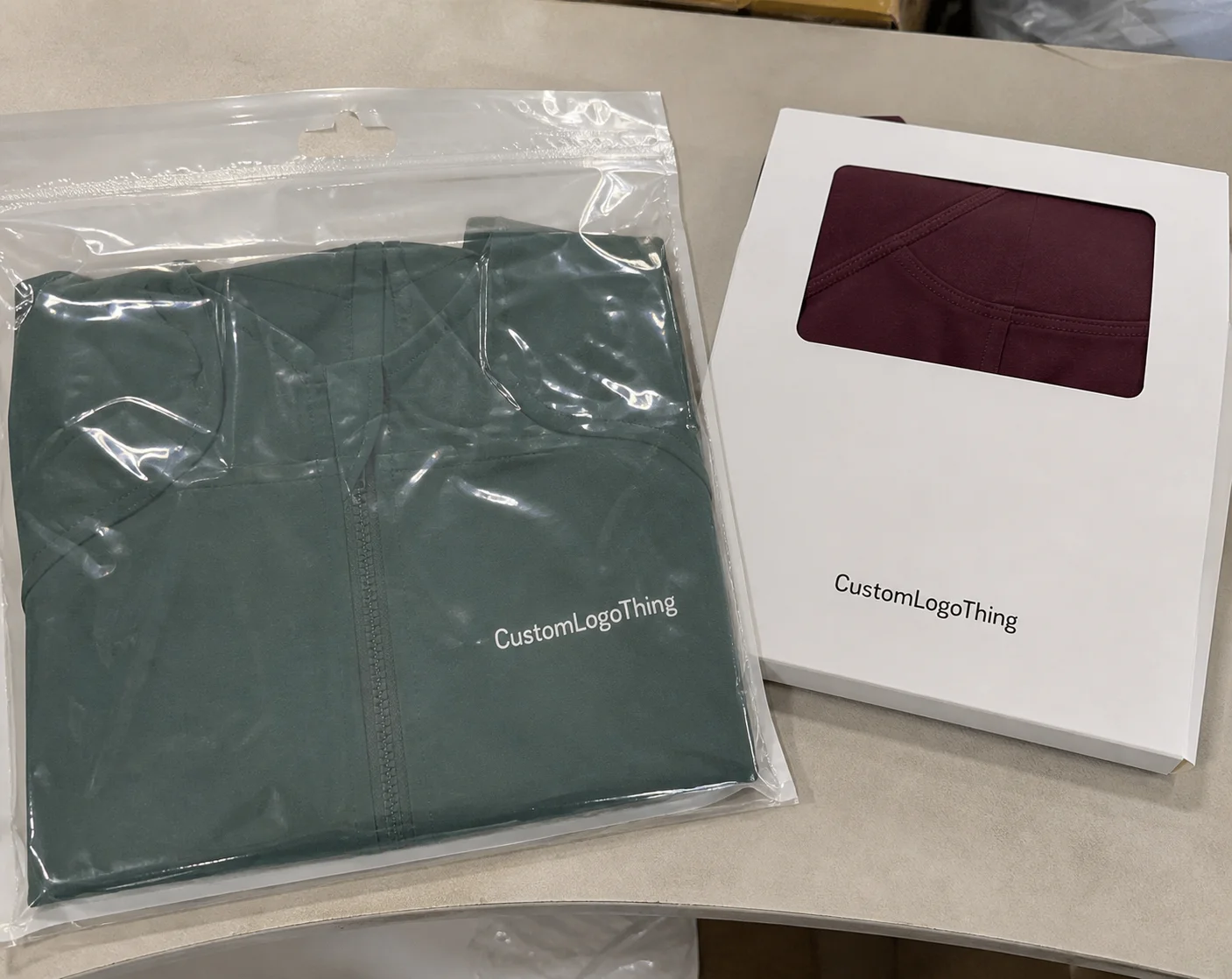
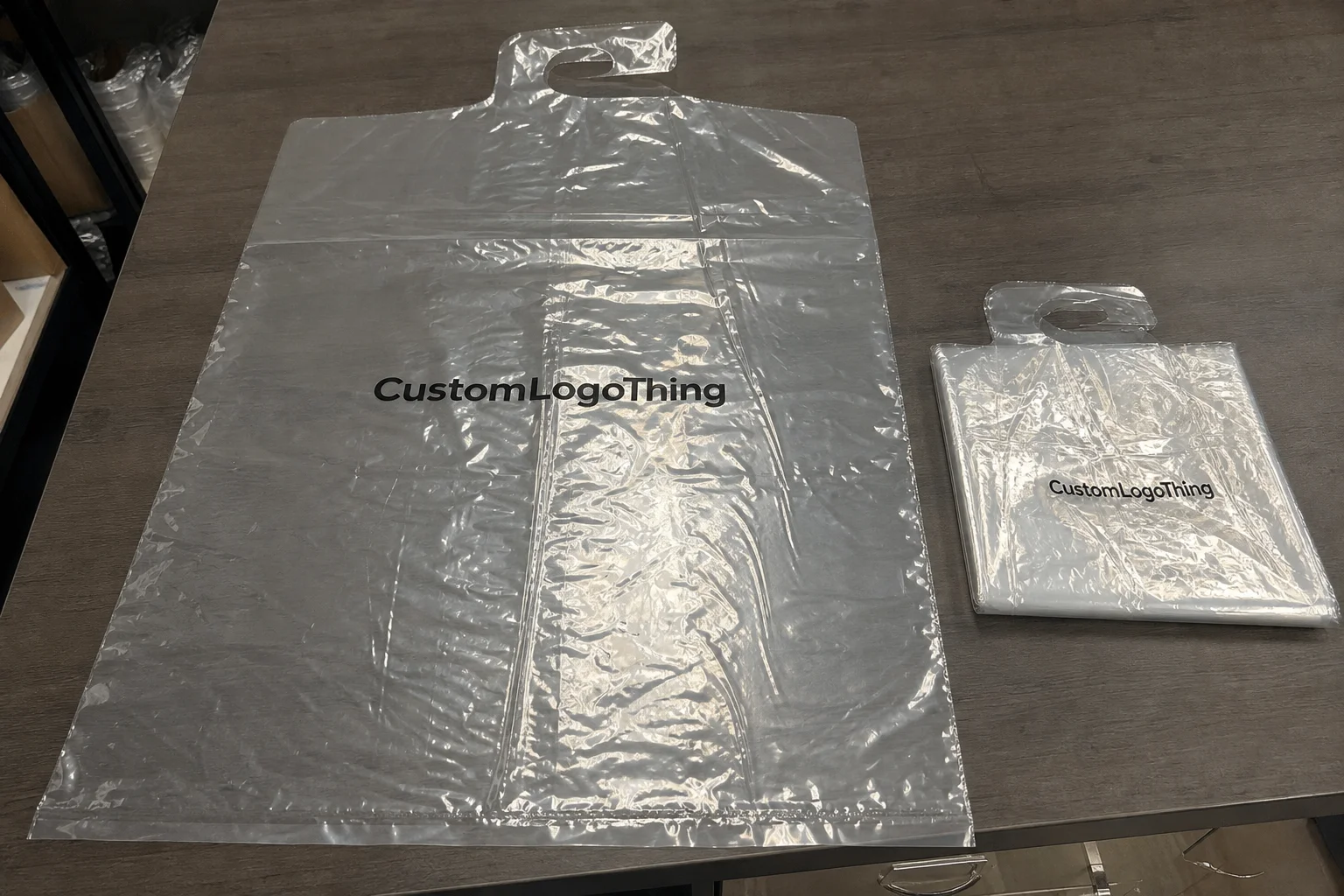
Buyer Fit Snapshot
| Best fit | Bundling Packaging Orders That Save Money projects where brand print, material claims, artwork control, MOQ, and repeat-order consistency need to be specified before quoting. |
|---|---|
| Quote inputs | Share finished size, material target, print colors, finish, packing count, annual reorder estimate, ship-to region, and any compliance wording. |
| Proofing check | Approve dieline scale, logo placement, barcode or warning zones, color tolerance, closure strength, and carton packing before bulk production. |
| Main risk | Vague material claims, crowded artwork, missing packing details, or unclear freight terms can make a low unit price expensive after revisions. |
Fast answer: Bundling Packaging Orders That Save Money: Material, Print, Proofing, and Reorder Risk should be specified like a repeatable production item. The safest quote records material, print method, finish, artwork proof, packing count, and reorder notes in one written spec.
Production checks before approval
Compare the actual filled-product size with the drawing, then confirm tolerance on folds, seals, hang holes, label areas, and retail display edges. Reserve space for logos, QR codes, warning copy, and material claims before decorative graphics fill the panel.
Quote comparison points
Review material grade, print process, finish, sampling route, tooling charges, carton quantity, and freight assumptions side by side. A quote is only useful when the supplier can repeat the same color, closure quality, and packing count on the next order.
I once watched a cosmetics brand in Los Angeles cut its landed packaging cost by 13.8% just by bundling inserts, mailers, and cartons into one production run instead of placing three separate orders. The order was 12,000 units total, and the biggest win was not the unit price. It was avoiding three separate setup fees at $120 each, two extra freight bookings, and one redundant proof round. That was not magic, and it was not a lucky quote. It was one of the clearest tips for bundling packaging orders I’ve seen in the field: reduce fragmentation, and the numbers usually improve fast.
Packaging costs get bloated in small, invisible ways. A $0.15 per unit label run for 5,000 pieces looks cheap until you add a $95 plate charge, a $180 proof fee, and a second pallet at $165. Three receiving appointments in Atlanta, two extra proofs, one rushed reprint, and suddenly the “cheap” order is the expensive one. Buyers who use tips for bundling packaging orders well tend to focus on total landed cost, not just unit price. That distinction matters. A lot.
Honestly, I think many procurement teams overvalue line-item savings and undervalue coordination. The better question is whether your packaging program is built to support predictable reorder cycles, consistent quality, and manageable inventory. That is where tips for bundling packaging orders pay off. And yes, I have seen plenty of quote sheets that looked amazing until freight and rework showed up like uninvited relatives from New Jersey.
Tips for Bundling Packaging Orders: Why Consolidation Works
The strongest tips for bundling packaging orders start with a simple truth: packaging carries more overhead than most buyers see on a quote sheet. A carton may cost $0.42 per unit, but the real cost also includes a $180 die setup, a 2-business-day proof cycle, freight, inspection time, and internal admin. When you order inserts, mailers, and shipping cartons separately, you pay those fixed costs three times. When you bundle them, you spread those same costs across a larger coordinated order from one supplier in Shenzhen, Dongguan, or Jiaxing.
I saw this firsthand in a distributor meeting in Chicago where the team was ordering tissue, labels, and folding cartons from three vendors. Their freight alone was running close to $1,900 per month across multiple shipments, mostly from the Midwest to warehouses in Ohio and Illinois. After they consolidated the order structure, they dropped to two deliveries and shaved out nearly 30 receiving hours per quarter. That is not a headline number, but it is real margin protection. This is exactly why tips for bundling packaging orders should be viewed as a procurement strategy, not just a savings trick.
There is also a planning benefit that gets ignored. When reorder cycles are aligned, you avoid emergency buys. Emergency buys usually bring higher freight, shorter proofs, and more chances for mistakes. I have seen brands pay a 12% rush premium because one SKU ran out while a matching component sat in the warehouse for another six weeks. Good tips for bundling packaging orders prevent that mismatch by tying quantities to the same demand window, often a 60- to 90-day replenishment cycle.
The math is straightforward. If a supplier charges $180 in setup fees for each item and your freight on each shipment is $260, three separate orders can add $1,320 before a single unit is even counted. Bundle the order and those fixed costs may drop to one setup structure, one freight booking, and one receiving event. The savings are not always linear, but they are usually measurable. Buyers using tips for bundling packaging orders well tend to ask for a side-by-side comparison of separate versus combined ordering, and that comparison often exposes hidden waste in the $500 to $2,000 range on mid-sized programs.
Another advantage is predictability. Brands selling product packaging with strong visual identity need consistency across every component. A mailer box, an insert card, and a sleeve should not look like they came from three unrelated programs. Bundling helps protect that consistency while keeping reorder timing simpler. In packaging design meetings, I often remind clients that good package branding is not only about the print file. It is about how the whole set arrives, stores, and ships together from Ningbo to Nashville.
Buyer mindset matters: bundling packaging orders is not about chasing the lowest quote on one line item. It is about lowering the total cost of ownership across freight, labor, setup, and inventory holding. A quote that saves $0.02 per unit but triggers a second truckload is not a win.
If you want a practical rule, start here: bundle when the items share a supplier profile, a similar production window, and compatible material or print requirements. That is one of the most useful tips for bundling packaging orders I can give, because it separates smart consolidation from forced consolidation. A 350gsm C1S artboard carton, a 16pt insert, and a paper label roll can often travel together; a rigid box with silk ribbon from Suzhou usually should not.
Packaging Components That Bundle Well Together
Some packaging items are natural companions. Others are awkward roommates. The best tips for bundling packaging orders come from knowing which components can live on the same production schedule without creating waste or delays in factories in Dongguan, Guangzhou, or Longgang.
Good candidates include mailer boxes, folding cartons, inserts, tissue paper, labels, sleeves, and several forms of protective packaging. These items often share similar vendor capabilities, especially if the supplier already handles custom printed boxes, branded packaging, and retail packaging programs. I have negotiated bundle quotes where a single paperboard family supported three box sizes, two insert cards, and one sleeve format using 350gsm C1S artboard for the cartons and 120gsm woodfree paper for the inserts. The result was simpler artwork handling and fewer production touchpoints.
Compatibility matters, though. A kraft mailer and a high-gloss folding carton may not be the best match if one requires flexographic printing and the other needs offset with foil stamping. A corrugated shipper and a rigid gift box may also follow different production paths, even if they move through the same warehouse. One brand I worked with in Austin tried to combine a rigid set-up box with lightweight tissue and satin ribbon. The ribbon looked trivial until the supplier had to source it from a different mill in Zhejiang with a six-week lead time. The bundle failed because the usage rates and supply chains were not aligned. The irony was brutal: the “simple” part became the thing that delayed everything by 18 business days.
Here is the practical filter I use:
- Shared substrate family: paperboard, corrugated, kraft, or rigid board.
- Similar print method: digital, offset, flexo, or unprinted.
- Compatible finish: aqueous coating, matte varnish, soft-touch lamination, or none.
- Aligned usage rate: similar monthly or quarterly demand.
- Common ship mode: pallet, carton, or mixed-case freight.
For ecommerce brands, a common bundle might include a mailer box, a thank-you insert, branded tissue, and a label roll. For retail packaging, the stronger pairings are often folding cartons, sleeve labels, and shippers. Subscription brands frequently combine internal inserts, outer mailers, and personalization cards because the quantities move together. These are the kinds of tips for bundling packaging orders that save time without forcing a buyer into excess inventory. A 5,000-unit bundle is useful; a 25,000-unit pileup in a Dallas warehouse is just expensive décor.
There are also cases where bundling fails, and buyers should hear that plainly. If one SKU needs FDA-style compliance, another requires a luxury finish, and a third is a low-cost consumable, the economics may not line up. The same is true if usage rates are wildly different. Ordering 50,000 units of one item just to match a 5,000-unit component can create storage problems and tie up cash. Not every bundle is a savings bundle. That is one of the most overlooked tips for bundling packaging orders. A bundle that looks clever on a spreadsheet can become a warehouse headache in a week, especially if your storage cost runs $18 per pallet per month.
In my view, the safest pairings are the ones with the least structural drama. A 16pt paperboard insert, a 24pt folding carton, and a paper label usually create fewer surprises than a mixed bag of rigid, textile, and specialty print work. Keep the bundle logical, and the procurement process stays manageable. Simple is underrated. Dramatically so.
Tips for Bundling Packaging Orders: Specs, Materials, and Print Considerations
Technical discipline makes or breaks bundling. The strongest tips for bundling packaging orders are not just about buying more in one shot; they are about standardizing what can be standardized. Start with dimensions. If three box styles can be adjusted into a shared size family, sheet yield usually improves and tooling complexity goes down. Even a 2 mm change in depth can create a better imposition layout, especially for paperboard jobs where the press sheet is the limiting factor. A carton moving from 145 x 92 x 38 mm to 145 x 92 x 40 mm can change the nesting outcome enough to reduce waste by 3% to 5%.
I have seen factories in Shenzhen and Dongguan push through bundled orders efficiently when the dielines were built around one substrate thickness and one print format. The opposite is also true. On one plant floor, I watched a buyer insist that four packaging SKUs be combined despite using three different board calipers, two coating types, and separate finishing steps. The scheduler’s face said everything. The job was possible, but the extra changeovers destroyed the price advantage. Everyone in the room got that lovely silent message: “Sure, if you enjoy making the press team hate you.”
Material choice is central. Corrugated works well for shipping protection and larger mailers, usually E-flute or B-flute at 1.5 mm to 3 mm thickness. Paperboard is better for retail presentation and lightweight folding cartons, often 300gsm to 400gsm. Rigid board supports premium unboxing, but it usually needs tighter handling and more careful packing. Kraft paper can be a smart unifying material for inserts, sleeves, and wrapping. If you are bundling product packaging, ask whether the material grade can serve multiple purposes without moving one item into an unnecessary premium tier. A 350gsm C1S artboard carton and a 350gsm C1S sleeve are much easier to quote together than a box plus a 2.5 mm rigid setup with wrapped edges.
Print specifications deserve equal attention. Color matching across multiple SKUs can be expensive if each item requires a separate proof standard. A client once asked me why their three-piece bundle cost more than expected. The answer was that one item needed PMS 186 with a coated finish, one needed a metallic gold ink pass, and one required a dull matte overprint. Those differences mattered in the design file and on the press sheet. Good tips for bundling packaging orders include confirming whether print coverage, finishing, and artwork placement can be harmonized before quoting begins. A supplier in Yiwu can usually quote one UV spot pass across three items faster than three separate finishing instructions written by three different teams.
Here is a useful comparison of materials and their usual bundle fit:
| Material | Best Use | Bundle Fit | Typical Tradeoff |
|---|---|---|---|
| Corrugated | Mailer boxes, shipper cartons, protective inserts | High | Bulkier storage footprint |
| Paperboard | Folding cartons, sleeves, retail packaging | High | Lower crush resistance than corrugated |
| Rigid board | Premium gift boxes, presentation sets | Medium | Higher unit cost and more handling care |
| Kraft paper | Wrap, tissue, labels, simple inserts | Medium to high | Print limitations on fine detail |
Tolerances matter more than many buyers realize. If a box spec allows a 1.5 mm tolerance but the insert only tolerates 0.5 mm, bundling may be risky. The same goes for dielines. A supplier can often combine jobs more efficiently when structural layouts are stable, especially if the art team is using one master template with minor SKU changes. I always ask for spec sheets and pre-production samples when a client wants to combine several SKUs into one order. That small step protects the whole shipment, and it is cheaper than discovering a 1 mm fit issue after 8,000 units are already printed.
For buyers comparing branded packaging options, this is also where standards matter. The ISTA testing framework helps validate transit performance for shipping-related packs, while FSC-certified paper can support sourcing goals when the bundle includes paper-based components. If your packaging design team is making claims about sustainability or transport durability, the paperwork should support those claims. Otherwise, the bundle becomes harder to defend internally, especially in audits in London, Toronto, or Melbourne.
One more point. Artwork file consistency matters as much as board grade. If one SKU is supplied as an open vector PDF, another as a flattened JPEG, and a third as a print-ready AI file with embedded fonts, the prepress team will waste time reconciling formats. That delay is avoidable. Clear specs are one of the most practical tips for bundling packaging orders, and they save real money because they remove uncertainty before production starts. A clean file package can cut prepress back-and-forth from three days to one.
Pricing, MOQ, and Freight: How Bundling Changes the Numbers
This is where buyers usually pay attention, and for good reason. The best tips for bundling packaging orders often produce their biggest gains in pricing structure, MOQ management, and freight efficiency. But the savings are not automatic. You Need to Know which line items move and which ones stay fixed.
Packaging quotes usually include setup fees, unit price, freight, storage, and handling. Separate orders multiply setup charges. A single bundled order can spread those charges across more total volume, which lowers the effective per-unit cost. For example, a 10,000-unit mailer box run with a $240 setup fee carries that fee differently than a 3,000-unit run. If the insert cards and labels can be added to the same production cycle, the combined average cost often improves. That is one of the most straightforward tips for bundling packaging orders and one of the easiest to explain to a finance team in Singapore or Seattle.
MOQ pressure is another major factor. I have seen brands order 20,000 units of one box just to satisfy a supplier minimum, only to discover they would not use that volume for nine months. Bundling can help by meeting minimums across multiple SKUs instead of overbuying one item. This can protect cash flow, reduce warehouse clutter, and keep inventory aligned with sales velocity. The buyer who understands tips for bundling packaging orders is not just negotiating price; they are managing working capital. If your storage runs $22 per pallet per month, unused stock gets expensive fast.
Freight changes the equation sharply. Mixed pallets can be efficient if the items stack well and share a shipping destination. One pallet at $180 can be much cheaper than three separate cartons at $95 each. Pallet optimization matters too. If a bundled order can be arranged into full pallet quantities, less-than-pallet surcharges may disappear. I once reviewed a quote where the packaging itself was only 7% cheaper when bundled, but freight savings added another 11%. That made the difference between “nice to have” and “approved.” In other words, the box price barely moved, but the truck math did.
Use the table below as a simple evaluation tool.
| Ordering Method | Setup Cost | Freight | Inventory Risk | Best For |
|---|---|---|---|---|
| Separate Orders | Higher | Higher | Lower per SKU, higher admin burden | Very different materials or timelines |
| Bundled Order | Lower per item | Lower per shipment | Can rise if quantities are mismatched | Compatible SKUs with shared demand cycles |
| Hybrid Approach | Moderate | Moderate | Balanced | Some shared specs, some unique components |
That hybrid approach is often the most realistic. Not everything should be bundled, and not everything should be split. A hybrid model lets you group the cartons and inserts while leaving specialty items on their own schedule. It is one of the more mature tips for bundling packaging orders, because it respects both procurement math and operational reality. I have seen hybrid structures work especially well for brands shipping from Los Angeles to New York and from Chicago to Dallas.
Volume tiers can also help. Many packaging suppliers offer better pricing at 5,000, 10,000, or 25,000 units. If three separate SKUs are each just under a tier, bundling can push the combined order into a better rate band, especially if the production process is similar. That said, do not chase a lower tier if it creates excessive stock. Carrying cost matters. Storage, shrink, and obsolescence can erase the benefit. I have seen buyers save $0.03 per unit on print but lose far more in warehouse holding expense because they bought six months too early.
For brands focused on wholesale packaging or retail packaging, this is where procurement should speak with sales and operations together. The demand forecast must be honest. A strong bundle aligned with actual sell-through is better than a larger bundle built on hope. In my experience, the most effective tips for bundling packaging orders are the ones that force teams to look at usage data, not assumptions. A forecast based on last quarter’s 7,800 units is better than a gut feeling and a shrug.
And yes, ask for itemized comparisons. A serious supplier should be able to show you separate pricing, bundled pricing, and freight assumptions side by side. If they cannot, you are buying blind. I would not trust a quote that cannot explain where the $480 difference comes from. You shouldn’t either.
Process and Timeline: How to Bundle Packaging Orders Without Delays
Bundling only saves time if the process is disciplined. One of the most practical tips for bundling packaging orders is to treat the bundle as a coordinated project, not a casual purchase. From quote request to delivery, the sequence usually includes specification review, artwork confirmation, sample approval, production scheduling, and shipping. Each step has a clock attached to it, and the whole cycle typically takes 12 to 15 business days from proof approval for a simple paperboard run in Guangdong, plus 7 to 10 additional business days for ocean freight if the shipment is headed to the U.S. West Coast.
Lead time often improves on the back end when orders are bundled, because the supplier handles fewer admin transactions. But the front end can be more complex. A bundled order requires more coordination up front, especially if multiple SKUs are involved. I remember a buyer in a subscription box program who assumed bundling would shorten the process automatically. It did not. Their artwork approvals were scattered across four internal teams, and one of them changed the Logo Placement on a Tuesday afternoon. The production schedule slipped by five business days because nobody locked the files early enough. A very expensive lesson in “we’ll just tweak it later.” No, you will not. Later is how delays breed.
The fastest bundled orders usually share three traits: already-approved materials, consistent print specs, and clear quantity forecasts. If those are in place, a supplier can move from proof to production faster because there are fewer unknowns. When those elements are missing, the bundle can become slower than separate orders. That is not a flaw in bundling itself. It is a planning failure. Good tips for bundling packaging orders always include a clean approval path, plus a single decision-maker who can sign off within 48 hours.
Here is a timeline checklist I recommend to buyers:
- Confirm exact dimensions and tolerances for each SKU.
- Lock artwork files and naming conventions before quoting.
- Approve paper stock, coating, and finish samples.
- Set internal sign-off deadlines for procurement, marketing, and operations.
- Build a reprint contingency for damaged freight or file corrections.
- Map delivery dates to inventory depletion, not just purchase dates.
The most common bottlenecks are predictable. Artwork revisions. Mismatched file formats. Last-minute quantity changes. Supplier questions that could have been answered in the first email. These issues are tedious, but they cost real time. One manufacturing client lost two days because their dieline PDF did not match the signed proof dimensions. Two days is not trivial if your warehouse has only 800 units left. Strong tips for bundling packaging orders should always include a file-control discipline, especially when your printer is in Shenzhen and your buyer is in Minneapolis.
When I talk to operations managers, I also bring up shipping windows. If a bundled order includes packaging for a seasonal launch, the arrival date should leave room for inspection and storage. I like at least a 5- to 7-business-day buffer before launch, more if the items are critical to fulfillment. That buffer is cheap insurance. It prevents the expensive phone call that starts with, “The boxes landed, but the labels did not.”
Procurement teams should also ask whether the supplier offers coordinated production checkpoints. A good supplier will verify material receipt, prepress approval, and packing before dispatch. That kind of transparency matters more than marketing language. It is one of the reasons I trust vendors who document their checkpoints and share sample photos from the production floor. That is the sort of operational detail that makes tips for bundling packaging orders practical instead of theoretical. I like seeing a pallet report, a photo of the finished cartons, and a carton count by SKU. Basic stuff, but surprisingly rare.
Why Choose Us for Bundled Packaging Orders
We do not approach bundling as a sales gimmick. We approach it like a buying decision with tradeoffs. That is a difference clients feel in the quote process. Our team helps compare separate ordering versus bundled options using real specs, freight assumptions, and production timing, so you can see where savings come from and where they do not. If a bundle saves $0.11 per unit on 8,000 cartons but adds 4 extra days to the schedule, we will say that out loud.
In practice, that means we support multi-SKU quoting, material sourcing, coordinated production, and freight planning across packaging programs of different sizes. Whether you need Custom Packaging Products for ecommerce fulfillment or a wider mix of branded Packaging for Retail packaging launches, we look for the structure that fits the demand pattern. We also work with buyers who want to test a bundle against a phased purchasing plan rather than committing to everything at once. That is often smarter for brands ordering from both Vietnam and mainland China.
Quality control is not negotiable. If a bundle includes four components, all four need to arrive with consistent color, fit, and finish. I have seen too many programs saved a few cents on paper stock only to lose the premium look on shelf. That is false economy. Our job is to protect presentation while helping buyers control cost. Good package branding depends on both. A 350gsm C1S carton with a crisp matte varnish is worth more than a flimsy “savings” box that dents in transit.
What buyers value most: process transparency, sample support, and clear production checkpoints. Those three things reduce surprises more effectively than vague promises about “better pricing.” A signed proof, a sample photo, and a confirmed ship date beat hand-waving every time.
We also understand that reordering matters. A bundled program only works if the next buy is easy to forecast. We help clients track usage patterns, align reorder dates, and reduce the chance of emergency purchases. If your team needs help with procurement structure or wants to compare programs through a wholesale lens, our Wholesale Programs page is a useful place to start. For quick policy or service questions, our FAQ page covers common concerns without burying the details.
From my perspective, the best suppliers do two things well: they tell you what can be bundled, and they tell you what should stay separate. That honesty saves time. It also builds trust. If a bundle is not the right fit, we will say so. That kind of directness matters more than a polished pitch, especially for buyers managing multiple packaging design requirements and strict budget targets in New York, Toronto, or Los Angeles.
Next Steps: Put Tips for Bundling Packaging Orders Into Practice
If you want to act on tips for bundling packaging orders this quarter, start with a simple audit. List every packaging SKU you buy, along with its dimensions, material, print method, annual usage, and reorder frequency. That one spreadsheet reveals patterns quickly. I have seen teams discover that five supposedly different items actually shared the same board grade and only differed by print copy. That is the kind of insight that makes bundling worthwhile. A 24pt folding carton in Chicago might be the same structural job as a 24pt sleeve in Dallas once you strip away the artwork.
Then group compatible items by structure. Mailers with inserts. Folding cartons with sleeves. Labels with tissue. Protective packaging with the shipper carton it supports. Do not force every SKU into the same bucket. The point is to reduce complexity, not create a larger mess. Smart tips for bundling packaging orders always respect usage realities. A 6,000-unit insert and a 60,000-unit label roll should not be married just because the spreadsheet looks tidy.
Before requesting a quote, gather exact dimensions, artwork files, and annual usage estimates. If possible, include a month-by-month forecast rather than one annual total. A supplier can price a bundle more accurately when they understand seasonality and replenishment rhythm. Ask for a side-by-side comparison of separate versus bundled ordering, including setup, freight, and storage assumptions. Without that comparison, you are guessing. And guessing is how a $4,800 order becomes a $6,100 headache.
There is another practical check buyers often skip: storage space. A bundled order that looks good on paper can still be bad for operations if the warehouse does not have room for the combined volume. Cash flow matters too. Even if the per-unit cost drops, the upfront spend may not fit your purchasing cycle. Strong tips for bundling packaging orders take these constraints seriously. A reduction in unit price is pointless if the invoice hits before the last batch of product sells through.
I also recommend confirming that all stakeholders are aligned before placing the order. Procurement wants cost control. Marketing wants brand consistency. Operations wants receipt accuracy. Finance wants timing. If those priorities are not visible in the brief, the order can stall. In a client meeting last spring, a packaging bundle was approved in principle but delayed for 11 business days because marketing had not signed off on the sleeve copy. One missing signature can undo a smart purchasing strategy. Wild, honestly. I wish I were joking.
Finally, think about the next reorder, not just the current one. A good bundle should create a repeatable structure, not a one-time discount. That is the real payoff. Over time, the paperwork gets cleaner, the freight gets more predictable, and the supplier relationship becomes easier to manage. If you remember nothing else, remember this: the strongest tips for bundling packaging orders are the ones that improve predictability, reduce hidden costs, and protect margin without sacrificing presentation.
FAQ
What are the best tips for bundling packaging orders across multiple SKUs?
Bundle items with similar materials, sizes, and print requirements to reduce setup and coordination costs. Use shared reorder cycles so the order supports real demand instead of creating excess inventory. That is one of the most reliable tips for bundling packaging orders I use with clients, especially for 5,000- to 25,000-unit runs.
Does bundling packaging orders always lower total cost?
Not always. Savings usually come from lower freight, fewer setup fees, and reduced admin time. If bundling creates too much inventory or forces higher-grade materials, the total cost can rise. Good tips for bundling packaging orders always include checking carrying cost, storage space, and the time it takes to sell through 60 to 90 days of stock.
How do MOQ requirements affect bundled packaging orders?
Bundling can help you reach minimum order quantities more efficiently across several items. It can also prevent overbuying one SKU just to meet MOQ, which improves cash flow and storage planning. That is one of the most practical tips for bundling packaging orders for smaller brands ordering from China, Vietnam, or regional U.S. converters.
What should I confirm before placing a bundled packaging order?
Confirm dimensions, material specs, artwork files, color expectations, and shipping details for every item. Ask for a sample or proof review if any component has a different structure or finish. Those steps are essential tips for bundling packaging orders because they reduce rework, especially when you are using 350gsm C1S artboard, corrugated shippers, or rigid gift boxes in the same program.
How long do bundled packaging orders usually take to produce?
Lead time depends on artwork approval, material availability, order complexity, and shipping distance. Bundled orders are fastest when specs are finalized early and all items can move through production together. If you want the shortest timeline, follow the tips for bundling packaging orders that focus on early approvals; a simple paperboard bundle typically takes 12 to 15 business days from proof approval before freight is added.
If you are reviewing your next procurement cycle, use these tips for bundling packaging orders to compare options with a sharper lens. The savings are often real, but they show up only when specs, timing, and freight all point in the same direction. Start with the audit, separate the awkward SKUs, and bundle the ones that actually belong together. That is how you keep the discount and avoid the headache.