Buyer Fit Snapshot
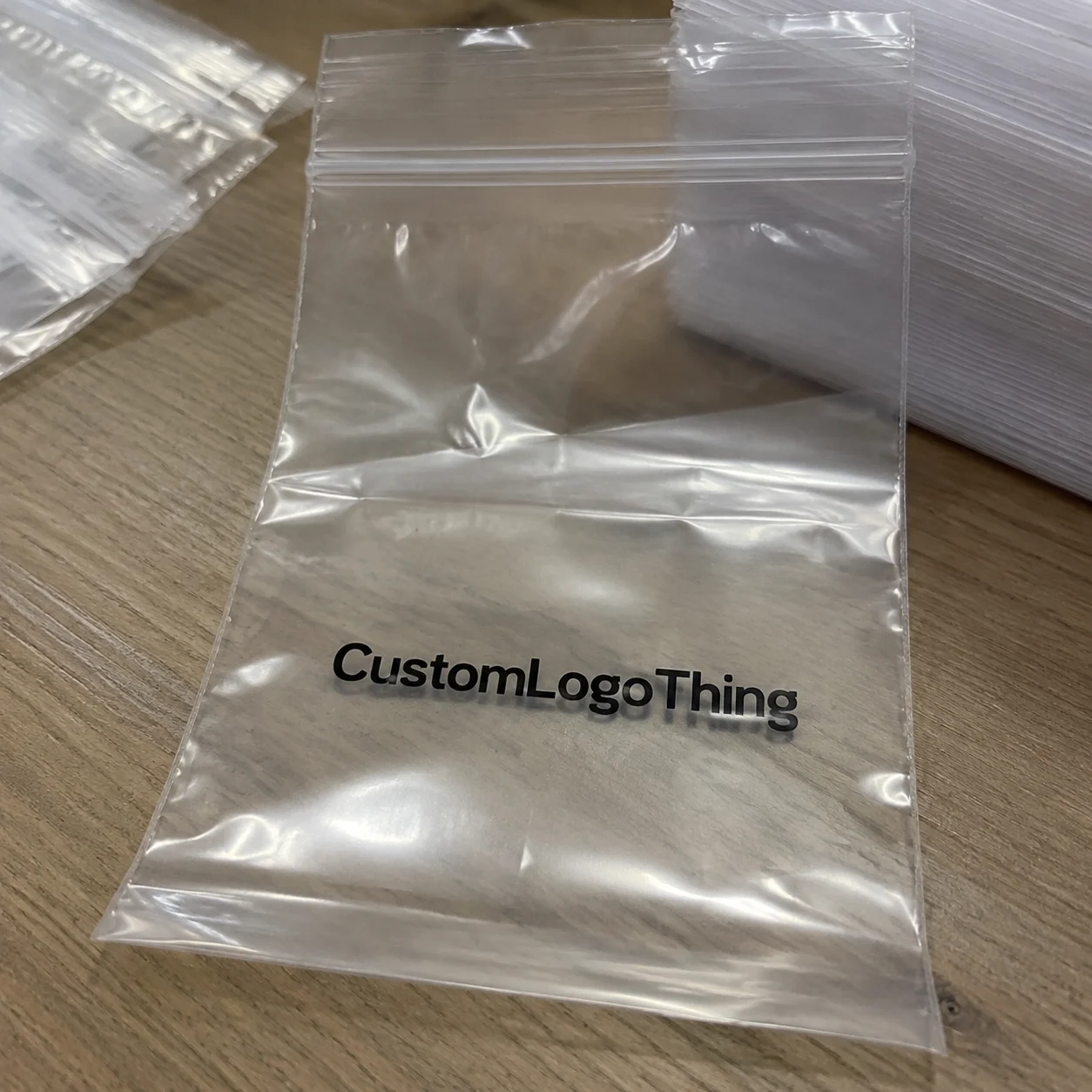
| Best fit | Negotiating Seasonal Packaging Premiums projects where brand print, material claims, artwork control, MOQ, and repeat-order consistency need to be specified before quoting. |
|---|---|
| Quote inputs | Share finished size, material target, print colors, finish, packing count, annual reorder estimate, ship-to region, and any compliance wording. |
| Proofing check | Approve dieline scale, logo placement, barcode or warning zones, color tolerance, closure strength, and carton packing before bulk production. |
| Main risk | Vague material claims, crowded artwork, missing packing details, or unclear freight terms can make a low unit price expensive after revisions. |
Fast answer: Negotiating Seasonal Packaging Premiums: Quote Scope, Sample Proof, MOQ, and Lead Time should be specified like a repeatable production item. The safest quote records material, print method, finish, artwork proof, packing count, and reorder notes in one written spec.
Production checks before approval
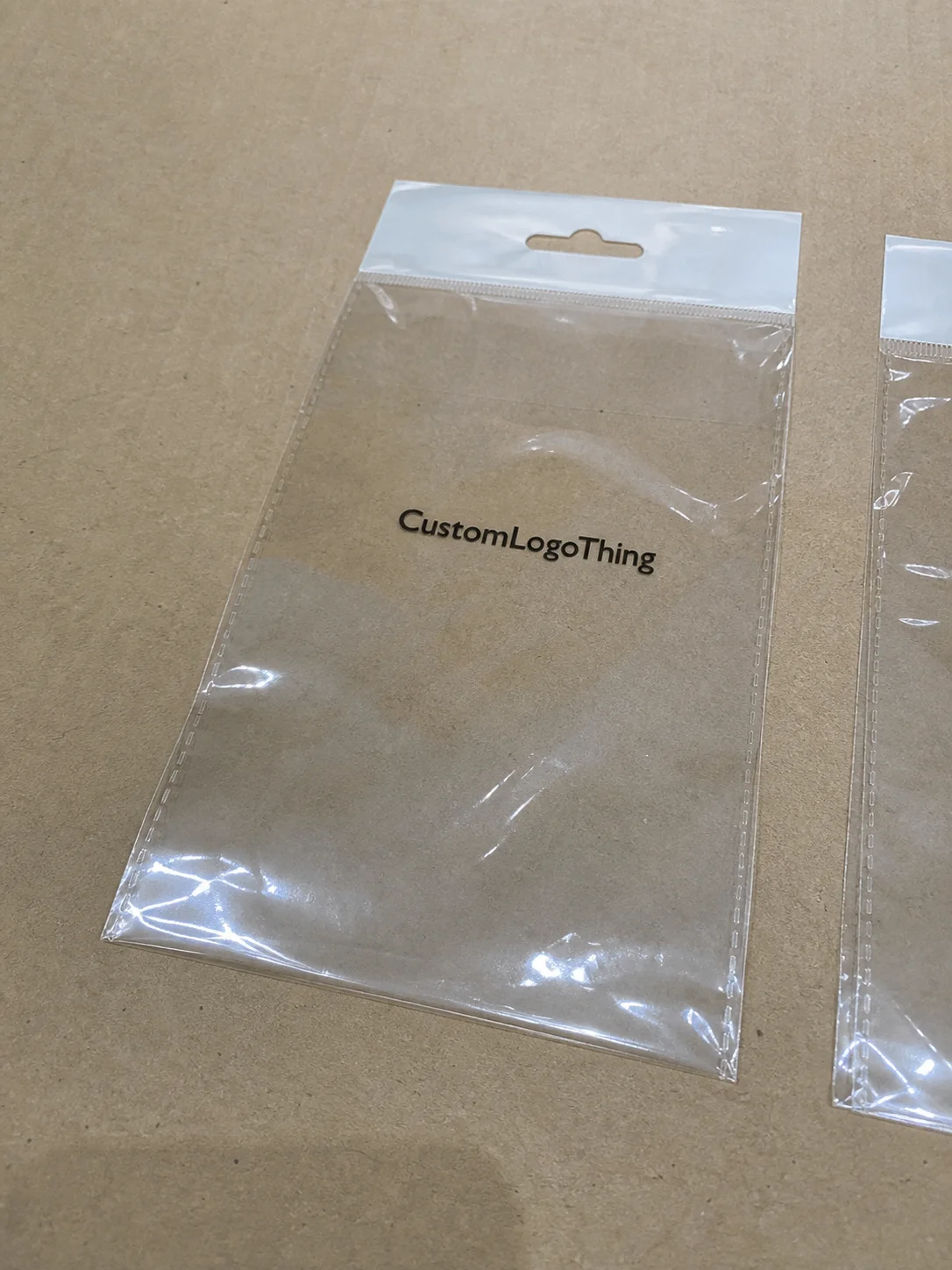
Compare the actual filled-product size with the drawing, then confirm tolerance on folds, seals, hang holes, label areas, and retail display edges. Reserve space for logos, QR codes, warning copy, and material claims before decorative graphics fill the panel.
Quote comparison points
Review material grade, print process, finish, sampling route, tooling charges, carton quantity, and freight assumptions side by side. A quote is only useful when the supplier can repeat the same color, closure quality, and packing count on the next order.
On a noisy corrugator floor in northern New Jersey, I once watched a box plant tack on an 11% premium to a holiday order before the paper even reached the press. The board price barely moved; overtime did. So did line reshuffling, freight panic, and the fact that three retail customers wanted the same delivery week in late October. I remember looking at a production board in Secaucus and thinking, “Is everyone pretending this schedule is normal?” It wasn’t. And that’s exactly why Tips for Negotiating seasonal packaging premiums matter so much: if you only stare at the material line, you miss the larger cost stack hiding behind labor, scheduling, and transport.
I’ve spent more than 20 years around folding carton lines, litho-lamination crews, and finishing rooms where the smell of ink and starch tells you more than a spreadsheet ever will. Most buyers get sold the idea that seasonal pricing is a simple supply-and-demand story. Real plants are messier than that. Press capacity, 20-minute changeovers, material availability, and the human reality of getting work out the door before a Black Friday deadline slips all shape the final number. Good tips for negotiating seasonal packaging premiums start with that reality, not with wishful thinking.
What Seasonal Packaging Premiums Really Are
A seasonal packaging premium is the extra money a supplier asks for when your order lands in a crowded production window, usually around holidays, promotions, product launches, and peak retail resets. The premium might show up as a rush fee, a labor surcharge, a special freight line, or simply a higher unit price on custom printed boxes, rigid boxes, mailers, or inserts. The best tips for negotiating seasonal packaging premiums begin with naming the charge correctly, because once you know what you’re paying for, you can ask sharper questions instead of waving your hands and hoping the quote magically improves.
The biggest surprise for new buyers is that the premium is rarely just about materials. I’ve stood beside production managers at a folding carton plant in Reading, Pennsylvania, who had enough 18pt SBS board in the warehouse, but no open press slots for six business days because every customer wanted Q4 shelf-ready packaging at once. In that kind of week, the premium is really about capacity, overtime, and the domino effect of one delayed proof pushing three other jobs back. Packaging plants do not run on vibes, despite what some procurement teams seem to believe.
Normal price movement is different. Paperboard can rise because pulp costs move, freight rates shift, or a supplier changes a coating formulation. A true seasonal premium is more specific: it is tied to the pressure of getting your order through a plant that is already maxed out. That’s why tips for negotiating seasonal packaging premiums are less about haggling and more about understanding which bottleneck is driving the quote.
Seasonal premiums often hit retail packaging, holiday gift boxes, e-commerce mailers, promotional sleeves, printed inserts, and any package branding that has a hard launch date attached to a marketing calendar. I’ve seen it on simple Kraft mailers, and I’ve seen it on complex rigid setups wrapped in 157gsm art paper with foil stamping and embossed logos. The more specialized the structure, the faster the premium tends to climb. The plant sees the complexity and quietly reaches for the calculator.
There’s a very human side to it too. One plant superintendent told me, while we were standing next to a stack of die-cut blanks on a 4 a.m. shift in Allentown, “If the customer gives us 21 days, we can usually make the price look civilized. If they give us 7, we’re paying people to stay awake.” He was blunt, but he wasn’t wrong. Strong tips for negotiating seasonal packaging premiums respect that operational truth instead of pretending it doesn’t exist.
Set your expectations like this: premiums are normal in packaging manufacturing, but they are not always fixed. If you plan early, know the plant’s constraints, and structure your request well, many of those extra charges can shrink. That applies to product packaging, branded cartons, and even commodity-style corrugated mailers when the timeline gets tight.
For buyers who want to understand industry standards around material testing and distribution stress, I often point them to ISTA packaging test protocols and the broader guidance from the EPA recycling and materials resources. Knowing what a package has to survive in transit helps you push back on unnecessary complexity while still protecting the product. I wish more people did that before demanding a shiny finish that gets scratched in the first trailer ride.
How Seasonal Premiums Are Built Into Packaging Pricing
Packaging pricing is rarely one number. It is a stack, and each layer can widen when the calendar gets crowded. Tips for negotiating seasonal packaging premiums get much easier once you can see the stack clearly: substrate cost, print setup, die cutting, finishing, labor, machine time, tooling, warehouse space, and freight all sit in the same quote, even when they behave very differently.
The substrate is just one piece. Whether you’re buying 18pt SBS, 24pt chipboard, E-flute corrugated, or a specialty kraft liner, the board cost may move only a few cents, while the actual seasonal pressure comes from labor and scheduling. In one supplier review I sat through with a converter in Cleveland, Ohio, the board increase was 3.2%, but the quote jumped 14% because the job needed two extra changeovers and an evening press slot. That’s the kind of detail buyers miss when they focus only on raw material lines. The quote looks tidy on paper; the floor looks like controlled chaos.
Peak periods also trigger overtime pay, shift premiums, and less efficient machine use. On offset lines, a plant may need to run a short job between two longer commercial print runs, which means extra make-ready time and waste. On flexographic lines, every change in plate, anilox, or ink sequence can slow the line and inflate the per-unit cost. Digital printing avoids some setup pain, but it doesn’t erase bottlenecks in finishing, gluing, or pack-out. Someone still has to stack, pack, and move the product, and gravity remains deeply unhelpful.
Where rush fees actually come from
Rush fees usually start with labor. If the plant has to pull operators from another line, approve overtime, or reschedule maintenance, somebody is paying for that disruption. Then there’s the cost of missed efficiency: a 10,000-unit run might cost more per piece than a 50,000-unit run simply because the press spends too much of the shift idle, cleaning, or waiting on artwork signoff. These are the unglamorous facts behind tips for negotiating seasonal packaging premiums.
Minimum order quantities can make things worse. I’ve seen buyers ask for 2,500 Custom Folding Cartons with five-color print, spot UV, and foil, then wonder why the price looks ugly. The answer is simple: a short run with complex finishing eats the same setup time as a larger run, so the overhead gets spread across fewer units. That’s not punishment. It’s the math of the floor. The press does not care that the campaign is “very urgent” in a meeting.
Artwork changes late in the process can quietly add cost too. If a proof has to be reissued because the logo moved 2 mm or the legal line changed, you may see a change-order charge, a replate fee, or a delayed press slot. I’ve had clients try to save $0.02 per unit on structure, then lose $1,800 on a late file revision. Good tips for negotiating seasonal packaging premiums always include a ruthless respect for proof timing, because the hidden enemy is usually the last-minute email nobody wanted to send.
Direct quotes versus hidden costs
Some seasonal pricing appears right on the quote. Other costs hide in split shipments, replenishment fees, or a board substitution nobody discussed until the first pallets were already on the dock. For instance, a plant may quote standard 16pt C1S artboard, then later offer a “substitute equivalent” because the specified sheet is tight in the market. If that substitution changes folding memory or print holdout, the total value may not be equivalent at all. “Equivalent” is sometimes doing a lot of heavy lifting in packaging sales.
Here’s a practical way to think about it. A direct quote might show a base price of $0.42/unit for 10,000 units, plus a $950 rush premium, plus $280 in freight from a plant in Charlotte, North Carolina. But the hidden cost of a poorly planned seasonal order can be another $600 in split deliveries, $175 in storage, or an added 4% for a less suitable board grade. That is why the smartest tips for negotiating seasonal packaging premiums look at total landed cost, not only the first number on the page.
For companies comparing packaging channels, I often suggest keeping a simple worksheet that separates direct manufacturing costs from service charges. The table below is the kind of internal view I’ve used with buyers who needed to compare options quickly.
| Cost Element | Standard Order | Seasonal Rush Order | What Usually Changes |
|---|---|---|---|
| Board / substrate | $0.18/unit at 10,000 units | $0.19–$0.22/unit | Availability and substitution risk |
| Setup / tooling | $650–$1,200 | $850–$1,500 | Extra make-ready and reproofing |
| Labor / overtime | Built into standard rate | 8%–20% premium | Second shift, weekend run, holiday pay |
| Freight | Ground or LTL | Expedited LTL or air | Schedule compression |
| Split shipment fee | Usually none | $75–$250 per drop | Partial delivery to protect launch date |
That table may not match every plant, but the pattern is common across converters, box plants, and brokers. If the order is tight, the quote stretches in several places, not just one. Knowing that pattern is one of the most useful tips for negotiating seasonal packaging premiums I can give, and yes, it saves you from arguing about the wrong line item for half an afternoon.
Key Factors That Give You Negotiating Power
Not every buyer walks into a seasonal quote with the same strength, and pretending otherwise wastes time. The strongest tips for negotiating seasonal packaging premiums usually come down to timing, forecast quality, and the amount of flexibility you can offer the plant without hurting your launch.
Lead time flexibility is the biggest one. If you can give a converter 6 to 8 weeks instead of 2 to 3, they may place your job into a standard production window and avoid overtime. I’ve watched a rigid box supplier in Baltimore, Maryland, drop a rush fee by nearly 9% simply because the buyer moved ship date by 10 business days and accepted a wider delivery window. That kind of breathing room matters.
Forecast quality is close behind. When a customer gives a converter a real forecast—say, 25,000 units in October, 35,000 in November, and 18,000 in December—the plant can buy board smarter, reserve press time, and reduce surprises. In my experience, inaccurate forecasts do more damage than modest volume. A plant can plan around 20,000 units. It cannot plan around “maybe 20,000, maybe 50,000, depending on the campaign.” That sentence alone has probably caused a few headaches and at least one caffeinated eye twitch.
Order size and mix matter too. Larger repeatable SKUs generally negotiate better than short seasonal runs with six versions of the same carton. If you can standardize the base structure and only change the printed sleeve or insert, you often gain real pricing power. That’s one of the quietest but most valuable tips for negotiating seasonal packaging premiums because it cuts complexity without weakening package branding.
Material availability can create room to negotiate if you know your options. A buyer who understands the difference between SBS, kraft, E-flute, rigid chipboard, and specialty coated board can propose approved alternates instead of insisting on one tight-grade material. I’ve had customers save meaningful money by accepting a slightly different caliper or a matte aqueous finish instead of a costlier soft-touch film, while keeping the shelf presentation intact.
Supplier relationship strength is real, even if some procurement teams dislike hearing it. Plants remember who pays on time, who sends clean artwork, who gives a forecast that actually happens, and who turns every purchase order into a crisis. A long-term customer with repeat annual volume usually has more room for negotiation than a one-time buyer chasing the lowest quote. That’s not favoritism; it’s risk management.
Capacity timing can make or break the deal. Many suppliers have maintenance shutdowns, annual inventory periods, or holiday cutoffs that hit the schedule hard. If you know a supplier’s busy months, you can steer your order into a less crowded slot. In a box plant I visited near Chicago, Illinois, the production manager told me September was already booked with beverage and cosmetics work, but early August still had open flexo time. Buyers who understood that reality paid less and got better service.
For businesses that want to support better forecasting and production planning, browsing Custom Packaging Products can help you compare structures and decide which designs are worth standardizing across seasons. Good product packaging strategy often starts with fewer surprises and more repeatability.
Tips for Negotiating Seasonal Packaging Premiums Step by Step
This is the part most people want first, but it only works if you’ve done the groundwork above. The best tips for negotiating seasonal packaging premiums are practical, and they work best when you treat the conversation like a production planning meeting instead of a showdown. I’ve been in both kinds of meetings, and the showdown version usually wastes an hour and solves nothing.
Start early. Request a quote before the supplier’s peak window fills up, and ask them to separate base manufacturing, rush labor, freight, and expedite costs line by line. A clean quote gives you room to compare apples to apples, and it often reveals where the premium is concentrated. If the supplier can’t or won’t split the pricing, that’s a signal to ask more questions. Sometimes it means they don’t know their own cost stack well enough, which is not exactly comforting.
Build multiple scenarios. I’ve done this with clients for years: early order, standard order, rush order, and split shipment. Once you see the side-by-side numbers, the real savings become obvious. Maybe an early order saves $0.07/unit, while a split shipment only adds $120. Maybe simplification of the insert saves more than reducing the outer carton print. Scenario thinking is one of the most underrated tips for negotiating seasonal packaging premiums.
Use packaging specs strategically. If your box includes foil, embossing, soft-touch lamination, and a complicated die line, ask whether the visual impact can be preserved with a simpler stack. I’ve seen a cosmetics client in Los Angeles switch from foil plus embossing to a well-controlled two-color design with a matte aqueous coating and still achieve excellent shelf impact. The best packaging design is not always the most expensive one; it is the one that sells the product and fits the plant’s capabilities.
Separate the schedule from the spec
Negotiate process and timeline terms together. Lock in proof approval dates, production windows, delivery milestones, and the rule for internal delays. If your marketing team is known for changing copy at the last minute, say so upfront and build a change-order structure that everyone understands. Plants hate ambiguity more than they hate price pressure. Frankly, ambiguity is how a simple quote turns into a mess with three follow-up calls and a sigh in the background.
“The quote got easier the minute the customer gave us a real proof deadline and stopped treating the box as an afterthought.” — plant manager at a mid-Atlantic folding carton facility
Offer trade-offs the supplier values. Larger forecast commitments, flexible ship windows, or repeat PO structures can all buy down seasonal pressure. I’ve negotiated with suppliers who would rather lock in three small releases over 90 days than chase one huge emergency order in a single week. They get smoother production; you get lower premiums. That’s a fair trade, and it shows up repeatedly in strong tips for negotiating seasonal packaging premiums.
Document everything. Keep records of approved artwork, approved materials, and change-order rules. If someone later tries to add a fee because “the finish changed,” you want the email trail showing exactly what was approved and when. In one client meeting, a $1,300 extra charge disappeared the moment we pulled up the signed proof and the original specification sheet. Paperwork is not glamorous, but it protects margin better than any slogan.
For packaging buyers who need to align branding with manufacturing reality, it helps to keep the conversation grounded in function. A strong package branding choice may look beautiful, but if it forces a 14-day rush and two weekend shifts, the brand is paying for aesthetics with operational pain. The best tips for negotiating seasonal packaging premiums always respect that balance.
Common Mistakes That Increase Seasonal Packaging Costs
The most expensive mistake is waiting too long and then expecting standard pricing during the plant’s busiest window. I’ve seen it happen with holiDay Gift Packaging, spring promo cartons, and end-of-quarter retail programs. The buyer assumes the supplier can “fit it in,” but the supplier is already booked with three other jobs, and suddenly the quote reflects the chaos. This is where many tips for negotiating seasonal packaging premiums fall apart, because no amount of skill can fully erase a self-inflicted schedule problem.
Another common error is sending incomplete artwork. Missing dielines, low-resolution logos, vague pantone references, and unclear safety text all slow the job down. Every round of reproofing burns time, and time is what seasonal pricing punishes most. I’ve watched a simple mailer job slide from a standard 15-business-day plan to a 29-day scramble because the customer didn’t provide final copy for the mandatory regulatory panel. That kind of delay is the kind that makes everyone on the supplier side stare into the middle distance for a second.
Shopping only on unit price is a trap. Freight, storage, plate costs, setup charges, and split-shipment penalties can erase any savings you found on the quote sheet. A broker once showed me a “cheap” carton price that looked 8% lower than the market, but the freight, warehouse handling, and reprint clauses made it more expensive by the time the goods landed. Smart tips for negotiating seasonal packaging premiums always look at total landed cost.
Over-customizing every seasonal SKU creates avoidable strain. If the same product line uses six different carton sizes, four insert versions, and two distinct corrugated shipper styles, you are making the plant do extra work for no clear customer benefit. Standardizing components can save real money while still allowing strong packaging design and visual differentiation where it matters.
Another mistake is assuming the cheapest vendor can handle the timeline, material quality, and compliance needs of your retail channel. A lower quote may come from a plant that can print the box but cannot finish it, palletize it, and deliver it in the exact window your retailer requires. I’ve seen buyers get burned because they chose the lowest number without asking whether the supplier had tested to ISTA standards or understood the channel’s drop-test requirements. Good tips for negotiating seasonal packaging premiums protect performance, not just price.
Finally, failing to align marketing, procurement, and operations creates constant change. If the campaign team changes artwork after procurement has already negotiated the board grade, you’ve just manufactured your own premium. One client in specialty food learned this the hard way: three internal revisions in five days added a reproof fee, a plate change, and a missed shipping slot. The total extra cost was $2,400 on a single seasonal run. That kind of waste is preventable, which is probably why it feels so annoying when it happens.
Expert Tips for Protecting Margins Without Losing Quality
My strongest advice is to lock in an annual packaging calendar. Put holiday, promo, and event boxes on a shared schedule well before the market gets crowded. If the planning team knows the Q4 carton needs to be approved by mid-July, and the spring mailer must be frozen by early February, your supplier can reserve time and materials before the pressure spikes. That single habit improves almost every one of the tips for negotiating seasonal packaging premiums.
Dual-sourcing can help too, especially for critical components. I’m not saying every buyer needs two fully qualified suppliers for every SKU; that can create its own headache. But for high-volume seasonal items, having a backup converter or an alternate board source can keep you from being trapped when one plant is overloaded. The best supply chains I’ve seen have at least a partial fallback plan for key product packaging.
Value engineering is another powerful tool, and it does not mean cheapening the package. It means removing waste. A small reduction in ink coverage, a switch from a complicated spot UV stack to a cleaner matte finish, or a change in board caliper can preserve the look while lowering cost. In one branded packaging project in Minneapolis, a simple structural change saved the customer 6.5% without hurting shelf appeal because the design team focused on hierarchy, contrast, and placement instead of piling on finishes.
Use your own history as negotiating data
Historical run data is worth more than people think. If last year’s autumn carton order took 18 business days and this year’s quote assumes 26, ask why. If a supplier charged a 12% premium for a 5,000-piece rush order but only 4% for 20,000 pieces, use that pattern in your negotiation. Facts calm the room. Guesswork just creates arguing.
I once sat in a supplier review with a brand that insisted its seasonal mailers had “always cost too much.” When we pulled the last four POs, the real issue became obvious: every single order had a different art file structure, a different pallet pattern, and a different delivery split. Once those variables were controlled, the price normalized by nearly 9%. That’s the kind of practical insight that turns tips for negotiating seasonal packaging premiums into savings.
Visit or audit the supplier’s plant if you can. Watch how they run high-speed carton folding, corrugator lines, or litho-lamination equipment. Walk the floor, look at work-in-process, and ask where the bottleneck really sits. Sometimes the problem is not the press at all; it’s finishing, inspection, or packing. A 20-minute floor walk in Atlanta can tell you more than a 40-page quote deck, and it tends to make the pricing conversation a lot less mystical.
Build flexibility into artwork and structure. If a certain metallic film or specialty coating becomes scarce, can you swap to a different finish and still keep the shelf presence? Can the same carton accept two print variants without a die change? Can your custom printed boxes hold the brand story even if the substrate changes from one board grade to another? Those questions create options, and options reduce premium pressure.
For packaging professionals thinking about sustainability as part of cost control, the FSC framework is worth reviewing. The Forest Stewardship Council provides useful context for responsibly sourced materials, and that matters when you are balancing branded packaging goals with supply stability and customer expectations. Sustainability doesn’t automatically lower cost, but it can help you choose materials more intelligently.
Actionable Next Steps Before Your Next Seasonal Order
Before your next seasonal campaign, create a packaging checklist that includes forecast, artwork, materials, approval dates, delivery windows, and backup options. I like a simple one-page sheet with the PO number, target launch date, substrate, finish stack, final signoff date, and the plant’s quoted lead time, which is often 12-15 business days from proof approval on a standard carton run. That small habit keeps everyone honest, and it supports better tips for negotiating seasonal packaging premiums because it removes uncertainty from the conversation.
Gather last season’s quotes, invoices, and change orders. You do not need a fancy analytics platform to spot where the premium came from; a spreadsheet with three columns is enough in many cases. I usually look for three things: where the board changed, where the schedule slipped, and where freight shifted from ground to expedited. Those are the usual cost leak points.
Set up a supplier review meeting before demand peaks. Ask for preferred timing windows, material availability updates, and any planned maintenance shutdowns that might affect your order. If the supplier says September is booked but July is open, you now have a practical path forward. A good conversation can save you more than another round of haggling on unit price.
Make your internal deadlines earlier than the supplier’s cutoff. That one move protects you from late artwork changes, delayed approvals, and avoidable rush fees. If the plant needs final files by the 12th, make your own deadline the 5th or 6th. It feels conservative, but I’ve seen it save thousands on seasonal runs. I’d rather be “too early” than explaining why a pallet missed the retailer’s window by six hours and caused a whole chain of irritation.
Prepare a negotiation brief with three targets: your maximum acceptable price, your acceptable timeline, and your approved material alternatives. That brief keeps the team aligned when the supplier comes back with a different board grade or a tighter ship window. It also helps you stay calm when the conversation gets technical. The best tips for negotiating seasonal packaging premiums are usually the simplest ones: know your numbers, know your options, and know your deadline.
If you remember nothing else, remember this: pricing, process, and timing are one connected conversation. If you push on price without fixing the schedule, the premium often stays. If you simplify the spec without giving the plant time, the premium often stays. But when you manage the whole picture, including the needs of your custom printed boxes, your package branding, and your delivery commitments, the negotiation gets much more realistic.
That’s the real lesson from years on the factory floor. The best tips for negotiating seasonal packaging premiums are not about squeezing a supplier until something breaks; they are about understanding how a plant actually runs, then shaping your order so both sides can win without wasting money or missing launch day. Start with the schedule, bring clean artwork, and ask for a quote that separates labor, freight, and material cost. Do that, and you’re not just negotiating harder—you’re negotiating smarter.
FAQ
What are the most effective tips for negotiating seasonal packaging premiums with a supplier?
Ask for a line-item quote that separates base manufacturing, rush labor, freight, and material surcharges. Then offer something the supplier values, such as earlier commitments, larger forecast volumes, or flexible delivery windows. I also recommend comparing simplified specs and alternate materials so you can see where the supplier can save time without hurting performance.
How far in advance should I start negotiating seasonal packaging premiums?
Start as soon as you know your seasonal campaign dates, ideally before the supplier’s peak production window fills up. Earlier talks improve your odds of avoiding overtime, expedite fees, and split shipments. Even if artwork is not final, a forecasted PO or planning discussion can reserve capacity and reduce pressure.
Can I reduce seasonal packaging premiums without lowering print quality?
Yes, often by simplifying the structure, reducing finishing steps, or selecting a more available board grade. A good converter may suggest changes to coatings, die complexity, or ink coverage while keeping the brand look strong. The goal is to remove unnecessary complexity, not weaken the packaging experience.
What pricing details should I ask for when reviewing a seasonal packaging quote?
Request separation of setup charges, tooling, material cost, labor, premium time, freight, and storage fees. Ask whether the quote assumes standard production or a rush schedule, because that changes the cost structure. Confirm whether future artwork changes or delivery splits will trigger additional fees.
How do timeline delays affect tips for negotiating seasonal packaging premiums?
Short timelines usually reduce your leverage because the supplier has to reshuffle production and may need overtime. Delays can also cause material substitutions, air freight, or partial shipments, all of which raise cost. Protect yourself by setting internal approval deadlines that come before the plant’s cutoff date.