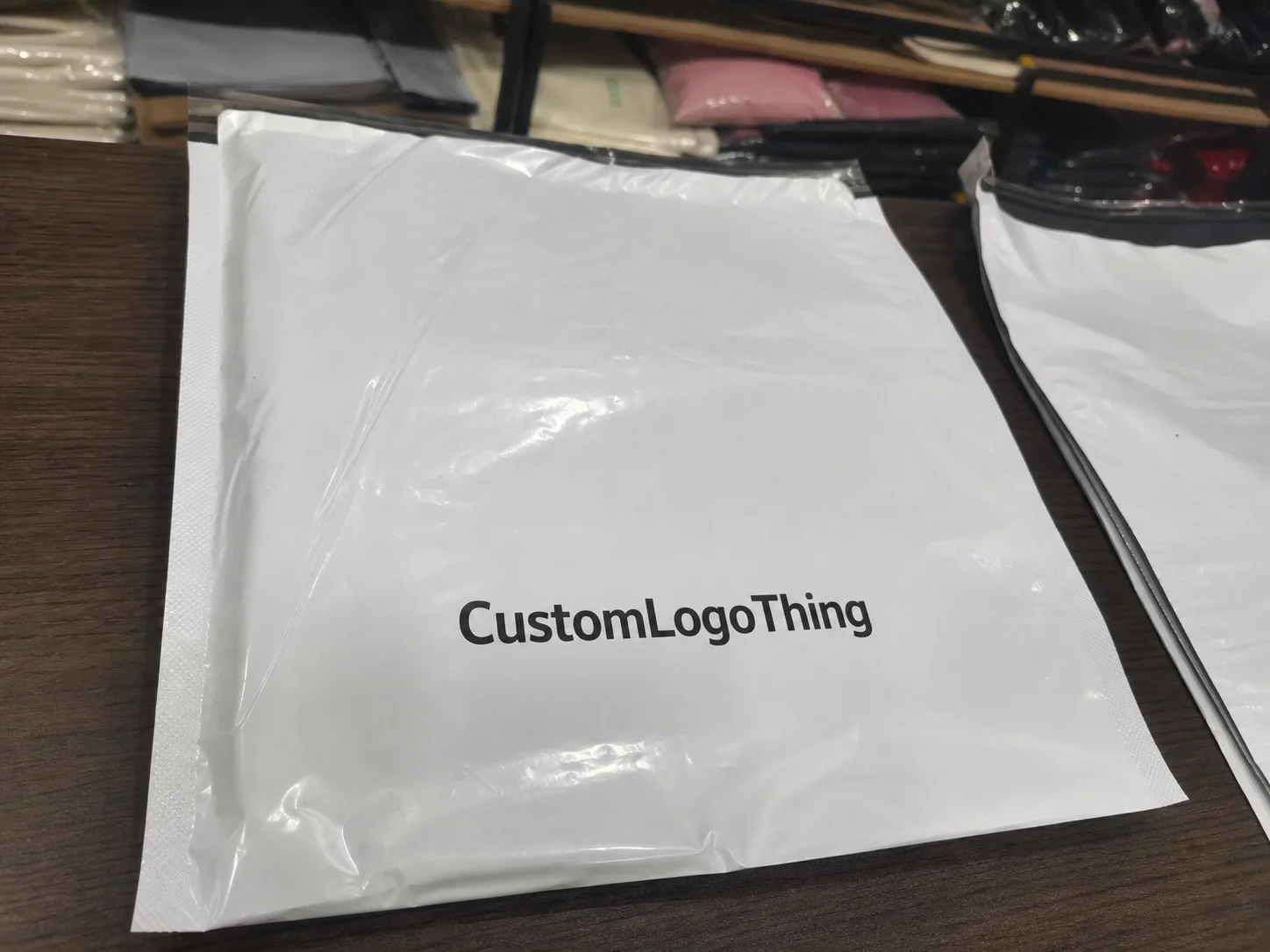
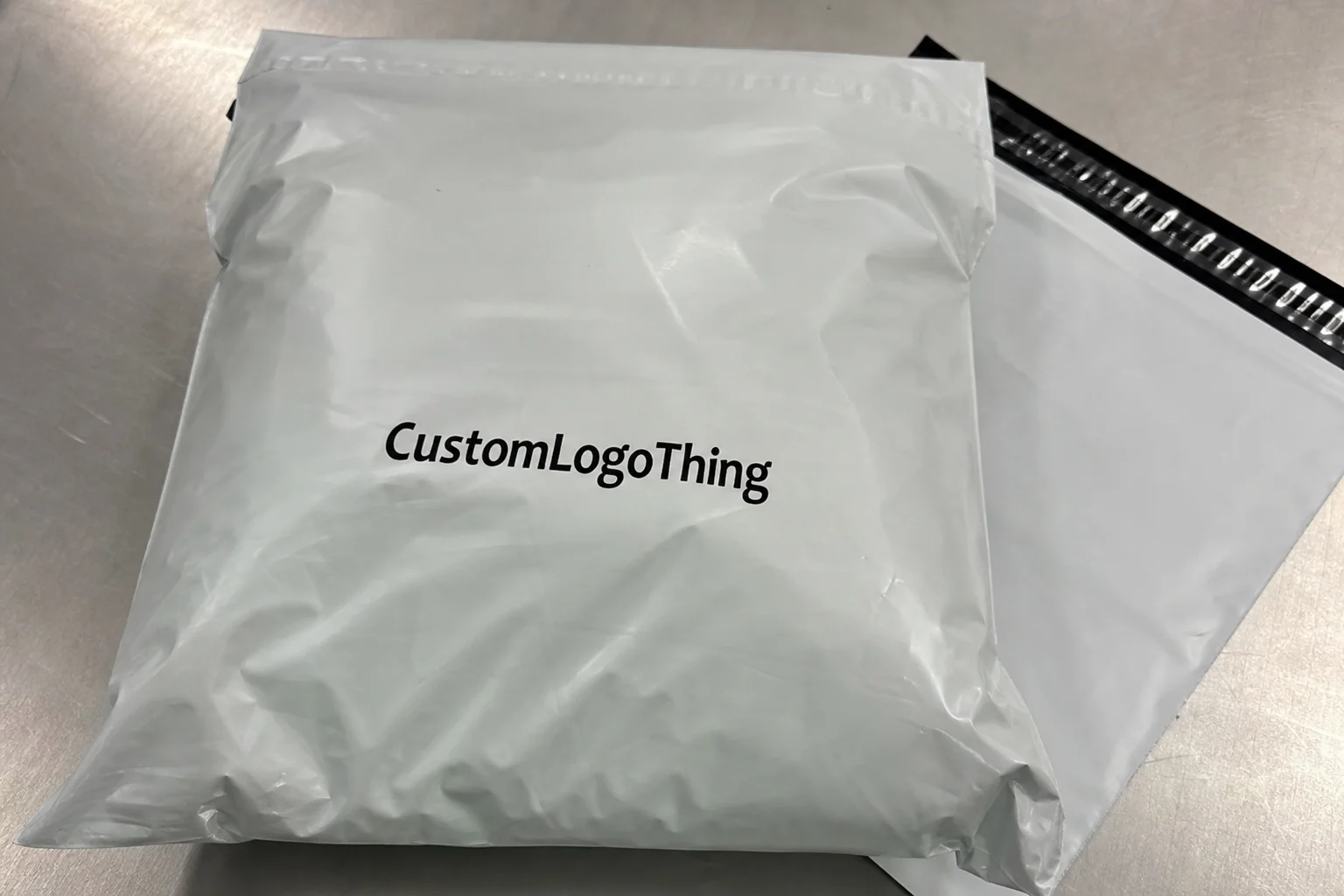
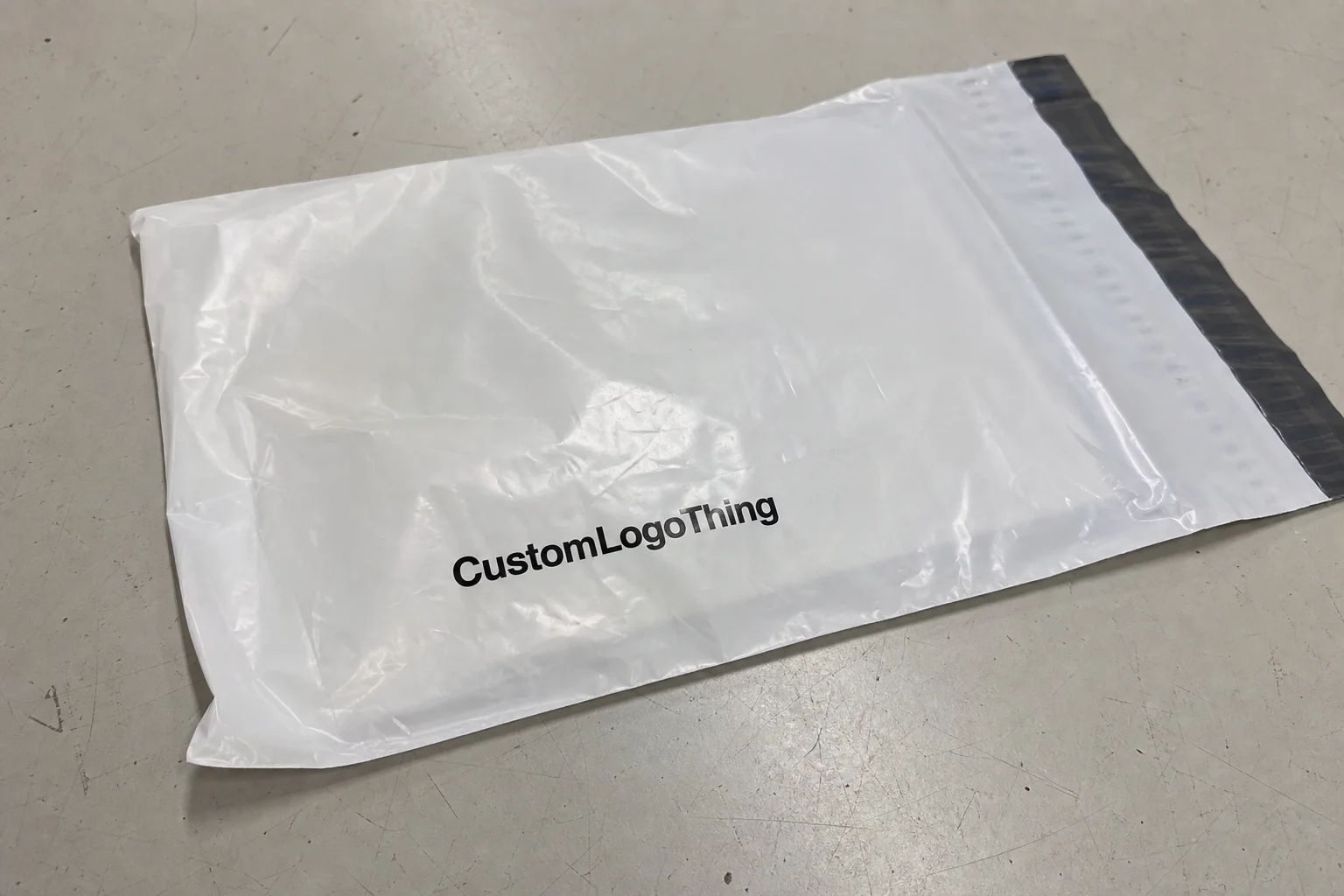
Buyer Fit Snapshot
| Best fit | Storing Poly Mailers Before Shipping projects where brand print, material claims, artwork control, MOQ, and repeat-order consistency need to be specified before quoting. |
|---|---|
| Quote inputs | Share finished size, material target, print colors, finish, packing count, annual reorder estimate, ship-to region, and any compliance wording. |
| Proofing check | Approve dieline scale, logo placement, barcode or warning zones, color tolerance, closure strength, and carton packing before bulk production. |
| Main risk | Vague material claims, crowded artwork, missing packing details, or unclear freight terms can make a low unit price expensive after revisions. |
Fast answer: Storing Poly Mailers Before Shipping: Material Claims, Seal Quality, and Freight Cost should be specified like a repeatable production item. The safest quote records material, print method, finish, artwork proof, packing count, and reorder notes in one written spec.
Production checks before approval
Compare the actual filled-product size with the drawing, then confirm tolerance on folds, seals, hang holes, label areas, and retail display edges. Reserve space for logos, QR codes, warning copy, and material claims before decorative graphics fill the panel.
Quote comparison points
Review material grade, print process, finish, sampling route, tooling charges, carton quantity, and freight assumptions side by side. A quote is only useful when the supplier can repeat the same color, closure quality, and packing count on the next order.
I’ve spent enough time on packing floors to know this: a pallet of mailers can look perfectly fine at 8 a.m. and still cost you money by 3 p.m. The best tips for storing poly mailers before shipping are not about tidiness for its own sake; they protect adhesive strips, keep print sharp, and stop a small storage issue from turning into a slow, messy fulfillment day. In a 12,000-square-foot fulfillment center in Newark, New Jersey, I saw one carton of mailers lose its shape simply because it sat three feet from a dock door for 19 days. The shelf looked harmless. The labor bill did not.
On a visit to a subscription brand’s back room in Edison, New Jersey, I saw Custom Poly Mailers stacked near a loading dock door. The cartons looked dry on top, yet the lower layers had that slightly tacky, warped feel you notice only when you start packing. Three people spent nearly 40 minutes sorting through damaged stock. That’s the hidden labor cost many owners miss when they talk about shipping materials as if every carton behaves the same way. A team buying 5,000 printed mailers at $0.18 per unit can lose the savings quickly if even 300 units need repacking or replacement.
So yes, tips for storing poly mailers before shipping matter. A lot. They affect package protection, the speed of ecommerce shipping, and brand presentation when a customer opens the parcel and finds clean, crisp packaging instead of wrinkled film and scuffed ink. I’ll break down how storage works, what conditions matter most, and how to build a routine your team can actually keep without everyone pretending they “totally meant to get to it” later.
Why storing poly mailers properly matters
Poly mailers are lightweight, flexible transit packaging made from polyethylene film, usually with a pressure-sensitive adhesive strip or self-seal flap. That thin film is both a strength and a weakness. It saves space, reduces dimensional weight, and ships efficiently, yet it can crease, scuff, or lose shape if it sits badly in storage long enough. A 2.5-mil polyethylene mailer can survive a cross-country truck ride from Los Angeles to Atlanta and still be compromised by a humid back room in Philadelphia. The irony is almost rude.
I watched this happen in a cosmetics warehouse in Secaucus, New Jersey, where mailers were stored beside a rolling dock curtain. The cartons looked unopened, but repeated temperature swings softened the adhesive edge. When staff started packing a 1,200-order run, one in every 18 mailers needed a second press or a replacement. That sounds minor until you multiply it across peak season. At 1,200 orders, that is about 67 extra handling events. Then it becomes a labor issue, a waste issue, and a customer experience issue at once.
The practical goal of tips for storing poly mailers before shipping is simple: keep the adhesive reliable, maintain a clean appearance, avoid deformation, and speed up packing operations. If a mailer is stored well, a picker can grab it, seal it, and move on in seconds. If it is stored badly, a packer hesitates, checks the seal, flattens wrinkles, or sets it aside. On a line pushing 250 orders per day, even a 6-second delay per order adds 25 extra minutes of handling across a single shift.
Many brands underestimate how much packaging presentation influences trust. A customer may never measure seal strength, but they notice if the exterior arrives scratched, dusty, or uneven. In brand-heavy ecommerce shipping, that visual detail can matter almost as much as the product inside. Better storage supports package protection before the package even leaves the building, whether the final shipment is headed to Chicago, Dallas, or Miami.
If you’re building a packaging system from scratch, it helps to think in layers. You have primary packaging, outer shipping materials, and the storage environment that preserves both. Good storage is the quiet middle layer that keeps everything else functioning. That is why the best tips for storing poly mailers before shipping tie directly to fulfillment accuracy, labor planning, and material cost control. A 350gsm C1S artboard insert might need a dry bin; a polyethylene mailer needs the same kind of discipline, just for different reasons.
For brands using a mix of formats, I often recommend pairing mailer storage with a broader packaging review. You can compare options across Custom Packaging Products, especially if you’re also evaluating Custom Shipping Boxes for larger SKUs. Different formats demand different storage habits, and treating them the same is where waste starts. A custom carton order from Dongguan, China may have a 12- to 15-business-day turnaround after proof approval, so storage planning should begin before the shipment even arrives.
How Poly Mailer Storage Works in a Warehouse or Back Room
In most operations, poly mailers arrive packed in cartons or sleeves, then get stacked on pallets, shelving, or wire racks until the packing team needs them. The workflow sounds simple, but the storage stage does more work than people realize. It has to protect the film from dust, preserve the adhesive edge, and keep the cartons easy to pick during rush hours. In a 600-square-foot back room in Queens, New York, the difference between a clean shelf and a cluttered one can decide whether a 9 a.m. order wave moves in 45 minutes or 70.
The storage environment changes the mailer’s behavior. Temperature swings can make polyethylene film feel stiffer or softer. Humidity can add a slight tackiness or create a warped edge that makes the mailer sit unevenly on the packing table. Dust and lint cling to film faster than they cling to corrugated boxes, especially when static builds up. Sunlight is another quiet problem; direct light can fade printed graphics on custom mailers and accelerate surface wear on branded stock, especially on matte finishes and dark inks.
That’s why tips for storing poly mailers before shipping are different from general cardboard storage advice. A carton of boxes tolerates more compression and more rough handling. A carton of poly mailers wants stability. Not perfection. Stability. The film needs shape retention, the seal area needs to stay clean, and the outer printed layer needs to avoid abrasion. A 4-ounce accessory mailer and a 2-pound apparel mailer may both be polyethylene, but they age differently once stacked under 80 pounds of mixed inventory.
There’s also a difference between plain and custom-printed mailers. Plain mailers mainly need protection from moisture, crushing, and dust. Custom mailers need that too, but they also need protection from scuffing and color fading. A matte black mailer and a bright white branded mailer do not age the same way on the shelf. The printed version shows damage earlier, which is why tips for storing poly mailers before shipping should include visual checks for art quality, not just functional checks for the seal. A print run from Guangzhou, China or Ho Chi Minh City, Vietnam can arrive flawless and still lose its edge if it sits under fluorescent light for 60 days.
In one supplier negotiation I sat in on, the buyer wanted the lowest unit cost and ignored storage conditions entirely. The supplier asked one question that stuck with me: “How long do they sit before packing?” That changed the conversation. A mailer priced at $0.15 per unit for 5,000 pieces can become much more expensive if 6% of that stock is scrapped, reworked, or repacked. Storage is part of the true cost. So is lead time, especially if a reorder from Yiwu, China takes 14 to 18 days from final artwork sign-off to departure.
For teams that handle multiple SKUs, the storage model should be straightforward:
- Preserve shape so the mailer opens cleanly at the packing station.
- Protect seal integrity so the adhesive closes consistently.
- Preserve appearance so the customer sees a clean branded package.
- Reduce handling time so order fulfillment stays fast during peak periods.
That’s the mental model I use when I audit a back room. If a storage setup supports those four goals, it usually supports the business too. On a 2,000-order week, shaving 5 seconds from each pick can return more than 2.7 labor hours, which is not trivial when a pack line runs on two shifts and a thin margin.
Key factors to consider before you store poly mailers before shipping
The strongest tips for storing poly mailers before shipping start with the environment. If you control the environment, you control most of the risk. If you ignore it, every other improvement becomes less effective. A room held near 68 to 72°F with relative humidity around 40% to 55% is far easier to manage than a corner that spikes to 90°F beside a dock door every afternoon.
Temperature control
Keep mailers in a stable area away from heaters, vents, hot loading bays, and direct sunlight. Polyethylene behaves predictably when the temperature is steady, but sharp swings create unnecessary stress on the film and on adhesive strips. I’ve seen a small operation in Newark store mailers beside a furnace room door because it was “convenient.” Three months later, the seals were inconsistent enough that the team added a second QC step. That’s not efficiency. That’s paying twice.
Humidity management
Excess moisture can affect feel, shape, and seal performance. No, poly mailers are not paper envelopes, and they won’t absorb water the same way. But humidity still matters. It encourages dust to stick, creates a slightly limp feel, and can make the adhesive area behave less cleanly. A dry, stable room is one of the simplest tips for storing poly mailers before shipping, and one of the cheapest to implement if your space already has decent climate control. Even a basic hygrometer costing $18 to $25 can catch a humidity spike before it ruins a week of packing.
Stacking and compression
Cartons should stay flat, and heavy items should never sit on top of them. Poly mailers are light, but they wrinkle under load. If you stack too high, the lower cartons can deform, and the mailers inside may come out with bent corners or distorted seams. Safe stacking height depends on carton strength, pallet quality, and handling frequency. I usually tell clients to test a 5-carton stack first, then inspect the bottom carton after 48 hours before going higher. It’s not glamorous, but neither is discovering crushed mailers during a 700-order day.
Cleanliness and contamination
Dust, oils, and debris can interfere with adhesive performance and create a sloppy-looking finish. In one third-party logistics facility I toured in Bethlehem, Pennsylvania, the mailers were stored near a workbench where tape guns were frequently overfilled. Tiny adhesive strands ended up on the cartons, and those bits transferred to the seal area. It wasn’t dramatic, but it slowed packing every single day. Good tips for storing poly mailers before shipping always include keeping the storage zone cleaner than the packing zone.
Inventory rotation
Use first-in, first-out so older stock does not sit forgotten in a corner for months. Poly mailers do not “expire” the way food does, but long-term neglect still creates issues. The film can become dusty, cartons can get crushed, and printed surfaces can fade if they’ve been exposed to light. FIFO rotation is boring. It also works. Boring is underrated in fulfillment, especially in operations shipping 300 to 1,000 orders a day.
Cost and pricing implications
Bad storage creates hidden costs. You may lose cartons to physical damage. You may spend labor on repacking or rechecking seals. You may even waste shipping supplies when a packer discards a mailer that should have been usable. A lot of brands compare supplier pricing without asking what storage mistakes will do to the real landed cost. That’s a miss. Packaging economics is not just unit price; it’s unit price plus handling, waste, and rework. A 5,000-piece order at $0.15 per unit may look attractive until 200 units become unusable because of compression, moisture, or poor rotation.
| Storage option | Approximate setup cost | Best for | Main risk if used badly |
|---|---|---|---|
| Open floor stacking | $0 upfront | Very short-term staging | Dust, crush damage, moisture pickup |
| Racked shelving | $150-$600 per bay | Small to medium fulfillment rooms | Overcrowding if inventory is not labeled |
| Lidded bins or cartons on pallets | $30-$120 per zone | Mixed-SKU back rooms | Slow picking if labels are unclear |
| Climate-controlled storage area | Varies widely by space | Premium custom mailers or high-volume ecommerce shipping | Higher overhead if volume is too low |
That table is not meant to push everyone into climate control. It depends on order volume, local weather, and how long stock sits. But if you’re serious about tips for storing poly mailers before shipping, cost has to be measured against waste, not just rent. In Phoenix, Arizona, where summer dock temperatures can exceed 100°F, the economics of storage look different than they do in Portland, Oregon, where moisture is the larger threat.
If your business ships a mixed assortment, branded mailers often belong in the same planning conversation as Custom Poly Mailers. The packaging choice affects the storage plan. That sounds obvious, yet I still see teams buy first and think later. A supplier in Shenzhen may quote a lower unit price, but if your storage room is unstable, the real savings disappear in rework.
Step-by-step tips for storing poly mailers before shipping
If you want practical tips for storing poly mailers before shipping, build the storage process like a routine, not a special project. The best systems are repetitive enough that staff can follow them on a busy Tuesday with no manager hovering nearby. A 10-step checklist posted by the packing table in a 1,500-square-foot facility in Dallas often does more good than a glossy SOP buried in a shared drive.
- Inspect incoming cartons immediately. Check for punctures, crushed corners, torn outer wrap, or adhesive damage before the boxes get mixed into inventory. I’ve seen a damaged top carton hide a whole batch of bent mailers underneath it. Annoying? Very. Expensive? Also yes.
- Keep mailers in original cartons whenever possible. The carton protects the film from dust, light, and accidental scuffing. If you must open a box, reseal it cleanly and note the lot number. For printed stock, keep the box flap taped and marked with the run date.
- Store cartons off the floor. Shelving or pallets are better than concrete. Floors collect moisture, pest activity, and cleaning residue. Even a 3-inch lift helps, and a 6-inch lift is better in older buildings with uneven slab conditions.
- Label by size, color, and arrival date. Clear labels save time during order fulfillment and reduce mis-picks when the team is moving fast. I like labels that include SKU, carton count, batch date, and supplier location, such as “Shenzhen, China” or “Compton, California,” depending on the sourcing path.
- Separate high-use stock from reserve stock. The cartons you open every day should sit closest to the packing station. Reserve cartons should stay sealed until needed. Repeated handling is where wear starts. A 500-piece reserve box should not live next to the daily pull bin.
- Check temperature and humidity once a week. A $20 hygrometer can catch a problem before it becomes visible. If your area swings wildly, record the numbers for two weeks and look for patterns. A shift from 46% humidity to 68% can be enough to change how the adhesive feels.
- Test a sample before large packing runs. Pull one mailer from each batch and close the seal. If the adhesive doesn’t press properly or the film feels distorted, stop and inspect the rest of the lot. That 30-second check can save a 300-order run.
Here’s the part many teams skip: assign ownership. Someone should be responsible for storage checks, not “everyone.” When nobody owns the shelf, problems hide there. That is one of the most practical tips for storing poly mailers before shipping I can offer from years of watching operations drift when accountability was vague. A single warehouse lead spending 12 minutes every Monday can prevent a week of avoidable mistakes.
A small clothing brand in Harrisburg, Pennsylvania once told me they saved 11 minutes per 100 orders after reorganizing mailer storage. That sounds minor, but over a 2,000-order week, it mattered. The team stopped searching for the right size, stopped rechecking seals, and stopped opening reserve cartons just to find the one they needed. Better storage improved throughput without adding one extra packer.
For teams comparing packaging structures, there’s also a useful side effect: organized mailers make it easier to assess whether some products deserve a switch to box-based formats. If mailers are getting crushed by odd-shaped items, that’s a signal to reevaluate the packaging mix, perhaps alongside Custom Shipping Boxes for fragile or premium SKUs. A box order in 350gsm C1S artboard with a 15-business-day production window may cost more upfront, but it can save damage claims later.
And yes, these tips for storing poly mailers before shipping work just as well for plain stock and printed stock. The difference is that custom print deserves one extra step: keep a reference sample from each batch so the team can compare color, gloss, and print alignment before a major run. For a 1,000-piece order, that sample card can catch a Pantone shift before it reaches a single customer in Austin or Brooklyn.
Common mistakes when storing poly mailers before shipping
The biggest storage mistakes are usually the easiest to spot once you know where to look. They also happen because teams are busy, not because they are careless. That is why tips for storing poly mailers before shipping have to be realistic. A warehouse that moves 480 orders per day will not follow a five-page procedure, but it will follow three clear rules posted near the shelving.
Leaving cartons open. Open cartons expose mailers to dust, stray tape, and accidental tears. A half-open box in a busy fulfillment room behaves like a lint magnet. It doesn’t take much. One spilled roll of tape can ruin a stack of otherwise usable mailers. In a shop near Cleveland, Ohio, an open carton near a packing fan collected enough dust in 10 days to make the top layer visibly dull.
Stacking too high. A high stack looks efficient until the bottom cartons are bowed and the first several mailers are wrinkled. I’ve watched teams create a “temporary” stack that stayed there for six weeks. By the time they used it, the carton edges had compressed and the seal lines were uneven. The word “temporary” does a lot of heavy lifting in warehouses. A 7-carton stack may look tidy; it can still crush the lower two cartons if the board grade is weak.
Storing near windows or heat sources. Sunlight fades print, and heat changes how the film and adhesive feel. Loading docks are especially risky because the environment shifts by the hour. If a location is convenient but unstable, it is not actually convenient. A south-facing window in Tampa, Florida can damage printed stock faster than many teams expect, especially in summer.
Mixing old and new stock. This is one of the quietest problems in shipping materials management. New cartons get opened first because they’re on top, while older cartons get pushed back. A month later, nobody remembers which one came in first. FIFO fixes that, but only if the labels are visible and used consistently. Color-coded shelf tags work well; so does writing the arrival week, such as “Wk 14” or “Wk 15,” in large marker.
Waiting until packing day to test seals. That mistake turns storage issues into operational fires. If a batch has adhesive problems and you discover it at the packing table, you’ve already paid for labor, staging, and order delay. One quick batch test during storage can prevent all of that. A 15-second press test on three sample mailers is cheaper than halting a 200-order pick wave.
Ignoring long storage timelines. Mailers can sit for a long time if conditions are good, but time still changes risk. The longer stock sits, the more often it should be inspected. Not because poly mailers are fragile, but because real warehouses are messy places with dust, vibration, and daily movement. A carton that has sat for 90 days deserves a quicker check than one received last Tuesday.
One client in the Midwest told me, “We thought poly mailers were maintenance-free.” That line made me laugh because it sounds so reasonable and so wrong. Packaging isn’t maintenance-free. It’s maintenance-light when stored correctly. That distinction matters, especially for teams that source from places like Dongguan, Shenzhen, or Los Angeles and assume the work is done once the pallet arrives.
So if you remember only one thing from these tips for storing poly mailers before shipping, make it this: storage mistakes often look like small annoyance items, but they show up later as labor waste, seal failures, and brand damage.
Expert tips for better storage, faster fulfillment, and lower waste
Once the basics are in place, the next round of tips for storing poly mailers before shipping should focus on speed and control. The best operations I’ve seen do not just store inventory; they stage it for how the team actually works. A 3,000-order subscription brand in Atlanta reduced walking time simply by moving its top three sizes within 8 feet of the packing table.
Organize by volume, not just SKU
Put your highest-volume sizes closest to the packing station. A size used 500 times a week should not sit on the farthest shelf just because it arrived first. That one change can shave seconds off every order. Multiply seconds by hundreds of orders and the labor savings become visible. If one SKU leaves the shelf 800 times a week, it deserves the shortest path.
Use zones and visible bins
Clear bins or labeled shelf zones reduce picking errors. I prefer zones with large, laminated labels: size, color, reorder point, and carton count. If staff can identify the right mailer from 10 feet away, you’ve already improved the process. Better organization is one of the most underappreciated tips for storing poly mailers before shipping because it cuts motion waste, not just packaging waste. A $45 label printer often pays for itself faster than a new rack.
Stage reserve stock intelligently
If storage space is tight, calculate how many cartons you can safely stage based on usage rate, not just floor space. A small 250-order-per-day shop might only need 2 to 4 days of accessible inventory near the line, with the rest held farther back. A larger brand shipping 2,000 orders a day needs a different rhythm. Space planning should follow demand, not guesses. If your reorder lead time is 14 business days, the reserve shelf should reflect that.
Keep sample packs for quality checks
For custom or branded mailers, hold back one sample from each batch. That makes visual verification much easier. If a packer sees a color shift or a print smudge, they can compare it against the reference sample in seconds. I’ve seen this catch a batch issue before a single customer order went out. That’s a cheap insurance policy, and frankly, a lot less annoying than dealing with customer photos of a bad print job. A sample file stored with batch notes from a factory in Xiamen or Ningbo can be worth more than the carton itself.
Connect storage to replenishment timing
Build a reorder threshold so stock doesn’t drift into emergency mode. If a SKU hits 25% of its working inventory, reorder before it becomes urgent. Late reorders can force you into rushed freight, which often wipes out any savings from lower piece pricing. Good tips for storing poly mailers before shipping always include a replenishment timeline, not just a shelf rule. If the carton count on the label says 12 and your weekly use is 4 cartons, you already know the next order date.
Match storage effort to product value
A plain clear mailer for low-value accessories may only need a dry, clean shelf. A branded mailer used for premium apparel might justify climate-controlled storage if the order volume and margin support it. That is the honest answer. Not everything needs the same spend. Not everything should be treated cheaply either. A $0.15 unit mailer used for a $70 apparel order deserves more care than a generic sleeve used for sample kits.
There’s also a broader packaging lesson here. If your product line includes fragile, rigid, or premium items, shipping boxes may deliver better package protection than mailers in some cases. That may sound like a packaging consultant’s dodge, but it isn’t. Good operations choose the format that fits the product and the storage reality. Materials, labor, and customer expectations all have to line up. A custom box made in Chicago with 350gsm C1S artboard is a different storage project from a flat poly mailer carton from Zhejiang.
| Storage practice | Operational benefit | Typical impact |
|---|---|---|
| High-use sizes closest to packing station | Faster picking | 5-15 seconds saved per order |
| Weekly temperature and humidity checks | Earlier issue detection | Fewer seal surprises during packing |
| FIFO labeling | Less forgotten stock | Lower waste from aged cartons |
| Reference samples for custom print | Visual quality control | Faster batch approval before shipping |
If you want a credible benchmark for broader material handling practices, the packaging industry has useful guidance through organizations like the Paper and Packaging Board / packaging resources, while test protocols for transit performance are commonly tied to the International Safe Transit Association. Those references matter because storage is part of the transit chain, even though the package has not moved yet. A shelf in Charlotte can affect what happens on a truck bound for Denver.
How do you store poly mailers before shipping?
Store poly mailers in their original cartons or in lidded bins, keep them off the floor, and place them away from heat, sunlight, and moisture. Use clear labels, rotate stock with FIFO, and inspect a sample before each major packing run. The most reliable tips for storing poly mailers before shipping are simple enough to repeat every day and strict enough to prevent damage. A short weekly check is usually enough to catch humidity spikes, crushed cartons, or open boxes before they affect order fulfillment.
What to do next with your poly mailer storage setup
If you’re ready to improve your storage setup, start with an audit, not a shopping list. The most effective tips for storing poly mailers before shipping usually involve better habits before better hardware. A $300 shelving purchase is helpful; a 20-minute monthly audit can be more valuable.
First, check where your mailers sit right now. Are they on the floor? Near a heat source? Under a leaking pipe? In direct light? How many cartons have been there for more than 60 days? Those four questions usually expose most of the risk in less than 15 minutes. I’ve done this walk-through with clients who were sure everything was fine, and within ten minutes we had a checklist full of little disasters waiting to happen. A back room in Orlando once had 14 cartons stored beside a condensation-prone AC line; none of them looked damaged until we moved them.
Next, set three simple rules and post them where the team can see them:
- Temperature rule: store mailers away from heaters, vents, and dock doors.
- Humidity rule: keep the area dry and monitor it weekly with a basic gauge.
- Stacking rule: never exceed the carton height that keeps the bottom boxes flat.
Then assign one person to review storage weekly. Not a committee. One owner. In my experience, even a 10-minute walkthrough catches open cartons, mixed SKU stacks, and reserve stock that has been forgotten behind active inventory. That small routine is one of the best tips for storing poly mailers before shipping because it keeps the system alive. A lead in Raleigh, North Carolina can usually complete the review before the first carrier pickup if the zone labels are clear.
After that, test your next shipping batch. Pull a handful of mailers from the oldest carton and inspect the seal, the appearance, and the ease of handling. If the seal presses cleanly and the print still looks sharp, your storage process is working. If not, adjust the environment before the next replenishment cycle. One test on five units can spare you from discovering a failure on order 318 of the day.
You should also review how mailer storage affects the broader packing line. If poor storage is making the team slower, that hidden labor cost may outweigh the savings from buying cheaper shipping materials. A brand that ships at scale should know its actual Packaging Cost Per order, not just the supplier invoice. If a $0.15 mailer creates $0.04 in avoidable handling waste, the true cost is already 26% higher.
And if you are rebuilding the whole packaging system, use the storage conversation to compare mailers with other formats. Some products belong in mailers. Others belong in boxes. The right answer depends on product fragility, shipping method, and the dimensional weight math behind the parcel. That’s where a well-planned packaging mix becomes a business decision instead of just a supply order. A rigid candle set that ships from a plant in Guangzhou may need a carton rather than a flat poly sleeve, even if the sleeve looks cheaper on paper.
When I’ve advised teams through this kind of reset, the biggest wins came from disciplined basics: clean cartons, labeled zones, steady temperatures, and simple FIFO rotation. Nothing flashy. Just consistent execution. That is the real heart of tips for storing poly mailers before shipping. A warehouse in Nashville, Tennessee or a micro-fulfillment room in San Diego can both get better results from the same fundamentals.
If you want better order fulfillment, fewer damaged cartons, and cleaner brand presentation, start with the shelf before you start with the shipping label. In my experience, the best tips for storing poly mailers before shipping are the ones your team can repeat every day without guessing. A single routine can do more than a quarterly fire drill ever will.
Final takeaway: the best tips for storing poly mailers before shipping protect adhesive, preserve appearance, reduce waste, and keep ecommerce shipping moving. If your mailers are stored cleanly, dry, and in a clear rotation system, they’re ready when your team is ready—and that is what good transit packaging is supposed to do. Start with one shelf today: move cartons off the floor, label the oldest stock, and check the room’s temperature and humidity before the next packing run. That one pass will tell you more than a month of guessing.
FAQ
What are the best tips for storing poly mailers before shipping in a small workspace?
Keep them in original cartons or lidded bins, store them off the floor on shelves or pallets, and use labeled zones so you do not overhandle inventory. Even a 6-foot shelving unit can make a small back room much easier to manage if the cartons are grouped by size and order frequency. In a 200-square-foot storage room, that can save several feet of daily walking.
Can humidity damage poly mailers before shipping?
Yes, excess humidity can affect the feel, shape, and sealing performance of mailers. A stable, dry storage area helps preserve both appearance and function, especially if the mailers sit for more than a few weeks before use. A room held near 45% to 55% relative humidity is usually easier to manage than one that swings between 35% and 75%.
How long can poly mailers sit in storage before shipping?
They can usually be stored for a long time if kept clean, dry, and out of sunlight. Regular inspection matters more than a fixed date because conditions drive performance. A carton stored well for 6 months may be in better shape than one stored badly for 2 weeks. I’ve seen clean stock held for 9 months in a climate-controlled room in Minneapolis with no visible damage.
Do custom poly mailers need special storage before shipping?
Yes, printed mailers should be protected from scuffing, fading, and crushing. Keep sample packs for quality checks and store printed cartons away from direct light so the graphics stay sharp and the brand presentation remains consistent. A branded run produced in Dongguan or Ningbo should also be labeled by lot so color checks are easier later.
How does better storage affect cost and pricing for shipping operations?
Good storage reduces damaged inventory, repacking labor, and wasted supplies. That can lower effective packaging costs even if the storage setup itself requires some investment. In many operations, the savings show up as fewer errors and faster packing rather than as an obvious line-item reduction. For example, cutting just 8 minutes from every 100 orders can save more than 3 labor hours in a 2,500-order week.