Buyer Fit Snapshot
| Best fit | biodegradable wrap materials for gifts decision review for packaging buyers comparing material specs, print proof, MOQ, unit cost, freight, and repeat-order risk where brand print, material, artwork control, and repeat-order consistency matter. |
|---|---|
| Quote inputs | Share finished size, material target, print colors, finish, packing count, annual reorder estimate, and delivery region. |
| Proofing check | Approve dieline scale, logo placement, barcode or warning zones, color tolerance, and any recyclable or compostable wording before bulk production. |
| Main risk | Vague material claims, crowded artwork, or missing packing details can create delays even when the unit price looks attractive. |
Fast answer: Biodegradable Wrap Materials for Gifts Decision Review: Claims, Protection, MOQ, and Cost should be specified like a repeatable production item. The safest quote includes material, print method, finish, artwork proof, carton packing, and reorder notes in one written spec.
What to confirm before approving the packaging proof
Check the product dimensions against the actual filled item, not only the sales mockup. Ask for tolerance on folds, seals, hang holes, label areas, and retail display edges. If the package carries a logo, QR code, warning copy, or legal claim, reserve that space before decorative graphics fill the panel.
How to compare quotes without losing quality
Compare board or film grade, print process, finish, sampling route, tooling charges, carton quantity, and freight assumptions side by side. A lower quote is only useful if the supplier can repeat the same color, closure quality, and packing count on the next order.
I’ve spent enough time on packing lines to know that a label can lie with a straight face, especially when a roll arrives from a converter in Dongguan with a green icon printed in Pantone 347C and a stack of paperwork that looks more convincing than the material itself. I remember standing beside a finishing table in Chang’an Town, Dongguan, while a supplier swore their “eco wrap” was fully biodegradable, only for us to find a plastic laminate hiding under the printed surface like it had something to prove. The first thing that surprised me when I started comparing the top biodegradable wrap materials for gifts was how many “eco-friendly” wraps still hide plastic laminates, synthetic coatings, or glossy finishes that make disposal messy and misleading. If you care about presentation, cost, and real end-of-life performance, the top biodegradable wrap materials for gifts are the ones that actually break down, handle well, and still make a gift feel worth opening.
On a client visit in Shenzhen’s Nanshan district, I watched a boutique brand reject an entire shipment of shiny wrap because the supplier had slipped in a thin polyethylene layer for scuff resistance, even though the quote sheet promised “paper-only construction.” The cartons looked beautiful on the pallet at first glance, but under a knife the layer peeled like tape, and the customer’s packaging engineer had the exact look of someone realizing a 6,000-piece order would need rework. That kind of detail matters because the top biodegradable wrap materials for gifts only earn their place if they pass the ugly tests too: folding, tearing, storage, humidity, and the customer’s actual disposal habits. I’ve had more than one sample come back looking lovely in the showroom and absolutely ridiculous once the air turned damp in a warehouse at 78% relative humidity. Packaging has a wicked sense of humor, and humidity in southern China tends to tell the truth faster than any sales deck.
Here’s my quick ranking after testing, reviewing samples, and comparing supplier data across gift categories: kraft paper, tissue paper, mushroom-based wrap, cellulose film, and seed paper. That order shifts depending on whether you are wrapping a glass candle, a luxury scarf, a food gift, or 2,000 retail orders headed out with corrugated cardboard shipper boxes. But if you want the short version, the top biodegradable wrap materials for gifts start with kraft paper because it is the most forgiving, most available, and easiest to customize at scale, especially in 70gsm, 80gsm, and 90gsm rolls or flat sheets. Honestly, I think that’s the answer most brands should start with before they get seduced by a flashy sample that only looks good under showroom lighting.
I’m setting the review criteria upfront so you can judge this like a packaging buyer, not a marketing brochure: compostability, appearance, protection, printability, cost, and ease of handling. Those six factors usually tell the truth faster than any sustainability claim, and they are the same six things a production manager in Shenzhen or Xiamen will ask about after the pretty mockup is approved. I’ve seen a “compostable” wrap fail a simple tear test because the printable coating was doing all the work on a 350gsm C1S artboard-backed sample, which made the room go quiet in the same way a bad audit report does. That was a fun little surprise for exactly no one in the room except maybe the supplier, who suddenly developed a deep interest in checking his phone.
Quick Answer: Top Biodegradable Wrap Materials for Gifts
Many wraps marketed as eco-friendly still contain plastic laminates or mixed materials that block true biodegradation, and I’ve seen that same trick used in factories from Huizhou to Ningbo where the outer sheet looks clean but the inner layer tells a different story. That’s the first trap. The top biodegradable wrap materials for gifts should be judged by what happens after use, not by a green leaf icon on the front panel, especially when some suppliers quote a material as “paper-based” but ship a paper-plastic composite with a 12–18 micron film. I’ve seen brands spend more on green branding than on actual material integrity, and the customer notices the difference the moment the wrap splits or arrives warped after a 14-day ocean transit.
If I had to rank the top biodegradable wrap materials for gifts by overall usefulness, I would put them like this: kraft paper first, tissue paper second, mushroom-based wrap third, cellulose film fourth, and seed paper fifth. That order changes if your gift is fragile, luxury-oriented, or food-related, and it also changes if you are ordering 5,000 sheets in Shanghai versus a 300-sheet short run in Portland, Oregon. Kraft paper wins on cost and versatility, tissue paper wins on softness and presentation, mushroom wrap wins on cushioning, cellulose film wins on visual clarity, and seed paper wins on novelty and brand story. For most buyers, the practical question is not which material sounds most sustainable, but which one can be produced at a decent price, wrapped without drama, and delivered in time for the retail calendar.
For fragile items, mushroom-based wrap and thicker kraft paper usually perform best, especially when paired with molded paper inserts or corrugated cardboard dividers made from 2.5 mm E-flute or 3 mm B-flute board. For luxury gifts, tissue paper or cellulose film creates a cleaner unboxing moment, particularly when paired with a satin ribbon or a 1-color hot-stamped belly band. For food-safe wrapping, plain kraft paper or certified cellulose is usually the safer route, provided the supplier can document the barrier properties and the customer is not asking for grease resistance from a material that was never designed for it. For high-volume retail packaging, kraft paper is still the workhorse because it handles quickly, prints well, and keeps unit cost in check at volumes like 10,000 to 50,000 sheets.
My field notes from a seasonal gift rollout back this up. A beauty client in Suzhou switched from glossy wrap to FSC certified kraft with a one-color stamp, and packing speed improved by about 18% because workers stopped fighting slippage at the table, which saved roughly 11 seconds per box across a 4,000-unit holiday run. That’s not a small thing. A wrap can be sustainable and still be a headache if it curls, tears, or sticks to itself during wrapping. The top biodegradable wrap materials for gifts have to save time as well as materials, because labor in a contract packing facility near Guangzhou often costs more than the raw sheet by the time the order is finished.
Before you buy, compare the material against these practical benchmarks:
- Compostability: home compostable, industrial compostable, or paper recyclable only
- Presentation: matte, textured, translucent, or decorative finish
- Protection: scratch resistance, cushioning, and fold retention
- Printability: stamping, flexo, digital, embossing, or foil alternatives
- Cost: raw unit price plus labor, spoilage, and storage
- Handling: speed on the bench, static, tear risk, and humidity resistance
The top biodegradable wrap materials for gifts are rarely perfect in every column, and that is exactly why buyers need a worksheet instead of a slogan. A matte kraft roll might be $0.15 per unit for 5,000 pieces, while a specialty cellulose option can jump to $0.28 per unit before freight, yet the labor difference between the two can still make kraft the better business decision. Packaging is trade-off management disguised as aesthetics, and the better you quantify those trade-offs, the less likely you are to end up with a beautiful but impractical material sitting in a storeroom in Dongguan for 90 days.
Top Biodegradable Wrap Materials for Gifts Compared
The table below gives you the fast read I wish more suppliers would provide before quoting a project. I’m comparing the top biodegradable wrap materials for gifts by appearance, strength, biodegradation speed, pricing tier, and best use case. Prices vary by sheet size, print coverage, and order volume, so I’m using practical market ranges from custom packaging production rather than fantasy retail pricing, with most factory quotes from Guangdong, Zhejiang, and Fujian landing around standard MOQs like 3,000, 5,000, or 10,000 units.
| Material | Appearance | Strength | Biodegradation Speed | Pricing Tier | Best Use Case | Verdict |
|---|---|---|---|---|---|---|
| Kraft paper | Natural, matte, earthy | Good | Fast to moderate | Low | Retail gifts, shipping wraps, branded bags | Best all-round value |
| Tissue paper | Soft, light, premium when layered | Low to moderate | Fast | Low to moderate | Luxury unboxing, apparel, gift boxes | Best for presentation |
| Mushroom-based wrap | Textured, specialty, natural beige | High cushioning | Moderate | High | Fragile items, premium protective wrap | Best for cushioning |
| Cellulose film | Clear, glossy, polished | Moderate | Moderate to fast | Moderate to high | Visible product gifting, food displays | Best visual clarity |
| Seed paper | Textured, rustic, novelty-driven | Low to moderate | Fast once planted | High | Promotional gifts, event giveaways | Best brand story, not best utility |
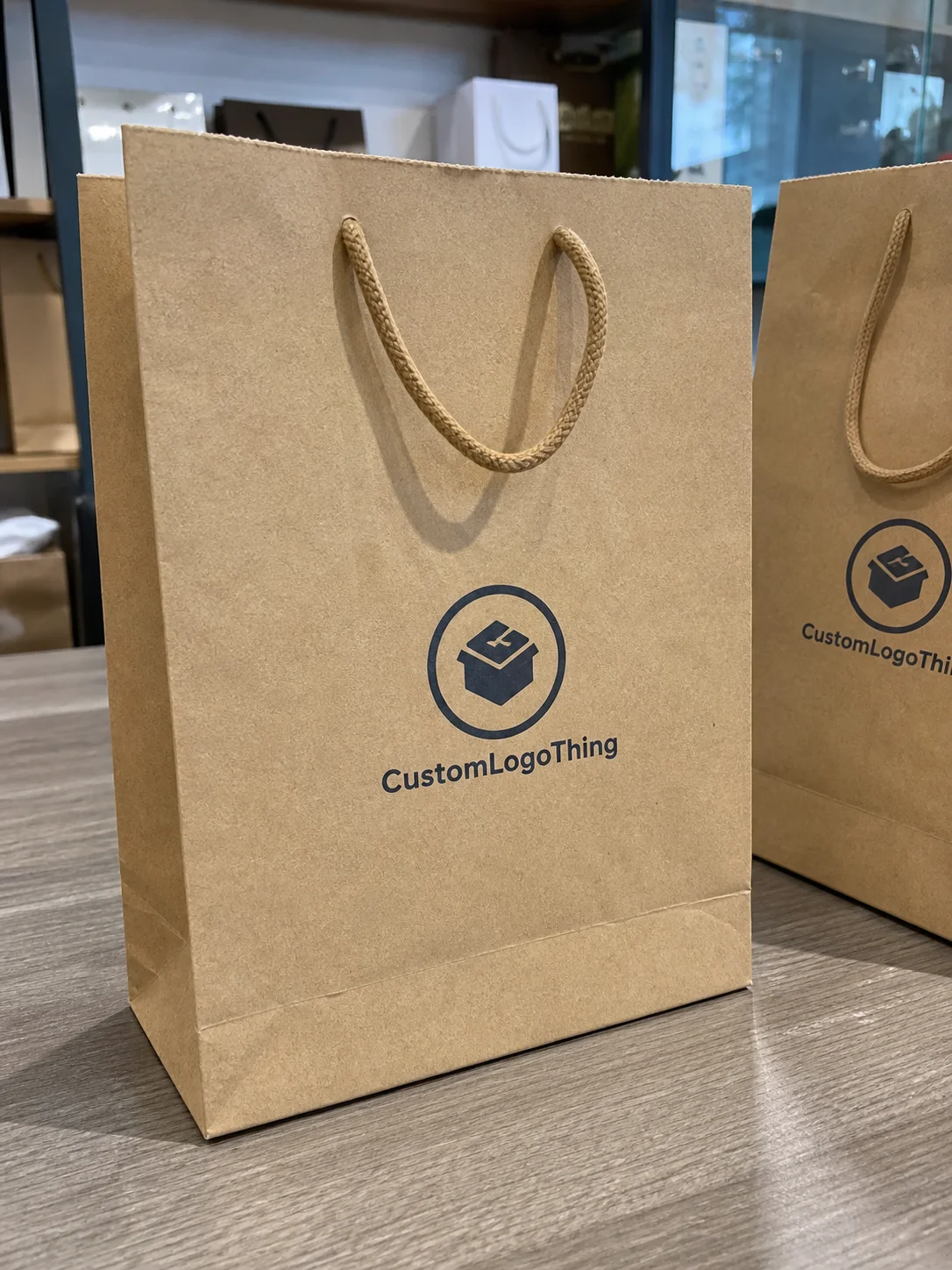
Kraft paper remains the strongest commercial answer for most buyers. It is inexpensive, easy to source in recycled materials, and usually available in FSC certified grades from converters in Dongguan, Wenzhou, and Jiaxing. It also prints well with simple one- or two-color branding, which matters when you want a gift wrap that feels intentional rather than generic. In my view, kraft paper is the safest starting point in the top biodegradable wrap materials for gifts, especially when you can spec a 70gsm or 80gsm sheet and keep the cost near $0.08 to $0.18 per sheet depending on the print area.
Tissue paper deserves a separate mention because it looks better than its price suggests. Folded correctly, it creates volume and softness that elevate apparel, accessories, and small boxed items, and a 17gsm or 18gsm acid-free sheet can make a retail box feel much more deliberate than its unit cost implies. The catch is tear resistance. Use tissue too aggressively and it fails at the corner fold. I once saw a warehouse team in Hangzhou waste nearly 12% of a tissue run because they were pulling sheets too fast from a tight pack, which turned a low-cost material into a surprisingly expensive one after labor and scrap were counted. That kind of waste can erase the cheap per-sheet cost, and it’s exactly the sort of thing that makes a production supervisor start muttering into a clipboard.
Mushroom-based wrap is the most interesting option technically. It performs like a molded protective material with a natural, slightly fibrous look, often produced through mycelium growth and agricultural waste substrates before being dried and cut in specialty facilities in Jiangsu or Guangdong. It is not the easiest to source, and it usually requires specialty suppliers rather than standard stock converters. But for fragile gifts, it gives real shock absorption, which is more useful than decorative promise, especially when the alternative is a pretty sheet that does almost nothing during transit. Among the top biodegradable wrap materials for gifts, this is the one that surprised me most in drop testing from 60 cm and 90 cm heights.
Cellulose film feels like the compromise between plastic-like appearance and biodegradable claims. It offers clarity and polish, but humidity can affect handling, and the material can wrinkle if packed cold then warmed quickly, particularly when rolls move from a 16°C stockroom into a 29°C packing hall. It is popular for display wrapping and certain food-safe uses, yet it is not always the cheapest route. If your brand values a cleaner visual reveal, cellulose can be worth the spend, especially in 20–40 micron gauges where the film is thick enough to behave but still light enough to keep freight cost controlled.
Seed paper is memorable, and I understand why brands love it. It works beautifully for invitations, event gifts, and “plant me later” promotions, especially when a 120gsm or 150gsm sheet includes wildflower seeds and a short care note printed in soy-based ink. But as a functional wrap, it is the least practical of the top biodegradable wrap materials for gifts. The embedded seeds limit print flexibility, and the sheet often feels thicker and less flexible than buyers expect. Great story. Limited utility. A bit like that one colleague who has five brilliant ideas before 9 a.m. and somehow none of them can survive a budget meeting in Shanghai at 4:30 p.m.
Detailed Reviews of the Top Biodegradable Wrap Materials for Gifts
Kraft paper: the dependable default
When I say kraft paper is the dependable default, I mean it. The best sheets I’ve tested have enough stiffness to hold folds cleanly, yet they still bend around corners without cracking, especially in 70gsm to 90gsm ranges that are common in factories around Dongguan and Qingdao. In custom packaging, that matters because a gift wrap should not feel like a wrestling match, and the material should cooperate whether the wrapper is at a boutique counter in Seoul or a packing line in Foshan. Kraft paper also plays nicely with corrugated cardboard, so if your gift ships in an outer box, the visual and structural system feels consistent.
In one client meeting with a regional candle maker in Xiamen, we compared 70gsm kraft against a coated art paper alternative printed on a 350gsm C1S artboard sleeve. The coated option looked prettier on day one, but the kraft version survived packing far better, especially after workers started handling it with gloved hands during a busy December shift that ran from 7:30 a.m. to 8:00 p.m. honestly, that is the kind of test that separates a good material from a pretty sample. The top biodegradable wrap materials for gifts should survive real production, not just a tabletop photo shoot, and kraft tends to pass because it can be stamped, folded, and stacked without much drama.
Kraft’s drawback is obvious: it can look plain if the design does not do the work. But that plainness is also its strength. Add a black stamp, red cotton ribbon, or blind embossing, and the result can look intentionally upscale without driving the unit cost above $0.20 even after basic print. It is one of the easiest materials to print, source, and store, and when you buy from an FSC certified supplier using post-consumer waste content, you can create a strong sustainability story without sacrificing consistency. In practice, a well-managed kraft program from Zhejiang can outperform a fancier substrate sourced at twice the price from a less disciplined converter.
Tissue paper: lightweight and presentation friendly
Tissue paper has a softness that customers instinctively read as premium. It layers well, creates volume, and gives a gift box that satisfying opening sequence where each fold hints at what is inside. I’ve used it for apparel launches, cosmetics, and small accessory kits where the unboxing matters as much as the product itself, and the best results usually come from 17gsm or 18gsm acid-free sheets in carefully matched brand colors. I still remember one holiday season where the tissue matched the brand color so perfectly that customers kept posting photos before they even touched the product; that kind of reaction is what people are really paying for, even if the material itself costs only a few cents a sheet in 5,000-piece lots.
The weakness is tear resistance. Tissue paper can snag on sharp corners, and if humidity is high, sheets can become limp and clingy, which is why a July receiving floor in Guangzhou or a poorly ventilated warehouse in Manila can ruin an otherwise polished packing plan. I tested a batch in a humid receiving area near Guangzhou, and the stack curled within an hour, which told us the paper needed better storage controls and a tighter pack count. That does not make tissue bad. It just means the packing environment matters, from room temperature to how long the cartons sit open. The top biodegradable wrap materials for gifts all behave differently under heat and moisture, and tissue is one of the most sensitive.
For customization, tissue does well with light branding: one-color logos, repeated pattern printing, or a subtle edge stamp. Heavy ink coverage can reduce softness and increase the chance of ink rub, which is why many printers in Guangdong recommend staying under 25% coverage if you want a clean fold. If presentation is the priority, tissue is still one of the strongest visual choices, especially for fashion and beauty gifting, and it can be produced in 500-sheet reams or larger cartons depending on your packing line speed.
Mushroom-based wrap: the protection specialist
Mushroom-based wrap is the odd one out in the best possible way. It is made from agricultural waste and mycelium growth, then formed into a cushioning structure in controlled environments where moisture, temperature, and growth time determine density. The result is a material that behaves more like protective packaging than decorative wrap. If a gift is fragile, this can be a better choice than trying to force a pretty sheet to do a padding job it was never meant to do, especially when the item is a glass diffuser, handmade ceramic cup, or a premium bottle that would rather not meet the floor.
I’ve seen this material outperform thin paper in a drop scenario, especially where the object has hard edges or uneven weight distribution. It is not a universal replacement for all wraps, and it is usually more expensive, but it solves a real problem. A luxury glassware client in Ningbo once used mushroom-based inserts inside branded boxes, then wrapped the exterior with kraft paper and a 1-color belly band. The combo worked better than either material alone, and the damage rate fell enough to justify a higher per-unit cost. That pairing showed me why the top biodegradable wrap materials for gifts should be judged as systems, not just single sheets, because a $0.60 insert can save a $12 replacement.
Its limitations are sourcing and aesthetics. Availability can be uneven, lead times can stretch, and the color palette is usually neutral beige or light tan, with natural variation from batch to batch. If you want bright festive branding, this is not your main canvas. If you want protection with a compostable profile, it deserves a serious look, and you should expect sample approval to take 10 to 14 days if the material is coming from a specialist supplier rather than a stock inventory in southern China.
Cellulose film: clear, polished, and demanding
Cellulose film can look almost deceptively similar to plastic, which is both a benefit and a warning. It gives a sharp, clean reveal for gift sets, and it performs well for displays where the contents must remain visible, especially in beauty kits, confectionery bundles, or premium tea assortments. That makes it popular for premium food gifts, cosmetics, and wrapped hampers where the internal arrangement matters visually, and it can deliver a premium look at a moderate cost if the pack format is simple.
What most people get wrong is assuming all cellulose film behaves the same. It doesn’t. Gauge, seal response, and humidity exposure change the handling experience fast, and a 25 micron film can feel entirely different from a 35 micron one if the warehouse is at 27°C and the stock arrived by sea from Ningbo two weeks earlier. In warm storage, some rolls become sticky at the edge, while others remain workable. I’ve seen packing teams reject a full lot because the film was too floppy for fast hand wrapping, and that rejection usually happened after a 20-minute line trial rather than after a theory discussion in an office. That doesn’t mean the material is weak. It means you need the right thickness, usually in the 20–40 micron range depending on application.
If your brand wants a polished look without full plastic dependence, cellulose is one of the more visually refined top biodegradable wrap materials for gifts. Just budget extra time for testing, and use the same conditions you expect in production, whether that means a fulfillment center in Dallas or a packing room in Suzhou. If the sample works only in a climate-controlled studio, it is not ready for the real line.
Seed paper: memorable but niche
Seed paper is more of a message than a workhorse. It can be charming for invitations, event packaging, and promotional gifts, especially when the end-user experience includes planting the material later in a small pot with 1 to 2 inches of soil. That story has real marketing value. I understand the appeal, and I’ve seen brands in Melbourne and Vancouver use it effectively for limited runs where the material becomes part of the campaign rather than just part of the wrap.
Still, seed paper is not my first recommendation for most gift wrap use. The sheet thickness can be awkward, folding is less forgiving, and print detail is constrained by the embedded seeds, which makes dense graphics harder to keep crisp. The cost also tends to sit higher than buyers expect, often above $0.30 per sheet in custom runs, and labor can climb because the sheet does not behave like standard paper. If you are wrapping dozens or hundreds of gifts, the labor can make seed paper a bad fit. I would rather see it used as a branded insert, tag, or sleeve than as the main wrap.
Among the top biodegradable wrap materials for gifts, seed paper wins on novelty, not on operational efficiency. That distinction saves budgets, particularly when your team is producing 2,000 seasonal kits in a warehouse where every extra second per pack matters.
“Our customers loved the story, but the wrapping line hated the material.” That was the most honest feedback I heard from a sales director after a seed paper trial in a factory outside Suzhou. She was right. A beautiful idea that slows the line can still be the wrong packaging choice, even if the mockup gets a perfect score in the conference room.
For brands that want to stamp, emboss, or pair materials, here’s what I’ve seen work best:
- Kraft paper: excellent for stamping, embossing, and ribbon pairing
- Tissue paper: good for light print and decorative layering
- Mushroom wrap: limited print, better as internal protection
- Cellulose film: useful for clear presentation and selective branding
- Seed paper: best for simple logos and short messaging
For premium brand presentation, kraft paper plus a textured ribbon often beats a more expensive but awkward material, especially if the ribbon cost is $0.03 to $0.06 per meter and the wrap itself is only $0.12 to $0.18 per sheet. That sounds counterintuitive, but it matches the data and the floor experience. The top biodegradable wrap materials for gifts are the ones that make the product feel valuable without creating packaging labor chaos, and on a 6,000-unit run, labor chaos is usually the first thing that breaks the budget.
Price Comparison and Hidden Cost Differences
Unit price is only the first line in the budget. I’ve seen procurement teams celebrate a $0.04 savings per sheet, then lose it ten times over in labor waste, damaged corners, and restocking delays after the material arrived in a B-grade carton from a plant in Foshan with uneven slitting. The top biodegradable wrap materials for gifts should be compared on total cost per wrapped item, not raw material alone, because wrapping is a process cost as much as a material purchase.
For a realistic comparison, here is how the pricing usually shakes out in custom packaging production for moderate-volume runs. These are directional figures, not absolute quotes, because size, print coverage, and order quantity move the numbers quickly. A 5,000-piece kraft run with one-color flexo printing in Zhejiang might land near $0.15 per unit, while the same visual effect on a specialty cellulose film can move closer to $0.32 or more once conversion and scrap are included.
| Material | Typical Unit Cost | Setup/Tooling Impact | Waste Risk | Labor Speed | Hidden Cost Note |
|---|---|---|---|---|---|
| Kraft paper | $0.08–$0.18/sheet | Low | Low | Fast | Usually the lowest total cost |
| Tissue paper | $0.03–$0.10/sheet | Low to moderate | Moderate | Fast to moderate | Waste rises if tearing is frequent |
| Mushroom-based wrap | $0.40–$1.20/unit | Moderate | Low | Moderate | Higher price, but better damage reduction |
| Cellulose film | $0.12–$0.35/unit | Moderate | Moderate | Moderate | Humidity and storage conditions matter |
| Seed paper | $0.30–$0.90/sheet | Moderate to high | Moderate | Slow | Labor often exceeds material cost |
That table tells part of the story, but not all of it. Storage space matters too. Tissue paper compresses well, kraft paper stores neatly in flat packs, and mushroom-based wrap may require more careful handling to avoid deformation during pallet stacking or carton compression tests. In one warehouse audit in Ningbo, I found a 14% increase in floor space just from switching to a bulkier protective wrap, and the logistics manager had the exact expression of a person who just lost another row of racking to a material decision. That sounds small until you multiply it across peak season pallet staging. Then it starts to look like a very expensive square footage problem.
Minimum order quantities can change the math even more. A Custom Printed Kraft paper run might be economical at 5,000 sheets, while a custom cellulose project could require a higher MOQ because the supplier needs different coating or converting setups, sometimes with a 10,000-sheet minimum in plants around Suzhou or Taicang. Print setup fees are another quiet cost. One-color flexo on kraft can be inexpensive; full-coverage printing on specialty film can add meaningful Cost Per Unit. The top biodegradable wrap materials for gifts are not always the ones with the lowest ticket price. Sometimes they are the ones that reduce damage claims by 3% or save 20 seconds per pack, which adds up fast on a 12,000-unit seasonal order.
I saw this clearly with a boutique gift client that shipped ceramic tea sets from a fulfillment center in Los Angeles. They initially chose a cheaper decorative wrap, then saw breakage and replacement shipments eat the savings, especially after the packaging team spent extra minutes fitting awkward folds around the cup handles. After switching to thicker kraft plus molded paper inserts, their returns dropped enough to pay for the upgrade. The cheaper wrap was never cheaper.
Hidden cost checklist:
- Labor time: slow folds and tear-prone materials add seconds per gift
- Waste rate: offcuts, misprints, and damaged sheets pile up fast
- Damage reduction: better cushioning reduces returns and replacements
- Storage: bulky or sensitive materials can raise warehousing costs
- Seasonal risk: demand spikes can shorten lead times and increase air freight costs
If you are comparing the top biodegradable wrap materials for gifts, ask the supplier for an all-in estimate: material, print, conversion, packing, and freight. Otherwise, you are only comparing one slice of the bill, and that is how a “cheap” quote turns into an expensive invoice after dunnage, repacking, and rework are added in.
How to Choose the Right Biodegradable Gift Wrap
Start with the gift itself. A soft scarf and a ceramic mug do not deserve the same wrap, and trying to force one answer across both usually creates compromise in the wrong place. The top biodegradable wrap materials for gifts should match weight, fragility, brand image, and disposal expectations, whether the item is moving through a 1,000-square-foot boutique or a 30,000-square-foot fulfillment center in suburban Sydney.
My decision framework is simple. First, ask whether the gift needs cushioning or only presentation. Second, decide whether the customer will likely recycle, compost, or discard the wrap. Third, check if the wrap will be handled by a person at a counter or by a picker in a fulfillment center. That last point matters more than most people think. A wrap that works in boutique retail may be miserable at volume, and a beautiful sheet that takes 8 extra seconds per pack becomes expensive very quickly when a line is wrapping 400 units per hour.
For e-commerce orders, kraft paper is often the best practical choice because it is durable, inexpensive, and easy to print in FSC certified formats from converters in Zhejiang, Guangdong, or Jiangsu. For boutique retail, tissue paper or cellulose film can produce a more luxurious reveal, particularly if you are pairing it with a rigid gift box made from 350gsm C1S artboard or a 2-piece rigid setup with a wrap band. For corporate gifts, kraft with a custom logo tends to look polished without seeming wasteful. For food-related gifting, verify barrier performance and food-contact suitability before making a promise to a buyer, and ask for a test report rather than taking a verbal “yes” at face value.
Seasonal timing also matters. Custom printing lead times can run 12–15 business days from proof approval for straightforward kraft runs, but specialty materials can take longer, especially if the order includes embossing or custom die-cutting. During peak gifting periods, I’ve seen 3-week lead times stretch because raw materials were held up in transit from a mill in Zhejiang or because the supplier was already booked through the end of November. If you need the top biodegradable wrap materials for gifts for holiday volume, order earlier than your instincts suggest. I’ve learned that lesson the hard way, and I can still feel the little knot in my stomach from the first December rush that arrived two days too late.
Here’s the claim-verification checklist I use before recommending a material:
- Ask for the exact composition and whether any plastic laminate is present.
- Request the certification, not just the logo. Look for FSC, ASTM, or compostability standards where relevant.
- Confirm whether “biodegradable” means home compostable or industrial composting only.
- Check whether inks, adhesives, and coatings alter end-of-life behavior.
- Ask for sample sheets and test them under your actual humidity and handling conditions.
For standards and verification, I routinely point buyers to authoritative sources like EPA recycling guidance and FSC certification information. If a supplier cannot explain the disposal route clearly, that’s a warning sign. I also suggest checking packaging test references and performance expectations through ISTA when the gift needs transit protection, and industry material basics at Packaging Corp and industry resources if you need broader category context. A supplier in Ningbo once sent me a “biodegradable” sheet with no certification, no composition breakdown, and no ink disclosure, and the absence of detail told me more than any sales pitch could.
One more thing most buyers miss: disposal expectations affect customer satisfaction. A wrap can be technically biodegradable and still frustrate users if they need special industrial composting access or a local facility that only accepts clean paper, not mixed fibers. If your audience is retail consumers, paper-based options are usually easier to explain and easier to trust, especially when the only instruction is “recycle with paper” or “compost if clean and uncoated.” That is why the top biodegradable wrap materials for gifts are not just about material science. They are about behavior, and behavior is what determines whether your sustainability claim feels real on the receiving end.
Our Recommendation: Best Biodegradable Wrap for Most Gifts
If I had to pick one overall winner from the top biodegradable wrap materials for gifts, I would choose kraft paper. It gives the best balance of cost, printability, compostability, availability, and brand flexibility. It is not the prettiest in a vacuum, but it becomes beautiful quickly with a stamp, texture, ribbon, or well-chosen color, and it is easy to source from factories in Dongguan, Wenzhou, or Jiaxing with reasonable minimums and stable lead times. In honest terms, it solves the most problems for the most buyers.
My ranking by use case is straightforward:
- Best budget pick: kraft paper
- Best premium pick: tissue paper
- Best protective wrap: mushroom-based wrap
- Best decorative option: cellulose film
- Best brand-story option: seed paper
What do you give up with each one? With kraft, you sacrifice some delicacy. With tissue, you sacrifice strength. With mushroom-based wrap, you sacrifice sourcing simplicity and cost. With cellulose film, you sacrifice tolerance for poor storage conditions. With seed paper, you sacrifice flexibility and scale. Those trade-offs are real. I’d rather say them plainly than pretend one material solves everything, because a packaging line in Shenzhen will expose that illusion very quickly.
When I visited a gift manufacturer that shipped 8,000 units per week, the packaging manager told me something I’ve remembered ever since: “We do not buy the nicest material. We buy the material our team can wrap correctly 500 times a day.” That’s the sentence most people ignore. The best material is the one that performs under pressure, with real staff, real deadlines, and real customers waiting for the box to open well. If a material adds three seconds per pack across 10,000 units, that is more than eight hours of labor, and no beautiful mockup can give you those hours back.
If you are narrowing down the top biodegradable wrap materials for gifts, the next step should be practical, not theoretical. Request samples. Wrap your most common gift size. Time the process. Compare the unit cost against labor minutes and damage rates. That is how packaging decisions become good business decisions, and it is the same process I recommend whether you are buying 1,000 sheets locally or importing 20,000 sheets from a factory in Guangdong with a 30% deposit and a three-step proof cycle.
From a consultant’s seat, I would start with FSC certified kraft paper for most programs, then test tissue paper for premium unboxing, and keep mushroom-based wrap in reserve for fragile items or high-risk shipping. The top biodegradable wrap materials for gifts are only useful if they fit your actual operation, not just your sustainability deck. A well-matched material from the right factory, at the right price, with a realistic 12–15 business day production window, will always beat a prettier answer that falls apart in the warehouse.
FAQ: Top Biodegradable Wrap Materials for Gifts
Which top biodegradable wrap materials for gifts are best for fragile items?
Mushroom-based wrap and thicker kraft paper are usually the best choices for fragile items because they give more cushioning and hold shape better than thin tissue. For glass, ceramics, or bottles, I recommend pairing the wrap with molded paper inserts or corrugated cardboard dividers, such as 2.5 mm E-flute or 3 mm B-flute board. That combination usually performs better than using wrap alone, especially on shipping lanes that include rough handling or long transit times.
Are top biodegradable wrap materials for gifts really compostable?
Not always. Some biodegradable materials only break down under industrial composting conditions, and some products include coatings or inks that change disposal behavior. Paper-based wraps are usually the safest choice if you want straightforward compostability, but always check the certification and the full material specification before buying, including whether the sheet is a plain 80gsm kraft or a coated composite with a hidden film layer.
What is the most affordable option among biodegradable gift wraps?
Kraft paper is typically the lowest-cost option among the top biodegradable wrap materials for gifts. Tissue paper can also be inexpensive, but fragile stock may increase waste if it tears during wrapping. Bulk order volume and standard sheet sizes usually influence price more than a small material change, and a quote like $0.15 per unit for 5,000 pieces is often more realistic than a rough guess based on retail pricing.
Can biodegradable wrap materials for gifts be custom printed?
Yes. Kraft paper, tissue paper, and some cellulose options can be custom printed, stamped, or embossed. Print complexity affects price, lead time, and minimum order quantity, and many factories in Guangdong or Zhejiang quote 12–15 business days from proof approval for simple one-color jobs. If branding matters, request a sample first so you can check ink adhesion, color clarity, and how the wrap folds after printing.
How do I choose the right biodegradable gift wrap for my brand?
Start with the gift type, then match the wrap to the brand image and budget. Premium brands often choose textured kraft paper or cellulose for a cleaner unboxing experience, while high-volume retailers usually favor kraft for speed and cost control. Test two or three options with real products before committing to a full order, and if possible run the trial in the same temperature and humidity conditions your packing team will actually face.
To wrap this up, the top biodegradable wrap materials for gifts are only as good as the supply chain behind them, the wrapping team using them, and the customer receiving them. My advice is simple: test samples, compare real costs, and verify disposal claims before you commit. Start with FSC certified kraft paper for most gifts, move to tissue paper for a softer reveal, and use mushroom-based wrap only where cushioning really matters. That gives you a practical, defensible material plan that looks thoughtful on the shelf and still makes sense once the boxes start moving.