Buyer Fit Snapshot
| Best fit | Custom Printed Kraft Boxes Wholesale projects where brand print, material claims, artwork control, MOQ, and repeat-order consistency need to be specified before quoting. |
|---|---|
| Quote inputs | Share finished size, material target, print colors, finish, packing count, annual reorder estimate, ship-to region, and any compliance wording. |
| Proofing check | Approve dieline scale, logo placement, barcode or warning zones, color tolerance, closure strength, and carton packing before bulk production. |
| Main risk | Vague material claims, crowded artwork, missing packing details, or unclear freight terms can make a low unit price expensive after revisions. |
Fast answer: Custom Printed Kraft Boxes Wholesale: Pricing, Specs, Process should be specified like a repeatable production item. The safest quote records material, print method, finish, artwork proof, packing count, and reorder notes in one written spec.
Production checks before approval
Compare the actual filled-product size with the drawing, then confirm tolerance on folds, seals, hang holes, label areas, and retail display edges. Reserve space for logos, QR codes, warning copy, and material claims before decorative graphics fill the panel.
Quote comparison points
Review material grade, print process, finish, sampling route, tooling charges, carton quantity, and freight assumptions side by side. A quote is only useful when the supplier can repeat the same color, closure quality, and packing count on the next order.
Custom Printed Kraft boxes wholesale sounds simple until you watch it solve problems that fancier cartons and glossy mailers could not handle. I still remember standing in a fulfillment room just outside Chicago, watching a 2,400-unit launch get pulled into damage review after three ugly weeks of corner crush and bent edges. The team moved to custom printed kraft boxes wholesale built from 350gsm C1S artboard with a 1-color black flexographic exterior, and the new packaging reduced rework, stacked better on pallets, and paid for the upgraded print in the first production run. That is the part a lot of buyers miss: kraft is not “cheap” by default. Used properly, it is often the smarter cost-to-performance choice for shipping, storage, and product packaging all at once.
Kraft gets underestimated because it looks plain at first glance. Plain is not weak. Honestly, I think some of the best packaging is the kind that does its job without acting like it needs a trophy. I have seen custom printed kraft boxes wholesale orders outperform heavier-looking packaging when the goal was lower freight risk, a tighter warehouse footprint, and a sustainability story customers could understand in five seconds, whether the boxes were being packed in Dallas, Newark, or Los Angeles. Once volume enters the picture, unit economics matter more than shine. When a box can protect, print, stack, and recycle without turning the line into a bottleneck, the value is real.
Why Custom Printed Kraft Boxes Wholesale Still Outperform
The first reason brands keep returning to custom printed kraft boxes wholesale is measurable: shipping damage often drops when the structure is right. Kraft board has a strong ratio of strength to weight, which matters when boxes travel by parcel, pallet, or mixed freight. I saw this in a meeting with a candle brand using a decorative rigid box with foam inserts; switching to a kraft mailer with a tighter fit brought transit damage from 4.8% to just under 1% over a 6,000-piece run moving through a Memphis fulfillment hub. Results like that change finance conversations quickly, which is always fun in the most sarcastic possible way.
Storage efficiency comes next. Flat-packed custom printed kraft boxes wholesale take less room than assembled rigid cartons, and that matters in actual warehouses with actual rent. A 48-inch pallet can hold far more collapsed folding cartons than assembled set-up boxes, which means fewer inbound pallets and fewer labor hours spent handling them. For brands growing through e-commerce, that is not a side note. It is a budget line, especially when you are paying $18 to $24 per pallet space per month in Southern California or New Jersey.
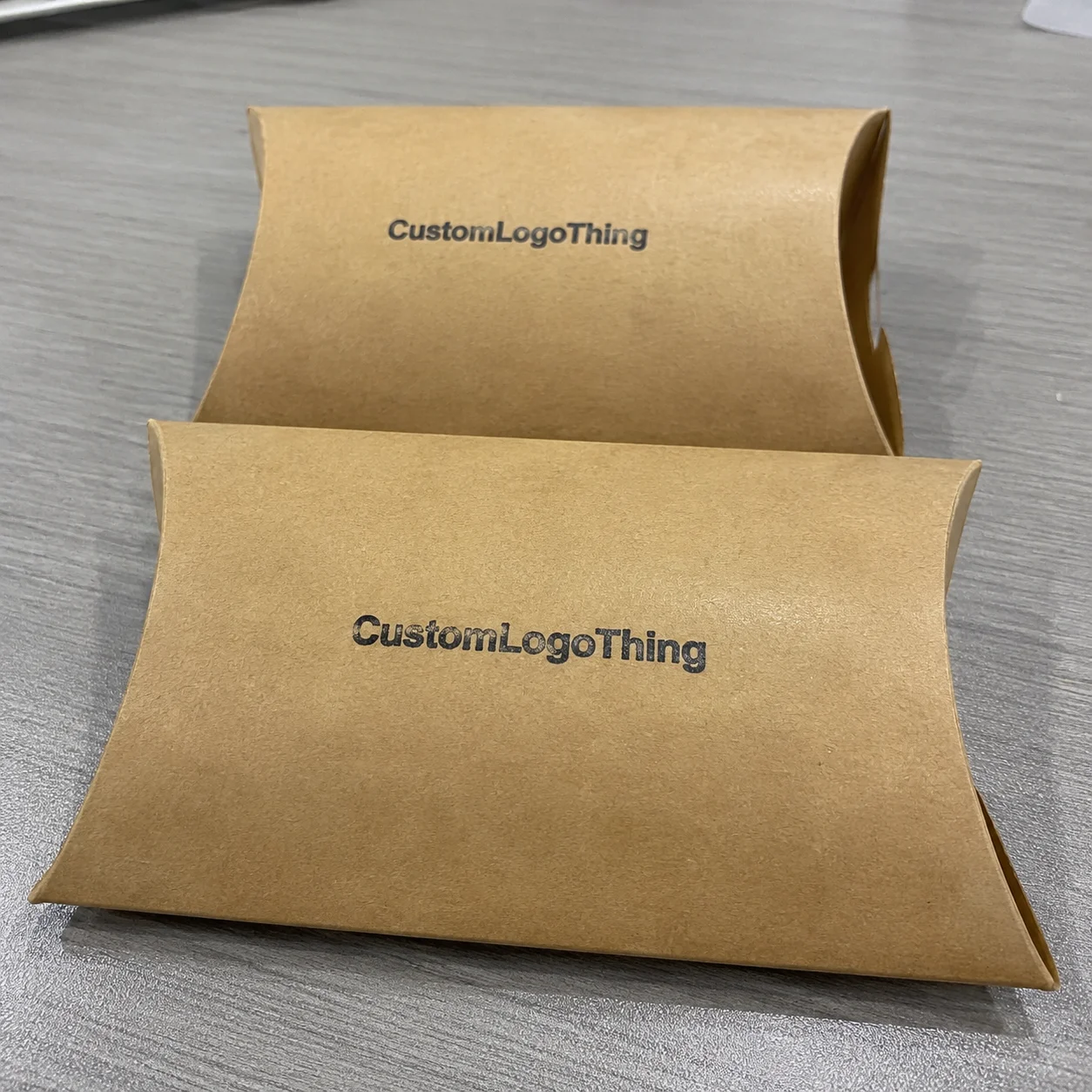
Brand presentation matters just as much. Kraft has an honest, tactile feel that reads as practical, eco-conscious, and deliberate. That works especially well in branded packaging for apparel, wellness, food gifts, and subscription kits. I have seen customers respond more positively to a well-printed kraft mailer with crisp typography than to a louder box with too much ink coverage. Good package branding does not always mean more decoration; sometimes it means better restraint, like a clean one-color mark on natural 300gsm kraft with no lamination at all.
Here is a simple comparison I use in supplier calls:
| Packaging type | Best use | Cost behavior | Shipping/storage strengths |
|---|---|---|---|
| Plain mailers | Low-cost shipping protection | Lowest upfront cost, limited branding | Light, compact, but weaker presentation |
| Folding cartons | Retail display and light product protection | Moderate cost, good print flexibility | Efficient to store, less durable in transit unless designed well |
| Kraft boxes | E-commerce, gift sets, retail, subscription | Strong value at volume | Good stackability, recyclability, and durable structure |
If your product is decorative but not fragile, custom printed kraft boxes wholesale can do more for less than many buyers expect. If your product is fragile, kraft still belongs in the conversation, though the structure needs to be engineered around the product rather than around the artwork file. That distinction saves money and avoids the classic mistake: buying packaging that photographs well but performs badly in the field.
“We stopped treating packaging as a last-minute purchase. Once we specified board grade, fit, and print coverage upfront, our complaint rate changed immediately.”
Many buyers assume sustainability claims alone will close the sale. They will not. Buyers want recyclable materials, yes, but they also want low freight damage, reliable production, and a box that does not collapse in the warehouse. That is why custom printed kraft boxes wholesale remains a strong choice across channels, from Austin startup brands to established distributors in Toronto and Atlanta.
Custom Printed Kraft Boxes Wholesale: Box Styles and Use Cases
Not all custom printed kraft boxes wholesale orders are built the same, and that is where smart buyers separate themselves from the crowd. The box style should follow the product, the channel, and the unboxing experience. I have sat in supplier negotiations where the buyer wanted a tuck-end carton for a 14-ounce candle set, then wondered why the bottom started bowing in transit from a warehouse in Houston to customers in Orlando. The carton was not wrong for the category. It was wrong for that weight.
Tuck end boxes
Tuck end boxes are the familiar folding carton shape with top and bottom flaps. They work well for cosmetics, supplements, lightweight candles, soap bars, and small retail items. For custom printed kraft boxes wholesale, tuck ends are a practical option when you need shelf presentation and a controlled print surface. If the product is light and the carton is engineered with the right board thickness, tuck ends can be cost-effective, especially at 2,500 to 10,000 units with a 300gsm to 350gsm structure.
Mailer boxes
Mailer boxes are a favorite for DTC brands because they travel well and create a stronger unboxing moment. They are especially useful for product packaging that needs more protection than a simple folding carton can offer. I have seen skincare subscription brands reduce crushed corners by moving to kraft mailers with tighter die lines and stronger locking tabs, often with a 32 E flute or equivalent corrugated construction. For custom printed kraft boxes wholesale, mailers often provide the best balance between protection and print real estate.
Sleeve boxes
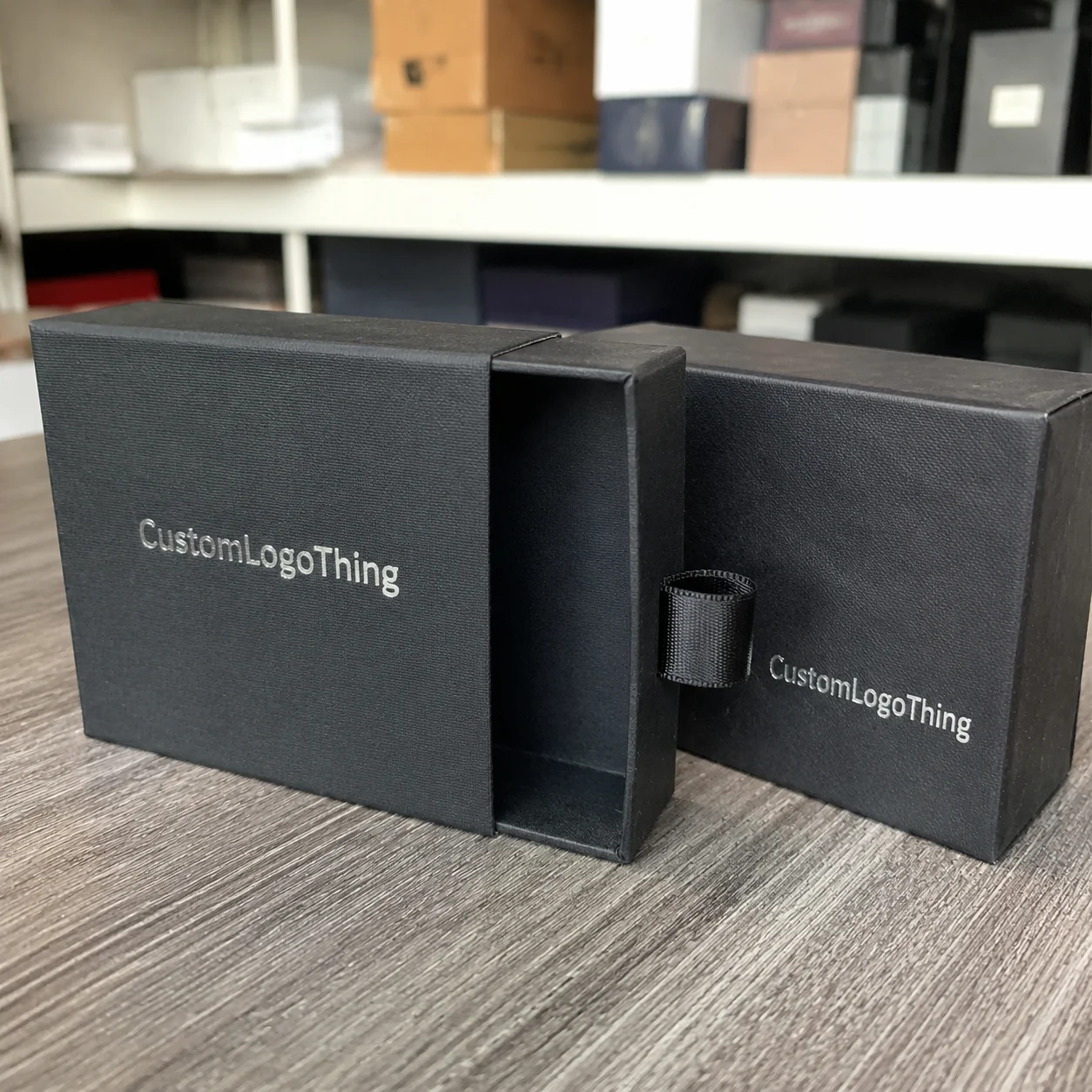
Sleeves work well when the packaging needs to wrap around an inner tray, a bottle set, or a promotional bundle. They are excellent for layered package branding, because the sleeve can carry messaging while the inner pack handles protection. In my experience, sleeves are especially effective for premium gift sets and seasonal runs where you want the opening sequence to feel more intentional, such as holiday launches shipping out of San Diego in October and November.
Two-piece boxes
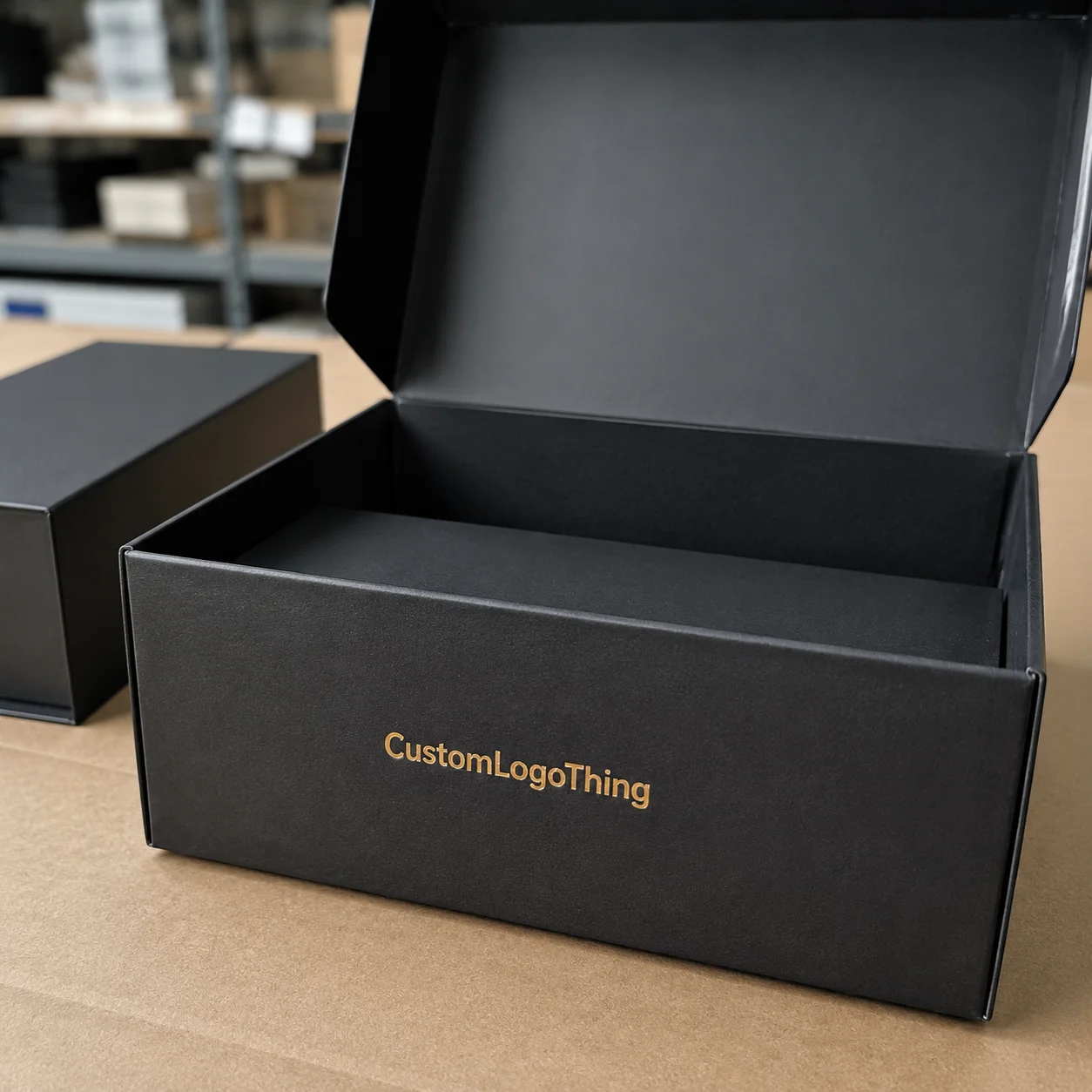
Two-piece lid-and-base boxes are often chosen for presentation-heavy retail packaging, fragrance kits, and gift items. They create a more formal feel, though they usually cost more than standard folding cartons because of material use and assembly. For custom printed kraft boxes wholesale, two-piece structures make sense when the box itself is part of the selling story, not just the shell around the product, particularly when a matte black logo hot-stamped over natural kraft needs to carry the first impression.
Auto-lock bottom boxes
Auto-lock bottoms are built for faster setup and stronger support under load. I recommend them when pack-out speed matters or when the product has meaningful weight, such as jars, bottles, or food gifts. A beverage client once shaved close to 11 seconds per unit off its packing line by moving to an auto-lock design in a facility near Philadelphia. That sounds small until you multiply it by 20,000 units. Suddenly everyone in the room starts caring about seconds, which is refreshing for once.
Die-cut boxes and window cutouts
Die-cut structures let you shape the box around the product, add handles, create viewing windows, or design insertion points for accessories. Window cutouts are especially useful for bakery items, candles, and small accessories because they let the product sell visually before the box is opened. For custom printed kraft boxes wholesale, this is where packaging design gets strategic: the structure does part of the marketing work, whether the run is 1,000 pieces or 50,000 pieces.
Use case matters more than style preference. Apparel brands often want mailers because they are easy to fold, stack, and ship. Cosmetics brands may prefer tuck ends for retail shelves. Food-safe packaging needs different coatings and compliance checks. I visited a snack co-packer in Phoenix where the team had been using an attractive kraft sleeve, but grease migration made the outer print dull after 48 hours. The fix was not a prettier design. It was a better material specification with a grease-resistant aqueous coating.
Finish options still lift kraft without turning it into something it is not. Matte coatings soften the look. Gloss adds contrast. Spot UV can highlight logos or pattern elements if the base print is clean. Embossing gives tactile depth, though it raises cost and usually adds a little production complexity. Window cutouts create visibility, but they also reduce board integrity if you overdo them. For custom printed kraft boxes wholesale, the best finish is usually the one that serves the product first and the brand second, especially when the carton is moving through a 3PL in New York or an in-house pack line in Seattle.
Specifications That Matter in Custom Printed Kraft Boxes Wholesale
This is the section where experienced buyers save the most money. Specifications drive performance, and unclear specs create quote swings that can be 20% or more between suppliers. With custom printed kraft boxes wholesale, the most important variables are material, thickness, print method, and exact sizing. If any one of those is vague, you are not comparing quotes fairly, and that is how people accidentally pay extra for confusion.
Kraft material usually falls into a few categories. Brown kraft has the classic natural look and often uses less surface treatment. White kraft gives brighter print reproduction and cleaner color contrast. Virgin kraft generally offers better fiber consistency and strength, while recycled content can support sustainability goals but may vary more in appearance and rigidity. I have had procurement teams ask for “eco-friendly kraft,” but that term is too broad to use in a quote. You need the actual grade, GSM, or board specification, such as 350gsm C1S artboard, 28pt SBS, or 1200gsm chipboard for a heavier structure.
Paper weight and board thickness matter because they influence crush resistance, print show-through, and fold memory. Depending on structure, you may see 250gsm, 300gsm, 350gsm, or heavier board used in custom printed kraft boxes wholesale. For heavier products, liner and flute combinations may be more relevant than a single paper grade. If you are shipping glass, ceramics, or dense kits, ask for a structural recommendation instead of assuming a standard carton will do the job. A 16-ounce candle in a 250gsm tuck box behaves very differently from the same product in a 32 E flute mailer.
Printing is another place where buyers need practical expectations. Kraft absorbs ink differently from coated white board, so colors can look warmer, darker, or slightly muted. That is not a flaw; it is a material behavior. Dark black, deep green, and earthy brand palettes usually perform well. Very pale colors, especially on brown kraft, can disappear unless the printer adjusts ink density. In custom printed kraft boxes wholesale, your artwork should be built with the substrate in mind, not copied from a coated-paper file and hoped for the best. A factory in Guangzhou or Dongguan will usually ask for Pantone targets and overprint tolerance before the press is scheduled.
Here are the core specs I ask for before I quote any order:
- Exact box dimensions: length, width, and depth in inches or millimeters.
- Material type: brown kraft, white kraft, virgin kraft, recycled content percentage.
- Board thickness: GSM or caliper specification, plus any flute structure.
- Print method: flexographic, offset, digital, or screen depending on quantity and art.
- Coating or finish: none, matte, gloss, spot UV, emboss, or window.
- Closure type: tuck, auto-lock, sleeve, magnet, adhesive, or tab lock.
- Insert requirements: paperboard, molded pulp, EVA, or no insert.
Tolerances are also worth discussing. A good supplier should tell you what dimensional variation to expect, especially for folded structures and print registration. A 1-2 mm difference may be acceptable on some carton styles, but not on tight-fit retail boxes. For custom printed kraft boxes wholesale, I always recommend sample approval before mass production. That is where you confirm the fit, the fold, and the look under real light, not just on a monitor or a PDF proof.
On sustainability, be careful with broad claims. Kraft is often recyclable, but recyclability depends on coatings, lamination, inks, adhesives, food contamination, and local recycling rules. Some compostability claims are valid only in industrial facilities, not home compost bins. If a vendor cannot explain the material makeup clearly, that is a warning sign. For standards and educational references, I often point buyers to the EPA recycling guidance and FSC certification resources when sustainability language needs verification.
In my experience, the best custom printed kraft boxes wholesale projects are the ones where the buyer shares real-world constraints upfront: shipping method, pack-out speed, storage condition, and whether the box sits on a shelf or inside a parcel. That context changes the entire specification and keeps quotes from drifting by 15% to 25% for reasons nobody wants to explain in a Monday meeting.
Pricing, MOQ, and Wholesale Cost Breakdown
Pricing for custom printed kraft boxes wholesale is not random, but it can look that way if you are comparing quotes without a common spec sheet. The biggest cost drivers are box style, size, material grade, print coverage, finish complexity, and quantity. Add inserts, specialty coatings, and rush production, and the quote can move quickly. I have seen two orders for what looked like the “same box” differ by 38% because one included spot UV, a custom insert, and a tighter fold tolerance in a facility operating at full capacity outside Ho Chi Minh City.
Volume changes the economics in a big way. Setup costs for plates, dies, or print calibration are spread across more units as quantity rises, which is why custom printed kraft boxes wholesale often becomes far more efficient at 3,000, 5,000, or 10,000 units than at 500. The relationship is not perfectly linear, though. Bigger orders may trigger better material buying, but they can also require longer lead times and more warehouse space. I have seen one 5,000-piece order land at $0.15 per unit for a plain one-color mailer because the buyer had already finalized a 42 x 28 x 6 mm style, while a smaller 1,000-piece run of a similar shape cost more than double per unit.
Minimum order quantity, or MOQ, depends on structure and printing method. Simple one-color mailers may have lower MOQ thresholds. Complex multi-color cartons, custom inserts, or specialty finishes usually require more units to justify setup. If you are launching a new product, low MOQ can protect cash flow and reduce risk. If you already know the design is stable and you sell through predictably, higher volume often lowers the unit cost enough to improve margin. A supplier in Shenzhen may quote a 1,000-piece minimum for digital printing, while a litho-printed run in Maharashtra might start at 3,000 pieces because of press setup.
To make pricing comparison easier, here is the framework I use when reviewing custom printed kraft boxes wholesale quotes:
| Cost element | What to confirm | Why it changes price |
|---|---|---|
| Material grade | Brown kraft, white kraft, virgin, recycled content | Strength, appearance, and paper cost vary |
| Box structure | Mailer, tuck end, sleeve, two-piece, auto-lock | Assembly complexity and material usage differ |
| Print coverage | 1-color, 2-color, full coverage, inside print | Ink, machine time, and registration all change |
| Finishing | Matte, gloss, spot UV, emboss, window | Additional processing and tooling are required |
| Quantity | 500, 1,000, 5,000, 10,000+ | Setup spread improves at higher volumes |
Hidden variables can distort a quote if you do not ask about them. Shipping is the obvious one, especially for oversized cartons. Proofing can be free or charged, depending on supplier policy. Inserts add material and labor. Rush fees are common when a launch date has already been set and the production window is tight. With custom printed kraft boxes wholesale, the “best” quote is not always the lowest number on the page. It is the quote that includes everything needed to land the job without surprise invoices later, whether the boxes are shipping by sea to Oakland or by truck to Dallas.
To ground this in actual numbers, a simple kraft mailer with one-color exterior print may land in the range of $0.42 to $0.78 per unit at moderate volume, while a more complex two-piece retail setup with finish upgrades can move into the $1.10 to $2.40 range depending on board, insert, and order size. At 5,000 pieces, a basic natural kraft tuck box with no insert can sometimes reach $0.15 per unit in a high-volume factory run, while the same size with spot UV and a die-cut window may climb to $0.31 or higher. Those are directional figures, not promises. Real pricing depends on exact dimensions, print coverage, and delivery destination. Still, they help buyers understand why custom printed kraft boxes wholesale should be evaluated as a system, not as a single box shell.
One client in consumer wellness learned this the hard way. They compared a low-cost quote from one vendor against a slightly higher quote from another, then discovered the lower one excluded inserts, freight, and color proofing. By the time everything was added, the “cheap” order was 17% more expensive. That is why a clean quote format matters so much in wholesale packaging, especially when the boxes are being sourced from one region and shipped to another.
If you want better pricing discipline, ask every supplier the same six questions: what is included, what is excluded, what is the MOQ, what is the lead time after proof approval, what is the shipping method, and what happens if artwork needs revision. That simple checklist can save hours, especially when sourcing custom printed kraft boxes wholesale at scale.
From Quote to Delivery: Process and Timeline
The ordering flow for custom printed kraft boxes wholesale is usually straightforward, but delays tend to happen at the exact same points: missing dimensions, incomplete artwork, slow approvals, and last-minute structure changes. I have seen a launch slip by nine days because the buyer sent nominal dimensions instead of the actual packed product size. That sounds minor. It is not minor when the die line has already been created and the production slot in a Guangdong factory is already booked.
The typical process starts with inquiry and specification review. A supplier should ask for size, style, print count, material preference, quantity, finish, and shipping location. From there, the quote is built. If the order is custom, a dieline or template is prepared next. Artwork proofing follows. Then, depending on complexity, you may get a digital proof, a prototype, or a physical sample before full production. After approval, the run goes into manufacturing, quality check, packing, and shipment.
For many custom printed kraft boxes wholesale orders, simple production can move within 12-15 business days from proof approval. More complex jobs with multiple finishes, custom inserts, or structural engineering often need 20-30 business days. Sampling can add 3-10 business days, depending on whether you need a digital mockup or a physical prototype. I do not like giving one-size-fits-all timelines because they create false confidence. A 1-color mailer and a multi-component gift box are not the same job, even if a spreadsheet insists they should be.
Preparation shortens lead time. If you send final dimensions, print-ready files, and a target budget with your first inquiry, you remove several rounds of clarification. Barcode files, bleed settings, and Pantone references help too. For brands running a seasonal launch, that can shave days off the front end and reduce production friction later. With custom printed kraft boxes wholesale, the fastest orders are usually the ones where procurement, design, and operations are aligned before the quote lands, especially when the customer expects holiday delivery into markets like Miami, Boston, or Vancouver.
Here is the practical difference between sampling and production, because many buyers blur those together:
- Digital proof: confirms layout, copy, and structure on screen.
- Prototype: confirms physical size, folding, and assembly.
- Production run: full manufacturing after all approvals.
Quality control should include fit check, print registration, color consistency, adhesive integrity, and pack-out test. On a recent factory-floor visit in Dongguan, I watched operators run random pulls every few hundred units and compare them against a master sample under standard lighting. That level of discipline keeps a wholesale order from drifting. If a supplier is vague about QC, that is a problem. Good custom printed kraft boxes wholesale programs are built on repeatability, not optimism.
If you are ordering for a launch date, build in contingency time. A 3-day delay on artwork approval can easily become a 7-day delay if production slots are booked. Freight is the same story. Ground shipping across regions is predictable until it is not. Air freight can rescue a deadline, but it will also erase margin quickly. Planning ahead matters more than almost anything else in packaging procurement, particularly if the cartons need to cross the U.S. by truck or move from Shenzhen to Long Beach by ocean freight.
For structure validation and transport testing, I often recommend buyers review packaging test references from ISTA. If the box is going through parcel networks, drop testing and compression testing are not academic exercises; they are the difference between a clean delivery and a return label.
Why Brands Choose Us for Custom Printed Kraft Boxes Wholesale
Brands usually come to Custom Logo Things for one reason: they want packaging that is accurate, not aspirational. That matters. In the wholesale packaging business, spec drift is expensive. Our process for custom printed kraft boxes wholesale focuses on getting the dimensions, print placement, and material selection right before production starts. That reduces correction cycles and keeps the final boxes aligned with the original brief, whether the factory is in Zhejiang, the customer is in Texas, or the launch date is tied to a retail event in Toronto.
We also support buyers who are new to packaging procurement. A lot of teams know the product, but not the board grade, coating, or dieline language. That is normal. I have worked with founders who could describe the customer experience in detail but had never ordered a carton before. They did not need a lecture. They needed a supplier who could translate business goals into a box spec that would survive shipping and look clean on camera, even under the harsh white lights of a fulfillment center in Nevada.
One advantage of working with a focused packaging partner is consistency. If you reorder the same custom printed kraft boxes wholesale spec, you should not have to re-explain the design every time. That sounds basic, yet many buyers lose time because their previous supplier treated each reprint like a brand-new project. Better systems matter. So does documentation. We track specs, artwork versions, and approval history so repeat runs are easier to manage, even when the reorder comes six months later and the marketing team has changed fonts three times.
Our approach is also practical on cost control. That does not mean “cheapest at any cost.” It means we help buyers Choose the Right structure for the job, avoid over-specifying finishes, and match quantity to demand reality. A 10,000-unit run is only smart if storage, sell-through, and cash flow support it. If not, a smaller volume with a lower MOQ may be the better commercial move. That kind of guidance is part of what good custom printed kraft boxes wholesale service should include, especially for growing brands in markets like Atlanta, Denver, and Portland.
We also keep communication direct. If a print file has low-resolution logos, we say so. If a requested finish is likely to push lead time beyond the launch window, we say that too. Honest feedback prevents expensive surprises later. For brands scaling through Custom Packaging Products and broader Wholesale Programs, that clarity can be the difference between a smooth first order and a round of corrections nobody wants.
In my experience, the strongest packaging partners act a little like operations consultants. They ask about SKUs, pack-out environment, warehouse constraints, and customer expectations. That is how custom printed kraft boxes wholesale becomes a reliable system rather than a one-off purchase. And if you care about margin, repeatability, and brand consistency, that system matters.
How to Order Custom Printed Kraft Boxes Wholesale
If you want a clean quote for custom printed kraft boxes wholesale, start with the basics: exact dimensions, box style, quantity, print colors, finish, and shipping destination. That is the minimum. More detail speeds things up. If you can send product photos, barcode placement, and artwork files, even better. I have seen quotes come back in a few hours when the buyer sent a complete package, while vague inquiries took multiple back-and-forth messages and two missed production windows. Nobody enjoys that kind of scavenger hunt.
Before you request pricing, answer these questions internally:
- What is the packed product size?
- Will the box ship direct, sit on a shelf, or do both?
- How much print coverage do you need?
- Do you want a natural kraft look or a brighter white kraft finish?
- Do you need inserts, window cutouts, or special coatings?
- What date must the boxes be in hand?
That checklist sounds simple, but it prevents bad assumptions. A cosmetic brand once asked for a “small kraft box” and later sent the product dimensions only after the dieline had been drafted. The final structure had to be revised twice. If they had shared the actual bottle height from the start, the entire timeline would have shortened by nearly a week. That is the sort of friction custom printed kraft boxes wholesale buyers can avoid with better upfront details.
You should also ask for a sample or proof before full production. A digital proof confirms layout. A physical sample confirms feel, size, and assembly. If the packaging needs to fit tightly around the product, a sample is especially valuable. It can expose issues with tuck depth, insert clearance, or print contrast before you commit to a full run. That one step can prevent expensive waste, and I rarely advise skipping it.
When comparing suppliers, use the same checklist every time. Ask each one to quote the same dimensions, material, print count, coating, quantity, and shipping method. Otherwise, you are not comparing prices; you are comparing assumptions. With custom printed kraft boxes wholesale, apples-to-apples comparison is the only honest comparison.
If you are ready to move, send your dimensions, artwork, quantity target, and delivery ZIP code or port. Include your preferred box style and whether you want a sample before production. If you do that, you will get a more accurate number faster, and you will avoid the most common quote delays. For brands that need dependable custom printed kraft boxes wholesale without guesswork, that is the cleanest first step, whether the shipment ends up in Brooklyn, Vancouver, or a distribution center near Columbus.
Custom printed kraft boxes wholesale works best when the buyer treats packaging like a measurable part of operations: specify the box, check the proof, confirm the sample, and lock the production plan before launch week. That is how you keep costs visible, timelines realistic, and the final packaging aligned with the brand.
What is the minimum order for custom printed kraft boxes wholesale?
MOQ depends on box style, print complexity, and material selection. Simpler structures with fewer print colors often allow lower minimums, while more complex jobs usually need higher volume to cover setup and tooling. In practice, a basic mailer might start at 500 to 1,000 pieces, while a printed two-piece box with inserts may begin closer to 3,000 pieces, and higher volumes generally reduce per-unit cost more noticeably.
How long do custom printed kraft boxes wholesale orders take?
Timing depends on proof approval, sample needs, quantity, and finishing. A simple order typically runs 12-15 business days from proof approval, while a multi-process packaging run with inserts or specialty coatings can take 20-30 business days. If your artwork and dimensions are ready, the timeline is usually shorter and easier to predict.
Are custom printed kraft boxes wholesale recyclable?
Most kraft boxes are recyclable if they are not heavily laminated or contaminated. Recyclability varies by coating, ink coverage, adhesive, and local recycling rules. Ask for exact material details before making sustainability claims on the carton or on your website, and confirm whether the board is 100% recyclable in your destination region.
What information do I need to request a quote for custom printed kraft boxes wholesale?
Provide dimensions, box style, quantity, print requirements, and shipping location. If possible, include artwork files and note whether you need inserts or special finishes. The more complete the brief, the faster and more accurate the quote will be, especially if you can specify board grade such as 300gsm or 350gsm and the exact destination ZIP code.
Can I order samples before placing a wholesale order?
Yes, samples or digital proofs are strongly recommended before full production. Sampling helps confirm size, print placement, and material feel, which reduces the risk of costly revisions after the run has already started. For most buyers, that small extra step is worth it, especially when the order is going into a launch with a fixed ship date in 12 to 15 business days.