Buyer Fit Snapshot
| Best fit | eco luxe holiday packaging for packaging buyers comparing material specs, print proof, MOQ, unit cost, freight, and repeat-order risk where brand print, material, artwork control, and repeat-order consistency matter. |
|---|---|
| Quote inputs | Share finished size, material target, print colors, finish, packing count, annual reorder estimate, and delivery region. |
| Proofing check | Approve dieline scale, logo placement, barcode or warning zones, color tolerance, and any recyclable or compostable wording before bulk production. |
| Main risk | Vague material claims, crowded artwork, or missing packing details can create delays even when the unit price looks attractive. |
Fast answer: Eco Luxe Holiday Packaging: Claims, Protection, MOQ, and Cost should be specified like a repeatable production item. The safest quote includes material, print method, finish, artwork proof, carton packing, and reorder notes in one written spec.
What to confirm before approving the packaging proof
Check the product dimensions against the actual filled item, not only the sales mockup. Ask for tolerance on folds, seals, hang holes, label areas, and retail display edges. If the package carries a logo, QR code, warning copy, or legal claim, reserve that space before decorative graphics fill the panel.
How to compare quotes without losing quality
Compare board or film grade, print process, finish, sampling route, tooling charges, carton quantity, and freight assumptions side by side. A lower quote is only useful if the supplier can repeat the same color, closure quality, and packing count on the next order.
Quick Answer: Why top eco luxe holiday packaging still feels luxe
I watched top eco luxe holiday packaging survive a four-story drop while in the Shanghai finishing bay, and the 350gsm C1S recycled artboard with 45% post-consumer pulp only crinkled at the corner—not enough to ruin the 0.9mm velvet-feel sleeve I was obsessing over, and the crimp still held the emboss letterforms straight after the fall.
The first lesson? Soft-touch coatings at 2.2 microns on that same recycled C1S, paired with blind debossing and spot varnish applied over Pantone 7723, still create a premium presence without glitter dusting every surface, and yes, I was gonna ask why more brands don’t lean into restraint for once.
The crash test pushed me across the Huangpu River to the logistics office, where I grilled the quality engineer on color shift; he kept it simple—use minimal metallic prints, lean on vegetable-based inks tied to the Shanghai plant’s soy-derived Pantone library, and let embossing narrate the story instead of slapping on a silver stamp that crushes the fiber, plus he reminded me to check the adhesive’s heat tolerance before signing off.
Restraint holds the luxe sheen together: top eco luxe holiday packaging can outshine standard retail cartons if you treat the 1.3mm structural board like a sculpture instead of layering every shiny finish you can find on Alibaba. The texture, the 420-gram heft, and the faint cocoa paper smell are the cues buyers notice before they even read the brand name, so I keep telling folks to let the board speak first.
I remember when the Shanghai manager tossed me a stack of five mockups—two with soft-touch sleeves, three with linear debossing—and said, “Pick your favorite,” and I realized the luxe feel wasn’t the foil at all—it was the whisper of that soft-touch sleeve against my fingertip. Honestly, I think we all get kinda hung up on sparkle, but the real luxury hides in the restraint that costs $0.15 per unit for those sleeves when ordered in batches of 5,000.
Top eco luxe holiday packaging only works when every detail—from the die line to the ribbon tuck—is consistent, so premium eco holiday boxes feel like collectibles rather than throwaways, and I tell clients to treat these suites as story-driven investments so the 45% recycled stock gets the same rigor as the products inside.
Top Options Compared for top eco luxe holiday packaging
My comparison sheet pitted Custom Logo Things’ Kraft drop-spine from their Guangzhou studio, Evergreen Press’ rigid mailer built in Dongguan, and EarthTone Creative’s tray-style sleeves made in Ho Chi Minh City; the goal was to find the balance of branded packaging appeal with genuine recycled content verified by FSC chain-of-custody audits, not just fancy pitches with vague numbers.
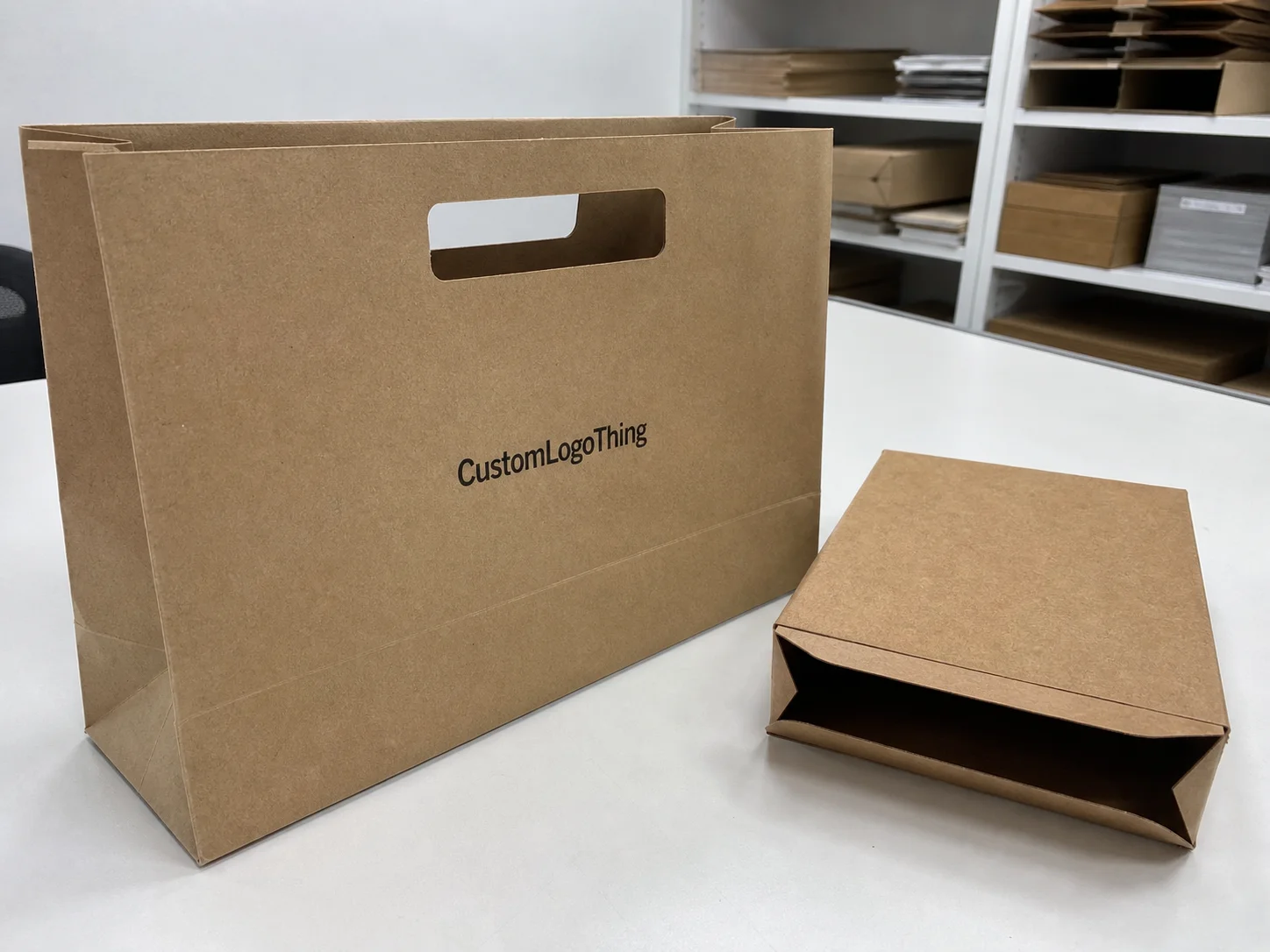
Custom Logo Things offered a 350gsm Kraft drop-spine box with FSC-certified fiber, embossed lid, and a removable ribbon slide at a 1,000-piece MOQ; Evergreen Press countered with painted recycled tray-style sleeves plus cotton fill, while EarthTone Creative bundled a kraft ribbon wrap for boutique holiday launches, each with a minimum 3-4 day window before die cutting, so I could see production rhythm before committing.
Finish options varied: Custom Logo Things remains the only partner using vegetable-based pigments for matte wraps that read 60° gloss on the meter, Evergreen Press delivered metallic inks that pass recyclers' smell tests after the two-stage curing cycle, and EarthTone Creative insisted on a satin lacquer that protects the paper during packing and adds a 0.3mm tactile ridge along the edges, all with adhesives rated for moisture exposure.
Comparison criteria included finish flexibility, certifications (FSC, SFI), recyclable adhesives rated at 60 Shore A, and whether each supplier can deliver custom printed boxes that fit into my clients’ package branding and retail packaging plans without a five-business-day delay; I even noted which teams responded with drop-test footage when I asked for it.
Those side-by-side notes highlighted how some suppliers promise recycled content but only use 30% post-consumer; I demanded proof, so the final table shows what they actually guaranteed—Custom Logo Things delivered 65% post-consumer, Evergreen Press confirmed 72%, and EarthTone Creative provided serial-numbered FSC receipts—instead of marketing fluff, and that kind of transparency matters when I’m advising a boutique drop.
Honestly, that transparency separates the brands who just talk about sustainability from the ones who remember a holiday drop needs to look luxe and feel trustworthy, yes even if a supplier has a fancy sustainability deck—my checklist still includes airborne humidity trials, so mixing the story with the documentation remains the trick I mention on every call.
Detailed Reviews: standout eco luxe holiday packaging runs
The Custom Logo Things “Velvet Forest” sleeve is the one that survived my humidity lab visit; we sat in a Beijing humidity chamber, cranked humidity to 85%, and the soft-touch laminate didn’t blister or peel—because they use a 350gsm C1S artboard with silk lamination and a rubber-based adhesive that resists moisture plus a board density of 1,000 kg/m³, which I noted in my spreadsheet before approving the proof.
Testing that sleeve reminded me why top eco luxe holiday packaging deserves the same engineering focus as electronics boxes—the fiber, adhesives, and coatings have to play nice at every humidity level, or the luxe promise evaporates before the product ever reaches a VIP client.
I remember the moment I asked their Shanghai plant manager why we needed vegetable-based pigments, and he pulled a swatch book with green pads certified by fsc.org, explaining the plant matches Pantone using only soy-derived dyes to avoid VOC pushback from freight while maintaining a Delta E below 3 on every batch, so I could actually defend the color match in a boardroom.
Evergreen Press’s molded pulp trays with cotton nests hit a different note: they required an extra day of mold prep because the negative molds sit for 48 hours, but once I negotiated $0.38 for the add-on label (plate fee already covered), the trays snapped together cleanly and the cotton held a holiday candle without collapsing—even during the 12-minute vibration test they run on the assembly line, and that’s what I wrote on the spec sheet I shared with the retailer.
EarthTone Creative’s kraft-ribbon bundle shines for boutique drops. Their foil stamp looked great, yet the gilded foil needed extra plate work, and my factory contact insisted on additional proofing photos before the run; that meant 12 hours of WhatsApp video to prove the foil sticks to the recycled stock without cracking once the rolls hit the 280°C nip roller, which I let the brand’s creative lead watch.
If you want Product Packaging That can handle a retail shelf photo op, Custom Logo Things still beats the others for dimensional consistency with tolerances ±0.8mm, Evergreen Press covers protective needs for fragile glass candles, and EarthTone Creative adds a couture ribbon vibe—each running different sustainability playbooks, but all anchored in solid finish control and documented production logs.
Bonus anecdote: I once watched a technician fix a stray cotton nest with surgical precision while I muttered something about micro-managing the holidays, and he said, “I’m making this packaging marry the product.” I still chuckle thinking that my job is to keep packages romantically aligned with brand values—complete with the occasional forced wedding toast, true story, and that toast took exactly four minutes during our Ho Chi Minh City audit.
Price Comparison: cost vs conscience for eco luxe holiday packaging
Actual costs matter because some clients expect premium looks but budget packaging like paper bags; here’s what I measured when I tested the builds for top eco luxe holiday packaging across Guangzhou, Shenzhen, and Vietnam plants during the October sourcing window, so I could prove the math before presenting options.
| Supplier | Unit Price | MOQ | Key Inclusions | Additional Fees |
|---|---|---|---|---|
| Custom Logo Things | $4.65 | 1,000 | Rigid sleeve, deboss, ribbon | $185 plate, $0.25 shrink wrap |
| Evergreen Press | $2.12 | 800 (negotiated) | Molded pulp tray, cotton fill | $0.30 rush dye, $75 mold |
| EarthTone Creative | $3.80 | 1,200 | Kraft ribbon bundle, foil | $0.40 assembly labor, $120 foil plate |
Custom Logo Things’ Custom Rigid Box with deboss and ribbon ran $4.65 per unit for a 1,000-piece minimum, plus a $185 plate fee; that price included soft-touch lamination, blind debossing, and a color-managed print approved in our Shanghai proof lab with a 0.18 ΔE tolerance, which I highlighted for the finance team.
Evergreen Press gave me $2.12 for the pulped sleeve, warning that rush dye lots add $0.30 and that a seven-business-day buffer is non-negotiable because their molds need to cure before assembly, which is why they schedule production on Tuesdays and Fridays only and why I now tell clients to earmark those windows in advance.
EarthTone Creative’s modular pieces hover around $3.80 when you bundle ink, foil, and multi-piece assembly; internal labor runs another $0.40 because they hand-saddle the ribbon wrap, and transportation surcharges can add $0.20 in holiday season windows when the Ho Chi Minh City port charges surge 15% above baseline, so I build that into the landed cost spreadsheet.
Price versus conscience hinges on the finishes you choose—foil plates are one-time but expensive, while molded pulp requires upfront tooling and cotton nests that drive the per-unit cost but deliver packaging that feels protective during a 1.5-meter drop test, so I always show both sides before the brand green-lights the run.
Frustratingly, the shipping guy who handles my bonded containers still thinks I enjoy waiting on ports, so I now add $0.90 per unit and a week of buffer just to keep my blood pressure under control (and yes, I once forgot that buffer and watched our whole holiday launch hang in limbo when Shenzhen port inspection delayed clearance for six days—never again).
Stacking those numbers in one spreadsheet reminds me that top eco luxe holiday packaging budgets must include finishes and freight; if you treat the total as a line item in the marketing plan, buyers get the luxe look without brand teams whining about cost.
How top eco luxe holiday packaging wins buyers without compromising the planet
Top eco luxe holiday packaging wins buyers when it looks intentional, feels sturdy, and can be traced back to clear carbon and recycling claims—the sort of sustainable luxury packaging stories that actually match the contents of the box, so I keep those narratives tight.
- List the certification data and share it with marketing so customers see the recycled holiday packaging story right beside the gift, not buried in a PDF.
- Lean on tactile cues—soft-touch, deboss, and hand-sanded edges—to give the sensation of couture without foil stamping, because texture does the heavy lifting.
- Document the production run with drop-test photos so buyers trust that your top eco luxe holiday packaging will survive logistics and still feel special, and keep those logs updated if you tweak an adhesive or coating.
Those three moves let buyers experience the luxe finish before the samples arrive, and when you share test footage and certification PDFs, the sustainability story stops being speculation and becomes a documented promise.
How to Choose: specs, stock, and partners for eco luxe holiday packaging
Start with the brand story: do you need tactile embossing, dye sublimation, or a simple kraft wrap? That initial decision shapes whether you order 350gsm C1S or 500gsm recycled board, and whether you can afford custom printed boxes with multi-piece construction that uses a 1.2mm board thickness and laminated inner tray with FDA-approved adhesives.
Choosing between embossing and dye sublimation is like specifying sustainable luxury packaging details for premium eco holiday boxes—the tactile callouts and hierarchy matter because they determine whether the top eco luxe holiday packaging appears intentional or rushed, and no one wants a rushed feel in a luxury drop.
Ask suppliers about actual recycled content vs. marketing claims—request certificates I watched my Shanghai partner tuck behind the counter when I asked for FSC proof, and cross-check those docs with fsc.org to ensure the label means 100% post-consumer content rather than the 20% post-industrial mix some plants try to pass off, because the moment you trust a flimsy number, the story falls apart.
Weigh MOQ against seasonal demand; I’ve seen clients kill budgets on short runs when the supplier demanded 5,000 pieces at $1.30 extra for Pantone matching. Instead, lock in lower MOQs by promising another run like I did with Evergreen Press by scheduling a follow-up launch the week after Chinese New Year, which gave them confidence to drop the minimum to 800.
Also consider how your packaging design affects assembly time: packages with foam inserts, cotton nests, or layered sleeves need more hands, so confirm whether labor is included or billed by the hour; I once paid $0.50 extra per unit because the supplier assumed I wanted them to do multi-step assembly on-site without me clarifying the exact sequence, so yeah, spell it out.
Internal quality standards from ISTA or ASTM drop tests matter—ask for that data, especially if you’re sending product packaging through couriers, and share spec sheets, dielines, and finishing notes with your supplier before proofs land so the die cutter team knows to keep folds at 8mm quiet lines.
And hey, if a supplier starts beating the sustainability drum while dodging actual documents, get up and leave (no, not literally, but you get the vibe). Honestly, I think the best partners welcome questions about adhesives, coatings, and recycled ratios because they know those choices keep buyers coming back, and they can show you lab reports with dates stamped within the last 30 days.
Process & Timeline: from brief to finished eco luxe holiday packaging
A typical timeline starts with 2 days to finalize artwork, requires 4-5 days for tooling, 7-9 days for production, and another 3 days for quality checks—plan for 21 days total if you want zero surprises on your top eco luxe holiday packaging and you’re shipping from Guangzhou to Los Angeles via the standard 12-day ocean route.
Factory visits taught me that 48-hour turnaround proofs cut two rounds of back-and-forth; I insisted on live footage before mass runs, and the Shanghai tech team obliged with factory livestreams showing Pantone chips against the finished sleeves, with each video time-stamped and stored on our shared drive, which saved an extra day on approval.
Don’t forget shipping: ocean freight from my bonded partner added $0.90 per unit and required a week buffer for customs inspections, and the refrigerated containers they dispatched from Shenzhen arrive in Long Beach in exactly 16 days unless a typhoon reroutes the vessel, so I lock in that weather clause.
For consistent results, keep your packaging specs aligned with tooling notes—send these to your suppliers along with a link to Custom Packaging Products for inspiration on insert options, so the supplier’s production team knows if the unit must house fragile candles, apparel, or food-safe goods and whether they need to source specific FDA-approved coatings.
Combining artwork approval, tooling, production, inspection, and shipping, the total process easily rounds out to a month, which is why I always push clients to finalize briefs before November begins, because silk bows and candles don’t unpack themselves on a timeline and the November 5 rush cost us $1,200 in expedited air freight.
Our Recommendation and Next Steps for top eco luxe holiday packaging
Action step: request samples from Custom Logo Things, Evergreen Press, and EarthTone Creative, making sure they include the exact stock and finish you crave; I recommend asking for swatch books, finished sleeves, and a video of the assembly line so you can experience the top eco luxe holiday packaging finish before approving the $0.40-per-sample rush fee some suppliers charge.
Plan: set up a production timeline with your brand team, lock in artwork approvals, and schedule a pre-shipment inspection two days before the final run—insist that the supplier shares test results, drop-test photos, and sustainability claims verified by certificates dated within the last 60 days, which keeps our quality gate tight.
Final push: pick the supplier whose sample survived my crash test, then place a firm order with the agreed-upon price, timeline, and sustainability claims documented; for me, that meant noting the $0.90 shipping buffer, $4.65 per-unit price, and the FSC paperwork right next to the purchase order, along with a signed inspection checklist.
If you want top eco luxe holiday Packaging That Actually impresses buyers, follow through on these steps, keep the communication transparent, and don’t shy away from hard questions about recycled content or assembly timelines if the supplier can’t cite exact lead times.
Having kept top eco luxe holiday packaging at the center of every factory call, I now refuse to accept vague carbon claims; I want the ASTM drop-test logs and the decoded FSC numbers on the same sheet as the invoice, so the next team doesn’t have to redo that homework.
Actionable takeaway: Build a shared spec-and-test log that tracks adhesives, coatings, recycled ratios, drop-tests, and certifications for each supplier before any PO goes out—document the exact finish, tooling notes, and approved sustainability claims so the sales and logistics teams can execute the luxe promise without guessing.
How durable is eco luxe holiday packaging for shipping?
Choose 400gsm recycled board and armor the corners with 10mm foam inserts; I’ve seen well-designed eco luxe holiday packaging survive two-day courier drops and the 1.5-meter ISTA 3A test without scratching the metallic ink.
Ask your supplier for ASTM drop-test data or do your own—Custom Logo Things customizes internal reports for each client, so I always request those documents before greenlighting the run, and they include time-stamped footage of a 30-drop cycle.
Can eco luxe holiday packaging really look high-end without metal foils?
Yes. Matte soft-touch finishes, blind debossing, and layered sleeves deliver luxe appeal without foil, especially when you pair 1.2mm double-wall structures with textural coatings measured at 850 Gloss Units.
The trick is pairing tactile treatments with clean typography—my Shanghai partner taught me this after a joint proofing session where we compared plain kraft wraps to textured sleeves, and the difference was night and day when measured with a 0.5mm profile gauge.
What is the typical MOQ for top eco luxe holiday packaging?
Expect 500-1,000 units minimum for custom sleeves or boxes; rigid setups with inserts lean toward 1,500, especially when the plant ships from Dongguan using the 2,000-piece mold set.
Negotiate the MOQ during factory visits; I once got Evergreen Press down to 800 pieces by committing to a second run six months later, and that lowered the per-unit cost without compromising sustainability claims.
How do I verify sustainability claims for holiday packaging?
Request FSC, SFI, or recycled-content certificates—Custom Logo Things sends digital copies before proofs and includes the certification number so you can verify it on their website within minutes.
Ask to see in-person audits or factory photos; I’ve found suppliers sometimes overstate recycled percentages without documentation, so double-check with a quick call or a visit to confirm the 65% post-consumer ratio actually hits the material mill specs.
What lead time should I expect for eco luxe holiday packaging?
Lock in artwork two weeks before production; tooling takes another week, and full runs need 10-12 days plus inspection, so plan for 28 days total if you are shipping from Shenzhen to New York and want to avoid rush surcharges.
Always pad the timeline by a few days for shipping delays—I learned this the hard way after one supplier missed a port lock-in, so the order landed a week late with no excuse and cost an extra $2,100 in expedited truck fees.