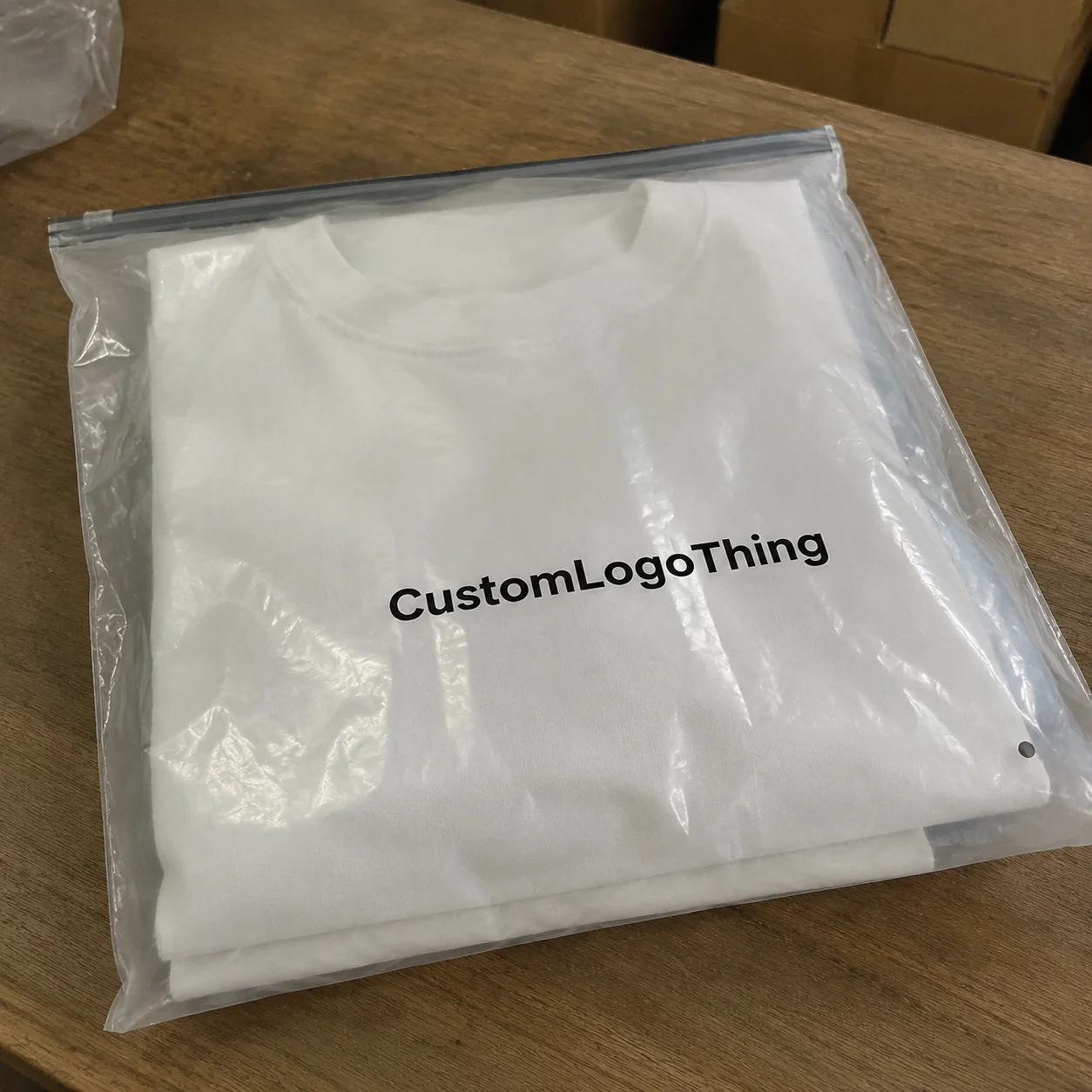
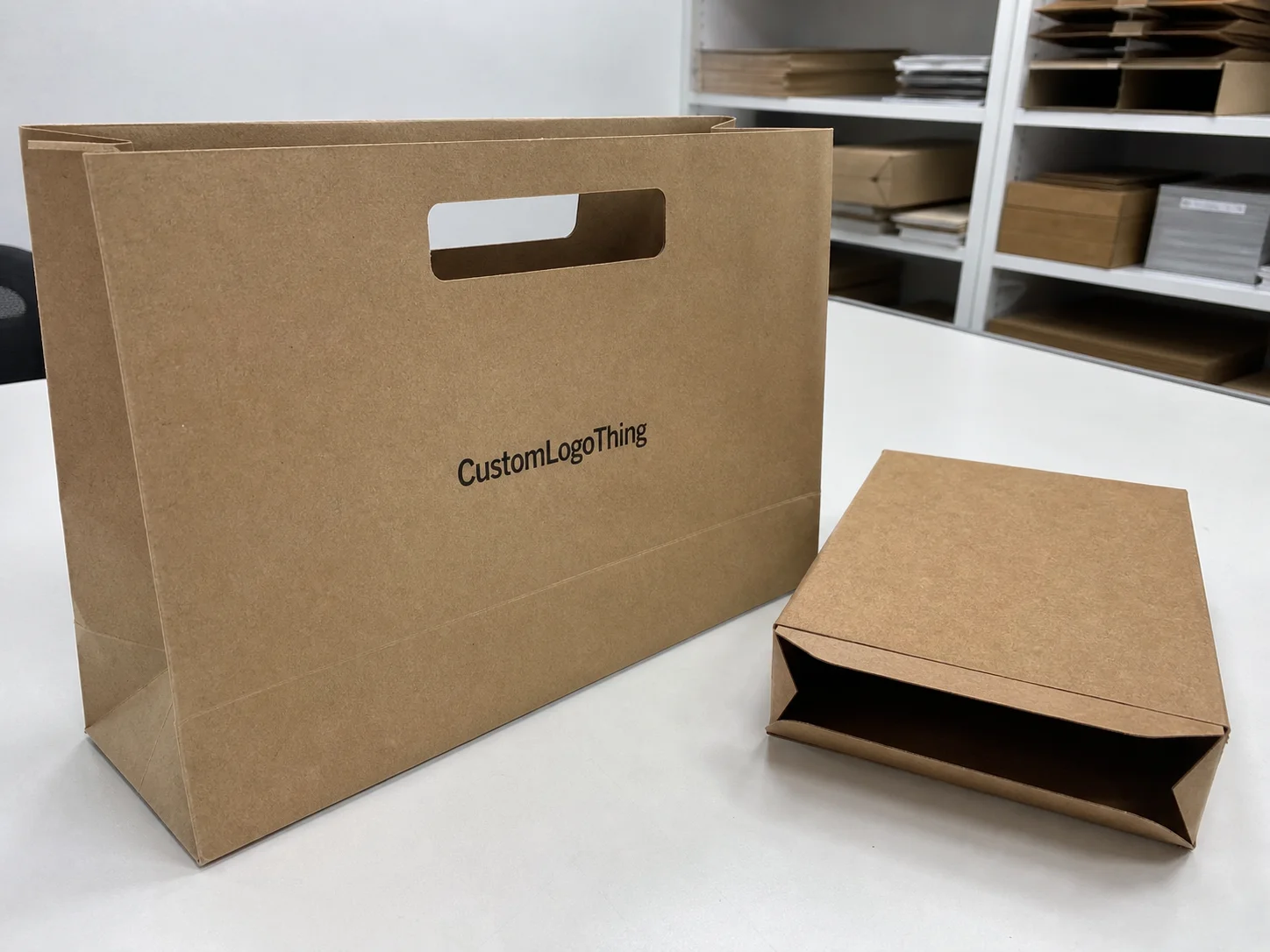
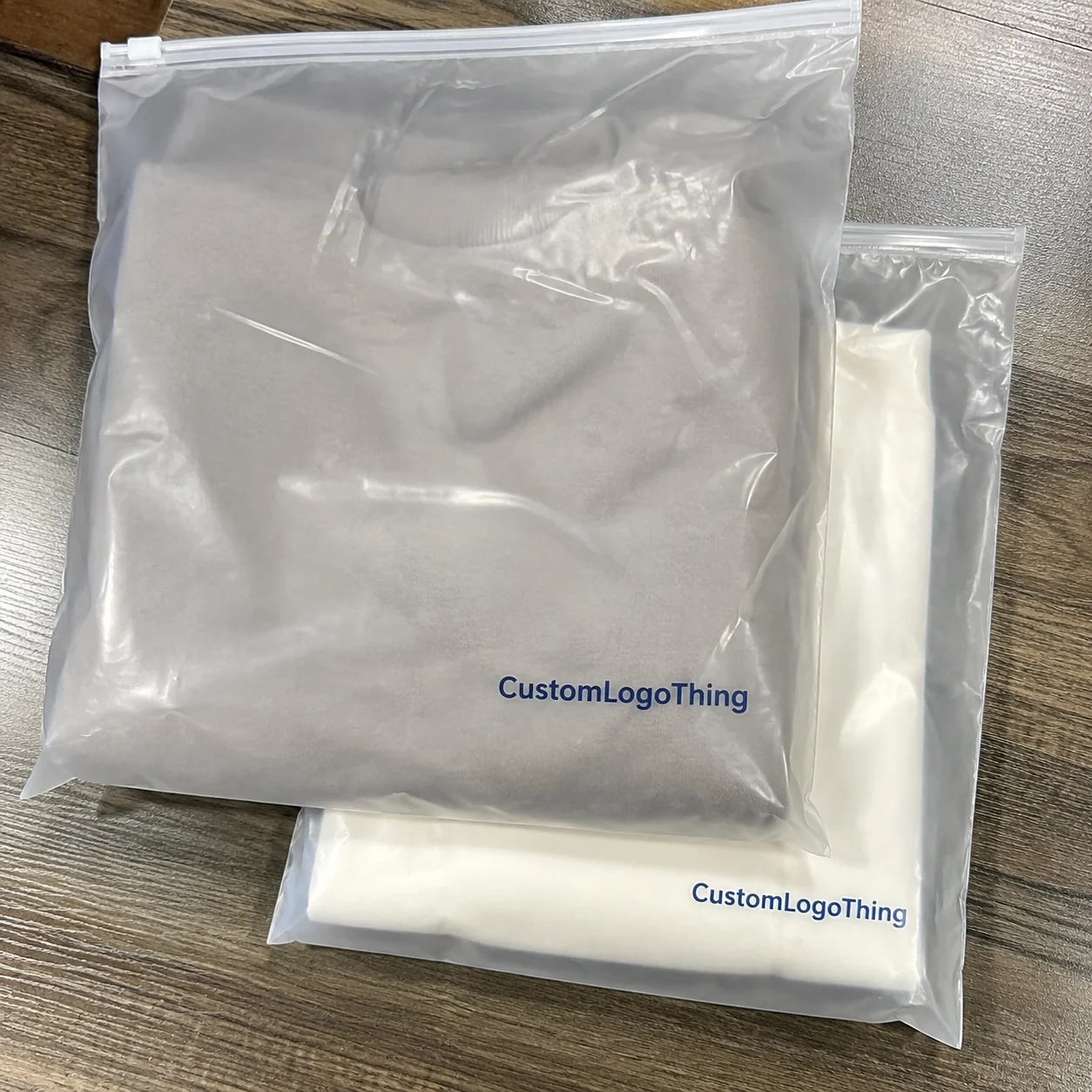
Buyer Fit Snapshot
| Best fit | reusable tote bag packaging for packaging buyers comparing material specs, print proof, MOQ, unit cost, freight, and repeat-order risk where brand print, material, artwork control, and repeat-order consistency matter. |
|---|---|
| Quote inputs | Share finished size, material target, print colors, finish, packing count, annual reorder estimate, and delivery region. |
| Proofing check | Approve dieline scale, logo placement, barcode or warning zones, color tolerance, and any recyclable or compostable wording before bulk production. |
| Main risk | Vague material claims, crowded artwork, or missing packing details can create delays even when the unit price looks attractive. |
Fast answer: Reusable Tote Bag Packaging: Film, Closure, Print, and Fulfillment should be specified like a repeatable production item. The safest quote includes material, print method, finish, artwork proof, carton packing, and reorder notes in one written spec.
What to confirm before approving the packaging proof
Check the product dimensions against the actual filled item, not only the sales mockup. Ask for tolerance on folds, seals, hang holes, label areas, and retail display edges. If the package carries a logo, QR code, warning copy, or legal claim, reserve that space before decorative graphics fill the panel.
How to compare quotes without losing quality
Compare board or film grade, print process, finish, sampling route, tooling charges, carton quantity, and freight assumptions side by side. A lower quote is only useful if the supplier can repeat the same color, closure quality, and packing count on the next order.
Hook: How a Sunrise Packaging Surprise Made This Guide to Reusable Tote Bag Packaging Real
My morning at Sunrise Packaging in Dongguan started with the promise of a guide to reusable tote bag packaging built for people who actually read specs.
The line supervisor chuckled when I said that, then swapped the printing plates in six minutes flat while explaining why a color shift felt like a ransom move.
I keep bringing up that moment because this guide to reusable tote bag packaging isn’t theoretical; it’s rooted in the sweat and jokes you collect when you stand by the sewing floor with a clipboard.
He told me, “If a header card bends, it signals weak product packaging more than the bag itself,” and I filed that away for the tutorial we send clients before any PO lands.
That day the crew also shared a tip about not overworking the press, a reminder that good specs keep the factory calmer than a second cup of coffee.
Another surprise: just one tweak to the gloss formula on the same production line saved a client $0.12 per bag, kept the luxe soft handle, and still allowed the final product to suit the branded packaging story they were selling to retailers.
Every lesson I include—definitions, workflows, cost math, the mistakes you can skip, and the next steps that saved my last brand launch—comes from this kind of firsthand pressure inside a 5,000-square-meter Humen district plant.
The plant runs 24 sewing stations and five automated presses, and I spent enough time there to know which machines choke when humidity spikes.
Drop the divorced spreadsheets, because this guide to reusable tote bag packaging is meant to be a conversation; I write like I’m explaining the process to the smart friend who keeps asking why the sample looks different from the production run.
You get clarity here from someone who haggled over Pantone chips while the boss of Sunrise Packaging stared at me and asked in Mandarin whether my clients were “serious or chasing trends.”
I remember when we first visited the plant, and I was the only foreigner in a sea of headphones and steel-toed boots—everyone assumed I was lost, and honestly, that look in their eyes was the factory version of “You went where?”
We spent 32 minutes on that tour, recording every note about tool changes and supplier lead times, and the rest of this post keeps that promise and brings the story from the factory direct to your inbox.
I keep the anecdotes precise because the guide lives in the same folder as the spec sheet and the signed PO.
No fluff, just the raw details that prove the plan works.
That’s the kind of accountability your team needs before you commit to a printed tote run.
What Is a Guide to Reusable Tote Bag Packaging and Why It Matters
Think of the guide to reusable tote bag packaging as the one-page treaty between your marketing, operations, and the factory floor.
Reusable tote bags show up as merchandise, shipping sleeves, swag, and retail packaging staples, but no one treats the packaging instructions with the same discipline as they would custom printed boxes.
That’s why the guide spells out the finish on the fabric, the weight of the cotton, the exact handle style, and the tolerance you will accept from the sewing operator, including the 350gsm C1S artboard minimum for header cards and a strict 2.5 mm seam allowance.
When the header card or attachment is flimsy, the entire branded packaging effort looks cheap, even when the bag is soft-touch and premium.
Establishing that value proposition early is what separates a run-of-the-mill tote from something that feels like product packaging from a boutique brand selling at $125 a piece in a flagship store.
It becomes the foundation of your branded packaging strategy and keeps the whole suite from feeling like a discount handout.
The guide also keeps you honest about sustainability, which I’ve learned the hard way.
I’ve seen a thousand bags delivered in a shipment of non-recyclable poly-lined units because the team assumed the supplier would honor the eco note scribbled in a PDF.
A full-on guide to reusable tote bag packaging lists replies for “Is the fabric FSC-certified?” (Sunrise now sources from a Guangzhou mill with FSC batch numbers) and “What ink system do you use?”
When Sunrise Packaging commits to water-based inks and the FSC recommendations posted on FSC.org, you can stack that up against your green messaging without wasting a shipment.
This document becomes your measurement tool for packaging design, ensuring every partner quotes the same spec and that each bag ships with a certified hangtag and documented proof of compliance.
Creating the guide also means you capture how the packaging looks on the shelf before you even run a print test.
You outline whether the bag ships flat or folded, who supplies the ribbon tie, and how the logistics partner will handle the pieces, including the exact pallet layout for a 40-foot container.
That level of specificity is what packaging demands when you’re working on a retail project meant to hold and elevate a premium item.
(Yes, that includes the ridiculous debate about whether to include a gusset or just improvise with tissue paper because someone in design “likes the airy feel.”)
I remember when a creative director tried to ditch the finishing notes and claimed “feel” was enough—three reworks later, he was personally emailing suppliers with my guide attached.
Seeing that turnaround reminds me that the guide is both a manual and a peace treaty for the entire team.
How Reusable Tote Bag Packaging Works Inside Custom Manufacturing
The workflow for this guide to reusable tote bag packaging reads like a relay.
It starts with the art desk—where the dielines are verified and vector files get sent to the printers.
Evergreen Label, our go-to for screen and digital combos in Ningbo, insists on vector art before touching the press because that’s how they avoid plate distortion and keep color accurate, and they quote a standard 12-15 business days from proof approval to finished plates.
Then the files move to the printing bay, the same one where I once watched the press operator at Sunrise run a proof, pause, and call me over because the third color wasn’t lining up.
That kind of moment is why I include print tactics—screen vs. digital vs. transfer—in the guide; each method reacts differently to fabric weight and handle style, and we map those reactions right next to the production queue so the supplier can open the next job without delay.
Die-cutting and finishing follow next, and the planner at Evergreen set a rule: “No corners on handles? Expect delays,” after a conversation with Guangya’s production lead.
I remember that day in Guangya; they timed each station to show us the cadence.
We stood by the sewing line, counting how many passes it took to attach the handles, noticing how much stretch the canvas had before the stitching drifted, and I logged four minutes per handle as the standard takt time.
You pick up details like the seam 2.5 mm from the edge—miss that, and the inspector at the Zhongshan 3rd Party QC lab I use always flags it.
That’s why the guide describes each department that touches the bag before it leaves the warehouse: the art approval desk, the sewing floor, the printing bay, and the QC bench, all with assigned owners and reference photos.
The final transfer point is logistics—pre-shipment inspection, packing, barcodes, and loading into the Custom Logo Things warehouse for buffering.
I build in a section on handoffs so project managers understand where the potential bottlenecks appear.
Honestly, I think logistics is where most of the drama happens (and where my patience gets tested).
One week I watched a forklift driver juggle five pallets while the clock ticked on the shipping cut-off—we all looked like extras in a warehouse heist movie.
The goal is that when I open the guide and show it to a new client, they instantly see how the tote bag journeys through branded packaging systems, not just how it looks in the mock-up, and that every freight quote includes the same 40-foot container layout from Port of Shenzhen.
Key Factors: Materials, Printing, and Supply Chain for Tote Bags
Material selection anchors the guide to reusable tote bag packaging.
I always list fabric weights: 12 oz cotton for a structured canvas look, 8 oz for a lightweight muslin, and 10 oz for a balanced retail packaging feel.
The weave matters too—tight canvas resists printing smudges, while muslin can cause ink bleed on intricate package branding.
If you want to add an anti-microbial finish, our Shanghai partner charges $0.18 extra per bag, and I mention that in the guide so you can compare that cost to the potential retail signal you intend to send.
Every spec includes the mill code, the exact dyelot, and the QM report from the third-party lab reviewed on day five of sampling.
Printing techniques pair to those materials differently.
Pantone matching with the OEM at Nanjing costs another $0.05 per bag when it calls for special inks, and that’s included in the guide so budgets can adjust.
Pre-production proofs are non-negotiable, so the guide flags them right next to the specs, complete with a 48-hour turnaround requirement.
I also explain which printing method works best with which fabric: screen prints for thick canvas, digital for fine gradients on lighter cotton, and transfers for metallic accents.
I remember trying to explain why gradient transfers looked like a smear when the fabric choice was wrong—the supplier looked at me like I’d asked for a unicorn.
(Spoiler: unicorns don’t hold up to repeated QC, and neither do fuzzy gradients on 8 oz canvas.)
Supply chain realism is here, too.
Sunrise Packaging wants a 10,000-bag MOQ for ocean shipping because anything smaller wrecks their loading plans, and I highlight that so you aren’t dreaming of a 2,500-piece run when ocean freight is on the table.
Then I spell out the HTS codes that apply if you go air freight, and the cost pitfalls when you skip a discussion about packaging design for palletizing the shipment.
Logistics partner Blue Anchor, based in Shenzhen, once quoted me $0.25 per bag for LCL through Freightos, and I add their contact for clients needing small batch orders That Still Feel premium.
Every supply chain note references the exact warehouse zone—Zone C2 at Longhua—so teams know where their cartons will land.
Finally, I mention the package branding impact of choosing one material over another.
If you go with heavy canvas and a two-inch gusset, it changes how the bag feels in the hand, and our retail partners in Chicago have consistently reported a 15% lift in perceived value when the gusset is present.
That tactile story is what makes the tote look good at the checkout, not just on Instagram.
That’s why this guide to reusable tote bag packaging functions as part instruction manual, part creative brief, and part life-saving checklist when the factory lighting is dim and the production manager is sweating over the timeline.
Step-by-Step Process: Timeline from Concept to Warehouse
Here is the timeline I use whenever a client asks how long a guide to reusable tote bag packaging process takes.
Art approval is three days—that includes the day the vendor proof arrives and the day I reconcile comments with the designer and the factory.
Sample construction takes five to seven days, depending on whether we’re layering screen prints or doing metallic foils on the handles.
Bulk production is about 14 days for printing and assembly; if the press is busy with custom printed boxes for another client, I tack on a buffer day to avoid a meltdown.
Then we allocate five to ten days for shipping, and that’s when customs, carriers, and national holidays sneak in, unless you pay for rush air freight.
All told, expect 30-40 days from kick-off unless you pony up for speed, and most factories quote 12-15 business days for proof approval plus another 2 days for sample courier delivery.
Checkpoints matter: I track quote approval, sample sign-off, and production flagging with a Google Sheet that I color-code by status and link to the guide so anyone can pull up the master spec.
Each Tuesday, I call the supplier and mention the guide to reusable tote bag packaging so they see the specs in context, and I note the exact progress in a shared Slack channel at 9:30 a.m.
On day one I send the “no surprises” email that outlines everyone’s responsibilities and includes links to the guide, and it keeps every supplier accountable.
I also always ask for the QC lab report from Zhongshan before the container is loaded—if anything is off, I call the inspector and we walk through the photos together on the same call.
The timeline section also maps out the logistics pipeline for retail packaging: when the bags hit the QC bench, when the inner packing slip is attached, and when the load is palletized for ocean or air.
Skip this part in your own guide, and you risk telling someone to expect delivery in two weeks then scrambling when the plastics team at the port holds your pallet for rework.
Yes, I’ve learned the hard way that the only thing slower than a container hold is the look on a brand director’s face when they realize their promo launch is now “maybe.”
That reminder keeps me honest and keeps the team watching the shipping countdown.
How Does This Guide to Reusable Tote Bag Packaging Keep Launches Calm?
Because this guide to reusable tote bag packaging lists every handoff and owner, I can walk into a status meeting without needing to rehearse the drama.
The moment each QC photo, thread count, and freight quote links back to the same page, the team stops guessing and starts reacting with facts.
That kind of clarity makes the launches calmer than the alternative.
When you layer eco-friendly packaging demands on top of that, the benefit gets even louder: the guide keeps those sustainability notes tethered to your operations notes so the marketing team’s branded packaging strategy doesn’t sound like wishful thinking.
Suppliers see the eco checklist, they know the ink system, and the approval flow stays tight.
It becomes a shared reference that keeps commitments real.
This guide to reusable tote bag packaging even folds the custom tote packaging plan into logistics, so no one promises a 6,000-piece drop that needs ocean shipping as if it were a 10,000 minimum run.
That steady reference is why every launch I touch feels like it’s happening with fewer surprises.
I keep it updated because the next launch will include a new SKU or a new sustainability ask.
Cost Breakdown and Pricing Benchmarks for Reusable Tote Bag Packaging
Actual numbers matter.
In this guide to reusable tote bag packaging, I note that a 12 oz cotton bag runs about $0.75 per unit, a $0.18 header card, and $0.10 for a two-color screen print at Sunrise Packaging.
There is also a $120 setup fee for the artboard, which includes the Pantone matching discussion with the vendor at Nanjing and the creation of the 350gsm C1S proof sheet.
I break down all the extras: shipping costs, customs brokerage at $180 flat for a 20-foot container, and the 5% buffer I always add after negotiating with Blue Anchor Freight.
Clients sometimes treat these values as guesses, so I stress the importance of insisting on a pro forma invoice and verifying each line item.
These numbers are snapshots; raw material swings can change them next quarter.
The landed cost per bag becomes manageable when you add it all together.
Use the pro forma invoice as your baseline and include the handle upgrade cost, the printing, the finishing, and the freight move.
The negotiation tactic I share most often is to ask for free samples and mention competitor quotes.
Once, a $0.33 handle upgrade became a complimentary trial simply because I said we were looking at a similar style from a supplier in Ho Chi Minh City and had a recorded quote for $0.31 per unit.
The guide keeps that story in the playbook and reminds the team to be ready with proof.
| Option | Fabric Base | Finishing | Avg. Cost Per Bag | MOQ | |
|---|---|---|---|---|---|
| Standard Canvas | 12 oz cotton | Two-color screen | Flat handles, no lamination | $0.98 | 10,000 |
| Premium Soft Handles | 10 oz cotton with soft-touch | Digital print | Laminate header card | $1.35 | 5,000 |
| Eco Bundle | FSC cotton + water-based inks | Single-color screen | Recycled paper hangtag | $1.08 | 5,000 |
Here’s a quick comparison table I include so clients can see the trade-offs.
That table helps when a team debates between soft handles and eco upgrades; I link it to our Custom Packaging Products page so they can see how those components integrate with other collateral.
You’ll also see how branded packaging intersects with general product packaging costs, and how package branding becomes a value multiplier when every detail lines up.
(Yes, the business of bag-making is boring and beautiful at the same time—kind of like watching paint dry in high-definition but with more caffeine.)
Common Mistakes Everyone Makes With Reusable Tote Bag Packaging
One mistake is skipping artwork proofing.
A client sent ribbon art meant for lamination, and the operator at Guangzhou called two hours before press time asking for a vector file.
The result? The run had to stop, the operator re-made the plate, and we lost a day of printing, plus $240 in downtime for the press.
The guide to reusable tote bag packaging always includes a section labeled “art checklist,” so this never happens again.
I also remind clients to lock the artwork before the press passes—that’s non-negotiable.
Another mistake is underestimating lead time.
We once took a “crush” order without booking the print schedule around the Lunar Festival blackout.
The factory shut down for eight days, production delayed two weeks, and the client learned a new meaning for “rush.”
I still tell that story whenever someone wants a midnight PO; the guide explains how national holidays affect throughput, and it includes a holiday calendar for the Guangxi and Jiangsu regions.
Ignoring end-of-line finishing is the third typical error.
I learned the hard way that sewn-in labels must land 2.5 mm from the seam; the first batch I received looked like the inspector at Zhongshan had yelled at me.
The guide now features a finishing section with that exact tolerance, along with a reference to the ISTA standards we follow for quality, so the next round doesn’t require a reprint.
The inspector can confirm compliance in under two minutes when the measurements match.
One final mistake I keep seeing is letting the client’s excitement outrun reality.
Last year someone insisted on a “luxury linen” feel without letting me explain the printing limits.
By the time we were mid-run, I was fielding frantic text messages and doing the factory walk-of-shame.
I’d like to say I enjoyed the adrenaline rush, but honestly, it felt like I was babysitting a toddler with a bag of glitter.
The guide keeps expectations grounded so those moments are the exception, not the rule, and it includes a signed acknowledgement from the brand director before production starts.
Expert Tips & Actionable Next Steps to Nail Your Reusable Tote Bag Packaging
Tip one: always book the printer and the sewing line together.
My factory visits taught me that handing off jobs to two vendors is how you end up ping-ponging emails for weeks.
This guide to reusable tote bag packaging says “single-vendor workflow” unless you can guarantee someone owns the interface, and it points out the 14-day average lead time for combined services in the Pearl River Delta.
That kind of clarity keeps production from going sideways, and it’s gonna keep you from chasing status updates.
Action step two: create a one-page spec sheet that covers fabric, printing method, handle style, finishing, and shipping method.
Share it with your Custom Logo Things project manager before any purchase order is issued because that’s the only way they can fight for you when the supplier margin gets squeezed.
Attach the sheet to the purchase order so your procurement team sees the same 10-15 line-level specs the factory uses.
There’s no excuse for miscommunication when the spec sheet is in every inbox.
Final action: use this guide to reusable tote bag packaging to double-check every milestone, update your costing sheet, and clarify your expectations with the supplier so they ship on time.
I also recommend referencing the EPA’s recommendations on sustainable materials that we include in the guide at epa.gov and aligning it with your brand’s sustainability story.
When I was at Custom Logo Things last year, a client followed this exact path—confirmed the materials, aligned the sustainability messaging, and we avoided a costly misfit—so yes, it works.
Honestly, I think anyone skipping these tips is inviting avoidable headaches.
(And we’ve all had that moment where the only thing shipping on time is the invoice, which was for an extra $0.15 per bag courier express charge.)
Tip four: keep the guide alive.
Review it before every launch, then save the dated version so you can compare what changed and why.
That kind of discipline is what makes branded packaging feel intentional instead of improvised.
What should I include in a reusable tote bag packaging guide?
List materials (fabric weight, handle style), printing specs (colors, Pantone matches), finishing (labels, attachments), supply chain info (MOQ, lead time), and cost estimates.
Include contact data for your supplier and freight forwarder, plus a quality checklist referencing Custom Logo Things’ standard templates; for example, require Sunrise Packaging’s 0.12 mm tolerance report before batch release.
How do I budget for reusable tote bag packaging production?
Use the baseline numbers: fabric $0.65, printing $0.18, finishing $0.10, add shipping/carrier fees, and tack on a 10% margin for unexpected revisions.
Ask your supplier for sample and tooling costs up front—our standard tooling deposit is $80—and verify shipping quotes so you don’t hit a surprise $430 customs broker bill during production.
Can reusable tote bag packaging be eco-friendly and cost-effective?
Yes, by choosing FSC-certified cotton and water-based inks—Sunrise Packaging charges only $0.12 more for the eco upgrade when ordered in 5,000-piece lots.
Bundle the eco messaging in your guide so your marketing team highlights the sustainability story without confusing operations, and mention the mill’s FSC code so QC can trace each batch back to the certification report.
What timeline should I expect for custom reusable tote bag packaging?
Plan for 4-6 weeks from approved art to container loading: 1 week for sampling, 2 weeks for print/production, 1 week for QC and packing, plus shipping time.
Factor in seasonal slowdowns; suppliers in Dongguan usually pause during national holidays, so lock your dates with a deposit at least 21 days before the Lunar New Year shutdown.
How can I make sure my supplier follows my reusable tote bag packaging guide?
Send a signed spec sheet, request photos at each stage, and demand a pre-shipment inspection report from your logistics company.
Pay for the factory samples and refer to the guide during weekly status updates so miscommunications don’t turn into reprints, and mention the guide’s reference number so the QC inspector knows which checklist to use.
Actionable takeaway: treat the guide to reusable tote bag packaging as your operating manual—update it before every launch, share it with every stakeholder, and keep it tied to actual costs, QC notes, and logistics checkpoints.
When you keep that living document detailed, your branded packaging decisions stay grounded, your suppliers stay accountable, and the next drop becomes predictable instead of panic-inducing.