Buyer Fit Snapshot
| Best fit | minimalist shipping packaging for artisans buyer review for packaging buyers comparing material specs, print proof, MOQ, unit cost, freight, and repeat-order risk where brand print, material, artwork control, and repeat-order consistency matter. |
|---|---|
| Quote inputs | Share finished size, material target, print colors, finish, packing count, annual reorder estimate, and delivery region. |
| Proofing check | Approve dieline scale, logo placement, barcode or warning zones, color tolerance, and any recyclable or compostable wording before bulk production. |
| Main risk | Vague material claims, crowded artwork, or missing packing details can create delays even when the unit price looks attractive. |
Fast answer: Minimalist Shipping Packaging for Artisans Buyer Review: Material, Print, MOQ, and Cost should be specified like a repeatable production item. The safest quote includes material, print method, finish, artwork proof, carton packing, and reorder notes in one written spec.
What to confirm before approving the packaging proof
Check the product dimensions against the actual filled item, not only the sales mockup. Ask for tolerance on folds, seals, hang holes, label areas, and retail display edges. If the package carries a logo, QR code, warning copy, or legal claim, reserve that space before decorative graphics fill the panel.
How to compare quotes without losing quality
Compare board or film grade, print process, finish, sampling route, tooling charges, carton quantity, and freight assumptions side by side. A lower quote is only useful if the supplier can repeat the same color, closure quality, and packing count on the next order.
If you make candles, jewelry, prints, soap, or tiny ceramic pieces, you already know a hard truth: top minimalist shipping Packaging for Artisans is not about looking bare. It is about looking intentional while surviving a carrier throwing your box off a conveyor at speed. I still remember a factory floor in Shenzhen’s Bao’an District where a 2.5 mil kraft poly mailer beat a thicker folding carton in a 1.2-meter drop test after proof approval on a Tuesday afternoon. Same product. Same insert. The “cheap-looking” option won because the structure was right, and the tape seam held after 18 impacts on a vibration table. Funny how that works. I have also watched a beautiful box arrive with one corner mashed flat enough to make me mutter some very unprintable opinions at a warehouse table in Long Beach, California, which, frankly, felt earned.
In my experience, top minimalist shipping packaging for artisans usually lives in the sweet spot between protection, presentation, and postage cost. You can have a beautiful unboxing, but if your parcel adds 4 ounces and pushes you into the next USPS zone, that premium box just became a very expensive decoration. I’ve negotiated enough packaging runs in Dongguan and Ningbo to know the difference between real value and packaging theater. One supplier in Dongguan quoted me $0.21 per unit for a plain custom mailer at 5,000 pieces, then tried to charge $180 for a plate fee on a single-color logo. No thanks. We redid the structure, dropped the void space by 18 mm, and the shipping cost came down faster than the invoice arguments. Honestly, I think half of packaging sourcing is just learning how to say “absolutely not” politely and repeatedly.
Here’s the short version: the strongest minimalist options are Custom Poly Mailers, slim corrugated mailers, kraft rigid mailers, recycled paper mailers, and fold-flat boxes. Each one fits a different product profile. Each one has a different pain point. And yes, the wrong choice can make your branded packaging look eco-friendly while quietly increasing damage claims. That happens more often than brands admit, usually right after someone says, “It should be fine.” Famous last words.
Quick Answer: What Actually Works for Artisan Shipping?
If you want the blunt answer, top minimalist shipping packaging for artisans works best when the package matches the product’s shape and fragility, not the other way around. I’ve seen makers overbox a bar of soap in a rigid mailer, then wonder why postage climbed by $1.80 on every order. I’ve also seen a flat print shop in Austin ship art in white corrugated mailers and cut replacement rates by 32% versus bubble envelopes over a 90-day period. Structure matters. Pretty is optional. Structure is not.
The best minimalist packaging formats are straightforward:
- Custom poly mailers for soft goods like knitwear, apparel, and lightweight textile items.
- Slim corrugated mailers for prints, stationery, flat gifts, and some boxed jewelry sets.
- Kraft rigid mailers for premium-feel items that need a stronger face and cleaner presentation.
- Recycled paper mailers for small, light products where curbside recyclability matters.
- Fold-flat boxes for ceramics, candles, and anything that benefits from more internal stability.
The tradeoff triangle is simple, even if the invoices are not: protection, presentation, and postage cost. You usually get two. If you chase all three with the wrong substrate, you pay for it in damage, spoilage, or dimensional weight. A jewelry brand I worked with in Austin tried using glossy rigid mailers with oversized tissue stacks because they wanted a luxury feel. Their unit packaging cost jumped to $0.74, and the unboxing looked good for about six seconds. Then the bubble wrap came out of the box, and the illusion died. I still laugh a little thinking about that meeting, because everyone kept nodding until the first sample was shaken and the contents sounded like a tiny drum solo.
So who should choose top minimalist shipping packaging for artisans? Makers shipping items under 1.5 lb, brands that care about clean branding, and sellers who want to reduce filler. Who should not? Ceramics sellers shipping long distances without inserts, liquid candles with weak necks, and anyone whose product rattles if you shake the parcel once. I am not saying minimalist packaging cannot work. I am saying physics is still employed, and it is annoyingly punctual.
Factory-floor truth: the thinnest-looking mailer can outperform a bulky box if the board grade, closure, and internal fit are right. I’ve watched 200 packs pass an ISTA-style vibration test while a “sturdier” option failed at the corners in a 14-minute run.
For standards-minded brands, I like checking suppliers against ISTA testing guidelines and basic material specs. It is not glamorous, but neither is refunding 19 shattered orders. If sustainability matters, look at FSC-certified paper options from FSC and recycled content claims backed by documentation, not just a green leaf icon on a mockup. I’ve been handed enough “eco” samples wrapped in suspiciously shiny plastic to be a little grumpy about it, and I make no apology for that.
Top Minimalist Shipping Packaging for Artisans Compared
Here’s the practical comparison I wish more makers had before ordering 5,000 units of the wrong thing. Top minimalist shipping packaging for artisans should be judged by material, protection, print quality, unboxing feel, and real use cases. Not by vibes. Vibes do not survive parcel sorting equipment in Memphis, Louisville, or Fontana.
| Packaging type | Protection level | Print quality | Unboxing feel | Typical use cases | Approx. unit cost at 5,000 pcs |
|---|---|---|---|---|---|
| Custom poly mailers | Low to medium for soft goods | Excellent for bold logos, simple artwork | Clean, modern, not luxurious | Apparel, socks, knitwear, soft accessories | $0.18–$0.42 |
| White corrugated mailers | Medium | Very good for simple branding | Sharp and tidy | Prints, stationery, gift sets, jewelry boxes | $0.32–$0.68 |
| Kraft rigid mailers | Medium to high | Good, especially with one-color print | Premium and structured | Art prints, flat gifts, premium stationery | $0.38–$0.82 |
| Recycled paper mailers | Low to medium | Good for stamp-style branding | Natural, eco-first | Soap, lightweight handmade goods, samples | $0.24–$0.55 |
| Fold-flat boxes | Medium to high | Excellent with offset or flexo | Most “box-like” and premium | Candles, ceramics with inserts, giftables | $0.45–$1.10 |
| Tissue plus sleeve packaging | Low unless paired with an outer shipper | Very good for branding | Elegant, retail-style | Retail packaging inside a mailer or box | $0.12–$0.40 |
The honest read? Custom Poly Mailers are best when your item is soft and your margin is tight. White corrugated mailers feel more real than paper mailers because they hold shape better and print cleaner on 350gsm C1S artboard faces with E-flute liners. Kraft rigid mailers look expensive without going full luxury carton territory. Recycled paper mailers are great for artisanal brands with a strong eco story, but they can feel a little too flimsy if you overload them. Fold-flat boxes are the safest all-around choice, though they cost more and can trigger higher dimensional weight fees if you do not size them tightly.
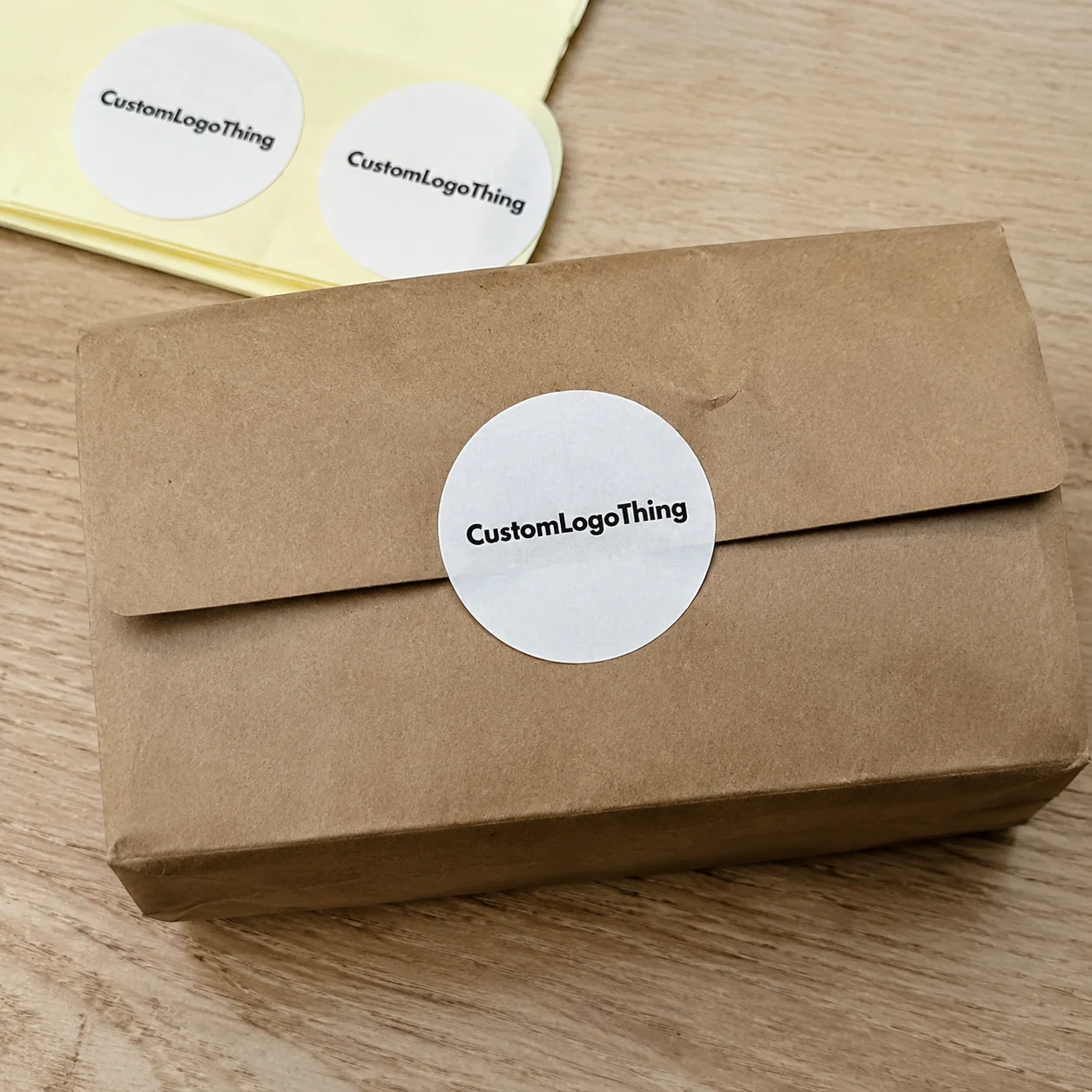
For low-volume makers, stock packaging plus a custom label or branded sticker is often the smartest first move. For growing artisan brands, top minimalist shipping packaging for artisans starts to make sense once your monthly shipping volume crosses 300 to 500 orders and your packing process needs consistency. I’ve watched brands waste money on full custom setups at 40 orders a month in Portland, Oregon. Then I’ve seen them switch to stock boxes with a single-color logo sleeve and suddenly look better, spend less, and stop fighting supply chain chaos. That kind of practical restraint is, in my opinion, wildly underrated.
Detailed Reviews: Best Minimalist Shipping Packaging for Artisans
Let me review these the way I’d review samples on a factory table, not in a slideshow. Top minimalist shipping packaging for artisans needs to survive handling, not just look polished in a product photo. I’ve taped, crushed, folded, and drop-tested enough samples to know where each one breaks emotionally and physically. Some packaging fails with a dramatic snap; some just slowly gives up like it has other plans.
Custom poly mailers
Custom poly mailers are the cheapest way to get strong branding on a shipping parcel without adding much weight. At 3.0 mil to 4.0 mil thickness, they handle knitwear, t-shirts, scarves, and lightweight accessories well. A decent run from a supplier in Shenzhen or a factory broker near Suzhou can land around $0.18 to $0.42 per unit at 5,000 pieces, depending on size, ink coverage, and closure type. If you need a matte finish or recycled content, expect the number to climb by roughly $0.04 to $0.11 per unit.
The upside is obvious. They are compact, moisture resistant, and easy for order fulfillment. The downside is equally obvious. They do not protect hard corners, glass, or anything that can crack under pressure. I once had a soap brand in Nashville insist on Poly Mailers for boxed bath bombs because “the box inside is strong enough.” It was not. The corners crushed, the shrink wrap scuffed, and the customer emails were full of words I cannot print here. I remember reading the first complaint and thinking, “Well, that was an expensive confidence problem.”
Best for: soft goods, lightweight apparel, and brands that want bold package branding without the weight of a box.
White corrugated mailers
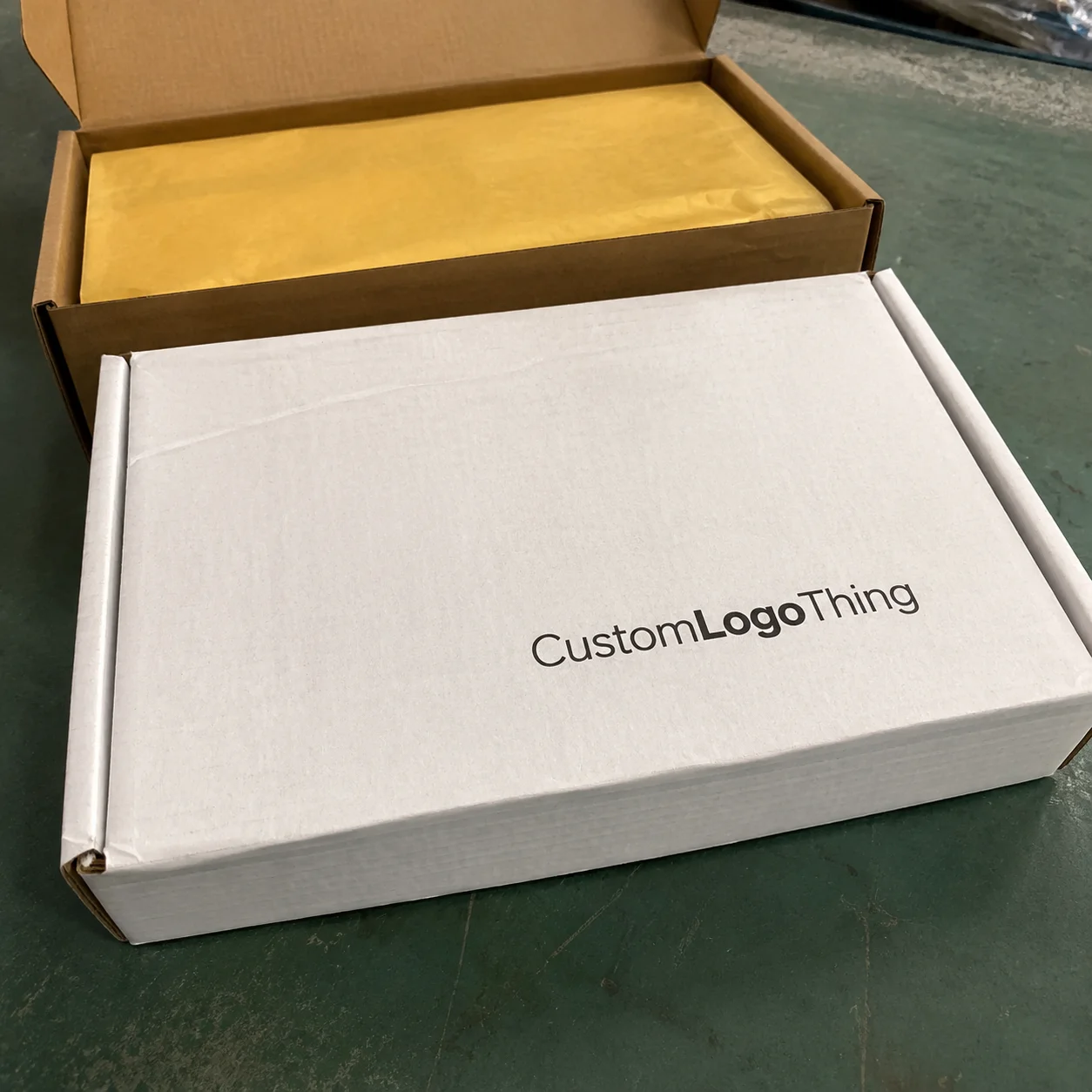
White corrugated mailers are my favorite middle ground in top minimalist shipping packaging for artisans. They are light, stiff, and print beautifully with one-color or two-color artwork. The flute structure gives them better crush resistance than paper mailers, and they feel cleaner than brown kraft when the brand identity is modern, gallery-like, or understated. For prints, small boxed jewelry, flat candles, and stationery kits, they are hard to beat, especially when specified in 1.5 mm E-flute with a 350gsm white liner.
In one client meeting in Brooklyn, a stationery founder told me white corrugate felt “too plain.” We sampled three versions: plain stock, logo only, and a small centered brand mark with a recycled paper seal from a converter in Guangzhou. The centered version won every time. It cost $0.06 more per unit than stock, but returned a much stronger presentation. That is the kind of trade that makes sense. Honestly, I think plain packaging only looks boring when the proportions are wrong or the print is trying too hard.
The hidden downside is edge wear. White surfaces show scuffs faster than kraft. If your shipping lane is rough, I’d rather spec a slightly textured white face than a glossy coated one. Glossy looks sharp on day one and tired on day twenty. It also has a sneaky way of making every tiny scratch feel like a personal insult.
Best for: prints, flat gifts, stationery, and artisan brands that want a clean premium look without overbuilding the carton.
Kraft rigid mailers
Kraft rigid mailers are the serious-looking option. They are not bulky, but they feel substantial in hand. That matters. For high-value paper goods, art prints, recipe card sets, or giftable handmade pieces, kraft rigid mailers signal care without becoming full retail packaging. If you want top minimalist shipping packaging for artisans with a naturally earthy aesthetic, this is a strong candidate, especially when made from 600gsm kraft board with a 120gsm uncoated liner.
I negotiated a run of kraft rigid mailers for a print studio in Melbourne that sold limited-edition screen prints. The supplier in Ningbo quoted $0.61 per unit at 3,000 pieces with one-color black print. We pushed for a simpler die line and removed a decorative tuck. The final landed cost dropped to $0.49. Same experience. Less waste. Less freight. Better margin. That is packaging design doing its job, quietly and without asking for applause.
The downside is stiffness without cushioning. Rigid mailers protect flat products well, but they are not a magic shield for breakables. If you ship ceramic pins or small vessels, use inserts or a secondary wrap. Otherwise, the corners will still get the memo that they are dispensable.
Best for: premium paper goods, art prints, stationery, and brands that want kraft texture with a refined finish.
Recycled paper mailers
Recycled paper mailers are the eco-forward choice, and they can look excellent if your branding is quiet and minimal. They photograph well with black ink, one-color stamps, or debossed labels. For soap, samples, lightweight accessories, and small handmade goods, they feel honest and grounded. Many are made with 60% to 100% post-consumer recycled content, which helps if your customer base expects stronger sustainability claims and wants documentation from a mill in Oregon or a converter in Kaohsiung.
The catch is tear resistance. If the paper stock is too thin, corner punctures and seam splits become real issues. I tested one batch that looked great on a spec sheet but failed after 27 seconds of friction inside a mail bin in Chicago. That is not “natural texture.” That is a refund waiting to happen. Ask for basis weight, tear strength, and whether the adhesive strip survives humid shipping lanes. These details matter more than the recycled icon. I’ve learned the hard way that a beautiful eco claim means very little if the seam opens like a zipper halfway through transit.
Best for: soap makers, sample kits, and artisan brands with a strong sustainability story and lighter product loads.
Fold-flat boxes
Fold-flat boxes are the workhorse for top minimalist shipping packaging for artisans when protection matters more than pure cost. They ship flat, assemble quickly, and can be tuned with board grades from roughly E-flute to heavier B-flute depending on the product. For candles, ceramics, and giftable handmade items, they are often the safest default because they allow room for inserts, dividers, and tissue without turning the parcel into a brick. A common spec for a candle line might be 350gsm C1S artboard over a 1.8 mm corrugated core, which gives a crisp printed face without sacrificing structure.
One candle maker I worked with in Phoenix was shipping in rigid gift boxes plus an outer shipper. Great presentation. Bad economics. Their dimensional weight jumped enough to add about $1.20 per order on some zones. We rebuilt the structure as a single fold-flat box with a molded paper insert from a facility in Dongguan, and the total packaging spend dropped by 19% while breakage stayed flat. That is a real win, not a marketing fairy tale. Also, the operations team stopped glaring at me during packing reviews, which I count as a meaningful quality improvement.
The weakness? If you oversize the box, you pay for dead air. Also, folding boxes badly on the line wastes labor. If your team opens and assembles 400 units a day, even a 6-second difference matters. Multiply that by labor rates and suddenly “minor convenience” is a line item.
Best for: candles, fragile small goods, ceramics with inserts, and brands wanting the most balanced all-around shipper.
Tissue plus sleeve packaging
Tissue plus sleeve packaging is less about protection and more about presentation. It works inside another shipper or box, especially for retail packaging that transitions into ecommerce shipping. A clean paper sleeve over folded tissue can make soap sets, small textiles, or jewelry feel polished without adding much weight. If you want minimalist branding that still reads as intentional, this is a useful layer, particularly when the sleeve is printed in one Pantone color on 120gsm FSC-certified paper.
That said, tissue alone is not shipping protection. I’ve seen it used as the entire solution for lightweight necklaces and then watched the chain tangle itself into modern art during transit. Do not do that. Pair tissue and sleeve with a mailer, box, or padded outer package if anything has edges, clasps, or glass. I have a strong suspicion that one of the universe’s hobbies is humiliating people who under-pack jewelry.
Best for: gift-ready handmade goods, inner presentation layers, and brands using branded packaging within a stronger outer shipper.
For more options, I often point clients to Custom Packaging Products and compare the structure first, not the print fantasy. If your product is better suited to boxes, the cleanest path is often Custom Shipping Boxes instead of forcing a mailer to do a box’s job. That is packaging 101, even if people keep paying tuition for the same lesson.
Minimalist Shipping Packaging Cost Breakdown
Let’s talk money, because packaging budgets are where enthusiasm goes to die. With top minimalist shipping packaging for artisans, the real cost is not just the printed box or mailer. It is the unit price, the freight to your warehouse, the labor to pack it, the protective extras, and the money you lose when the carton is too large for the product. A supplier quote of $0.29 looks different once you add $0.06 for freight, $0.05 for tape or labels, and 14 seconds of labor per order in a warehouse outside Dallas.
For plain stock packaging, small artisan brands often see numbers like these:
- Stock poly mailers: $0.08 to $0.18 each
- Stock paper mailers: $0.12 to $0.25 each
- Stock corrugated mailers: $0.20 to $0.40 each
- Stock fold-flat boxes: $0.25 to $0.65 each
Add custom printing, and the range changes fast. A one-color logo on a simple mailer may add only $0.03 to $0.09 per unit if you hit a decent volume. Full-coverage print, metallic ink, soft-touch coating, or special finishes can push that far higher. I’ve seen a modest custom box move from $0.34 to $0.88 per unit just because a brand wanted a full-bleed black outside with white ink and matte lamination. It looked good. It also made the accountant sweat. The sample looked so slick, in fact, that everyone went quiet for a second, as if the packaging itself had just walked into the room wearing a tailored coat.
Here is the part many makers miss: packaging is tied to ecommerce shipping math. A package that weighs 1.9 oz less can save real money across hundreds of orders, especially if you are crossing dimensional thresholds. If your mailer adds even 0.25 inches of thickness, that can change how carriers rate the parcel. Shipping carriers adore small surprises. You should not.
Custom packaging starts paying for itself when it reduces damage, cuts inserts, and strengthens repeat purchase behavior. A ceramic brand I advised moved from generic boxes plus branded stickers to simple custom printed boxes with an integrated insert. The unit cost went up $0.16, from $0.41 to $0.57 on a 4,000-piece run in Qingdao. Damage claims dropped enough to save about $780 per quarter. That is the kind of math that survives a P&L meeting. It also saves you from that deeply depressing email thread titled “another broken one.”
Hidden costs matter too:
- Void fill: recycled paper, tissue, or molded pulp can add $0.04 to $0.22 per order.
- Damage replacements: one broken item can erase the margin from 20 to 50 shipments.
- Dimensional weight: oversized packaging quietly increases postage, especially in Zone 5 and beyond.
- Labor: complex folds and multiple inserts can add 10 to 20 seconds per order.
If you want a low-friction starting point, stock packaging plus a branded label or stamp is fine. If your brand story depends on a polished unboxing, then a small upgrade into custom printed boxes or mailers can make sense. The trick is not confusing “more custom” with “more profitable.” Those are not the same thing. Ever. I wish they were, because that would make sourcing meetings much shorter.
How to Choose the Right Minimalist Shipping Packaging for Artisans
Choosing top minimalist shipping packaging for artisans gets easier when you stop starting with the box and start with the product. Measure the finished item first. Then add wrap, inserts, tissue, or a sleeve. I know that sounds painfully basic, but I have seen brands approve packaging before measuring, then discover they designed for a fantasy product instead of the real one. That mistake is usually followed by a long silence and a very awkward follow-up call.
Use this simple decision framework:
- Start with fragility. If the product can crack, dent, or leak, favor a mailer box or fold-flat box with internal support.
- Check weight. Under 8 oz? Mailers may work. Over 1 lb? Box structures usually become smarter.
- Consider brand style. Earthy brands often look good in kraft. Minimal luxury brands usually prefer white or soft neutral packaging design.
- Look at shipping distance. Local shipping can tolerate lighter structures. Cross-country shipping usually needs more protection.
- Review volume. If you pack 30 orders a month, keep it simple. If you ship 1,000, tiny labor savings add up fast.
For timeline planning, sampling matters. I usually recommend 3 to 5 sample versions, then a quick ship test before committing. A normal production cycle for custom packaging can look like this: 5 to 7 days for artwork setup, 3 to 5 days for sampling, 12 to 15 business days from proof approval for production, and another 5 to 28 days depending on freight method. Air freight is faster. Ocean freight is cheaper. That tradeoff has been boring since before either of us started arguing about it.
Run a simple sizing checklist:
- Measure the product with tissue, inserts, or protective wrap included.
- Leave only 2 to 5 mm of clearance for flat items when structure allows.
- Allow 10 to 20 mm where cushioning is needed for fragile goods.
- Shake the packed sample. If it rattles, redesign the insert.
- Drop-test from desk height before scaling up.
Match the package to the customer experience too. If your brand is premium, keep the palette tight: white, kraft, black, or one muted accent. If you are eco-first, use recycled content, FSC paper, and simple stamping. If you want ultra-clean branding, a single logo on a plain surface works better than busy art all over the outside. That is package branding 101. Clean is stronger than crowded.
And one more thing: never choose packaging before you test it with real product fills. I once watched a brand approve a mailer because it looked perfect in renderings, then find out the glue strip failed after a humid truck route through Atlanta in July. Renderings are not logistics. They are just pretty lies with better lighting. I say that with affection, but only because I’ve had to rework too many “perfect” concepts after the first actual shipment went sideways.
Our Recommendation: Best Minimalist Shipping Packaging by Use Case
If you want my direct opinion, here it is. The best top minimalist shipping packaging for artisans depends on what you make, but some answers are stronger than others. There is no prize for using the lightest package if your product arrives broken. There is also no prize for overbuilding a soap bar into a twelve-dollar carton. That kind of overcorrection usually happens right after a brand gets burned by one bad shipment and decides to punish every future order for it.
Best overall for fragile handmade goods: fold-flat boxes with molded pulp or recycled paper inserts. They balance protection and presentation better than almost anything else, especially for candles molded in 8 oz glass jars or small ceramic vessels with a 65 mm base.
Best budget option for soft goods: custom poly mailers. They are inexpensive, easy to store, and efficient for order fulfillment.
Best premium look for flat products: kraft rigid mailers or white corrugated mailers with one-color branding. They feel deliberate without becoming wasteful.
Best eco-first option: recycled paper mailers, but only for light products and only if the tear strength is proven.
Best for jewelry and small handmade goods: small corrugated mailers or compact kraft boxes with a sleeve, tissue, or insert. That combo gives you branded packaging without the bulk.
If you are a new artisan brand, I would start with stock corrugated mailers or stock fold-flat boxes plus a clean label system. Then move into custom printed boxes or mailers only after you know which SKU sells, which sizes actually move, and which customers care about the unboxing. That is the sensible path. Fancy comes later. Profit first.
My quick two-minute summary? Choose the thinnest package that still passes a drop test, keeps the product centered, and matches your brand story. That is the real answer for top minimalist shipping packaging for artisans.
Next Steps: Test, Order, and Improve Your Packaging
Do not buy 5,000 pieces just because the sample made your desk look good. Start with samples, then run a 10-pack ship test through real carriers. USPS, UPS, and FedEx all treat packages a little differently, and climate matters too. Humid routes can weaken adhesive. Cold routes can crack cheap plastic. That is not theory. That is warehouse experience, and it tends to show up right when you least want it.
Build a simple test plan:
- Order 2 to 3 samples in each structure you like.
- Pack the actual product with its intended insert and label.
- Ship 10 test units to different ZIP codes, ideally with one rough-zone destination.
- Record damage, bending, scuffing, and customer feedback.
- Compare postage receipts to your target margin.
Track a few numbers after launch. Damage claims per 100 orders. Average shipping cost by zone. Time to pack each order. Repeat purchase comments about unboxing. If customers mention the package twice, good or bad, you have signal. If they never mention it, the packaging is doing its job quietly, which is exactly what I like. Quiet packaging is underrated; it lets the product do the talking instead of turning every shipment into a stage performance.
Roll out in stages. Start with one hero SKU. Then expand once the structure proves itself. I’ve seen brands try to change every package in one month, and the result is chaos, mislabeled stock, and a very tired operations manager. Slow is cheaper. Testing is cheaper. Guessing is expensive.
If you want the smartest path forward, choose top minimalist shipping packaging for artisans based on your product, your damage rate, and your margin. Not on a trend board. Not on a supplier’s “eco luxury” pitch deck. Real packaging wins by surviving transit and keeping your brand intact.
FAQs
What is the best minimalist shipping packaging for artisans selling fragile items?
Slim corrugated mailers or rigid kraft mailer boxes usually give the best balance of protection and presentation. For extra-fragile items, I’d pair them with molded pulp inserts or recycled paper cushioning. I would not use ultra-thin mailers for ceramics, glass, or anything that rattles when shaken.
Is custom minimalist shipping packaging worth it for small artisans?
Yes, if you ship often enough that branding and damage reduction matter. Custom mailers or boxes can raise perceived value and reduce the need for extra inserts or branded stickers. If you only ship a few orders a month, stock packaging plus a strong label system is usually the smarter first move.
How much does minimalist shipping packaging for artisans usually cost?
Plain stock mailers are usually the cheapest, while custom printed rigid or corrugated options cost more per unit. Price depends on size, material, print coverage, and order volume. The real cost also includes postage, damage replacements, and filler materials, not just the box price.
Which minimalist packaging is best for jewelry and small handmade goods?
Small kraft mailer boxes or paper mailers with a rigid insert usually work well. They protect lightweight items without looking bulky or wasteful. If the brand is premium, a clean printed sleeve or seal can improve the unboxing feel without adding much weight.
How do I choose the right size minimalist shipping packaging for artisan products?
Measure the finished product with any wrap, insert, or tissue included. Leave only enough room for protection, not extra air, because oversized packaging increases shipping cost and damage risk. Test one packed unit by shaking and drop-testing before ordering in bulk.