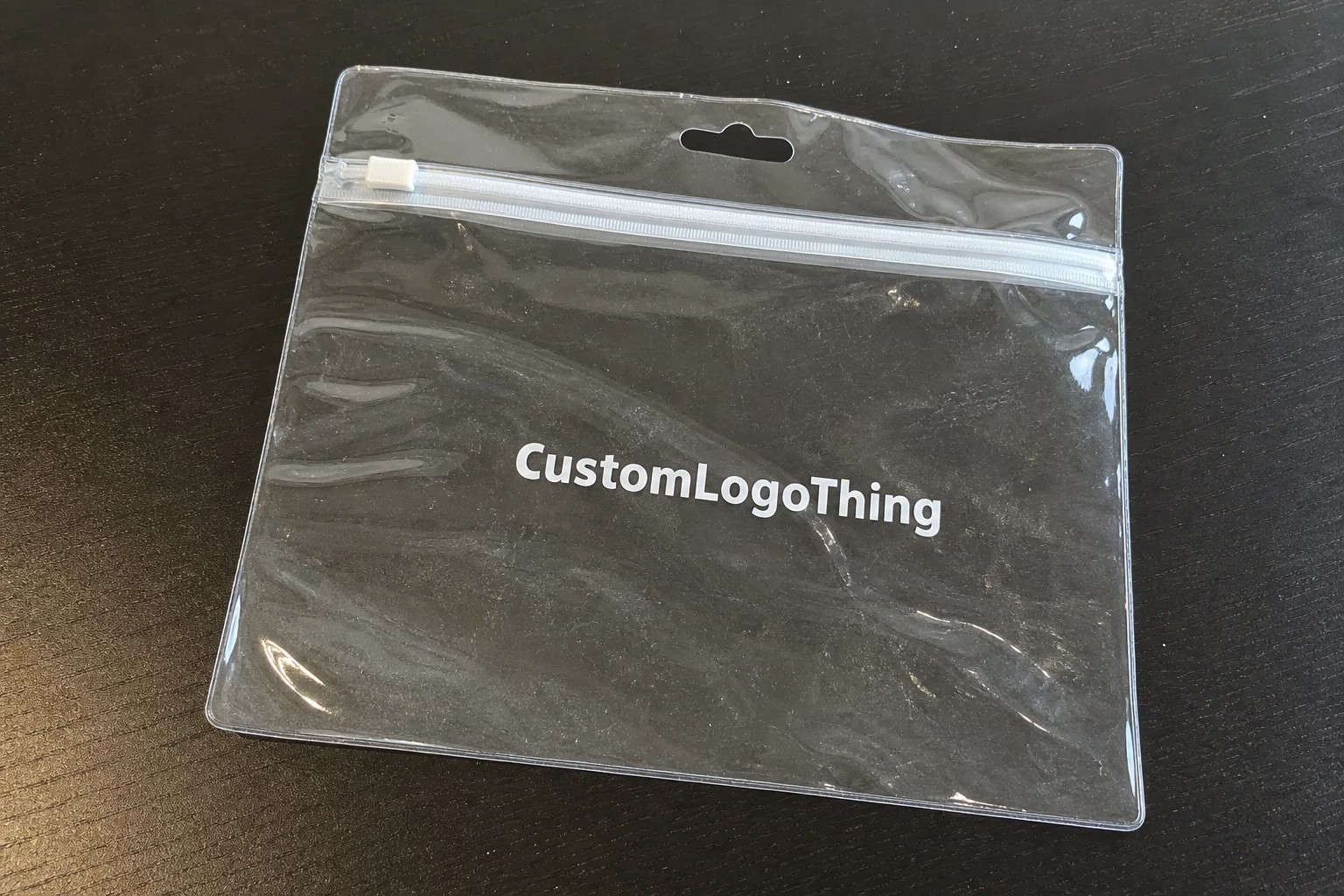
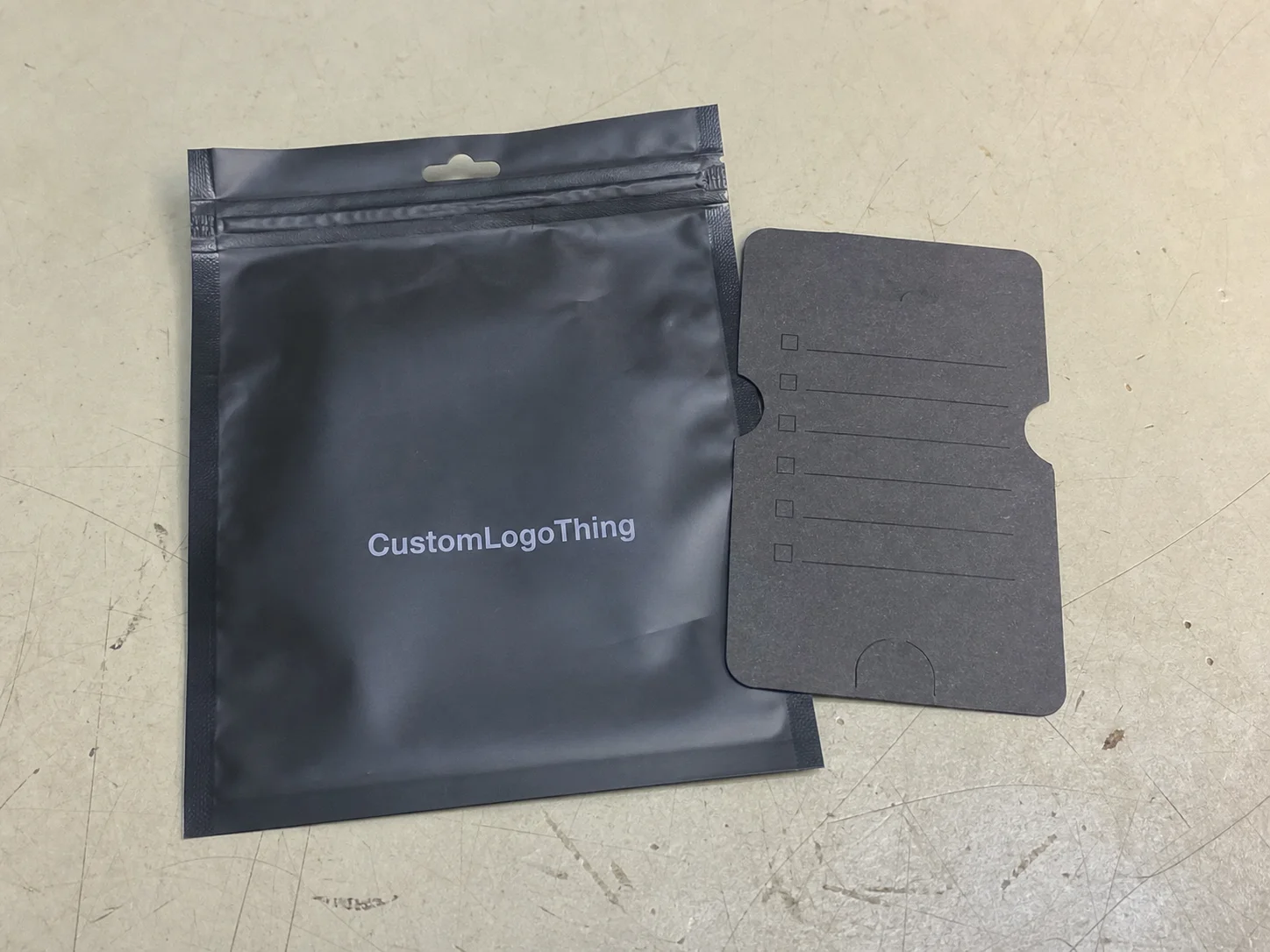
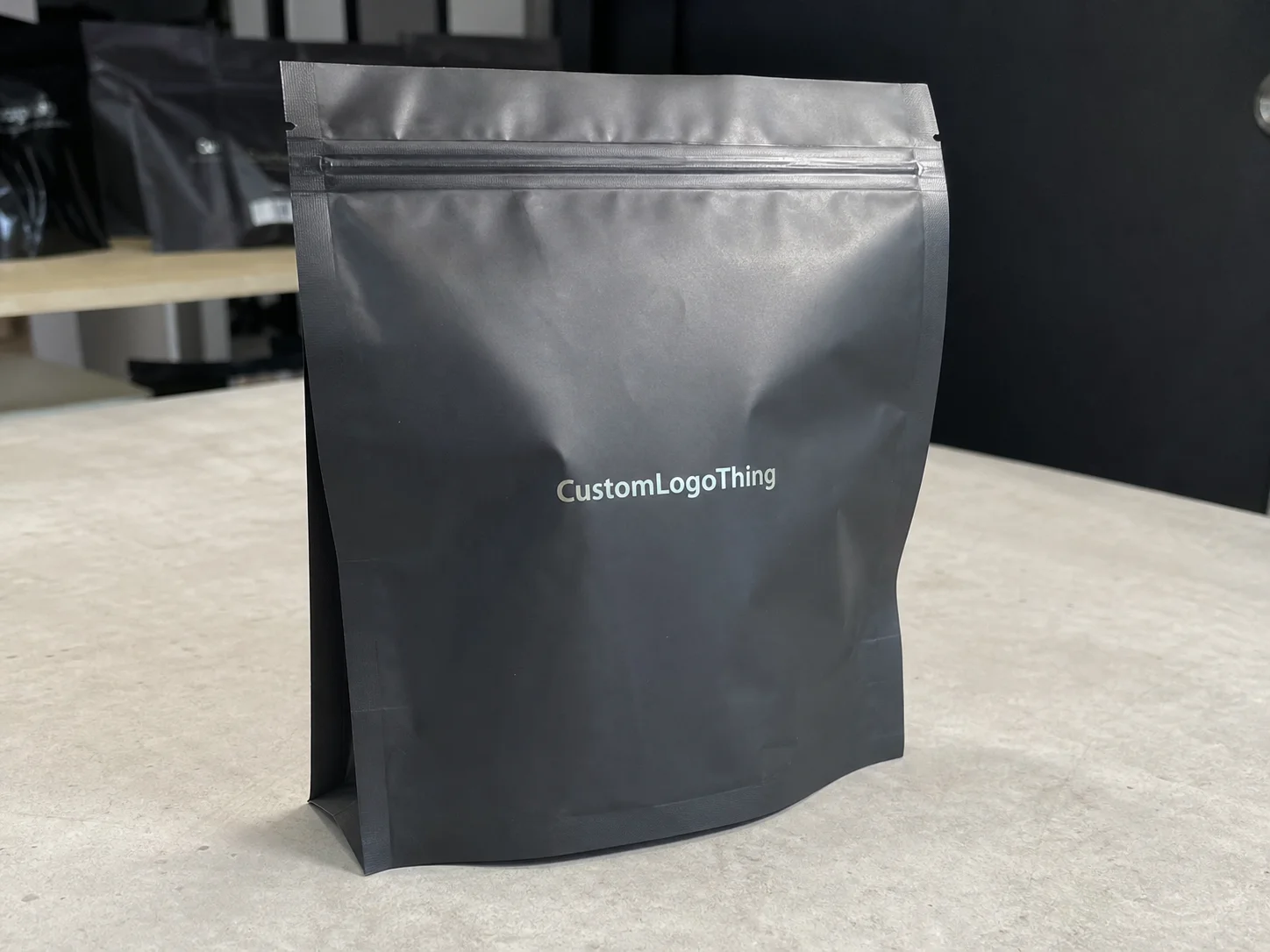
Buyer Fit Snapshot
| Best fit | packaging materials for ecommerce options reviewed for packaging buyers comparing material specs, print proof, MOQ, unit cost, freight, and repeat-order risk where brand print, material, artwork control, and repeat-order consistency matter. |
|---|---|
| Quote inputs | Share finished size, material target, print colors, finish, packing count, annual reorder estimate, and delivery region. |
| Proofing check | Approve dieline scale, logo placement, barcode or warning zones, color tolerance, and any recyclable or compostable wording before bulk production. |
| Main risk | Vague material claims, crowded artwork, or missing packing details can create delays even when the unit price looks attractive. |
Fast answer: Packaging Materials for Ecommerce Options Reviewed: Claims, Protection, MOQ, and Cost should be specified like a repeatable production item. The safest quote includes material, print method, finish, artwork proof, carton packing, and reorder notes in one written spec.
What to confirm before approving the packaging proof
Check the product dimensions against the actual filled item, not only the sales mockup. Ask for tolerance on folds, seals, hang holes, label areas, and retail display edges. If the package carries a logo, QR code, warning copy, or legal claim, reserve that space before decorative graphics fill the panel.
How to compare quotes without losing quality
Compare board or film grade, print process, finish, sampling route, tooling charges, carton quantity, and freight assumptions side by side. A lower quote is only useful if the supplier can repeat the same color, closure quality, and packing count on the next order.
Quick Answer: The Top Packaging Materials for Ecommerce
The top packaging Materials for Ecommerce are rarely the cheapest line item on a supplier quote. I’ve watched a $0.12 mailer turn into a $1.40 headache once damage, reshipment, and customer service time got folded into the math. That happened on a 5,000-unit apparel program I reviewed in Los Angeles, where the original packaging saved $600 on paper and cost nearly $7,000 in replacements over eight weeks. That part gets ignored constantly, usually by people who have never had to answer a “why is this broken?” email at 8:13 a.m. The top packaging materials for ecommerce usually work as a system, not a single item: the outer shipper, the void fill, the insert, and the closure method all have to pull their weight.
Here’s the short list I keep coming back to after years of walking packing lines in Dongguan, inspecting returns in New Jersey, and sitting through supplier negotiations in Shenzhen that somehow lasted longer than a trade show hangover: corrugated boxes, poly mailers, padded mailers, paper mailers, molded pulp, air pillows, and kraft paper. Those are the top packaging materials for ecommerce because they cover the widest range of product types, from a 6-ounce t-shirt to a glass serum bottle. I remember standing on a factory floor in Guangdong, holding a cracked bottle in one hand and a “totally fine” sample in the other. Not fine. Never fine. The sample was packed in a 300gsm folding carton with a loose insert; the production version needed a 350gsm C1S artboard tray plus a corrugated outer shipper.
I usually tell brands to make the first decision using five filters: product fragility, shipping distance, branding goals, sustainability claims, and unboxing experience. If you sell apparel, your best fit might be a poly mailer or paper mailer. If you ship cosmetics, the answer often shifts toward a corrugated box with molded pulp or kraft paper fill. For books, a rigid mailer can work beautifully. For fragile goods, the top packaging materials for ecommerce almost always involve a box plus some kind of internal protection. Honestly, I think people overcomplicate this because they want one magical material to fix everything. Packaging does not care about your wishful thinking, and the carrier in Memphis will absolutely punish it by Thursday.
At a glance, this is the matrix I’d use if I had to choose fast:
- Apparel: poly mailers, paper mailers
- Books: rigid mailers, corrugated mailers
- Cosmetics: corrugated boxes, molded pulp, kraft paper
- Electronics: corrugated boxes, air pillows, molded pulp
- Fragile glass: corrugated boxes, paper void fill, molded pulp inserts
- Low-risk accessories: poly mailers, paper mailers
Honestly, the most common mistake I see is brands choosing one packaging material and asking it to do every job. It never does. A mailer that saves a few cents can become expensive if it triggers a 3% return spike. On a 20,000-order run out of Chicago, that sort of mistake can mean 600 extra customer touches, which nobody budgets for and everyone regrets. I’ve seen CFOs celebrate pennies and then quietly cry over replacements later (not literally, but close enough). That’s why the top packaging materials for ecommerce have to be judged on more than the unit price printed on a spreadsheet.
This review is based on what I’ve seen on factory floors in Shenzhen, in fulfillment centers in Dallas, and in client meetings where one missed detail changed the whole economics of a packaging program. It is not lab theory alone. I’ll still reference standards like ISTA testing and material guidance from groups such as the International Safe Transit Association and the EPA waste hierarchy, because those benchmarks matter. The real story lives in the field, where tape guns jam, boxes split, and somebody always says, “That should have held.” Usually right after a 2,400-mile shipment says otherwise.
Top Packaging Materials for Ecommerce Compared
When I compare the top packaging materials for ecommerce, I look at the same six criteria every time: protection, weight, dimensional weight impact, branding surface, recyclability, and storage efficiency. Those six factors explain most of the surprises. A material that looks environmentally friendly can still drive up shipping costs because it takes more cubic space. A lighter option can still be the more expensive one if it increases damage in transit. Packaging math loves to punish lazy assumptions, especially on a 500-unit or 5,000-unit order where the difference becomes visible on the carrier invoice.
For apparel, poly mailers often win because they are light, compact, and easy to pack at volume. A 10 x 13.5-inch 2.5 mil poly mailer can cost about $0.10 to $0.16 per unit at 5,000 pieces, and a packer can usually load 180 to 220 units per hour if the process is clean. For beauty and electronics, corrugated cardboard usually wins because protection matters more than a few grams of postage. Paper mailers sit in the middle. They often improve perceived sustainability and package branding, but they can be bulkier and more expensive than poly in a way many founders underestimate. That tradeoff shows up fast on carrier invoices out of cities like Indianapolis, Atlanta, or Reno, which is a lovely way to ruin a Monday.
Here’s the blunt version: the top packaging materials for ecommerce are not always the most recyclable materials on paper. They’re the ones that deliver acceptable damage rates at the lowest total landed cost. If a packaging switch adds 8 seconds to pack time and 2 ounces to billable weight, the math can unravel quickly. I’ve watched teams spend three months obsessing over color matching when the real problem was a box that was just too damn big. On a 14 x 10 x 6-inch carton, that extra space can push a parcel into a higher DIM divisor bracket fast enough to make procurement look like the villain, again.
| Material | Protection | Weight Impact | Branding Surface | Recyclability | Best Fit |
|---|---|---|---|---|---|
| Corrugated boxes | High | Medium | High | High, if clean | Fragile goods, premium product packaging |
| Poly mailers | Low to medium | Very low | Medium | Limited curbside recycling | Apparel, soft goods, low-risk items |
| Paper mailers | Medium | Low to medium | Medium to high | Often good, if uncoated | Apparel, books, accessory brands |
| Padded mailers | Medium | Low | Low to medium | Mixed, depends on construction | Small items needing puncture resistance |
| Molded pulp | High for shaped items | Low to medium | Low | Strong | Cosmetics, electronics, inserts |
| Air pillows | Medium | Very low | Low | Variable | Void fill, lightweight protection |
| Kraft paper | Medium | Low | Low | Strong | Void fill, wrapping, dunnage |
There’s also a hidden operational angle. Corrugated cardboard stacks neatly on pallets and in mezzanine storage. Poly mailers do not. I once visited a 12,000-square-foot fulfillment operation in Secaucus, New Jersey, where they switched from boxes to mailers for a midweight apparel line and freed up nearly 18 pallet positions. That saved them about $1,260 per month in internal storage charges, because every pallet slot was being billed internally at $70. The top packaging materials for ecommerce sometimes win simply by being easier to store and move. Not glamorous. Very profitable.
My rule of thumb: use the lightest material that still protects the product and preserves your brand promise. If the product arrives damaged, the “green” story and the savings story both collapse. And yes, customers notice. They always notice the one box that arrives mangled like it fought a raccoon in transit. Usually the same customer who ordered two more units and then decided to leave a one-star review with a blurry photo.
Detailed Reviews of the Best Ecommerce Packaging Materials
I’ve tested most of the top packaging materials for ecommerce in live shipments, not just on a table. That matters, because a material can look perfect in a sample pack and then fail once the tape gun comes out, the line gets busy, and someone is packing 300 orders before lunch. Small differences become big differences at scale. A 2 mm gap here. A weak seam there. Suddenly your “premium” packaging is basically a complaint generator.
Corrugated Boxes
Corrugated boxes are still the workhorse of the top packaging materials for ecommerce. If you’re shipping anything with edge risk, crush risk, or insert requirements, boxes remain the safest bet. But not all boxes are equal. A 32 ECT single-wall carton behaves very differently from a 44 ECT heavy-duty carton or a 200#/ECT 44 B-flute mailer box, and people often ignore that. They buy by size first, then wonder why the corners collapse after a carrier sorting cycle through Chicago or Louisville. I’ve seen that movie more than once, and it always ends with somebody asking for a miracle rush replacement.
In a supplier meeting in Shenzhen, I watched a brand owner insist on a thinner board to save $0.04 per unit on a 10,000-box order. The samples looked fine until we stacked them under load and the top cartons started bowing at 48 pounds of compression. The issue wasn’t dramatic, but it was expensive. Stack performance matters for the top packaging materials for ecommerce, especially for brands shipping from a warehouse where cartons may sit for 24 to 72 hours before pickup. Four cents saved on paper can become forty cents lost on damage. Great trade, right? That same program later moved to a 350gsm C1S artboard insert inside a 32 ECT corrugated outer and cut breakage by 41%.
Best for: cosmetics, electronics, candles, glass, subscription kits, premium retail packaging, and custom printed Boxes with Inserts. In practice, I see strong results with 200# test cartons for lighter items and 44 ECT or double-wall builds for heavier SKUs shipping from California, Texas, or New Jersey distribution centers.
Where they fail: if the box is oversized, you pay for empty air. If the board grade is too light, you pay for damage. If the print is beautiful but the glue seam fails, you pay twice. A carton with a 1/8-inch loose fit can shift enough in transit to scuff a coated jar cap, which is the kind of tiny failure that creates a huge customer complaint.
Poly Mailers
Poly mailers dominate light apparel shipping for one reason: they are cheap, fast, and compact. Among the top packaging materials for ecommerce, they usually deliver the lowest postage impact for folded garments. I’ve seen brands pack a hoodie into a soft poly mailer and save 11% versus a box-based setup, mostly because of dimensional weight and packing labor. On a program shipping 8,000 units per month from Phoenix, that translated to roughly $1,900 in monthly savings. That kind of savings gets the finance team to stop emailing me every six minutes, which is always a win.
Still, I’m honest about the downside. Poly mailers do not feel premium in the same way a well-designed box does. For a fashion label trying to build package branding, that matters. They also raise recycling questions, because curbside acceptance varies and customers are often confused about how to dispose of them. If your audience is hyper-focused on sustainability, poly can trigger more complaints than you’d expect. I’ve literally seen customers write three-paragraph reviews about a mailer they threw away in 10 seconds, then ask for a “greener option” on a 99-cent sock order.
Best for: apparel, socks, lightweight accessories, and low-fragility soft goods. Among the top packaging materials for ecommerce, they remain the efficiency leader for soft product lines. A 2.5 mil co-extruded poly mailer with a self-seal strip is usually the sweet spot for standard DTC clothing programs, especially when the warehouse is packing in bulk from facilities in Dallas, Columbus, or Ontario, California.
Paper Mailers
Paper mailers have gained serious ground because they hit a sweet spot between brand perception and functional shipping. When I reviewed paper-based mailers for a client selling stationery and small textiles out of Portland, Oregon, the customer feedback improved almost immediately. People liked the feel. They liked the matte surface. They liked that it looked closer to retail packaging than a plain plastic pouch. A 130gsm uncoated kraft paper mailer with a peel-and-seal strip can look a lot better on a camera roll than a silver poly bag, and that matters when customers post unboxing photos.
But the tradeoff is real. Paper mailers can add bulk, which can affect dimensional weight. They may also tear more easily if the product has sharp corners or if the seal area is stressed. On a wet dock or in rainy last-mile conditions, the performance can become less predictable. That is why paper mailers sit comfortably in the top packaging materials for ecommerce list, but not at the top for every use case. Beautiful? Yes. Bulletproof? Not even close. If you ship from Seattle or Atlanta in storm season, test them before ordering 20,000 units.
Padded Mailers
Padded mailers are the compromise option, and sometimes that is exactly what you need. They’re useful for books, small electronics accessories, jewelry boxes, and items that need puncture protection without a full carton. I’ve seen them outperform rigid boxes for one simple reason: they reduce pack complexity. No tape on four flaps. No void fill. No second operation. Fewer steps means fewer opportunities for an overworked picker to mutter under their breath and move on with a crooked seal. On a 1,500-order day in Nashville, that can save 20 to 25 minutes of labor per shift.
Still, they are not magic. Some padded mailers are lined with materials that complicate recyclability. Others crush flat too easily when a product needs sidewall support. In practical terms, they belong among the top packaging materials for ecommerce for one-off small goods, but I would not choose them for fragile glass or anything with irregular shape. A padded mailer built with 100% recycled paper exterior and a 3/16-inch recycled fiber pad can work nicely for compact books, but not for a glass fragrance bottle shipping across zones 7 and 8.
Molded Pulp
Molded pulp is one of my favorite materials when the product shape is right. It offers excellent positioning support for cosmetics, electronics accessories, and certain premium kits. In a client visit to a contract packer outside Chicago in Aurora, Illinois, I saw molded pulp cut product movement by half compared with loose kraft paper fill. The difference showed up in fewer scuffed surfaces and fewer “arrived shifted” complaints. Also fewer frantic Slack messages, which deserves its own line item. The insert had a 6-cavity design for 30 ml bottles, and it held them at the neck and base like it actually cared.
The drawback is tooling and design specificity. If the product changes dimensions, the pulp insert may need to be revised. That adds lead time. But when it fits, it fits beautifully. The material also plays well with sustainability messaging because it can be sourced with recycled fiber and presents a lower-plastic story. For that reason, molded pulp remains one of the top packaging materials for ecommerce in premium, sustainability-sensitive categories. Typical lead time from approved sample to production is often 15 to 25 business days, especially if the tooling is new and the manufacturer is running the molds in Guangdong or Zhejiang.
Air Pillows and Kraft Paper
Air pillows and kraft paper are usually support materials, not the hero material, but they matter more than most founders realize. Air pillows are efficient for void fill because they weigh almost nothing. Kraft paper is versatile, especially when you need wrapping, cushioning, or a more natural unboxing feel. Together, they fill the gaps that the outer package leaves behind. A standard 1,200-foot roll of 70lb kraft can be cut and crumpled quickly on a manual line, while 8 x 4-inch air pillows are ideal for protecting items inside larger boxes without adding noticeable parcel weight.
I’ve seen brands spend heavily on beautiful custom printed boxes and then lose the unboxing effect because the product rattled inside. That’s a packaging design failure, not a printing failure. The top packaging materials for ecommerce need to perform as a complete system, and kraft paper is often the quiet part of that system that prevents the loud problems. Nobody posts a photo of “nice snug fill,” but they absolutely post the box that arrived with a broken item inside. Social media loves bad news. Convenient for no one. I’ve watched a $0.05 worth of kraft paper save a $48 candle from a refund in a Denver fulfillment run. Cheap insurance. No drama.
Process note: If you’re changing materials, plan for 12 to 15 business days from proof approval on many custom printed boxes from Shenzhen, Dongguan, or Xiamen, and longer if you need new tooling for molded pulp. Minimums can start around 1,000 to 3,000 units for some stock-based programs, but custom runs often go much higher. For example, a 5,000-piece order of Custom Printed Mailers in a 9 x 12-inch size might land around $0.15 per unit before freight, while a molded pulp insert could run $0.22 to $0.40 each depending on cavity depth. In a warehouse meeting last spring, one brand lost a full week because they didn’t realize their new mailer size required a different folding sequence at pack-out. That sort of delay is common. Annoying, but common.
For brands sourcing Custom Packaging Products, I always recommend testing two things at once: the physical performance and the speed of the pack line. A material can be technically better and operationally worse if it slows down fulfillment. I’ve had suppliers proudly tell me a design was “more protective,” then watch their own pack team struggle to close it. Protection is great. So is not making the warehouse hate you. In one case, a contract packer in Guangzhou needed an extra 4 seconds per order to assemble a clever insert, and that was enough to erase the packaging savings at 2,000 orders a day.
Top Packaging Materials for Ecommerce: Price Comparison
People ask me for “cheap packaging” all the time, and I always push back. Cheap per unit is not the same as low cost per order. The top packaging materials for ecommerce should be compared by total landed cost: material price, inserts, labor, shipping impact, and failure rate. Leave out one of those, and the answer gets distorted. Usually in favor of the wrong decision. On a 5,000-order beauty launch, missing one failure variable can wipe out the savings from a lower unit quote in a single week.
Here’s a practical pricing view I’ve used with clients in apparel, beauty, and consumer goods. These are broad working ranges, not quotes, because size, print coverage, and order volume change the picture quickly. A 9 x 12 poly mailer at 10,000 units can be very different from a 14 x 19 printed mailer at 2,500 units. Same category. Different economics. Different headaches, too. If you’re sourcing from Vietnam, Mexico, or southern China, freight and duty can swing the landed cost by 10% to 18% before the packaging even hits the dock.
| Packaging option | Typical unit cost | Relative pack speed | Hidden cost risk | Best financial use case |
|---|---|---|---|---|
| Stock poly mailer | $0.08–$0.18 | Very fast | Damage on fragile items, weaker branding | High-volume apparel |
| Paper mailer | $0.14–$0.32 | Fast | Bulkier shipping, tear risk | Soft goods with stronger sustainability messaging |
| Padded mailer | $0.12–$0.28 | Fast | Mixed recyclability, size limits | Small accessories, books, compact items |
| Corrugated box | $0.22–$0.75 | Moderate | Dimensional weight, tape and void fill | Fragile, premium, or multi-item shipments |
| Molded pulp insert | $0.18–$0.60 | Moderate | Tooling and setup cost | Cosmetics, electronics, protective inserts |
| Kraft paper void fill | $0.03–$0.10 per order | Fast | Labor if overused | General dunnage and wrapping |
One client meeting I remember clearly involved a cosmetics brand debating a premium box versus a slightly cheaper mailer. The box cost $0.31 More Per Order. Their finance team hated it. Then we tested the damage rate over 500 shipments from a warehouse in Carson, California. The mailer setup produced 17 more replacements than the box version, and each replacement cost about $6.80 in product, freight, and labor. That changed the answer immediately. The top packaging materials for ecommerce sometimes save money by avoiding returns, not by cutting the packaging line item. Funny how that works. Math is rude like that.
Dimensional weight is the other trap. A box that is two inches larger in each direction can turn into a larger billed parcel class very quickly. A paper mailer may look environmentally friendlier, but if it expands the parcel enough to trigger higher carrier charges, the cost advantage fades. That is why the top packaging materials for ecommerce have to be evaluated on the shipping invoice, not only on the purchase order. I’ve seen brands “save” on packaging and then get absolutely mugged by freight out of Louisville, Kentucky, where every extra cubic inch seems to cost money twice.
My advice is simple: use a three-tier budget model.
- Budget: stock poly mailers or stock corrugated boxes with kraft paper fill
- Mid-range: printed paper mailers, standard custom printed boxes, or padded mailers for smaller products
- Premium: custom printed boxes with molded pulp inserts, branded tissue, and carefully controlled void fill
If you’re selling fast-moving consumer goods, you may not need premium presentation on every SKU. In that case, the top packaging materials for ecommerce are the ones that keep labor low and damage rates under control. If you’re selling giftable or high-margin products, spending an extra $0.20 to protect and present the product can be rational, even conservative. I’d rather spend the twenty cents than explain fifty replacements to a very annoyed founder in a Monday call.
What are the top packaging materials for ecommerce?
The short answer: corrugated boxes, poly mailers, paper mailers, padded mailers, molded pulp, air pillows, and kraft paper. Those are the top packaging materials for ecommerce because they cover the widest range of product types and shipping risks without forcing you into one awkward, overpriced compromise. For apparel, poly mailers usually win. For fragile goods, corrugated boxes with molded pulp or kraft paper protection tend to perform better. For books and small accessories, padded or rigid mailers can be the smart middle ground.
The longer answer is that the best material depends on product weight, fragility, shipping distance, and brand expectations. I’ve seen a 5-ounce cosmetic set need a full box because the glass inserts were too delicate for a mailer, while a heavy hoodie shipped just fine in a slim poly pouch. The top packaging materials for ecommerce are the ones that keep damage low, labor manageable, and shipping invoices from turning ugly. If the package arrives intact and the warehouse can pack it fast, you’re in the right lane.
How to Choose the Right Ecommerce Packaging Material
The right choice starts with the product, not the catalog. I’ve seen too many brands choose the top packaging materials for ecommerce based on a trend, then spend months fixing avoidable problems. A good decision framework uses five variables: product weight, fragility, shipping method, climate exposure, and customer expectations. Those five tell you most of what You Need to Know. The rest is usually office folklore and guesswork. If your product weighs 7.8 ounces and ships from Miami in July, moisture and heat matter. If it weighs 1.4 pounds and ships to Minneapolis in January, crush and insulation matter more.
If the item weighs under 8 ounces and bends without damage, a mailer may be enough. If it has corners, glass, liquid, or a painted surface, move toward a box. If the route includes hot trucks, wet conditions, or long zone shipping, moisture resistance becomes relevant. If your customer expects a gift-like unboxing, package branding matters almost as much as protection. I remember one launch in Nashville where the product was fine, the branding was pretty, and the packaging failed in wet weather after a 48-hour delay at a regional hub. Beautiful failure. Very expensive art.
There’s a reason I keep mentioning testing. The top packaging materials for ecommerce should be validated before a full rollout. Run drop tests, compression checks, and transit simulations. I like a very practical setup: pack 20 units, ship 10 through normal channels, and subject 10 to controlled handling. Then compare scuffing, edge crush, and movement inside the pack. It takes a few hours, not a laboratory budget. And it beats learning from angry customers, which is the worst research method on earth. If you’re nervous, test against a 30-inch drop on all six faces plus one corner. That little detail has saved more shipments than any fancy presentation deck.
You can also pull in standards. ISTA protocols are useful because they create a shared language around shipping performance. ASTM material specs matter for paper and corrugated performance. For brands trying to make sustainability claims, the FSC chain of custody can add credibility, but only if your supply chain documentation is clean. Certifications are not decoration; they are proof. If your supplier in Ho Chi Minh City says the paper is certified, ask for the certificate number, the scope, and the expiry date. That saves awkward calls later.
Here’s the checklist I’d use before ordering samples:
- Measure product dimensions with inserts, not just the naked item.
- List the top three damage risks: crush, puncture, moisture, or shifting.
- Confirm pack-out speed per order in seconds.
- Check carrier thresholds for dimensional weight.
- Decide whether branding or cost is the priority for the first run.
- Ask whether your warehouse has room for flat storage, rolls, or inserts.
- Verify if the package can be recycled in your target markets without confusion.
Brand strategy matters here too. A minimalist brand might choose kraft paper and understated labels. A luxury skincare company might want custom printed boxes with a soft-touch finish and molded pulp tray. A subscription brand may care more about opening consistency and pack speed than about theatrical presentation. The top packaging materials for ecommerce should reflect the business model, not someone else’s aesthetic. Your packaging should fit your product and your operation, not just your mood board. If the brand sells $18 candles, a $1.10 package is probably too much. If it sells $120 serum sets, a 35-cent insert is cheap insurance.
One thing most people get wrong: they assume sustainability and cost sit on opposite sides of the table. Not always. A right-sized corrugated box with recycled content, less void fill, and fewer replacements can outperform a cheap alternative in both carbon and cost. That is a packaging design lesson I wish more founders learned early. It would save them money, time, and at least one frantic call to operations. In factories I’ve visited in Qingdao and Monterrey, the best packaging teams always start with fit, not slogans.
Our Recommendation: Best Packaging Materials by Use Case
If you want my straight answer, here it is. The top packaging materials for ecommerce depend on use case, but some choices are clearly better than others for specific categories.
- Best overall: corrugated boxes with kraft paper or molded pulp protection
- Best for fragile items: corrugated boxes with molded pulp inserts
- Best for apparel: poly mailers for efficiency, paper mailers for better brand perception
- Best budget pick: stock poly mailers or stock corrugated boxes, depending on product type
- Best for sustainability-focused brands: recycled corrugated cardboard, kraft paper fill, and molded pulp where fit allows
For DTC subscriptions, I usually prefer a hybrid approach: a branded outer box or mailer, a product-specific insert, and kraft paper or molded pulp to stop movement. For marketplace sellers, speed and consistency matter more, so stock packaging may beat custom packaging in the early stages. Handmade goods often benefit from a more tactile unboxing experience, which pushes the decision toward paper mailers, custom printed boxes, or carefully wrapped kraft paper. A small ceramics brand I worked with in Brooklyn used a stock 32 ECT box, 100% recycled kraft wrap, and a molded pulp divider, and their breakage rate dropped to under 1.2% from nearly 4%.
I’ve also seen brands overspend on package branding before they solve the basics. A beautiful box means little if the item arrives dented. In one factory-floor review in Foshan, a candle maker had spent heavily on full-color retail packaging, but the candle still chipped because the inner support was too loose by 6 millimeters. We fixed the fit, not the print, and damage dropped. That’s the order I recommend: protection first, presentation second. If the box is stunning but the product shows up in pieces, congratulations, you bought expensive frustration.
So what should you actually do next?
- Order samples of three or four top packaging materials for ecommerce that fit your product.
- Pack 3 to 5 of your real SKUs, not dummy blocks.
- Test 20 to 30 shipments in the field.
- Compare damage rate, pack speed, and carrier cost.
- Standardize the winner, then refine print and inserts later.
If you’re sourcing branded packaging or custom printed boxes, start with a smaller test run and negotiate based on measured performance, not assumptions. That’s how you avoid being stuck with 20,000 units of attractive packaging that does the job poorly. And yes, I have seen the warehouse with that exact problem in Savannah, Georgia. It was not a fun afternoon. The stack of unusable boxes was taller than the office plant, which is saying something.
The best programs I’ve seen are not the prettiest on day one. They’re the ones that hold up after 500 orders, 2,000 orders, and a bad week in transit. That is what the top packaging materials for ecommerce should do: protect the product, preserve the margin, and support the brand without creating operational headaches. If it looks good and survives a zone 7 shipment in February, that’s a win worth keeping.
Custom Logo Things recommendation: if your product is soft and low-risk, start with poly or paper mailers. If it’s fragile, go straight to corrugated cardboard with the right insert. If you need premium presentation, build from a box and add molded pulp or kraft paper as the internal system. That is the most reliable path I’ve seen for the top packaging materials for ecommerce, and it’s the one I’d trust for a new launch or a packaging reset. For custom programs, I’d also budget 12 to 15 business days from proof approval, plus another 3 to 5 business days for ocean freight pickup if the cartons are coming out of southern China.
FAQ
What are the top packaging materials for ecommerce apparel?
Poly mailers are usually the most efficient for clothing because they are light, compact, and inexpensive. A 2.5 mil 10 x 13.5-inch mailer is a common choice for T-shirts and socks, while 14 x 19-inch versions work better for hoodies or multiple garments. Paper mailers can work well if the brand wants a more recyclable, premium-feeling option. Boxes are better when garments need inserts, gifting presentation, or protection from crushing.
Which packaging material is best for fragile ecommerce products?
Corrugated boxes are usually the safest outer package for fragile products. Use molded pulp, air pillows, or kraft paper as internal protection depending on product shape. A 32 ECT or 44 ECT carton with a custom insert often performs better than a mailer for glass, ceramics, or cosmetics. The best setup depends on how much void fill the item needs and whether it can shift in transit.
Are paper mailers better than poly mailers for ecommerce?
Paper mailers are often better for sustainability messaging and customer perception. Poly mailers are usually cheaper, lighter, and more resistant to moisture. For example, a 130gsm kraft paper mailer may cost $0.14 to $0.24 at 5,000 units, while a comparable poly mailer may come in at $0.08 to $0.14. Choose based on product type, shipping conditions, and how much damage risk you can tolerate.
How do I estimate packaging costs for ecommerce orders?
Start with the unit price of the material, then add inserts, tape, labels, and labor time. Factor in shipping impact from package weight and dimensional size. Include the cost of returns or replacements if the packaging does not protect the product well enough. A 500-unit damage test is often enough to expose the real economics, and it can be run in one or two shipping cycles from a warehouse in Dallas, Columbus, or Los Angeles.
What is the fastest packaging option to implement for a new ecommerce store?
Stock poly mailers or stock corrugated boxes are usually the fastest to source and deploy. Custom printing adds lead time, proofing, and often higher minimum order quantities. If speed matters, start with stock packaging and upgrade to custom materials after testing demand. Stock items can often ship in 3 to 7 business days from domestic warehouses, while custom orders from Asia typically need 12 to 15 business days after proof approval.