Buyer Fit Snapshot
| Best fit | recyclable poly mailers for shipping work for packaging buyers comparing material specs, print proof, MOQ, unit cost, freight, and repeat-order risk where brand print, material, artwork control, and repeat-order consistency matter. |
|---|---|
| Quote inputs | Share finished size, material target, print colors, finish, packing count, annual reorder estimate, and delivery region. |
| Proofing check | Approve dieline scale, logo placement, barcode or warning zones, color tolerance, and any recyclable or compostable wording before bulk production. |
| Main risk | Vague material claims, crowded artwork, or missing packing details can create delays even when the unit price looks attractive. |
Fast answer: Recyclable Poly Mailers for Shipping Work: Film, Closure, Print, and Fulfillment should be specified like a repeatable production item. The safest quote includes material, print method, finish, artwork proof, carton packing, and reorder notes in one written spec.
What to confirm before approving the packaging proof
Check the product dimensions against the actual filled item, not only the sales mockup. Ask for tolerance on folds, seals, hang holes, label areas, and retail display edges. If the package carries a logo, QR code, warning copy, or legal claim, reserve that space before decorative graphics fill the panel.
How to compare quotes without losing quality
Compare board or film grade, print process, finish, sampling route, tooling charges, carton quantity, and freight assumptions side by side. A lower quote is only useful if the supplier can repeat the same color, closure quality, and packing count on the next order.
Quick Answer: Top Recyclable Poly Mailers for Shipping
I have stood on enough warehouse floors in Dongguan, Los Angeles, and a miserable loading dock outside Chicago to know one thing: the top recyclable Poly Mailers for Shipping need to survive real abuse, not just look good in a supplier deck. I still remember a thin 2 mil bag splitting during a 22-pound drop test from 36 inches onto a concrete slab. The recycling claim was fine. The problem was a weak side seal and film that measured 0.05 mm on a gauge that should have read closer to 0.076 mm. People get very serious about arithmetic after the first failure. Funny how that works.
If you want the short version, my best overall pick is a 3 mil mono-PE recyclable opaque mailer with a 1-inch peel-and-seal strip and a wide side seal. My best budget pick is a 2.5 mil recycled-content mailer for soft goods. My premium pick is a custom printed mono-material mailer using low-ink flexo or 1-color gravure with a matte finish. Those three cover most ecommerce shipping setups without turning fulfillment into a daily firefight, whether your goods leave from Shenzhen, Ningbo, or a 3PL in New Jersey.
What actually makes a mailer recyclable? Usually a single-material polyethylene film that can go into store drop-off film recycling, not a mixed-layer pouch that only pretends to be eco-friendly from six feet away. I always ask suppliers about adhesive chemistry, print coverage, zipper features, and reinforcement strips because one hidden layer can change the end-of-life path completely. The EPA recycling guidance makes the annoying part clear: local acceptance varies, which means a bag can be accepted in one zip code and rejected in the next. That is the real story behind the Top Recyclable Poly Mailers for shipping.
My judging criteria are straightforward: material composition, seal strength, puncture resistance, print quality, packaging waste, and in-transit performance. I also care about the thing people ignore until the warehouse supervisor starts muttering at 6:15 a.m.: how fast the mailer loads when a packer is moving 300 units an hour. Some recyclable mailers feel a little less stiff than standard PE mailers, especially at 2.5 mil. Fine. That trade-off is acceptable if the bag still passes a 36-inch drop test, survives a 15-minute vibration run, and does not turn returns into a recurring side hustle. The best top recyclable poly mailers for shipping also keep dimensional weight under control, which matters more than buyers like to admit.
“The label said recyclable, but the bag that mattered was the one that stayed sealed after 1,200 miles and a warehouse recirculation loop.” That came from a subscription apparel client after we swapped a weak gusseted bag for a 3 mil film mailer from a plant in Dongguan. I wrote it down because it was blunt, and because it was exactly the kind of sentence only a tired operations person says with full conviction.
Before You Buy, keep the expectations honest. The top recyclable poly mailers for shipping often give up a little stiffness or moisture resistance in exchange for a better recycling story. That is not a flaw. That is a design decision. Soft goods, socks, T-shirts, and compact boxed items fit this format well. Sharp-edge samples and dense hardware deserve a thicker 3.5 mil gauge and a side-by-side test against a box from Custom Shipping Boxes before you lock anything in. I have seen people force a bag onto the wrong product and then act surprised when the bag loses the argument. The bag was not confused. The buyer was.
Top Recyclable Poly Mailers for Shipping Compared
When I compare the top recyclable poly mailers for shipping, I look at them the way a dock manager does: as a tool that either keeps the line moving or slows everyone down. A California apparel brand in Irvine once brought me into a packaging review because their mailers were sticking to the heat-seal bar. Damage was not the issue. Rework was. The team lost about 9 seconds per pack, which turned into nearly 20 labor hours on an 8,000-unit run. That is not a tiny annoyance. That is payroll. It is also why I am picky about the top recyclable poly mailers for shipping that go into repeat production.
| Mailing Option | Best For | Thickness | Closure | Recycling Path | Typical Unit Price | Notes |
|---|---|---|---|---|---|---|
| 3 mil recyclable opaque mailer | Apparel, books, small kits | 3 mil | 1-inch peel-and-seal | Store drop-off film recycling | $0.18-$0.27 at 5,000 units | Best balance of stiffness and puncture resistance |
| 2.5 mil recycled-content mailer | Lightweight apparel, accessories | 2.5 mil | Peel-and-seal | Store drop-off film recycling | $0.14-$0.22 at 10,000 units | Lowest cost if products are soft and low-risk |
| Premium custom-printed mailer | Brand-first ecommerce, DTC launches | 2.75-3 mil | Peel-and-seal | Depends on inks and structure | $0.24-$0.38 at 1,000 units | Best presentation; verify print coverage and recyclability |
| Heavy-duty recyclable mailer | Returns, denser goods, multi-item orders | 3.5-4 mil | Peel-and-seal | Store drop-off film recycling | $0.21-$0.33 at 5,000 units | Stronger film, more material, slightly higher cost |
| Minimal-ink clear mailer | Sample kits, transparent branding | 2.5-3 mil | Peel-and-seal | Store drop-off film recycling | $0.16-$0.25 at 5,000 units | Cleaner visual, but contents are visible |
The best top recyclable poly mailers for shipping all share one trait: they behave the same way every time. The adhesive should grab with one smooth press, not a tug-of-war with the liner that leaves everyone annoyed. The film should stand up to corner punctures when a garment has a metal zipper or a boxed candle gets tucked inside. The bag should stay flat enough to keep dimensional weight under control. On one pilot run, we cut billed weight by 0.4 pounds on average by swapping a bulky bubbled pouch for a flatter recyclable PE mailer. That one change saved about $0.63 per shipment on a West Coast air lane. No drama. No speeches. Just fewer dollars disappearing into freight.
Here is the hierarchy I actually use for the top recyclable poly mailers for shipping:
- Best overall: 3 mil recyclable opaque mailer for balanced shipping performance.
- Best budget: 2.5 mil recycled-content mailer for light, flexible products.
- Best premium: custom-printed recyclable mailer with disciplined ink coverage and a clean finish.
- Best for returns: heavier-gauge mailer with a strong peel strip and a tear notch that opens cleanly.
- Best for low-friction fulfillment: mailers that load fast, stack flat, and do not cling together in humid rooms.
If you want to compare broader packaging setups, I would also scan Custom Packaging Products and see how the mailer choice affects the rest of the ship-out kit. Brands get this wrong all the time. They buy the wrong bag because they are trying to fix a box problem with a film solution. That mistake shows up in labor, not just in materials. The top recyclable poly mailers for shipping are the ones that fit the product, the warehouse rhythm, and the recycling pathway all at once, whether the bags are made in Guangdong or printed near Xiamen. That is the part that separates a decent spec from a useful one.
Detailed Reviews of Top Recyclable Poly Mailers for Shipping
This is where the top recyclable poly mailers for shipping stop looking like catalog samples and start acting like actual shipping tools. I keep the review format simple: who it is for, what it does well, and where it falls short. That keeps the discussion honest. I once watched a vendor push a lightweight recycled mailer into a high-volume sock account because the spec sheet looked terrific. Two weeks later, the returns team found 14 split seams on one pallet. The film was technically recyclable, sure. It was also too thin for the load and the 3-day carton dwell time. Packaging does not care about good intentions. The top recyclable poly mailers for shipping only earn the title if they survive real handling.
1. 3 mil recyclable opaque mailer
This is the one I reach for most often when a customer wants the safest middle ground. The texture is slightly matte, which helps hide scuffs during transit, and the 3 mil film gives enough body that the bag does not collapse when you slide in a folded hoodie or a rigid accessory box. Seal reliability is strong if the adhesive strip is at least 1 inch wide and the overlap lands cleanly. In my experience, this format handles a 12-by-15-inch apparel shipment cleanly, and it keeps the package looking tidy even after two conveyor transfers and a 4-foot drop off a belt. Among the top recyclable poly mailers for shipping, this one earns its place because it rarely creates drama. Honestly, I respect that in a packaging format.
Verdict: best all-around choice for apparel, small kits, and brands that want solid protection without moving to a box.
2. 2.5 mil recycled-content mailer
The 2.5 mil version is the budget answer, and it is a good one if the product is soft and low-profile. Think T-shirts, socks, flat pouches, or small beauty accessories that weigh under 12 ounces. The surface is usually a little more flexible, which helps with fast loading but can feel less premium in the hand. I would not use it for sharp corners or mixed-SKU bundles that include metal parts. Its real strength is cost discipline. On a 10,000-unit run, the gap between this and a heavier mailer can be $700 to $900. That matters when you ship at scale and every tenth of a cent gets tracked by someone with a spreadsheet and no patience. For the right lane, it is one of the top recyclable poly mailers for shipping because it does the job without extra fluff.
Verdict: best budget pick if the product is lightweight and the route is not rough.
3. Premium custom-printed recyclable mailer
Brands ask for this one because presentation matters, and I get it. A clean white or deep charcoal custom-printed bag can make a $28 garment feel closer to a $48 experience. The trick is restraint. Too much ink can muddy the recycling story, so I prefer low-ink graphics, one or two spot colors, and a clear spec sheet that states the film makeup in writing. I have sat in supplier negotiations in Shenzhen where a glossy finish quietly added another layer, which made the bag harder to classify at end of life. That is the sort of detail that gets missed until someone asks the right question and the whole table gets very interested in coffee. I have learned to ask boring questions early, because boring questions save expensive disasters later. That is also why I keep calling out the top recyclable poly mailers for shipping by film structure, not just by artwork.
Verdict: best premium option when branding matters and the print structure stays simple enough to support recyclability.
4. Heavy-duty recyclable mailer
This is the practical choice for dense products, packed returns, or orders with multiple soft items in one shipment. The extra gauge gives better puncture resistance, especially around corners and seams. I usually see this built as 3.5 to 4 mil co-extruded mono-PE from factories in Zhejiang or Guangdong, with a wider seal and a stronger tear notch. The downside is obvious: more film means more material cost, and a slightly bulkier bag can push dimensional weight upward. Still, if I had to choose between a 2.5 mil bag that tears and a 3.5 mil bag that survives, I would take the heavier film almost every time. Replacing product and reshipping it costs more than the extra plastic. Also, nothing ruins a Monday faster than a stack of split mailers and a customer service queue that sounds like a fire alarm. For rough lanes, it belongs near the top of the top recyclable poly mailers for shipping list.
Verdict: best for heavier, riskier, or more varied shipments where package protection comes first.
5. Minimal-ink clear mailer
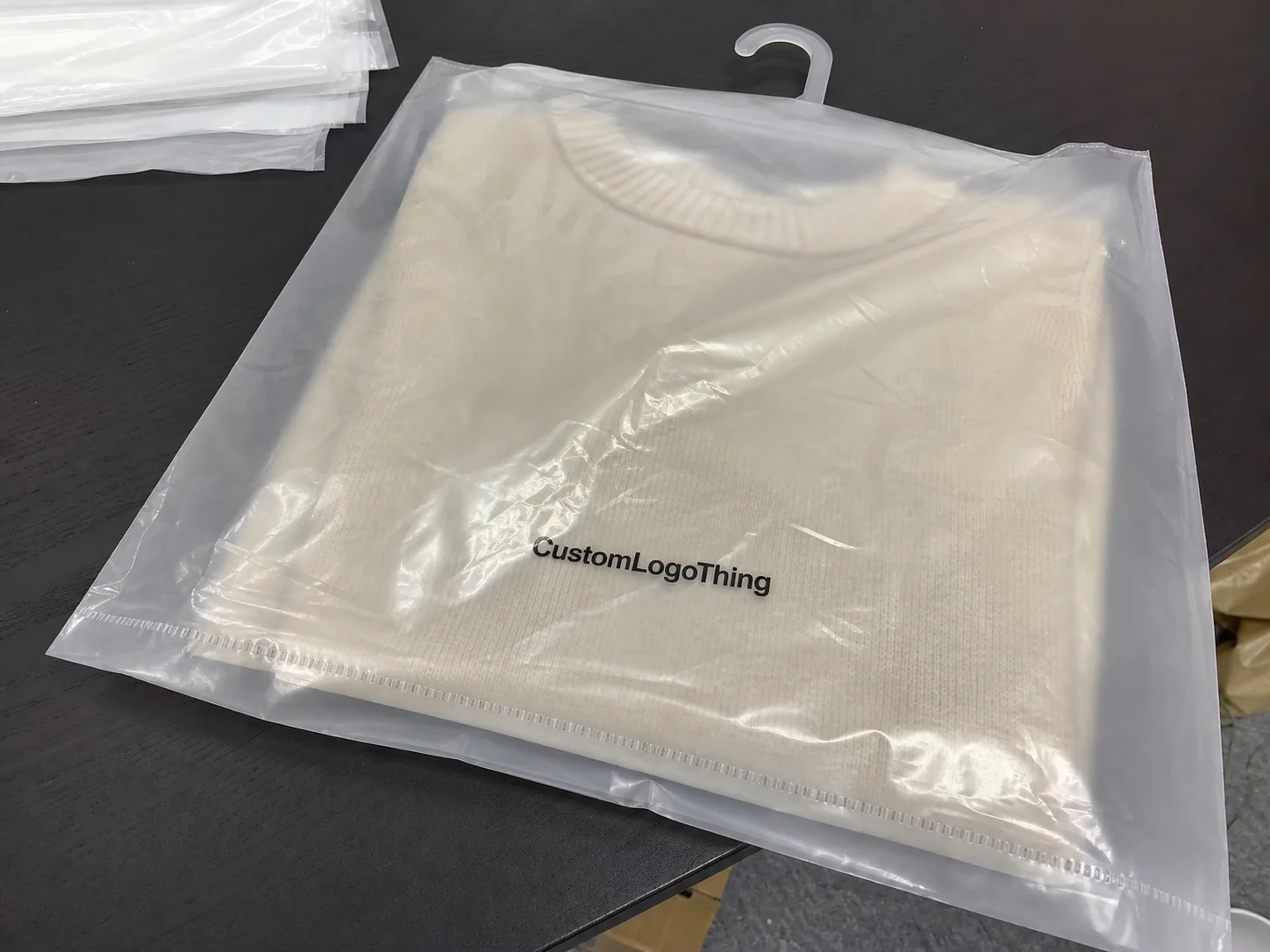
Clear mailers are not for every brand, but they work well for sample kits, transparent merchandising, and internal identification where the SKU label needs to be visible. The upside is visual simplicity; the downside is that fingerprints, dust, and scuffs show faster than they do on opaque film. In a cold warehouse, I have seen clear bags turn into a static magnet, which slows handling by a few seconds per unit. That sounds minor until a packing line is doing 400 orders an hour and everybody is suddenly annoyed by a bag that sticks to itself like it has a grudge. Still, when the design is tight, this format can be one of the cleanest-looking top recyclable poly mailers for shipping.
Verdict: best for brands that want visibility and a lighter visual footprint, but not the best for hiding wear.
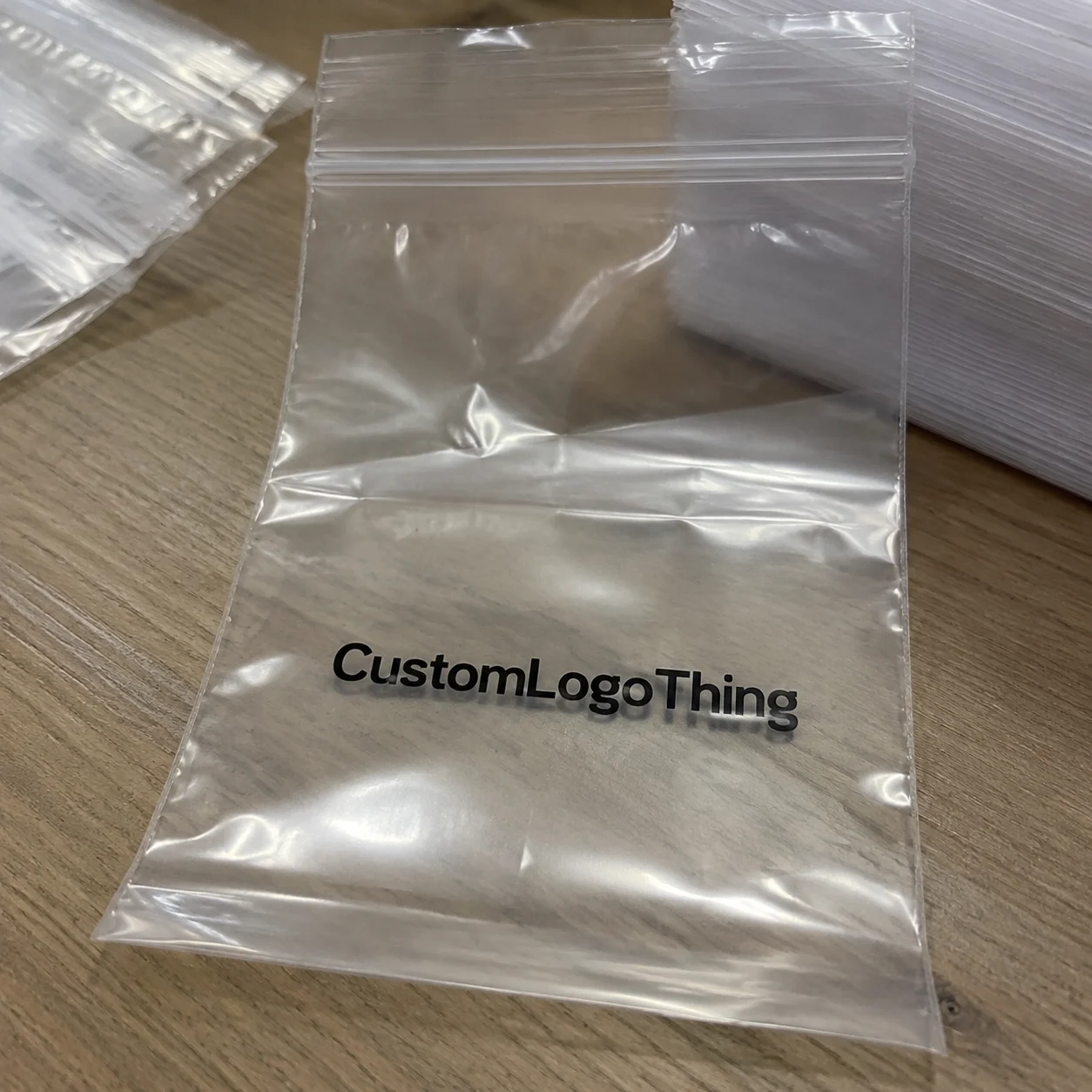
For brands that want custom printing on the film itself, I would compare the mailer route with Custom Poly Mailers before locking in a production run. Stock and custom are not just different because of artwork. They also differ in film gauge, seal width, print method, and how clearly the supplier can document the material pathway. That paperwork matters. I ask for it every time, and not because I enjoy paperwork. I ask because a vague spec sheet is how people end up with expensive confusion, especially when the bag is being converted in Dongguan and printed in Ningbo. If you are narrowing down the top recyclable poly mailers for shipping, this is the point where the details stop being theoretical.
“We thought the greener choice would be the thinnest bag,” a fulfillment director told me during a packaging review. “Then we paid for 3,200 reships after the first rough carrier loop.” That line is why I test bags with actual packed goods, not empty samples, and why I ask for a 36-inch drop test plus a 15-minute vibration run.
Price Comparison: What Top Recyclable Poly Mailers for Shipping Really Cost
Price is where the conversation about the top recyclable poly mailers for shipping gets real fast. A quote can look cheap until you factor in labor, waste, and damage. I have seen buyers chase a $0.02 savings and then lose $0.75 on a replacement order because the closure failed. That is a terrible trade. The right way to judge pricing is to compare unit cost at realistic quantities, then add the hidden costs that show up in order fulfillment, warehouse handling, and customer service. The top recyclable poly mailers for shipping should save money over the full ship-out, not just on the PO line.
| Quantity Tier | 2.5 Mil Recycled-Content | 3 Mil Recyclable Opaque | Heavy-Duty Recyclable | Custom Printed Premium |
|---|---|---|---|---|
| 1,000 units | $0.22-$0.31 | $0.27-$0.38 | $0.31-$0.43 | $0.24-$0.38 |
| 5,000 units | $0.15-$0.24 | $0.18-$0.27 | $0.21-$0.33 | $0.20-$0.31 |
| 10,000 units | $0.14-$0.22 | $0.16-$0.24 | $0.19-$0.29 | $0.18-$0.28 |
Those numbers are real enough for commercial buying. On a 5,000-unit order, I have seen a plain 3 mil mailer land at $0.19 per unit from a converter in Jiangsu, while a one-color printed version from Shenzhen came in at $0.24 per unit after plate charges were amortized. Customization shifts the math in a noticeable way. A simple one-color print can add $0.03 to $0.06 per unit, while full-coverage branding can push higher depending on ink coverage and setup. If a supplier claims a premium custom printed option for less than a plain stock bag, I would ask for the spec sheet twice and the sample once. And then maybe a third time if the answer still feels too cheerful. I have seen too many quotes for the top recyclable poly mailers for shipping that looked clever on paper and weak in real life.
The hidden costs matter more than the sticker price. A weak seal can add 20 to 40 seconds of inspection time per failed unit. A bag that is too small can force a repack, which means labor plus material plus carrier delay. A mailer that is oversized can inflate dimensional weight, and that expense shows up on your freight report three weeks later and quietly eats margin. This is why the top recyclable poly mailers for shipping are not always the cheapest mailers. They are the ones that keep the shipping line efficient and the customer service inbox boring.
For startups, I usually suggest a practical benchmark of $0.20 to $0.30 per unit at moderate volume, because that range often balances cost and performance without overbuying. For a growing ecommerce brand shipping 5,000 to 15,000 orders a month, I would aim lower only if the product is soft, light, and packed the same way every time. For high-volume shippers, the best value is often the bag that trims labor by even 5 seconds per order. That sounds tiny. It is not. Over 50,000 orders, 5 seconds becomes almost 70 hours of labor. I have watched teams lose more money to wasted motion than to the mailer itself. The best top recyclable poly mailers for shipping protect margin by making the line faster, not by being the cheapest line item.
If you are comparing pack-out systems, the right mailer can also reduce the need for a box. That is where packaging cost and dimensional weight intersect. Sometimes a tougher poly mailer beats a carton from Custom Shipping Boxes by $0.40 to $1.10 per order, especially on light apparel and folded textiles. I would never force a mailer onto a fragile product, but I also would not pay for a box where a well-built recyclable film bag would do the job just fine, especially if your cartons are coming from a plant in Foshan or Suzhou. For the right SKU, the top recyclable poly mailers for shipping are the cheaper route because they remove waste before it starts.
Process and Timeline: From Order to Shipping With Recyclable Poly Mailers
The buying process for the top recyclable poly mailers for shipping should be predictable. If it is not, that is already a warning sign. I like to break it into six steps: sample request, size selection, artwork proofing, production, delivery, and warehouse rollout. The fastest projects are the ones where the dimensions are confirmed early, the logo file is clean, and the recycling claim is approved before the first proof gets signed. A surprising number of delays come from a 1-inch sizing mistake, not from manufacturing itself. That tiny mistake then gets passed around like a bad joke nobody asked for. If you are serious about the top recyclable poly mailers for shipping, you start with sizing and end with a clean launch.
Typical lead times look like this: stock mailers can ship in 3 to 7 business days, while custom printed recyclable mailers usually take 12 to 15 business days from proof approval, sometimes 18 business days if the film is a special 30% PCR blend or the print is coming out of Ningbo with multiple spot colors. Ocean freight adds another 20 to 35 days if the product is imported. Domestic replenishment is faster, but only if inventory is already in motion. I have seen peak-season orders stall because a buyer waited until the last carton was open before reordering. That is a bad habit with shipping materials. It always feels fine right up until it is not fine anymore.
My warehouse anecdote here is simple. During a launch for a DTC basics brand in Austin, we spent 45 minutes training the packing team on one new peel strip because the release liner had a slightly different pull force. That small change improved speed by 8 percent after the first day, but only because we tested it with 200 actual units and a scale set to 0.1-ounce increments. Training matters. Sampling matters too. If your team handles order fulfillment at scale, plan at least 2 sample rounds and 1 controlled test shipment before moving the entire operation to the new mailer. The best top recyclable poly mailers for shipping are the ones your team can adopt without a meltdown.
To avoid delays, confirm these details before you place the final order:
- Exact finished size: width, length, and any gusset, measured in inches or millimeters.
- Seal style: peel-and-seal, permanent adhesive, or dual-strip return closure.
- Film thickness: 2.5 mil, 3 mil, 3.5 mil, or your own approved spec.
- Print method: low-ink, full print, matte, or clear window area.
- Recycling claim: single-material film, store drop-off guidance, and any restrictions in writing.
I also suggest asking for a carrier-style test that mimics real transit packaging, not a hand squeeze in a conference room. ISTA has useful guidance on package testing, and the standards matter because they force the mailer to survive vibration, drop, and compression rather than a friendly showroom demo. The ISTA testing standards are a strong reference point if you want to compare your pack-out against a formal test path. I know it sounds a little formal, but so does filing claims after a preventable failure. The top recyclable poly mailers for shipping earn their place in production only after they pass those boring, necessary tests.
How to Choose the Right Recyclable Poly Mailers for Shipping
The right choice depends on four variables: product weight, shipping distance, product fragility, and brand presentation. That sounds simple. The decision gets messy fast. A 9-ounce T-shirt can move in a 2.5 mil mailer all day long, while a bundled set of hoodies, jewelry boxes, and a metal hangtag can punish the same bag. I always start with actual product samples. Empty bags lie. Loaded bags tell the truth. That is one of those basic lessons people keep paying to learn. The top recyclable poly mailers for shipping do their job only when the product matches the structure.
One of the biggest mistakes I see is confusing recycled-content with recyclable. Those are not the same promise. A recycled-content mailer tells you something about what went into the bag. A recyclable mailer tells you something about the material stream it can enter after use. Both claims can be useful. Both can be overstated. Ask for the resin breakdown, the percentage of post-consumer content if it exists, and a written explanation of the recycling pathway. That is the kind of due diligence that keeps the top recyclable poly mailers for shipping from becoming a greenwashing headache.
Sizing is another place where buyers lose money. A mailer that is 1 inch too small can stress the seam and create split corners. A mailer that is 3 inches too large can add material waste and make the package look sloppy. My rule is to allow just enough room for the product plus a flat insert or tissue sheet if the brand uses one. For soft apparel, a snug fit is good. For hard-edged goods, a little more space protects the film from puncture. That is one reason the best choices are rarely the smallest ones. Small is not always efficient. Sometimes it is just cramped.
Closure type matters more than most buyers expect. A strong peel-and-seal strip can save labor, but only if the liner removes cleanly and the adhesive holds under pressure. Some mailers offer a dual-strip return closure, which is helpful for ecommerce returns and reduces the need to stock a second bag. That can be worth the extra pennies. I also pay attention to opacity. Clear bags work when the contents need to be seen, while opaque or printed bags are better for brand presentation and privacy. Nobody wants a very expensive-looking bag that announces its contents to every person in the sorting line.
Before you buy, run this short checklist:
- Test the bag with a loaded sample, not an empty one.
- Confirm the recycling route in the buyer’s local market.
- Compare cost per ship, not just cost per thousand.
- Check whether the print, adhesive, and film are all documented.
- Measure the effect on dimensional weight, especially for air shipments.
If your business ships in mixed formats, you may want to compare the mailer plan against a broader packaging mix that includes boxes, inserts, and protective wrap. That is where package protection and branding meet cost control. I have walked enough factory floors in Dongguan and Suzhou to know that the best answer is rarely a single material for every SKU. The best answer is the right shipping materials for each lane, each product, and each customer promise. That sounds tidy. Reality is usually messier, which is why the tests matter. It is also why the top recyclable poly mailers for shipping should be chosen by route, not by guesswork.
Which Top Recyclable Poly Mailers for Shipping Work Best for Ecommerce?
For most ecommerce brands, the top recyclable poly mailers for shipping are the ones that fit soft goods, load fast, and keep the pack line moving. Apparel, accessories, subscription boxes, and flat kits usually do best in 3 mil mono-PE or 2.5 mil recycled-content film. If the product is heavy, awkward, or sharp, I move up to a heavier gauge and test again. That sounds boring. Boring is good when your carrier is handling the bag with a bad attitude.
My default ecommerce stack is simple: use a 3 mil opaque mailer for the main catalog, a 2.5 mil recycled-content bag for the price-sensitive SKUs, and a heavier recyclable mailer for returns or dense bundles. If branding matters, go custom printed, but keep the ink coverage disciplined so the recycling story stays clean. That is the sweet spot for the top recyclable poly mailers for shipping in a real store operation, not a mockup.
If you only remember one thing, remember this: the best ecommerce mailer is the one your team can seal quickly, your customer can recycle through the right local path, and your freight bill does not hate you for choosing it. That is the whole job.
Our Recommendation for Top Recyclable Poly Mailers for Shipping
If I had to recommend one option as the overall winner among the top recyclable poly mailers for shipping, I would choose the 3 mil recyclable opaque mailer. It balances recyclability, durability, and day-to-day usability better than the lighter options. It does not feel flimsy. It does not crush easily. It loads quickly enough for a busy pack line, and it gives you enough film strength to handle carrier abuse without moving to a box. For most apparel and accessory brands, that is the sweet spot. It is also the option I reach for first when a client wants fewer surprises.
For budget buyers, the 2.5 mil recycled-content mailer is the sensible place to start if your products are soft, light, and low-risk. For premium branding, I would choose the custom-printed recyclable mailer, but only if the artwork stays disciplined and the supplier can document the material structure in plain language. For high-volume fulfillment, the heavy-duty recyclable mailer is the safer choice when return rates, mixed orders, or rough handling are part of the reality. That is not flashy advice. It is the sort of advice that keeps ops teams from sending me frustrated emails at 8 p.m. The top recyclable poly mailers for shipping are never the prettiest choice on a spreadsheet. They are the least annoying choice in real operations.
A buyer in a regional warehouse in Atlanta once told me, “We do not need the prettiest bag. We need the one that does not force a second touch.” That still holds up because every extra touch costs time, and every extra minute affects shipping accuracy on a 6,000-order week.
If you are not sure which direction to take, run a simple test plan: order 3 samples, ship 50 to 100 real orders, inspect the returns, and compare breakage rates against your current pack. That is enough to show whether a bag is too thin, too glossy, too hard to seal, or too expensive for the value it creates. I would also ask your supplier to quote the same structure in different quantities so you can see where the pricing curve actually bends. That is how you find the real winner, not just the cheapest line item. Cheaper and better rarely show up at the same time without a little discipline.
For brands building a larger packaging system, the smartest next move is to line up the mailer with inserts, labels, and secondary packaging in the same conversation. The right bag should fit your brand voice and your operations team. If you need a broader packaging starting point, Custom Packaging Products can help you compare formats without treating every shipment like a one-size-fits-all decision. That is where the top recyclable poly mailers for shipping become more than a product category; they become a practical way to cut waste, protect goods, and keep ecommerce shipping efficient.
My final view is blunt: choose the bag that survives the trip, keeps labor steady, and supports a recycling path you can explain without hedging. If you do that, the top recyclable poly mailers for shipping will do their job quietly, which is exactly what good packaging should do. Quiet packaging is underrated. No one celebrates it. They just notice when it fails.
Frequently Asked Questions
Are top recyclable poly mailers for shipping actually curbside recyclable?
Usually no. Most of the top recyclable poly mailers for shipping need store drop-off film recycling rather than curbside collection. Curbside programs often reject flexible film because it tangles in sorting equipment. Always check the exact material mix, the 2.5 mil to 3.5 mil gauge, and your local program rules before you promise recyclability to customers in Ohio, Texas, or California. If you want the honest answer, the recycling path matters more than the marketing line.
What thickness is best for recyclable poly mailers for shipping?
A practical range for many ecommerce shipments is about 2.5 to 3 mil. That range works well for lightweight apparel and accessories. If your products have hard edges, sharp corners, or heavier weight, go thicker and test with real loaded samples before buying in bulk. Thin is not automatically smart. Sometimes it is just thin. The top recyclable poly mailers for shipping usually win by matching thickness to the product, not by chasing the lowest number.
How do I know if a recyclable poly mailer is strong enough for shipping?
Look for seal strength, puncture resistance, and side-seam integrity. Then test the bag with your actual product, not an empty sample. A loaded bag behaves differently, especially when the contents shift during transit across a 600-mile carrier loop. I also like to inspect whether the closure still holds after compression and a 36-inch drop test. If the bag survives that, I start trusting it. If it does not, it gets one more chance and then it is out. That is the same filter I use for the top recyclable poly mailers for shipping.
Do recyclable poly mailers cost more than standard mailers?
Often yes, but not always by much. At higher quantities, the gap can narrow to a few cents per unit, especially if the material is widely available and converted in places like Jiangsu or Guangdong. The more meaningful comparison is total cost per shipment, including damage, labor, and replacement orders. The cheapest mailer can become the most expensive if it fails twice a month. I have seen that movie. It is not a good one. The top recyclable poly mailers for shipping are usually the better value because they reduce hidden costs.
Can I use custom printing on recyclable poly mailers for shipping?
Yes, and many brands do. The key is to confirm that the inks, coatings, and print coverage do not interfere with the recycling stream. Keep the design simple if end-of-life recyclability matters most, and ask for written material specifications before the first production run. A basic one-color print on a 3 mil mono-PE bag is usually easier to document than a full-bleed design, and that extra step saves a lot of guesswork later. Custom art can work well, but the top recyclable poly mailers for shipping still need to behave like recyclable film first and brand asset second.