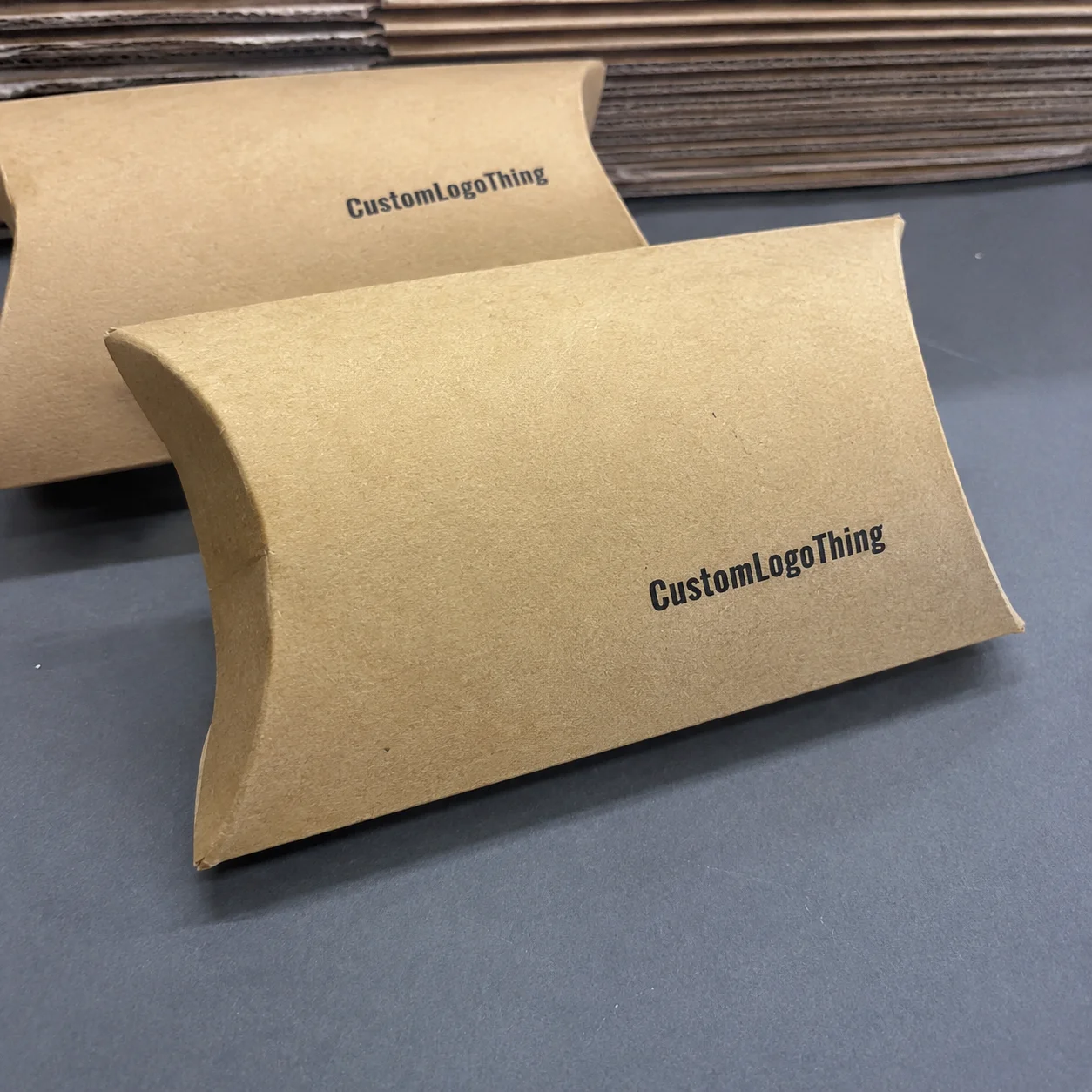
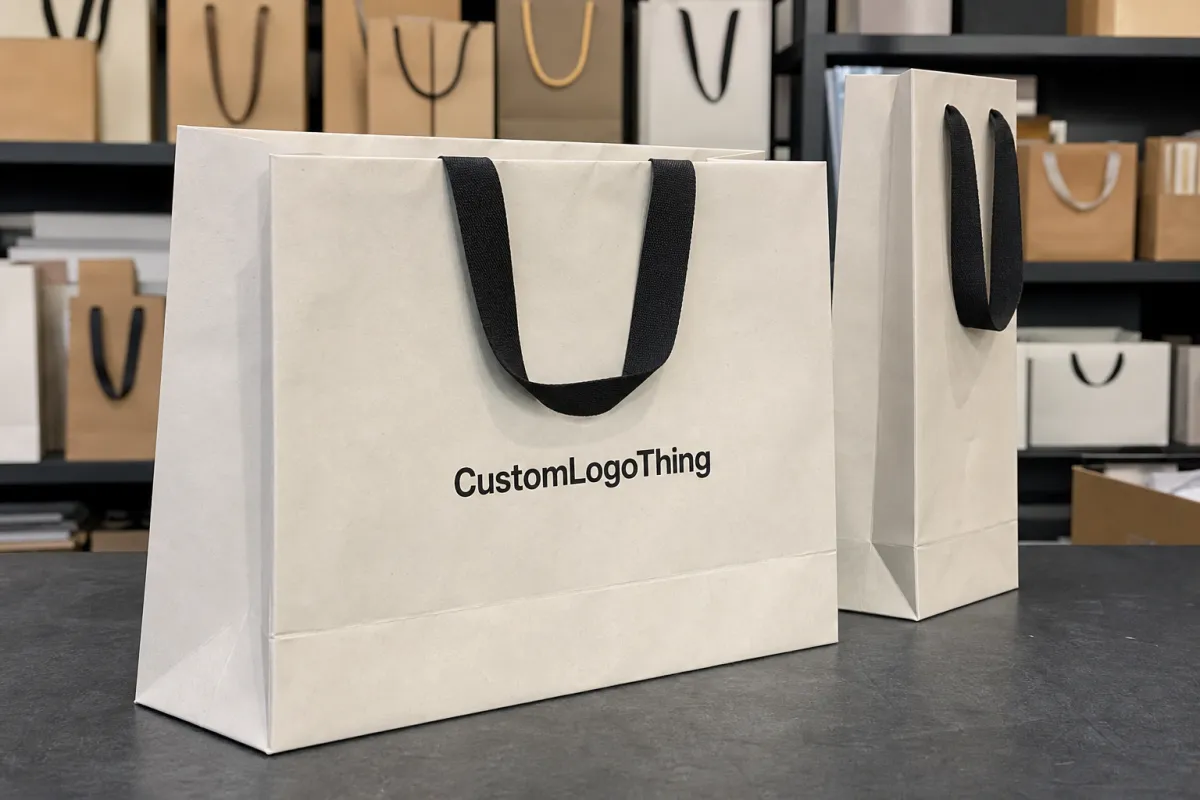
Buyer Fit Snapshot
| Best fit | unboxing experience wholesale for packaging buyers comparing material specs, print proof, MOQ, unit cost, freight, and repeat-order risk where brand print, material, artwork control, and repeat-order consistency matter. |
|---|---|
| Quote inputs | Share finished size, material target, print colors, finish, packing count, annual reorder estimate, and delivery region. |
| Proofing check | Approve dieline scale, logo placement, barcode or warning zones, color tolerance, and any recyclable or compostable wording before bulk production. |
| Main risk | Vague material claims, crowded artwork, or missing packing details can create delays even when the unit price looks attractive. |
Fast answer: Unboxing Experience Wholesale: Pricing, Specs, and Process should be specified like a repeatable production item. The safest quote includes material, print method, finish, artwork proof, carton packing, and reorder notes in one written spec.
What to confirm before approving the packaging proof
Check the product dimensions against the actual filled item, not only the sales mockup. Ask for tolerance on folds, seals, hang holes, label areas, and retail display edges. If the package carries a logo, QR code, warning copy, or legal claim, reserve that space before decorative graphics fill the panel.
How to compare quotes without losing quality
Compare board or film grade, print process, finish, sampling route, tooling charges, carton quantity, and freight assumptions side by side. A lower quote is only useful if the supplier can repeat the same color, closure quality, and packing count on the next order.
I’ve watched brands spend $4 to acquire a $28 order, then lose the repeat sale with packaging that looked like it came from a warehouse clearance shelf in Atlanta. That’s not drama. That’s arithmetic. unboxing experience wholesale is how you stop bleeding margin after checkout and start treating packaging like a retention asset instead of a shipping expense. A box that costs an extra $0.18 per unit can outperform a cheaper one if it gets shared, saved, or gifted instead of tossed in thirty seconds.
I remember one founder telling me the box “didn’t really matter” because the product was the star. Fair enough, I said. Then we opened the first shipment and the insert was loose enough to rattle like a drawer full of silverware in a Chicago apartment kitchen. The product was fine. The presentation was not. When I walked a Shenzhen line that was running 18,000 mailers a day, the difference between plain brown and a properly printed setup showed up in ten seconds. Same product. Same shipping weight. Completely different customer perception. The branded version got photographed, shared, and kept. The plain version got tossed. That’s the whole story in one factory aisle. If you’re buying unboxing experience wholesale, you’re buying consistency, perceived value, and fewer complaints about “cheap-looking” presentation.
At Custom Logo Things, I’ve seen buyers obsess over ad CAC and ignore what happens after the parcel lands on the doorstep. That’s backward. A good unboxing experience supports brand identity, improves brand recognition, and helps the same SKU feel premium across launches, subscriptions, and influencer kits. Honestly, the trick is buying the right structure at the right volume. Not Every Brand Needs foil, embossing, and a magnetic closure. Some do. Most don’t. The useful part is separating signal from expensive decoration, especially when a 5,000-piece run in Dongguan or Shenzhen can change your unit economics by just a few cents.
Unboxing Experience Wholesale: Why Packaging Drives Repeat Sales
unboxing experience wholesale works because packaging is the first physical touchpoint after the checkout screen. That matters more than plenty of marketers admit. I’ve had clients tell me their product was “premium,” then send over packaging that screamed discount bin. One skincare brand came to me after a retailer in Los Angeles complained their mailers looked inconsistent across batches. We fixed it with a tighter print spec, a better board, and a cleaner insert system. Returns tied to “presentation issues” fell because the box finally matched the product price.
The business case is simple. Better packaging increases perceived value, raises the odds of social sharing, and reduces the number of customer service tickets that start with, “The product is nice, but the box looked cheap.” I’ve seen that exact complaint in email threads, usually after someone tries to save $0.12 per unit and ends up paying for lost repeat orders. On a 10,000-unit order, that tiny saving is just $1,200; one replacement shipment can erase it. That is why unboxing experience wholesale is not fluff. It is a margin decision.
Wholesale packaging also protects consistency across product lines. If you run 12 SKUs, you do not want 12 packaging personalities fighting each other. A smart unboxing experience wholesale system gives you a shared structure: the same print language, the same insert logic, the same outer size logic. That means your subscription box, launch kit, and VIP send-out all look like they came from the same brand family. That is real brand consistency, not a nice idea stuck in a mood board.
Here is a practical example. During a supplier negotiation for a small apparel brand, we compared plain mailers versus printed rigid mailers. The rigid option added roughly $0.38 per unit at their 5,000-piece level, which made the founder nervous. The upgrade still changed the customer reaction enough that they stopped using tissue paper as a cheap apology for the box. We kept the spend under control by printing one inside panel and using a standard insert size. Same budget discipline. Better presentation. That is how unboxing experience wholesale should work.
Packaging influences review quality too. People are more forgiving when the product arrives in a thoughtful box with clean fit and finish. They are less forgiving when items rattle around in a thin mailer. I’ve seen 1-star reviews mention packaging more than product performance. That is not a design issue. That is a profit issue. If you want the unboxing experience wholesale route to pay off, the box has to support the product, not just survive the shipper. A glossy mailer with a 350gsm C1S artboard insert can change that first impression faster than another ad campaign can.
“The product didn’t change. The customer reaction did. We switched to a printed mailer and stopped hearing that the order felt cheap.” — client feedback from a beauty brand order review
For standards-minded buyers, I also like to check packaging against transit expectations, not just aesthetics. If your box cannot handle rough handling, pretty print does not matter. For shipping and distribution planning, organizations like the ISTA and PMMI have useful references for pack testing and material considerations. That is the boring part. The expensive part is skipping it, especially if your cartons are moving through a fulfillment center in Ontario, California or Newark, New Jersey before they ever see a customer doorstep.
Product Options for Unboxing Experience Wholesale
There are several ways to build an unboxing experience wholesale program, and the right mix depends on the product, shipping method, and target margin. I’ve spent enough time on factory floors in Shenzhen and Dongguan to know the biggest mistake: buying every possible packaging item because it sounds premium. That is how brands end up with lovely packaging and ugly profit margins.
The core options are straightforward and, more importantly, predictable in cost and lead time:
- Mailer boxes for eCommerce, subscription products, and lightweight kits
- Rigid boxes for premium gifts, electronics accessories, and high-ticket presentation sets
- Folding cartons for cosmetics, supplements, candles, and smaller retail-ready units
- Tissue paper for branded interior presentation and product wrapping
- Stickers for seals, closure points, and low-cost brand touchpoints
- Inserts for product protection and layout control
- Thank-you cards for cross-sell, QR code placement, or loyalty messaging
- Custom tape for outer carton branding and warehouse efficiency
For apparel brands, I usually recommend printed mailers or folding cartons if the item is folded and bagged. For beauty brands, folding cartons with a clean coating and maybe spot UV on the logo can look expensive without being ridiculous. Supplements usually need information density, so the packaging has to make room for compliance copy. Premium gifts benefit from rigid boxes, but only if the perceived value justifies the extra freight and storage. That is the part people skip. A rigid box is nice. A rigid box that sits in a warehouse in Dallas for eight months is just expensive cardboard.
unboxing experience wholesale gets more interesting when you combine components. A mailer box plus tissue plus a branded insert can create a strong presentation without forcing you into a luxury box structure. For one beauty launch, we used a standard E-flute mailer, one sticker seal, and a 4-color thank-you card. The box cost stayed sensible, but the presentation looked more premium than a plain brown shipper by a mile. That is the kind of setup I like. Controlled. Repeatable. Not trying too hard.
Customization options matter too. Full-color printing gives you the biggest visual jump. Matte lamination feels modern and hides fingerprints better than gloss in many cases. Gloss lamination pops under retail lighting in places like Miami or Las Vegas. Foil stamping works best when you use it sparingly. Embossing adds texture, but do not emboss every surface just because the sales rep said it looks “luxury.” Spot UV can make logos stand out, though it is more effective on darker backgrounds. If you want inserts, plan the structure first. Inserts that are cut too tight cause packing delays. Inserts that are too loose let the product move. Both are annoying.
One thing I tell clients during unboxing experience wholesale planning: choose components that can scale across several SKUs. A good dieline can support a launch kit, a subscription shipment, and a PR send-out with only insert changes. That saves money and protects brand consistency. If the packaging system is designed well, you do not need a new box every time marketing gets excited.
I also care about fulfillment speed. Fancy packaging that slows down pick-and-pack costs money twice. Warehouse teams hate awkward closures, unclear insert layouts, and tiny sleeves that take forever to assemble. A smart unboxing experience wholesale package feels elevated but still allows a worker in a facility outside Ho Chi Minh City or in southern California to close, pack, and seal units without swearing at the line. That is a real design requirement, not a convenience.
| Packaging Format | Best For | Typical Cost Level | Fulfillment Speed |
|---|---|---|---|
| Mailer Box | eCommerce, subscription, PR kits | Low to medium | Fast |
| Rigid Box | Gifts, luxury sets, premium launches | Medium to high | Slower |
| Folding Carton | Beauty, supplements, candles | Low to medium | Fast |
| Mailer + Insert Kit | Multi-item sets, influencer boxes | Medium | Medium |
If you want to align with eco goals, check material choices and recycled content claims carefully. The FSC is a useful reference when you need verified forest-based material sourcing. Do not print “eco” on the box because it sounds nice. Buyers notice when the claim is vague, especially when the carton says recycled but the inner tray comes from virgin board.
Unboxing Experience Wholesale Specifications That Matter
The word “custom” gets thrown around too easily. In unboxing experience wholesale, custom means the spec sheet actually fits your product and your fulfillment process. I’ve seen brands approve a dieline from a general online template, then discover the insert leaves a 3 mm gap on one side and the bottle leans like it is tired. That is what happens when no one checks dimensions properly.
Start with the material. E-flute works well for mailers and lightweight protection. B-flute is thicker and better when you want a sturdier feel. Rigid board is used for premium packaging and gives a heavier hand-feel. SBS paperboard is common for folding cartons with crisp print quality. Corrugated kraft gives a natural look and holds up well in transit. Coated paper stock gives better color consistency and sharper branding on sleeves and wraps. A carton made with 350gsm C1S artboard and a matte aqueous coating, for example, can be a strong fit for cosmetics shipped from Guangzhou to Los Angeles. The right material depends on the product weight, ship method, and the visual story you want.
Print specs are where buyers get burned. For unboxing experience wholesale, you need to ask about CMYK versus PMS, bleed, safe areas, inside and outside printing, and finish compatibility. If your brand color is critical, PMS matching is usually safer than hoping CMYK lands in the right shade. I’ve had one client insist their lavender should look “soft but not gray.” That sentence cost three rounds of proofs. Give your factory a proper color reference, not a mood statement, and send it as a Pantone target plus a physical sample in the first round.
Measurements matter more than most people think. You need the product dimensions, the insert tolerance, the outer carton fit, and the weight limits. If your product weighs 1.2 kg and the board spec is too light, the packaging may crush in transit. If the fit is too snug, packing speed drops and corners scuff. Small mistakes get expensive at volume. That is why unboxing experience wholesale should start with actual product samples on the table, not guesswork in a spreadsheet. A 2 mm mistake on the insert can snowball across a 20,000-unit run.
Structural details also change the feel. Magnetic closures create a premium opening moment. Tuck ends are cost-effective and reliable for retail cartons. Roll-end front tucks are common for mailers and give clean assembly. Sleeves are useful when you want strong visual branding over a standard base box. Custom inserts can be paperboard, molded pulp, EVA foam, or corrugated depending on the product’s fragility and your sustainability targets. None of those choices are universal winners. They depend on the product and the budget.
For file preparation, send a vector logo, print-ready artwork, brand color references, and the correct dieline template. If your designer sends a JPEG and calls it “good enough,” that is not a production file. That is a delay waiting to happen. In our factory checks, I always want to confirm final artwork versions, board thickness, cut line accuracy, and whether the coating choice affects barcode readability. If you are selling through retail in Toronto or Manchester, compliance and scanability matter just as much as aesthetics.
Quality control is where good unboxing experience wholesale vendors separate themselves from the people just reselling boxes off a generic catalog. I’ve stood on lines where workers checked print registration against a master sheet every 50 units, then pulled samples for ink rub, edge crush, and closure fit. That is basic discipline. Ask your supplier what they check before shipment. If the answer is vague, you should be cautious.
Below are a few QC checkpoints I like to ask for:
- Print registration within agreed tolerance
- Color match against approved reference
- Die-cut accuracy and clean fold lines
- Glue strength on assembled structures
- Insert fit using actual product samples
- Outer carton compression and handling review
None of this is glamorous. All of it protects your order. A strong unboxing experience wholesale program does not rely on luck. It relies on specs that are clear enough for the factory to build correctly the first time, whether the run is 2,500 units or 25,000 units.
Unboxing Experience Wholesale Pricing and MOQ
Pricing for unboxing experience wholesale is not random, even if some quotes look that way. It usually depends on five things: size, material, print coverage, finishing, and quantity. Bigger boxes use more board. Better materials cost more. More ink coverage raises cost. Foil, embossing, and specialty coatings add setup and processing. Higher volume lowers unit cost because the fixed setup gets spread out. That is the basic structure, whether you are sourcing from Shenzhen, Ho Chi Minh City, or a regional converter in Ohio.
Here is the part people get wrong: the cheapest unit price is not always the cheapest landed cost. A plain mailer with low unit cost can still become expensive if freight is high, samples are slow, or the packaging fails in the fulfillment center. I’ve seen buyers save $0.09 per unit and then spend more on replacement shipments after damage complaints. On 20,000 units, that “saving” is only $1,800; one damage wave can eat that fast. That is not a win. That is a spreadsheet illusion.
For rough planning, here is how pricing usually behaves in unboxing experience wholesale orders:
| Packaging Type | Typical Pricing Driver | MOQ Trend | Notes |
|---|---|---|---|
| Printed Mailer Box | Board thickness, print coverage | Lower | Good for scalable DTC orders |
| Rigid Box | Board wrap, assembly labor, finishes | Higher | Premium feel, more freight impact |
| Folding Carton | Artwork, coating, die-cut complexity | Moderate | Strong for retail shelves and eCommerce |
| Stickers and Tape | Print count, shape, adhesive type | Lower | Easy add-on for brand consistency |
A plain branded mailer can be very cost-efficient. A rigid box with foil and custom inserts can cost several times more. I am not going to pretend otherwise. If you want the premium presentation, you pay for the premium presentation. That does not mean you should overbuild. One client wanted a magnetic rigid box for a low-margin accessory item that sold for under $35 retail. We pushed back. They ended up with a printed mailer, one insert, and a foil logo sticker. Better economics. Same polish.
MOQs vary by supplier and structure. Simple stickers and mailers often have lower minimums. Rigid boxes usually require more volume because the labor and setup are higher. Custom inserts, especially molded or foam-based ones, can push minimums up quickly. That is why I always ask buyers to think in terms of product family, not one-off packaging experiments. If the same base structure can serve three SKUs, your MOQ pain gets spread out in a smarter way.
During one negotiation with a carton supplier in Ningbo, I asked for tiered pricing at 3,000, 5,000, and 10,000 units. The first quote was fine on paper but ugly on freight because they wanted everything shipped at once. We got them to split shipments and combine two SKU runs on the same board spec. That reduced landed cost by about 11%. Nothing magical. Just better ordering discipline. That is the kind of move that matters in unboxing experience wholesale.
Watch for hidden costs too. Setup fees, plate fees, tooling for inserts, sample charges, and freight can all show up if you do not ask upfront. Some buyers get annoyed when a quote changes after artwork is approved. Usually, the supplier did not “change” the quote. The buyer changed the spec. Ask for a full cost breakdown before you approve anything. If the vendor cannot explain where each dollar goes, keep looking. A quote that ignores palletization in Savannah or Chicago is not a quote you can trust for long.
I also advise buyers to compare the cost against turnover speed. A cheaper box is not better if your campaign needs two clean reorders per month and the factory cannot keep up. unboxing experience wholesale should support inventory flow. If you stock 20,000 boxes and only move 3,000 a quarter, you are sitting on cash. That is not strategic. That is a storage bill. A carton that turns every 45 days is healthier than one that sits for 240 days, even if the unit price is lower.
Unboxing Experience Wholesale Process and Timeline
The process for unboxing experience wholesale is straightforward if the buyer shows up prepared. If they do not, everything takes longer. My usual sequence is inquiry, quote, spec confirmation, dieline approval, sampling, revisions, production, QC, and shipment. That sounds simple because it is. The hard part is making sure each step is finished before the next one starts, especially when teams in New York, Hong Kong, and Shenzhen all want to review the same file.
For simple mailers and stickers, the timeline can be fairly tight once artwork is approved. For rigid boxes, specialty finishes, or multi-part kits, expect more time. I would rather give a realistic window than promise something I know the factory cannot hit. A basic printed mailer might move in 12-15 business days from proof approval. A rigid box with foil and inserts can take longer because assembly, lamination, and drying all add time. Shipping is a separate variable. Ocean freight and customs do not care about your launch date, and a shipment leaving Yantian Port will not arrive in Los Angeles just because your campaign calendar says Tuesday.
Here is where delays usually happen in unboxing experience wholesale orders:
- Artwork approval drags because too many people need to “review” the same logo.
- Dimensions are unclear, so the insert gets revised twice.
- The brand changes from matte to gloss after sampling.
- A last-minute color shift means the supplier has to re-match print files.
- The buyer waits too long to confirm shipping method.
Sampling deserves more discipline than it usually gets. A digital proof is not a physical sample. A physical mockup shows structure and fit. A pre-production sample is the closest thing to what you will actually ship. If you are serious about unboxing experience wholesale, you should inspect all three when the project is complex enough to justify it. I’ve seen founders approve a digital proof, skip the sample, and then act shocked when the closure magnet sat 5 mm off center. That is avoidable, and fixing it after mass production starts is much more expensive than paying for one extra mockup.
When I visited a corrugate plant outside Dongguan, the QC team pulled random boxes every hour and checked corner crush, glue seams, and print consistency. That kind of process matters more than fancy sales language. Ask who signs off on the final run. Ask whether they keep reference samples. Ask how they handle mismatch between approved and produced units. Good suppliers have clear answers. The others get vague fast.
Logistics should be planned before you announce a launch. I know that sounds obvious. Yet brands still do it backward. They sell the product, then start asking how long the boxes take. That is how you end up paying for air freight because someone made a marketing calendar without a packaging calendar. For unboxing experience wholesale, build backward from your launch date, not forward from the quote date. If you need boxes in the warehouse in Austin by June 1, the proof should not still be open on May 20.
If your brand uses international sourcing, confirm duties, packaging dimensions, pallet counts, and carton quantity per master case. Those numbers affect freight more than people expect. A box that nests efficiently saves money. A box that ships badly burns money. The factory can help, but only if you ask for those numbers early.
One more practical detail: keep your revision count low. Every change after sampling costs time. If you know your logo, finishes, and insert layout, lock them in before production. That is the clean way to manage unboxing experience wholesale without turning a six-week job into a ten-week mess.
Why Choose Us for Unboxing Experience Wholesale
Custom Logo Things is not a random packaging reseller with a stock photo and a hope. I’ve spent 12 years in custom printing, and I care about the boring details because the boring details save money. When I say unboxing experience wholesale, I mean a process where your packaging actually fits the product, the print spec, the budget, and the timeline. Not just one of those things. If the job calls for a 350gsm C1S artboard folding carton with spot UV and a 1.5 mm tolerance, that is the kind of detail we discuss before ink hits paper.
I’ve worked directly with factories that cared about print tolerances down to fractions of a millimeter, and I’ve also dealt with suppliers who treated “close enough” like a plan. Guess which ones cost brands more in rework? The value of direct factory relationships is not romance. It is control. Better control over pricing, better control over specifications, and better control over quality checks before the goods leave the floor. A factory in Shenzhen can turn a proof in 2-3 business days; a converter in Vietnam may need a different window because of line scheduling and coating capacity.
We also understand that brand identity is not just the logo on the lid. It is the texture of the box, the way the insert holds the item, the color match on the inside flap, and the small moment when the customer decides whether your product feels premium or forgettable. That is why I push for packaging choices that support brand recognition without wasting budget on unnecessary complexity. A well-placed foil mark on a navy carton in Toronto can do more than a full flood print that looks loud but forgettable.
In a supplier negotiation I handled for a startup apparel label, the factory initially quoted a higher price for a printed mailer because they assumed the design would require a full-coverage ink process. We simplified the artwork, used one PMS color plus black, and saved about $0.21 per unit on a 5,000-piece run. The box still looked strong. That is the kind of practical win I like. unboxing experience wholesale should feel smart, not indulgent.
We also pay attention to the reality of fulfillment centers. A beautiful box that opens awkwardly or collapses during packing is not a good box. I’ve seen warehouse teams reject packaging because it slowed the line by 30 seconds per order. Multiply that by 10,000 units and the labor cost gets ugly fast. So yes, the packaging has to look good. It also has to behave, whether the orders are being packed in Pennsylvania, Illinois, or a third-party warehouse in Ontario, California.
Trust matters too. No mystery fees after the quote. No vague “maybe” answers on specs. No pretending a standard carton is “basically the same” as a rigid box. If you ask for a transparent quote, you should get a transparent quote. If you need a packaging set that serves multiple SKUs, we can build around that. If you want to compare a few structures, we can do that too through our Wholesale Programs.
Too many packaging sellers try to sound fancy because they do not have process discipline. I would rather give you a straight answer on board strength, MOQ, and lead time than sell you a fantasy. That is how we handle unboxing experience wholesale: clear specs, clear numbers, and no theatrical nonsense. If the lead time is 15-20 business days, we say that. If a sample adds another 4-6 days, we say that too.
Next Steps for Unboxing Experience Wholesale Orders
If you are ready to move forward with unboxing experience wholesale, prepare five things before you request a quote: product dimensions, target quantity, packaging style, budget range, and deadline. If you only send a logo and a sentence that says “make it premium,” the quote will be slower and less useful. The factory cannot guess what you have not defined, and neither can a buyer in Louisville or Melbourne who is trying to compare three options on a Monday morning.
I recommend ordering a sample kit first if you are choosing between two or three packaging directions. A $25 to $80 sample order can save you from a $5,000 mistake. That is not an exaggeration. It is the cheapest way to see how the structure feels, how the print lands, and how your product sits inside the package. Sample before scaling. Every time. A physical sample on a desk in Austin tells you more than a PDF ever will.
Here is the decision path I use with clients:
- Choose the packaging format based on product weight and brand position.
- Confirm dimensions and materials.
- Compare at least two quotes on the same spec.
- Review a sample or mockup.
- Approve production only after the landed cost works.
That last part matters. Always review landed cost, not just unit price. A box at $0.62/unit can beat a box at $0.54/unit if the freight is better, the MOQ is lower, and the assembly is faster. unboxing experience wholesale is a supply chain decision as much as a branding decision. If the boxes are running from Guangzhou to Long Beach by ocean, timing and carton density can matter more than an eight-cent difference on the quote.
If you are launching a new product line, I would also suggest keeping the system flexible. Use the same base box when possible. Swap inserts, sleeves, or printed cards instead of building a brand-new structure every time. That saves time and preserves visual branding across product families. I’ve seen brands spend too much on box variety and not enough on unit economics. Do not do that. It is avoidable, and it usually shows up later in dead inventory.
Final advice: gather your specs, request the quote, and make the packaging work for the product instead of forcing the product to adapt to bad packaging. That is how you build a stronger unboxing experience wholesale program, protect margin, and keep customers coming back instead of leaving one review and disappearing. A good setup should earn its keep on the shelf, in transit, and in the customer’s hands.
FAQ
What is the typical MOQ for unboxing experience wholesale packaging?
MOQ depends on the packaging type. Simple mailers and stickers usually have lower minimums than rigid boxes. Once you add custom finishes, inserts, or complex structures, the minimums go up. Standardizing sizes and keeping the print setup simple is the easiest way to reduce MOQ pressure in unboxing experience wholesale orders. A printed mailer can sometimes start around 500 to 1,000 units, while a rigid box may begin closer to 1,000 to 3,000 units depending on the factory.
How much does unboxing experience wholesale packaging cost per unit?
Unit cost depends on material, size, print coverage, finishing, and order volume. A basic branded mailer will usually cost much less than a rigid box with foil, embossing, and custom inserts. For example, a simple mailer might land around $0.35 to $0.65 per unit at 5,000 pieces, while a rigid presentation box can move into the $1.80 to $4.50 range depending on structure and finish. Always compare landed cost, including freight, setup, and samples, not just the quoted unit price. That is where real savings show up in unboxing experience wholesale.
How long does unboxing experience wholesale production usually take?
Lead time varies by product type and complexity. Simple packaging moves faster than rigid boxes or multi-step finishes. Delays usually come from artwork changes, missing specs, or last-minute material swaps. If you want the schedule to stay sane, lock the approval process early and keep revisions tight. A basic printed box can often ship in 12-15 business days from proof approval, while more complex structures may need 20-30 business days before freight.
What files do I need to order unboxing experience wholesale packaging?
Provide a vector logo, brand colors, print-ready artwork, and product dimensions. A dieline template is needed for custom boxes and inserts. Clear specs upfront reduce rework, sampling delays, and wasted setup fees. That is not a theory. That is how you avoid the expensive back-and-forth that slows unboxing experience wholesale production. If you have Pantone references, send them; if you have a sample carton, send that too.
Can unboxing experience wholesale packaging be customized for different product lines?
Yes. One packaging system can often be adapted for multiple SKUs if the structure is planned correctly. Brands commonly use the same base box with different inserts, sleeves, or printed components. That is a practical way to keep brand consistency while controlling cost across your unboxing experience wholesale program. A single dieline can support a launch kit in March and a holiday set in November if the insert and artwork are planned in advance.
If you want packaging that supports sales instead of just filling a shipping label, unboxing experience wholesale is the place to start. Get the spec right, watch the landed cost, and keep the design disciplined. That is how you make packaging pull its weight instead of acting like an expensive afterthought.