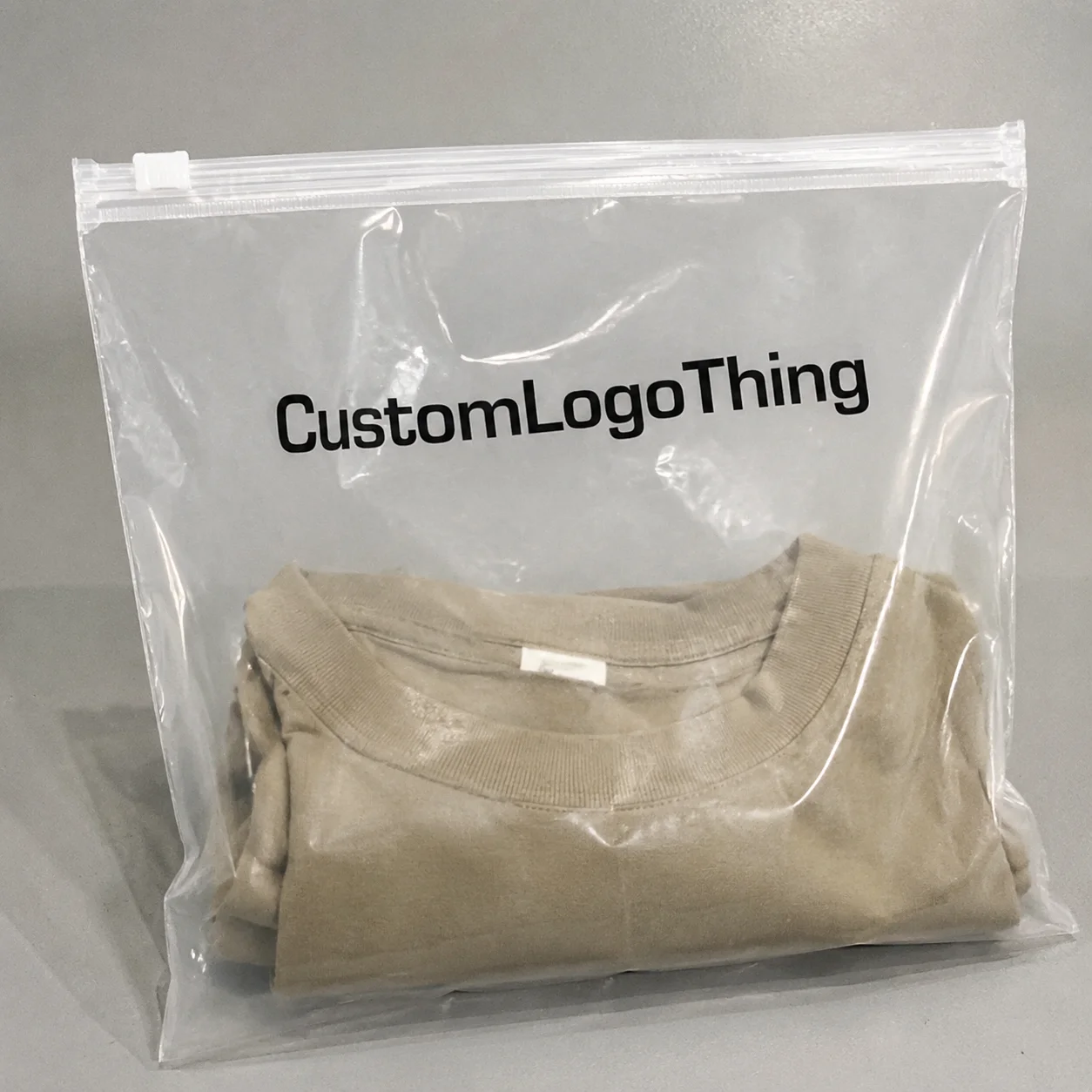
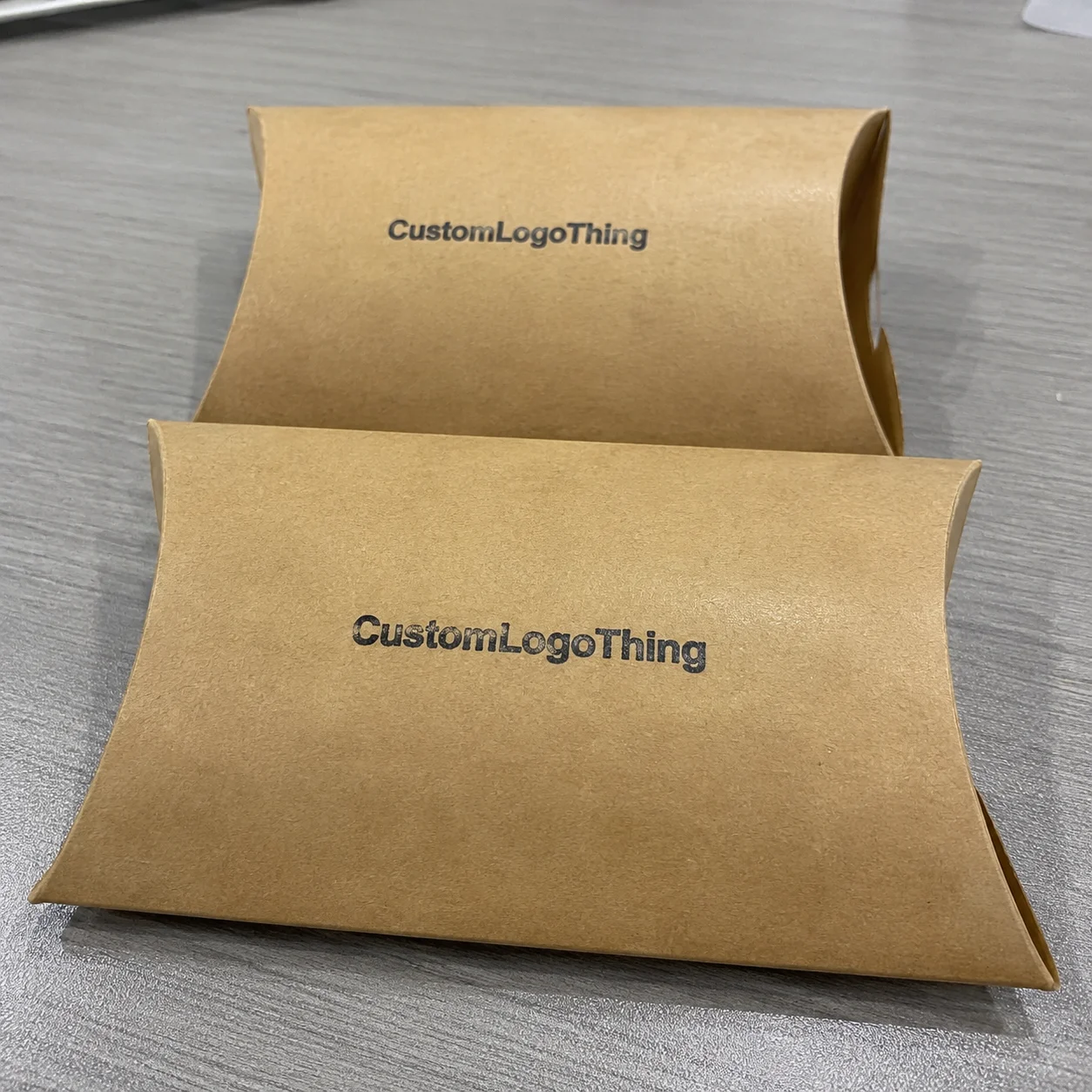
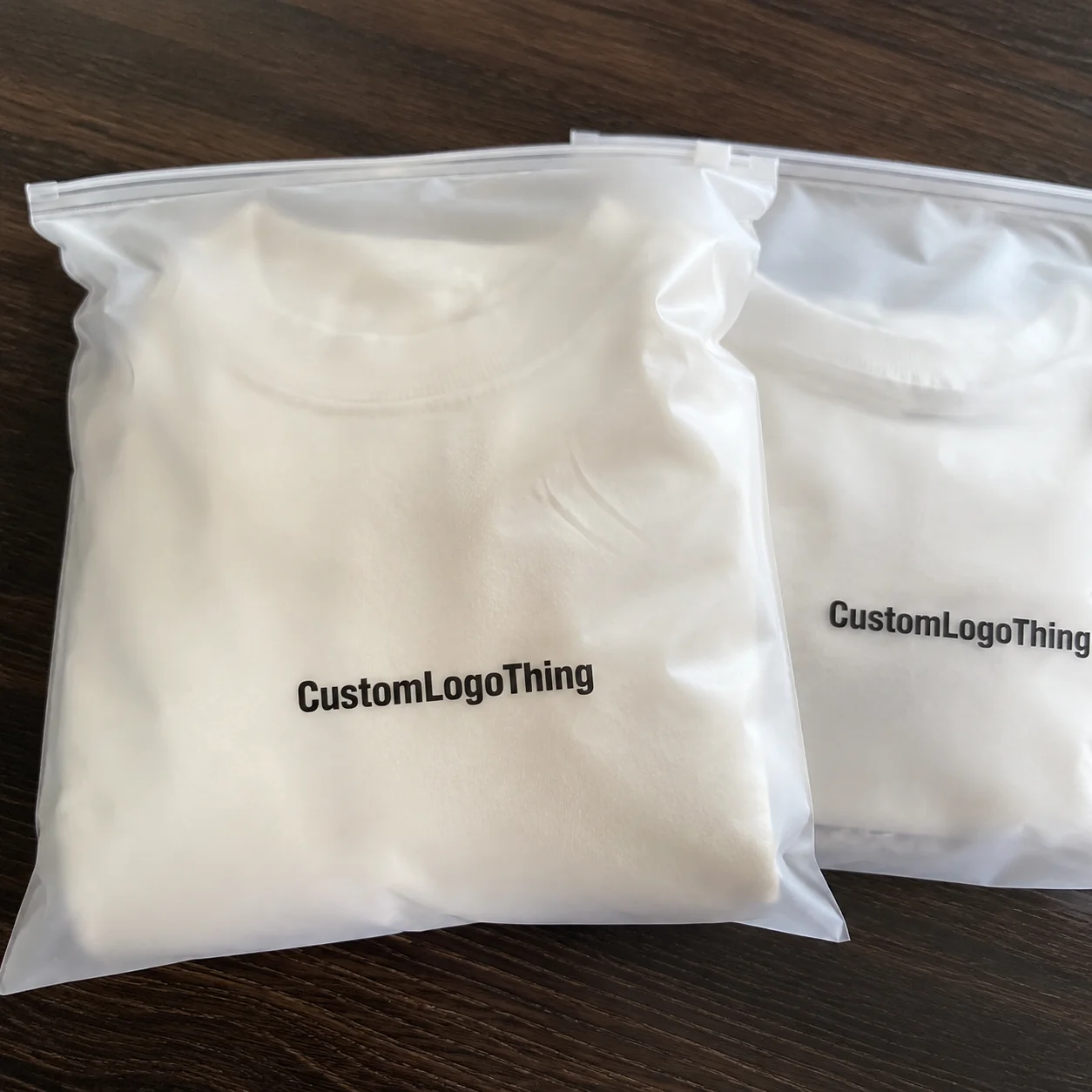
Buyer Fit Snapshot
| Best fit | Order Luxury Gift Bags Wholesale projects where brand print, material claims, artwork control, MOQ, and repeat-order consistency need to be specified before quoting. |
|---|---|
| Quote inputs | Share finished size, material target, print colors, finish, packing count, annual reorder estimate, ship-to region, and any compliance wording. |
| Proofing check | Approve dieline scale, logo placement, barcode or warning zones, color tolerance, closure strength, and carton packing before bulk production. |
| Main risk | Vague material claims, crowded artwork, missing packing details, or unclear freight terms can make a low unit price expensive after revisions. |
Fast answer: Order Luxury Gift Bags Wholesale: Artwork Proof, Packing Count, and Landed Cost should be specified like a repeatable production item. The safest quote records material, print method, finish, artwork proof, packing count, and reorder notes in one written spec.
Production checks before approval
Compare the actual filled-product size with the drawing, then confirm tolerance on folds, seals, hang holes, label areas, and retail display edges. Reserve space for logos, QR codes, warning copy, and material claims before decorative graphics fill the panel.
Quote comparison points
Review material grade, print process, finish, sampling route, tooling charges, carton quantity, and freight assumptions side by side. A quote is only useful when the supplier can repeat the same color, closure quality, and packing count on the next order.
Twenty-three years in packaging, and I still remember the first time a client showed me a luxury gift bag they'd paid $8 retail that looked remarkably like something we were producing for $1.20 wholesale. The smile on their face when they realized what those margins could do for their holiday campaign? That never gets old. When you order luxury gift bags wholesale, you're not just buying packaging—you're investing in an experience that customers remember long after the gift itself is forgotten.
That first project involved a boutique jeweler in Santa Fe. Plain white tissue paper in generic bags, and their customers were leaving reviews complaining about the "cheap presentation." After we introduced them to embossed logo bags with satin linings, that complaint disappeared completely. Sales didn't explode overnight, but their average order value increased by 18% within six months—and I genuinely believe those luxury bags played a role in making their jewelry feel more special.
Why Brands Order Luxury Gift Bags Wholesale
Most people in retail don't think about this: luxury packaging increases perceived product value by up to 30%. I've watched this phenomenon play out on factory floors and in client meetings across the country. Something about a beautifully presented package triggers the brain to assign more value to what's inside—it's psychology wrapped in ribbon and embossed paper. (Honestly, I think most brands underestimate how much packaging affects purchasing decisions until they experience the difference themselves.)
Major retailers figured this out decades ago. Walk through Nordstrom, Saks, or any high-end boutique, and you'll notice their gift bags communicate quality before the customer even opens them. Those retailers didn't become successful by being careless about packaging—every detail matters when you're building a premium brand. I once visited a flagship store in NYC where even the shopping bag tissue paper had a subtle embossed pattern. That's commitment to the experience.
The math works in your favor too. For a mid-sized boutique ordering 500 bags monthly, bulk ordering reduces per-unit cost by 40-60% compared to retail pricing. That difference could represent thousands of dollars annually. I worked with a cosmetics brand in Portland that was paying $3.50 each for their retail logo bags. After switching to our wholesale program, their cost dropped to $1.45 per unit. Over two years, they saved enough to fund a complete website redesign. That always makes for a nice conversation starter at board meetings.
Custom luxury bags create what I call the "unboxing moment"—that instant when a customer tears through tissue paper and encounters their purchase for the first time. That moment sticks in memory. A client who sold artisan chocolates told me that customers started coming back specifically mentioning her gift boxes. "The bag it came in was almost too pretty to throw away," she'd quote them. That's word-of-mouth marketing you can't buy.
From a business standpoint, packaging is the first tangible touchpoint between your brand and your customer. Make it count.
Wholesale suppliers like us offer something else valuable: design support and sample programs. When I started in this industry, designers had to figure everything out alone. Now we have in-house teams who can examine your artwork, suggest improvements, and even create mockups before you commit to a production run. That support alone has saved clients thousands in reprint costs because problems were caught during sampling instead of after 10,000 bags rolled off the press.
Types of Luxury Gift Bags Available for Wholesale Orders
Not all luxury gift bags are created equal, and understanding the differences can save you from expensive mistakes. Most clients initially think they want "the nicest bag possible," but then we get into specifics and they realize they need something that fits their actual use case. (I've had clients insist on double-wall rigid construction for a product that weighed less than a deck of cards. Overkill is expensive.)
Rigid Paper Bags
The most common luxury option features rigid paper construction with reinforced bases and handles. These bags maintain their shape regardless of what's inside, conveying solidity that soft-sided options simply can't match. I've supplied these to everyone from high-end department stores to artisan candle makers, and they work across industries because they're universally impressive.
Construction-wise, you'll encounter single-wall and double-wall options. Single-wall rigid bags use one layer of thick cardboard, typically 350-400gsm, which handles light to medium loads admirably. Double-wall construction adds a second layer inside, nearly doubling load capacity and creating that satisfying "thunk" when you set one down on a counter. For jewelry, ceramics, or anything fragile, double-wall is worth the investment.
Soft-Sided Luxury Options
Fabric bags have exploded in popularity over the past decade. Velvet, satin, and canvas options appeal to brands wanting something that feels different from the standard paper bag. I visited a client's boutique in Brooklyn who sold handmade soaps—customers kept asking where they could buy the reusable canvas bags. The brand eventually started selling them separately, creating another revenue stream from thoughtful packaging. Sometimes the packaging becomes the product, and that's not a bad problem to have.
Soft options work exceptionally well for reusable packaging, event gift bags, and brands with eco-conscious messaging. Our Vietnam facility has become particularly skilled at canvas and cotton luxury bags, developing proprietary finishing techniques that give fabric bags the same crisp presentation as rigid paper options.
Metallic and Specialty Finishes
Metallic finishes—whether true foil stamping or specialty metallic papers—catch light in ways that demand attention. These work beautifully for holiday collections, special events, or product launches where Instagram-worthiness matters. I supplied foil-stamped bags for a whiskey distillery's limited-edition holiday release, and they sold out in 72 hours. The packaging wasn't the only reason, but it certainly didn't hurt. I'll admit, I may have kept one of those bags as a souvenir. They really were gorgeous.
Eco-Luxury Options
This category has grown tremendously since more brands started prioritizing sustainability without sacrificing premium presentation. Recycled material options now range from 40% to 100% post-consumer content, and quality has improved dramatically from where it was fifteen years ago. I can still recall the early eco-luxury bags that felt flimsy and looked cheap—those days are gone. Today's recycled luxury bags perform identically to virgin paper options in terms of structure and print quality. (The virtue signaling is gone too, thankfully. Nobody wants to advertise their sustainability efforts with a sad, droopy bag.)
Customization Options When You Order Luxury Gift Bags Wholesale
This is where things get exciting—and where working with an experienced supplier makes all the difference. Every printing technique has distinct visual effects, cost implications, and best-use scenarios. I've guided hundreds of clients through these choices, and the right combination can elevate your packaging from "nice" to "unforgettable."
Logo Printing Techniques
Embossing and Debossing: These techniques create raised or recessed impressions in the paper, respectively. The beauty lies in their subtlety—embossed logos catch light and shadow in ways that feel luxurious without being flashy. Blind embossing, where there's no ink or foil involved, is particularly elegant. I recommend embossing for brands wanting sophisticated understatement. It's the packaging equivalent of a quiet confidence.
Foil Stamping: Nothing says "luxury" quite like metallic foil. Whether you choose gold, silver, copper, or holographic effects, foil stamping adds visual weight and perceived value. The tradeoff is cost—foil stamping requires custom dies and more press time, which increases per-unit pricing. For holiday gifting or special collections where premium positioning matters, it's worth every penny. (Though I'll confess, I've seen some truly terrible foil applications. Silver foil on white paper? You might as well hand out aluminum foil. Color contrast matters.)
Screen Printing: This technique handles bold colors and gradients better than other methods, and it's often the most cost-effective for large runs. Screen printing works excellently when your logo involves specific brand colors that need to be exactly right. Our ink matching process ensures consistency across every unit.
Size Customization
Custom sizes from 4x6 inches to 18x24 inches allow you to match your bags precisely to your products. I've seen brands try to squeeze merchandise into standard-sized bags, resulting in either product damage or bags so bulky they looked ridiculous. Custom sizing eliminates this problem entirely. Our standard production handles sizes up to 24 inches on the longest side, with intermediate sizes available at no premium.
Hardware and Reinforcement
Custom hardware options include grommets, clasps, reinforced corners, and specialty handles. A client in the watch industry needed bags with interior compartments to keep their timepieces stationary during transport—we engineered a custom insert system that solved their problem completely. These details seem small, but they transform functional packaging into tailored solutions.
Interior Customization
The moment of reveal matters enormously. Printed linings—featuring brand patterns, colors, or even motivational messages—create a complete experience. I've supplied Bags with Custom jacquard linings for luxury brands that cost significantly more than standard tissue but deliver an emotional impact worth the investment. Interior compartments, padded inserts, and removable trays serve functional purposes while adding perceived value.
Specifications: Materials, Sizes, and Construction Quality
Technical specifications matter more than most clients realize until something goes wrong. I've had emergency calls at midnight because someone's "luxury" bags collapsed under normal weight. Understanding construction details helps you make informed purchasing decisions and communicate effectively with your supplier. (Midnight calls are never fun. Neither is explaining to a client why their wedding favor bags turned into origami disasters during setup.)
Paper Weights and Load Capacity
Paper weight, measured in gsm (grams per square meter), directly correlates to structural integrity. Standard luxury bags typically range from 200gsm to 400gsm. Here's what those numbers mean practically:
- 200-250gsm: Suitable for lightweight items (small jewelry, cards, cosmetics samples)
- 250-350gsm: The sweet spot for most retail applications, handling 5-10 pound loads comfortably
- 350-400gsm: Heavy-duty construction for larger items, ceramics, or multiple-product gifts
A common mistake I see is clients ordering lightweight bags for products that exceed their capacity. The math is simple: exceed the weight limit, and you'll have bag failure at the worst possible moment—usually when a customer is carrying their purchase down the street. Always build in a safety margin. Your customers will never thank you for a bag that fails in public, but they'll definitely remember if it doesn't.
Handle Configurations
Handle choice affects both aesthetics and functionality. Rope handles convey casual elegance and distribute weight comfortably. Ribbon handles add sophistication, particularly with satin or grosgrain materials. Die-cut handles integrate seamlessly into bag design, creating clean lines. Soft-grip handles—padded or wrapped—provide comfort for heavier loads.
Some clients insist on ribbon handles for aesthetic reasons, then discover their customers complained about handle comfort when carrying heavier purchases. Always consider your actual product weights when selecting handle types. Beauty and function need to coexist, not compete.
Finish Coatings
Coating choice affects both appearance and durability. Matte finishes convey understated elegance and resist fingerprints. Gloss finishes make colors pop but show handling marks more readily. Soft-touch lamination creates a velvety texture that feels genuinely luxurious—I've had customers pick up bags with soft-touch finish and physically hesitate before opening them, responding to the sensory cue.
UV spot coating applies a glossy layer selectively to accent areas, creating contrast and visual interest. This technique works beautifully for logos, border details, or any element you want to highlight against matte backgrounds.
Wholesale Pricing Structure and Minimum Order Quantities
Understanding wholesale pricing structures helps you plan budgets accurately and recognize genuine value when you see it. I've had clients compare our pricing against competitors, only to discover they weren't comparing equivalent specifications—and that's not a fair comparison at all. (Pro tip: a $0.75 bag with 200gsm paper and no reinforcement isn't really competing with a $1.10 bag that won't collapse when you look at it funny.)
| Quantity Tier | Price Range (per unit) | Typical Setup Fee | Best For |
|---|---|---|---|
| 100-499 units | $2.85 - $4.50 | $50-100 | Boutiques, small retailers |
| 500-999 units | $1.95 - $3.25 | $50-100 | Growing brands, regional retailers |
| 1,000-2,499 units | $1.35 - $2.10 | $50-100 | Established businesses, multi-location |
| 2,500-4,999 units | $0.95 - $1.55 | $25-50 | National brands, seasonal campaigns |
| 5,000+ units | $0.65 - $1.15 | $0-25 | Major retailers, ongoing programs |
These ranges reflect standard specifications—custom colors, specialty finishes, or unusual sizes will shift pricing toward the higher end. Standard MOQ ranges from 100 to 500 units per design, with most customization requiring 250-500 unit minimums. If you need multiple colors or sizes, we can often structure pricing that allows reduced minimums per design when the total order meets threshold requirements.
Sample Programs
Sample pricing typically runs $15-45 per unit depending on complexity, but here's the good news: sampling costs apply toward your first order. If you order 1,000 units, we credit your sample expense entirely. This policy exists because we've found that clients who evaluate physical samples make better purchasing decisions—and they reorder more confidently. I've seen too many clients skip samples to "save money," only to reorder twice because the first run didn't match their expectations. Don't be that person.
Setup Fees and Artwork Requirements
Setup fees of $50-200 apply for custom colors, printing plates, or die creation. Standard black single-color logos often have no setup fee, particularly if your artwork meets our standard format requirements. Our design team provides free artwork optimization, which eliminates many common setup issues before they create additional costs.
Rush orders affect pricing significantly—expect 15-25% premiums for accelerated timelines. Payment terms typically run Net-30 for established accounts, with 50% deposit required for new wholesale buyers. We're willing to negotiate terms for larger orders or ongoing relationships; just ask. The worst we can say is no, and we're pretty friendly people.
The Ordering Process and Production Timeline
I've walked clients through our ordering process hundreds of times, and understanding each step prevents surprises. Most issues I see arise from unclear expectations about artwork requirements or timeline assumptions. Let me walk you through exactly how things work.
Step 1: Design Consultation and Artwork Submission
After initial contact, our team reviews your design requirements and provides a detailed quote. Artwork submission requires vector files (AI, EPS, or PDF with embedded fonts) at 300 DPI minimum. Raster files need to be actual print size plus 3mm bleed on all edges for full-bleed designs. I can't stress this enough: artwork issues at this stage are far easier to fix than problems discovered during production. (And trust me, explaining to a client why their $12,000 order looks blurry is not a conversation I enjoy having.)
Our design team offers free artwork optimization at no charge. We'll adjust file formats, ensure proper bleed, and flag any resolution issues before you approve anything. This service alone has saved clients thousands of dollars in reprint costs.
Step 2: Sample Approval
Sample production takes 5-10 business days depending on complexity. You'll receive physical samples for approval before we begin full production. During this phase, we verify color matching, structural integrity, and handle security. For orders involving new die creation or custom colors, sample approval becomes especially critical—Pantone tolerances exist for good reason, and this is when we confirm everything meets standards.
Step 3: Production Run
Standard production runs take 10-21 business days after sample approval. Rush production of 7-10 days is available at 15-25% premiums. Our in-house quality control process includes systematic inspection at multiple production stages, not just final quality checks. We catch issues early, which keeps our reject rate below 0.5%—far below industry averages.
Step 4: Quality Inspection and Shipping
Before shipping, we provide pre-shipment inspection photos for your approval. This step isn't bureaucratic—it's our last chance to catch problems, and it's saved both of us numerous times. Shipping methods range from standard ground freight to expedited air cargo depending on your timeline needs. We use specialized packaging for transit protection, including corner guards, reinforced boxes, and climate considerations for certain materials.
Total timeline from approval to delivery typically runs 4-6 weeks for standard orders, with rush options reducing that to 3-4 weeks. For time-sensitive campaigns, I recommend building in buffer time—shipping delays happen, particularly during holiday seasons when carriers become overwhelmed. (Last year, I watched a client's holiday launch get delayed because their bags were stuck in a FedEx facility for three days. The bags were fine. The launch timing was not. Buffer time is your friend.)
Why Partner With Us for Wholesale Luxury Gift Bags
Twenty years building relationships with factories across Asia and developing domestic capabilities. Our Shenzhen facility handles rigid bag production with particular expertise in embossing, foil stamping, and specialty finishes. Our Vietnam operations focus on soft goods—velvet, satin, canvas, and fabric-lined bags where precision stitching matters. This combination gives us flexibility that pure-manufacturer competitors simply can't match.
We hold quality certifications including ISTA-certified testing procedures and FSC chain of custody documentation for sustainable materials. Our 98% on-time delivery rate reflects operational discipline—production scheduling, quality checkpoints, and logistics coordination all play roles. When I started in this business, 85% on-time delivery was considered excellent. Industry expectations have risen, and we've invested in systems to meet them.
Beyond manufacturing, our in-house design team provides artwork optimization at no charge. Factory-direct pricing means no middleman markup—we pass manufacturer margins to clients directly. And our lowest price guarantee ensures you're getting competitive rates for equivalent specifications. If you find a verified quote from a qualified supplier for matching specifications at a lower price, we'll match it. (We've had a few clients try to "negotiate" using quotes from overseas brokers offering substandard quality. The math never works out. You get what you pay for, and cheap packaging costs more in the long run.)
Our dedicated account managers provide reorder stability. When you reorder, we pull your archived production specifications, ensuring consistency across runs. I've seen competitors deliver bags in different shades of their brand colors because they didn't archive customer specifications—those stories don't end well for anyone. Our reorder process eliminates that risk.
Explore our Wholesale Programs to see current offerings, or review common questions in our FAQ section. I'm always happy to discuss specific requirements—reach out directly if you have questions these pages don't answer.
Frequently Asked Questions About Ordering Luxury Gift Bags Wholesale
Can I order luxury gift bags wholesale in small quantities?
Yes, our minimum order quantities start at 100 units per design, making it accessible for smaller boutiques and emerging brands to access premium packaging at competitive rates. If you need multiple colors or sizes, we can often structure pricing that allows reduced minimums per design when the total order meets threshold requirements. This flexibility helps brands start with manageable quantities while building toward larger volume discounts as they grow.
Can I get samples before placing a full wholesale order?
Absolutely. Sample programs exist precisely for this purpose. Sample pricing runs $15-45 per unit depending on complexity, but as mentioned earlier, these costs apply toward your first order when you proceed with production. We recommend samples for any order involving new designs, custom colors, or specifications you haven't previously verified. The investment protects against much larger costs from production errors. (Translation: samples are cheap, reprints are not.)
What are your payment terms for first-time wholesale buyers?
First-time orders require 50% deposit with balance due prior to shipment. This protects both parties during our initial relationship. Once we've completed several successful orders together and established trust, we can discuss Net-30 or Net-45 terms for qualified buyers. Larger orders sometimes qualify for extended payment schedules—discuss your specific situation with your account manager.
Do you offer storage and scheduled shipping for large orders?
Yes. For orders exceeding 5,000 units or clients with seasonal demands, we offer inventory warehousing and scheduled shipping programs. This allows you to receive products exactly when needed rather than managing warehouse storage yourself. Storage fees are reasonable and typically quoted as a per-pallet-per-month figure. Many retail clients prefer this approach for managing holiday inventory cycles. (Nothing worse than having 10,000 bags taking up space in your stockroom from July through November while you try to prep for holiday.)
What file formats do you require for custom logo printing?
Vector files in AI, EPS, or PDF format with embedded fonts are preferred for logo work. Raster files require 300 DPI minimum resolution at actual print size. Include 3mm bleed on all edges if your design extends to the bag edges. Our design team provides free artwork optimization, which means we can often work with files that need minor adjustments rather than rejecting them entirely.
What happens if my order arrives with quality issues?
We stand behind our production quality absolutely. Pre-shipment inspection photos provide approval opportunities before shipping, but if issues arrive despite our quality control, we offer a straightforward guarantee: reprint or full refund for any manufacturing defects. This includes color matching outside acceptable Pantone tolerances, structural failures under normal use, or any other production-related issues. Our goal is your complete satisfaction—it's the only way to build the lasting relationships we value.
What eco-friendly options are available for luxury gift bags?
Our eco-luxury line includes recycled paper stocks ranging from 40-100% post-consumer content, vegetable-based inks, water-based coatings, organic cotton and hemp canvas options, and FSC-certified materials upon request. These options perform identically to virgin materials in terms of structural integrity and print quality—sustainability doesn't require sacrificing premium presentation. Pricing for eco-luxury options typically runs 10-20% higher than standard materials, but many customers find the positioning value justifies the premium.
When you're ready to order luxury gift bags wholesale, kick things off by requesting a quote through our wholesale portal. Share your specifications, ask questions, and take advantage of our sample program—we're here to help you Find the Right packaging solution for your brand. The right supplier partnership transforms transactional purchases into memorable brand experiences, and that's worth every penny invested.