Buy UV DTF Stickers Custom for Durable Brand Decals
What Do UV DTF Stickers Custom Buyers Actually Receive?
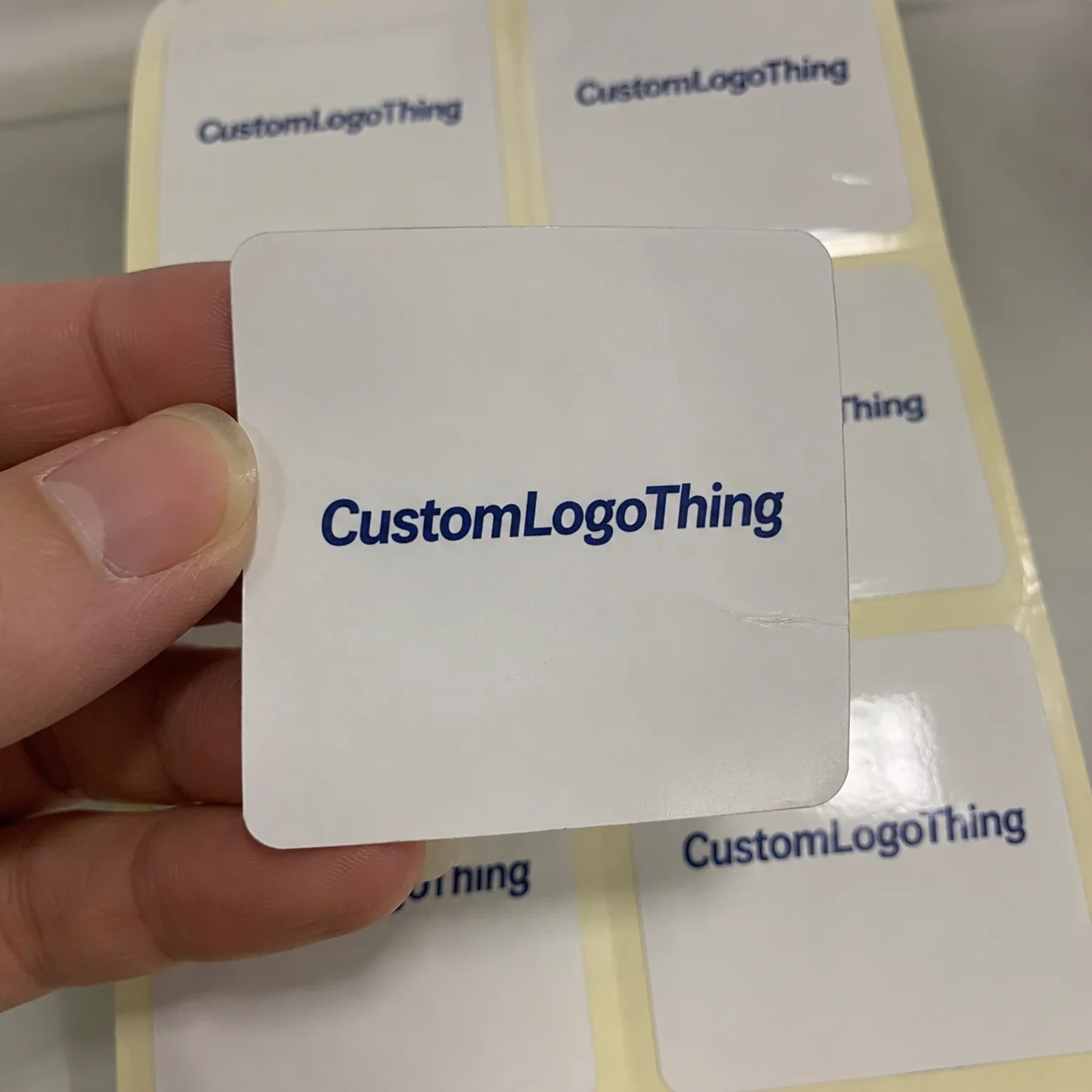
Here is the part that surprises people: many premium-looking product decals are not traditional stickers. UV DTF Stickers custom are peel-and-transfer graphics made for hard goods such as glass jars, cosmetic bottles, acrylic boxes, metal tins, phone cases, drinkware, candle vessels, and promotional packaging. The finished look sits closer to direct decoration than a normal label.
The buyer usually receives printed sheets or rolls, not loose labels in a stack. Each design sits between films. During application, the artwork transfers onto the product and leaves behind only the printed ink, adhesive, varnish, and any raised finish. No full paper or vinyl face stock surrounds the logo.
That missing border is the whole appeal. A standard paper or vinyl sticker has an edge. Sometimes that edge is useful. Barcode labels, ingredient panels, warning copy, and regulatory information need a readable block with predictable spacing. UV DTF transfer decals do a different job: logo marks, decorative claims, limited-edition graphics, small batch branding, and premium surface decoration where “printed on” beats “stuck on.”
The core construction is simple enough: carrier film, UV-cured printed ink, adhesive, varnish or raised coating, and application film. The user places the decal on a clean surface, presses with firm even pressure, rubs it down, then peels the top film away at a controlled angle. If the surface, artwork, and adhesive are a good match, the design stays behind.
From a packaging buyer’s view, the draw is flexibility. Direct screen printing, pad printing, molded decoration, and hot stamping can require tooling, higher minimums, and longer setup cycles. UV DTF decals can support launch runs, influencer kits, seasonal packaging, event merch, and multi-SKU testing without forcing a brand into 10,000 decorated containers before anyone knows whether the product will sell. Sensible.
Practical callout: UV DTF transfers are not magic. They do not replace regulatory labels, they do not bond perfectly to every surface, and they still need clean application conditions. Treat them like a production component, not a cute finishing touch someone remembers the night before shipment.
How UV DTF Transfer Decals Work on Bottles, Boxes, and Hard Goods
The easiest comparison is a temporary tattoo for packaging, except the materials are more technical and the artwork tolerances are less forgiving. UV-cured ink bonds to an adhesive layer, then moves from the film to the product surface under pressure. The final decal is not a sheet of label material. It is the design itself.
That changes the feel. A normal sticker has a continuous face stock, usually paper, BOPP, vinyl, or polyester. A UV DTF transfer leaves separate design elements behind. If your logo has individual letters, each letter becomes its own transferred element. That is how brands get the clean decorated-bottle look often used for cosmetics, candles, premium food jars, and promotional hard goods.
Compatible surfaces usually include smooth glass, coated paperboard, rigid plastic, acrylic, coated metal, ceramic, and some painted finishes. Laminated rigid boxes and smooth mailer inserts can also work, which is useful for brands pairing transfer decals with Custom Labels & Tags or other packaging elements.
Testing matters more with silicone, textured kraft, waxed paper, oily plastics, soft flexible pouches, powder-coated finishes, heavily ribbed containers, and surfaces treated with anti-scratch or release coatings. Low-energy plastics can be stubborn. So can containers that look clean but carry mold-release residue from manufacturing.
White ink backing is a major quality lever. Full white backing helps colors stay opaque on amber glass, black jars, metallic tins, and transparent bottles filled with dark liquid. Selective white creates clear windows and premium transparent effects. No-white artwork can look subtle and glass-like, but low-contrast designs may vanish under retail lighting. Very elegant. Completely unreadable. Not ideal.
Durability depends on the whole system: surface prep, adhesive match, ink density, curing quality, transfer pressure, and handling conditions. A well-made transfer can resist shelf wear, light moisture, and routine handling. That does not automatically make it dishwasher-safe, chemical-proof, or suitable for outdoor abrasion. For shipping performance, look beyond the decal and consider vibration, scuffing, and compression using test logic from groups such as ISTA.
Key Artwork, Material, and Surface Factors That Decide Quality
Most failures start before printing. The artwork looks crisp on a large monitor, then behaves badly at 0.6 inches tall on a curved lip balm tube. Vector files are strongly preferred because they hold clean paths and scalable edges. High-resolution raster art can work for some graphics, but logos, type, icons, and fine brand marks should be built as vector artwork whenever possible.
Line thickness is a quiet deal-breaker. Very thin strokes, tiny dots, distressed textures, and hairline type can lift during peeling or wear down quickly in customer handling. As a practical benchmark, many transfer suppliers will flag strokes under roughly 0.3-0.5 mm. The safe minimum depends on ink build, adhesive, finish, artwork shape, and whether the element is connected to the rest of the design.
Font size deserves the same caution. A five-point serif font may survive on a flat proof and fail on a curved cosmetic bottle. Small legal copy should usually stay on a conventional label, carton, insert, or wrap. UV DTF is better for the hero mark: the logo, scent name, icon, collection badge, QR accent, or premium decorative detail.
White ink strategy changes the entire look. Full white backing gives opacity and predictable color. Selective white lets clear zones remain transparent. No-white designs work best on light surfaces or where a ghosted effect is intentional. For dark retail packaging, skipping white backing may save a little cost and cost much more in visibility.
Finish choices can include gloss, raised varnish, spot effects, metallic-look artwork, and clear accents. A raised gloss logo on a matte black jar can feel more expensive than a full-color sticker, even when the decal is small. Packaging is not subtle about this. Touch and light reflection often communicate value faster than copywriting.
Sizing should be planned around the object, not just the logo file. A candle jar may tolerate a 2.5-inch front mark. A lip balm tube may need a narrow vertical logo. A rigid acrylic gift box may need corner clearance so the decal does not bridge an edge. Curvature matters; a wide design on a small round bottle can wrinkle, distort, or lift at the ends.
Placement can create problems too. Avoid seams, shoulders, ribbing, caps, pump collars, and areas rubbed by secondary packaging. A decal that looks perfect on a single sample can scuff if it sits against a divider wall during freight. If the container will be shrink-wrapped, boxed tightly, or packed with an insert, test that full packing sequence before committing to a large run.
Color matching is realistic, not absolute. UV inks can be vivid, but exact Pantone reproduction depends on substrate color, white backing, ink density, varnish, cure level, and proofing method. If a brand color is contract-critical, request a physical proof or calibrated production sample. Digital mockups help with placement. They do not fully predict light reflection, ink opacity, or the way a transparent bottle changes color once filled.
Process and Timeline: From Artwork File to Applied Decal
A sensible production path looks like this: submit artwork, confirm size and surface, review proof, approve a sample or digital mockup, print transfers, ship sheets or rolls, then apply decals. Basic sequence. Plenty of places for delays.
The fastest quotes usually include eight pieces of information: vector artwork, quantity, finished decal size, surface material, number of designs, finish preference, deadline, and shipping destination. Product photos help too, especially if the decal sits on a curved bottle, near a shoulder, or across a corner.
File review often checks resolution, vector paths, missing fonts, minimum stroke widths, white ink layers, color setup, and edge spacing. If a supplier has to rebuild the artwork, separate a white layer, or guess at sizing, the project slows down. For multiple SKUs, the review workload grows quickly. Ten tiny scent names can require more proofing discipline than one large logo repeated across a sheet.
Typical production can be short once files are approved, but the total timeline depends on approval speed, artwork complexity, sheet layout efficiency, sampling, production queue, and freight method. A straightforward repeat order might move in several business days. A new premium container with an unknown coating may need sample testing first. That added time is not bureaucracy; it is insurance against a full run of decals that peel on the packing table.
Surface testing is especially useful for coated bottles, textured boxes, imported containers, painted finishes, and anything sold as Premium Retail Packaging. Ask for a small test sheet before final packaging production if the decal is central to presentation. Apply samples, wait at least 24 hours when possible, then rub, scratch lightly, chill, warm, and handle them the way customers or warehouse staff will.
Application labor is the bottleneck many launch teams underestimate. Printing a sheet is one task. Applying 1,000 transfers by hand is another. If each decal takes 25 seconds including cleaning, positioning, rubbing, peeling, and inspection, 1,000 units require nearly seven hours of pure handling time before breaks, rejects, or repacking. Build that labor into the launch plan.
Set up the application station before product arrives. You want clean surfaces, lint-free wipes, a pressure tool, good lighting, reject bins, and a reference sample. Train one person, then compare the first batch against the approved sample. Nothing ruins consistency faster than five people inventing five different rub times.
If the brand also uses Custom Packaging Products such as mailer boxes, tissue, hang tags, or inserts, coordinate timing across the full set. A premium decal loses impact if the box arrives late, the insert is the wrong size, or the team has to apply transfers after filled goods are already packed.
Cost, Pricing, MOQ, and Unit Cost Drivers to Expect
Pricing for uv dtf stickers custom is usually driven by print area, quantity, number of designs, ink coverage, finish complexity, sheet layout, proofing, and shipping. Buyers sometimes ask for a “per sticker” price too early. The better question is: what is the total decorated-unit cost after samples, setup, freight, rejects, and application labor?
Packaging economics can be sneaky. A decal that costs $0.18 per unit may look cheap next to a custom printed bottle. Add $0.12 in hand application, 5% waste, and $75 in rush freight, and the landed cost changes. For small launches, that may still be the right decision. For ongoing retail packaging at scale, direct printing may eventually win.
| Option | Typical Best Use | Cost Pattern | Main Watchout |
|---|---|---|---|
| UV DTF transfer decal | Short runs, logos, premium effects, multi-SKU branding | Often project-priced by sheet area, quantity, and finish | Needs surface testing and careful application |
| Paper or BOPP label | Ingredients, barcodes, compliance text, flat label panels | Lower unit cost at volume; tooling varies by shape | Visible label edge and less direct-to-product look |
| Direct screen or pad printing | High-volume bottles, jars, caps, and rigid goods | Higher setup, lower repeat cost at scale | Less flexible for small seasonal runs |
| Custom printed boxes | Full-package storytelling and shelf presentation | Driven by board grade, print method, size, and MOQ | Does not decorate the product surface itself |
Minimums vary. Some suppliers price by sheet. Some price by square inch. Some sell gang sheets where multiple designs are nested together. Others set a project minimum to cover prepress and setup. As a rough buyer expectation, very small decals in moderate quantities may land in the low cents to a few dimes each, while larger raised-finish decals with heavy white ink and complex artwork can cost several times more.
Heavy white coverage costs more because it uses more ink and can affect production speed. Large decals cost more because they consume sheet area. Efficient nesting reduces waste, especially when the artwork uses simple shapes and repeat quantities. Odd shapes, multiple versions, and wide spacing between isolated design elements can reduce sheet efficiency.
Multiple SKUs deserve special attention. One logo repeated 1,000 times is efficient. Ten designs at 100 pieces each may require more proofing, more layout time, more sorting, and a higher chance of mix-ups. If the designs are similar, label each sheet clearly and build a SKU control process before application starts.
Ask for both total project cost and unit cost. Then ask for line items: samples, setup, proofing, freight, rush fees, and art cleanup. This is where margin gets protected. A low decal quote is not useful if reprints, failed applications, or overnight shipping erase the savings.
Common Mistakes That Make Custom UV Transfers Fail
The most common failure pattern is painfully simple: a brand approves beautiful artwork but never tests it on the actual bottle, jar, box, or container finish. The proof looks perfect. The product surface tells another story.
Surface contamination is the first suspect. Dust, skin oil, hand lotion, release agents, silicone residue, and warehouse grime can weaken adhesion even when the decal itself is well made. For many hard goods, a lint-free wipe and an appropriate surface cleaner are cheap protection. The cleaner must be compatible with the container finish; aggressive solvents can damage coatings or cloud plastics.
Application over seams, ridges, texture, condensation, or flex points is risky. UV DTF transfers prefer stable contact. If the product bends after transfer, the ink and adhesive must bend too, and that can cause cracking or lifting. Soft pouches, squeezable tubes, and flexible packaging need special caution.
Artwork can fail as well. Tiny isolated dots may stay on the film. Hairline text may tear. Narrow gaps can bridge. Distressed vintage textures can look attractive on screen but become hundreds of fragile little islands in production. If the design depends on microscopic detail, simplify it or move that detail to a conventional label or carton print.
Peeling technique matters. Pulling too fast, using uneven pressure, trapping air, touching the adhesive, or applying in cold and humid conditions can create inconsistent results. A simple written instruction sheet helps: surface cleaning method, pressure tool, rub time, peel angle, reject criteria, and packing sequence.
Do not order exact quantities. Build in waste. For hand application, a 3-8% allowance is often sensible, and higher may be justified for unfamiliar surfaces or training runs. Inspect the first 10 to 20 applied pieces before releasing the full batch. Small issues compound fast once staff settle into production speed.
Storage is another boring detail that matters. Keep transfer sheets flat, clean, and away from heat, humidity, and dust. Do not leave them open on a packing table where fibers, powder, or overspray can land on the adhesive. If sheets arrive curled or cold, let them acclimate before application instead of forcing production to start immediately.
Next Steps Before You Order Custom Transfer Stickers
Before ordering uv dtf stickers custom, confirm six basics: product surface, application area, artwork files, finish, quantity, and deadline. Obvious details. Still the usual source of bad quotes and poor samples.
Measure the usable area on the actual product, not just the flat artwork. For cylinders, check width against curvature. For boxes, check edges, folds, lamination, and scuff zones. For bottles, check shoulders, taper, seams, and areas touched by caps, pumps, or secondary packaging.
Send the supplier a vector logo, finished decal dimensions, product photos, material type, quantity by design, desired finish, and notes on who will apply the transfers. If the supplier offers templates or sizing mockups, use them. A 2 mm shift may not matter on a large mailer box, but it can look sloppy on a small cosmetic component.
Order a small test run or sample sheet when the surface is new, expensive, curved, coated, or central to retail presentation. Compare samples under shelf lighting, repeated handling, moisture exposure, shipping vibration, and customer unboxing conditions. If sustainability claims or certified paperboard are part of the broader packaging plan, align decals with other materials and sourcing standards such as FSC-certified paper components where relevant.
Build an internal application guide. Include pressure, peel angle, cleaning method, inspection standard, reject examples, and packaging sequence. For teams using decals alongside branded packaging, custom printed boxes, wraps, or inserts, this guide keeps the final presentation consistent across shifts and SKUs.
UV DTF is strongest when treated as part of a connected packaging system. Artwork, surface testing, pricing, and production timing all affect the finished result. custom uv dtf transfers work best when those decisions are made together, not as last-minute fixes after the packaging is already locked.
FAQ
Are custom UV DTF decals waterproof?
They can handle light moisture, handling, and short exposure better than many paper labels, but they are not automatically dishwasher-safe or submersion-proof. Water resistance depends on the ink system, adhesive, surface material, curing quality, and whether the decal is rubbed, soaked, or exposed to chemicals. For drinkware, cosmetics, or bathroom products, test the decal on the exact container before ordering a full run.
What surfaces work best for uv dtf stickers custom projects?
Smooth, clean, rigid surfaces usually perform best, including glass, acrylic, coated metal, ceramic, rigid plastic, and many laminated paperboard packages. Low-energy plastics, silicone, waxy coatings, heavy texture, soft pouches, and oily surfaces often need testing or may not hold reliably. If the product is curved, ribbed, or powder-coated, request samples before committing to production.
How much do custom UV DTF stickers cost?
Pricing depends on decal size, quantity, number of designs, ink coverage, white ink use, finish effects, proofing, sheet layout, and shipping. Ask for both total project cost and unit cost so you can compare options accurately. Include application labor and expected waste in your budget, because a low decal price can still become expensive if the transfer is hard to apply.
How long is the turnaround for UV DTF transfer stickers?
Turnaround depends on artwork readiness, proof approval, sampling needs, production queue, quantity, and shipping method. The fastest projects usually have clean vector files, one or two designs, known surfaces, and quick proof approval. If the decal goes on a new container or premium retail product, add time for surface testing before the full run.
Can UV DTF stickers replace printed packaging?
They can replace direct printing for short runs, launches, personalization, seasonal products, and multi-SKU branding where setup costs are too high. They may not replace full regulatory labels, nutrition panels, barcode labels, or packaging that needs large information areas. Many brands use them alongside custom boxes, bags, wraps, or inserts to create a premium logo effect without committing to high-volume printed containers.