Custom reed diffuser boxes need to do three things well: protect a fragile glass bottle, present the scent clearly on shelf, and stay efficient enough to fit the brand's cost target. That balance is what makes the packaging brief harder than it first looks.
For buyers, the useful questions are practical. Does the carton fit the product cleanly? Will it survive shipping? Does the decoration level match the price point? Packaging for home fragrance lives in a narrow lane, where premium appearance matters, but waste and overbuild quickly hurt margins.
If you are comparing formats across a product line, it helps to think of Custom Packaging Products as a system rather than a single carton. Structure, insert, print, and finish affect each other, and late changes usually move Cost and Lead Time at the same time.
What Custom Reed Diffuser Boxes Need to Do on Shelf
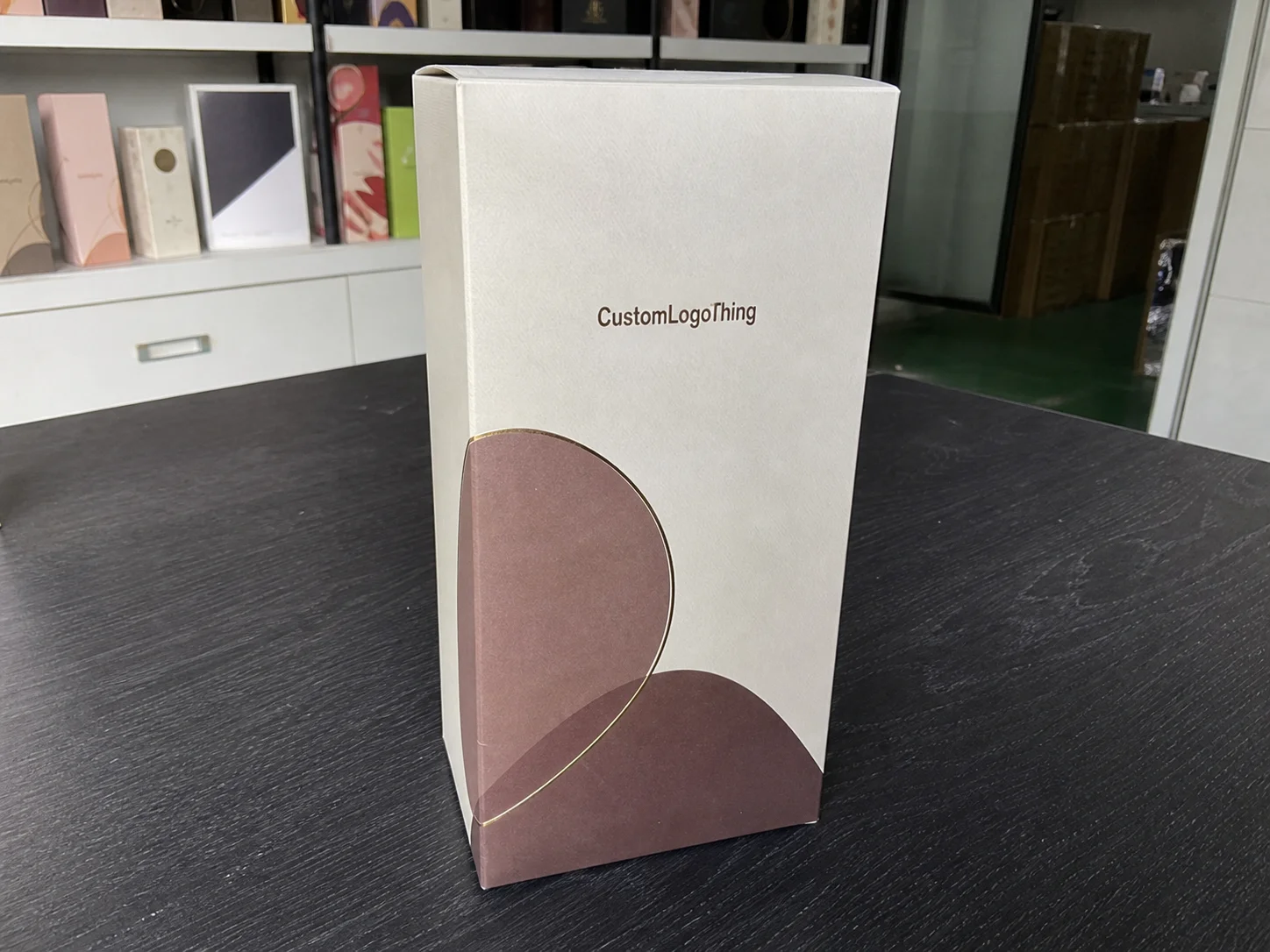
A reed diffuser carton gets only a brief chance to earn attention. The shopper reads the front panel fast and decides whether the product feels calm, premium, natural, modern, or generic. That decision is made in seconds, so the design has to be controlled and legible.
The box should communicate the fragrance style without overexplaining it. Clean typography, limited color, and one strong visual idea usually work better than a crowded front panel packed with claims. If the design tries too hard, it starts to feel defensive instead of premium.
Custom reed diffuser boxes usually need to balance three jobs:
- Protection for the bottle, cap, and reeds.
- Presentation for retail shelves, gifting, and photography.
- Efficiency for packing, replenishment, and shipping.
Those goals do not always line up. Shelf packaging wants impact. Shipping packaging wants strength. Gift packaging wants a better tactile feel. The best format usually lands in the middle, with enough structure to protect the product and enough restraint to keep the line coherent.
Consistency matters across a range. If the scent lineup uses one carton size and one structural system, the brand can vary graphics and finishes without rebuilding every SKU from scratch. That keeps the assortment easier to merchandise and reduces production drift.
For boutique, department store, or home decor retail, the box also needs to hold its shape on the shelf. Thin board can make the product look cheap. Too much empty space around the bottle can do the same. Buyers notice both, even when they are not measuring them.
How the Box Structure Protects Glass, Reeds, and Fragrance
The structure is doing more than holding a bottle upright. Reed diffusers are awkward to pack because they are tall, narrow, and often top-heavy. Add a cap, reeds, and sometimes an instruction card or accessory, and the internal layout becomes a small engineering problem.
Loose fit is the most common cause of damage. If the bottle can move, it will. If the reeds can slide, they may bend. If the cap rubs against the board, the finish can scuff before the customer opens the pack. Those issues are easy to miss in artwork review and obvious in arrival checks.
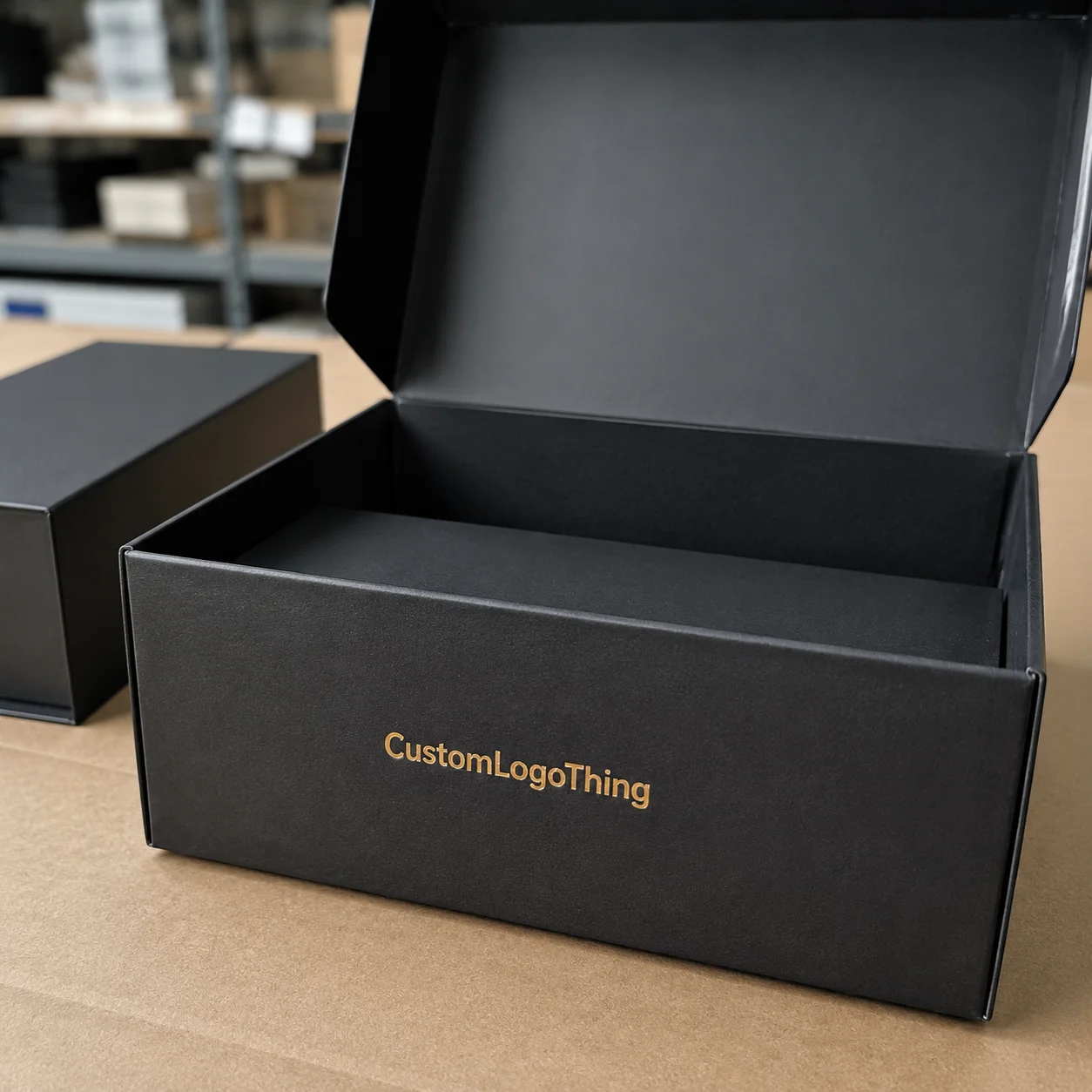
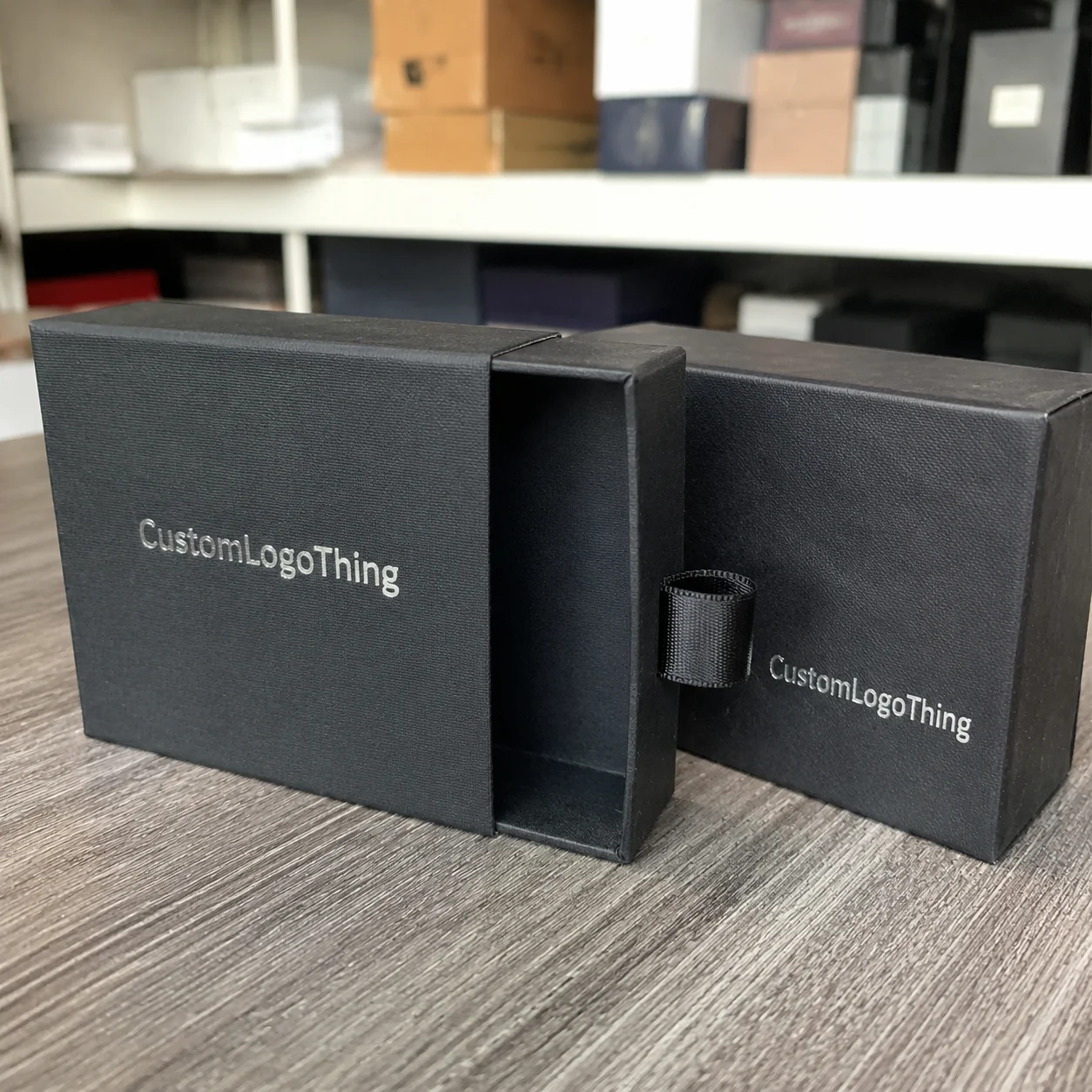
Folding cartons are common for standard retail packs and moderate volumes. They are lighter, flat-pack for storage, and usually lower cost than rigid formats. Rigid boxes create a stronger premium signal and work well for gift sets or luxury fragrance lines. Mailer-style outer packaging is better when the order has to survive parcel networks and repeated handling.
The internal fit matters as much as the printed exterior. A paperboard insert, partition, or molded tray keeps the bottle centered and reduces movement. It also makes pack-out more repeatable, which matters in production. A box that requires a worker to make it fit every time will create variability, and variability is where breakage starts.
Testing should use the finished components: bottle, reeds, cap, insert, and any card or accessory that ships inside the pack. A sample that works with a dummy bottle but fails with the real closure is not useful. It only proves that tolerances were guessed instead of measured.
If the product will move through parcel networks, transit testing is worth the time. A recognized method such as ISTA gives a more disciplined read on drop risk, compression, and overall package durability. That does not remove risk, but it reduces guesswork before launch.
Materials, Inserts, and Finishes That Change Cost
Material choice is where pricing starts to split. A simple folding carton made from 300 to 350gsm SBS or C1S board usually sits in a lower-cost bracket than a rigid chipboard box. Buyers often want a luxury look, a shipping-safe build, and a tight budget at the same time, but those goals rarely cost the same.
Board thickness affects more than feel. It changes crush resistance, print appearance, and how the carton behaves during folding and gluing. Heavier board can improve the hand feel and keep edges cleaner, but it may require a more careful dieline and can slow pack-out if the carton fights back during assembly.
Finishes change both cost and tone. Soft-touch lamination gives a muted, velvety feel, but it adds cost and can show wear if the pack is handled often. Matte aqueous coating is more economical and usually fits minimalist fragrance branding. Foil stamping, embossing, debossing, and spot UV can lift the box visually, but each step adds setup time and can become overdesign if used without restraint.
Inserts are part of the structure, not decoration. A weak insert can turn a good carton into a loose one.
| Option | Best For | Typical Cost Impact | Practical Notes |
|---|---|---|---|
| 300 to 350gsm folding carton | Retail packaging, moderate volumes | Lower base cost | Works well for standard bottle shapes and clean print layouts |
| Rigid chipboard box | Premium gift sets, luxury fragrance lines | Higher unit cost | Better perceived value, heavier shipping weight |
| Paperboard insert | Standard bottle-and-reed kits | Low to moderate | Cost-effective, easy to spec, easy to reorder |
| Molded pulp insert | Eco-focused brands | Moderate | Good protection, but dimensions need to be controlled carefully |
| Foam insert | Fragile or high-shock shipments | Moderate to high | Strong cushioning, but less aligned with natural-brand positioning |
For volume pricing, a straightforward custom carton may land around $0.18 to $0.32 per unit at 5,000 pieces, depending on board grade, print coverage, and finish selection. Rigid boxes, specialty inserts, and multiple decoration steps push that number up. Short runs usually cost more per unit because setup and proofing are spread over fewer boxes.
Cost control is usually a matter of reducing unnecessary complexity. One well-chosen finish usually beats three competing ones. A clean dieline usually performs better than a shape that looks clever but slows production. A paperboard insert is often enough if the bottle geometry is stable and the shipping channel is not unusually rough.
For fiber-based material claims, the Forest Stewardship Council is a useful reference if the brand needs chain-of-custody support. That matters more in retail and wholesale than in a casual quote request, but it is worth having the documentation ready if the buyer asks.
Production Process and Lead Time for a Custom Run
A good production run starts with accurate measurements. Not bottle measurements alone. The full kit matters: bottle height, base width, shoulder shape, neck finish, cap clearance, reed length, and any insert or card that ships inside the carton.
After that comes dieline approval, artwork setup, prepress checks, and proofing. The prepress stage catches bleed issues, barcode placement, panel sequencing, and other problems that would otherwise become a press-side delay. It is tedious, but it is cheaper than reprinting.
Once the structure is locked, the job moves through printing, finishing, die cutting, creasing, folding, gluing, and pack-out preparation. Specialty steps add time. Foil stamping, embossing, window cutting, custom inserts, and multiple coatings create more handoffs, and handoffs create delay risk.
A practical lead-time range for many custom runs is 12 to 15 business days from proof approval for straightforward cartons. Rigid boxes, custom inserts, and complex decoration can take longer. Larger orders may also move more slowly if they depend on a specific board grade or a print slot in an existing queue.
The biggest schedule problems usually come from avoidable issues:
- Artwork arrives without proper bleed or safe margins.
- The carton is designed around the bottle but not the full pack-out.
- Color expectations are discussed after proof approval.
- The sample arrives too late for revisions to be absorbed.
Physical sampling is still the fastest way to catch fit problems. On screen, a box can look right. In hand, it may feel too tight, too loose, too tall, or too busy. A sample shows how the carton behaves with actual weight and actual tolerances, which is the point where many packaging issues finally become visible.
If the launch date is fixed, build in a buffer. Custom packaging has too many variables to pretend everything will hit the first target. Board substitutions happen. Insert dimensions change. A proof needs another pass. The schedule should leave room for that.
Step-by-Step Checklist Before You Request a Quote
A quote is only useful if the supplier is quoting the same thing you actually want. Vague briefs create misleading pricing, and then everyone wastes time comparing numbers that were never equivalent.
Start with the product dimensions and pack-out details:
- Bottle height, base width, and shoulder shape.
- Cap type and the clearance needed above the neck.
- Reed length and whether the reeds are packed inside the box.
- Any insert, card, sample vial, or accessory that has to fit inside.
Then define the use case. A shelf carton, an e-commerce shipper, and a gift set do not need the same structure. Shelf packaging should prioritize visual discipline and tactile quality. E-commerce packaging should prioritize crush resistance and repeatable pack-out. Gift packaging usually sits between the two and may justify a better insert or richer finish.
Decoration choices should be listed upfront, not added one by one after the quote lands. Include any coating, foil, spot UV, embossing, debossing, inside printing, or window cutout. If the box is supposed to feel premium, that decision should be made before artwork is finalized. Otherwise the design gets inflated by accidental additions.
Commercial details matter just as much:
- Quantity
- Target unit cost
- Shipping destination
- Launch date
- Expected reorder volume
Those five items shape the real quote. A supplier cannot price accurately without quantity, and they cannot judge whether a rigid build makes sense if the launch is low-volume and the repeat order is uncertain. Packaging decisions are easier when the business plan is visible instead of implied.
If you are still comparing formats, reviewing Custom Packaging Products can help narrow the structure before artwork starts. That early decision often matters more than the decorative layer.
Common Mistakes That Cause Reprints and Damage
The most common mistake is sizing the box around the bottle and stopping there. The reeds, cap, insert, and clearance all matter. Ignore them and the pack-out becomes inconsistent. The result is either a loose box that rattles or a tight one that slows assembly and risks damage.
Over-decoration is another easy way to weaken the result. Reed diffuser packaging does not need to shout. If the carton is covered in competing fonts, finishes, and claims, the box stops feeling premium and starts feeling busy. Good fragrance packaging usually relies on restraint.
Artwork errors create unnecessary reprints. Low-resolution files, incorrect dielines, missing bleed, and poorly placed barcodes can all stall production. On a compact carton, a few millimeters matter. A front panel can look balanced one moment and off-center the next because the template was changed after layout started.
Distribution planning gets ignored too often. A box that looks good on a studio table may not survive pallet stacking, parcel handling, or repeated retail movement. Material selection, right-sizing, and waste reduction all belong in the same conversation. The packaging guidance on epa.gov is a useful reminder that the box should fit the product and the channel, not just the mood board.
Do not assume a sample means the production run is locked. Samples can be built with slightly different board, adhesive, or finish conditions than the final order. The protection against that problem is boring but effective: final specs, approved artwork, and a single signoff record that everyone uses.
Expert Tips and Next Steps for a Clean Order
The cleanest fragrance packaging orders usually start with a sample-first approach. A prototype shows whether the bottle sits too high, whether the reeds press against the top panel, and whether the visual proportions still feel right in hand. Those are not details to settle after mass production starts.
For product families, one structural format is usually enough. If the bottle size stays consistent across several scents, reuse the same carton size and insert layout. Then vary the graphics, color palette, or finish detail to create distinction. That makes reorders easier and reduces the chance of dimensional drift across the line.
Documentation is worth more than most teams expect. Keep one approval sheet that records the final dimensions, board grade, finish choices, insert style, artwork version, and pack-out method. That gives the team a single reference for reorders, seasonal refreshes, and new SKUs. It also cuts down on the classic problem where three people remember three different versions of the same box.
For a premium retail launch, the cleanest path is usually straightforward: measure the product properly, decide on the channel, choose the structure based on protection and presentation, and keep the finish package disciplined. That produces a better quote and fewer surprises. The box works best when it is built around the real product, the real shipping path, and the real cost target. Fancy is optional. Fit is not.
What size should custom reed diffuser boxes be?
Size the box for the finished kit, not just the bottle. The reeds, cap, insert, and clearance around fragile glass all need room. A tighter fit improves protection and presentation, but too little space creates pressure points and slows packing.
Are custom reed diffuser boxes better with inserts?
Usually, yes. Inserts keep the bottle centered, reduce movement, and make the pack-out more repeatable. Paperboard works well for standard kits, while molded pulp or foam may be better for heavier or more fragile shipments depending on the channel.
How much do custom reed diffuser boxes cost?
Pricing depends on board grade, print coverage, finish selection, insert type, and quantity. A simple carton at volume may start in the low cents per unit, while rigid boxes and specialty finishes move the price up fast. Short runs always cost more per unit.
What lead time should I expect?
Many straightforward orders take about 12 to 15 business days after proof approval, but rigid builds, custom inserts, and multiple finishing steps can extend that. Fast approvals and clean artwork cut delays more effectively than almost any other factor.
Can these boxes support premium retail branding?
Yes. Strong typography, disciplined color, good board choice, and a restrained finish package can make the carton feel expensive without overcomplicating it. The box should support the scent line, not fight with it.