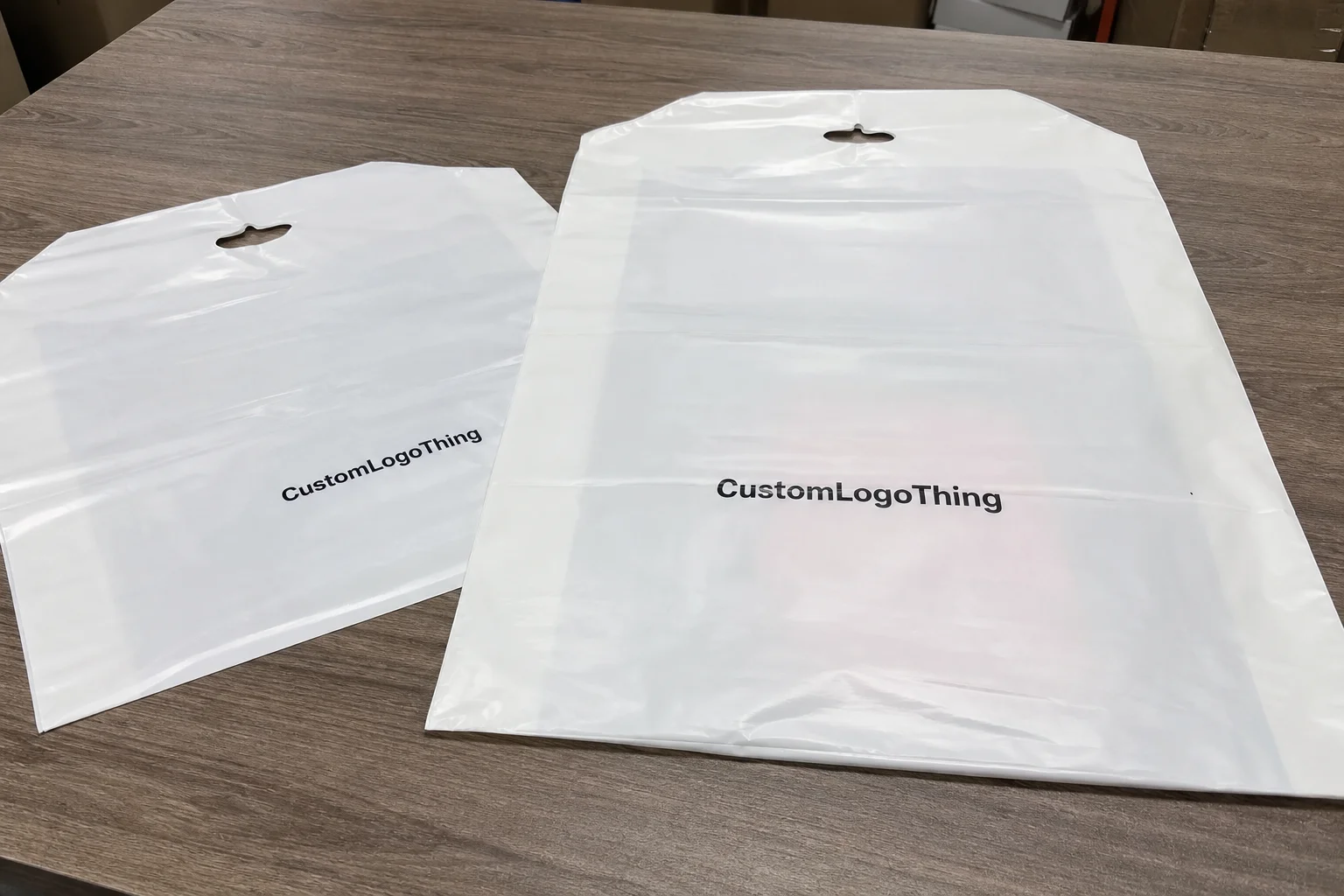
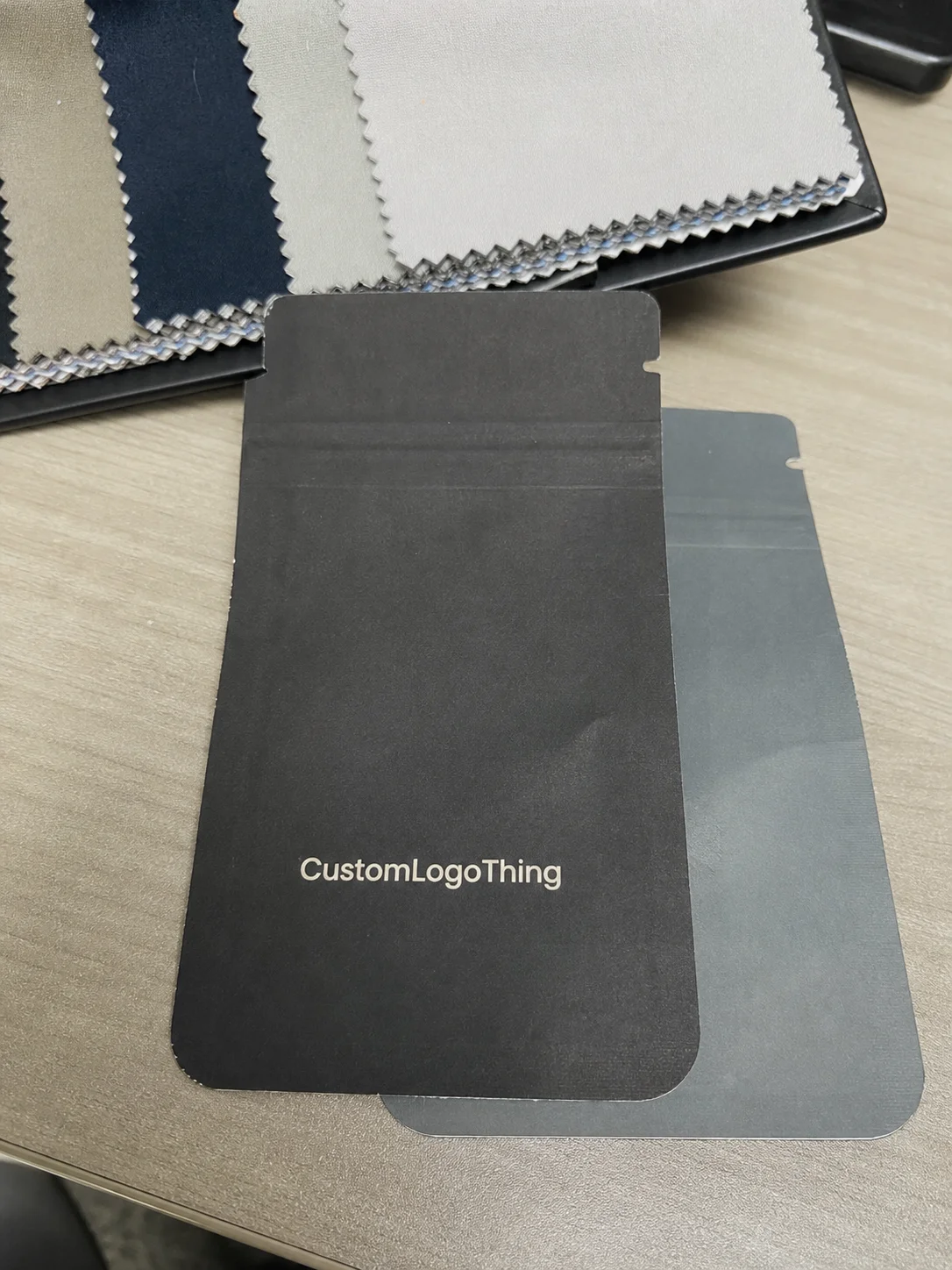
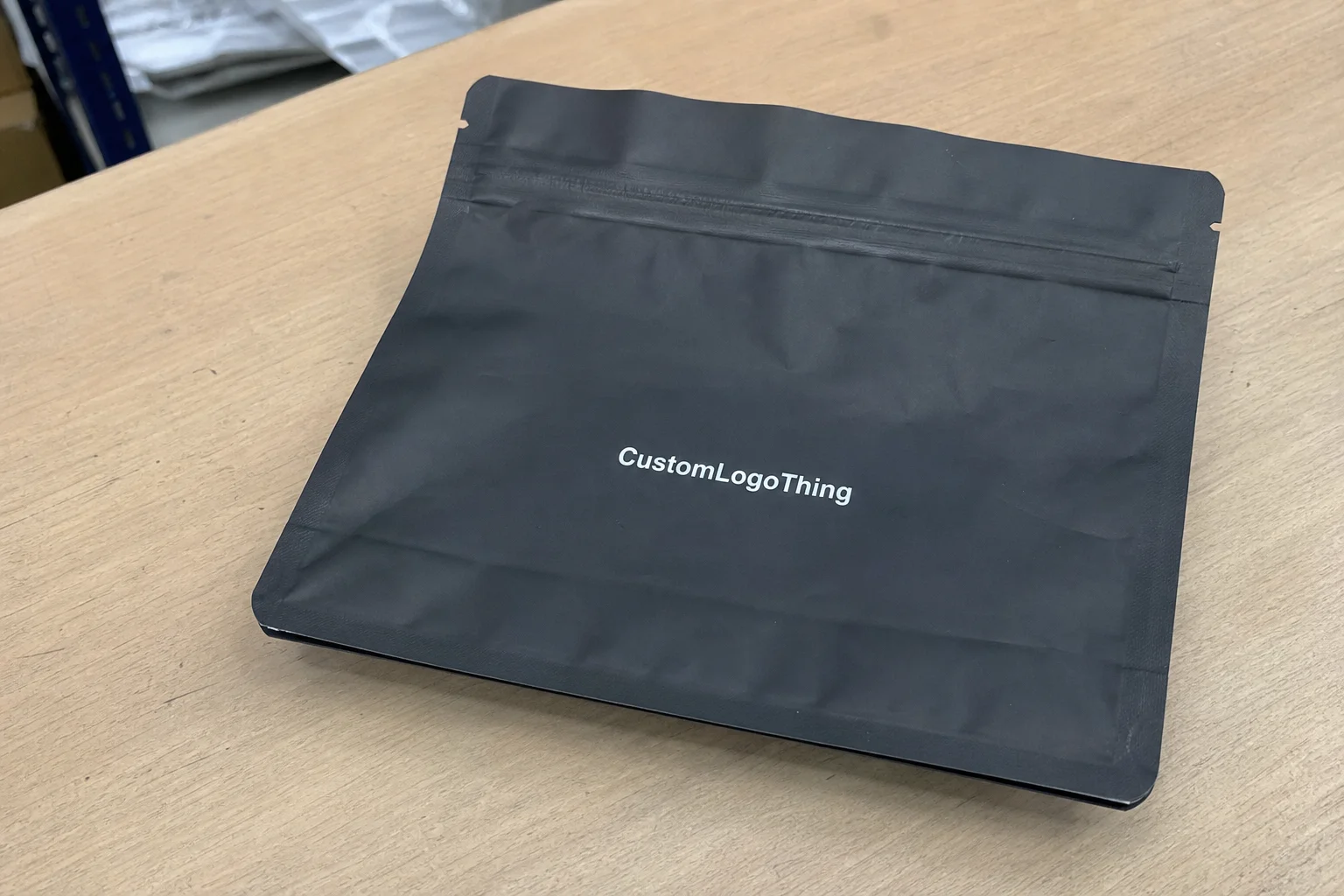
Buyer Fit Snapshot
| Best fit | Valentines Day Personalized Kraft Paper Bags projects where brand print, material claims, artwork control, MOQ, and repeat-order consistency need to be specified before quoting. |
|---|---|
| Quote inputs | Share finished size, material target, print colors, finish, packing count, annual reorder estimate, ship-to region, and any compliance wording. |
| Proofing check | Approve dieline scale, logo placement, barcode or warning zones, color tolerance, closure strength, and carton packing before bulk production. |
| Main risk | Vague material claims, crowded artwork, missing packing details, or unclear freight terms can make a low unit price expensive after revisions. |
Fast answer: Valentines Day Personalized Kraft Paper Bags: Material Claims, Seal Quality, and Freight Cost should be specified like a repeatable production item. The safest quote records material, print method, finish, artwork proof, packing count, and reorder notes in one written spec.
Production checks before approval
Compare the actual filled-product size with the drawing, then confirm tolerance on folds, seals, hang holes, label areas, and retail display edges. Reserve space for logos, QR codes, warning copy, and material claims before decorative graphics fill the panel.
Quote comparison points
Review material grade, print process, finish, sampling route, tooling charges, carton quantity, and freight assumptions side by side. A quote is only useful when the supplier can repeat the same color, closure quality, and packing count on the next order.
On one factory floor in Shenzhen, I watched a buyer nearly cancel a bag order because the sample looked “too plain.” We were standing under fluorescent lights at 7:40 a.m., staring at a 350gsm C1S artboard mockup with a dull red logo that landed flat. Then we dropped the logo size by 15%, switched the ink to deep red Pantone 186 C, and the whole thing suddenly looked expensive. That’s the funny part about valentines day personalized Kraft Paper Bags: the gap between cheap and charming is usually one print decision, not a giant budget. I still remember the supplier looking at me like, “That’s it?” Yes. That was it. Packaging can be annoyingly simple like that, especially when the run is 3,000 pieces and the deadline is six days away.
I’ve spent 12 years around custom printing, and I can tell you this straight: valentines day personalized Kraft Paper Bags work because they hit the sweet spot. They’re affordable, easy to brand, and they still feel thoughtful when the design is clean. If you sell bakery boxes, florist stems, boutique gifts, or event giveaways, these bags can do more than hold a product. They can carry your brand, your message, and a little Valentine’s emotion without making your margin cry. On a 5,000-piece order, I’ve seen a one-color print land around $0.15 per unit before freight when the size is standard and the paper is 150gsm kraft. That is the kind of number that keeps finance from sending you passive-aggressive emails. Honestly, I think that’s the whole point of good packaging: make the customer feel something without making the accounting team reach for a painkiller.
What valentines day personalized kraft paper bags really are
Valentines day personalized kraft paper bags are Custom Paper Bags made from brown or white kraft paper and printed with your logo, Valentine’s artwork, store name, or message. Some versions stay very simple: one-color logo, twisted paper handles, and a matte finish. Others include rope handles, reinforced tops, interior inserts, foil accents, or custom cutouts. The base material is usually kraft paper, which people like because it has that natural, recycled look without trying too hard. In most factories I’ve visited in Dongguan, the standard structure is a 120gsm to 200gsm kraft body with 250gsm to 350gsm bottom reinforcement, which is strong enough for candles, chocolates, or a folded gift box. Honestly, I think that’s why it sells so well. It looks modest, but not cheap. Big difference.
I visited a bakery client in Hangzhou years ago that was using glossy gift boxes for Valentine’s orders. Nice boxes. Expensive boxes. And half of them were getting tossed before customers even got home. We switched them to valentines day personalized kraft paper bags with a bold red stamp-style print and tissue paper inside. Same products. Better perceived value. Lower cost per package. The switch cost them roughly $0.22 per bag at 2,000 pieces, compared with $0.61 for the old box solution. That’s the kind of result that makes a finance manager smile for exactly three seconds before asking for another quote. I’ve seen that smile. It’s real. It’s tiny. It disappears fast.
These bags are especially popular for boutiques, chocolatiers, florists, jewelry pop-ups, soap brands, and event organizers because they’re fast to customize and they don’t require the heavy tooling that rigid boxes do. If you need biodegradable packaging that still looks intentional, kraft is a smart place to start. Many buyers also ask for FSC certified paper, especially if they want to promote responsible sourcing. In Zhejiang and Guangdong, a lot of suppliers can provide FSC chain-of-custody paperwork on request, but you still need to ask for the certificate number before you pay the deposit. And yes, customers notice. They may not say “wow, this is ASTM-compliant packaging,” because nobody says that at a Valentine’s counter, but they do notice when the package feels thoughtful and the paper feels sturdy instead of flimsy.
The emotional value matters too. A $1.20 bag can make a $28 candle or a $42 bouquet feel like a gift, not a transaction. That’s the whole point of valentines day personalized kraft paper bags. They add warmth without looking wasteful. They also work well across different retail styles, from rustic artisan brands to cleaner modern boutiques. If the art direction is right, the bag feels like part of the product. If the art direction is wrong, well, it just becomes a brown rectangle with ambition and a rushed heart icon in the corner.
From a practical standpoint, they’re easy to order in moderate quantities. You can often find low minimums compared with rigid boxes, custom tubes, or complex corrugated cardboard mailers. That matters if you only need a seasonal run of 300, 500, or 1,000 pieces. I’ve seen brands overbuy expensive packaging for a holiday promotion and then use the leftovers until July. Not ideal. Valentines day personalized kraft paper bags solve that problem better than most people expect. They’re the rare thing in sourcing that feels sensible and festive at the same time, especially when the minimum order quantity is 500 pieces and the proof turnaround is 24 to 48 hours.
For buyers who care about the material story, kraft paper can be made with recycled materials and post-consumer waste content depending on the supplier. That does not make every bag magically eco-perfect. Shipping still has a carbon cost, and coatings matter. But if you want a packaging option that feels lower-impact than rigid plastic-heavy alternatives, kraft is a practical choice. In my own factory visits, the suppliers who printed “recycled content” on the spec sheet usually used 30% to 50% recycled fiber, though the exact percentage depended on the mill in Guangdong, Jiangsu, or sometimes Taiwan.
“The customers didn’t remember the ribbon. They remembered the bag with their name on it.”
How valentines day personalized kraft paper bags work
The production flow for valentines day personalized kraft paper bags is usually pretty straightforward. You approve artwork first. Then the supplier prepares plates or digital files, prints the bag, die-cuts it if needed, folds and glues the body, adds handles, and packs the finished bags for shipping. If you’ve ever seen a line running at speed in a factory in Shenzhen or Wenzhou, it looks boring until one tiny registration error throws the entire print off by 2 millimeters. Then suddenly everyone is very awake. The factory mood changes fast. No coffee required. A 4-color job can move through a folder-gluer at roughly 1,500 to 2,500 bags per hour, depending on handle type and whether the bottom insert is pre-glued.
For print methods, there are three that matter most: flexo, offset, and digital. Flexo is usually the best choice for larger runs with simple artwork and 1 to 2 colors. It keeps unit cost down once the quantity gets higher. Offset gives sharper detail and better image quality, so it makes sense when you want fine lines, gradients, or more complex Valentine’s illustrations. Digital printing works well for smaller orders, test runs, and faster turnarounds because there are fewer setup steps. The trade-off is cost per bag, which can be higher if you’re buying a lot. For example, a 500-piece digital run in white kraft might land at $0.42 per unit, while a 5,000-piece flexo run of the same artwork could drop to $0.17 per unit if the design uses only two colors.
What do buyers usually send? A logo file in AI, PDF, or editable EPS format. The bag size. Preferred handle style. Valentine’s artwork, usually hearts, florals, romantic copy, or a simple “Happy Valentine’s Day” line. If they want a special finish, they’ll mention matte lamination, spot UV, foil stamping, or a soft-touch coating. For valentines day personalized kraft paper bags, I always tell clients to keep the design readable at arm’s length. If the logo disappears when the bag is sitting on a counter, the print is too clever for its own good. Cute doesn’t help if nobody can read it, especially in a busy checkout line in Austin or Singapore.
Lead times depend on method and quantity. A small digital job might ship in 7 to 10 business days after proof approval. A larger flexo or offset run can take 12 to 18 business days, sometimes longer if the factory is booked. Rush orders can cut the calendar, but they often raise the price by 10% to 25%, and they may limit finish choices. That’s not a punishment. It’s just what happens when people decide Valentine’s packaging is urgent on February 5. The production team didn’t invent your deadline. They’re just the unlucky people standing between you and a very stressed sales season. If you approve the proof on Monday and the order is simple, many factories in Guangdong can still finish by the following Friday, but only if the paper is already in stock.
Suppliers handle order sizes differently. Uline is great for stock bags and quick warehouse shipping, but it’s not the place I’d go for highly tailored seasonal art. EcoEnclose is strong on eco-minded options and recycled materials messaging. Regional custom printers can be the best fit for mid-size runs where you want more control over size, ink, and finish. In my experience, the right supplier depends less on the brand name and more on whether they actually understand your quantity and deadline. A shiny website is nice. A supplier who reads the spec sheet is better. A supplier in Shenzhen who can confirm 150gsm kraft, 1-color red flexo print, and twisted paper handles without three follow-up calls is gold.
If your order needs shipping tests, you should ask about drop testing and pack-out standards. Good suppliers may reference ISTA methods for transit protection, especially if bags are being shipped in cartons over long distances. For sourcing claims, the FSC chain-of-custody label is worth asking about if sustainability is part of your pitch. The whole point is to get a bag that looks good and survives the trip. Nobody wants a Valentine’s rollout arriving in a dented carton that looks like it lost a fight with a forklift, especially after paying $180 for sea freight from Ningbo to Long Beach.
After the second proof review, I usually remind clients that the production method shapes the final look more than the logo itself. A white logo on brown kraft paper may need a white underbase. A dark red on white kraft can look rich and soft. If you skip the sample stage, you’re guessing. And guesswork is how “premium” turns into “why does this look gray?” I’ve had that exact conversation with a buyer in Guangzhou, and it was not a fun call. The reprint cost on that order was $640, all because they approved a proof on a phone screen at 11:30 p.m.
Key cost factors for valentines day personalized kraft paper bags
Pricing for valentines day personalized kraft paper bags is driven by five things: quantity, size, number of print colors, handle style, and paper weight. Add coatings or special finishes, and the number moves again. That’s normal. Buyers often ask me for “the price,” singular, as if a bag were a loaf of bread at a supermarket. It isn’t. The exact cost depends on the spec, the run size, and how much decoration you want. I know people want a tidy answer, but packaging enjoys being slightly annoying. A 25 cm x 30 cm x 12 cm bag printed in one Pantone color will never price the same as a 35 cm x 45 cm x 14 cm bag with foil and rope handles from the same factory in Yiwu.
Here’s the blunt version. A 1-color print on 500 bags will always cost more per unit than a 1-color print on 5,000 bags because setup charges get spread across fewer pieces. A simple run might land around $0.38 to $0.85 per bag at 500 pieces, depending on size and handle type. A larger run of 5,000 bags might drop to $0.18 to $0.42 per unit if the art is simple and the bag size is standard. Add foil, white ink, or heavy paper, and you’re climbing again. For one Shenzhen supplier, I saw a 5,000-piece Valentine’s order with 150gsm kraft, twisted handles, and one-color red print come in at $0.15 per unit before domestic freight because the dimensions were standard and the artwork was dead simple. That is just the math, even if it’s rude math.
One supplier in Dongguan once gave me a quote that looked suspiciously low until I asked about plates, freight, and inner carton packing. The bag price was fine. The rest was not fine. I’ve seen a “cheap” order become a “why is this invoice so high?” moment once shipping and setup fees were added. For valentines day personalized kraft paper bags, always ask for a full landed estimate, not just the per-bag number. Otherwise you’re comparing a real quote to a fantasy. I’ve had vendors quote $0.21 per unit and then quietly add $68 for plates, $95 for carton packing, and $240 for export documents from Ningbo. That is not savings. That is a trap with good lighting.
Below is a simple comparison that shows how the cost structure usually behaves. These are practical ranges, not promises. Every factory quotes differently, and paper prices move with pulp markets, which nobody enjoys discussing at length. In March 2024, kraft pulp prices shifted enough that two suppliers in Shanghai gave me quotes that differed by 12% on the same 3,000-piece spec.
| Option | Typical Quantity | Print Style | Estimated Unit Cost | Best Use |
|---|---|---|---|---|
| Stock kraft bag with sticker | 200-1,000 | No direct print | $0.12-$0.35 | Fast seasonal retail and bakery orders |
| Personalized kraft bag, 1-color | 500-3,000 | Flexo or digital | $0.18-$0.65 | Simple branded Valentine’s packaging |
| Personalized kraft bag, 2-color or more | 1,000-5,000 | Offset or flexo | $0.28-$0.95 | Retail gifts and boutique presentation |
| Premium custom bag with foil or special finish | 1,000-10,000 | Offset + finishing | $0.55-$1.40 | Higher-end gift packaging |
Setup fees matter too. Plates can run $40 to $150 each depending on method and region. Digital jobs may skip plate costs but charge more per unit. Freight is another line item people underestimate. Shipping 1,000 bags from Asia to the U.S. can easily add $120 to $450 by sea on consolidated freight, or a lot more if you need air delivery. If someone quotes “cheap” and leaves out freight, that is not a quote. That is a teaser. A very confident teaser, but still a teaser. I’ve watched a buyer in Los Angeles celebrate a low factory quote, then lose the savings to $380 in consolidated ocean freight and $74 in local handling at the port.
There’s also a difference between a low-cost stock bag customized with a label and a fully custom manufactured bag. A stock bag can be decorated quickly with a branded sticker, insert card, or belly band. That is useful if you need speed and you can live with limited size options. Fully custom valentines day personalized kraft paper bags cost more, but you get better control over dimensions, handle style, print placement, and brand consistency. I usually tell clients to pick the route that matches their sales volume, not their dreams. Dreams are lovely. Inventory is less romantic. A 1,000-piece seasonal run with a stock bag and branded sticker might cost $0.08 less per unit, but a fully printed bag often sells better because it looks planned instead of patched together.
My rule of thumb: if the bag is the first physical touchpoint after a purchase, spend enough to make it feel intentional. Don’t overdesign it. Don’t chase six colors because your designer had a romantic episode at 11 p.m. A strong one-color or two-color print on quality kraft paper often looks better than a cluttered bag with too many details. Clean art on good stock usually beats flashy art on flimsy paper. Every time. No contest. A 160gsm bag with a clean burgundy logo beats a 130gsm bag loaded with pink gradients and five fonts. I’ve seen both. One looks like a brand. The other looks like an argument.
Also, ask about paper weight in gsm or lb. A sturdy 150gsm to 200gsm kraft paper bag generally feels more reliable than a thin bag that crinkles when you look at it. If the bag is for heavier products, reinforced bottoms and thicker handles matter more than another decorative element. Customers forgive simple. They do not forgive handles snapping in the parking lot. I’ve heard that sound in a Toronto pop-up shop. It’s not pretty. It also costs money when the replacement order has to be rushed.
Step-by-step ordering process for valentines day personalized kraft paper bags
Start by defining the use case. Are these for retail purchase bags, bakery packaging, florist orders, or event handouts? That one answer shapes everything. A bakery bag carrying a box of truffles needs different dimensions than a boutique bag for a candle and tissue wrap. I’ve seen people pick bag sizes by eye and then act shocked when the box barely fits or slides around like it’s on vacation. The product always tells the truth. The guess just doesn’t. In a factory in Foshan, I once measured a gift bag at 24 cm wide because the buyer swore it would fit a candle set, and then we discovered the insert tray needed 26.5 cm. Close doesn’t count in packaging.
Next, Choose the Right dimensions based on what goes inside, not where the logo looks nicest. Measure the widest item first. Then add clearance for tissue, inserts, or folded tops. If the product is tall, check the handle height too. For valentines day personalized kraft paper bags, a common mistake is ordering a cute square bag when the actual gift is long and narrow. That’s how packaging gets bent, crushed, or awkwardly stuffed at the register. Cute is not a substitute for fit. I wish it were. It would save everyone a headache. A 10 cm gusset can be perfect for a box of truffles, while a 14 cm gusset is better for candles or jar sets.
For artwork, keep it simple and readable. Valentine’s designs usually do well with red, blush, burgundy, pink, white, gold, or black. But on brown kraft paper, light colors can disappear unless you use a white ink base or choose darker contrast. If your logo has tiny script or thin decorative lines, ask for a proof at actual size. Fonts that look elegant on a screen can vanish on kraft. Beautiful is nice. Legible is better. That’s not me being boring. That’s me trying to save you from reprint costs. A 7-point script on brown paper is a bad idea nine times out of ten, especially if the bag is being printed in one pass without underbase white.
Then move into proofing. Ask for a digital proof before production. If the design is bold, color-sensitive, or going on brown kraft paper, request a physical sample if time allows. I know samples add a few days. I also know people hate reprinting 2,000 bags because the red turned pumpkin-colored. Proofing is cheaper than regret. It’s one of those rare factory truths that never gets old. The best money I’ve ever saved clients usually came from a boring proof review, not a dramatic negotiation. A digital proof takes 1 to 2 business days in most Shenzhen factories; a physical sample can take 3 to 6 business days plus courier time if the supplier is in Guangzhou or Ningbo.
Here’s a practical order flow I use with clients:
- Confirm quantity, size, handle style, and budget.
- Send logo and Valentine’s artwork in vector format.
- Request a quote with setup, shipping, and lead time listed separately.
- Review digital proof and mark corrections clearly.
- Approve sample or final proof before production starts.
- Track production milestones: printing, drying, gluing, inspection, packing.
- Confirm carton count and delivery window before dispatch.
Timing matters a lot. A basic quote might come back in 24 to 48 hours. Artwork proofing could take another 1 to 3 days if revisions are needed. Production could be 7 to 18 business days depending on method, then freight adds whatever freight adds, because shipping has its own personality. If you need valentines day personalized kraft paper bags for a holiday promo, the safest move is to lock artwork early and avoid the “we’ll figure it out next week” strategy. That strategy is how people end up paying rush charges. And then acting surprised when rush charges exist. Classic. I’ve seen February orders approved on the 8th and delivered on the 19th only because the factory in Dongguan ran overtime and the buyer paid for air freight at $2.40 per kilo.
One florist client in California waited too long and then asked if we could “just speed it up.” We could, but the air freight quote was almost the same as the bag production cost. She still moved ahead because the event mattered, but she learned the hard lesson: calendars are part of packaging costs. They always are. The calendar is not your friend. It is just a page with opinions. If the bag order is tied to a store launch in Miami or a Valentine’s pop-up in Chicago, build in at least a 2-week buffer after proof approval.
If you’re ordering from a supplier like Uline, you’ll usually get faster stock options but less custom flexibility. EcoEnclose is useful if the sustainability story matters and you want recycled materials or FSC certified options. A custom printer, regional or overseas, is better if you need exact size, exact print placement, and branded seasonal artwork. There is no universal best. There is only best for your order volume and deadline. Anyone selling you otherwise is probably selling a catalog, not a solution. A good regional printer in Los Angeles or Toronto can sometimes beat an overseas factory if your run is under 1,000 pieces and you need delivery inside 10 business days.
Common mistakes people make with valentines day personalized kraft paper bags
The first mistake is overloading the artwork. Too many hearts, too many fonts, too many colors. The result looks busy on screen and muddy on kraft paper. Valentines day personalized kraft paper bags usually look better with one strong visual idea. Maybe that’s a logo and a single heart icon. Maybe it’s a handwritten message and one color block. If your design needs a magnifying glass, it’s too busy. I’m not kidding. I’ve seen bags that looked like a romance novel cover after a printer accident. In a 2023 run from Suzhou, one client tried to cram a rose illustration, a cursive slogan, and three gradients onto a 28 cm bag. The final print looked like a Valentine’s fever dream, and not in a good way.
The second mistake is ordering the wrong size. I’ve seen brands buy a bag that was 2 inches too short, then spend hours trying to make the product fit by folding tissue at weird angles. That wastes time and material. It also makes the package feel sloppy. Always measure the product with any inserts, boxes, or filler included. A bag that is slightly too large is usually better than one that is too small. A little extra room is manageable. A bag that’s wrestling your product is not. If your candle box is 9 inches tall, don’t order a 9-inch bag and hope for luck. Hope is not a measuring tool.
The third mistake is ignoring lead times. Valentine’s packaging is seasonal. That means everyone wants it at the same time. Factories fill up. Paper mills get busy. Freight gets expensive. If you wait until the last minute, your options shrink fast. A lot of buyers think rush orders are a harmless backup plan. They’re not. They’re usually a premium service with fewer finish choices and less room for revisions. February is the month where everyone suddenly discovers time exists. In Shenzhen, I’ve seen suppliers reject new Valentine’s art after January 25 because the print queue was already full until mid-February.
The fourth mistake is buying the cheapest bag without checking handle strength or paper thickness. I’ve had clients send me photos of handles pulling loose after a customer carried a heavy candle and a card. Not great. Valentines day personalized kraft paper bags need to be sturdy enough for the actual product. If the bag is for chocolates, a lighter construction may work. If it’s for gift sets or retail items with weight, go thicker. Use reinforced bottoms if needed. No one remembers the bargain bag price if the handle dies in the parking lot. A twisted paper handle on a 160gsm body is usually safer than a thin flat handle on 120gsm paper when the payload is over 1.5 kilograms.
The fifth mistake is forgetting practical branding details. Your website URL, QR code, or store location can be just as useful as the logo. If the Valentine’s event is temporary, a QR code that points to a seasonal landing page can help track traffic. A store address can help local shoppers find you again. The bag should do more than look cute for 12 seconds on the counter. Cute has a very short shelf life if it doesn’t also pull its weight. I once saw a florist in Portland add a QR code that linked to a $12 add-on bouquet page, and the scan rate was strong enough to justify the extra print cost.
One more thing: color contrast. Brown kraft paper absorbs some visual energy. A pastel design can look lovely in concept and faint in print. If you want delicate colors, test them. If you want to avoid problems, use bold contrast. That’s not glamorous advice, but packaging is full of unglamorous advice that saves money. I’d rather be slightly less charming in a meeting than explain a washed-out print run to a client later. A blush pink logo on uncoated brown kraft in a 1-color flexo job almost always needs a white underbase or it disappears into the paper tone.
Expert tips to make valentines day personalized kraft paper bags look premium
If you want valentines day personalized kraft paper bags to feel premium, start with restraint. Use one strong message, one or two brand colors, and enough white space for the art to breathe. A clutter-free layout often looks more expensive than a crowded one. I know that sounds almost too obvious, but I’ve watched brands spend extra on finishes and still lose the premium feel because the artwork looked like a bulletin board. Not elegant. Just loud. A single burgundy logo on 200gsm kraft with a matte finish can look cleaner than a five-color design on coated stock every time.
Subtle upgrades help. Custom Tissue Paper in blush or deep red adds instant perceived value for only a few cents per pack in many cases. A branded sticker can turn a basic kraft bag into a seasonal presentation piece. Ribbon, hang tags, or small insert cards can lift the experience without forcing you into expensive rigid packaging. If the budget is tight, spend on the inside first and the outside second. Customers feel the inside first anyway, whether they admit it or not. In one Guangzhou bakery project, a $0.03 tissue sheet and a $0.04 sticker increased the perceived value enough to support a $2 price bump on the gift set.
When the budget allows, ask about white ink, foil, or spot color placement. White ink on brown kraft paper can make Valentine’s art pop, especially for logos or fine-line illustrations. Foil accents in gold or rose gold can work well on boutique gift packaging, but only if they’re used sparingly. Too much foil and the bag starts looking like it got into a costume party. And not the classy kind. A 10% foil coverage on a logo mark is usually plenty; covering the whole front panel can push the cost up by $0.18 to $0.35 per bag, depending on the factory in Shanghai or Shenzhen.
Choose the bag style to match the customer experience. A bakery wants warmth and accessibility. A jewelry pop-up wants neatness and a little sparkle. A casual gift retailer might need something sturdy and cheerful, not fancy. I’ve seen brands get stuck copying another company’s packaging style instead of designing for their own customers. That usually ends with an expensive mismatch. The right valentines day personalized kraft paper bags should feel like they belong to the brand, not borrowed from it. If you’re selling macarons in Paris, your bag should not look like a candle shop bag from Austin. Same holiday. Different buyer.
One factory negotiation story: I once pushed a supplier to reduce the unit price on a 3,000-bag run by agreeing to simpler artwork and standard carton packing. We saved about $0.07 per bag, which added up to $210. Not dramatic on one line, but real money once you stack it with freight and inserts. If you want better pricing, ask for options. Ask what changes affect plates, ink passes, and packaging. Suppliers respond better to specific questions than to “Can you do better?” because, honestly, everybody asks that. They’ve heard it a thousand times. The better question was, “What happens if we drop one Pantone color and keep the same 150gsm paper?” That got me a real answer in under two minutes.
Here are the questions I’d ask during negotiation:
- Can you quote standard packing and upgraded packing separately?
- What happens to the unit price if we reduce one print color?
- Can you share a sample photo from a similar kraft paper run?
- Is the paper FSC certified, recycled content, or both?
- What is the exact lead time from proof approval to ship date?
And one more practical point: ask for real photos, not just catalog renders. I’ve learned more from a warehouse photo of stacked cartons than from a polished sales brochure. If the handles look weak in the photo, they probably are. If the print alignment is off in the sample image, trust your eyes. Packaging sales decks are nice. Physical evidence is better. My eyes have saved me more than one awkward call, and I trust them more than any polished PDF. A photo from a factory in Ningbo with actual cartons, actual pallet wrap, and actual handle knots tells you more than a sales rep ever will.
Next steps: how to order valentines day personalized kraft paper bags without stress
Before you request quotes, gather six things: quantity, size, artwork, handle type, budget, and delivery deadline. That sounds basic because it is. Yet half the bad quotes I’ve seen happened because the buyer sent a logo and said, “Need bags soon.” Soon is not a spec. Valentines day personalized kraft paper bags need real numbers if you want useful pricing. “Soon” gets you polite confusion and maybe a wild guess. Neither helps. If you want a quote that means something, send the final dimensions, the bag type, the paper weight, and whether you need 1-color or 2-color print.
Then request two quotes. Not ten. Two is enough to compare setup fees, freight, and unit pricing without drowning in spreadsheets. One quote can show you the low-cost route. The other can show you the safer route. If both suppliers are good, ask them to quote the same bag size and the same print method so the comparison means something. Otherwise you’re comparing apples to origami. And origami usually wins on patience. I’ve watched buyers spend three days sorting through eight quotes and still miss the one line that mattered: the delivery window.
Ask for a digital proof every time. If the design is bold, color-sensitive, or based on brown kraft paper, request a physical sample if there’s time. A proof can reveal issues with font size, contrast, and logo placement before the factory prints 2,000 units. A physical sample can reveal the feel of the paper, the stiffness of the handles, and how the bag sits on a counter. That tactile piece matters more than people think. Paper looks one way on a screen and another way in your hand. Shocking, I know. A sample with 160gsm paper and twisted handles will tell you more than a spreadsheet ever could.
For timing, I recommend this schedule for valentines day personalized kraft paper bags:
- 2 to 4 weeks before quote collection: finalize size, quantity, and design direction.
- 10 to 14 business days before need date: approve artwork and lock the order.
- 7 to 18 business days before need date: production and inspection.
- 5 to 14 days before need date: freight and local receiving buffer.
If you are reordering, keep notes on what worked. Size. Ink color. Handle strength. Carton count. Freight route. I keep a checklist mentality because it saves clients from repeating mistakes. One client in the floral space reorders the same bag every season now because we documented the exact paper weight and print specs. That sounds boring. It is boring. It also saves money. Boring has a strong return on investment. Their current spec is 25 cm x 20 cm x 10 cm, 160gsm kraft, burgundy flexo print, and a 12 cm twisted handle. That level of detail removes guesswork and cuts revision time to nearly zero.
Here’s the action plan I’d use if I were buying valentines day personalized kraft paper bags tomorrow morning: measure the product, choose the style, send the artwork, request two quotes, review one digital proof, and approve only after the contrast looks right. Simple. Not glamorous. Effective. And far cheaper than redoing a seasonal run after the holiday rush has already eaten your calendar. I’d rather spend ten minutes on proofing than two weeks apologizing for a bad print decision. If the supplier says production is 12 to 15 business days from proof approval, build your schedule around that exact window and add a 5-day freight buffer.
If you want a bag that looks thoughtful, doesn’t waste budget, and still feels on brand, start with the specs instead of the fantasy. That’s how you get valentines day personalized kraft paper bags That Actually Work for retail, gifting, and events. Get the size right. Get the print right. Get the timing right. The rest is just decoration. In my experience, the best orders are the ones where the buyer knew the bag size, the paper weight, and the deadline before the first email went out. That’s not magic. That’s just competent sourcing.
What should you know before ordering valentines day personalized kraft paper bags?
How much do valentines day personalized kraft paper bags usually cost?
Small runs usually cost more per bag because setup fees are spread across fewer units. For a 500-piece order, a one-color custom bag might land around $0.38 to $0.85 per unit depending on size, handle style, and paper weight. At 5,000 pieces, the same style can drop to about $0.15 to $0.42 per unit before freight if the artwork is simple and the spec is standard. Ask for a quote with exact quantities, paper gsm, handle type, and shipping to get a real number. That’s how you avoid vague estimates and surprise freight charges. I’ve seen too many “cheap” quotes turn into budget headaches once shipping enters the chat.
What size valentines day personalized kraft paper bags should I order?
Choose the bag based on the product dimensions plus filler like tissue, boxes, or inserts. Measure the widest item first, then add clearance for easy packing. If you’re unsure, ask the supplier for a sample or a size chart before you commit. A wrong size wastes time, and frankly, it makes everyone on the order side grumpy. If your product is 20 cm wide and 8 cm deep, a 24 cm wide bag with a 10 cm gusset is usually a safer starting point than guessing and hoping for the best.
How long does it take to produce personalized kraft paper bags for Valentine’s Day?
Production time depends on print method, quantity, and how quickly you approve the proof. A small digital job might ship in 7 to 10 business days after proof approval, while a larger offset or flexo order typically takes 12 to 15 business days from proof approval. Rush orders can shorten the schedule, but they usually increase cost. Build in extra time for revisions, inspection, and freight delays. February does not care about your calendar. February is rude like that.
Can I print full-color designs on kraft paper bags?
Yes, but bright colors may look muted on brown kraft unless white ink or a white base layer is used. Simple, high-contrast designs usually look cleaner and cost less. Always review a proof before final approval, especially if your art has fine lines or soft pastel tones. If the palette is delicate, test it first so you don’t end up with a sad beige heart. A 4-color offset print on white kraft usually looks sharper than the same art on uncoated brown paper without a white underbase.
What’s the best way to make valentines day personalized kraft paper bags look premium?
Use clean design, strong contrast, and a limited color palette. Upgrade with tissue paper, stickers, or ribbon if needed. Pick a sturdy bag with the right handle style so the package feels intentional, not thrown together five minutes before the store opens. Premium is usually restraint plus decent materials, not a pile of extras. A 200gsm kraft bag with burgundy print and a matte finish often looks more premium than a flimsy bag covered in foil and five fonts.