Buyer Fit Snapshot
| Best fit | Void Fill Manufacturers projects where brand print, material claims, artwork control, MOQ, and repeat-order consistency need to be specified before quoting. |
|---|---|
| Quote inputs | Share finished size, material target, print colors, finish, packing count, annual reorder estimate, ship-to region, and any compliance wording. |
| Proofing check | Approve dieline scale, logo placement, barcode or warning zones, color tolerance, closure strength, and carton packing before bulk production. |
| Main risk | Vague material claims, crowded artwork, missing packing details, or unclear freight terms can make a low unit price expensive after revisions. |
Fast answer: Void Fill Manufacturers: Material, Print, Proofing, and Reorder Risk should be specified like a repeatable production item. The safest quote records material, print method, finish, artwork proof, packing count, and reorder notes in one written spec.
Production checks before approval
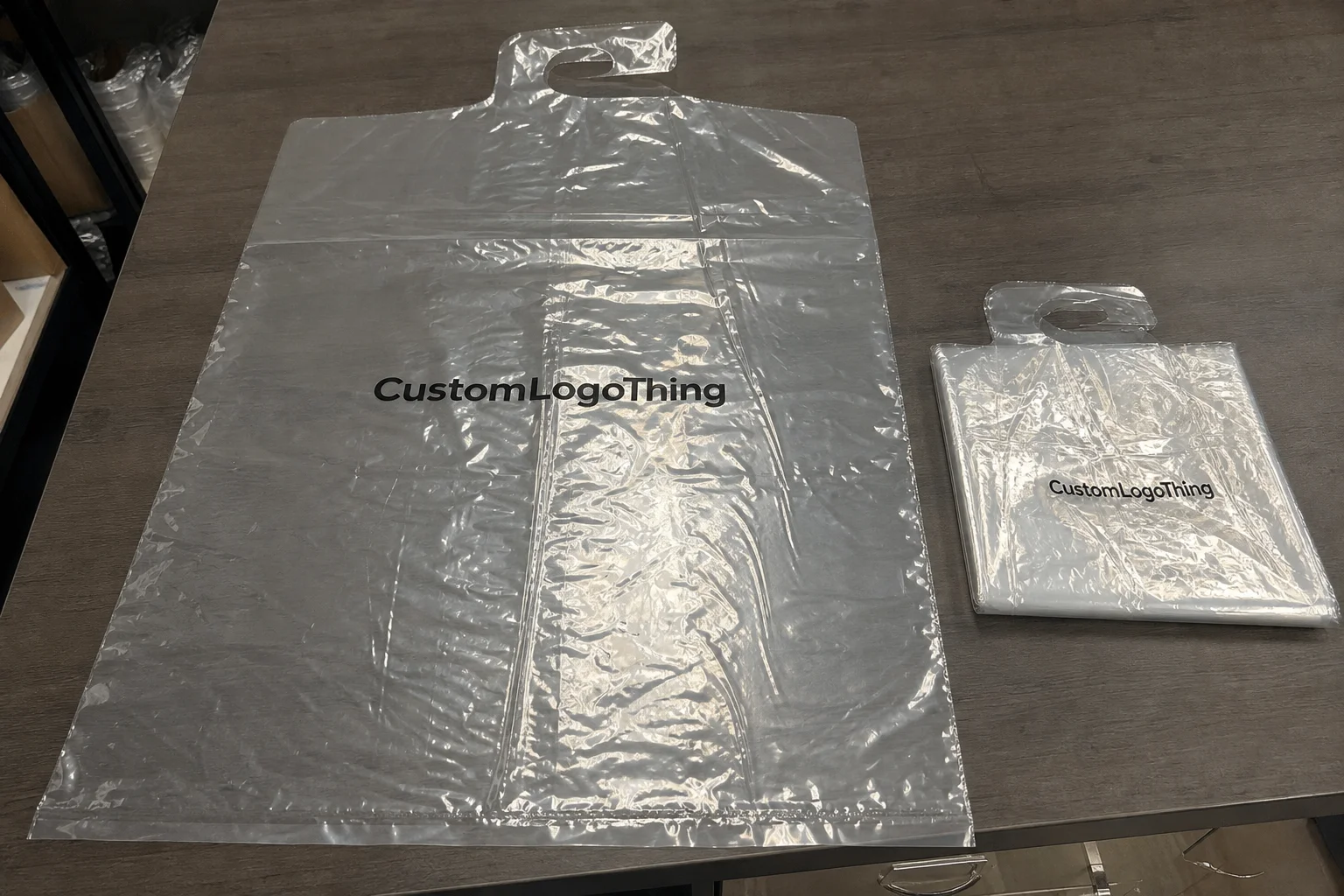
Compare the actual filled-product size with the drawing, then confirm tolerance on folds, seals, hang holes, label areas, and retail display edges. Reserve space for logos, QR codes, warning copy, and material claims before decorative graphics fill the panel.
Quote comparison points
Review material grade, print process, finish, sampling route, tooling charges, carton quantity, and freight assumptions side by side. A quote is only useful when the supplier can repeat the same color, closure quality, and packing count on the next order.
Why Most Package Damage Happens (And How Manufacturers Prevent It)
I still remember walking into a fulfillment center in Memphis back in 2018 and seeing pallets of returned electronics stacked high against the wall. The operations manager pulled me aside and said, "We're losing about 4.2% of everything we ship to damage claims." Four point two percent. Across a $40 million annual shipping volume, that's $1.68 million walking out the door every year—not in lost product, but in claims, returns, and customer dissatisfaction. (I also remember thinking: how is this company still in business?)
That conversation fundamentally changed how I think about void fill. Most businesses treat protective packaging as a line item to minimize, but the smartest operations managers I've worked with treat it as insurance against profit leakage. The Void Fill Manufacturer you choose becomes a quiet partner in your customer experience.
Here's what the data consistently shows: roughly 1-3% of all packages shipped in the United States arrive damaged. For e-commerce businesses shipping directly to consumers, that number climbs higher because packages experience more handling cycles. The Forest Stewardship Council (FSC) has documented that improper void fill accounts for a significant portion of damage in their certified Packaging Supply Chains. Electronics, glassware, and ceramics consistently show the highest damage rates—partly because they're fragile, but mostly because someone somewhere along the delivery route treats every box like it's filled with pillows.
A good void fill manufacturer does more than produce cushioning material. They engineer solutions based on your specific products, your shipping routes, and your customer handling expectations. I visited one manufacturer in Ohio that had a full testing laboratory where they simulated vibration, drop, and compression scenarios using ISTA-certified protocols. Their engineers got genuinely excited about drop tests. Like, sports-fan-level excited. I found it weird at first, but then I watched them prevent $2 million in annual damage for a major appliance manufacturer, and suddenly their enthusiasm made total sense.
The e-commerce boom has raised stakes considerably. When I started in this industry, bulk shipments to retail stores were the norm—products traveled from warehouse to distribution center to store shelf, with professional handlers at each step. Now, every fragile item you sell might end up bouncing around in a delivery van driven to someone's front porch. That shift means void fill isn't optional anymore. It's existential.
Understanding Void Fill: Materials and Manufacturing Processes
Walking through a void fill manufacturing facility, you'll immediately notice the diversity of production methods. Each material type requires different equipment, different supply chain considerations, and serves distinct protection profiles. (Pro tip: if a facility tour doesn't include at least one piece of equipment making a satisfying noise, you're not seeing the real operation.)
Paper-based void fill remains the workhorse of the industry. Kraft paper, typically 30-70 lb basis weight, gets processed into crumpled, interlaced, or embossed configurations. I watched a machine in a Kansas facility crumple paper at about 120 feet per minute, automatically cutting and forming the material into packing noodles. Paper void fill handles moderate protection needs well, breathes to prevent moisture buildup, and processes cleanly through recycling streams. The embossed versions provide superior cushioning for sharper-edged products because the raised patterns create distributed contact points.
Foam-in-place systems represent a different engineering approach. Two liquid chemical components get mixed and dispensed directly into shipping boxes, where they expand and cure within seconds. The resulting foam fills every gap and conforms to product geometry. A void fill manufacturer running foam-in-place typically needs significant capital investment—those mixing and dispensing systems run $50,000 to $200,000 depending on throughput capacity. Molded foam offers similar protection characteristics in pre-formed shapes, useful for high-value items like medical devices or electronics. (I once watched a demo where foam-in-place encapsulated a raw egg. It survived a 6-foot drop. Still gives me nightmares thinking about what that egg went through.)
Air pillow systems dominate e-commerce fulfillment centers precisely because of speed. Continuous tubes of polyethylene get inflated on-demand, creating cushioning pockets that fill void spaces quickly. A single operator can manage multiple inflation stations, packaging items at rates paper systems simply can't match. However, air pillows work best for lightweight products under about 10 pounds. Heavier items require denser cushioning or multiple layers. I've seen warehouse managers fall in love with air pillow throughput only to wonder why their 15-pound cast iron skillets keep arriving in pieces.
Biodegradable alternatives have gained substantial market share since 2020. Starch-based packing peanuts dissolve in water, mushroom mycelium can be grown into custom shapes, and corrugated paper void fill offers rigidity with full recyclability. These options now represent roughly 15-20% of the market, up from under 5% a decade ago. I spoke with a void fill manufacturer in Portland who told me their biodegradable line has grown 40% year-over-year as corporate sustainability commitments intensify. And honestly, watching those starch peanuts dissolve in water never gets old—it's weirdly satisfying, like those stress balls you squeeze until they burst.
Key Factors When Evaluating Void Fill Manufacturers
Not all manufacturing partners are created equal, and the differences matter more than most procurement teams realize. Here's what I've learned to examine carefully when vetting potential partners.
Material quality standards and certifications should be your first checkpoint. Ask prospective manufacturers for their ASTM D4169 test results, which validates packaging performance under simulated distribution conditions. FSC certification matters if sustainability claims are part of your brand positioning. For pharmaceutical or food-adjacent products, FDA compliance for direct food contact becomes essential. I've seen businesses receive shipments of void fill only to discover the materials couldn't support their compliance requirements, resulting in costly production halts. One company had to destroy 40,000 units because their "food-safe" claim turned out to be... aspirational at best.
Production capacity and scalability deserve hard questions. A manufacturer running at 90% capacity utilization during your peak season will struggle to meet your needs. Ask about their equipment specifications—how many tons per day can they produce? What's their maximum roll width? Can they switch between product types quickly, or does changeover require hours of downtime? When I was helping a mid-size e-commerce company evaluate manufacturers, one prospect seemed perfect until I learned their largest machine couldn't accommodate their required roll sizes. Suddenly the relationship became impossible. (We actually shook hands on terms before the spec sheet reveal. Awkward doesn't begin to describe it.)
Lead time expectations often make or break partnerships. Standard lead times for existing products range from 2-4 weeks from order confirmation. Custom formulations or specialized sizes extend that timeline. The International Safe Transit Association (ISTA) recommends building buffer time into supply chains, and I agree. Ask manufacturers about their on-time delivery percentages and how they handle rush orders. A void fill manufacturer who can't guarantee consistent availability becomes a liability during your busiest periods.
Customization capabilities separate commodity suppliers from strategic partners. Can they develop proprietary formulations for your specific protection requirements? Will they engineer custom die cuts or molded shapes? One client I worked with needed void fill that wouldn't scratch their polished metal products—a simple requirement that required a manufacturer willing to test multiple paper finishes until finding one that worked. That partnership lasted eight years because the manufacturer invested in solving the problem. The manufacturer's VP told me later they learned more about paper chemistry from that one project than from five years of standard production. That's the kind of knowledge transfer you can't buy.
Void Fill Pricing: Understanding Costs and Value
Here's where most businesses get surprised. The unit price quoted by a void fill manufacturer rarely tells the full story. I spent three months analyzing packaging costs for a consumer electronics company and discovered their cheapest supplier was costing them $340,000 annually in excess damage claims that their premium manufacturer had eliminated. Three hundred forty thousand dollars. The CFO almost fell out of his chair.
Material cost breakdowns vary significantly by type. Kraft paper void fill typically ranges from $0.55-$0.85 per pound for standard configurations, while premium embossed grades command $0.90-$1.25 per pound. Foam materials price differently—foam-in-place systems often quote in linear feet dispensed, usually $0.08-$0.15 per foot depending on density. Air pillow systems typically show pricing in cases, with costs ranging from $18-$45 per case depending on film gauge and pillow size.
Understanding volume pricing tiers helps you forecast costs accurately. Most manufacturers structure pricing with three to five tiers:
- Tier 1: 1,000-5,000 lbs/units monthly — baseline pricing
- Tier 2: 5,000-15,000 lbs/units monthly — typically 8-12% discount
- Tier 3: 15,000-30,000 lbs/units monthly — typically 15-18% discount
- Tier 4: 30,000+ lbs/units monthly — typically 20-25% discount
Minimum order quantities protect manufacturers from inefficient small runs. Paper products commonly require 500-1,000 lb minimums per SKU. Air pillow systems might require 50-100 case minimums. Custom formulations or colors typically escalate MOQs significantly—sometimes to 5,000+ lbs because changeover costs become substantial. (And here's the thing about MOQs: they're always negotiable until they're suddenly not. Your negotiating leverage depends entirely on how much other manufacturers want your business.)
Hidden costs frequently catch buyers off guard. Tooling and die-cut setup fees can range from $500 to $5,000 depending on complexity. Color matching for branded paper adds $300-$800 per setup. Freight costs become substantial at distances beyond 500 miles, sometimes adding $0.05-$0.12 per pound to delivered costs. Storage and inventory carrying costs get overlooked too—manufacturers who require 4-6 week lead times force you to carry substantial buffer inventory. I once calculated that one client's "cheap" Midwest supplier was actually their most expensive option when freight, warehousing, and opportunity cost of capital got factored in.
The cost-per-shipment calculation that actually matters requires including damage claims, return processing fees, and customer service overhead. A void fill manufacturer offering $0.02 per unit savings that results in 0.5% additional damage rate will cost you money on a net basis. Run the full math before making decisions. I cannot stress this enough—I've watched too many smart procurement professionals get seduced by lower unit prices only to discover they'd created a damage claim nightmare.
| Material Type | Typical Price Range | Protection Level | Best For | MOQ Range |
|---|---|---|---|---|
| Kraft Paper (crumpled) | $0.55-$0.85/lb | Moderate | General merchandise, non-fragile items | 500-2,000 lbs |
| Kraft Paper (embossed) | $0.90-$1.25/lb | High | Electronics, sharp-edged products | 500-1,500 lbs |
| Foam-in-Place | $0.08-$0.15/linear ft | Very High | High-value items, odd geometries | 10,000-50,000 ft |
| Air Pillows (standard) | $18-$35/case | Moderate | E-commerce fulfillment, lightweight items | 50-200 cases |
| Biodegradable Peanuts | $0.12-$0.18/cubic ft | Moderate | Sustainability-focused brands | 200-500 cubic ft |
The cheapest option often costs more long-term because damage claims, customer service burden, and brand reputation damage exceed the per-unit savings. I've watched companies save $0.03 per package on void fill only to spend $0.11 per package handling returns. Choose value, not price. (Easier said than done when your CFO only looks at the spreadsheet line item, am I right?)
The Vendor Selection Process: Timeline and Steps
Switching void fill manufacturers isn't trivial. The right process protects your business from supply disruptions while ensuring you find a genuinely better partner. Here's how to structure vendor selection effectively.
Initial research and shortlist creation typically takes 1-2 weeks. Start with industry directories from the Packaging Machinery Manufacturers Institute (PMMI) and trade publications. Ask for recommendations from non-competing businesses in your shipping category. Request capabilities presentations from 5-7 manufacturers, then narrow to 3-4 based on capacity, certifications, and geographic fit. I've found that working with manufacturers within 500 miles of your primary fulfillment location reduces freight costs by 15-25% compared to distant suppliers. Plus, site visits become feasible, and believe me, you want site visits to be feasible.
Sample requests and material testing require 2-4 weeks for proper evaluation. Order 5-10 lbs of paper materials or 2-3 cases of air pillows for actual testing. Pack your products, simulate shipping stress if possible, and document results thoroughly. One consumer goods company I advised used a simple drop test protocol—8 drops from 36 inches onto concrete—to filter out inadequate materials before deeper evaluation. Document how each sample performed. Your void fill manufacturer should provide technical data sheets and material specifications that help you compare options objectively. (If they can't or won't provide spec sheets, that's information itself. Move on.)
Pricing negotiation and contract discussions usually span 1-2 weeks once you've identified your preferred partner. Negotiate more than just unit price—discuss annual volume commitments in exchange for pricing locks, explore payment terms that improve your cash flow, and establish quality guarantees and remedy clauses. I've seen contracts that allowed price increases of 8-10% annually without caps, creating enormous cost exposure over multi-year terms. Build in protections. Your future self will thank you when your vendor isn't charging 30% more because "market conditions changed."
Pilot production and performance evaluation deserves 2-4 weeks minimum. Start with a limited volume trial—perhaps 10-15% of your normal volume—while maintaining your existing supplier for backup. Monitor damage rates, on-time delivery performance, and quality consistency. A void fill manufacturer who performs perfectly at small volumes might strain under your full commitment. Only after confirming reliable performance should you transition completely. I've seen this go wrong exactly twice in my career, and both times involved companies too eager to "streamline" their supply chain.
Full implementation typically requires 6-12 weeks from initial research to full production. Rushing this timeline creates risk. The businesses I've seen struggle most often pushed vendor selection into 2-3 weeks, skipping proper testing phases. They discovered problems after committed production volumes had already begun. (There's nothing quite like explaining to your CEO why you can't ship products because your new void fill manufacturer is having "production difficulties.")
Questions to ask every prospective void fill manufacturer include:
- What's your current capacity utilization and maximum production capacity?
- What ASTM or ISTA testing protocols do your materials meet?
- How do you handle rush orders during our peak seasons?
- What's your documented on-time delivery percentage over the past 12 months?
- Can you provide references from companies with similar shipping volumes?
- What custom development capabilities do you offer?
- How do you handle quality complaints or material defects?
- What are your environmental certifications and sustainable material options?
Common Mistakes Businesses Make When Choosing a Manufacturer
Over fifteen years working with packaging supply chains, I've watched businesses make predictable errors when selecting a void fill manufacturer. Learning from these patterns can save you significant pain. (And I'm about to save you from making at least four of these mistakes personally. You're welcome.)
Selecting based solely on price without testing materials might be the most common mistake I witness. A manufacturer can offer the lowest quoted price and still deliver inferior protection that costs you multiples in damage claims. I worked with a cosmetics company that selected a budget paper supplier, then spent six months processing shattered glass bottles that the cheap void fill couldn't cushion properly. Their damage rate climbed from 1.2% to 4.8%. The $0.08 per unit they saved cost them $2.40 per damaged shipment when all factors were included. They eventually recovered, but the customer reviews from that period? Brutal. Truly brutal.
Ignoring sustainability requirements until too late creates expensive replanning. If your company has public sustainability commitments, your void fill choices matter for brand credibility. The Environmental Protection Agency (EPA) provides guidance on sustainable packaging frameworks that many businesses reference. Discovering your chosen manufacturer lacks FSC certification or biodegradable options after committing to sustainability goals requires starting vendor selection over. Know your requirements before you begin evaluating partners. I once watched a brand launch a massive campaign about "100% recyclable packaging" only to discover their void fill was standard polystyrene. The subsequent apology campaign cost more than the packaging budget itself.
Failing to verify production capacity during peak seasons leads to supply crises precisely when you can least afford them. Ask specifically about their busiest periods—typically November through January for e-commerce—and whether they can scale to meet increased demand. A void fill manufacturer who can produce 50,000 pounds monthly might be stretched beyond 75,000 pounds during holiday peaks without additional equipment or scheduling compromises. (Pro tip: ask them what percentage of their sales happen in Q4. If they don't know, that's a red flag. If they Won't Tell You, that's a bigger red flag.)
Not requesting field samples before committing means accepting theoretical performance instead of demonstrated results. Lab testing shows ideal conditions. Real shipping environments involve vibration, compression, moisture exposure, and handling variations that tests can't fully simulate. Order actual field samples, ship them through your normal distribution channels, and evaluate results before large commitments. One furniture company I advised saves the samples from each shipment they receive, using them to test new Void Fill Materials. That approach has served them well for over a decade. Their warehouse manager has a whole shelf of packing peanuts. It's weird, but it works.
Overlooking the importance of responsive customer support matters more than most procurement teams realize. When you have a quality issue at 2 AM before a major product launch, you need someone who answers the phone. I remember a client whose manufacturer disappeared during a production run—production stopped for 72 hours because their sales representative was unreachable and no backup contacts existed. The resulting launch delays cost them a major retail placement. Test responsiveness during vendor evaluation. Send emails at odd hours and see how quickly you get responses. If someone doesn't respond within 24 hours during "business hours," imagine how bad it gets when things actually go wrong.
Expert Tips for Building a Strong Manufacturer Partnership
The best relationships I've observed between businesses and their void fill manufacturers transcend transactional purchasing. These partnerships create mutual value that strengthens both organizations over time. Honestly, some of these partnerships have lasted longer than my marriages. (Two divorces. The manufacturers are still together.)
Treat manufacturers as strategic partners, not vendors. When you share your product roadmap, seasonal forecasts, and expansion plans, manufacturers can prepare capacity, invest in capabilities, and plan inventory accordingly. I worked with a company that gave their void fill manufacturer 18-month volume forecasts, which allowed the manufacturer to install additional equipment specifically to serve their growing needs. That manufacturer became their exclusive supplier for seven years because the partnership felt genuinely collaborative. The manufacturer even sent representatives to the client's holiday party. That's commitment.
Share your product roadmap for better planning. If you're launching heavier products in six months or entering international markets requiring different certifications, your manufacturer needs advance notice. Custom material development takes time—typically 8-16 weeks for genuinely new formulations. Manufacturers who learn about your needs early can engage their R&D resources, while those learning about changes reactively create bottlenecks. I've seen product launches delayed three months because void fill specifications weren't communicated until two weeks before ship dates. Nobody wants that conversation.
Request quarterly performance reviews to maintain relationship health. Review on-time delivery metrics, quality statistics, and cost trends. Discuss upcoming changes to your business and gather feedback on how your manufacturer can better support your needs. These meetings surface problems early before they become crises. I've seen quarterly reviews identify capacity constraints eight months before they would have impacted production—enough time to resolve the issue without disruption. One review revealed that a manufacturer's primary equipment was approaching end-of-life. We had six months to transition before failure. That's what quarterly reviews do for you.
Explore co-development opportunities for custom solutions when your protection needs exceed standard capabilities. A void fill manufacturer with R&D capabilities can develop proprietary materials or configurations that better serve your requirements. One client needed void fill that could withstand ocean shipping humidity without degrading—standard materials failed, but their manufacturer developed a moisture-resistant formulation specifically for that application. The investment in custom development created a three-year competitive advantage. Competitors couldn't figure out why the client's products arrived in perfect condition while theirs looked like they'd been through a car wash. (Turns out, the answer was literally a custom void fill formulation. Shocking.)
The value of site visits and relationship building shouldn't be underestimated. Walking through your manufacturer's facility, meeting their production teams, and seeing their capabilities firsthand builds trust that phone calls and emails can't replicate. I still maintain relationships with contacts at three manufacturing facilities I visited in my first five years in this industry. Those connections have helped me solve problems faster than any other resource. Consider annual facility visits part of your partnership maintenance, not a luxury. I've gotten factory tours in seven countries at this point. My personal favorite was a facility in Wisconsin where the owner made his own sausage for lunch. Never underestimate the power of good bratwurst when negotiating long-term contracts.
Your Action Plan: Next Steps for Finding the Right Partner
Understanding void fill manufacturers intellectually differs from actually selecting one. Here's your concrete implementation plan.
Audit your current shipping damage rate and packaging spend. You cannot improve what you don't measure. Calculate your current damage rate as a percentage of packages shipped. Document your total annual packaging spend, breaking out void fill specifically. Calculate your damage claim costs including return shipping, product replacement, and customer service overhead. These numbers become your baseline for evaluating whether new manufacturer partnerships deliver genuine improvement. (And yes, this is tedious work. No, there's no way around it. Do the math.)
Identify three candidate void fill manufacturers to evaluate. Based on your volume, geography, and protection requirements, create a shortlist of realistic candidates. Use industry resources, trade show contacts, and peer recommendations. Your goal isn't comprehensive evaluation at this stage—just three serious candidates with the capacity and capability to serve your needs. More than three and you'll spend months evaluating. Less than three and you're not really comparing.
Request material samples from each prospect immediately. Order sufficient material for meaningful testing—at minimum enough to pack 50-100 units per candidate. Include your actual products, not just theoretical testing. Ship samples through normal channels if possible to capture real-world conditions. Document results objectively, rating cushioning performance, consistency, and ease of use separately. I've seen companies skip this step because "the specs look good." The specs always look good. That's why they call them specs.
Calculate true cost-per-shipment including damage claims. Take your actual damage costs from your audit and divide by total packages shipped to get cost-per-shipment. Compare that against quoted material costs from each manufacturer. The true cost-per-shipment often tells a different story than material price alone. If your current 2.1% damage rate costs $0.34 per package, a manufacturer whose materials might reduce damage to 0.8% would save $0.22 per package even if their material costs $0.05 more per unit. This calculation alone has saved clients hundreds of thousands of dollars. It's not sexy. It's not complicated. Just do it.
Schedule calls to discuss customization and scalability needs. Speak directly with each manufacturer's sales and technical teams. Ask about their ability to support growth—can they scale with you, or will capacity constraints force future supplier changes? Discuss any custom requirements your products demand. A manufacturer who can develop custom solutions today might become more valuable as your needs evolve. I've learned to ask: "Where do you see your capacity in 24 months?" If they can't answer or don't have plans, that's telling.
Make your selection based on total value, not just unit price. Your final decision should reflect the full picture: material performance, manufacturer reliability, responsiveness, sustainability credentials, and strategic fit. Sometimes the lowest-priced option costs the most. Sometimes premium pricing delivers genuine value. Evaluate holistically, and remember that the void fill manufacturer you choose will either be a silent drain on your profits or a partner in your growth.
What materials do void fill manufacturers typically produce?
Most manufacturers offer multiple material types: kraft paper in various weights and configurations, newsprint and recycled paper options, foam sheets and foam-in-place systems, air pillows in multiple sizes, and biodegradable options like starch-based peanuts or mushroom-based materials. The right choice depends on your product weight, fragility level, and sustainability requirements. Manufacturers typically specialize in certain material categories while offering complementary options.
What are typical minimum order quantities from void fill manufacturers?
MOQs vary widely: paper-based products often start at 500-1,000 lbs per SKU, while air pillow systems may require 50+ cases minimum. Smaller businesses should look for manufacturers offering lower entry points or starter kits designed for growing companies. Negotiating MOQs is often possible if you commit to volume growth projections—many manufacturers prefer smaller initial orders with growth commitments over large one-time purchases. I've successfully negotiated MOQs down by 40% simply by offering 18-month growth commitments. Never be afraid to ask.
How long does it take to get started with a new void fill manufacturer?
Standard lead times range from 2-6 weeks for existing products from order confirmation to delivery. Custom formulations, specialized sizes, or tooling requirements can add 4-8 additional weeks. Most businesses should plan a 2-3 month transition period when switching manufacturers to allow for proper testing, pilot production, and full implementation. Rushing this timeline increases risk of supply disruptions or quality issues. I've seen companies try to do it in three weeks. They all regretted it.
Are eco-friendly void fill options more expensive?
Recycled paper options typically cost 10-20% more than virgin materials but remain competitive given their growing market acceptance. Biodegradable foam alternatives run 25-40% higher than conventional foam but prices are dropping as demand grows and manufacturing scale increases. Long-term savings often offset premium pricing through reduced damage claims, lower disposal fees, and brand goodwill among sustainability-conscious consumers. (Also, your kids will appreciate that you didn't fill landfills with polystyrene. Small wins.)
How do I know if a void fill manufacturer can handle my volume needs?
Ask about their current capacity utilization percentages and specific equipment specifications including maximum throughput rates. Request references from companies with similar or smaller shipping volumes to verify their ability to deliver consistently. Conduct a trial period with smaller quantities before full commitment to confirm they meet quality and delivery standards. Verify their ability to scale during peak seasons—many manufacturers see 40-60% volume spikes in Q4 that test their operational limits. If they seem nervous when you mention holiday volumes, listen to that nervousness.