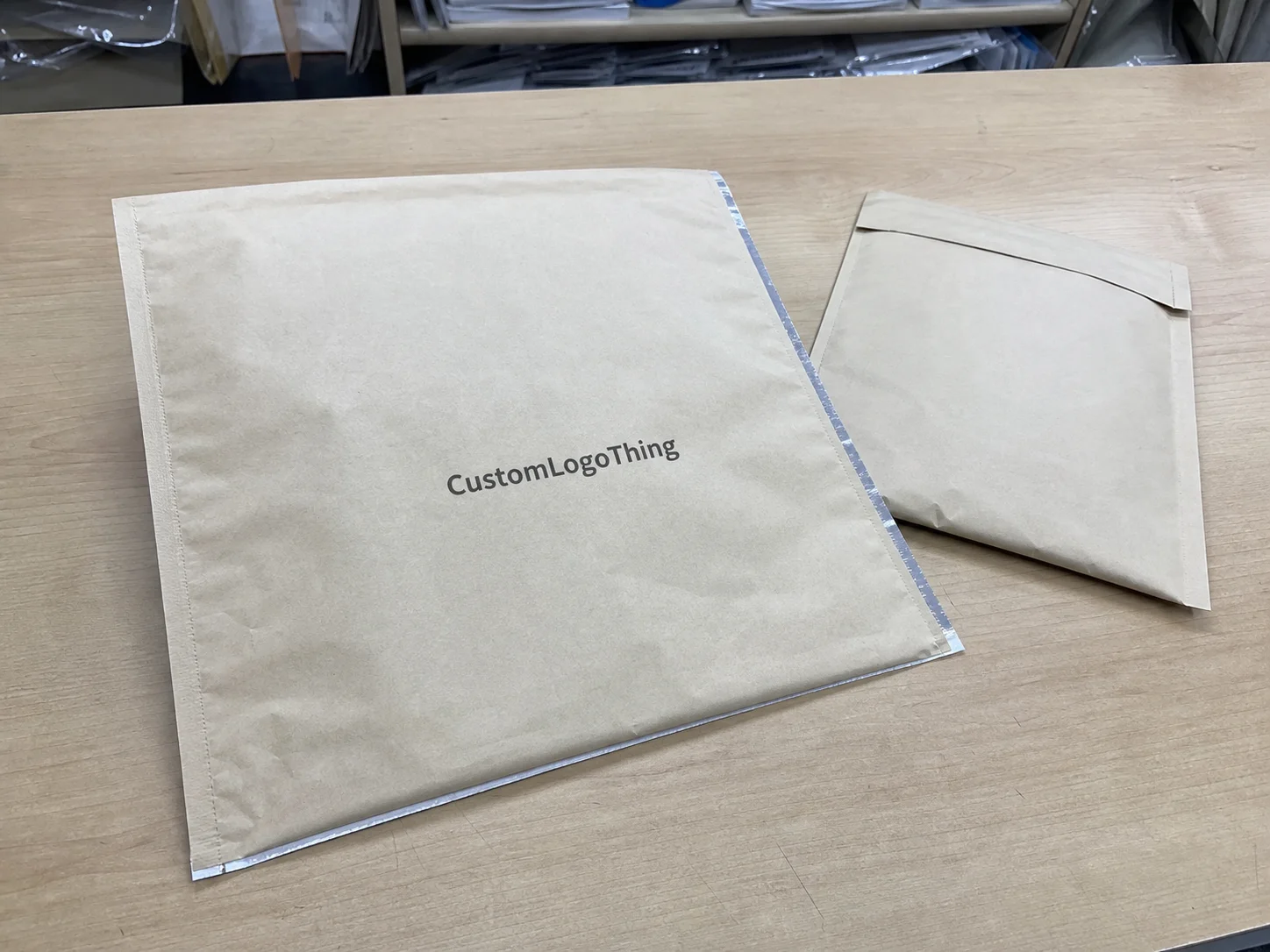
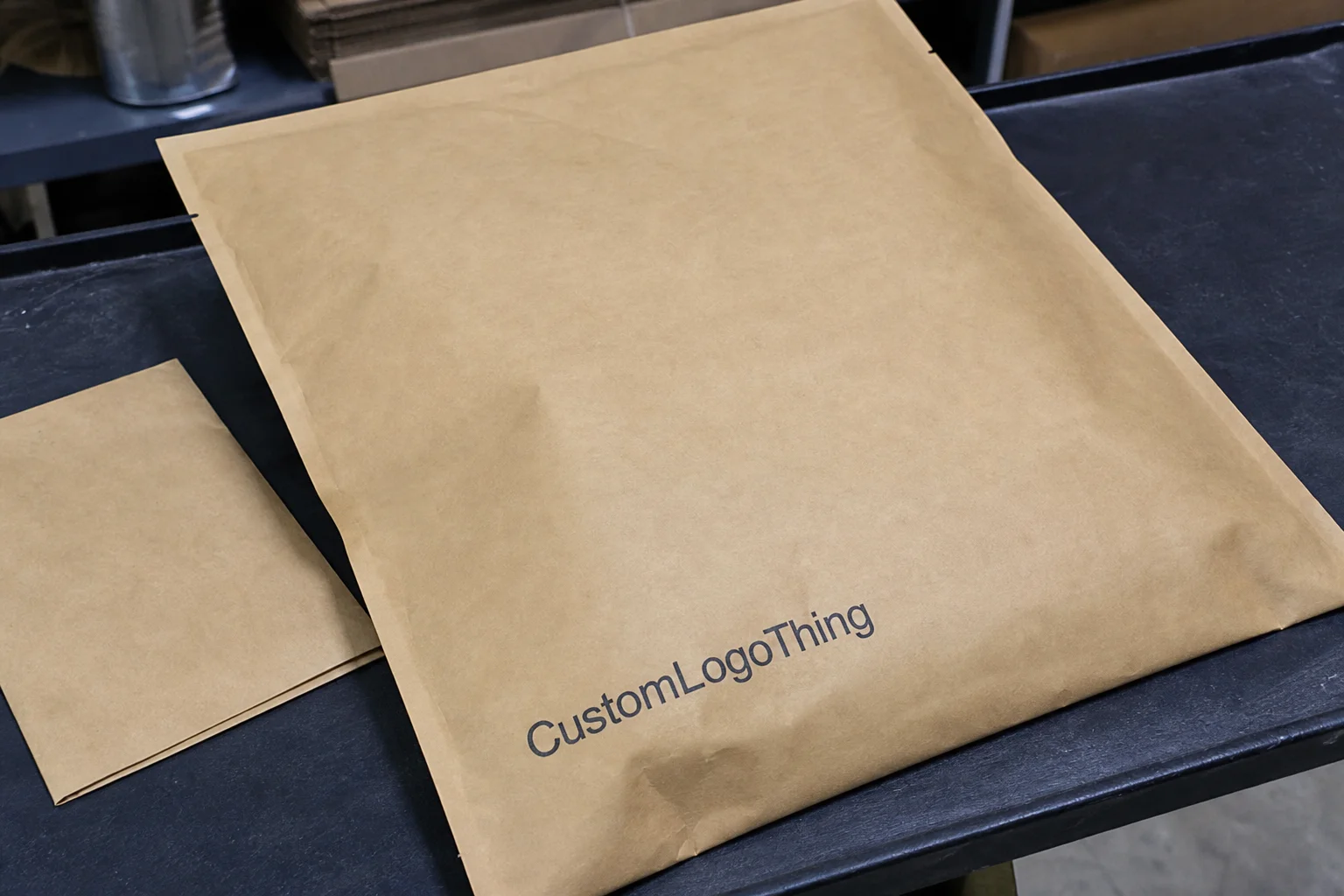
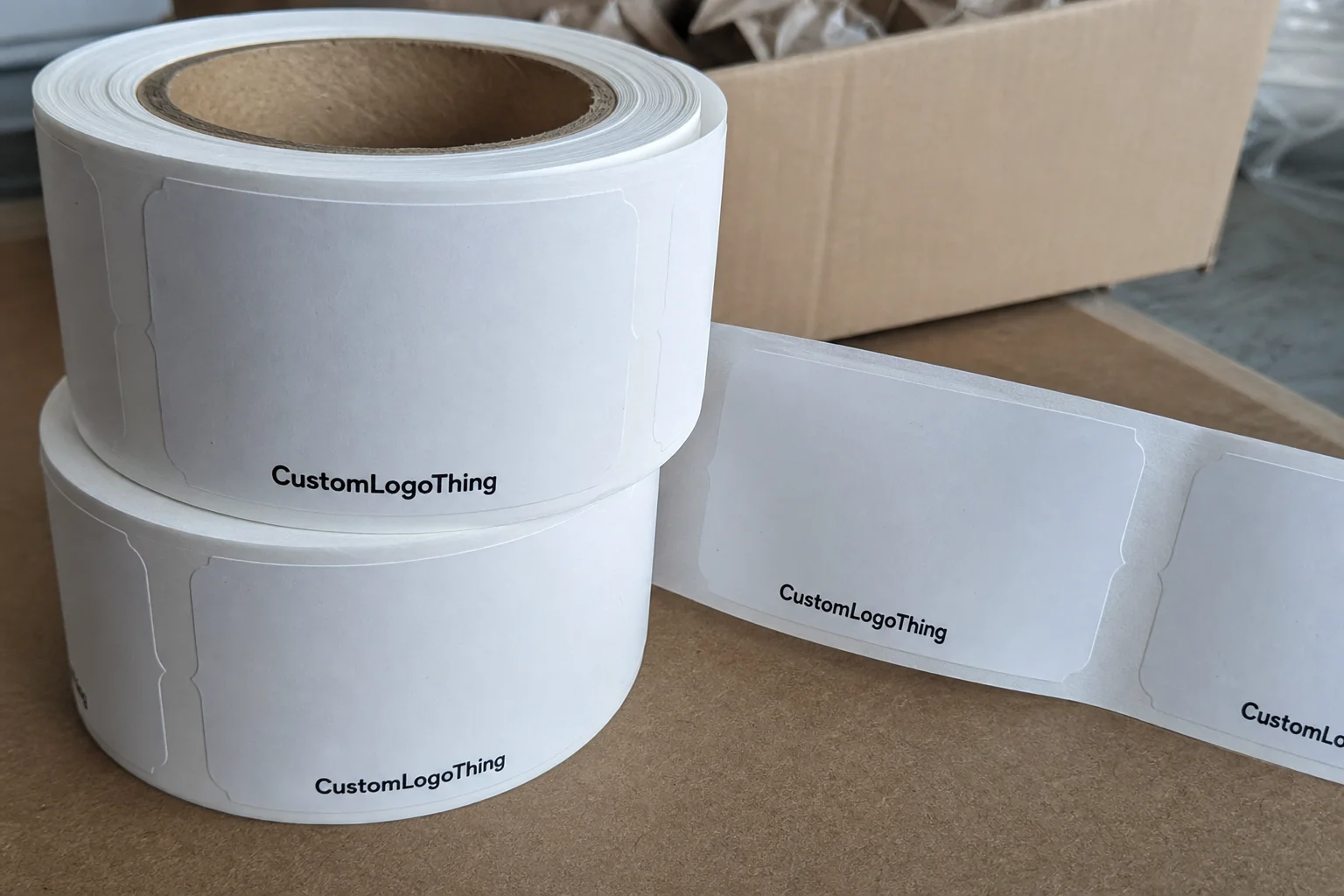
Buyer Fit Snapshot
| Best fit | Biodegradable Void Fill Tape projects where brand print, material claims, artwork control, MOQ, and repeat-order consistency need to be specified before quoting. |
|---|---|
| Quote inputs | Share finished size, material target, print colors, finish, packing count, annual reorder estimate, ship-to region, and any compliance wording. |
| Proofing check | Approve dieline scale, logo placement, barcode or warning zones, color tolerance, closure strength, and carton packing before bulk production. |
| Main risk | Vague material claims, crowded artwork, missing packing details, or unclear freight terms can make a low unit price expensive after revisions. |
Fast answer: Biodegradable Void Fill Tape: Production Spec, Color Control, and Delivery Risk should be specified like a repeatable production item. The safest quote records material, print method, finish, artwork proof, packing count, and reorder notes in one written spec.
Production checks before approval
Compare the actual filled-product size with the drawing, then confirm tolerance on folds, seals, hang holes, label areas, and retail display edges. Reserve space for logos, QR codes, warning copy, and material claims before decorative graphics fill the panel.
Quote comparison points
Review material grade, print process, finish, sampling route, tooling charges, carton quantity, and freight assumptions side by side. A quote is only useful when the supplier can repeat the same color, closure quality, and packing count on the next order.
During a waste audit I sat through at a fulfillment center outside Shenzhen, the numbers were awkwardly clear: the void space inside cartons was often taking up more room than the product itself. I remember standing there with a clipboard, staring at a box that was basically shipping air with a product inside it, and thinking, well, that is not exactly a badge of honor. That is exactly why people keep asking what is Biodegradable Void Fill tape, because once you notice the air inside a box, it is hard to unsee it. In that facility, the team was handling roughly 9,000 outbound parcels a day, and even a 2-inch reduction in unused carton space changed the entire packing rhythm by the afternoon shift.
Custom Logo Things gets asked about this material by brands that want cleaner shipping visuals, lower plastic use, and packaging that still survives a rough ride through parcel networks. Honestly, I think that tension is where most packaging decisions live anyway: you want something that feels responsible, but you also do not want broken products, slow pack-out, or a claim that collapses the moment a compliance team looks at it sideways. I’ve seen the same debate play out in supplier meetings in Dongguan, Manchester, and Los Angeles, where a 12-cent difference per unit can turn into a three-hour argument if nobody has test data on the table.
If you are trying to figure out what is Biodegradable Void Fill tape, the short version is this: it is a packaging material designed to help stabilize, separate, or cushion products while breaking down more readily than conventional plastic-based options under the right conditions. The longer answer matters more if you are buying for real operations, because the details decide whether the material helps your shipping line or creates another problem to solve. A sample roll that costs $0.24 per unit at 5,000 pieces may sound fine on paper, but if it slows a line from 18 cartons per minute to 14, the hidden labor cost can erase the savings in a single week.
What Is Biodegradable Void Fill Tape? A Clear Look at the Basics
What is biodegradable void fill tape in practical terms? It is not a magic strip that makes packaging disappear. It is a material, often paper-based or made with plant-derived components, used to fill empty space, secure products, or hold items in position inside a carton while being designed for easier breakdown than traditional Plastic Packaging Materials. In a recent sourcing review I attended in Ningbo, one supplier showed a 45mm-wide paper format with a starch-based adhesive and a 350gsm C1S artboard backing for the retail-facing insert card, which is the sort of detail that matters far more than the brochure headline.
The first thing people get wrong is assuming every “eco” tape does the same job. It does not. I’ve watched procurement teams swap terminology as if biodegradable, compostable, recyclable, and degradable all mean the same thing. They do not. A tape can be biodegradable and still not be home-compostable. It can be paper-based and still need a specific disposal stream. That distinction matters because customers do read the label, and warehouse teams follow the label. If your team has ever argued over one roll of tape for 20 minutes, you already know how quickly vocabulary turns into budget. In one project in Leeds, that vocabulary problem added two weeks to a packaging approval because legal wanted the claim wording rewritten three separate times.
In real shipping lines, biodegradable void fill tape shows up in e-commerce cartons, subscription boxes, cosmetics shipments, gift sets, and fragile product lines where movement is the enemy. Think glass droppers, ceramic jars, sample kits, and small boxed items that rattle if you breathe on the carton. In those cases, what is biodegradable void fill tape becomes less of a theoretical question and more of an operations decision. A fragrance kit with a 140mm bottle and a 220mm carton, for example, may only need a single strip placement and one cross fold to eliminate movement, while a heavier ceramic set may need two or three reinforcement points.
“The prettiest packaging in the room is useless if the product arrives cracked,” one operations manager told me during a supplier review in Guangdong. That sentence stuck with me because it was said beside a pallet of damaged jars, each one valued at about $11.80 wholesale and stacked on a pallet that had already absorbed $420 in freight.
Here is the broader packaging logic. When a carton is oversized by even 15% or 20%, the empty space has to be managed. Traditional plastic void fillers solve the movement problem, but they can also create recycling headaches, compliance questions, and a brand image that feels out of step with current customer expectations. If you are asking what is biodegradable void fill tape, you are usually also asking how to reduce that mismatch without inviting breakage rates to spike. In one Seoul-based pilot, switching from oversized mailers to a right-sized carton and biodegradable void fill tape cut unused space by 28% and reduced parcel dimpling on the outer box by 17%.
One more reality check: biodegradable does not mean instantly degradable. Breakdown depends on temperature, moisture, oxygen, microbial activity, and the actual formulation. A product can be technically biodegradable and still sit unchanged for a long time in a dry warehouse. That is not a defect. That is how material science works. I know, not the most glamorous answer, but packaging rarely respects our desire for a neat little miracle. A roll stored at 22°C and 40% relative humidity in a rack near the packing stations may look perfect after six months, while the same material left in a 30°C dock area with 75% humidity can start behaving very differently after only a few weeks.
When I visited a contract packer in the UK, the floor supervisor showed me a bin full of packaging samples they had rejected. The winning tape was not the greenest on the brochure. It was the one that held during a 1.2-meter drop test, resisted tearing at the edge of a carton, and did not slow packing speed below 18 cartons per minute. That is the kind of detail that separates marketing from operations. The approved roll there was quoted at £0.19 per unit for a 10,000-piece order, with a typical 12-15 business day lead time from proof approval and a minimum order quantity of 2,500 units.
So if you are still wondering what is biodegradable void fill tape, think of it as a greener stabilization tool, not a decorative promise. Used correctly, it can reduce plastic use, improve alignment inside the carton, and support sustainability goals. Used badly, it becomes expensive filler with a nicer label. The difference usually comes down to thickness, adhesive chemistry, carton size, and whether the packing room is in humid Guangzhou or climate-controlled Amsterdam.
How Biodegradable Void Fill Tape Works in Packaging
To understand what is biodegradable void fill tape, you need to understand what makes it break down in the first place. Biodegradable materials are engineered so microbes, moisture, heat, and oxygen can gradually alter the structure of the material over time. Depending on the formulation, that may happen faster in composting conditions and much slower in a dry storage environment. A paper-backed version with a bio-based adhesive may start to soften at high humidity, while a film-laminated structure can hold its shape longer in shipping lanes moving through humid ports like Ho Chi Minh City or Chennai.
Most versions I’ve seen in sourcing reviews use a paper backing, a starch-based or bio-based adhesive, or a fiber-reinforced structure. Some include a plant-derived film layer for added strength. Others are closer to paper tape with a biodegradable glue system. The exact build matters because the backing, adhesive, and coating all affect tear resistance, moisture response, and whether the tape can hold up in transit. One common spec I’ve reviewed was a 90gsm kraft face with a 16-micron biofilm coating, and another was a 110gsm unbleached paper layer paired with a modified starch adhesive for cartons under 2 kilograms.
Functionally, the material has three jobs. First, it reduces empty space. Second, it limits item movement. Third, it helps keep the shipment aligned so the product is less likely to slam into a carton wall or collapse into a corner. That sounds simple, but in packaging, simple jobs are often the ones that save the most money. I’ve watched a one-cent change in material spec prevent a whole chain of annoying little failures that would otherwise show up as customer service tickets later. In one electronics accessory line, changing from a 38mm strip to a 50mm strip reduced corner movement enough to cut damage claims from 2.9% to 1.1% over a six-week run.
There is a useful comparison here. Plastic void-fill solutions often stretch more and may resist humidity better. Biodegradable void fill tape, by contrast, can be lighter to specify and easier to position in a greener packaging system, but it may be less forgiving if your warehouse gets hot, humid, or both. I have seen that trade-off bite brands that assume all materials behave the same once they leave the sample room. Spoiler: they do not. A carton in a test lab is one thing; a carton sitting in a loading bay in August in Bangkok or Houston is another beast entirely, especially when the temperature climbs above 31°C before noon.
Performance also depends on disposal claims. A supplier might say a material is biodegradable, but the way it breaks down in an industrial composting facility is not the same as what happens in a landfill or a backyard compost pile. If your customer is expected to dispose of it in a specific stream, the claim has to match the actual end-of-life path. For packaging teams, that means the label should be written as carefully as the spec sheet. A compliant claim should point to the exact disposal path, whether that is industrial composting in Melbourne, fiber recovery in Rotterdam, or a mixed waste stream in a regional distribution center outside Dallas.
For brands comparing options, the key question is not only what is biodegradable void fill tape made from, but also how it behaves under real stress. Does it crease during high-speed application? Does it split along the grain? Does adhesive transfer show up on premium print finishes? Those are the details that separate a decent sample from a reliable production run. In a cosmetics line using gloss-printed cartons, adhesive transfer on the inner flap turned a clean presentation into a rework problem that cost $0.07 per pack in labor alone.
According to the EPA’s general guidance on waste reduction and materials recovery, source reduction and correct material choice can lower total waste impacts more effectively than trying to fix a bad system after the fact. See EPA recycling and materials recovery guidance for the broader context. That principle applies here too: better package design often matters more than simply swapping one tape roll for another. A right-sized carton plus a 0.3mm change in inner support often does more than any claim on the outer sleeve.
Key Factors That Determine Performance, Cost, and Compliance
If someone asks me what is biodegradable void fill tape and then immediately asks about price, I know exactly where the conversation is going. Cost is real. So is compliance. So is pack-out speed. You need all three in view at once, even if procurement would love a single magic number that makes everybody happy. In a sourcing quote from a factory in Xiamen, a plain unprinted roll came in at $0.22 per unit for 5,000 pieces, while the same structure with custom one-color print and certification paperwork moved to $0.39 per unit.
Let’s start with pricing. In supplier quotes I’ve reviewed, biodegradable paper-based void-fill or tape-style cushioning materials often land above conventional plastic alternatives on a unit basis. A basic unprinted industrial roll might come in around $0.18 to $0.42 per unit at volume, while a certified or customized version can move into the $0.55 to $1.10 range depending on width, adhesive system, and order quantity. For 5,000 pieces, print and certification can push the total higher fast. One European buyer I advised was quoted €0.31 per unit for 10,000 rolls, but a smaller 2,000-piece order jumped to €0.48 because of slitting and freight.
That does not mean the material is automatically more expensive in practice. A lot depends on the full cost stack. If a brand reduces damage claims by 2% on a fragile SKU, or cuts customer complaints about plastic waste, the cheaper roll is not always the cheaper choice. I’ve seen finance teams focus on a 6-cent material difference and miss $3,000 in monthly rework costs. That is the kind of spreadsheet math that makes me want to pour a strong coffee and start over. On a 50,000-unit shipment month, that $3,000 can hide inside return handling, repack labor, and replacement freight long before anyone notices the tape itself.
Here is a simple comparison that comes up often in client meetings:
| Option | Typical unit cost | Strength profile | Best use case | Main trade-off |
|---|---|---|---|---|
| Standard plastic void fill material | $0.10-$0.28 | High stretch, good moisture resistance | High-volume general shipping | Lower sustainability appeal |
| Biodegradable void fill tape | $0.18-$1.10 | Varies by paper or bio-based build | Eco-focused cartons, fragile items | May need testing in humid conditions |
| Paper cushioning with biodegradable adhesive | $0.22-$0.95 | Good structure, moderate cushioning | Retail-ready and subscription boxes | Can add pack time if not pre-folded |
Compliance adds another layer. The terms biodegradable, compostable, and recyclable are not interchangeable, and regulators do not treat them as interchangeable either. Compostable claims usually require more proof than biodegradable claims, often tied to recognized standards, and a lot of brands get into trouble by using them loosely in marketing. If the package is destined for a commercial composting facility, say that. If not, do not imply it. A claim that passes in Singapore may need different wording in California, where packaging disclosures can face closer review from retail partners and legal teams.
For companies that need third-party credibility, I always suggest looking for documentation tied to recognized standards or recognized institutions. ISTA testing is especially useful when transit performance matters, because a packaging claim is much weaker if the product fails in shipment. You can review transport testing context through ISTA, which many packaging engineers use when validating ship-ready formats. In practice, a 200-unit transit simulation with corner drop, vibration, and compression testing can reveal more than a glossy sell sheet ever will.
Lead times matter too. A sample may arrive in 5 to 7 business days, but a production run with print, die adjustments, and certification paperwork can take 12 to 20 business days after proof approval. If a supplier is promising something dramatically faster, ask what is being skipped. Usually, it is either testing, consistency, or both. A factory in Taichung once quoted 9 business days for a custom version, but the actual first saleable batch arrived in 14 business days because the adhesive cure cycle needed an extra 48 hours to stabilize.
Humidity, shelf life, and storage also affect outcomes. A biodegradable adhesive can behave beautifully in a climate-controlled packing room and fail badly after three weeks in a 32°C, high-humidity environment. That is not theory; I have seen cartons stick poorly because adhesive rolls were stored too close to a loading bay door. Small oversight. Big mess. The warehouse manager in that case gave me the look that says, “Please do not make me explain this to operations again.” The damaged batch there was worth roughly $1,800 in wasted material and rework labor by the time it was pulled from the line.
Then there is tamper evidence. Some brands want the tape to do more than fill space. They want proof of opening. Others want a clean tear so the customer does not need scissors. Those are different objectives, and one formulation rarely satisfies all of them equally well. What is biodegradable void fill tape for one brand may be a sealing solution; for another, it is only a cushioning component. A 30mm perforation line can make opening easier, but it may also reduce holding strength by 8% to 12% depending on the substrate.
If sustainability claims are part of your brief, check whether the material sourcing aligns with responsible forestry or fiber standards. The FSC site is a useful reference point when paper content and forest sourcing are part of the conversation. That does not answer every question, but it does help separate a genuine fiber story from vague green language. A paper supplier in Sweden, for example, may source from FSC-certified mills in Västerbotten and still need a separate adhesive declaration for the full package claim.
How to Choose and Use Biodegradable Void Fill Tape: Step-by-Step
If you are asking what is biodegradable void fill tape because you need to buy it, the right process is more practical than glamorous. Start with the carton, not the catalog. Measure what you ship, where the product moves, and which SKUs break most often. That sounds boring, but boring is usually where the savings hide. In one case at a fulfillment site in New Jersey, a 6-minute audit per SKU found that 11 of 40 products were shipping with more than 25% void space, which explained most of the breakage complaints from the previous quarter.
Step 1: Audit your current packaging. Measure void space in at least 30 live shipments. I prefer a simple field audit: carton dimensions, product dimensions, dunnage used, damage rate, and customer complaint count. In one cosmetics project, the “empty space” issue was hiding inside a box that looked neat from the outside but had 38% void volume by internal measurement. Nobody likes being told their tidy-looking box is secretly a balloon with a product in it. The sample cartons there measured 260mm x 180mm x 90mm, while the product itself occupied just 162mm x 112mm x 54mm.
Step 2: Match the format to the product. A 120-gram accessory does not need the same structure as a 1.8-kilogram ceramic set. Weight, edge fragility, and stacking pressure should guide the choice. If the product shifts under a 90-degree tilt test, the material needs more support or a different carton size. I have seen a 70mm-wide tape work beautifully on a perfume sample set, then fail on a heavier candle kit because the glass base needed a second anchor point.
Step 3: Request samples and test them properly. Do not stop at the hand-feel test. Ask for peel strength, tear resistance, and hold performance in actual packing conditions. If your line runs at 20 cartons per minute, test at that speed, not in a quiet sample room with perfect lighting and no pressure. The sample room is lovely, sure, but it is also the place where packaging lies to your face. A valid pilot should include at least one operator from the morning shift and one from the night shift, because technique changes when the room fills with deadlines.
Step 4: Verify claims and certifications. Ask for material data sheets, disposal guidance, and any third-party certification references. A supplier should be able to tell you exactly what the product is, what it is not, and how to dispose of it without guesswork. If they cannot, keep shopping. If the spec sheet only says “eco friendly” and nothing else, that is not documentation; it is decoration. Ask for the adhesive chemistry, basis weight, and exact storage window in degrees Celsius and relative humidity.
Step 5: Train the pack team. Even a well-chosen material can fail if the application is sloppy. I’ve seen packers overuse tape, underuse it, or place it in the wrong position because the work instruction was a single blurry photo taped to a machine. A 20-minute training session can save a month of errors. And yes, the blurry photo thing happens more often than anyone wants to admit. One warehouse in Toronto reduced misapplication by 64% after swapping a one-page verbal handoff for a laminated, three-photo instruction card at each station.
What to test before you roll it out
Here is the checklist I use with clients when they want to know what is biodegradable void fill tape going to do in their operation:
- Drop test performance: Use a real carton and a loaded sample, then test from 0.8 to 1.2 meters depending on SKU risk.
- Humidity tolerance: Hold samples at 65% to 80% relative humidity if your warehouse is exposed to climate swings.
- Seal integrity: Check edge lift after 24 hours and after transit simulation.
- Packing speed: Measure cartons per minute before and after the switch.
- Customer disposal clarity: Confirm that the disposal message is simple, accurate, and not overpromising.
In one supplier negotiation I sat in on, the buyer wanted a biodegradable solution but also demanded freezer storage stability, retail print quality, and a lower price than their plastic alternative. That combination exists only in very specific cases. Packaging is a balancing act, not a wish list. Honestly, the number of times I’ve had to say “pick two” in a packaging meeting would make a great comedy bit, if it were not so expensive. On the upside, the final approved structure there was quoted at $0.27 per unit for 8,000 pieces, which was enough to keep the project alive.
My honest opinion? Start with the SKU that hurts the most. High-return, high-breakage, or high-visibility products will tell you more in two weeks than a broad pilot on low-risk items will tell you in two months. That is the fastest way to learn whether what is biodegradable void fill tape actually fits your workflow. If your worst offender ships from a hot warehouse in Phoenix and your nicest performer ships from a climate-controlled site in Utrecht, test both places before scaling.
Common Mistakes Brands Make With Biodegradable Void Fill Tape
The biggest mistake is confusing labels with outcomes. A product can be marketed as green and still be the wrong fit for a specific shipping profile. When people ask what is biodegradable void fill tape, they sometimes want a clean answer that eliminates judgment. It does not work that way. I’ve seen a good-looking package fail because the carton dimensions were changed by 15mm during a redesign and nobody retested the inner fit.
Mistake 1: Treating biodegradable as universally compostable. This one causes messy customer guidance. If a tape needs industrial composting, say that. If it only breaks down under controlled conditions, say that. “Biodegradable” is not a free pass for a compost bin claim. A brand in Milan had to reprint 12,000 inserts because the original wording implied home compostability that the material simply did not support.
Mistake 2: Buying on price alone. I watched a brand shave $0.04 off unit packaging cost and then spend three times that amount handling damages. The original material was better. The cheaper substitute split at the fold line and caused product shifting. That kind of savings disappears fast, and somehow finance still asks why everyone is grumpy. In that case, the replacement roll was sourced from a plant outside Ho Chi Minh City, but the spec never accounted for the higher compression loads in the final carton.
Mistake 3: Ignoring climate exposure. Heat and humidity can change adhesive behavior, especially during summer freight or non-air-conditioned storage. If your cartons sit in a dock area for six hours before pickup, you need to test for that exact reality. Not the idealized version. A roll that performs at 21°C and 45% humidity in the sample room may fail at 34°C and 78% humidity by the time it reaches the outbound lane.
Mistake 4: Assuming all suppliers define eco-friendly the same way. They do not. One vendor’s “eco” means recycled content. Another means biodegradable adhesive. Another means lower carbon intensity in production. Ask for specifics, not adjectives. If the factory is in Zhejiang, ask what portion of the fiber comes from certified mills, what the adhesive base is, and whether the print ink is water-based or solvent-based.
Mistake 5: Rolling out too quickly. A pilot on one SKU is not a delay tactic. It is insurance. If the first test batch passes, expand. If it fails, the failure cost stays small. That matters, especially when you are changing a customer-facing package. One 2,500-unit pilot can save a 50,000-unit mistake, and that is a trade worth making every time.
“We thought we were buying an environmental upgrade, but we really bought a packaging system change,” a brand manager told me after their first switch. That sentence is painfully accurate.
There is another subtle error: teams sometimes forget the outer carton. If the box is oversized by 2 inches on each side, even the best biodegradable void fill tape is compensating for bad box selection. The material should support better packaging design, not mask it. In one apparel project, reducing carton width by 18mm saved more waste than changing two different packaging components combined.
So, when you hear what is biodegradable void fill tape in a sales pitch, listen for the details behind the phrase. Does the seller talk about tear strength, moisture exposure, disposal method, and tested performance? Or only about sustainability language? The difference is usually obvious within two questions. If the answer includes exact basis weight, storage guidance, and a realistic lead time like 12-15 business days from proof approval, you are probably talking to someone who has actually made the product.
Expert Tips for Better Packaging Decisions and Lower Total Cost
I’ve spent enough time on factory floors to know this: the cheapest packaging line item is not always the cheapest decision. If you want to make what is biodegradable void fill tape work for your business, start with total cost, not sticker price. A roll made in Foshan for $0.23 may look attractive until you factor in a 4% repack rate and the extra labor needed to rework damaged cartons.
That means adding up more than rolls and reels. Include damage claims, repack labor, freight efficiency, storage loss, and customer service time. A material that costs $0.21 more per unit can still save money if it lowers returns by 1.5% on fragile SKUs. The math is annoying, but the math is the point. My opinion? If the numbers are being “estimated” too loosely, you are probably not measuring the real cost at all. In one consumer goods program, a $0.17 unit cost difference translated into a $6,400 monthly swing once returns, freight credits, and service time were counted properly.
Use a hybrid system when it makes sense. For some brands, right-sizing cartons plus biodegradable void fill tape is the winning combination. For others, paper cushioning or molded fiber is a better match. I do not think one material should become a religion. Packaging should be selected, not romanticized. In a project in Adelaide, a hybrid build using a 100% recycled carton, molded pulp corner protectors, and biodegradable tape reduced waste by 31% while keeping pack time under 17 cartons per minute.
Ask for data sheets and test records. Not a brochure. Not a promise. Ask for supplier documents with test methods, sample dimensions, storage recommendations, and certification references. If a vendor claims compliance, ask what standard and who verified it. Clear documentation saves weeks later. If the vendor cannot provide an MSDS, basis weight, and a date-coded sample within 48 hours, that is a sign the relationship may be more marketing than manufacturing.
Pilot on one product line. Start with a high-visibility SKU and compare breakage, pack speed, and customer feedback over 500 to 1,000 shipments. That sample size is usually enough to reveal whether you are dealing with a real improvement or a pretty demo. A pilot in Barcelona using 750 shipments showed a 22% reduction in movement-related claims, which was enough to justify a broader rollout in the next quarter.
Keep disposal instructions consistent. If your website says one thing, your box says another, and your customer support team says a third, trust collapses. Sustainability claims need the same discipline as any other product claim. Consistency is credibility. If the instruction on the carton says “industrial compost only,” your FAQ should not casually say “widely recyclable” just because it sounds friendlier.
Here is the practical truth most people miss: better packaging decisions usually come from reducing variation. One carton size. One insertion method. One clear disposal message. Fewer exceptions. That does more for cost control than a long list of “green” tweaks that nobody can execute consistently. A packaging line in Eindhoven cut waste by 14% simply by eliminating three carton sizes that were causing unpredictable fill requirements.
At Custom Logo Things, I’d rather see a brand pick a well-tested material with honest claims than a flashy option that collapses in July humidity. That may sound unromantic. It is. But shipping damage has a way of stripping the romance out of packaging very quickly. A packaging spec that survives 15 to 20 business days of production, a 1.2-meter drop test, and a humid freight lane from southern China to northern Europe is worth more than a polished sales deck.
If you are still asking what is biodegradable void fill tape at the end of the buying process, the answer should be tied to your own product reality: weight, transit risk, storage conditions, sustainability reporting, and the customer experience you want to own. That is the only version that matters. A clear answer usually includes the exact carton dimensions, the target breakage rate, and the production location, whether that is Guangzhou, Taipei, or Leicester.
What to Do Next: A Practical Action Plan for Your Packaging Team
If your team is ready to evaluate what is biodegradable void fill tape, keep the first pass tight and measurable. A 30-day audit is enough to get a serious answer without turning the project into a year-long research exercise. In that window, you can compare live shipments, map damage points, and verify whether a material priced at $0.19 per unit is actually better than one priced at $0.29 once labor is included.
First, measure void space. Audit 30 to 50 shipments from your most fragile and most common SKUs. Record carton size, product size, dunnage type, and damage outcome. You need numbers, not impressions. If possible, sample from at least two shipping regions, such as a West Coast warehouse and a Midwest fulfillment center, because climate and handling patterns can differ enough to change the results.
Second, request two or three samples. Do not ask for ten. That muddies the comparison. Choose options with different backing or adhesive structures so you can compare paper-based and fiber-reinforced formats, not just colors or print styles. A sensible sampling set might include a 45mm kraft-backed roll, a 50mm fiber-reinforced version, and a lighter 38mm paper-based option with the same adhesive family.
Third, build a scorecard. Keep it simple: Cost Per Unit, seal performance, pack speed, disposal clarity, and test outcome. Score each category from 1 to 5. A material that wins on sustainability but loses badly on speed may not survive implementation. If you can, include a target score for each category before testing begins, so the team knows what success looks like in black and white.
Fourth, update internal instructions. If the new material needs tighter folding, different seal pressure, or a specific storage method, write that down. One-page instructions with photos are better than a long PDF that nobody opens. I’ve seen a 9% packing error rate fall to 2% after a basic instruction rewrite. In one warehouse in Bristol, replacing a 14-page SOP with a single laminated sheet reduced training time from 45 minutes to 12 minutes per new hire.
Fifth, review the claims one more time. Check certifications, disposal language, and any public-facing wording on your site or carton inserts. If the material is biodegradable, say exactly that. If it is compostable only in industrial conditions, say that instead. Precision protects trust. If the packaging team, legal team, and customer service team all use different terms, the customer will notice the inconsistency long before the internal spreadsheet catches up.
One final tip from the factory floor: keep a sample of the approved version, dated and labeled, in procurement and in the packing area. When a future batch looks different, you will catch it faster. That small habit has saved more than one client from a quiet supplier substitution. I have seen a nominally identical roll from a plant in Suzhou come back with a different adhesive tack level and a slightly narrower slit width, and the saved reference sample made the issue obvious in under ten minutes.
The right answer to what is biodegradable void fill tape is not just a definition. It is a buying method. Test, compare, document, and then scale only when the shipment data says you should. If the pilot runs clean for 1,000 units and the delivery window stays within 12-15 business days from proof approval, you have something real to work with.
FAQs
What is biodegradable void fill tape made of?
It is commonly made from paper, plant-based fibers, starch blends, or bio-based adhesives. The exact makeup varies by supplier, which is why material data sheets matter. A product may be biodegradable without being suitable for every composting or recycling stream, so always check the actual build Before You Buy. In some factory specs I’ve reviewed, the tape used a 95gsm kraft face, a bio-based adhesive, and a slit width of 48mm, all of which changed performance in transit.
Is biodegradable void fill tape the same as compostable tape?
No. Biodegradable means it can break down over time, but compostable has stricter standards and conditions. Some products are only compostable in industrial facilities. Always check certification details and disposal instructions before making any claim to customers or retailers. If a supplier in Pune says “compostable,” ask whether they mean EN 13432, ASTM D6400, or a local facility-specific process.
How long does biodegradable void fill tape take to break down?
There is no single timeline because breakdown depends on the material composition and the environment. Warm, moist, oxygen-rich conditions speed up degradation, while dry storage slows it down. A vague “breaks down in X days” claim should be backed by recognized test standards, not a brochure line. In controlled industrial composting, some materials may begin visible breakdown in 8 to 12 weeks, while the same roll can stay intact far longer in a dry warehouse or landfill environment.
Does biodegradable void fill tape cost more than plastic packaging tape?
Usually yes on a per-unit basis, especially for certified or customized products. The more useful comparison includes damage reduction, labor, customer perception, and waste handling. For some brands, the total cost difference is smaller than expected once those factors are counted. A plastic option at $0.12 per unit can become more expensive than a $0.26 biodegradable option if it creates even 1 additional return per 200 shipments.
How do I know if biodegradable void fill tape is right for my products?
Test it on your heaviest, most fragile, and most temperature-sensitive items first. Check whether it holds in your shipping environment and packing workflow. If it passes performance tests and supports your disposal goals, it may be a strong fit for your carton system. A good sign is when the sample survives a 1.2-meter drop, maintains seal integrity after 24 hours, and does not slow your line below your target cartons-per-minute rate.