Buyer Fit Snapshot
| Best fit | Branded Packaging Manufacturer projects where brand print, material claims, artwork control, MOQ, and repeat-order consistency need to be specified before quoting. |
|---|---|
| Quote inputs | Share finished size, material target, print colors, finish, packing count, annual reorder estimate, ship-to region, and any compliance wording. |
| Proofing check | Approve dieline scale, logo placement, barcode or warning zones, color tolerance, closure strength, and carton packing before bulk production. |
| Main risk | Vague material claims, crowded artwork, missing packing details, or unclear freight terms can make a low unit price expensive after revisions. |
Fast answer: Branded Packaging Manufacturer: Material, Print, Proofing, and Reorder Risk should be specified like a repeatable production item. The safest quote records material, print method, finish, artwork proof, packing count, and reorder notes in one written spec.
Production checks before approval
Compare the actual filled-product size with the drawing, then confirm tolerance on folds, seals, hang holes, label areas, and retail display edges. Reserve space for logos, QR codes, warning copy, and material claims before decorative graphics fill the panel.
Quote comparison points
Review material grade, print process, finish, sampling route, tooling charges, carton quantity, and freight assumptions side by side. A quote is only useful when the supplier can repeat the same color, closure quality, and packing count on the next order.
I’ve sat in enough packaging reviews to know this: a branded packaging manufacturer is not just “the box people.” The good ones shape perception before a customer even touches the product, and that can move a sale by the time the box lands on a desk, shelf, or doorstep. I remember one cosmetic launch out of Dongguan where a $4.20 skincare item suddenly felt like a $24 item once the carton had a clean structure, 350gsm C1S artboard, controlled ink density, and a soft-touch finish. Nothing magical. Just good packaging, a press that held registration within 0.3 mm, and a whole lot less chaos than usual.
That’s package branding doing real work, not fluff. If you’re comparing vendors for branded packaging, you need to know how the process actually works, what drives pricing, and where the expensive mistakes hide. A branded packaging manufacturer can handle Custom Printed Boxes, retail packaging, shipping protection, and the kind of unboxing experience people post online without being bribed. Which, frankly, still surprises me sometimes. The best ones also give you numbers you can actually use: $0.15 per unit for 5,000 pieces on a simple mailer, 12 to 15 business days from proof approval, and a freight quote that doesn’t look like it was assembled during a power outage.
What a Branded Packaging Manufacturer Actually Does
Here’s the simplest definition I give clients: a branded packaging manufacturer turns a brand identity into physical packaging that protects the product, communicates value, and performs in transit or on shelf. Clean definition. Messy reality. The work covers graphics, structure, material selection, production planning, and quality control all at once. I’ve seen brands assume packaging is “just print,” then get hit with crash testing, fit checks, coating choices, and freight planning they never budgeted for. Classic move. Everyone wants the pretty mockup until the spreadsheet shows up. A simple folding carton can use 300gsm SBS board, while a luxury set may need 2 mm greyboard wrapped in 157gsm art paper with a magnetic closure. Different animals. Same headache.
Many brands treat packaging like decoration. It does more than that. It shapes perceived value before the product is opened. In a supplier meeting I attended in Shenzhen, a cosmetics team compared two cartons that looked almost identical in size. One used 300gsm paperboard with a matte aqueous coating. The other used 350gsm board with soft-touch lamination. The second sample cost more, sure, but everyone in the room called it “premium” within ten seconds. That’s the power a branded packaging manufacturer can create when they know what they’re doing. I still remember the awkward silence when the cheaper box won the engineering argument but lost the customer reaction. The cost difference was only about $0.08 per unit at 10,000 pieces, which made the silence even more annoying.
There’s also a real difference between a general printer, a contract packager, and a branded packaging manufacturer. A general printer may print labels or sheets, but may not engineer packaging structures. A contract packager fills, assembles, or co-packs product into already defined packs. A branded packaging manufacturer does the physical and visual work together: they design, print, die-cut, crease, fold, convert, and finish the packaging so it fits the brand and the product. If you’re sourcing from Guangdong, Suzhou, or Ningbo, ask which of those steps happen in-house and which are handed to a subcontractor. That one question can save you three weeks and a lot of fake confidence.
What comes out the other end? Common outputs include:
- Mailer boxes for ecommerce and subscription brands
- Folding cartons for retail packaging and shelf display
- Rigid boxes for luxury goods and gifting
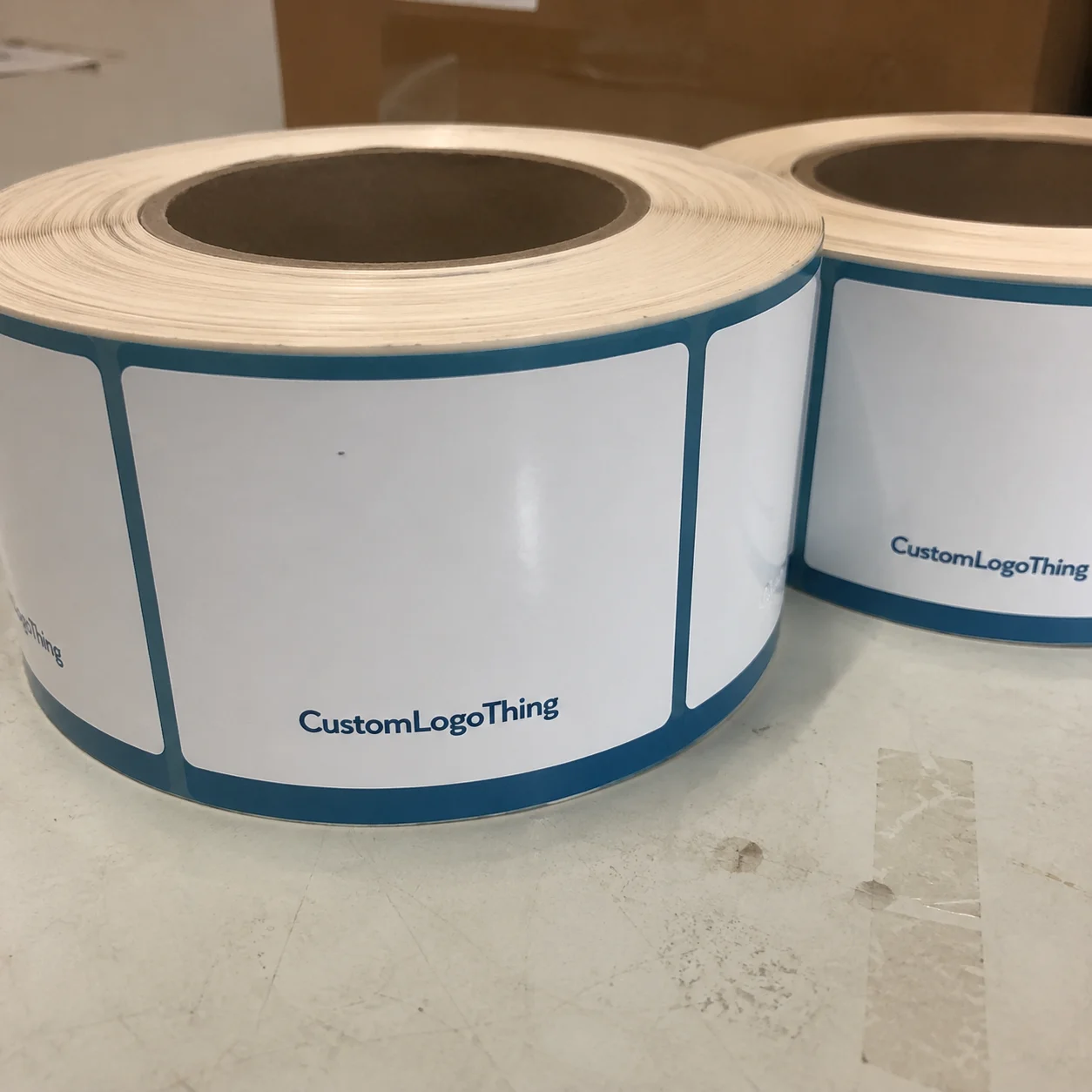
- Labels and sleeves for bottles, jars, and multipacks
- Inserts and dividers for protection and presentation
- Shipping cartons for warehouse movement and delivery
That mix matters because packaging has to do four jobs at once: recognition, protection, shelf impact, and unboxing. Miss any one of those and the system weakens. I’ve seen retail packaging look gorgeous but fail in transit because the insert was undersized by 2 mm. I’ve also seen plain cartons save a brand thousands because they nested efficiently on pallets and cut damage rates by 18% over a six-month run. That’s the boring kind of win nobody celebrates on Instagram. The carton spec was 32 ECT corrugated board, by the way, not fairy dust.
For ecommerce, the goal is often protection plus brand memory. For retail, it’s shelf impact plus compliance. For subscription, it’s repeatable unboxing plus controlled cost. A strong branded packaging manufacturer adjusts the approach by channel, not just by style. If your product ships from Atlanta to Miami in July, that same box needs to handle heat, humidity, and a truck that probably wasn’t pampered.
“The box is not the afterthought. It’s the first physical proof that the brand meant what it said.”
How a Branded Packaging Manufacturer Works
The workflow is usually more structured than brands expect. A good branded packaging manufacturer doesn’t jump straight to printing. They start with the brief, because a vague brief creates expensive guesswork. In my experience, the strongest projects begin with product measurements, channel requirements, quantity targets, and one blunt question: what should the packaging do better than the current version? If you’re shipping 8 oz jars, say so. If the product has a 72 mm diameter and a 115 mm height, say that too. “Standard size” is not a spec. It’s a cry for help.
Then comes discovery and design. This is where the manufacturer asks about dimensions, fill method, shipping conditions, retail display, and whether the box needs to hold one item, a bundle, or a kit. If the project involves custom printed boxes, the team will usually create a dieline, which is the flat technical map of the box structure. Once that’s approved, artwork gets placed on the dieline, and the files move toward proofing. On a clean job, a dieline for a tuck-end folding carton is usually ready in 1 to 3 business days. More complex structures, like a rigid box with foam insert, can take 5 to 7 business days before anyone even prints a sample.
Proofing saves money later. A sample can expose color drift, weak folds, poor glue areas, or a logo that gets swallowed by a seam. I once sat through a line review where a snack brand discovered its QR code landed on a curved fold panel. The team had already approved the artwork visually, but the scannability test failed. That one check probably saved them a reprint and a very awkward launch. I could almost hear the collective groan when the scanner beeped “nope.” The reprint quote would have been about $1,900 for 8,000 cartons, which is a painful way to learn that a barcode has feelings too.
Production methods vary too. A branded packaging manufacturer may use digital printing for shorter, highly customized runs; offset printing for high-color fidelity and larger volumes; or flexography for labels and corrugated work where speed and repeatability matter. Special finishes can include foil stamping, embossing, spot UV, matte lamination, gloss varnish, and soft-touch coating. Each one changes cost, handling, and feel. A matte aqueous coating on a 400gsm carton might add only $0.03 to $0.05 per unit at 10,000 pieces, while foil stamping plus embossing can add $0.12 to $0.25 per unit depending on sheet size and labor. There’s no magic finish that wins every case. If there were, half the sales decks I’ve seen would be a lot shorter.
Process and timeline drivers
Most delays come from the same few places: artwork revisions, structural changes, material sourcing, and shipping distance. A simple mailer box with one-color print may take 10 to 15 business days from proof approval. A rigid box with foil, ribbon pulls, and custom inserts may stretch to 20 to 35 business days, depending on the factory queue and freight. If you need special paper stock or FSC-certified board, sourcing can add several days. If the final move is ocean freight instead of air, add much more. A factory in Shenzhen can often turn a 5,000-piece carton order in about 12 to 15 business days after approval, while a partner in Ho Chi Minh City may quote 15 to 18 business days if the board has to be imported. Geography matters, even when people pretend it doesn’t.
The timeline also depends on how fast the client answers. Brands underestimate this part all the time. A supplier can usually move faster than a committee. If marketing needs three revision rounds and procurement wants a new spec sheet each time, the calendar gets chewed up. A good branded packaging manufacturer will warn you early, but they can’t compress internal decision-making for you. I wish they could. Some Slack threads deserve a time-out. I’ve watched a one-day artwork approval turn into eight calendar days because three people wanted to “just tweak the headline.” That’s not refinement. That’s sabotage in a nicer font.
Manufacturers also coordinate with fulfillment partners and logistics providers. That can mean pallet specs, carton count per skid, warehouse labeling, and whether the pack size works with pick-and-pack operations. When I visited a fulfillment center in Pennsylvania, the operations team showed me how a 1/4-inch change in carton height altered their machine settings enough to slow throughput by almost 9%. Tiny dimensions. Big consequence. A 10 mm taller carton also pushed them over a pallet height limit by 2 inches, which triggered a new freight class. That’s the kind of detail people ignore until the line starts coughing.
If you want a sense of the broader industry context, the Packaging Machinery Manufacturers Institute and the International Safe Transit Association publish useful standards and testing guidance. Not every project needs formal lab testing, but ISTA-style thinking is smart even for modest ecommerce launches. Shipping reality has a way of correcting optimism. If a carton survives a 36-inch drop test onto corrugated corners and still keeps the product intact, you’re starting from a decent place.
Key Factors That Shape Packaging Quality and Price
Pricing from a branded packaging manufacturer is rarely random. It’s a stack of decisions, and each one has a cost signature. Material choice is usually the first big driver. A 300gsm C1S paperboard carton will not price like a 2 mm rigid chipboard box wrapped in printed art paper. The first may be perfect for lightweight product packaging. The second may be better for luxury presentation and gift sets. Different job, different economics. For example, 5,000 units of a 300gsm folding carton might land around $0.15 to $0.20 per unit, while the same quantity in a rigid setup can easily move to $1.20 or more per unit before freight.
Box style matters too. Mailer boxes, folding cartons, sleeve-and-tray setups, and rigid boxes all use different converting steps. Dimensions influence board usage and how efficiently the factory can cut sheets. Print coverage matters as well. A one-color exterior on kraft board is cheaper than full-bleed CMYK with white ink underlay, especially if the box needs tight brand color matching. Finishes add their own layer: spot UV, foil, embossing, or soft-touch lamination can each raise unit cost, but not always by the same amount. On a 10,000-piece run in Xiamen, spot UV might add $0.04 per unit, while a full foil panel could add $0.10 to $0.18 depending on coverage and whether the line needs a second pass.
Quantity is one of the most misunderstood pieces. Larger runs usually lower the unit cost because setup gets spread over more pieces. I’ve seen a run of 5,000 folding cartons land at about $0.18 per unit, while 25,000 units of the same spec came in closer to $0.11 per unit. The catch? The lower unit price came with a bigger cash commitment and more storage needs. Cheap per box is not the same thing as cheap overall. This is where a lot of founders get a rude little wake-up call. If your warehouse charges $18 to $28 per pallet per month in Phoenix or Dallas, those “savings” start taking up floor space real fast.
Here’s a practical comparison I’ve used in supplier conversations:
| Packaging Type | Typical Material | Common Use | Relative Unit Cost | Notes |
|---|---|---|---|---|
| Mailer box | Corrugated E-flute | Ecommerce | Low to medium | Good for shipping and branding; efficient to assemble |
| Folding carton | 300gsm–400gsm paperboard | Retail packaging | Low to medium | Strong shelf presence; best for lightweight products |
| Rigid box | Chipboard with wrap | Luxury and gifting | Medium to high | Premium feel; higher labor and freight footprint |
| Shipping carton | Corrugated board | Transit protection | Low | Focus is performance first, not display |
Sustainability claims can affect cost in a few different ways. FSC-certified board may cost more than standard stock, depending on supply, region, and order size. Recycled content can change print behavior, especially on rougher kraft surfaces. Water-based inks, lower-VOC coatings, and right-sized packaging can improve the environmental story, but they should also be judged on actual performance. I’ve seen brands pay extra for an “eco” claim, then ship product in an oversized box filled with plastic air pillows. That undermines the message fast. Customers notice. So does the operations manager who has to hear about it. If you’re using 100% recycled E-flute from a mill near Jiangsu, ask for crush strength data, not just a nice sentence in a sales deck.
The EPA’s materials and waste guidance is useful if you’re trying to reduce excess packaging and improve recovery rates. It won’t choose a die line for you, but it does reinforce a simple truth: less waste starts with smarter design, not just better slogans. A box that’s 8% smaller can cut cubic volume enough to save real freight money on a 2,000-unit monthly program.
Structural design affects shipping efficiency and damage rates too. A box that fits product tightly can reduce void fill and cut freight dimensional weight. A stronger flute or reinforced insert can lower breakage. Extra structure can also increase board usage and assembly time. The best branded packaging manufacturer helps you find the balance, not just the prettiest mockup. I once watched a brand reduce its damaged-return rate from 4.6% to 1.8% after switching to a 32 ECT mailer with a 1.5 mm paper insert. That kind of boring math pays rent.
And yes, hidden costs are real. Tooling, plates, setup, revisions, freight, storage, and sometimes import duties can all alter your landed cost. I’ve seen a procurement team celebrate a low factory quote, then add 14% to 22% once freight, carton labels, and a second proof round were counted. Always ask for the whole picture. The quote on paper is cute. The landed cost is the one that shows up to the party. If your shipment is coming into Long Beach or Savannah, don’t forget customs brokerage either; that line item rarely volunteers itself.
How to Choose the Right Branded Packaging Manufacturer
Choosing a branded packaging manufacturer is less about finding the cheapest vendor and more about finding the partner who will not create avoidable problems. I’ve been in meetings where a brand chose the lowest quote, only to discover the supplier couldn’t hold color consistency across a reprint. That kind of inconsistency hurts trust because packaging is one of the few physical brand assets customers handle directly. If the box looks different every time, people notice. They may not say it out loud, but they notice. I’ve seen a lip balm brand get complaints after a second run printed slightly darker blue in one Shenzhen facility than in the first run from Suzhou. Same file. Different press setup. Same headache.
Start with the portfolio. Does the manufacturer show work similar to your product category? A cosmetics brand should look for clean registration, fine text control, and controlled finishes. A supplement brand should care about label durability, regulatory space, and carton legibility. Apparel brands may prioritize unboxing and shelf presentation. Food and beverage teams need migration-safe materials, moisture considerations, and sometimes extra compliance checks. Industry fit matters more than people admit. If you’re shipping tea from Portland to cafés in California, a kraft sleeve with soy-based inks may make sense; if you’re packing premium serum in Seoul, that same look might feel too casual.
Then look at capability. Can the branded packaging manufacturer handle design support, structural engineering, sampling, and production under one roof or through managed partners? Ask how they control color. Do they reference Pantone libraries, provide press proofs, or use calibrated digital proofs? What’s their revision policy? How many rounds are included before charges kick in? These details save arguments later. A factory in Dongguan that offers a first sampling round at $75 and credits it back on a 10,000-piece order is very different from a vendor that charges you for every draft like they’re selling rent-by-the-hour opinions.
Here’s a question set I use in supplier conversations:
- What is your minimum order quantity for this style?
- Can you produce a structural sample before final artwork approval?
- How do you verify color accuracy on repeat runs?
- What tolerances do you hold for dimensions and fold accuracy?
- Do you support ISTA-based transit testing or equivalent checks?
- What costs are included in the first quote, and what is extra?
Sample packs and past case studies tell you more than a sales pitch. A polished website can hide weak execution. Real samples show whether the edges are crisp, the glue lines are clean, the print is even, and the finish resists scuffing. If you want examples of supplier evaluation in practice, the Case Studies page is a good place to compare outcomes, not just claims. Ask for a sample sent from the actual plant in Guangzhou, not just “a sample from the office,” because those are not always the same thing. Shocking, I know.
Red flags are usually easy to spot if you know the signs. Vague quoting is one. So is reluctance to discuss tolerances, lead times, or reprint responsibility. Another warning sign: a manufacturer that promises every finish, every quantity, and every deadline without asking a detailed brief. That’s not confidence. That’s usually poor scoping. Or, more bluntly, wishful thinking wearing a polo shirt. If they can’t explain why a 157gsm art paper wrap behaves differently from a 128gsm gloss sheet, keep walking.
For brands working with a partner like Custom Logo Things, the internal pages on Custom Packaging Products and About Custom Logo Things can help clarify what service mix and support structure you’ll get before you request pricing. That matters if you need a quote for 3,000 units this month and 12,000 next quarter, because consistency beats improv when the freight booking is already live.
Step-by-Step: Working With a Branded Packaging Manufacturer
If you want the smoothest path, treat the project like a specification exercise, not a creative gamble. The best work with a branded packaging manufacturer starts with clear inputs. Before requesting quotes, gather product dimensions, product weight, packaging style, print coverage, finish preferences, quantity, destination, and any compliance needs. A manufacturer can fill in gaps, but they should not be forced to guess the basics. Send the actual bottle height, the cap diameter, the insert depth, and the carton target weight if you have it. “We’ll know it when we see it” is not a production plan.
Here’s the sequence I recommend:
- Define the goal. Is the box for ecommerce, retail, gifting, or internal fulfillment?
- Set the budget. Include freight, sampling, and storage, not just unit price.
- Share product specs. Weight, dimensions, fragility, and assembly method matter.
- Request quotes. Ask for matching specs so you can compare accurately.
- Review samples. Check fit, print, structure, and finish in person if possible.
- Approve artwork. Only after the dieline and sample are confirmed.
- Schedule production. Lock in dates and shipping windows early.
Comparing quotes apples-to-apples is one of the biggest discipline tests in packaging work. A quote for a 350gsm folding carton with matte aqueous coating is not comparable to a quote for a 400gsm carton with foil and embossing. The board thickness, finishing steps, and production method need to match. Otherwise, you’re comparing two different products and calling it a price review. I’ve watched people do this with total confidence, which is somehow worse. A fair comparison should include the same dieline, same ink coverage, same carton count, same shipping terms, and the same payment structure. Otherwise, you’re buying confusion with a spreadsheet on top.
Revisions need control too. I’ve seen a brand lose a week because three teams changed the copy at once: marketing updated the claims, legal changed the disclaimers, and operations moved the barcode. That kind of drift is common. Use one version owner. Keep a change log. Limit who can approve final art. A branded packaging manufacturer can manage the production side, but they cannot untangle internal confusion after the proof has moved. I’ve watched a box go from proof approval to a rework because someone “just wanted the logo bigger by 2 mm.” That tiny request cost $320 in new plates and killed a Friday afternoon.
Typical timeline from concept to delivery
A straightforward packaging run can move through discovery and quoting in 2 to 5 business days, sampling in another 5 to 10, and production in 10 to 20 after approval. More complex work can take longer. Rigid boxes, specialty inserts, or multi-SKU programs often stretch further because die-making, wrap materials, or insert tooling add steps. Freight is its own clock. Air is faster, sea is slower, and domestic ground sits somewhere in between. For a 5,000-piece folding carton order from Shenzhen to Los Angeles, plan on 12 to 15 business days from proof approval to finished cartons at the factory, then another 3 to 7 days for air freight and customs release if you’re moving fast.
Before launch, run a final readiness check:
- Inventory count confirmed
- Insert fit tested
- Carton count per pallet agreed
- Delivery window aligned with launch date
- Barcode and label placement verified
One more thing I learned the hard way while standing on a factory floor in Guangdong: if the launch date is fixed, build a cushion. Even a clean project can be delayed by paper supply, weather, or customs paperwork. A good branded packaging manufacturer will tell you that upfront instead of pretending shipping lanes never misbehave. I’ve seen a 20-foot container miss a dock appointment in Ningbo because of a rain delay and a truck queue that looked like a bad joke. Add seven days of buffer and your blood pressure will thank you.
Common Mistakes Brands Make With Packaging Projects
The most expensive packaging mistakes are usually not flashy. They’re basic. Brands pick a style before they define fit. They approve artwork before the structure is finalized. They underestimate lead time by two or three weeks and then ask every supplier to “expedite” a job that was never scheduled with enough margin. A branded packaging manufacturer can fix a lot, but not a missed planning window. Time does not care about urgency emails. If your campaign date is May 15 and the cartons need 18 business days after proof approval, do the math before the coffee goes cold.
Measurement errors can turn into real money. A difference of 3 mm might not sound like much, yet it can create a loose insert, a lid that doesn’t close properly, or a carton that bulges in transit. I once saw a candle brand absorb a reprint because the jar diameter varied by supplier lot and the insert pocket was never widened. The box looked fine on screen. On the line, it was a headache. On the sample table, everyone nodded. Then production arrived and said, “Nope.” The reprint cost came to about $1,150 for 4,000 units, which is a very expensive way to learn that glass jars enjoy being inconsistent.
Over-design is another trap. Too many finishes can make a pack feel expensive in the meeting room and awkward in the warehouse. Heavy embellishment can slow assembly, increase scuff risk, and complicate recycling. I’m not anti-premium. I’m anti-unnecessary. A clean custom printed box with a sharp logo, good paper stock, and smart structure often outperforms a crowded design loaded with effects that fight each other. A 350gsm C1S carton with one foil hit and a matte aqueous coat can look more premium than a box trying to win a design award and a freight claim at the same time.
Print tolerances and color variation deserve respect too. Ink behaves differently on coated paperboard, kraft board, and recycled content. A rich navy on one stock can dry flatter on another. If color accuracy matters, ask about proofing, press checks, and acceptable delta ranges. If the branded packaging manufacturer glosses over that, keep asking. Then ask again, a little slower this time. I’ve seen a brand approve a green that matched the monitor but not the stock, and the final cartons came out looking like they had spent the weekend outdoors.
Ordering too little can hurt just as much as ordering too much. Small runs often carry higher per-unit costs and can create repeat-run inconsistency if the supplier changes material lots later. In one buyer meeting, the procurement lead wanted to save cash by cutting the order in half. The per-unit price went up by 27%, and the next reorder had a slightly different board tone. That “savings” vanished quickly. A 2,500-piece run at $0.21 per unit sounds lean until the second order jumps to $0.24 because the mill changed stock by 10 points.
Miscommunication between marketing, operations, and procurement causes its own damage. Marketing wants the pack to feel luxurious. Operations wants it to assemble in six seconds. Procurement wants the lowest landed cost. All three goals can coexist, but only if they’re discussed before the quote is final. A branded packaging manufacturer becomes far more useful when internal teams stop sending mixed signals. I’ve watched a project in New Jersey stall for nine days because three departments approved three different versions of the same carton. That is not collaboration. That is a group project with trust issues.
Expert Tips for Better Results From a Branded Packaging Manufacturer
Start with the product’s real-world use case. Is the packaging being shipped individually, stacked on a retail shelf, handed out as a gift, or stored in a humid backroom? That answer changes the spec more than most founders realize. A branded packaging manufacturer can build for elegance, but the package still has to survive your actual channel. Fancy that. A box destined for Miami in August needs a different moisture strategy than one headed to Denver in February.
Request physical samples and compare them under the same lighting you’ll use in store, studio, or warehouse. I’ve seen colors that looked perfect under cool white LEDs turn muddy under warmer retail lighting. Paper grain, sheen, and coating reflectivity all behave differently outside the sample room. If possible, check samples next to the product itself, not on a blank table. I like to test them on the same countertop, under the same 4,000K lighting, with the actual bottle beside them. Sounds picky. It is. Picky wins.
Build a packaging spec sheet you can reuse. Include product dimensions, material grade, print method, finish, fit notes, and approved artwork versions. That document becomes gold on repeat runs. It reduces back-and-forth and helps your branded packaging manufacturer quote accurately the second and third time, not just the first. I’ve seen a brand cut quoting time from five days to two simply by sending a clean spec sheet with the dieline, SKU count, and target pallet size already filled in.
Test unboxing, damage resistance, and assembly speed before launch. A box that takes 14 seconds to assemble may be fine for limited boutique runs, but terrible for a high-volume fulfillment line. A package that looks pristine but arrives dented after a drop test is not finished. If you need a standard, ask whether the manufacturer can evaluate packaging against ISTA-style transit tests or comparable methods. That kind of discipline usually pays for itself. A 36-inch corner drop, a vibration run, and a compression test can expose issues that a showroom table politely ignores.
Premium finishes are worth the spend when they reinforce the buying decision. Soft-touch lamination works well for luxury skincare, tech accessories, and presentation kits where tactile appeal matters. Foil can help if the logo is small and the shelf environment is crowded. But if the packaging is mainly a shipping vessel, a cleaner, simpler execution may be smarter. Honestly, I think many brands overspend on finishes before they’ve solved structure. Then they act shocked when the box still feels mediocre because glitter doesn’t fix bad engineering. A $0.22 logo stamp won’t save a lid that flaps open in transit.
One optimization tip I give almost everyone: design for both brand story and operational efficiency. That means choosing a box style that looks good, stacks well, protects the product, and doesn’t slow the packing line. The best branded packaging manufacturer is the one that helps you balance all four. Not one. Not two. All four. Anything less and you’re just paying extra for trouble. If the factory in Taichung can shave 20 seconds off manual packing while keeping your shelf presentation intact, that’s real value, not marketing poetry.
If you want a deeper view of how product lines and packaging support can fit together, the Custom Packaging Products section offers a practical way to compare options without losing sight of what the packaging must actually do. It’s especially useful if you’re weighing a 300gsm folding carton against a corrugated mailer for the same SKU.
FAQs
What does a branded packaging manufacturer do for small brands?
They help translate a small brand’s identity into physical packaging through design, materials, printing, and finishing. A branded packaging manufacturer can guide small brands on low-MOQ options, structural choices, and cost-effective print methods. They also reduce trial-and-error by providing samples, proofs, and production guidance, which is especially useful when the brand has only one or two launch shots to get it right. For a 1,000-piece startup run, that might mean suggesting a 350gsm folding carton instead of a full rigid box that would eat the budget alive.
How much does a branded packaging manufacturer charge per box?
Pricing depends on size, material, print coverage, finishes, quantity, and setup costs. Higher volumes usually reduce unit price, while specialty materials and embellishments increase it. The most accurate quote comes from matching exact specs, not estimating from box size alone. If you want to compare offers from a branded packaging manufacturer, always ask for the same board grade, same finish, same delivery terms, and same quantity. A 5,000-piece quote for a 300gsm carton in Shenzhen might be $0.15 per unit, while the same carton in 25,000 pieces could fall to around $0.10 to $0.11 per unit.
How long does it take to produce custom branded packaging?
Lead time depends on design complexity, sampling, approval speed, and production method. Simple projects may move faster than rigid boxes or heavily finished packaging. Shipping and revisions can add time, so planning early is the safest approach. A reliable branded packaging manufacturer will tell you where the schedule can slip instead of promising a date that only works on paper. For standard folding cartons, a typical window is 12 to 15 business days from proof approval; for rigid gift boxes, 20 to 35 business days is more realistic.
What should I send a branded packaging manufacturer for an accurate quote?
Provide product dimensions, weight, packaging style, print requirements, quantity, and delivery location. Include artwork status, finish preferences, and any sustainability or compliance needs. The more complete the brief, the fewer quote revisions and surprises later. If you already have a dieline, send that too; it speeds up quoting for a branded packaging manufacturer and reduces the chance of structural misunderstandings. If you have the product in hand, send photos with a ruler or caliper shot. That tiny bit of extra detail can prevent a 5 mm mistake that wrecks the insert.
How do I know if a branded packaging manufacturer is reliable?
Look for clear communication, sample availability, consistent case studies, and transparent pricing. Ask about proofing, color control, quality checks, and revision policies. Reliable partners explain trade-offs instead of promising everything at the lowest cost. A dependable branded packaging manufacturer will also tell you when a request is technically possible but commercially unwise. If they can tell you why a foil-heavy carton in Guangzhou will cost more than a clean matte carton from a neighboring plant, that’s a good sign. Real answers beat cheerful nonsense every time.
Choosing a branded packaging manufacturer is really about choosing the partner who understands both brand value and production reality. I’ve seen packaging rescue a launch, and I’ve seen it drag one down. The difference is usually not luck. It’s preparation, specificity, and a supplier who knows how to turn branded packaging into something that looks good, ships well, and earns its place in the customer experience. Start with the right brief, ask for the actual numbers, and insist on samples that match the factory spec. If they can give you a quoted lead time, a realistic unit cost, and a factory location in places like Dongguan, Ningbo, or Ho Chi Minh City, you’re already ahead of half the market.