Buyer Fit Snapshot
| Best fit | Blister Packaging Solutions projects where brand print, material claims, artwork control, MOQ, and repeat-order consistency need to be specified before quoting. |
|---|---|
| Quote inputs | Share finished size, material target, print colors, finish, packing count, annual reorder estimate, ship-to region, and any compliance wording. |
| Proofing check | Approve dieline scale, logo placement, barcode or warning zones, color tolerance, closure strength, and carton packing before bulk production. |
| Main risk | Vague material claims, crowded artwork, missing packing details, or unclear freight terms can make a low unit price expensive after revisions. |
Fast answer: Blister Packaging Solutions: Quote Scope should be specified like a repeatable production item. The safest quote records material, print method, finish, artwork proof, packing count, and reorder notes in one written spec.
Production checks before approval
Compare the actual filled-product size with the drawing, then confirm tolerance on folds, seals, hang holes, label areas, and retail display edges. Reserve space for logos, QR codes, warning copy, and material claims before decorative graphics fill the panel.
Quote comparison points
Review material grade, print process, finish, sampling route, tooling charges, carton quantity, and freight assumptions side by side. A quote is only useful when the supplier can repeat the same color, closure quality, and packing count on the next order.
What is blister packaging solutions? I got my clearest answer on a sticky factory floor in Dongguan, when a client’s tiny screwdriver kit looked perfect in samples and then popped loose after one bad seal test. One weak seal turned a $0.12 package into a $12 headache, because the product got rejected at retail and we had to eat the rush freight, rework, and relabeling. That was one of those moments that makes you stare at a line of finished packs and think, “Well, that escalated quickly.” Honestly, blister packaging is one of the most deceptively simple formats in packaging: simple on the shelf, fussy in production, and absolutely unforgiving if you ignore the details.
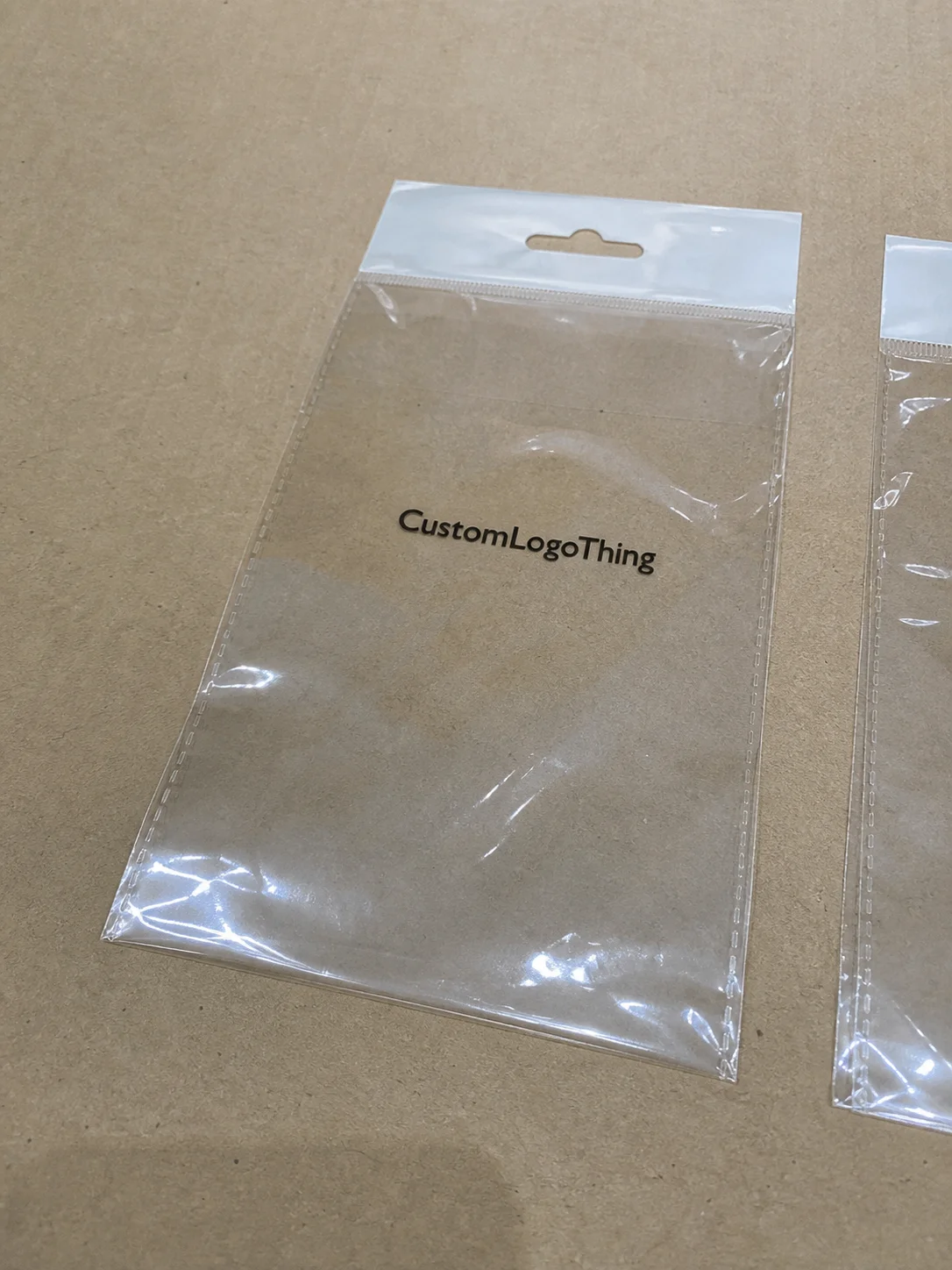
What is blister packaging solutions, exactly? It’s a formed plastic cavity or pocket that holds a product and is usually sealed to a printed card, foil, or another film. Some people treat it like “just a plastic bubble.” That’s cute. In practice, what is blister packaging solutions is a full retail packaging system built for visibility, product protection, theft resistance, and production efficiency. If you sell batteries, cosmetics, small electronics, toys, OTC items, or hardware, you’ve probably seen it a hundred times, maybe while trying to pry one open with keys and a bad attitude (been there). In Guangzhou and Suzhou, these packs are often produced on automated thermoforming lines that can run 1,500 to 3,000 cycles per hour, depending on cavity depth and board compatibility.
I’m going to keep this practical. No fluff. I’ll break down how what is blister packaging solutions works, what drives cost, what usually goes wrong, and how I’d choose a format if I were packaging a real SKU for retail. I’ll also point out where a blister pack makes sense, and where I’d rather use Custom Packaging Products like custom printed boxes instead, because blister is not automatically the hero just because it sits on a peg hook. For a 5,000-piece launch in Shenzhen, you can often see proof approval to finished cartons in 12-15 business days if the artwork is final and the mold is already available.
What Is Blister Packaging Solutions? The Real-World Definition
What is blister packaging solutions in plain English? It’s a packaging format that uses a molded or formed plastic cavity to hold a product in place, then seals that cavity to a backing material. The backing is often a printed paperboard card, but it can also be foil or film depending on barrier needs, tamper evidence, and the product’s sensitivity. That’s the clean answer. The messy answer is that success depends on a dozen little choices that all cost money, which is somehow never what the first round of budget emails suggests. A typical retail card might use 350gsm C1S artboard with a water-based varnish, while a more premium version may move to 400gsm SBS with matte lamination for better scuff resistance.
There are a few common formats. Face-seal blisters are the standard retail style, where the product sits in a cavity sealed to a printed card. Trapped blisters sandwich the blister between two layers, which gives you a cleaner edge and better protection. Clamshells are two hinged halves that close around the product, and yes, people often mix them up with blister packs. Slide blister packs are a little old-school but still useful for certain hardware and small accessory lines. If you’re asking what is blister packaging solutions, format choice is half the answer. In a typical Ohio or Illinois retail program, face-seal packs often win on shelf visibility, while trapped blisters are selected for higher-end cosmetic or electronics accessories.
Here’s what most people get wrong: they think the package is the product. It isn’t. What is blister packaging solutions really doing is creating a retail packaging system that protects the item, shows it clearly, discourages theft, and works with the retailer’s display setup. I’ve seen a $0.08 plastic cavity save a $48 cosmetic device from being returned because shoppers could inspect it without opening anything. I’ve also seen the wrong card coating peel during sealing and turn a promising launch into a week of angry emails. Same basic format. Very different outcomes. Packaging is weird like that — it can be both invisible and incredibly expensive at the same time. On a line in Foshan, one small change in heat setting can shift seal yield from 98% to 82% in a single shift.
The industries are broad. Consumer electronics use it for earbuds, cables, and accessories. Hardware uses it for anchors, bits, and mini tools. Pharma and health products use blister structures for dose control and tamper evidence. Toys, cosmetics, and small parts all lean on the format because it creates visibility without turning the product into loose inventory. That’s why what is blister packaging solutions matters so much in product packaging strategy and package branding. In medical packaging, blister packs are often paired with barrier foils or high-performance lidding films to support moisture protection and tamper evidence.
If you want the short version, what is blister packaging solutions is a packaging method that balances four things: protection, display, security, and production speed. Get those right, and the package earns its keep. Get them wrong, and you’re paying for plastic, labor, and customer service calls that start with “Hi, I just opened this and…”
And yes, I’ve had clients try to save $400 on tooling only to blow $4,000 fixing the consequences. That’s not clever. That’s just expensive with extra steps. A simple prototype tool might cost $350 in a Dongguan tooling shop, while a multi-cavity mold with tighter tolerances can run $4,500 or more depending on draw depth and trim complexity.
How Blister Packaging Solutions Work from Sheet to Shelf
What is blister packaging solutions from a manufacturing standpoint? It starts with a plastic sheet. The sheet is selected based on clarity, stiffness, barrier needs, and how the cavity will be formed. Common materials include PET, PVC, and PP. For sensitive products, some packs use foil-based structures or cold-formed aluminum. Then the sheet is thermoformed or cold-formed into a cavity that matches the product dimensions, usually with a little tolerance built in because products are never as perfect as the CAD drawing claims. CAD drawings are lovely. Products are not always so cooperative. A standard PET sheet for consumer goods often runs in the 0.3 mm to 0.6 mm range, while higher-stiffness applications may use thicker stock depending on cavity depth.
After forming, the product gets inserted into the cavity. For low volumes, that may be manual loading, one piece at a time. For larger runs, automated filling lines can place and seal much faster. The lidding material is then applied. Depending on the application, that lidding might be a printed paperboard card, a foil lid, or a coated film. The seal is the critical moment. A good seal holds under vibration, humidity, handling, and stack pressure. A bad seal lifts, leaks, or pops during transport. Guess which one I’ve watched happen at 2:10 p.m. on a Friday? In one plant outside Shenzhen, a semi-auto line running 900 units per hour had a 14% seal failure rate until the dwell time was adjusted by 0.8 seconds.
What is blister packaging solutions without seal integrity? Not much. The seal has to match the product and the substrate. Paperboard coatings matter. Heat settings matter. Dwell time matters. A card with the wrong varnish or a film with the wrong seal layer can sabotage the entire run. I once stood next to a line where the operator kept blaming the blister pockets for a lift issue. The real problem was the print vendor had swapped coating specs without telling anyone. That cost the client six days and a very uncomfortable conference call. Nobody enjoys that call. Not even a little. In Dongguan, a heat-seal mismatch can show up immediately, especially when ambient humidity sits above 70% and the board starts curling at the edges.
Here’s a simple production flow for a retail SKU:
- Approve the product dimensions and artwork.
- Build or modify the mold tooling.
- Form the blister cavity from PET or PVC sheet.
- Insert the product manually or via automation.
- Seal the blister to the card or film.
- Run seal checks, drop tests, and visual inspection.
- Pack the finished units into master cartons and ship.
If your line is running well, the process is boring. Boring is good. Boring means your what is blister packaging solutions setup is doing exactly what it should. For testing, I like basic seal checks, drop tests, and retail handling simulation. For shipping and distribution validation, industry people often look at ISTA test methods; if you want the benchmark side of the conversation, ISTA is a solid reference at ista.org. For material and packaging education, the Institute of Packaging Professionals is also worth your time. If you need a quick internal benchmark, ask for 10 samples, run them through one 0.75-meter drop test, and inspect the seal line under 5x magnification.
One more thing. What is blister packaging solutions on paper and what is blister packaging solutions on a line are two different beasts. On paper, the spec looks tidy. On the floor, you deal with warped cards, static cling, humidity, and operators who have 15 seconds to keep up with throughput. That’s why prototype runs matter. I always push for a short pilot before anyone orders 50,000 units and acts surprised by reality. In a typical factory in Suzhou, a pilot run of 300 to 500 pieces can reveal more than a 3D rendering ever will.
What Is Blister Packaging Solutions and Which Factors Shape It?
What is blister packaging solutions really dependent on? First: product size, weight, and shape. The cavity has to hold the item securely without crushing it or leaving so much dead air that the pack looks sloppy. A tiny USB adapter doesn’t need the same cavity depth as a hand tool or a cosmetic device. If the blister is too tight, the product can deform during sealing or transit. Too loose, and the item rattles like a cheap maraca. Neither is great for branded packaging. A 35mm-wide accessory and a 120mm hand tool will need very different cavity draw depths, even if the shelf footprint looks similar.
Material choice comes next. PVC is often lower cost and easy to form, which is why people still use it. PET tends to win for clarity and better recyclability positioning, especially when a brand cares about sustainability language. PP can work for certain heat or chemical conditions. For barrier-sensitive items, foil-backed or specialty laminate structures help with moisture, oxygen, or child-resistant needs. What is blister packaging solutions in a regulated category? Often a material decision before anything else. In many factory quotes from Guangdong, PET sheet can be 5% to 12% higher than PVC, but the clarity and shelf presentation often justify the difference for retail electronics.
Security matters too. Retail theft is not a theory; it is a line item. A blister pack can make a product harder to pocket, harder to open, and easier for staff to inspect. That’s why hardware, electronics accessories, and OTC products use it so often. What is blister packaging solutions if not a practical theft deterrent with a display function? If you’re shipping small high-value items, that alone can justify the format. A $7 battery pack that stays visible on a peg hook in Dallas or Atlanta is usually cheaper to protect in a blister than to replace after shrink.
Shelf appeal is another driver. The clear cavity shows the product. The card carries the story. Hang tabs help with peg displays. Print quality shapes perception. In my experience, good package branding can lift conversion even if the plastic structure stays the same. I’ve seen the same cable pack sell better simply because the card design was cleaner, the barcode placement was smarter, and the product name didn’t look like it was written by a committee with one fluorescent light left in the office. Honestly, sometimes that’s all it takes. A 450mm x 300mm retail card with a centered hang hole can out-perform a larger, cluttered layout on the same shelf section in Chicago or Phoenix.
Volume and automation change the economics. Low-volume runs often favor simpler tooling and manual loading. High-volume production can justify automated feeding, faster sealing, and tighter quality control. If you are asking what is blister packaging solutions for 2,000 units versus 200,000 units, the answer is not the same business model. Same format. Different factory math. Manual assembly in a small plant in Dongguan may cost more per unit than a high-volume line in Ningbo, but the low-volume route can still win if you need speed and minimal inventory risk.
Compliance and product sensitivity can’t be ignored. Pharma and medical packaging may need ASTM-referenced validation, child resistance, or tamper evidence. Food-adjacent products often need barrier performance and clean sealing. For sustainability claims, FSC-certified paperboard can be part of the discussion if the backing is fiber-based; FSC is the reference people actually recognize. If you’re sourcing a paperboard card, ask for the caliper, coating, and certification number in writing, not just a pretty PDF.
One client in Chicago once insisted on a glossy stock card because it “looked premium.” We tested it on a semi-auto blister line. The seal failed on 18% of units. We swapped to a different coated board and fixed the issue in one afternoon. That’s what is blister packaging solutions in practice: material compatibility beats pretty assumptions every time. Pretty is nice. Functional is what pays the invoice. The replacement board, a 350gsm C1S artboard with a heat-seal compatible coating, brought the failure rate below 2% by the next run.
Blister Packaging Solutions Cost: What Actually Drives Pricing
Let’s talk money, because everyone wants the answer and then acts shocked when there are six answers. What is blister packaging solutions cost driven by? Five buckets: tooling, resin or sheet material, printed cards or lidding, labor, and shipping. Each one can move the total more than people expect. The package might look tiny, but the pricing conversation is never tiny. A modest run produced in Dongguan or Foshan can behave very differently from the same spec quoted in Vietnam or Mexico once freight, duty, and carton optimization enter the picture.
Tooling is usually the first surprise. A simple custom mold might land in the low hundreds. More complex tooling can run into the low thousands, especially if you need multiple cavities, deeper draws, tighter tolerances, or faster cycle times. I’ve quoted blister tooling at $350 for a simple prototype tool and seen specialty multi-cavity tooling push past $4,500 when the shape was finicky and the product had to sit perfectly centered. What is blister packaging solutions without tooling? Just a concept with a spreadsheet attached. For a project in Shenzhen, a two-cavity mold can often be turned in 5 to 7 business days after final CAD approval if the factory’s tooling shop is in-house.
Unit price changes with quantity. At small runs, setup costs get spread over fewer packs. At larger runs, the per-unit price falls because the machine time, setup, and inspection are spread across more volume. For example, a simple blister-and-card pack might be around $0.18/unit for 5,000 pieces, while a much smaller run could land well above that depending on hand labor and print setup. That’s not a quote. It’s a reality check. In some Guangdong plants, a straightforward face-seal pack can drop to $0.15 per unit for 5,000 pieces when the cavity is standard and the card uses one-color print plus varnish.
Finish choices change the bill. Anti-static coatings, child-resistant features, premium print, foil lidding, embossing, and special window shapes all add cost. Every extra feature adds a processing step or a higher-spec material. If a client asks for “just a nicer-looking pack,” I ask which part they want to pay for: material, setup, or labor. Usually they go quiet. That’s fine. Silence is cheaper than guessing, and also less exhausting. A matte laminate alone can add $0.02 to $0.04 per unit on medium-volume card-based projects, depending on vendor and region.
Material supply can swing pricing more than the packaging design itself. I’ve had vendors raise quotes because PET sheet MOQ moved from 1 ton to 3 tons, and I’ve had printing partners hold prices steady because they had leftover board inventory in the right caliper. That’s one reason I never quote blister work from a single supplier. What is blister packaging solutions worth if your material source changes the minute one factory is out of stock? In a plant cluster around Shenzhen and Dongguan, one week’s delay in sheet supply can shift a whole production window by 4 to 6 business days.
Here’s a practical comparison I use when helping teams weigh options:
| Option | Typical Setup Cost | Unit Cost Range | Best For | Tradeoff |
|---|---|---|---|---|
| Simple face-seal blister | $350–$1,200 | $0.08–$0.30 | Retail accessories, hardware, small electronics | Lower cost, but less premium presentation |
| Trapped blister | $800–$2,500 | $0.15–$0.45 | Better shelf appearance, stronger protection | Higher material and assembly cost |
| Clamshell | $500–$3,000 | $0.12–$0.50 | Reusable protection, higher physical security | Can feel bulky and use more plastic |
| Cold-formed barrier pack | $2,000+ | $0.30+ | Pharma and moisture-sensitive items | Higher compliance and material costs |
Labor and shipping round it out. Manual packout is cheaper to start but slower. Automated lines cost more to run but win on volume. Freight matters because blister packs can be bulky, especially if you are shipping air-filled cavities instead of compact nested parts. What is blister packaging solutions if not a shipping math problem disguised as a packaging choice? A 20-foot container from Yantian to Los Angeles can be economical, but a poorly nested blister design can leave you paying to move empty space by the pallet.
My honest advice: prototype first. Quote at three quantities. Compare manual and automated packout economics. And if a supplier claims they can give you a full custom run without a sample or tooling discussion, I’d ask what, exactly, they’re skipping. Usually the answer is quality control. Or accountability. Sometimes both. For a 10,000-piece project, ask for pricing at 1,000, 5,000, and 10,000 units so you can see where the breakpoints actually are.
Step-by-Step Guide to Choosing the Right Blister Packaging Solutions
What is blister packaging solutions choice process? Start with the product, not the package. Step one is defining product requirements: exact dimensions, weight, breakable features, shelf life, and the retail environment. A battery pack for a big-box store has different needs than a cosmetic applicator sold through a boutique chain. The more exact the brief, the fewer expensive surprises later. I want dimensions to the nearest millimeter, product weight in grams, and a photo of the actual SKU, not just the CAD file.
Step two is selecting the format. Face-seal blisters work for simple retail display. Trapped blisters give a cleaner edge and more protection. Clamshells are stronger and often more reusable, but they use more material. Slide blister packs can be useful for some hardware and accessory sets. If you are still asking what is blister packaging solutions best for, the answer depends on your priority: display, tamper evidence, or durability. For a product hanging in a Texas hardware chain, face-seal usually wins; for a cosmetic kit in a premium display, trapped blister can look far cleaner.
Step three is choosing the materials. Clarity matters if shoppers need to see the product. Barrier matters if shelf life or moisture sensitivity matters. Cost matters because nobody wants to discover that the “premium” film added 19 cents to a pack that sells for $3.99. For product packaging decisions, I’d always compare PET, PVC, PP, and any coated board options before committing. A 0.5 mm PET cavity with a 350gsm card is a common starting point for small retail items in Asia and North America.
Step four is branding and compliance. This is where packaging design gets real. You need artwork, warnings, barcodes, hanging features, and enough white space so the card doesn’t scream at people. I’ve seen well-made blister packaging ruined by terrible layout. One client insisted on cramming seven logos and three claims onto a card the size of my hand. The result looked like a coupon exploded. What is blister packaging solutions doing there? Nothing helpful, except maybe teaching humility. If you sell in California, New York, or the EU, compliance copy placement matters as much as color balance.
Step five is validation. Fit testing. Seal testing. Drop testing. Handling feedback from actual users, not just the marketing team. If your packaging will hang on a peg hook, test that. If it will travel through distribution, test that too. I like getting samples into the hands of a warehouse lead and one retail buyer before mass production. They’ll spot the practical stuff that designers miss in a conference room with too much coffee. For a launch in Dallas or Chicago, I’d test 10 to 20 samples at minimum and keep photos of every failure mode.
Step six is selecting the production method and vendor. Manual lines are fine for low volume. Semi-auto lines make sense when you need some speed without full automation. Fully automated systems are best when the volume justifies the setup and maintenance. Local vendors can help with faster iteration. Overseas factories can offer better pricing at scale, but only if your timeline and spec discipline are tight. What is blister packaging solutions without the right vendor? A beautiful concept with no shipping date. If your supplier is in Shenzhen, Guangzhou, or Ningbo, ask whether tooling, forming, printing, and assembly are all in-house or spread across subcontractors.
When I was negotiating with a Shenzhen supplier for a dual-pack accessory set, the first quote looked great until I asked about trim tolerances. Their operator paused, went to the floor, and came back with a revised number that added $0.03 per unit because the original cavity design would have required too much manual cleanup. That’s the kind of detail that separates a fantasy quote from a usable one. A project that looks like $0.17 per unit on a spreadsheet can become $0.24 once trimming and hand insertion are counted correctly.
For teams building broader branded packaging systems, I often suggest pairing blister packs with other formats for different SKUs. You don’t need one packaging format to do every job. Sometimes a blister pack is right. Sometimes Custom Printed Boxes are cleaner, cheaper, or easier to store. Good package branding is about fit, not ego. A 3-SKU line may use blister for hardware, cartons for accessories, and rigid mailers for replacement parts.
Common Mistakes in Blister Packaging Solutions
What is blister packaging solutions failure mode number one? A cavity that is too tight. If the product is pressed too hard, the plastic can deform during sealing or crack during transport. If it is too loose, the item shifts and the pack looks sloppy on the shelf. I’ve seen both. Neither one inspires confidence in the buyer standing three feet away with a clipboard. A 1.5 mm mismatch in cavity depth can be enough to cause distortion on a small electronics accessory.
Another common mistake is ignoring seal compatibility. A glossy card, a wrong coating, or the wrong adhesive layer can wreck adhesion. The pack may look perfect for 10 minutes and then fail in temperature swings or handling. That’s why I keep saying what is blister packaging solutions is as much about materials science as it is about appearance. The prettier the card, the less useful it is if the seal peels. A coated board from one paper mill in Shenzhen can behave very differently from a similar-looking board sourced in Dongguan.
Choosing the cheapest plastic without thinking through clarity, cracking, and recyclability is another trap. PVC can be cost-effective, but it is not always the best answer if the brand wants a stronger sustainability story. PET often gives better clarity and a better narrative for some retail programs. PP has its own niche. The point is not “pick the cheapest.” The point is “pick the cheapest that still works.” Big difference. If your retail price is $4.99, an extra $0.03 in material can be acceptable; if the unit sells for $0.79, it may not be.
Retail realities get ignored too often. You need to think about peg hooks, shelf footprint, and barcode placement. If the barcode ends up under a hang tab or too close to a curved edge, scanners may hate it. If the pack takes up too much shelf depth, retailers may reject the whole item. What is blister packaging solutions worth if the store won’t merchandise it efficiently? Not much. A Walmart or Costco buyer will notice a display issue immediately, and the pack will lose before it reaches the shelf.
Lead times are another sleeper issue. Tooling takes time. Artwork approval takes time. Sample revisions take time. I’ve watched a “two-week launch” become six weeks because three departments approved different file versions and nobody noticed until production was already booked. That’s not packaging’s fault. That’s process debt. And process debt, like interest, always shows up eventually. A realistic custom blister schedule is often 12-15 business days from proof approval for a straightforward job, but one revision can add another 3 to 5 days fast.
And please do not skip testing. Drop test. Seal test. Handling test. Maybe even a basic distribution check against an appropriate ISTA method if the product is fragile or valuable. I’ve had clients balk at a $250 test because they wanted to “just ship it.” That’s rich. They’d happily spend $2,500 fixing returns later. In one Portland launch, a skipped drop test produced a 7% return rate in the first month; the test would have cost less than one day of those returns.
Expert Tips for Better Blister Packaging Solutions and Faster Turnaround
What is blister packaging solutions optimization? Start with one hero SKU. Don’t try to engineer a 12-product family all at once if you’ve never launched the format before. Build around actual shipping stress, not just a polished sample on your desk. I’ve seen teams fall in love with a prototype that looked gorgeous and then fail in a carton drop test because nobody considered the corner compression from pallet stacking. Packaging does not care about your mood board. A 500-piece pilot in Dongguan can tell you more than a 5,000-word presentation ever will.
Ask for two or three quote scenarios. I want one quote for the simplest material stack, one for the preferred spec, and one for the premium option. That way you can see where the cost jumps. If one material change adds $0.06 and another adds $0.19, you’ll know which tradeoff actually matters. What is blister packaging solutions cost control if not disciplined comparison? Exactly. For example, a PET upgrade from standard clear sheet to higher-clarity film might add $0.02 to $0.04 per unit, while a foil barrier lidding change can move the number by $0.08 or more.
Use standard cavity shapes when you can. Custom is great, but every curve has a price tag. Standard shapes reduce tooling complexity and can speed up prototype approval. I’ve walked factories where a custom radius forced an extra trim step that nobody budgeted for. The operator was fine with it. Finance was not. Predictably. A standard cavity can shave 2 to 4 days off sample iteration in a well-run plant in Shenzhen or Foshan.
Build tolerance for product variation. Parts made by multiple suppliers often vary by a millimeter or two, and blister cavities that were designed too precisely can become a problem when that happens. Give yourself room. Not sloppy room. Smart room. What is blister packaging solutions good at if not holding a product securely while still allowing for normal manufacturing variation? If your part length is 48.5 mm on one supplier run and 49.2 mm on another, the cavity needs to account for both.
Ask for proof samples and seal tests before committing to mass production. Real suppliers should not flinch at that request. If they do, I’d move on. The good ones understand that samples are cheaper than disputes. I once negotiated a line run in Guangzhou where the supplier agreed to keep one forming station open for sample iterations because they knew the first sample was only phase one. That saved the project from a rushed release. A proper proof cycle usually costs less than $150 in sample materials, which is cheap insurance next to a reprint.
Work backward from your launch date. If your approval cycle usually takes 14 days, assume it will take 20. If a sample revision usually takes one round, assume it will take two. I’m not being pessimistic. I’m being paid by experience. What is blister packaging solutions without timeline discipline? A delay waiting to happen. If your launch is tied to a trade show in Las Vegas or a retail reset in July, build in at least one buffer week.
For brands thinking beyond the blister itself, don’t ignore your broader product packaging ecosystem. Use blister where it makes sense, and use custom printed boxes where they add more value. If your line includes sets, bundles, or gift-ready items, a mixed packaging strategy often beats forcing everything into one format. I’ve seen teams save more on labor and freight by splitting formats than by trying to force a single “universal” pack. A kit can ship in a box for e-commerce and sit in a blister for retail without forcing one structure to do both jobs badly.
Honestly, the fastest projects are the ones with boring specs. Clear dimensions. One coating. One board grade. One seal target. No heroics. No drama. Just clean execution and a supplier who knows the difference between a pretty sample and a production-ready pack. A 350gsm C1S artboard, a single PET gauge, and one approved pantone can outperform a flashy but vague spec every time.
What Is Blister Packaging Solutions and What to Do Next
What is blister packaging solutions next step? Measure the product carefully and write down the exact dimensions, weight, and any fragile features. Then decide whether your main priority is cost, tamper evidence, display appeal, or barrier protection. Trying to optimize all four at once usually produces a compromise package nobody loves. Better to rank the priorities. If the product is 62 mm wide and 18 mm thick, write that down exactly; don’t call it “small” and hope the factory reads your mind.
Collect your artwork, barcode needs, warning copy, and any compliance language before requesting a quote. Suppliers quote faster when they have the right inputs. If you send a fuzzy product photo and ask for “something like this but better,” you’ll get a fuzzy answer back. What is blister packaging solutions quoting without a proper brief? Guesswork with a logo. Include file formats, Pantone references, and whether the card needs a gloss, matte, or soft-touch finish.
Ask vendors for a sample plan. You want the prototype timeline, tool cost, minimum order, and production lead time in writing. Then compare at least three packaging approaches. Maybe blister is the right answer. Maybe custom printed boxes do the job better. Maybe a clamshell saves you from a return rate problem you haven’t seen yet. The point is to compare, not assume. For a standard project in Shenzhen, ask whether the quoted lead time includes mold fabrication, first article sampling, and post-approval mass production or only the last step.
If you’re building branded packaging for retail launch, I’d document the decision in a one-page packaging brief. Include the product specs, display requirements, target unit cost, and required certifications or testing. That brief becomes the backbone of your packaging design conversation and saves everyone from the usual “I thought you meant…” disaster. A good brief also helps your supplier in Dongguan or Ningbo keep revisions to one round instead of three.
What is blister packaging solutions good for? Display, protection, and a clean retail presentation. What is it bad for? Sloppy specs, rushed approvals, and people who think a packaging line will magically fix product uncertainty. It won’t. The line only respects decisions you already made. If the product needs a deeper cavity, a stronger seal, or a different board grade, that choice has to be made before the press starts.
My final advice is simple: start with the product, test the seal, and treat the package like a manufacturing system, not a decoration. If you do that, what is blister packaging solutions becomes a useful tool instead of a source of avoidable cost. And if you need other formats in your mix, use them. Smart brands do that all the time. A Packaging Strategy That Works in Los Angeles may need a different structure in Hamburg, Tokyo, or Toronto, and that flexibility is part of the job.
FAQ
What is blister packaging solutions used for in retail products?
It is used to hold, protect, and display products while keeping them visible to shoppers. It also helps prevent tampering and makes small items easier to hang, ship, and stock. Common examples include batteries, tools, cosmetics, electronics accessories, and OTC items. In a typical retail rollout, the pack may be designed around a peg hook or shelf-ready tray in stores across Chicago, Dallas, or Atlanta.
How much do blister packaging solutions usually cost?
Costs depend on tooling, materials, print complexity, and order quantity. Prototype or custom tooling can add a few hundred to several thousand dollars before unit cost is even discussed. Higher quantities usually lower per-unit pricing because setup is spread across more packs. For a 5,000-piece run, a simple pack might land near $0.15 to $0.18 per unit, while a smaller run can cost noticeably more.
How long does it take to make blister packaging solutions?
Simple stock-style packs can move faster than fully custom designs. Custom tooling, artwork approval, and sample revisions often add significant time. A realistic timeline should include concept approval, sample testing, and production scheduling. For a straightforward project with final artwork approved, many suppliers in Shenzhen or Dongguan can deliver in 12-15 business days from proof approval, while complex tooling can add another week.
What materials are best for blister packaging solutions?
PET is often chosen for clarity and better recyclability. PVC can be lower cost, while foil-backed structures are used for barrier or sensitive products. The best material depends on product protection, shelf life, and your budget. For the backing card, 350gsm C1S artboard is a common retail choice, while higher-end projects may use 400gsm SBS with matte lamination.
What is the difference between blister packaging solutions and clamshell packaging?
Blister packaging usually seals a formed cavity to a card or lidding layer. Clamshell packaging uses two hinged plastic halves that close around the product. Blister packs often cost less for retail display, while clamshells can offer stronger reusable protection. In practical pricing, a face-seal blister may run lower than a clamshell on a 5,000-piece order, especially if the clamshell requires heavier PET and more trimming.
If you’re still asking what is blister packaging solutions, here’s my blunt take: it’s a packaging method that can save money, improve retail presentation, and protect the product, but only if the materials, tooling, seal, and retail requirements are matched correctly. Get the spec right, and what is blister packaging solutions works hard for you. Get it wrong, and you’ll find out fast, usually after the first expensive batch is already on the road. In manufacturing hubs like Dongguan, Shenzhen, and Guangzhou, the difference between a clean run and a costly rework is often a single coating choice, a 1 mm cavity adjustment, or a proof approval that arrived two days too late.