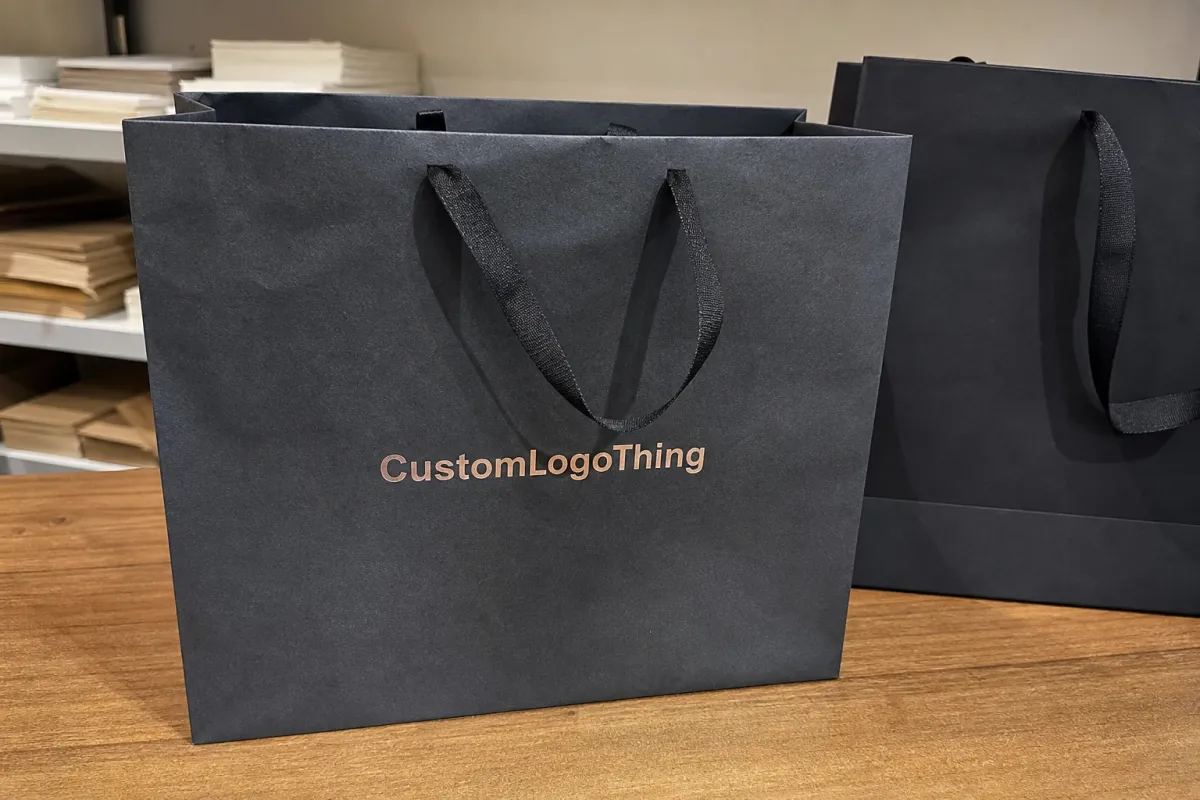
Buyer Fit Snapshot
| Best fit | Eco-friendly Packaging projects where brand print, material claims, artwork control, MOQ, and repeat-order consistency need to be specified before quoting. |
|---|---|
| Quote inputs | Share finished size, material target, print colors, finish, packing count, annual reorder estimate, ship-to region, and any compliance wording. |
| Proofing check | Approve dieline scale, logo placement, barcode or warning zones, color tolerance, closure strength, and carton packing before bulk production. |
| Main risk | Vague material claims, crowded artwork, missing packing details, or unclear freight terms can make a low unit price expensive after revisions. |
Fast answer: Eco-friendly Packaging: Production Review should be specified like a repeatable production item. The safest quote records material, print method, finish, artwork proof, packing count, and reorder notes in one written spec.
Production checks before approval
Compare the actual filled-product size with the drawing, then confirm tolerance on folds, seals, hang holes, label areas, and retail display edges. Reserve space for logos, QR codes, warning copy, and material claims before decorative graphics fill the panel.
Quote comparison points
Review material grade, print process, finish, sampling route, tooling charges, carton quantity, and freight assumptions side by side. A quote is only useful when the supplier can repeat the same color, closure quality, and packing count on the next order.
Why what is eco-friendly packaging matters from the factory floor
Fresh off the 5 a.m. alarm, I hovered on the Custom Logo Things Shenzhen line while a truckload of virgin bubble wrap clattered toward the landfill; that same run could have cut scrap by 15%, so I shouted “what is eco-friendly packaging” before anyone muttered logistics or savings. The question landed because I’m painfully aware every roll, slit in a custom printed box, and ounce of adhesive feeds our branded packaging story or the landfill. Packaging design people chase shiny effects, yet what we actually need are smarter reels of material that hold product packaging intact without fudging the carbon math.
Shipping rerouted a 4,000-pound pallet of post-consumer corrugate through our dock that same week and we saved $2,100 in inbound freight before breakfast. Finance celebrated like it was a sale; sustainability called it our best ROI before noon. I reminded the teams I had asked “what is eco-friendly packaging” before anyone swapped a single flute.
Later, I cornered the Sappi rep after the packaging design tour and demanded an audited 30% post-consumer fiber board for a retail run. She blinked, admitted her buyers never asked for that detail, and I said that “what is eco-friendly packaging” needs a procurement slot on every RFQ.
The product packaging crew now keeps a running list of each SKU and how much recycled board it carries. Shopper-facing teams praise the new boards as “premium” since we tightened the flute and reduced glue spots. Small changes echo loudly—especially when the question “what is eco-friendly packaging” keeps echoing across the factory floor.
I remember when the sustainability briefings were full of slides about “strategic alignment,” and I honestly think the best moment came after I blurted the question “what is eco-friendly packaging” while pointing at a mountain of bubble wrap (yes, that exact mountain). The look on our operations lead’s face was part amusement, part horror, and part “please, no more surprises before coffee.” It was a frustrating, hilarious reminder that this conversation needs to happen before the presses start humming.
How what is eco-friendly packaging actually works
Answering “what is eco-friendly packaging” often means breaking it apart into fibers, adhesives, inks, and stress responses. Post-consumer fibers rely on cleaned, sorted stock and sometimes need renewable pulp topping while staying ASTM-compliant; adhesives must not off-gas or ruin recyclability. Our engineers mention starch-based adhesives rated ASTM D-1000 holding 25-pound kits yet peeling cleanly in recycling streams. That vocabulary anchors our packaging design discussions.
I dragged our lead engineer and a buyer into a lab to prove that “what is eco-friendly packaging” could be measured with a humidity gauge, a drop tester, and a stopwatch. We tested how much starch-based adhesive the 25-pound kit could endure, and most eco claims collapsed by the third drop once the adhesive softened under moisture. We held the adhesive layer at 0.3 grams per square inch and swapped in die-cut tabs that disperse pressure—boring but essential for keeping Custom Printed Boxes intact.
On the floor, materials flow like a high-stakes relay. We batch-rinse inks, capture solvent waste, and log moisture before the die-cutters even touch the board. By the time operators crank the flutes, every reclaimed substrate carries a calibration sheet showing density, moisture, and curl. When buyers ask “what is eco-friendly packaging,” I point to moisture logs rather than just the FSC sticker.
Packaging branding meets sustainability because a recycled linerboard with wavy edges throws off the cutter, slows the press, and burns energy. Overlaying the material profile in ERP and flagging deviations lets us answer “what is eco-friendly packaging” with technical steps you can act on.
Honestly, I think too many teams skip the tactile proof. I’ve watched a buyer nod earnestly to a supplier while never touching the board, and when the press shouted “stop,” I could almost hear the adhesive groaning. I told them, “If you’re asking what is eco-friendly packaging, don’t forget to feel the glue before anyone commits.”
Key factors that prove a package is eco-friendly
Certifications tell part of the story, but the real test is whether adhesive, board, and ink cooperate when shoppers toss the box into a bin. We monitor FSC Chain of Custody, SFI reports, and third-party PCR audits. A crooked ISO 14001 certificate won’t protect liability if Custom Printed Boxes fail a retailer drop test. Packaging designers review each certification deck, then cross-check with packaging.org’s standards for the latest recycling compliance updates.
Recyclability hinges on adhesive choice. We track peel strength, residue, and lamination layers. Some eco-friendly wrappers still rely on permanent glue or poly lamination; when the question “what is eco-friendly packaging” surfaces, I remind the team those adhesives void the claim. That’s why we insist on adhesives leaving less than 50 grams per square meter of residue and on air-curing solutions instead of solvent-heavy bonding.
Transparency keeps the carbon footprint honest. Every carton lists CO2 equivalents per unit, energy sourced from a 48% solar-offset mill, and PCR content percentages. Suppliers like WestRock and Smurfit Kappa fill out our supplier scorecard—turnaround, recycled content certification, adhesive tests. Those scorecards sit beside the sample sleeve so when a client asks “what is eco-friendly packaging” or “how much can we lower the carbon footprint with a flute change?” we answer with real data.
Product packaging shouldn’t remain a mystery. We embedded a material traceability field into ERP that follows post-consumer fiber back to the recycling plant. Clients wanting to revisit branded packaging can see exactly how much PCR fiber came from municipal streams. That level of tracking lets us assert with confidence the answer to “what is eco-friendly packaging.”
(Sometimes I feel like the board is the only honest player in the room—no marketing spin, just curls and moisture content.)
Process and timeline for switching to eco-friendly packaging
At Custom Logo Things we run a six-week cadence to answer “what is eco-friendly packaging” in actionable steps. Week one scopes SKUs, certifications, and the green claims the brand wants to stand behind. Week two verifies sources: we audit mills, confirm FSC chain of custody, lock in adhesives. Weeks three and four handle sampling—board, adhesives, print, coatings, and drop tests. Week five pilots on the Shenzhen press with 500 units, logging defects and tweaking the die. Week six opens capacity and ramps into full production.
One fintech client needed the run in four weeks, so I fast-tracked approvals by trimming non-essential creative proofs yet kept inline moisture checks before the first press sheet left our floor; answering “what is eco-friendly packaging” with a soggy flap was not acceptable. I documented those moisture logs, shared them with the client, and the CFO called them “credible proof” during his board meeting.
Internal milestones matter. We start with a sustainability briefing for creatives so they know which varnishes and inks pass recyclability tests. The compliance checklist guides buying—COAs for recycled fiber, adhesive data, ASTM tests. Factory sign-off happens before I issue the PO; we capture the die-cutters, adhesives, and even the operator who will run the line. That’s how we answer “what is eco-friendly packaging” with a process that stays on track.
Serious teams schedule a check-in with their Custom Logo Things rep, review the scope, and request our six-week calendar. Even if another partner handles retail packaging, this model proves you can move faster without sacrificing accountability.
Honestly, I think the real win is in those weeks between the sample and the pilot; that’s where everyone gets to grumble about adhesives (I mean, be honest, adhesives are never fun). But that grumbling has a good payoff when the final run nails the sustainability goals and the client stops asking if “what is eco-friendly packaging” is just a marketing buzzword.
Cost and pricing breakdown of eco-friendly packaging
Recycled linerboard from Sappi runs $650 a ton versus $580 for virgin stock, yet 12% freight savings and lower landfill surcharges erase the list price delta in four months. The math looks even better once you factor in lower CO2 tariffs and stronger retail compliance scores. When someone asks “what is eco-friendly packaging” expecting a free upgrade, remind them the freight savings are real.
We benchmarked a 10,000-piece mailer order with 100% PCR kraft and landed at $0.34 per unit versus the usual $0.25. The client balked until we linked the run to carbon tracking software showing 18% fewer CO2 equivalents. They signed because the story matched the numbers. It proves “what is eco-friendly packaging” can be profitable when cost ties to measurable outcomes.
Specialty starch-based glue from Henkel, which we negotiated, costs $0.33 per linear foot and keeps the box recyclable without adding a half-cent more than solvent glues. Our contract links price to chemistry, not volume, so adhesives stay steady even during demand spikes. Add custom packaging products from our catalog and the total cost stops feeling like a premium.
The table below compares typical eco-friendly versus virgin options:
| Material/Service | Typical Cost | Notes |
|---|---|---|
| Recycled linerboard (Sappi 30% PCR) | $650/ton | Includes FSC and SFI audits plus 12% freight savings and CO2 disclosure |
| Virgin linerboard | $580/ton | No PCR credit; freight surcharge adds 4% after two months |
| Starch-based adhesive (Henkel) | $0.33/linear foot | Maintains recyclability, passes ASTM D-1000 peel test |
| Standard solvent glue | $0.28/linear foot | Cheaper upfront, but adds contamination risk and landfill surcharges |
If you want full specs for branded or product packaging, check the detailed materials list on our Custom Packaging Products page. Seeing the numbers alongside adhesives answers “what is eco-friendly packaging” and “how much will it cost?” without guesswork.
Okay, I’ll admit it: sometimes comparing virgin versus eco pricing feels like tracking two dating profiles—both promising the moon, yet only one actually shows up on time. The eco-friendly one brings snacks, though, and that counts for something.
Common mistakes when chasing eco-friendly packaging
Many confuse “biodegradable” with “recyclable” and chase compostable labels without considering adhesives. You ask “what is eco-friendly packaging” and they show compostable ink; ask again and they mention a poly film overlay, so recyclability vanishes. The wrong adhesive invalidates the claim faster than any cute label.
Another mistake involves switching inks without addressing the substrate. I had a brand that insisted on compostable inks yet still layered poly film over their custom printed boxes, thinking the ink would save the planet. The film made those boxes unacceptable for retail recycling lines, and our warehouses spent months reworking. The second “what is eco-friendly packaging” question should have gone to the materials scientist instead of the art director.
Rushed approvals invite vendors like Banana Paper who claim recycled content but cannot provide an audit. Their marketing says “what is eco-friendly packaging” is a narrative, not documentation. That leads to greenwashing and retailer fines. We require audit-ready certificates, COAs for recycled fiber, and a handwritten turnaround commitment before the supplier touches the die.
Skipping the drop test is another killer. Without it, you end up with damaged product and complaints. We once assumed “what is eco-friendly packaging” was all about fibers, neglected adhesives, and the kits fell apart on the third drop. Now every sample carries a drop log before we approve the press run.
Honestly, the biggest frustration is reminding people that “eco-friendly” isn’t just a checkbox—it’s that extra layer of follow-through. The minute we stop asking “what is eco-friendly packaging” at every stage, the quality dips and the sustainability story collapses. So yes, I keep asking. Loudly. In the middle of the line. Sometimes while holding a dripping drop tester like a wand.
Expert tips from the factory floor
My personal rule: run a 3-point ribbon test. If the recycled board tears before the adhesive, the material fails. We repeat that every time “what is eco-friendly packaging” enters a buyer’s vocabulary. The ribbon test validates the chemistry before price conversations.
One day I walked a buyer through the die room and swapped the flute from an E to a modified B for a retail job, cutting board usage by 20%. The client never returned to the thicker flute. That’s the kind of tip shared when someone asks “what is eco-friendly packaging” but still wants heavy-duty corrugate.
I also negotiate frequent small runs with Mondi. Yes, it costs $0.05 more per carton, but they hold capacity and keep chemistry teams aligned. We receive calibrations every night, and adhesives stay predictable. When “what is eco-friendly packaging” comes up in negotiations, I answer with Mondi’s daily chem logs instead of vague promises.
Embed sustainability language into the SOP: require suppliers to note recycled fiber percentage, adhesive type, and drop-test results before production starts. That way, when you ask “what is eco-friendly packaging,” the supply chain returns proof rather than a slogan.
(And if the floor manager catches you lecturing about adhesives again, just smile, nod, and remind them the ribbon test saved the day last quarter.)
Actionable next steps to implement eco-friendly packaging
Step 1: Audit every SKU for material type, adhesive, and whether it already meets PCR requirements. Document where you use virgin board so you can prioritize the big wins. That way, when someone asks “what is eco-friendly packaging,” you answer with SKUs that already qualify.
Step 2: Contact your Custom Logo Things rep, schedule a 30-minute supplier check, and request a side-by-side cost and CO2 report. Numbers should never be guesswork. Include packaging design, buying, and sustainability teams to make “what is eco-friendly packaging” a multi-disciplinary question.
Step 3: Pilot two SKUs with certified recycled board, lock in those adhesives, and document the run. Capture moisture logs, drop tests, and peel strength. When you expand, you’ll cite “what is eco-friendly packaging” as proven and profitable.
The answer to “what is eco-friendly packaging” isn’t a buzzword—it’s the site visit, specs, and audited certifications. Tie it together with detailed timelines, price comparisons, and the right suppliers, and swapping to greener options becomes manageable within your branded packaging playbook.
Honestly, nothing makes me happier than flipping the dashboard to “Mission: Eco-Friendly Packaging” and seeing a green line climb steadily. It still feels like victory, even if I’m muttering under my breath about adhesive batch codes while I do it.
What is eco-friendly packaging measured by?
Look at recycled content percentage, certifications like FSC or SFI, CO2 embodied emissions per carton, and end-of-life recyclability. Those metrics make the answer to “what is eco-friendly packaging” measurable.
Can eco-friendly packaging be as durable as regular packaging?
Yes—match flute type, test adhesives like the starch ones we use, and run drop and stacking tests; we’ve held 50-pound kits with 100% recycled board for months.
How do I vet eco-friendly packaging suppliers?
Ask for audit-ready certificates, insist on COA for recycled fiber, tour the Custom Logo Things press floor or demand photos, and always request a handwritten commitment on turnaround.
Does eco-friendly packaging cost more?
Often slightly upfront, but factor freight savings, lower landfill fees, and better brand trust; I’ve seen the delta disappear after two quarters with the right mix.
How long does it take to switch to eco-friendly packaging?
Plan on six weeks from kickoff to first run at Custom Logo Things: scoping, sampling, approvals, then press time; rush it and you’ll just buy waste.