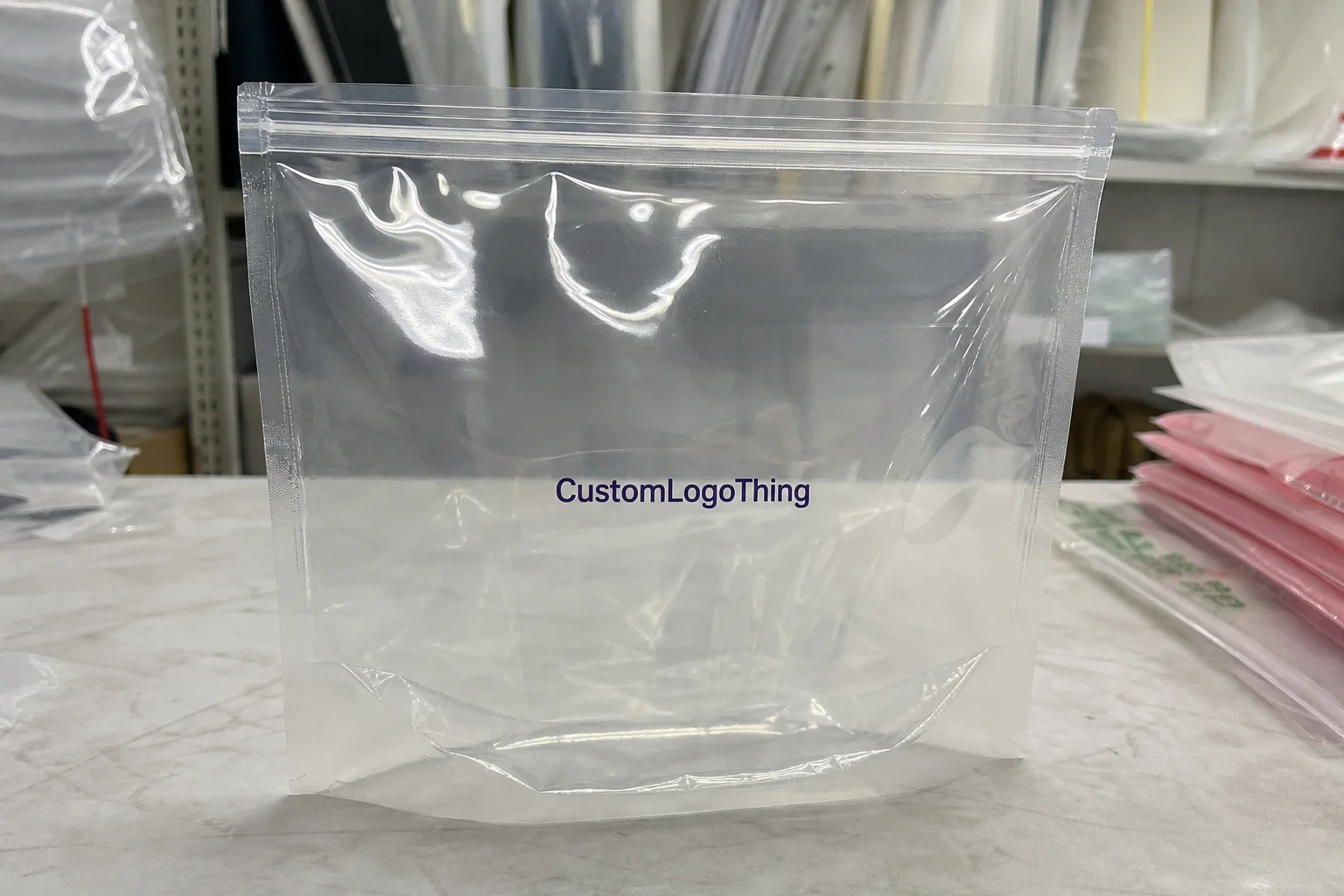
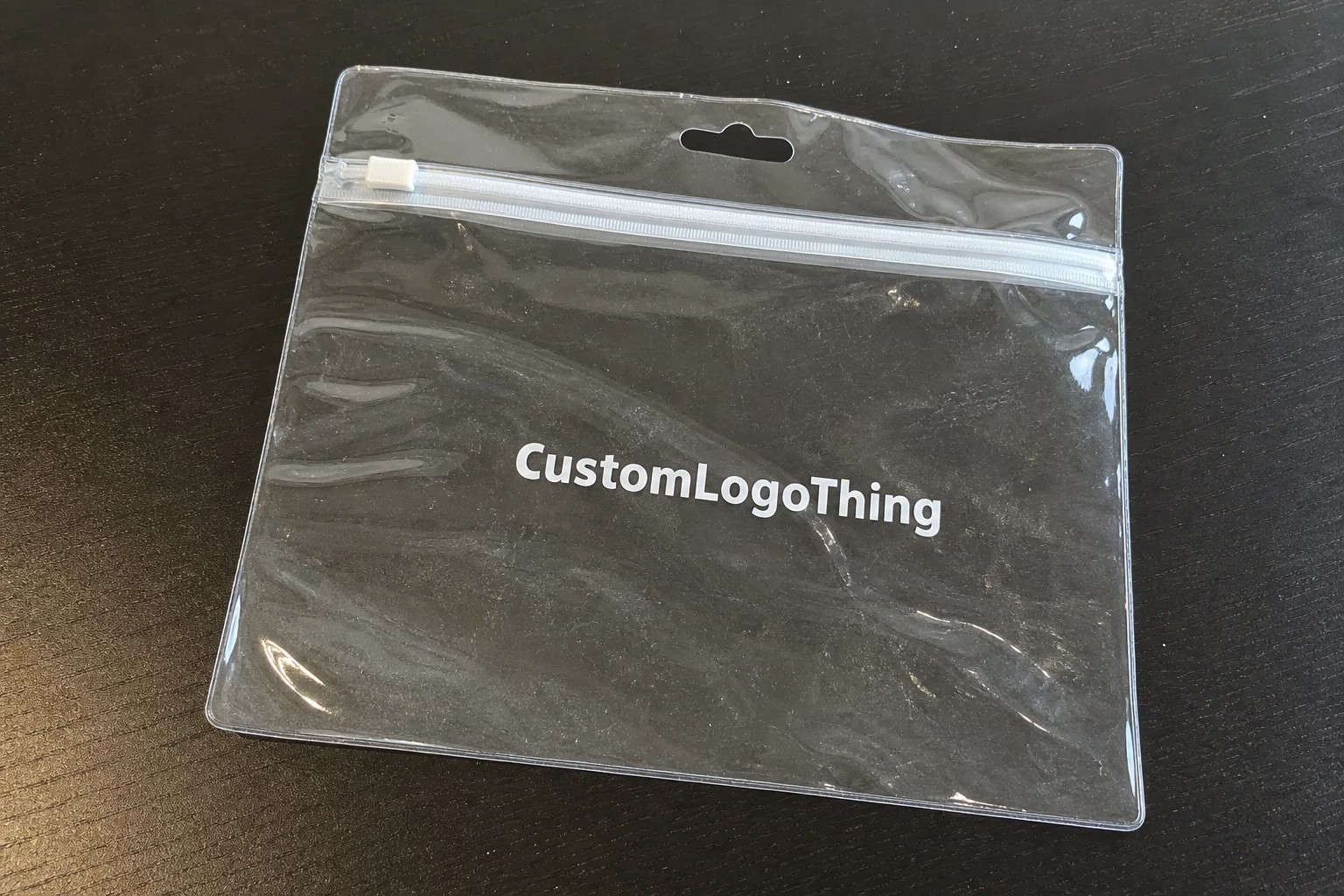
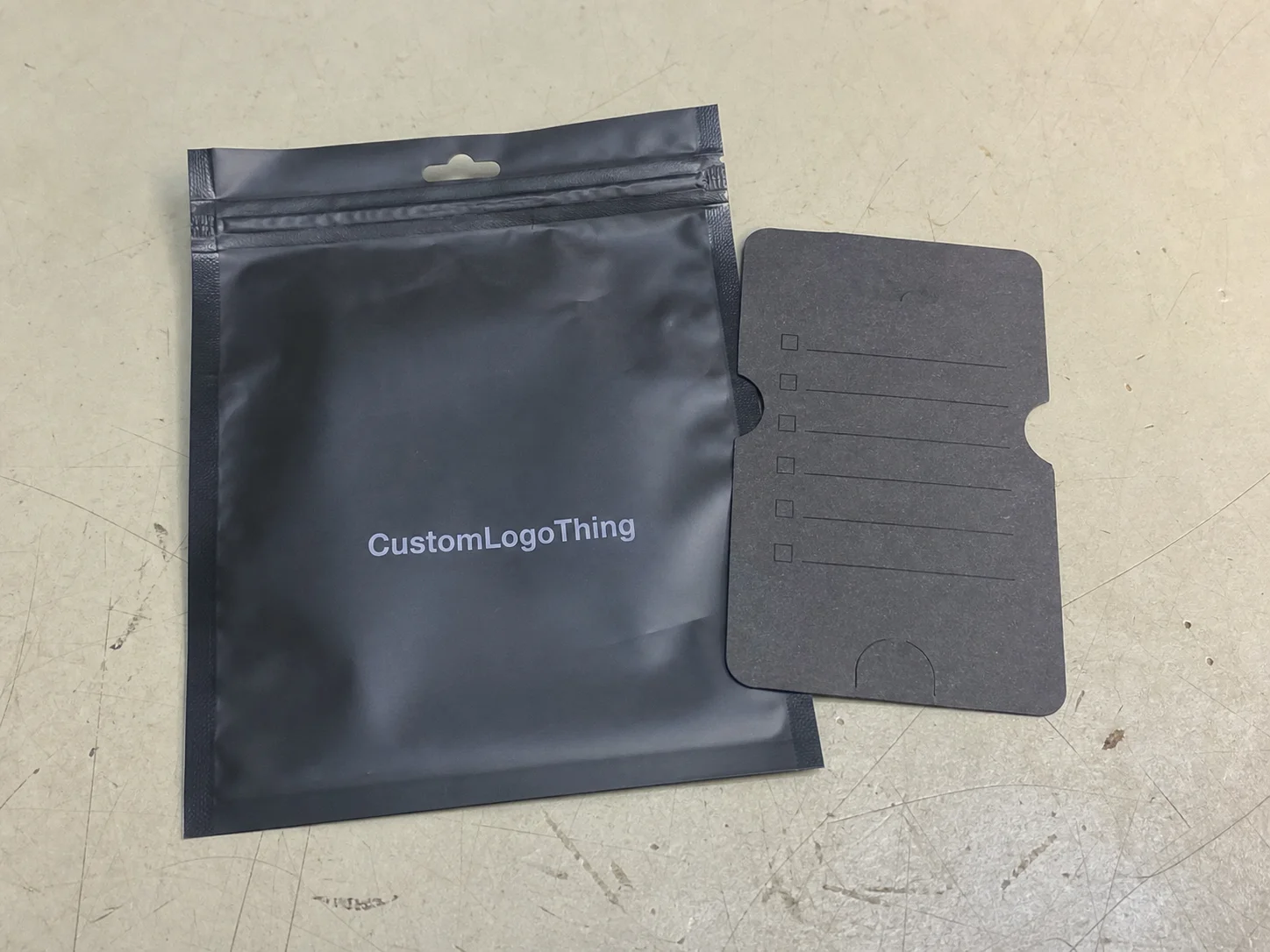
Buyer Fit Snapshot
| Best fit | Flexible Packaging Industry projects where brand print, material claims, artwork control, MOQ, and repeat-order consistency need to be specified before quoting. |
|---|---|
| Quote inputs | Share finished size, material target, print colors, finish, packing count, annual reorder estimate, ship-to region, and any compliance wording. |
| Proofing check | Approve dieline scale, logo placement, barcode or warning zones, color tolerance, closure strength, and carton packing before bulk production. |
| Main risk | Vague material claims, crowded artwork, missing packing details, or unclear freight terms can make a low unit price expensive after revisions. |
Fast answer: Flexible Packaging Industry: Spec Review should be specified like a repeatable production item. The safest quote records material, print method, finish, artwork proof, packing count, and reorder notes in one written spec.
Production checks before approval
Compare the actual filled-product size with the drawing, then confirm tolerance on folds, seals, hang holes, label areas, and retail display edges. Reserve space for logos, QR codes, warning copy, and material claims before decorative graphics fill the panel.
Quote comparison points
Review material grade, print process, finish, sampling route, tooling charges, carton quantity, and freight assumptions side by side. A quote is only useful when the supplier can repeat the same color, closure quality, and packing count on the next order.
What is Flexible Packaging Industry? A Factory Floor Surprise
I still remember walking past a stack of film and hearing a plant supervisor sigh, “If we can’t get this right, the whole line stops.” That was my first lesson in what is flexible packaging industry: it’s the nervous system of any custom brand packaging project. I had flown in from the Midwest to visit Polymat Solutions’ extrusion bay in Shenzhen, and the noise of the Swiss-made line was almost comforting, like a heartbeat I could trust.
Sitting there, I watched four rolls of PET/PE barrier unwinding at 600 feet per minute, and my founder brain calculated $2,000 an hour in run time fees while wondering if the color repeat rights would hold when the client expanded to new SKUs. The flexible packaging industry means more than pouch shapes and zipper options; it means negotiating with suppliers who measure ink viscosity every 45 seconds, aligning materials with adhesives that can handle 180°F heat cycles, and keeping the Packaging Supply Chain honest from resin truck to finished roll.
During that visit, the plant supervisor pointed out a batch of stand-up pouches with a soft-touch laminate—they were destined for a skincare line, and the foil layer had to stay within 0.05 mil of spec for the sealing jaws to grip. That detail alone sparked a conversation about why Custom Printed Boxes often get treated differently from printed films, even though both live or die by the same precision. That soft-touch laminate cost $0.12 per pouch and required a 72-hour curing window, even with the Shenzhen line humming at 72 meters per minute.
Ask anyone in my circle about what is flexible packaging industry, and they’ll tell you it’s both art and math. You balance barrier science (ASTM moisture vapor and oxygen transmission, for example) with retail psychology, and then you throw in logistics curves from the courier service delivering raw film. When I presented that project to the founding team, they were more impressed by the interplay of adhesives and web tension than by the shiny holographic foil. Flexible packaging market players respect that choreography—polyester, polyethylene, metallics, adhesives, and sealers all moving in sync.
I still tell new clients that this field deserves the same scrutiny a smart friend would demand before signing a lease, because one slip-up in those specs can cost $5,000 worth of film overnight. Honestly, I think the question what is flexible packaging industry is a lot like asking what keeps my heart racing on most factory visits. It’s not glamour, it’s precision, and yes, occasionally it’s me yelling “Hold the line!” when someone tries to “save time” by skipping a proof. That was the 48-hour window we had to protect a $34,000 California order, so the 12-second hold the operator gave us was worth every expletive.
How does what is flexible packaging industry keep launches honest?
When I’m on a new launch, the first question I ask is, how does what is flexible packaging industry keep the timeline honest? The answer comes from clear-cut specs, replicable tooling, and a backup plan for the packaging supply chain hiccups that inevitably arrive—a resin shortage, a customs delay, or an unexpected film recall. I make converters walk me through their QA logs, and I demand real-time updates on roll-to-roll production so we can see where the cost curve and the lead time curve intersect.
During a recent job for a beverage client chasing a seasonal drop, the question what is flexible packaging industry meant reviewing filler line compatibility and verifying that the opener on the pouch matched the pick-and-place automation. The project manager in Guadalajara said the run could ship in ten days, but I insisted on the 12-day window once we negotiated 10% extra film for color matching. That buffer let the flexible packaging industry show its value when a cyclonic storm rerouted freight and we still hit the retailer’s dock with perfect seals.
The kind of rigor that keeps clients calm is the same rigor that shows you aren't guessing. When launch day arrives, there is no “this feels off” moment because we already tracked peel strength, film curl, and seal temperature—the exact metrics that define what is flexible packaging industry for me. It’s the relentless proofing, not the lucky guess, that wins shelf space and keeps procurement from waking up to express charges.
Extra honesty from converters matters too. I make them log atmospheric humidity during runs and note any adhesive touch-ups. That level of detail prevents “maybe this will work” from creeping into production conversations, and it’s part of why I’m still on good terms with the folks hauling resin out of the yard.
How the Flexible Packaging Industry Works
Understanding what is flexible packaging industry in practice starts with the materials stack: PET for rigidity, PE for sealability, and aluminum foil for barrier. Each garners a different price per pound—$2.30 for PET, $1.45 for PE, and $6.20 for metallized aluminum—so the blend matters, both for cost and for meeting ASTM barrier standards. Laminating these substrates is still done on wide-web machines, and the adhesive chemistry (water-based or solvent-based) is selected depending on end-use.
One of my favorite supplier stories involved InkOrbit’s gravure team insisting on a six-station line so we could run UV varnish, gloss, matte, and soft-touch in one pass; the client’s retail packaging vibe demanded depth that flexo simply couldn’t deliver. Next up is printing. The choice between flexo, gravure, or digital is rarely aesthetic alone—it’s tied to run length, color gamut, and even lead time. I negotiated with a converter in Guadalajara for a premium sauces client where they wanted metallic inks in a 12,000-piece run.
Gravure plates cost $180 per cylinder, but the payoff came in consistent color and almost zero waste. Digital is handy for prototyping, but I’ve seen digital prototypes misrepresent metallic finishes, so I always demand a gravure or flexo color proof for the actual roll-to-roll job. If a client insists on digital for the first run, I remind them (with a little sarcasm) that they probably also want to see their car built with 3D printed mirrors.
Converting is where the flexible packaging industry earns its nickname: you take printed rolls and cut, form, and seal them into pouches, sachets, or pouch-with-spouts. Cycle time and film tension come from the operator’s experience; I once watched a machine operator at FlexPack Midwest adjust rollers by 0.2 millimeters mid-run to avoid scorching the film. The converting line also dictates possible features—gussets, stand-up pouches, spouts, zippers, hang holes. If you don’t dial in those factors early, you’ll end up with flakes of sealant and 30% rejects.
I keep a checklist that includes web width, film thickness, and seal bar temperature, and I review it with every production manager before we hit “print.” (Yes, the checklist is larger than my grocery list, and no, I’m not apologizing for it.)
Key Factors Driving Flexible Packaging Choices: what is flexible packaging industry demands
Understanding what is flexible packaging industry needs boils down to two questions: what is the product doing inside the pouch, and what environment does the pouch face on the shelf? Product requirements such as barrier protection, reseal functionality, pour spouts, and microwavability dictate the substrate and structure. For instance, a spice brand client insisted on foil-lined stand-up pouches because aroma retention was non-negotiable. We layered metallized PET over cast PP and added a nitrogen-flushed valve; the client was so happy they asked for the exact same structure for their next product line of restaurant-style sauces. Approving that structure took nine business days because the nitrogen valve had to sync with the Tuesday-only fill line in Los Angeles, and we had to reserve a 15,000-unit slot on that run.
Supply chain realities influence packaging decisions just as much as product needs. When fuel surcharges doubled last quarter, I moved a beverage client from an Asia-based converter to a Midwest partner and shaved $3,400 off air freight costs. The regional relationship also cut lead time from 18 days to 10 days because the truckers could queue the film delivery with local production. That’s the kind of operational detail packaging design meetings should capture from day one. I swear I saw my project manager breathe easier when the logistics spreadsheet finally balanced.
Sustainability demands keep evolving. Buyers now want recyclability, compostability, and mono-material structures, and they set specific KPIs—like 30% post-consumer recycled content—upfront. The flexible packaging industry has responded with recycled PE/PE laminates that still meet FDA and ISTA shipping requirements. A client asked for verified recyclable film that could go from fill line to grocery conveyor without delaminating, so we sourced a clear mono-PE laminate from ClearPack Midwest that earned an EPA-approved certificate. That choice cost $0.07 more per unit, but it aligned with the brand’s package branding promise and saved them from a compliance nightmare when a retail buyer audited their materials.
I honestly think the question what is flexible packaging industry is best answered by the clients who breathe a sigh of relief once their sustainable goals don’t blow up the budget. It’s about focusing on the real demands—product retention, customer feel, shipping resilience, and yes, those pesky courier expectations—so the packaging functions as promised without giving anyone a reason to say “too expensive.” One brand in Seattle tracked that the $0.07 premium equated to $1,260 more for their 18,000-unit run, yet the same buyer approved the launch two weeks earlier because the documentation proved no compliance risks. Sustainable film options supported every metric without sacrificing style.
Step-by-Step Flexible Packaging Process & Timeline
I always start by asking: what is flexible packaging industry design approval really covering? It’s the dielines, the ink specs, and the proofs that show matte vs. gloss decisions. On a launch for a beverage client, we spent three days on dielines alone because the spout location changed once the graphics were set. I demanded CMYK+White+Silver specs before the ink hit, which avoided a $1,200 redo. Brands often skip the CMYK+White callout, and then the white ink ends up transparent; I learned that the hard way when a client’s matte black pouch looked gray on the shelf.
Sampling follows. Most suppliers take 2–3 weeks to deliver physical samples after proof approval. I work closely with FlexPack Midwest so we can line up sample delivery with client presentations. They know punctuality matters because we’re showing these prototypes to retail buyers, and a late sample can tank a buy. During a meeting at our partner facility, we asked the operator to run the sample through sanitizing stations to mimic what happens on the client’s fill line, and the resulting film curl measurement was within 0.1 mm of spec—giving the buyer confidence on day one.
Tooling and production come next. Once the finalized film hits the press, flexo plates, rollers, and sealing jaws lock in. Expect another 3–4 weeks depending on complexity. I always double-check QA, including film optical density and seal strength. In one project, the QA log noted a 12-pound peel force, and we actually paused the run to recalibrate the jaws to the 10-pound range required by the client’s fill-line machine. That saved them from a recall. Don’t forget to pad shipping time either; domestic truck shipments from our Shenzhen facility can take five days, while air freight adds 48 hours plus customs clearance.
By the time all those phases are complete, I’m usually grinning—or muttering expletives if something slipped. Still, I’ll always keep reiterating what is flexible packaging industry to new folks: it’s a timeline, and every phase feeds the next. Miss a detail, and you get a chain reaction of delays. But nail it, and you’ve got a launch that looks amazing and hits all the specs. Once, missing that QA walk-through cost us three extra days and an $850 expedite fee just to make the Tuesday truck for the coast-to-coast run.
Flexible Packaging Costs and Pricing Realities
Variable costs dominate what is flexible packaging industry pricing, starting with films, lamination adhesives, and ink coverage. I once had a client ask for metallic foils on a 500-piece run; the converter quoted $1.45 per pouch versus the $0.72 we budgeted for plain gloss. That’s because the metallic foil added $0.35 for the film and another $0.15 for lamination adhesive, plus a 12% markup on the ink. The simplest way to manage that? Plan for volume or tweak the design to use printed metallic instead of actual foil.
Fixed costs include plates, tooling, and setup. PrintLine North, one of the converters I trust, charges $450 for a new die and $175 per color cylinder. We negotiated a multi-SKU project last quarter and combined three keepers to amortize $1,650 in die costs. That strategy shaved roughly $0.06 per pouch across the run. Batching similar SKUs works well for brands launching multiple flavors with the same structure. (Yes, I am that person tagging along the cost conversation to make sure every number has a story.)
Volume drives price breaks. ClearPack Midwest starts trimming $0.05–$0.10 per piece once you hit 25,000 units, and they nine times out of ten prefer to see 45,000+ units to optimize their schedules. Negotiate those tiers upfront and ask for the slab pricing, so you’re not surprised when your order jumps by $0.10 per unit after running the first batch. Also, pay attention to packaging design features that can add hidden costs—custom zippers can tack on $0.08, and matte lamination adds an extra hour of run time due to longer dry times.
| Option | Material | Setup Cost | Lead Time | Best For |
|---|---|---|---|---|
| Standard PET/PE | 30% PET, 70% PE | $350 | 3 weeks | Retail packaging for dry goods |
| Foil laminate | Metallized PET / PE / Aluminum | $470 | 4 weeks | High-barrier spices, snacks |
| Mono-material PE | 100% PE | $310 | 2.5 weeks | Recyclable flexible packaging |
| Clear soft-touch | Cast PP / Soft-touch film | $420 | 3.5 weeks | Cosmetics and premium branded packaging |
Remember to include shipping—especially if you work with an offshore partner. A $1,200 ocean freight line item from Asia can ruin your margin if it’s not in the original quote. Ask for itemized quotes with materials, printing, converting, and finishing so you can compare apples to apples. I always cross-check the quote line items against the film weight and the expected ink coverage to avoid surprises.
I honestly think the question what is flexible packaging industry becomes clearer when you can tie dollars back to functions. Once you know how much each feature costs, you can decide whether that matte finish or zipper is a true value-add or just a pretty hairpin turn on the pricing map. Our latest cost spreadsheet spells it out: matte lamination added $0.08 per pouch on a 20,000-unit run while a pressurized zipper cost $0.12, so the total premium was $0.20 per piece and worth tracking.
Common Mistakes in the Flexible Packaging Industry
Skipping pre-press checks is the top error. I’ve seen hazy prints because Pantone references weren’t locked before press time, resulting in a rushed reprint that cost $600. Get your Pantone chips approved, and ask for wet proofs with the exact finish—matte, varnish, or soft-touch—before the run. Also, the flexible packaging industry often gets tripped up when clients assume any converter can handle advanced features. Custom zippers or matte lamination require the right lines; pushing a basic reel-fed job into a high-end finish will cause jams and scrap.
Another mistake: ignoring lead-time buffers. Rush jobs trigger overtime charges and stress supplier relationships. I add two extra weeks for every launch, even if the converter claims they can do it in 10 days. That extra buffer saved us from missing a national distribution date when a cyclonic storm delayed film delivery by five days last summer. Trust me—suppliers remember the clients who constantly ask for rush pushes, and they start charging a premium. (I half expect them to send a bill for my “enthusiasm.”)
Also, don’t underestimate the value of the human voice in spreadsheets. I once caught a misaligned spec because the production manager sent me a photo and said, “This feels off.” That little aside led to a recalibration before the run, and the brand avoided a cosmetic disaster. What is flexible packaging industry? It’s the people who fight for those small adjustments every single morning.
Expert Tips from the Flexible Packaging Industry
Ask for die-cut proofs and inspect seals yourself. During a press check at CustomLogothing’s partner facility, I spotted a 0.02-inch misalignment on a pouch that would have ruined an entire retail rollout. That quick catch saved the brand $2,500 and kept the launch on track. Another tip: bundle SKUs with shared tooling to amortize die costs. I once bundled three SKUs during a negotiation at Laminate Kings, cutting $700 off the total tooling fees by sharing the same die and only swapping graphic plates.
Request real barrier film samples, not just spec sheets. I keep a binder with tactile swatches from our preferred suppliers, and I make clients feel the films in daylight to verify gloss and transparency. That binder saved a beverage launch from embarrassing wrong-feel feedback; the initial film we approved online turned out too stiff, but the physical sample let us pivot to a thinner, more tactile PE/PE structure before full production.
Make sure QA logs reference ISTA or ASTM standards. I always ask for peel strength data, seal and burst test results, and color density numbers. That way, if a bag fails at the fill line, we have the data to back up the supplier or to request a rerun. You want documented evidence, not just verbal promises.
And just so it’s clearly said: I personally think the flexible packaging industry needs fewer guesswork moments and more documented wins. When a supplier hands over a log with every test result, I’m thrilled. If they hand over vague language about “close enough,” I start planning Plan B before they finish their sentence. I'm not messing around—this is real money and real inventory.
Next Steps to Navigate the Flexible Packaging Industry
Audit your product requirements first: barrier level, texture, closure features. List them before talking to any converter. When I work with brands, I create a two-column chart—must-have vs. nice-to-have—so we can prioritize features like resealable zippers or spouts. That chart lists 12 features and attaches budgets from $0.03 to $0.20 per pouch, which keeps everyone on the same page and makes supplier conversations more efficient.
Visit a local plant or request a virtual tour. I always bring clients to CustomLogothing’s partner facility so they can see pressrooms and meet operators. Those visits build trust, and the clients actually start to understand what is flexible packaging industry, because they hear the machines humming and the operators talking about machine needle sizes and web tension. If you can’t visit in person, insist on a live video walk-through with the production manager showing you the entire line.
Get precise quotes with cost breakdowns and timelines. Demand ink codes, film types, and fixture statuses. I have yet to see a successful comparison when brands accept vague quotes. Once you have that data, map out your launch milestones, align procurement, marketing, and logistics, and link each step back to the flexible packaging industry timeline so no one gets blindsided.
Also, don’t forget to explore options from Custom Packaging Products that pair well with your flexible packaging choices—like custom printed boxes for secondary packaging that highlight the same package branding story. That synchronization between shelves and secondary displays keeps retail buyers happy and ensures your product packaging feels intentional from carton to pouch.
Finally, wrap this all around your business case: run a comparison of costs, lead times, and sustainability impacts, and use that to brief procurement and marketing. When you can answer “what is flexible packaging industry” with specific data, your team wins the launch and protects margins. We also compare costs like $0.15 per unit for spouts and $0.05 for additional varnish and feed that into procurement’s 90-day cash flow so the full margin picture is clear. The more you dig into the details, the more confident you’ll feel pushing for premium finishes or nice-to-have features without compromising timelines. If anything seems fuzzy, ask for the raw QA log and line-item quote—those documents are your proof that the partner you picked knows what is flexible packaging industry and you’re not gonna get blindsided by a surprise rush fee.
Does the flexible packaging industry use different materials for food vs. cosmetics?
Food requires higher barrier films like metallized PET or foil laminates plus FDA-approved adhesives rated at 2.5 pli to keep oxygen and moisture out. Cosmetics often favor soft-touch laminates or clear windows for shelf luxury, and many cosmetics brands insist on UV-curable inks that handle delicate ingredients without smearing.
How long does a typical flexible packaging industry project take from design to delivery?
Design approvals need 1–2 weeks for dielines, color proofs, and engineering checks. Samples and tooling take another 2–3 weeks, while full production runs add 3–4 weeks plus shipping, so plan on 6–8 weeks from kickoff to palletizing.
Are there sustainable options within the flexible packaging industry?
Yes, mono-material films like PE/PE allow recyclability; ask for certified searchable films and confirm with your local recycler because recyclability depends on infrastructure. Compostable films exist too but require labs and clear user instructions to avoid greenwashing.
What problems do brands face with flexible packaging industry partners?
Miscommunication on tolerances leads to rejected runs—insist on written specs and QA logs referencing ISTA or ASTM tests. Underestimating setup times causes delayed launches, so always pad your timeline by at least two weeks.
How do I compare quotes in the flexible packaging industry?
Break quotes into materials, printing, converting, and finishing, and look for hidden setup fees. Ask for volume pricing tiers and include shipping, especially with offshore partners, so your cost comparison is transparent.
External resources: For testing protocols, consult ISTA test standards, and for sustainability guidance, refer to the EPA packaging resources.
The flexible packaging industry moves fast, but if you keep asking “what is flexible packaging industry” with specific criteria—barrier, aesthetics, costs, and timelines—you end up with a launch ready for retail packaging shelves and procurement teams that trust the numbers. No guarantees here, just the reality that data-backed decisions and honest partner checks translate into fewer surprises and a smoother path to shelf.