Buyer Fit Snapshot
| Best fit | Ocean Plastic Packaging Material projects where brand print, material claims, artwork control, MOQ, and repeat-order consistency need to be specified before quoting. |
|---|---|
| Quote inputs | Share finished size, material target, print colors, finish, packing count, annual reorder estimate, ship-to region, and any compliance wording. |
| Proofing check | Approve dieline scale, logo placement, barcode or warning zones, color tolerance, closure strength, and carton packing before bulk production. |
| Main risk | Vague material claims, crowded artwork, missing packing details, or unclear freight terms can make a low unit price expensive after revisions. |
Fast answer: Ocean Plastic Packaging Material: Material, Print, Proofing, and Reorder Risk should be specified like a repeatable production item. The safest quote records material, print method, finish, artwork proof, packing count, and reorder notes in one written spec.
Production checks before approval
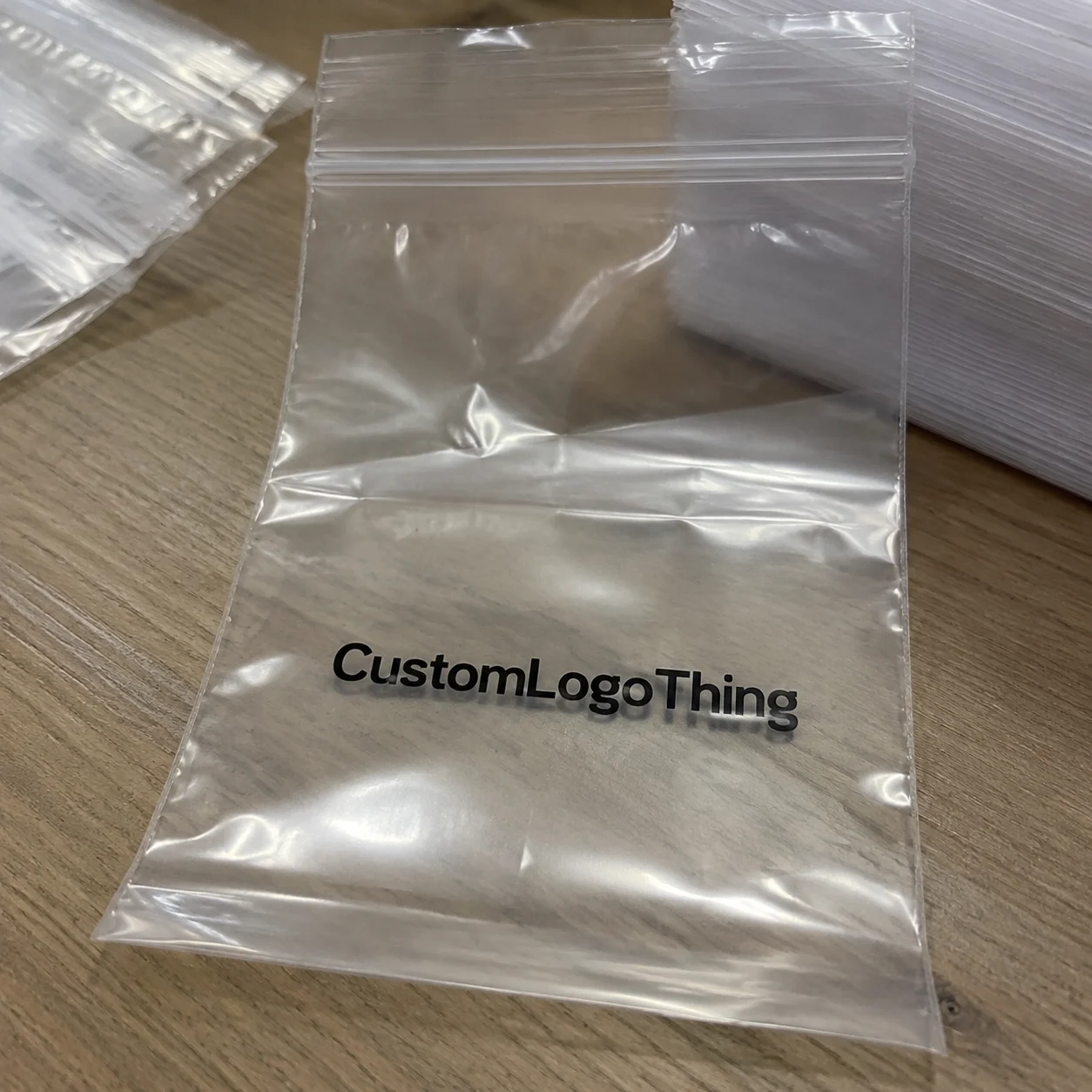
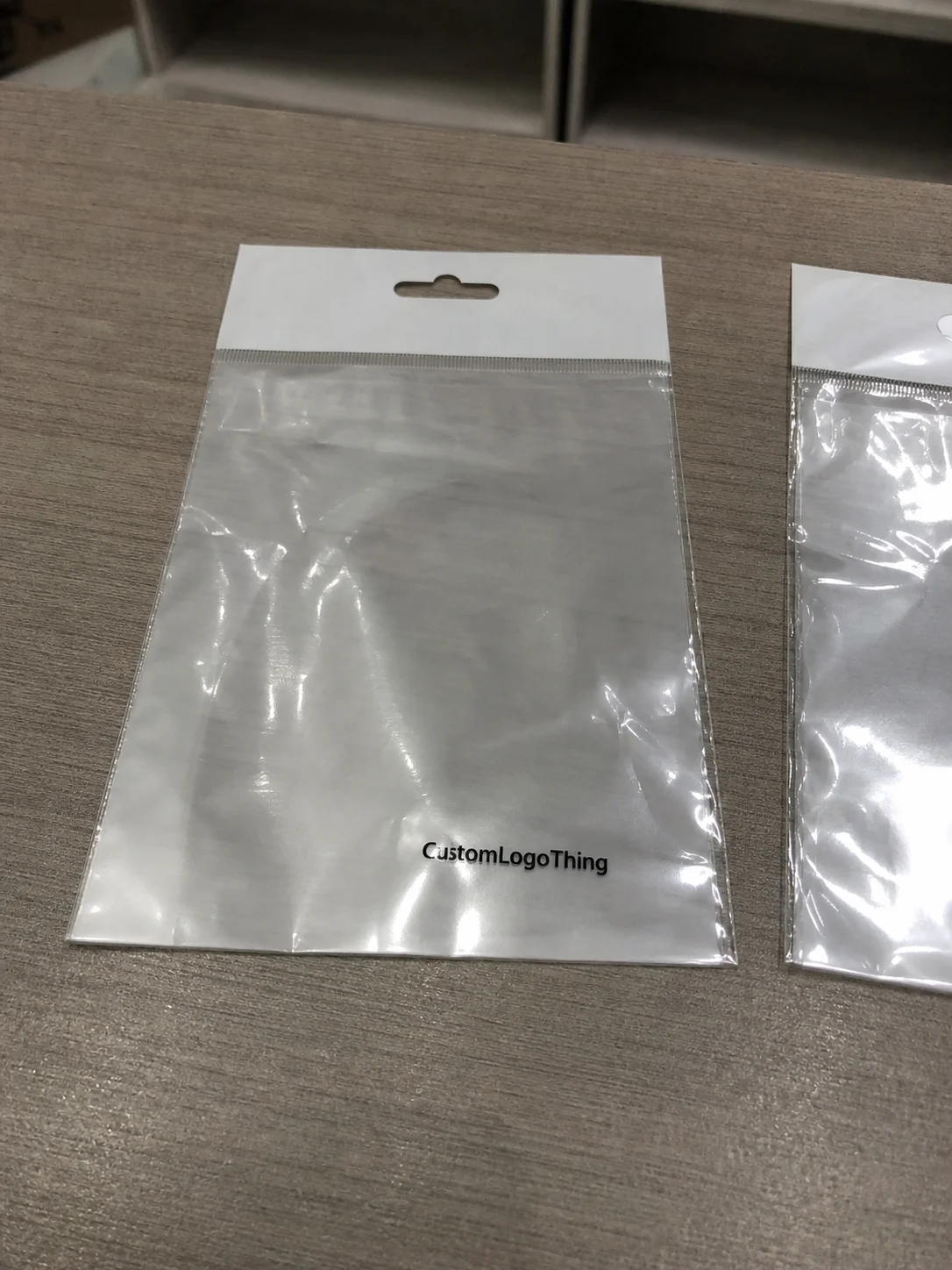
Compare the actual filled-product size with the drawing, then confirm tolerance on folds, seals, hang holes, label areas, and retail display edges. Reserve space for logos, QR codes, warning copy, and material claims before decorative graphics fill the panel.
Quote comparison points
Review material grade, print process, finish, sampling route, tooling charges, carton quantity, and freight assumptions side by side. A quote is only useful when the supplier can repeat the same color, closure quality, and packing count on the next order.
On a humid morning at a coastal sorting plant near Xiamen, I watched a bale cutter split open a block of mixed recovered plastic and immediately saw why people ask what is Ocean Plastic Packaging material. The answer starts with collection trucks, beach cleanup crews, and shoreline recovery programs in places like Cebu, Surabaya, and coastal Guangdong, then moves through sorting, washing, shredding, and pelletizing before it ever becomes a tray, sleeve, or insert. In plain terms, what is ocean plastic packaging material is packaging made from recycled plastic that was intercepted near waterways, beaches, or marine waste streams before it could fully enter the ocean, and that distinction matters a lot when you’re choosing packaging for a real production run of 5,000, 20,000, or 100,000 units.
I’ve spent enough time on factory floors in Shenzhen, Dongguan, and Ningbo to know that the label can sound cleaner than the reality. One bad bale can throw off color, odor, and melt behavior for an entire 8-hour shift, especially in a line that’s trying to hold tight tolerances for custom printed boxes, retail inserts, or branded packaging components. So if you’re trying to understand what is ocean plastic packaging material, think less about a marketing slogan and more about a controlled recycled feedstock with a specific recovery story, a specific resin type, and a specific set of converting limits. Honestly, the “it’s all green, right?” attitude makes me want to hand people a contaminated pallet and say, “Go ahead, have fun.”
What Is Ocean Plastic Packaging Material?
What is ocean plastic packaging material? It is packaging made from plastic recovered from coastal cleanup programs, river interception systems, beach collection routes, and other ocean-bound waste streams, then reprocessed into usable resin for packaging applications. In practical factory terms, that resin might become a mailer insert, a thermoformed tray, a cosmetic box window, a bottle sleeve, or a protective component inside product packaging. I’ve seen it used in everything from high-graphic retail packaging to simple transit trays, and the material itself is not automatically premium or low-grade; performance depends on the cleanliness of the recovered resin, the polymer family, and how well the converter handles it. A well-run plant in Jiangsu can turn an inconsistent input into a usable 0.4 mm insert, while a sloppy line can make even a good batch feel brittle.
People often mix up three terms that are not the same thing. Ocean-bound plastic usually means plastic at risk of entering waterways, post-consumer recycled resin is a wider category that can come from many household or commercial waste streams, and “ocean plastic” is a narrower claim tied to collection near marine environments. When a buyer asks me what is ocean plastic packaging material, I usually tell them to ask for the exact source pathway, the polymer type, and the documentation trail, because those details separate a meaningful sustainability claim from vague package branding. If the supplier cannot tell you whether the stream came from a river capture project in Penang or a beach recovery program in Mindanao, the claim is probably thinner than the brochure.
In a supplier meeting in Shenzhen, I once had a brand team excited about a “marine plastic” sample that looked great under showroom lights but smelled faintly of detergent and showed a slight gray tint when we opened the pallet in the press room. That’s the kind of thing you only catch with traceability and incoming inspection. On the shop floor, one poorly sorted load can affect the entire run, especially when the packaging needs a uniform finish for branded packaging, premium sleeves, or custom printed boxes with tight color expectations. I’ve seen a 2,000-piece pilot turn into a 12,000-piece headache because the resin odor only showed up after the trays warmed to 38°C under production lamps.
Common packaging formats made from this material include:
- Mailer inserts for e-commerce product protection
- Thermoformed trays for cosmetics, electronics, or accessories
- Plastic windows on cartons or display packs
- Bottle sleeves and secondary labels
- Protective components for shipping and retail presentation
For a beginner, the easiest way to think about what is ocean plastic packaging material is this: it’s recycled packaging feedstock with a recovery story tied to coastal or marine waste interception, but it still has to pass the same practical tests as any other material. That means seal performance, stiffness, odor, print adhesion, thickness consistency, and drop resistance all matter. If a cosmetic jar tray looks good but cracks during vibration testing, it is not useful, no matter how strong the sustainability story sounds. A tray made from 350gsm C1S artboard would be a paperboard example, but a plastic insert has to be judged on very different numbers: caliper, shrink, and forming stability.
Honestly, I think a lot of brands get tripped up because they assume sustainability and performance live in separate worlds. They don’t. I’ve seen plenty of kraft paper over corrugated cardboard perform beautifully in transit, and I’ve also seen recycled plastic components outperform virgin resin in certain molded applications because the converter dialed in the compounding correctly. That is why the question what is ocean plastic packaging material should always lead to a conversation about actual production conditions, not just labels. The best teams in Guangzhou, for example, don’t start with the slogan; they start with the die line, the resin spec, and the test plan.
How Ocean Plastic Packaging Material Works in Manufacturing
The manufacturing path behind what is ocean plastic packaging material usually begins with collection and recovery. In coastal regions, that can mean beach cleanup programs, river barrier capture systems, local waste audits, or partnerships with materials recovery facilities. After recovery, the plastic is sorted by polymer type, washed to remove salt, sand, label adhesive, and organic residue, then shredded and pelletized into a feedstock a converter can actually use. From there, the material may be compounded with additives, color masterbatch, or a small amount of virgin resin depending on the application. In a typical line outside Ho Chi Minh City, that full sequence can take 3 to 6 days from bale intake to usable pellets, assuming the wash water is clean and the contamination rate stays under control.
The factories involved are more varied than most buyers realize. A materials recovery facility might handle the first sort, a wash line removes contamination, an extrusion pelletizing line turns flakes into pellets, and then a film converter, thermoforming plant, molding shop, or print-and-die-cut operation turns those pellets into usable packaging. When someone asks me what is ocean plastic packaging material, I picture a chain of distinct plants, not a single magical machine that turns beach waste into premium packaging overnight. One facility in Foshan might make the sheet, another in Dongguan might form the insert, and a third in Suzhou might add the printed outer carton.
Contamination control is the heart of the process. Salt residue can affect odor, dirt can create black specks, and mixed polymer contamination can cause weak seals or brittle corners. In food-adjacent or cosmetic-use packaging, those issues can become more than cosmetic. They can affect safety perception, shelf life, and whether the packaging performs in a filling line that runs 6,000 units an hour. That’s why the answer to what is ocean plastic packaging material always includes wash quality, pellet uniformity, and testing discipline. If the moisture content sits above 0.3% on a PET stream, for example, you can expect processing headaches and a higher reject rate.
Some projects use 100% recycled content, while others blend ocean plastic with virgin resin to improve consistency, clarity, or impact resistance. I’ve stood beside a thermoforming line where the blend ratio was adjusted by 10 points and the parts suddenly held corners better without losing too much recycled character. That kind of tuning is normal. The material does not behave the same in every packaging design, and not every packaging line can run the same recycled formulation without setup changes. A change from 80/20 to 70/30 recycled-to-virgin blend can be the difference between a clean draw and a wrinkled flange.
Testing is where the theory meets the forklift aisle. Teams often check melt flow index, tensile strength, color stability, thickness variation, seal strength, and drop or compression performance. If the application involves retail packaging or Product Packaging That will sit under bright lights, surface gloss and scratch resistance matter too. If it’s a transit component, then compression under stacking loads and vibration behavior matter more. For a lot of brands, what is ocean plastic packaging material is only half the question; the other half is whether it passes the actual test plan. A common benchmark is 15 kg of top-load pressure for 24 hours, but the right number depends on your carton height and shipping route.
Different packaging categories need different processing routes:
- Rigid packaging often needs thermoforming, injection molding, or sheet extrusion
- Flexible packaging depends on film conversion, laminating, and seal-window control
- Molded packaging requires tooling precision and moisture-managed resin behavior
- Laminated structures need adhesive compatibility, print durability, and barrier evaluation
I once watched a client try to run a recycled film on a standard seal bar set up for a virgin-only structure, and the first twenty packs split along the edge because the temperature window was too narrow. That’s a real-world reminder that what is ocean plastic packaging material can’t be answered without asking how it will run on your actual line. The same resin can look fantastic in a sample pouch and fail under production heat if the dwell time, bar pressure, or cooling step is off by just a little. Factory life, of course, enjoys these little “surprises” at the worst possible moment. On one run in Dongguan, a 5-second dwell change fixed what looked like a resin problem and turned out to be a sealing problem.
What Is Ocean Plastic Packaging Material Cost and What Affects It?
The first cost driver is resin type. PET, HDPE, and PP each behave differently in production, and mixed streams can be harder to process cleanly. PET may work beautifully for clear trays or formed inserts, while HDPE is common in tougher, opaque components, and PP often comes up in caps, closures, and certain molded pieces. When buyers ask what is ocean plastic packaging material, I point out that the polymer family shapes everything from impact strength to print behavior, and that usually affects pricing just as much as the sustainability story. A clean PET stream in Ho Chi Minh City can cost very differently from a mixed coastal polyolefin stream collected near Makassar.
Sourcing quality matters just as much. If a supplier has strong traceability, chain-of-custody records, and third-party verification, the material usually costs more than generic recycled stock because someone has already paid for collection discipline, documentation, and audit readiness. Distance matters too. A coastal recovery program that feeds a nearby wash plant in the same country is often simpler and cheaper than a fragmented international chain that requires multiple handoffs. In one negotiation with a packaging buyer in Singapore, we shaved roughly $0.04 per unit from a custom insert by switching to a regionally sourced recycled resin stream, but only after confirming the documentation would still satisfy their compliance team. That saved money without cutting the paperwork corner, which is rarer than it should be.
Conversion complexity adds another layer. A plain molded insert is usually less expensive than a highly detailed component with tight tolerances, heavy printing, or complex die cuts. If the project includes embossed branding, special textures, or a clear window on a carton, labor and tooling costs rise. This is why what is ocean plastic packaging material is never a fixed price answer; it’s a materials-and-process equation with multiple moving parts. A simple flat insert might start around $0.08 to $0.15 per unit at 10,000 pieces, while a complex custom tray with print and forming details can push toward $0.22 or more.
Here’s a practical pricing comparison I use when clients are deciding whether to move forward:
| Option | Typical Use | Relative Cost | Notes |
|---|---|---|---|
| Standard post-consumer recycled resin | General trays, inserts, sleeves | Lower to mid | Wider feedstock supply, usually less documentation |
| Ocean-bound / coastal recovered resin | Branded packaging, premium retail packaging | Mid to higher | Stricter sourcing and traceability can raise price |
| Verified ocean plastic with custom conversion | High-visibility product packaging | Higher | Sampling, testing, and chain-of-custody records add cost |
Minimum order quantity changes the math quickly. A run of 5,000 pieces may land at $0.18 per unit for a simple recycled insert, while 25,000 pieces might fall closer to $0.09 per unit once tooling and setup are spread out. If the project needs print plates, new dies, or multiple sample rounds, the first approved run can cost more than the reorder. That’s normal, and it’s one reason what is ocean plastic packaging material should always be discussed with both the engineering team and the purchasing team present. A supplier in Shenzhen may quote $0.15 per unit for 5,000 pieces and $0.11 per unit at 20,000 pieces, which is exactly the kind of price curve buyers need to see early.
Color matching is another quiet cost driver. Clear, pastel, and very light finishes expose resin variability, so they often require more sorting or a higher grade of pellet consistency. Darker or opaque finishes usually hide slight variation better, which is why many brands move toward charcoal, deep green, or matte natural tones. If your package branding depends on a very specific white or translucent look, expect more sampling and more cost. That’s just the reality of recycled feedstock. A pale cosmetic tray made in Dongguan can cost 12% more than a charcoal version simply because the sorting tolerance has to be tighter.
Compliance is not free either. Third-party verification, customer audits, FSC coordination when paperboard is part of the structure, and chain-of-custody documentation all take time and money. If the final pack combines ocean plastic with FSC paperboard or kraft paper in a hybrid structure, you also need to make sure the claims are accurate and separated clearly. Packaging compliance has a way of exposing sloppy assumptions, and what is ocean plastic packaging material is no exception. A 350gsm C1S artboard carton paired with a recycled plastic insert sounds simple until the print house in Suzhou asks for claim language in writing.
How to Choose Ocean Plastic Packaging Material for Your Brand
Step one is simple: define the job the packaging has to do. Does it need to protect a product in parcel shipping, present well on a shelf, resist humidity, or support tamper evidence? A lot of brands start with the sustainability story and work backward, but I’ve found the better approach is to start with function. If the packaging fails in transit, nobody cares how good the recycling story sounded on the pitch deck. If your brand is shipping from Shenzhen to Los Angeles, for example, the container route and humidity exposure should shape the spec before anyone starts talking color.
Step two is format selection. What is ocean plastic packaging material going to become in your case: a rigid tray, a mailer insert, a bottle component, a flexible sleeve, or a laminated structure paired with paperboard? The answer depends on the product, the shipping environment, and the look you want. For beauty brands, I often see recycled plastic windows paired with custom printed boxes; for electronics, I see molded trays with corrugated cardboard outer cartons; for apparel, I see lightweight inserts that support branded packaging without adding unnecessary weight. If the outer carton is 350gsm C1S artboard, the insert still needs to match the finish and thickness of the whole pack.
Step three is data and samples. Ask for thickness, caliper, stiffness, clarity, odor notes, and print behavior. I like to see samples on the same desk as the actual product, because a tray can look fine by itself and feel completely wrong once the bottle or device sits inside it. If you can, request a material swatch board too. That gives your design and purchasing teams something tangible to compare instead of arguing from emails. A good sample pack should include the resin spec, the production location, and at least one photo of the forming result from the actual plant in Guangdong or Jiangsu.
Step four is origin verification. A good supplier should be able to tell you whether the resin is ocean-bound, coastal recovered, or general recycled content, and they should have documents to support that claim. I always recommend asking for chain-of-custody records, testing summaries, and any certification the project requires. If the supplier gets vague at this stage, that’s a sign to slow down. A supplier in Xiamen who can show source logs from a river capture program and a third-party audit date is a lot easier to trust than one who says “marine origin” and leaves it there.
Step five is real testing. Use your actual product, not a substitute. Run transit simulation, scuff testing, heat exposure, drop testing, and fill-line checks if the item will be packed mechanically. For retail packaging and product packaging, I also like to test shelf presentation under store lighting because a dull matte tray can look elegant in a photo but underwhelming under fluorescent fixtures. If your real carton is a 350gsm C1S artboard setup with foil stamping, test the insert beside it, not in isolation.
Step six is artwork and adhesive compatibility. Recycled substrates can behave differently with inks, coatings, and glues. Some coatings dry slower, some inks show more dot gain, and some adhesives need a different laydown rate. If you’re pairing the material with kraft paper, foil accents, or custom printed boxes, your prepress team should see the substrate early. In one launch, we avoided a costly rerun simply because we caught a lamination issue before plates were finalized. That saved about $1,200 in plate and setup waste on a 15,000-piece run.
Step seven is timeline planning. Recycled feedstock availability can move faster or slower than conventional virgin resin, and any custom tooling will add setup time. For a straightforward project, 12-15 business days from proof approval may be realistic after samples are signed off, but a more complex branded packaging build with verification and custom dies can take longer. The best buyers build a schedule with room for one revision cycle, not zero. If you need molded inserts in Dongguan and printed cartons in Guangzhou, add transit and coordination time rather than pretending both factories run on the same clock.
Here’s how I’d summarize the selection process:
- Define the packaging job and environment.
- Choose the right format for the product.
- Review technical data and samples.
- Verify the material source and claims.
- Test with your actual product and line.
- Check printing, adhesives, and finishing.
- Plan lead time and reorders early.
If you need help comparing packaging options, the team behind Custom Packaging Products can walk through format, material, and branding choices with you. And if you’re balancing paper and plastic in the same system, look at how the structure works as a whole rather than treating each component in isolation. That’s usually where the better packaging design decisions happen, whether the outer carton is 350gsm C1S artboard or corrugated cardboard.
Common Mistakes Brands Make With Ocean Plastic Packaging Material
The biggest mistake I see is treating every ocean plastic claim as identical. It isn’t. One supplier may offer coastal recovered PET, another may sell broad recycled resin with only partial traceability, and another may use ocean-bound terminology in a way that sounds stronger than the documentation supports. If you don’t check source, resin family, and verification, you can end up paying for a story that won’t hold up in procurement review. A buyer in Kuala Lumpur once discovered that a “marine plastic” quote was really just generic recycled PP from a mixed industrial stream, and the price difference was about $0.03 per unit for nothing.
A second mistake is choosing the material for marketing appeal alone. I’ve sat in meetings where the brand team loved the environmental narrative, but the packaging failed compression tests or didn’t fit the existing filling line. If the component cracks during assembly or jams the machine, the project is dead. That’s why what is ocean plastic packaging material should always be answered with both sustainability and production performance in the same conversation. A sample that looks good in a showroom in Shanghai can still fail at 4,000 units an hour on a line in Vietnam.
Odor, tint, and surface variation can be underestimated too. In cosmetics, apparel, electronics, and premium gifts, those details matter more than people think. A faint recycled odor might be acceptable in an outer shipper but not in a luxury unboxing experience. A gray cast may be fine in industrial packaging but disappointing in premium retail packaging. I’ve seen a buyer reject an otherwise strong tray because the tint made the white insert look dirty under store lights. That meeting was, to put it politely, not fun for anyone. The sample came from a facility in Dongguan, cost $0.12 a piece, and still lost the account because the shade drifted too far from the approved Pantone target.
Lead time is another trap. Sorting, compounding, tooling, and verification can add weeks. If your team assumes recycled material moves on the same schedule as standard resin, you can miss launch windows. And if the first prototype fails, you may need revised dies, new print plates, or another sample round, each of which costs both time and money. A 12-15 business day target from proof approval is realistic for a simple insert, but add custom tooling in Ningbo and you can quickly push beyond three weeks.
Finally, brands often fail to plan for consistency across reorders. Recycled feedstock is naturally more variable than perfectly controlled virgin stock, so if you need a specific shade, texture, or tactile finish, you should discuss acceptable variation ranges upfront. That way, the second and third runs match the first one closely enough to protect package branding and shelf consistency. I usually recommend agreeing on a delta range before the first 10,000-piece production run even starts.
“The first sample looked beautiful on the conference table, but it cracked during the drop test. We fixed the structure, not the story.”
Expert Tips for Better Results With Ocean Plastic Packaging Material
Start with the end-use environment, because that usually decides the material faster than the sustainability brief does. Warehouse stacking, humidity, freezer storage, retail display, and parcel shipping all punish packaging in different ways. A component that works in a dry cosmetics showroom may fail in a humid distribution center, and that is exactly the kind of mismatch I’ve seen trip up otherwise good product packaging programs. If the route includes Manila in July and Singapore in August, plan for moisture and heat, not idealized studio conditions.
Work with a converter who can speak in production terms: gauge, caliper, GSM, seal window, die-cut tolerance, and drop-test performance. If a supplier can only talk in slogans, keep looking. The best plants I’ve worked with, including thermoforming shops and print-and-die-cut operations in Guangzhou and Suzhou, always talk numbers first and marketing second. That kind of rigor is what makes what is ocean plastic packaging material useful instead of just admirable. If they can’t tell you the exact forming temperature or the expected reject rate, they’re not ready for a serious order.
For graphics, embrace slight variation rather than fighting it. Matte finishes, darker color systems, and simple layouts often hide recycled variation better than ultra-light or highly reflective designs. If your brand loves a clean premium look, you can still get there by pairing ocean plastic components with FSC paperboard, soy inks, or restrained embossing. That combination often gives you stronger visual impact without forcing the plastic to pretend it is virgin-clear. A 350gsm C1S artboard sleeve with a recycled insert can look refined if the structure is disciplined.
Ask for a pre-production proof and a material swatch board. I cannot count how many budget disputes I’ve avoided by putting a swatch in front of a finance lead and a marketing lead at the same time. Once they can feel the stiffness, see the tint, and compare the finish beside the actual bottle or product, the conversation gets more practical. That matters for branded packaging because design decisions become much easier when everyone is staring at the same sample. In one case, a $0.15 unit cost stopped being “too high” once the team saw that the cheaper option would require a second insert and a new die.
Separate the sustainability story from the function story. A good pack should be credible and dependable, not just well-intentioned. If the project needs stronger premium appeal, pair ocean plastic with polished typography, better dielines, or a tighter structural fit rather than trying to overstate the material itself. In my experience, the best package branding comes from honesty and good execution, not from overpromising. Buyers in Seoul and Taipei usually spot inflated claims within minutes, especially if the documentation trail is thin.
Here’s a quick decision framework I often use:
- Use simpler structures for transit-heavy shipments.
- Use higher-visibility recycled finishes for shelf-facing packs.
- Use hybrid paperboard and plastic designs when presentation matters.
- Test early if your line uses heat, pressure, or automatic packing equipment.
If you’re still asking what is ocean plastic packaging material after all that, the short answer is that it’s a recycled packaging input with a strong recovery story, but it still needs to earn its place in your system through testing, documentation, and cost control. That’s the floor-level truth, and it saves a lot of money later. A material that saves $0.02 per unit but fails one out of every 50 packs is not saving anything.
What to Do Next If You Want to Use Ocean Plastic Packaging Material
Start with a simple brief. List your product dimensions, shipping method, target quantity, branding needs, and sustainability goals. If you’re planning custom printed boxes, say so. If the project needs corrugated cardboard as the outer shipper and recycled plastic as an insert, spell that out too. The clearer the brief, the faster the supplier can answer what is ocean plastic packaging material in a way that actually fits your order. A brief that includes carton size, insert depth, target color, and order volume will save days of back-and-forth.
Request two or three options side by side. One may be lower cost, one may be more premium, and one may offer stronger verification. You can’t compare a $0.11 insert to a $0.24 verified component without understanding what changed in source, finish, and compliance. I like to see price, feel, finish, and lead time on the same sheet because that’s how the real decision gets made in most packaging meetings. If the supplier can quote $0.15 per unit for 5,000 pieces and also offer a 20,000-piece tier at $0.09, you’ve got something concrete to work with.
Ask for samples with documentation, then test them in the real world. Put them through handling, vibration, stacking, and any heat or moisture conditions your supply chain creates. If your product moves through a regional warehouse, a parcel carrier, and a retail shelf, every one of those steps should shape the approval process. A sample that survives a desk test is not enough. I’ve seen a tray pass the conference room and fail after 48 hours in a warehouse near Shenzhen because the humidity climbed past 80%.
Align your team on the priority order. Is the goal the lowest cost, the strongest protection, the most premium look, or the strongest sustainability claim? If nobody agrees on the top priority, the project can drift for weeks. That happens more often than people admit, especially when marketing, operations, and procurement are all weighing in with different definitions of success. A project can stall for 10 days just because one team wants a matte charcoal finish and another wants translucent natural resin.
Set a realistic timeline that includes sampling, revisions, testing, and final production scheduling. For a simple run, you might only need a couple of weeks after approval, but custom tooling or heavy documentation can stretch that out. I’ve seen good programs fall apart because the team promised a launch date before the samples even arrived. That’s avoidable. A straightforward order with proof approval on Monday and production in 12-15 business days is doable in many Guangdong facilities, but only if the artwork is locked and the material is already approved.
If you’re ready to move, specify your performance requirements and ask for a custom quote based on actual use, not just the material label. The words matter less than the fit. And if you remember only one thing from this guide, let it be this: what is ocean plastic packaging material is not just a definition, it’s a sourcing, testing, and production decision that should support your product, your branding, and your supply chain all at once. The best quotes are the ones that spell out resin type, pack format, unit price, and lead time in the same line.
For brands building a stronger sustainability story through packaging design, the right mix of recycled resin, kraft paper, and carefully engineered structures can do a lot without turning the project into a science experiment. I’ve seen it work in cosmetics, apparel, and consumer electronics, and I’ve also seen it fail when the team skipped the testing. The material can be a smart choice, but only when the details are respected. A carton in 350gsm C1S artboard with a recycled insert made in Guangzhou can look premium and travel well if the structure is designed correctly.
Frequently Asked Questions
What is ocean plastic packaging material made from?
It is typically made from plastic recovered near coastlines, waterways, or ocean-bound waste streams, then cleaned, shredded, and reprocessed into resin. The finished resin may be PET, HDPE, PP, or a blended formulation depending on the packaging application and performance target. A plant in Xiamen or Dongguan may process it into pellets before a converter turns it into trays, sleeves, or inserts.
Is ocean plastic packaging material the same as recycled plastic?
Not exactly. Ocean plastic is a specific subset of recycled plastic tied to coastal or ocean-bound recovery sources, while general recycled plastic can come from a wider mix of post-consumer or industrial streams. If you need a precise claim, ask for the documentation trail, the collection region, and the resin family before you approve the run.
How much does ocean plastic packaging material cost compared with standard packaging?
It can cost more when sourcing, sorting, verification, and custom conversion are involved. Unit price usually depends on resin type, order size, print complexity, and whether third-party documentation or audits are required. Small runs tend to carry higher per-unit pricing than larger runs. For example, a verified insert might quote at $0.15 per unit for 5,000 pieces and drop closer to $0.09 per unit at 25,000 pieces, depending on tooling and finish.
How long does it take to produce packaging with ocean plastic material?
Timeline varies by material availability, tooling needs, sampling rounds, and the production queue. A custom job should allow time for prototype approval, testing, artwork adjustments, and final production planning, especially if the packaging needs special print or forming steps. For a straightforward order, 12-15 business days from proof approval is a realistic target in many Guangdong-based production schedules.
What should I check before choosing ocean plastic packaging material?
Verify the source, resin type, performance specs, and whether the packaging fits your product and line. Also confirm odor, color consistency, lead time, and the documentation needed to support your sustainability claims with confidence. If your outer carton uses 350gsm C1S artboard or your insert is thermoformed, make sure both parts are tested together before sign-off.
If you’re still sorting out what is ocean plastic packaging material, start with the product, the line, and the claim you want to make, then work backward from there. That’s the same practical approach I’ve used on factory floors for years, and it usually leads to better packaging, better pricing, and fewer surprises when the pallets finally hit the dock. In packaging, the fastest path is usually the one with the most specific details written down before anyone orders the first 5,000 pieces.