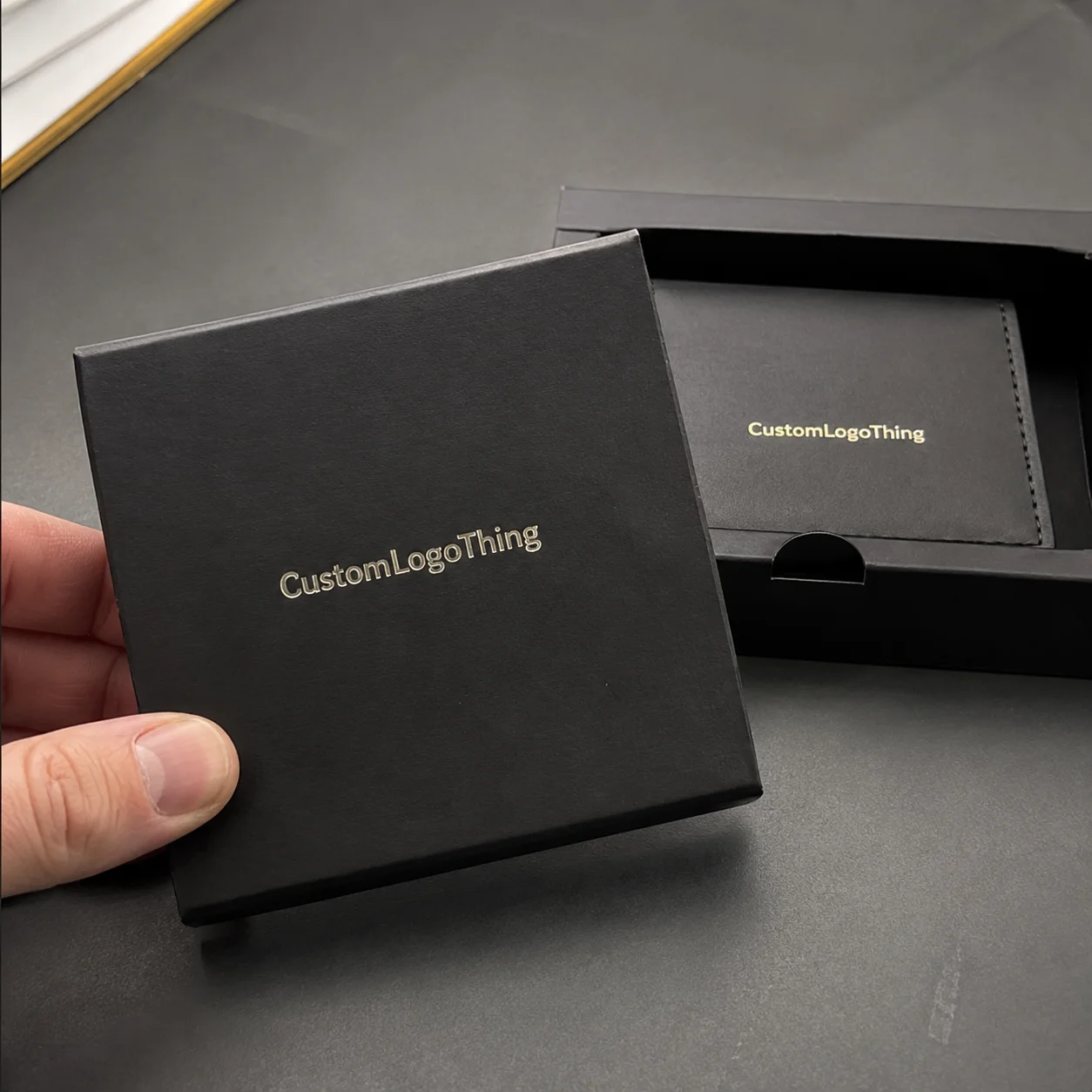
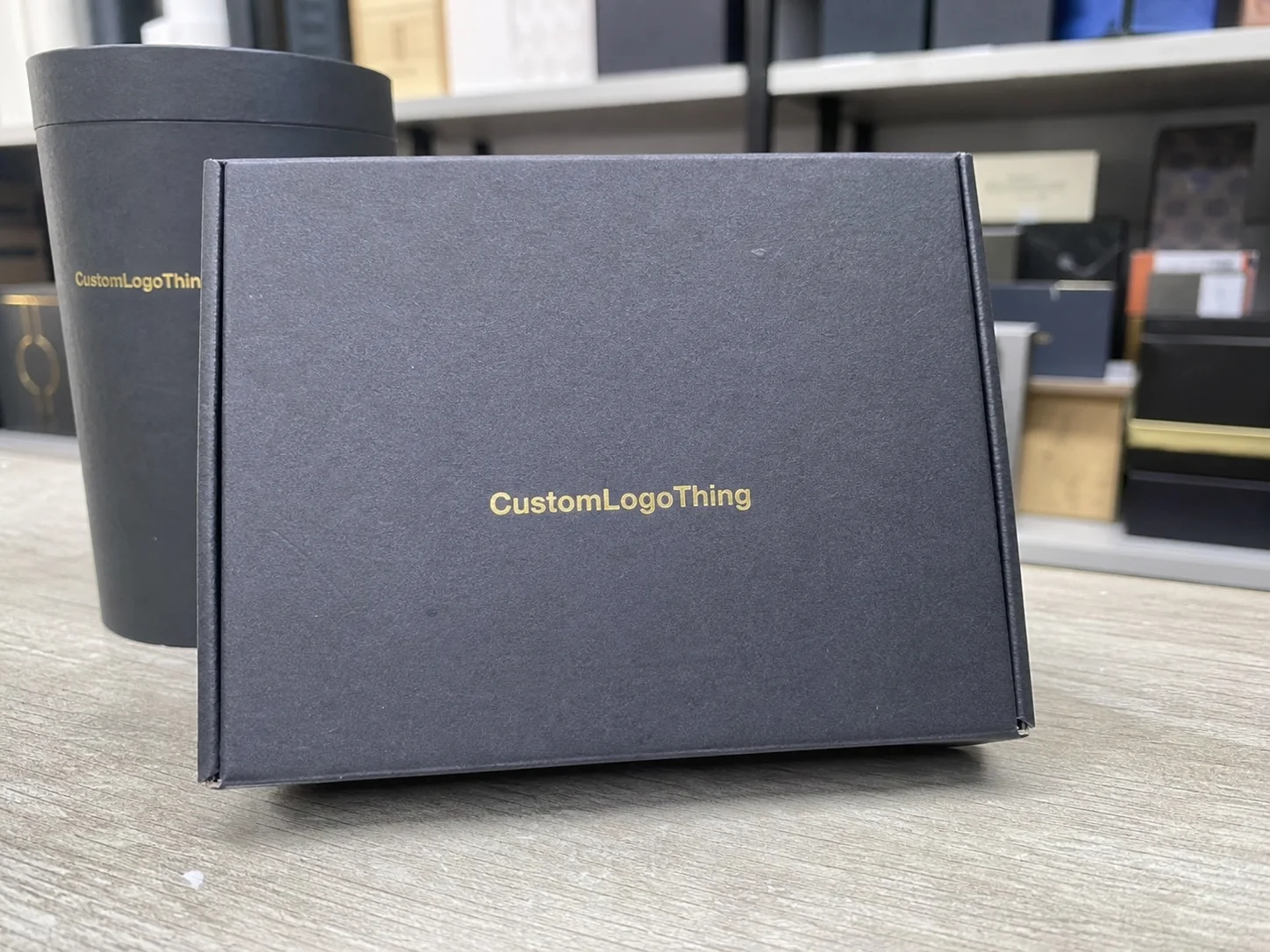
Buyer Fit Snapshot
| Best fit | design luxury product packaging decision review for packaging buyers comparing material specs, print proof, MOQ, unit cost, freight, and repeat-order risk where brand print, material, artwork control, and repeat-order consistency matter. |
|---|---|
| Quote inputs | Share finished size, material target, print colors, finish, packing count, annual reorder estimate, and delivery region. |
| Proofing check | Approve dieline scale, logo placement, barcode or warning zones, color tolerance, and any recyclable or compostable wording before bulk production. |
| Main risk | Vague material claims, crowded artwork, or missing packing details can create delays even when the unit price looks attractive. |
Fast answer: Design Luxury Product Packaging Decision Review: Dieline, Finish, Proof, and Buyer Review should be specified like a repeatable production item. The safest quote includes material, print method, finish, artwork proof, carton packing, and reorder notes in one written spec.
What to confirm before approving the packaging proof
Check the product dimensions against the actual filled item, not only the sales mockup. Ask for tolerance on folds, seals, hang holes, label areas, and retail display edges. If the package carries a logo, QR code, warning copy, or legal claim, reserve that space before decorative graphics fill the panel.
How to compare quotes without losing quality
Compare board or film grade, print process, finish, sampling route, tooling charges, carton quantity, and freight assumptions side by side. A lower quote is only useful if the supplier can repeat the same color, closure quality, and packing count on the next order.
My first real lesson in how to design luxury product packaging came on a shop floor in southern China, in a Dongguan rigid box workshop that ran two Heidelberg presses, three hand-gluing lines, and a foil stamping station that smelled faintly of hot adhesive and paper dust. A senior line lead tapped a finished rigid box with his knuckle and said, “If it feels heavy and opens with a soft drag, people think it costs more before they even see the logo.” He was right. In how to design luxury product packaging, that first impression is built by weight, texture, and opening resistance long before color or graphics enter the conversation. I still remember standing there with a half-finished sample in my hands, thinking, “Well, that’s annoyingly simple” — because the best answers usually are, especially when the board is 2 mm thick and the lid gap is just 1.5 mm.
That lesson has stayed with me through dozens of projects, from perfume cartons with soft-touch lamination to jewelry boxes wrapped in textured paper with gold foil stamping in factories around Shenzhen, Dongguan, and Guangzhou. How to design luxury product packaging is really about combining structure, materials, print quality, finishing, and the unboxing sequence into one clear message: this product is worth paying for. The box is not decoration; it is a sales tool, a protection system, and a piece of package branding that carries emotion. Honestly, I think people underestimate how much emotional work a box can do, until it arrives dented after a 14-hour ocean transit from Yantian and the whole experience falls apart at the doorstep.
At Custom Logo Things, I’ve seen brands spend $18,000 on a photo shoot and then hand over a flimsy mailer that crushes in transit, which tells the customer the wrong story immediately. I’ve also seen a $1.20 rigid box with a clean wrap, one foil mark, and a well-fitted EVA insert outperform a much louder design because it felt calm, deliberate, and expensive. That contrast is exactly why how to design luxury product packaging deserves careful planning, not just a pretty mood board. I’ve had more than one founder point at a mockup and say, “Can we just make it look more premium?” and I always have to smile a little, because the answer lives in the structure, not in some mystical premium button nobody bothered to install.
How to Design Luxury Product Packaging: What Makes It Feel Premium
Luxury packaging feels premium because several sensory cues stack up at once. A 2.5 mm rigid board gives a different hand feel than a 16 pt folding carton, a matte soft-touch surface absorbs light differently than gloss, and a lid that opens with controlled resistance tells the buyer someone engineered the experience. In how to design luxury product packaging, those cues matter as much as artwork placement. I remember opening a sample box in a Dongguan factory where the lid had just enough drag to feel intentional, and the whole room got quiet for a second — that’s the kind of silence a good package creates, especially when the sample is wrapped in 157gsm art paper and the closure magnet lands with a soft 2 mm snap.
The best premium packaging usually feels edited rather than overloaded. Fewer words, cleaner spacing, and a stronger structure allow material quality and finish accuracy to do the heavy lifting. A black carton with a sharp foil logo can look far more high-end than a busy package covered in gradients, icons, and five promotional claims. Some brands really want to add everything but the kitchen sink, and I have to say, that urge is the packaging equivalent of wearing a tuxedo with six tie clips. The most polished boxes I’ve approved often used one Pantone color, one 12 pt logo, and a single foil line on a 350gsm C1S artboard sleeve wrapped around a rigid base.
Luxury brands use packaging to signal value, protect the product, and create an emotional moment that matches the product story. A fragrance box may need visual drama and shelf presence, while a skincare set may need a quiet, clinical elegance with precise insert fit. That is why how to design luxury product packaging is tied so closely to category expectations, because a watch box, a candle carton, and a premium chocolate set do not communicate luxury in the same way. A $95 fragrance set in Paris, for example, may need a tall shoulder-neck box with gold foil and a flocked tray, while a $28 candle line in Austin might feel more premium in a textured drawer box with a blind emboss and cotton ribbon pull.
I remember a client meeting in Los Angeles, in a studio off Melrose Avenue, where a founder brought three sample boxes to the table. One was a foldable paperboard carton, one was a magnetic closure rigid box, and one had a drawer pull with a satin ribbon. The product inside was the same: a $95 grooming kit. The room agreed on the rigid box within two minutes because the weight, lid action, and insert fit felt aligned with the price point. That is the practical side of how to design luxury product packaging. The founder later admitted the foldable carton had “looked fine online,” which is one of those phrases that makes me want to gently put my head on the table.
Luxury packaging is a blend of:
- Structure — box style, wall thickness, closure type, and insert design.
- Materials — board grade, wrap paper, and protective components.
- Print quality — registration, color consistency, and surface clarity.
- Finishing — foil, embossing, soft-touch, spot UV, and edge treatment.
- User experience — opening resistance, product reveal, and reclosability.
That mix is why how to design luxury product packaging cannot be reduced to one visual trick. It is a production decision as much as a design decision, whether the job is running in Dongguan, Ningbo, or a specialty finishing plant in Suzhou.
For brands building custom printed boxes, it helps to think in layers: exterior impression, opening experience, and internal reveal. The best luxury packaging often delivers a small sequence of moments, not a single “wow.” That sequence is what makes the brand feel intentional, especially when the first reveal includes a die-cut insert lined with 1.5 mm EVA foam or a paper-pulp tray wrapped in 120gsm specialty paper.
“We don’t buy luxury because the box says luxury. We buy it because every detail feels like somebody cared enough to make it precise.”
How Luxury Packaging Works From Concept to Shelf
People often ask how to design luxury product packaging, but the answer starts with the workflow because the design outcome is shaped by the process. Luxury packaging is not drawn once and sent to print. It moves through a series of steps: brand brief, structural design, dielines, artwork setup, sampling, proofing, manufacturing, finishing, and final assembly. Each step creates another chance to improve the package or introduce a problem if the details are rushed. I’ve learned that the hard way more than once, usually after somebody says, “We can probably skip the sample.” That sentence never ages well, especially when a 2 mm tolerance stack turns a beautiful box into a box that needs hand trimming on a line in Shenzhen.
The brand brief should include the product dimensions, weight, fragility, channel of sale, and target price. A 240 g jar of cream sold in boutiques needs a different package than a 1.8 kg electronics kit sold online. Once the brief is clear, packaging engineers and designers collaborate on the dieline so the outer form and the inner protection fit the product properly. In how to design luxury product packaging, this is where the conversation shifts from aesthetics to manufacturability. The pretty part matters, sure, but if the box is 3 mm too tight, the pretty part becomes a very expensive headache, particularly when the packaging is running in a 5000-piece batch with a quoted lead time of 12-15 business days from proof approval.
In a custom packaging facility, the manufacturing flow often starts with board converting, then moves into lamination, foil stamping, embossing, die cutting, and hand assembly. I’ve stood next to a hot foil press in a Guangdong plant where operators were checking foil temperature every 30 minutes because even a 5-degree swing can affect transfer quality. I’ve also watched a rigid box line reject a whole stack of corners because the wrap paper grain direction caused micro-cracking at the score. That’s the side of how to design luxury product packaging most people never see, and it is exactly why factory knowledge matters as much as taste. A line running 350gsm C1S artboard at 8,000 sheets an hour will behave very differently from a hand-wrapped rigid line with 0.3 mm registration tolerance.
Mockups and prototypes are not optional if the project matters. A sample can reveal a weak hinge, an insert that fits too tightly, or a lid that requires two hands instead of one. I once had a perfume brand approve beautiful artwork before they tested the drawer box sample; the drawer ribbon caught on the inner tray during repeated opening, and the customer would have noticed within seconds. That prototype saved them from a very expensive mistake, and I still remember the relief on the brand manager’s face when we fixed it before production instead of after a warehouse full of boxes had already been printed. The rework would have cost another $380 in tool adjustments and nearly two extra weeks, which is a small number on paper and a huge one when your launch date is locked.
The timeline for luxury packaging is usually longer than standard printed boxes because there are more steps and more quality gates. A simple folding carton may move from proof approval to production in 10 to 15 business days, depending on quantity and finishes. A rigid setup with foil, embossing, and a custom insert can stretch to 20 to 35 business days, especially if the first sample needs revision. If hand assembly is involved, add more time. In how to design luxury product packaging, schedule risk usually lives in sampling, specialty finishing, and final assembly—not in the artwork itself. If your box needs a custom paper wrap sourced from a mill in Zhejiang or a velvet tray sewn in Guangzhou, build an extra week into the calendar before anyone books product photography.
For brands comparing production routes, here is a simple view of common luxury packaging options:
| Packaging style | Typical feel | Common use | Relative cost | Production notes |
|---|---|---|---|---|
| Folding carton | Light, clean, retail-friendly | Cosmetics, skincare, supplements | Lower | Good for high-volume runs and efficient shipping |
| Rigid box | Dense, premium, gift-like | Jewelry, fragrance, electronics, sets | Higher | Needs wrap paper, board wrap, and often hand assembly |
| Magnetic closure box | Modern and polished | Beauty kits, corporate gifts, premium retail | Higher | Closure strength and magnet placement matter |
| Drawer box | Interactive, elegant reveal | Jewelry, watches, limited editions | Higher | Ribbon pull, tray fit, and glide resistance need testing |
If you want a starting point for structural formats, our Custom Packaging Products catalog is a practical place to compare box types before locking a concept. That first comparison often saves weeks of back-and-forth later, and it is much easier to decide whether you need a 2-piece rigid setup or a tuck-end carton before the sample board is already in the cutter.
How to Design Luxury Product Packaging: Key Materials, Finishes, and Structure
Material choice is where how to design luxury product packaging becomes tactile. The box can be visually attractive and still feel wrong if the board is too thin, the wrap paper feels waxy, or the insert lets the product rattle. The most common premium materials include rigid chipboard, SBS paperboard, specialty textured paper wraps, and protective inserts like EVA foam, molded pulp, and velvet-covered trays. I have a strong opinion here: if the customer can hear the product knocking around inside, the package has already lost half the battle, and that applies whether the box is shipping from Ningbo to New York or being hand-delivered in a boutique in Milan.
Rigid chipboard, usually around 2 mm to 3 mm thick for premium work, gives the package its solid wall structure. It is common in fragrance, jewelry, and premium gifting because it communicates weight immediately. SBS paperboard, often in the 16 pt to 24 pt range for folding cartons, offers better print efficiency and works well when the product needs retail shelf efficiency. When I’m advising a client on how to design luxury product packaging, I always ask whether the product should feel like a keepsake or a retail unit first. That answer narrows the material choice fast. A keepsake wants substance; a retail unit wants speed, consistency, and neat shelf behavior. For a 3.5 oz perfume, for example, a 2.2 mm chipboard rigid box with a 157gsm art paper wrap can feel appropriately indulgent, while a 60 mL serum bottle may be better served by a 18 pt SBS carton with a matte aqueous coating.
Finishing is where the surface earns its premium perception. Soft-touch lamination creates a velvety feel that customers notice the second they hold the box. Matte varnish looks restrained and can keep fingerprints down, while spot UV adds contrast to a logo or pattern without overwhelming the design. Foil stamping in gold, silver, copper, or black foil can signal luxury, but only if the artwork is disciplined. Embossing and debossing add depth, and edge painting on rigid boxes can create a refined, bespoke finish when the color is matched carefully. A well-run foil station in Shenzhen can hold registration to roughly 0.3 mm, but only if the tooling is clean and the press operator is not fighting a warped board.
I once negotiated with a paper supplier in Shanghai who insisted a pearlized wrap would elevate a skincare box. The sample looked glamorous, but under retail lighting it became reflective enough to fight the typography. We switched to a textured white paper with blind embossing and one silver foil line, and the package looked more expensive because it was quieter. That is a good example of how to design luxury product packaging: restraint often wins. My frustration level on that project was real, because the supplier kept saying “more shine, more luxury,” and I wanted to say, politely, “No, that’s not how eyes work.”
Structure matters just as much as surface. A lift-off lid box gives a classic luxury feel and works well for gifting. A magnetic closure box feels polished and modern, especially for kits and sets. A drawer box creates a reveal moment and is excellent for accessories. A shoulder-neck box, where the inner tray rises slightly above the base, can add a subtle architectural detail that feels bespoke. In how to design luxury product packaging, structure should support product size, opening behavior, and brand positioning. If the item weighs 420 g, a heavier base with a 3 mm board wall and a snug tray will usually feel more trustworthy than a thin 16 pt carton with decorative print.
Color and typography need discipline too. Luxury packaging usually relies on a narrow palette, strong hierarchy, and enough white space for the eye to rest. Dense layouts can make even expensive materials feel cheap because they overload the surface. Serif type can feel classic, sans serif can feel modern, and paired typography can create a premium editorial tone if spacing is well controlled. Most brands overestimate how much decoration they need and underestimate how powerful white space can be in how to design luxury product packaging. I’ve sat through too many reviews where somebody wanted to “fill the blank space,” and every time I had to resist the urge to say, “Please don’t make the box look like a flyer from 2008.”
Sustainability is part of the conversation now, especially for premium brands that care about their reputation. Recyclable board, FSC-certified papers, and reduced plastic content can still feel luxurious when the construction is thoughtful. For reference, the Forest Stewardship Council explains responsible forest sourcing standards at fsc.org, and the EPA has practical guidance on packaging waste reduction at epa.gov. In how to design luxury product packaging, sustainability does not mean “plain”; it means choosing materials carefully and avoiding unnecessary layers. A 100% FSC board wrapped in a 120gsm uncoated cotton-feel paper can look more refined than a plastic-heavy laminate if the print and finish are kept disciplined.
Some brands worry that recycled content will look less premium. That is not always the case. A 100% recycled rigid board wrapped in a fine-texture paper with blind embossing can look far more sophisticated than a plastic-heavy box with loud finishes. It depends on execution, not just material labels. That nuance matters in how to design luxury product packaging, especially when the supply chain is split between Guangdong for assembly and a specialty paper mill in Zhejiang for the wrap.
- Rigid board for heavier, gift-worthy presentations.
- Textured wrap paper for tactile richness without visual clutter.
- Foil and embossing for selective emphasis on logos and marks.
- Molded pulp or EVA for product security during transit.
- FSC-certified paper where sustainability claims need support.
How to Design Luxury Product Packaging Step by Step
If you want a practical path for how to design luxury product packaging, start with the audience and the brand position. Ask who is buying, how much the product costs, where it will be sold, and what emotion should happen when the customer opens it. A $35 facial oil sold online can use a different strategy than a $250 candle set sold through a boutique chain. The packaging has to match the price point or the customer feels a mismatch before the product even gets used. I’ve seen people judge a product in three seconds flat based on the box alone, which is both unfair and completely predictable, especially at the shelf level in retail corridors from SoHo to West Hollywood.
Step one is choosing the box style based on product weight, fragility, and display needs. A compact fragrance vial might sit well in a folding carton with a custom insert, while a premium speaker or watch set may need a rigid box with a tray. Step two is the dieline. The internal dimensions must account for the product, the insert, and the clearance needed so the item does not scrape against the walls. I’ve seen brands lose an entire shipment because they skipped a sample fit test and the product was 2 mm too wide for the cavity. In how to design luxury product packaging, 2 mm can be the difference between elegant and unusable. Two millimeters sounds tiny until you’re staring at a hundred boxes that won’t close, and then it feels like a personal insult from the universe.
Step three is artwork development. Keep the design clean, then build a clear visual hierarchy. The logo should be easy to read, the product name should be legible at arm’s length, and the supporting copy should not crowd the surface. If the package needs a regulatory mark, ingredient panel, or barcode, place it carefully so the premium face stays clean. A good packaging design system lets the brand tell the right story from 3 feet away and from 6 inches away, whether the print is running on a 4-color offset press in Dongguan or a digital short-run line in Los Angeles.
Step four is proofing and sampling. This is where color, finish, and structure get tested in real life. Paper looks different under LED retail lighting than it does on a monitor. Foil can appear brighter or duller depending on press temperature and die wear. Soft-touch coatings can show scuffing if the box is packed tightly in shipping cartons. In how to design luxury product packaging, samples are the reality check that protects the budget. A proof sign-off on Tuesday and a physical sample in hand by the following Friday can prevent a $4,000 reprint and several lost days in a launch calendar.
Step five is functional testing. Open and close the package 25 to 50 times. Check the hinge lines, corners, insert fit, and closure force. If the box is magnetic, test whether the magnets align consistently. If the packaging will ship in master cartons, validate stacking and compression behavior. For high-value goods, some brands also ask for ISTA-oriented transport testing, and that is smart. The International Safe Transit Association provides useful testing context at ista.org, especially when a brand wants to reduce damage claims on premium shipments. A 6-drop test in a 60 cm and 90 cm orientation can tell you more about your package than a dozen mood boards ever will.
Step six is final production and handoff. This includes assembly planning, quality control checkpoints, and coordination with fulfillment. If the box is highly complex, the packing line may need instructions for where inserts go, how many pieces fit per carton, and whether tissue, cards, or sleeves need to be added. Luxury packaging is only successful if it survives the final mile and still feels expensive when the customer receives it. If a box arrives with one crushed corner after a 2,000-mile freight journey, the entire premium story can disappear in one photo.
- Define the audience, product, and price tier.
- Select the structure that matches the product and channel.
- Finalize the dieline and internal dimensions.
- Develop clean artwork with a strong hierarchy.
- Review proofs and request structural samples.
- Test opening, closure, fit, and shipping durability.
- Approve production and plan final assembly.
That sequence sounds simple, but every step has tradeoffs. In one supplier meeting in Shenzhen, a brand wanted a 5-panel folding presentation box with a velvet insert and full foil coverage, all at a volume of 3,000 units. We ran the numbers and explained that the hand labor alone would push the budget beyond their target. They simplified to a rigid box, one foil mark, and a molded pulp tray, and the result looked more elegant because the decisions were coherent. That is the kind of practical thinking that makes how to design luxury product packaging successful in the real world, and it usually trims 18% to 25% off the total assembly cost when the finish stack is kept under control.
Cost and Pricing Factors in Luxury Packaging Design
Cost is one of the biggest realities in how to design luxury product packaging, and it is where project scope can get away from a brand quickly. The main cost drivers are board thickness, box style complexity, print coverage, finish selection, tooling, insert design, and labor. Every extra step adds time and money. A simple print-and-glue carton is not in the same pricing category as a hand-wrapped rigid box with embossing, foil, and a fitted insert, especially when the rigid line is running in Dongguan and the insert is cut separately in a nearby foam shop.
For perspective, a small folding carton in a 10,000-piece run may land near $0.18 to $0.45 per unit depending on paper grade, print coverage, and finish. A magnetic rigid box for a premium gift item might run $1.10 to $3.50 per unit at 3,000 to 5,000 pieces, and sometimes more if the insert is complex or the wrap paper is specialty stock. A 2-piece rigid set with 350gsm C1S artboard, soft-touch lamination, and a single gold foil mark might come in around $0.95 per unit at 5,000 pieces, while a drawer box with EVA and ribbon pull can move toward $1.80 to $2.40 per unit at the same quantity. Those numbers change with supplier region, freight, and current material availability, so they are only directional. Still, they help frame how to design luxury product packaging without guessing blindly, whether you are quoting in Shenzhen, Ho Chi Minh City, or Mexico City.
Quantity matters because setup and tooling costs get spread across the run. A steel rule die, embossing tool, or foil plate might be a fixed cost, which means 500 pieces will carry a much higher share of setup cost than 5,000 pieces. That is why many brands can get a better looking package by choosing a slightly simpler construction and ordering a larger run rather than overcomplicating a small order. I’ve had clients save more than 20% by reducing the number of finishes from three to one premium finish and putting the savings into better board and cleaner assembly. That kind of tradeoff is not glamorous, but it’s usually smarter than chasing a dozen fancy effects that fight each other. A $480 tooling fee spread over 5,000 units adds less than ten cents per box, which changes the math quickly.
There are also hidden costs that catch people off guard. Shipping weight is one. A rigid box can cost more to transport than a folding carton because board thickness adds grams quickly. Storage space is another. If a box ships flat, you save room; if it arrives pre-assembled, you need more warehouse space and more labor handling. Fulfillment labor matters too, especially if the package requires tissue wrapping, cards, ribbon, or product insertion. Anyone planning how to design luxury product packaging for scale should include those costs in the first budget pass. A warehouse in New Jersey or California may charge differently per cubic foot, and a 10,000-unit order can quietly become a storage problem if the box is built as a two-piece rigid with nested lids.
Here’s a practical way to think about budget tradeoffs:
| Budget choice | What you gain | What you give up |
|---|---|---|
| One premium finish instead of three | Cleaner design, lower press risk | Less visual layering |
| Simpler insert construction | Lower assembly time, fewer fit issues | Less dramatic reveal |
| Rigid box without extra sleeves | Better structure, easier production | Fewer branding surfaces |
| Textured paper instead of complex graphics | Premium tactile feel, cleaner print run | Less illustrative storytelling |
The best cost decisions usually preserve the strongest sensory cues and remove the weak ones. If the package has a great structure and one beautiful finish, it often beats a crowded design with too many effects. That is one of the clearest lessons I’ve learned in how to design luxury product packaging, especially on projects where the target landed around $0.15 per unit for 5,000 pieces on a very simple branded sleeve and the client was tempted to add three more details that would have doubled the labor.
Common Mistakes When Designing Luxury Product Packaging
One of the most common mistakes in how to design luxury product packaging is overdesigning the surface. When a package uses too many colors, too many fonts, too much copy, and multiple finishes competing for attention, the result feels busy instead of refined. Luxury usually benefits from subtraction. A strong logo, thoughtful spacing, and one or two controlled effects often create a better impression than a crowded box full of visual noise. I’ve seen perfectly good packaging ruined by a 14-line back panel and three different foil treatments, and the finished carton looked more like a brochure than a premium product box.
Another mistake is poor structural planning. I’ve seen corners crush because the board spec was too light, and I’ve seen inserts come loose because the cavity was measured from the sample product instead of the actual production unit. Small errors turn into big problems fast when you are shipping thousands of units. In how to design luxury product packaging, a beautiful print file cannot rescue a weak box structure. It just can’t; the box will fail politely and expensively, usually after a 1,500 km freight move and a few days in a humid warehouse.
Brand inconsistency is a third problem. If the website looks minimal and elegant but the box arrives with loud gradients and mismatched type, the customer senses the disconnect. The same applies to product photography and retail displays. Package branding should reinforce the same visual language everywhere the customer sees the product. Consistency builds trust, and trust matters in premium categories. A $120 skincare set in London cannot look like one brand online and a completely different one in the box without raising doubts.
Production reality is another area where teams get tripped up. A designer may fall in love with a paper stock that is hard to source, or choose a finish that adds too much lead time, or create artwork that leaves no room for manufacturing tolerances. I’ve been in supplier calls where a finish looked perfect in a mockup but became unworkable because the requested paper had an unstable coating. It is better to solve those issues early than to discover them after approval. Good how to design luxury product packaging work respects the factory floor, not just the mockup board. If a plant in Shenzhen needs a 3 mm bleed on a foil panel to stay within press tolerance, that note belongs in the file before anyone approves the die line.
Durability is the last big miss. Some brands spend heavily on looks and then forget the box still has to ship. If the packaging scuffs, dents, or opens too easily, the premium feeling disappears the moment the parcel lands on a doorstep. Luxury packaging has to survive handling, transit, and retail touch points without losing its polish. A box that looks perfect on a studio table but arrives with a crushed edge after a 72-hour fulfillment cycle is not really premium; it is just expensive.
- Too many finishes competing on one surface.
- Weak board thickness for the product weight.
- Insert dimensions based on estimate instead of measured samples.
- Artwork that ignores print and finishing limits.
- Packaging that looks premium but fails in shipping.
Expert Tips for How to Design Luxury Product Packaging That Stands Out
If you want Packaging That Stands Out without shouting, design for touch as much as for sight. A textured wrap, a subtle emboss, a controlled lid opening, or a layered reveal can create a stronger memory than a full-panel graphic treatment. In how to design luxury product packaging, tactile detail often sticks longer than color alone. One of my favorite examples was a 2-piece rigid box wrapped in 120gsm linen-texture paper with a blind debossed logo, because the only thing the customer really remembered was the feel of the lid lifting off in their hand.
Use restraint. That sounds simple, but it is hard to do when a brand has a lot to say. The strongest premium packages I’ve helped develop usually had one clear logo placement, one main brand color, and one finishing move that made the package feel complete. The more elements you stack, the more chances you create for the package to feel confused. Elegant packaging design is often about confidence, not volume. I’m firmly in the camp that says a little breathing room makes a box look smarter; luxury rarely needs to shout to be heard. A 60/40 balance of negative space to printed area often feels calmer than a fully covered surface, especially on jewelry and fragrance work.
Test with real users whenever possible. A team may love a drawer box, but if customers keep pulling the ribbon in the wrong direction or miss the lift point, the opening experience becomes awkward. Ask a few people to open the package with no instructions, and watch where they hesitate. Those pauses tell you more than a polished rendering ever will. This is one of my favorite practical tests in how to design luxury product packaging. In one test session in Seattle, three out of five people tried to open a magnetic box from the wrong edge, which told us the notch needed to be 8 mm deeper and the finger cut needed to move 12 mm to the right.
Work closely with an experienced custom packaging manufacturer early. Small structural changes can reduce waste, improve fit, and even lower unit cost. I’ve seen a 2 mm insert adjustment eliminate product movement and remove the need for a second foam layer. That kind of detail does not sound dramatic, but it changes the whole unboxing feel. Good manufacturers can also advise on material substitutions when a specialty paper is scarce or a finish will add too much press time. A factory in Dongguan may suggest a locally stocked textured stock at $0.06 less per sheet than an imported paper, which can keep the project on budget without sacrificing the final feel.
Use packaging as part of the story. Interior printing, patterned reveals, branded tissue, custom inserts, and a short message inside the lid can make the experience feel intentional. For some brands, this is where the emotional connection deepens. For others, it is enough to keep the inside clean and focused. There is no single formula, which is why how to design luxury product packaging depends so much on the product category and customer expectation. A $180 candle set may benefit from a message printed inside the lid, while a luxury serum might need a sterile, minimal interior with a small lot code and nothing else.
From the floor, the best premium packages usually pass three tests: they look balanced, they feel controlled in the hand, and they survive shipment without a single corner bruise.
One more practical tip: build margin into your project schedule for rework. If you need a revised proof, a new foil plate, or a second sample, the calendar will thank you. Teams that rush the last 10% usually spend the most time fixing it later. That is true in nearly every project I’ve seen tied to how to design luxury product packaging, and it is especially true when a launch date is tied to a trade show in Las Vegas or a retail drop in London with no room for delay.
Next Steps to Turn Your Packaging Concept Into Production
If you are ready to move from idea to manufacturing, start by collecting the basics: product dimensions, product weight, brand assets, target quantity, budget range, and the desired unboxing style. Those five or six details give a manufacturer enough information to recommend the right structure and materials. In how to design luxury product packaging, clear inputs save time and prevent expensive guesswork. If you can tell the supplier whether the box needs to hold a 180 g glass jar, a 420 g watch set, or a 1.2 kg gift assortment, they can quote more accurately on day one.
Request a structural sample or prototype before final artwork approval. That sample should confirm fit, closure, insert clearance, and opening behavior. If the product needs a premium display moment, check that too. You want to know whether the box feels right in the hand, not just whether it looks good on a monitor. I always tell clients that a sample is cheaper than regret — a little blunt, yes, but very true. A prototype that costs $60 or $120 can save a $2,000 reprint if the lid depth or insert cutout is wrong.
Create a packaging checklist that includes material specs, finish choices, quantity, timeline, shipping method, assembly requirements, and storage plan. I’ve seen brands overlook the fact that a pre-assembled rigid box needs more warehouse space than a flat folding carton, and that one oversight can affect fulfillment costs for months. A checklist keeps the project grounded. If the project uses 350gsm C1S artboard, foil stamping, and one EVA insert, those details should be locked in before a PO is issued so the factory can book the correct paper, adhesive, and assembly crew.
Your production-ready plan should include dieline approval, print proof review, and a final quality standard for incoming goods. If the box will carry a barcode, regulatory text, or serial number, confirm those positions before print plates are made. And if the packaging will be part of a launch event or retail rollout, build the calendar backward from the needed in-hand date rather than forward from the design start. That is one of the most reliable habits in how to design luxury product packaging. A realistic schedule often looks like 3-5 business days for structural sampling, 2-4 business days for proof corrections, and 12-15 business days from final proof approval to production on a straightforward rigid box run.
At Custom Logo Things, we help brands compare structures, materials, and finishes so the final package reflects the product and the price point honestly. Whether you are developing branded packaging, premium gift boxes, or retail packaging for a new line, the goal is the same: make the box feel like a natural extension of the product, not an afterthought. How to design luxury product packaging is really about aligning story, structure, and manufacturing details so the result feels as refined as what sits inside. If a sample can be approved in Guangzhou on Monday and packed for freight by the following Friday, that is usually a sign the project is moving with the right amount of discipline.
Frequently Asked Questions
What is the first step in how to design luxury product packaging?
Start with the product and the audience, because the packaging has to fit both the item and the customer expectation. Define the brand emotion you want the box to create, then choose structure and materials that support that feeling. For example, a 200 g skincare jar sold at $48 may need a different box than a $220 fragrance set, and that price difference should show up in the board thickness, finish, and insert choice.
How do I choose materials for luxury product packaging?
Use rigid board or premium paperboard for a sturdier, more upscale feel, then match the material to the product weight, shipping needs, and desired finish options like foil, embossing, or soft-touch coating. If the item is fragile, add a fitted insert or protective tray. A common premium spec is 2.0 mm chipboard wrapped in 157gsm art paper, or a 18 pt SBS carton with matte lamination for lighter products.
How long does luxury packaging production usually take?
Timelines vary by complexity, sample approval, and finish selection. Expect extra time for structural prototyping, proofing, specialty embellishments, and hand assembly compared with standard packaging. A simple run may move faster, while a rigid box with multiple finishes usually takes longer. In practical terms, many factories in Guangdong quote 12-15 business days from proof approval for straightforward production, while complex hand-finished sets often need 20-35 business days.
What affects the cost of luxury product packaging the most?
Material thickness, custom structure, finishing methods, insert design, and labor are the biggest cost drivers. Higher quantities often reduce unit cost because tooling and setup fees are spread across the run. A 5,000-piece order might drop a Custom Rigid Box to around $0.95 to $1.80 per unit depending on the finish stack, while a 500-piece short run can be dramatically higher because the tooling share is much larger.
How can I make luxury packaging look premium without overspending?
Focus on one or two high-impact details, such as a strong box structure and a single premium finish. Keep the design clean and intentional so the packaging feels refined without stacking unnecessary extras. In many cases, a textured paper wrap, one foil stamp, and a precise insert will outperform a box covered in multiple coatings and decorative effects, especially if you are trying to hold the budget near $1.20 per unit at 3,000 pieces.