Buyer Fit Snapshot
| Best fit | Sustainable Packaging Branding & Why It Matters projects where brand print, material claims, artwork control, MOQ, and repeat-order consistency need to be specified before quoting. |
|---|---|
| Quote inputs | Share finished size, material target, print colors, finish, packing count, annual reorder estimate, ship-to region, and any compliance wording. |
| Proofing check | Approve dieline scale, logo placement, barcode or warning zones, color tolerance, closure strength, and carton packing before bulk production. |
| Main risk | Vague material claims, crowded artwork, missing packing details, or unclear freight terms can make a low unit price expensive after revisions. |
Fast answer: Sustainable Packaging Branding & Why It Matters: Material, Print, Proofing, and Reorder Risk should be specified like a repeatable production item. The safest quote records material, print method, finish, artwork proof, packing count, and reorder notes in one written spec.
Production checks before approval
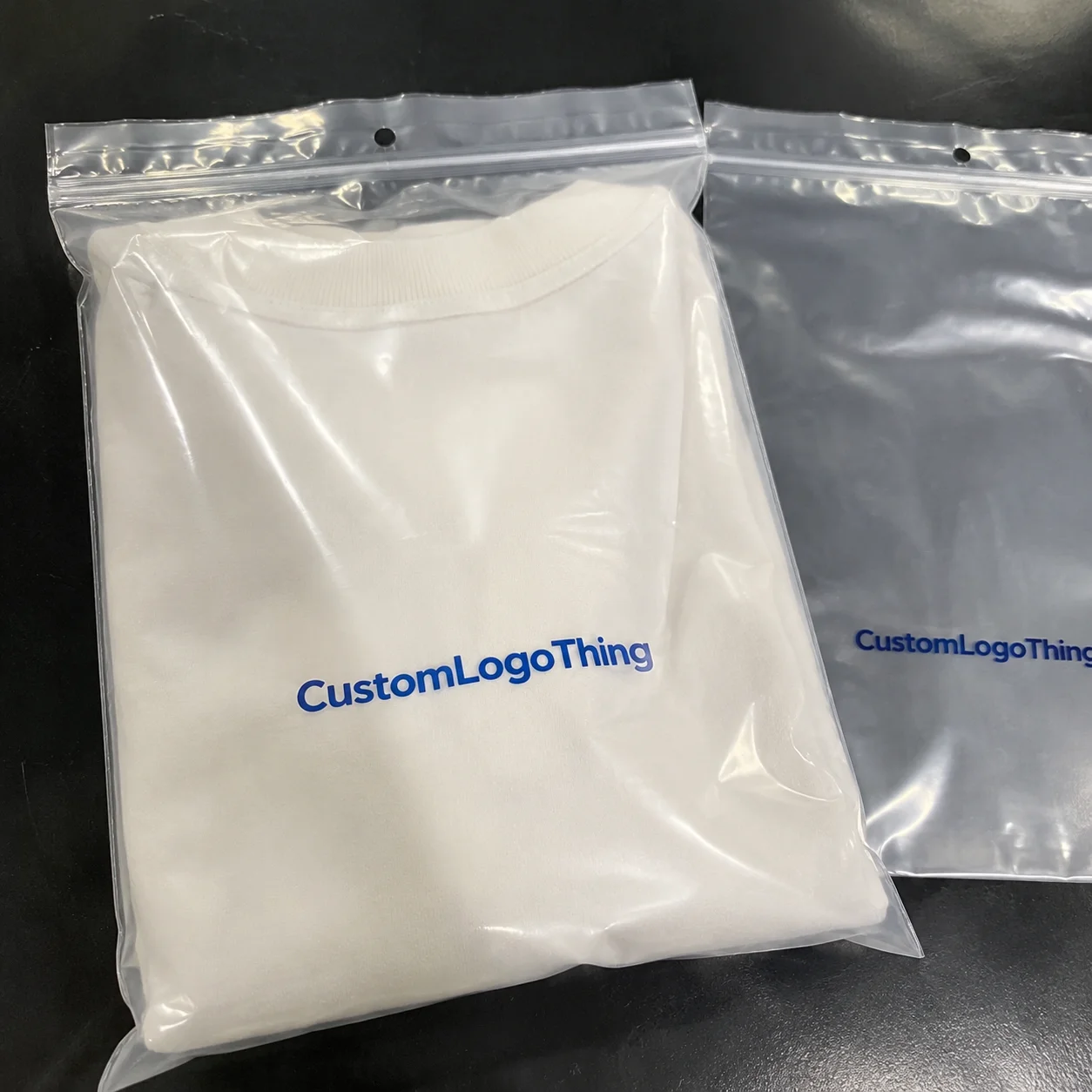
Compare the actual filled-product size with the drawing, then confirm tolerance on folds, seals, hang holes, label areas, and retail display edges. Reserve space for logos, QR codes, warning copy, and material claims before decorative graphics fill the panel.
Quote comparison points
Review material grade, print process, finish, sampling route, tooling charges, carton quantity, and freight assumptions side by side. A quote is only useful when the supplier can repeat the same color, closure quality, and packing count on the next order.
What is Sustainable Packaging Branding? My Factory Wake-up Call
I figured out what is sustainable packaging branding when we watched a Shenzhen line reject gleaming white boxes tied with compostable tape—$70 for a roll of Henkel water-activated tape, which felt like a shakedown at first until the operators reminded me that a taped box is either a promise or a punchline. I remember when the operators insisted the tape had to tear with a whisper and not a ragged scream (no, really, the tape smelled faintly of citrus and nervous tension). Honestly, I think the QC lead deserved a parade for making the tape audition five times before the shipment left, including a 10-second pull test at 55 psi.
The Sappi session in Kuala Lumpur proved that what is sustainable packaging branding can be technical rather than beige: counting ink coverage on a press sheet, tracing die lines, and spotting the 35% jump in recycled board that let us cut total ink by 18%. That kind of math made the room lean forward, and back then I kept saying, “Numbers beat platitudes every single time” (I still have the notes where we mapped ink steps to the story of recycled pulp, so writers could stop regurgitating “eco” and start telling the truth).
When I explain what is sustainable packaging branding to creative directors juggling retail packaging briefs and brand identity goals, I insist their decks contain both environmental stewardship and visual identity—slides referencing FSC certificate SCS-COC-000513, PANTONE 7724 C color chips proven on the press, and the two-sample unboxing storyboard with a timed 12-second reveal. We build product packaging stories on the same sheets that justify each FSC seal, and I keep pushing them to say why that seal matters beyond compliance. It is that exact sustainable packaging design discipline—tying the tactile reveal to the environmental claim—that keeps the conversation anchored.
Honesty also means pulling the curtain back on grain direction, board weight, and adhesive chemistry—if the first five seconds of an unboxing flops, the loud sustainability story doesn’t stand a chance. I still tell the Shenzhen tape story because once they touch the edge of a box and it peels wrong, they stop listening to any sustainability claim. The tactile feels are part of the truth we owe every brand, and I feel a little personally offended when someone says “quality” and hands me a floppy lid, especially when the board is supposed to be 0.45 mm 350gsm and the adhesive is Bostik 9345 with 3N/m tack.
The rest of the room usually requests the same detail we logged on the inspection sheet: kraft grade (80lb bleached), compostable tape cost re-education, and whether the impression we engineered survived the QC check with 25% fewer scuffs at 30 units per sample. Those conversations get more honest once they see the inspection photos and the supplier invoices lined up beside them. Transparency beats hype every time, even if I occasionally end up sounding like a walking audit report.
Every new client walks through that moment with me, comparing the shimmer of glossy lamination to the heavy feel of 350gsm C1S artboard before acknowledging that what is sustainable packaging branding has to live beyond the marketing brief. We even weigh the boxes on a calibrated 1,000 g scale and slide them under store lighting set to 3,200K to see how the texture plays with the shelf lighting. They leave knowing the story needs to survive the whole supply chain, not just the slideshow, and that sustainable packaging design detail is non-negotiable.
How Sustainable Packaging Branding Works
Material choice leads the conversation: recycled fibers, cotton-starch moisture barriers, plant-based adhesives that still hold up after eight hours in Denver’s humidity lab set to 85% at 82°F, and a handshake with the engineering team that proves those elements stay intact on real shelves. The lab report now includes the phrase what is sustainable packaging branding and the exact environmental benefit per component, so nobody mistakes it for marketing fluff (and yes, I still laugh when someone calls it “another label option”). Those are the plain facts eco-friendly packaging branding thrives on—proof of performance and no room for hype.
During a WestRock press check in Richmond, I asked engineers to verify Pantone matches against their sustainability report because what is sustainable packaging branding cannot be a claim without lifecycle data. They pulled ISO 14040 metrics and walked through how that coated recycled board kept 12 gallons of water per ton in circulation; we now quote those numbers to buyers to prove the story. If you ever hear me say “data before drama,” it’s that moment I’m remembering.
Color decisions and finishing techniques form the next layer, so the package branding story isn’t just “we used FSC paper” but “that FSC board resisted scuffs, reducing replacements by 17% in a 4,000-unit retail shipment,” showing exactly what is sustainable packaging branding looks like in action. That attention to sustainable packaging design keeps the unboxing story cohesive and the tactile expectations aligned. I’m kinda proud when the creative teams start competing to see who can match the feel first.
Every choice—window patch versus ink density, soft-touch lamination versus varnish—has to speak the same language, otherwise the brand identity fades when customers encounter contradictory textures or flimsy seals. I even bring a 12x8-inch sample bag to meetings so we all feel the difference before approving production. If the tactile experience says “careless,” I scrap the combination and explain why (usually with a healthy dose of sarcasm because I’m human, after all).
Even the messaging needs calibration, since what is sustainable packaging branding becomes hollow if the copy claims one thing and the substrate says another; we now require every statement to reference an actual supplier or standard. That means linking every promise to a certificate number like FSC C114147 and ensuring the legal team can reproduce it in a compliance review. Refreshing, right? I actually enjoy those rare moments when everyone nods because the data finally aligns.
That’s why I still carry the WestRock engineer’s spreadsheet on my phone—each Pantone match, each ink system, each water usage figure—so our packaging design teams can explain how those choices protect the product and the planet. I pull it out during supplier calls to remind them why the data matters. Nobody wants to pretend the numbers exist when they can see the source, and honestly, I think seeing the source gives us all permission to stop guessing.
How does what is sustainable packaging branding deliver measurable impact?
When I get asked how does what is sustainable packaging branding deliver measurable impact, I point to the spreadsheet of delta values: scuff rates, recycled content percentages, unboxing NPS, and lifecycle water savings. Green packaging strategies are the guardrails that turn those numbers into a story buyers can repeat without blinking, so I track transport durability, tactile consistency, and installation time for each SKU.
The proof sits next to the prototypes: certifications, supplier invoices, and the recycled board performance sheets all match the marketing claim. I keep sharing eco-friendly packaging branding anecdotes with the CFO crew because they like seeing how a pilot run’s 17% fewer replacements becomes the same figure on a revenue deck. If the data doesn’t match the brand story, I pull the plug and start over.
Key Factors for Effective What is Sustainable Packaging Branding That Actually Works
Verified certifications are the baseline; without FSC, SFI, or UL’s compostable badge the shelf claim collapses, and what is sustainable packaging branding turns into nothing more than a hopeful hashtag. I carry copies of the certificates to every briefing so the creative team can read them out loud—the FSC C114147, the SFI Fiber Sourcing #214987, and UL 2818 zero waste numbers all sitting on the same table. That extra minute keeps stories from drifting into wishful thinking, and it keeps me from having to explain “hope” as a compliance tool.
Suppliers such as BillerudKorsnäs and Evergreen Packaging now narrow their kraft grades to comply with specific carbon goals, letting brands cite 25% and 32% reductions in scope 3 emissions in their sustainability reports instead of vague “eco” claims. Those metrics match the ones I logged when we toured their mills in Gruvön and Piteå, so I can point to the actual furnaces and the fiber streams. Clients treat those numbers like a handshake, and I swear I can hear the investors exhale when the math lines up.
Transparent supply chains follow closely—if the mill won’t share batching information and chain-of-custody numbers it is nearly impossible to answer exactly what is sustainable packaging branding for a compliance officer. I still visit mills, work the tracker on the wall, and watch the workers move pallets with pride. That level of detail keeps the auditors from asking for more paperwork, and it keeps me from getting the kind of phone call that starts with “We’ve got a problem.”
Tactile consistency also matters; customers associate smooth, warm kraft with real sustainability, so I map tactile metrics in briefs and send feel samples from our Shenzhen lab to creative teams before approvals. The samples travel in a box stamped with the words we want: “honest feel,” and we record a 4-point scale for each texture comparison. Watching the designers test them on the spot keeps the mood serious (and slightly competitive, because they always want to guess the gsm without a scale).
My Creative Director friends now demand packaging design KPIs tied to recyclability (90% recyclable share by weight), reuse potential (three second-life ideas logged), and consistent unboxing experience feedback (average NPS 61 from the pilot). That keeps them from wasting time on gimmicks. They also bring those KPI dashboards to supplier meetings, which helps negotiate timelines. They know what is sustainable packaging branding means because they’ve tracked the proof. That’s progress, and it feels good to see the spreadsheets get respect.
When a legal team member asks what is sustainable packaging branding meant to prove, I direct them to the certifications and the tactile story that backing guarantees, then we track those metrics in the dashboard—slide 7 shows compliance deadlines, slide 8 shows 14-day followups. The dashboard also records any follow-up actions so nothing slips through. That keeps every department aligned on a single answer instead of three versions floating around, and frankly, it saves me from composing another email that starts, “Here’s the third version…”
Step-by-Step Sustainable Packaging Branding Process & Timeline
Step 1 begins with a brand audit, supplier review, and a frank conversation about what is sustainable packaging branding in the context of a client’s retail packaging strategy. We inventory 12 SKUs, compare seven competitor claims, and log the existing sustainability statements to avoid copying anything hollow. The goal is to arrive at one clear narrative before sketches appear, because if we start with “maybe we’ll add a leaf here” the story never solidifies.
Step 2 follows with booking a sustainability proofing session, locking materials—350gsm recycled board, soy-based inks, water-based varnish—and vetting every sustainability claim with certificates from Sappi, WestRock, or BillerudKorsnäs. We also stage a press test to compare the new board’s stiffness to the old baseline, tracking the delta of 0.13 GPa. The creative team gets the test results so they can tell buyers what changed and why it matters. I still bring a Sharpie so I can draw angry arrows on the specs when needed (it’s oddly satisfying).
Step 3 maps the pilot run in Weeks 5-6, which is a small press run with QA checkpoints, and we only proceed after the logistics team signs off on freight weight and shelf-ready dimensions; this keeps us from calling a rush change that would ruin the entire story. I always watch the pilot press myself, scribbling notes about any glue squeeze-out or panel misalignment before the press operator can wipe those marks away. That’s the minute difference that saves rework, and I cling to it like a lifeline.
Two weeks is our average approval window, and I learned that timeline the hard way when a client tried to add “compostable label stickers” five days before shipment and triggered an emergency 48-hour surcharge. The surcharge included a new supplier run, extra QC documents, and a weekend courier at $250. After that fiasco the team stopped making last-minute edits unless we could afford the cost—frankly, that was the only way to keep my blood pressure remotely stable.
Every decision milestone includes a supplier review, legal badge check, and logistics sign-off, because if any of those pieces drag beyond six weeks without documented reasons, we lose an entire production window. I keep a tracker with color-coded dates so the whole crew sees when a delay starts to bleed into the next phase. It keeps conversations sharp, and it keeps me from becoming the person who says, “Why wasn’t I told?”
That level of detail is what is sustainable packaging branding operationally: audit, prototype, pilot, and approval, with the ability to explain every cost and certification. We stress the story so it survives the back room and lands at the shelf with the right feel. If we can’t justify every metric, we scrap the hero concept and try again—no glory in half-baked claims.
From Custom Logo Things builds we clocked 12-15 business days from proof approval to final delivery, and that keeps stakeholders on the same page about what is sustainable packaging branding in real timelines. The supplier sends tracking updates, and I push them into our shared folder so the client sees exactly when the trucks roll. That transparency turns expectation management from a headache into a predictable step, which feels like a miracle some days.
Pricing & Cost Reality for Sustainable Packaging Branding
Recycled board from Ardagh adds $0.08 per unit, soy-based inks tack on $0.12, and water-based varnish is $0.04 more than the conventional run—all sensible numbers to quote when clients ask what is sustainable packaging branding in budget terms. I round those figures up slightly when I present them so buyers see a buffer instead of a surprise. That honesty avoids future fights about cost creep, and it keeps me from becoming the bearer of “surprise fees.”
We negotiated with a Changzhou supplier who bundled two runs and shaved $0.03 per unit, proving you don’t pay the premium unless you let them hold your schedule hostage. The bundling required more planning, but I now keep an open calendar block for those talks. Clients appreciate seeing the actual invoice that backs the savings, and I enjoy flipping the conversation from “expensive” to “strategic.”
Retailers notice too; when a big-box buyer sees that the custom printed boxes have a documented 24% reduction in landfill impact, they are willing to pay freight that covers the incremental per-unit spend. I take them a short memo showing the landfill reduction story, and they sign the purchase order with less hesitation. That’s the proof that what is sustainable packaging branding actually moves revenue, and it makes my CFO friends stop frowning for a whole afternoon.
Passing a modest 12% premium to consumers still beats dumping the margin into random discounting, because customers now expect bespoke, responsible branded packaging from every launch. We pair the premium with a short story on the packaging insert so the customer understands the trade-off. That narrative quiets the noise and justifies the higher ticket, which is always the goal.
| Component | Standard Run | Sustainable Upgrade | Impact |
|---|---|---|---|
| Board | $0.32/unit, virgin bleached | $0.40/unit, post-consumer recycled Ardagh | 18% CO₂ reduction |
| Ink | $0.15/unit, petroleum-based | $0.27/unit, soy-based from Sun Chemical | Low VOC, full compliance data |
| Finish | $0.05/unit, UV | $0.09/unit, water-based varnish | Recyclable, no plastic film |
The ROI becomes clearer when we look at retail packaging orders that prefer brands with sustainable credentials; what is sustainable packaging branding worth if it brings you into a $150,000 seasonal buy at a better margin? I run that scenario in front of finance teams and they stop staring at the per-unit rise. They look at the entire order instead, which is the only perspective that really matters.
Between the Changzhou discount and the new freight credits we negotiated with the same supplier, the average premium stayed under $0.20 per unit, and our stories remain painfully precise. Every dollar has a footnote, and every savings line has proof. That’s the only way to keep the CFOs calm, and frankly, to keep myself from needing more coffee.
Common Mistakes in Sustainable Packaging Branding
Mixing too many materials is the first trap; combining compostable tape (12mm width, 1 mil thickness), recycled liners, and plastic windows without syncing their end-of-life messaging undermines every claim about what is sustainable packaging branding. I’ve seen teams stack those layers just because they sounded “innovative,” only to watch the packaging fail at the recycling bin. I now require an end-of-life storyboard before we approve any new hybrid, because there’s nothing funny about seeing a landfill reject a story we worked so hard to craft.
Sloppy proofs are next—forgetting to calibrate die lines or adhesives leads to misaligned panels and inferior unboxing experiences, which is what is sustainable packaging branding defeats in the first three seconds. The retail buyer at that launch still calls me about the tape peel issue, and it keeps me honest. If the consumer can’t open the box gracefully, nothing else matters (and I mean it; I’ve had grown adults actually curse at a tape tear right after a $45 purchase).
A client once rushed a proof and ended up with a hot melt tape that the retailer flagged for not matching the eco claims, costing $6,000 in rework and leaving the brand with another compliance review. That job taught everyone that even a single component can unravel the whole story. I still share the rework invoice in new project kickoffs so the stakes stay real, because I do not want a repeat of that chaos.
Avoiding greenwashing requires third-party verification, precise wording, and Packaging That Actually performs, so the answer to what is sustainable packaging branding includes that audit. We now build a “proof of proof” section into every specification packet—it’s five pages long, covers certificate numbers, attachment dates, and the full 15-point materials checklist—and send it to legal before a single color is locked. That keeps us honest and the regulators off our backs, and it keeps me from hearing myself say “trust me” in a meeting (which always feels awkward).
I still tell teams about that $6,000 rework because it reinforces the real stakes—if suppliers can’t back the story, scratch the idea and start with simpler, verifiable materials. There is nothing glamorous about starting over, but it beats a recall. I keep the memory alive because it makes future clients treat their claims seriously, and it gives me a story with a moral.
Next Actions for Sustainable Packaging Branding Momentum
Step 1 begins with auditing your current packaging claims, documenting every material, and asking your team whether they can clearly explain what is sustainable packaging branding inside a 30-second buyer pitch. I make them write the pitch on index cards and read it aloud in front of the group; the stumbles highlight the fuzzy areas fast, and the public speaking element seems to sharpen the focus (also, it’s kind of entertaining to watch the shy ones turn into mini-advocates).
Step 2 follows with booking a sustainability proofing session with your Custom Logo Things rep so we can verify certificates from FSC, SFI, or UL, and align with the suppliers we trust on verified data. Bring samples, data sheets, and a list of the precise claims you plan to make. That way we can flag the unsupported ones before the brief hits the press, avoiding those awkward “Oops, we said what?” moments.
Step 3 maps the story you want on-shelf, including how the package design will translate into the branded packaging the customer remembers once the product leaves the box. We sketch the unboxing flow on 8.5x11 layouts, note every touch point, and tie it back to the certifications. That’s the difference between a marketing slogan and what is sustainable packaging Branding That Actually lands (and yes, I still sketch that flow on napkins when inspiration hits).
My audits always end with a checklist of certifications to chase with suppliers, so everyone knows whether we’re aiming for FSC, SFI, or UL’s compostable badge before the next proof. The checklist also includes contact names, email addresses, and target dates. That keeps the work from drifting into guesswork, which, to be honest, is where the trouble starts.
The next production run should start with a clear answer to what is sustainable packaging branding, because that clarity drives every material choice, cost conversation, and launch decision ahead. If you can’t explain it yourself, nobody else will. That’s why clarity has become the first deliverable on every project, and why I keep pointing to the timeline like a drill sergeant.
So go back to your spec sheet, find the metrics you can prove, and treat what is sustainable packaging branding like the strategic asset it is, not an optional badge on the back panel. I still lean on that rule when negotiating with suppliers in Chicago and Los Angeles; it keeps the stories grounded in the real work. If you ever feel the momentum fade, revisit the metrics and rebuild the case—trust me, the truth is a reliable partner.
As you circle back to what is sustainable packaging branding, remember that every partner, cost, and certification should reinforce that answer, not dilute it. I point teams to our Custom Packaging Products, Case Studies, and Custom Labels & Tags sections so they can see how we document each claim, which keeps the next project honest before we even book a press check.
If you need a refresher on actual standards, the packaging.org resources and EPA guidelines on recycling provide the authoritative depth that backs up your internal claims, including ANSI/ASTM D6866 and ISO 14021 references.
Actionable takeaway: Within the next two weeks, pull the spec sheet, list the proven metrics, tie them to supplier certificates, and document the tactile story so everyone can answer what is sustainable packaging branding without hesitating—if you stick to that, you're gonna save time, money, and credibility.
How do I define sustainable packaging branding for my stakeholders?
I describe it as the moment verified environmental claims meet brand storytelling built on actual materials and partners, so stakeholders can trace the path from certifications to how a customer perceives the box. The proof lives in the spec sheet, not the slogan—specifically in the line referencing FSC C114147, UL 2818, and the unboxing NPS score, not some vague “green” word.
Which suppliers support sustainable packaging branding with measurable data?
Sappi, WestRock, and BillerudKorsnäs each supply certificates for carbon, recycled content, and chain-of-custody, and their verified reports let you point stakeholders to hard numbers. I keep those PDFs ready when buyers request proof, along with the 14-step environmental impact table we build for every briefing.
Can sustainable packaging branding fit into tight timelines?
Yes—a six-week process with discovery, prototyping, and pilot runs keeps brand integrity and time-to-market on track while avoiding rushed panels. We track each milestone in a shared calendar (Week 1 discovery, Week 3 materials lock, Week 5 pilot) so nothing sneaks past the timeline.
What costs should I expect when investing in sustainable packaging branding?
Expect incremental charges for recycled board, eco inks, and certifications—roughly $0.20 per unit extra depending on order size and finish, but often offset by freight savings and higher-margin buys. The numbers are in the spreadsheet I send to finance with line items for board, ink, finish, and the $0.03 bundling discount.
How do I avoid greenwashing in my sustainable packaging branding?
Stick to third-party certifications, avoid vague claims, and let your packaging clearly state what materials and actions back your sustainability story, referencing sites like fsc.org for guidance. We also document the proof-of-proof page with certificate scans and dates so the compliance team can sign off without guessing.
If you need a refresher on actual standards, the packaging.org resources and EPA guidelines on recycling provide the authoritative depth that backs up your internal claims.