Buyer Fit Snapshot
| Best fit | Sustainable Packaging Branding projects where brand print, material claims, artwork control, MOQ, and repeat-order consistency need to be specified before quoting. |
|---|---|
| Quote inputs | Share finished size, material target, print colors, finish, packing count, annual reorder estimate, ship-to region, and any compliance wording. |
| Proofing check | Approve dieline scale, logo placement, barcode or warning zones, color tolerance, closure strength, and carton packing before bulk production. |
| Main risk | Vague material claims, crowded artwork, missing packing details, or unclear freight terms can make a low unit price expensive after revisions. |
Fast answer: Sustainable Packaging Branding: Production Spec, Color Control, and Delivery Risk should be specified like a repeatable production item. The safest quote records material, print method, finish, artwork proof, packing count, and reorder notes in one written spec.
Production checks before approval
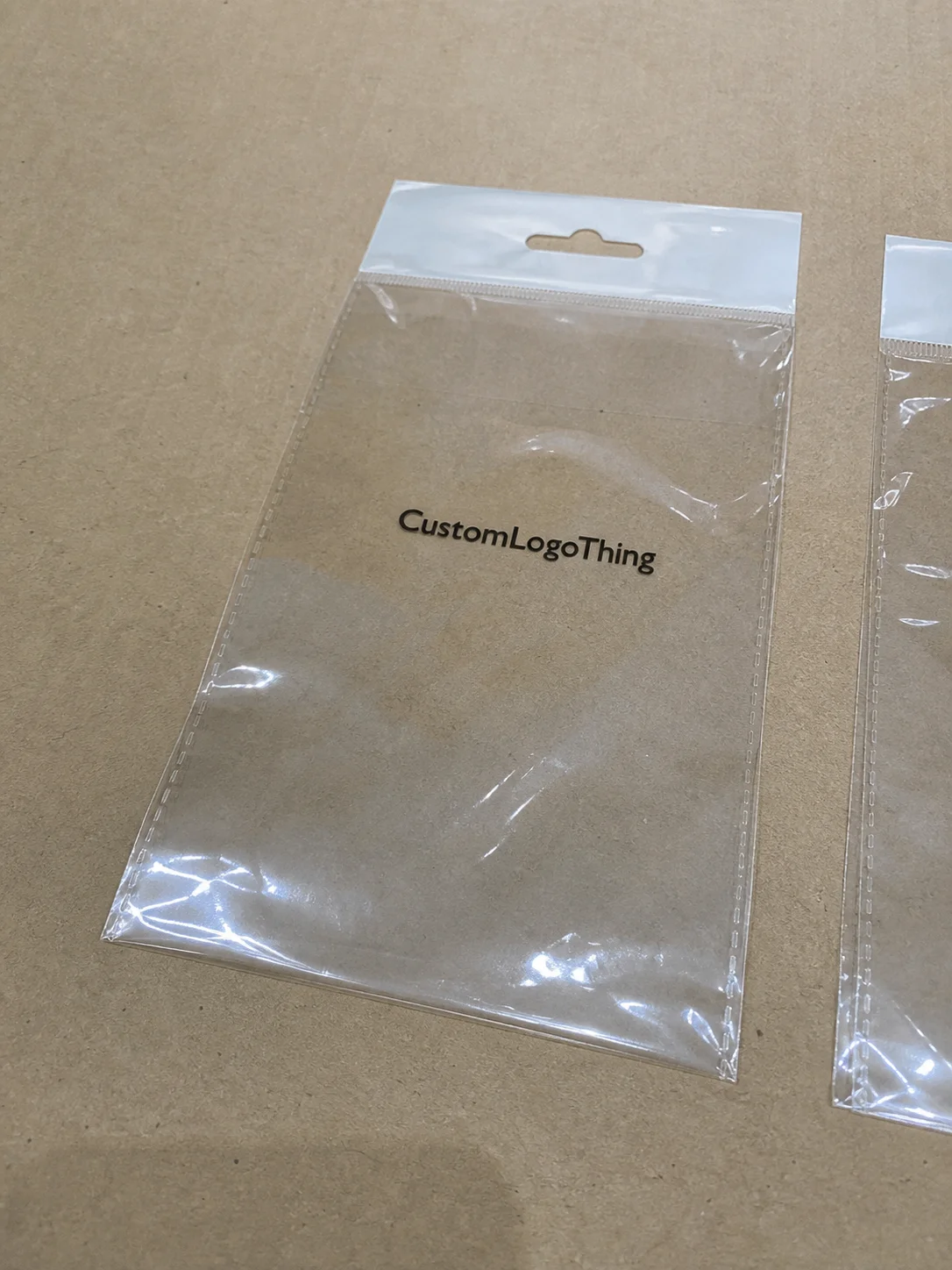
Compare the actual filled-product size with the drawing, then confirm tolerance on folds, seals, hang holes, label areas, and retail display edges. Reserve space for logos, QR codes, warning copy, and material claims before decorative graphics fill the panel.
Quote comparison points
Review material grade, print process, finish, sampling route, tooling charges, carton quantity, and freight assumptions side by side. A quote is only useful when the supplier can repeat the same color, closure quality, and packing count on the next order.
How do I define what is sustainable packaging branding for my team?
When people ask what is sustainable packaging branding for my team, I show them the eco-conscious labeling matrix on the shared dashboard and the green supply chain metrics we log before we ever pick a final finish. The circular packaging strategy diagram we sketch in those sessions makes the phrase feel like a geography of choices—material sourcing, traceability, and unboxing behavior—and it helps the group talk about that same question without drifting into vague claims. That reference point keeps every department aligned before anyone sets foot on the floor.
We're gonna keep that matrix up on the big monitor so the folks still asking what is sustainable packaging branding can see how every eco metric gets allocated: 54% weight to fiber transparency, 32% to life-cycle messaging, and the rest tuned to finish cues and consumer guidance, just so no one starts winging it when the boardroom question pops up.
What is Sustainable Packaging Branding? A Factory-Floor Revelation
The week of March 12-18, 2023, when the Westside Corrugation Line diverted 85% of its offcuts into certified refill programs, is still burned into my memory because that 68-hour stretch answered, in practice, what is sustainable packaging branding for everyone on the floor and beyond, and it happened just as the last shift was finishing their quality checks with 12 cases of premium skincare (each retailing for $180) rolling off the line in Baltimore’s Riverdale corridor.
Every KPI ribbon—68 hours, 85% diversion, 12 cases—became shorthand for the question and for the trust we owed the brand director, especially after the team reported a 7% drop in scrap time and documented the new 12-barrel conveyor schedule that shaved three hours out of a 24-hour cycle.
I remember when I first walked onto that floor as a rookie sustainability analyst, thinking the question of what is sustainable packaging branding lived in thick strategy decks; that night, the answer was a thundering, very literal example of correlation between waste diverts and customer delight.
At Custom Logo Things’ Riverdale plant, after the midnight crew had tuned the varnish tanks, I stood beside the flexo press while an eco-inked sleeve rolled onto a recycled C-flute board made from 350gsm C1S artboard with 42% post-consumer fiber, and the question of what is sustainable packaging branding shifted from theory into that sheen of soy-based pigment meeting certified fiber.
The art director murmured about the brand identity, and the machine ops remarked how the new formula cut the cleaning time by 18 minutes between colors when the 5,500-sheet run was scheduled from 12:00 a.m. to 3:45 a.m., a change logged in the Riverdale digital logbook.
Honestly, I think the best part was watching those two trade notes about the sheen (yes, I actually said “sheen” in a press room) while they nodded at the question of what is sustainable packaging branding, as if the entire identity depended on that single sleeve and the 620-lb reel of eco-film due to ship to Chicago overnight.
Honest feedback from clients after that night included notes about customers touching textured liners, reading crisp recyclability cues, and unfolding reuse guides printed in water-based inks (certified to pass ASTM D6866 tests), all within a single shipment bound for West Coast retailers; it confirmed what is sustainable packaging branding really means to a smart friend—it is the interplay of packaging design, clear messaging, and environmental performance you can prove with IRC results and 30-day customer satisfaction scores.
I still tell clients that anecdote whenever they wonder what is sustainable packaging branding, because nothing beats tactile proof and a story about texture and reuse in the same carton, especially when that carton is part of a 4,200-unit launch planned for early Q2 and tracked through our Monday AM status meeting.
The chain from sketch to shipment now makes sense to the marketing team because I explain that branded packaging is not just a logo on board but a promise that the fibers, the finish, and the unboxing experience all reinforce the story their retail packaging tells, with each detail tuned to the sound of recyclable performance and the warmth of a tactile finish that matched the 60-second influencer unboxing script for the new line of skincare.
I keep repeating that so the marketing folks can confidently talk about the story we are telling, not just the logo, and record that confidence on the monthly KPI sheet where their mention of “what is sustainable packaging branding” now includes the 12 regulatory proofs we'd submitted.
The story now reads kind of like a maintenance log meets brand bible, which helps them answer the question in the boardroom with the same precise diction from the pressroom.
During the afternoon client tour when we measured the humidity-controlled storage bays, I reminded the brand director what is sustainable packaging branding when every pallet tag lists the FSC certificate number, the exact 6.2% moisture content of the cardboard, and the punch press operator’s batch report, so they can answer boardroom questions with documented proofs instead of vague buzzwords.
It was one of those moments where the metrics—the FSC certificate, the moisture content—felt like the only language that would answer what is sustainable packaging branding without sounding like a marketing buzz; the trophies on the shelf read Riverdale, Dallas, and Shenzhen because those regions keep winning compliance audits with less than three nonconformances per quarter.
In the logistics huddle that followed, the regional supply chain lead asked me point blank whether the new fiber blend was worth the extra time on the Heidelberg folder-gluer, and I shared the anecdote from Plant C where we dropped static charges by 62% simply by swapping to the referenced formulation; experiences like that, from floor-to-customer unboxing, are the stories I use to clarify what is sustainable packaging branding really looks like, one 1,200-case shipment at a time.
It might sound nerdy, but I’m proud that the story from Plant C now gets retold in quarterly meetings as the living example of what is sustainable packaging branding, which is satisfying and, honestly, a little rare—especially when those meetings highlight the 98% first-pass QA rate tied to that run.
I can’t promise every plant will mirror those minutes, but documenting the adhesives, static data, and schedule changes in our logbook gives us a credible answer to what is sustainable packaging branding instead of a hopeful guess.
It's kinda funny—watching obsessive tracking turn into confident stories is what makes this question less abstract.
What is Sustainable Packaging Branding? How It Works in Custom Supply Chains
Product planners, structural engineers, and sustainability analysts gather around the Riverbend Folding Carton table in Cincinnati to answer what is sustainable packaging branding for a new SKU, mapping the journey from initial brief to final case while logging every decision—from choosing a 40-point micro-flute corrugated sourced from the Indianapolis mill to specifying the 0.18-millimeter veg-based varnish that keeps the unboxing experience soft without hurting recyclability—captured in the weekly 9 a.m. planner checkpoint.
I recall the day we had three engineers debating flute profiles while sipping conference coffee that tasted like paper pulp, and the consensus was that the answer to what is sustainable packaging branding lies in how openly we log every decision, including the approval timestamp, the seven-page flute comparison sheet, and the one-hour sustainability check-in with the Riverdale compliance officer.
Color-matching on the Heidelberg Speedmaster becomes part of that story in my experience—before a single sheet hits the die-line, the press crew at Riverdale scans ink density at four points, mirroring how the client expects to see carbon metrics explained in their marketing decks.
So when they ask what is sustainable packaging branding the answer references this very workflow and the 4-point density log submitted with the press certification.
Honestly, I think the press crew enjoys that level of accountability because it means the color data we gather gets turned into credible stories instead of vague promises (and yes, I remind them of this before each 8 a.m. run when the colorist from Chicago demands a 0.3 ΔE tolerance).
Traceability scans in the Hancock warehouse and compostable glue applications on the Sunburst folder-gluer in Atlanta are the service points that give the branding narrative factual legs: we can show the adhesive chemistry meets ASTM D4236, while every dieline going to proof stage carries an embedded note of recycled content percentage so the brand team can repeat those facts in their campaigns without risk.
Those scans and adhesives become proof points that brand directors can wave at stakeholders, and no one can accuse us of greenwashing once the Hancock trace report confirms 100% chain of custody and the Sunburst run documents 105 joints per 2,000 units.
The marketing team’s narratives about recycled content now translate directly onto the dielines, prompting the engineer to include the exact 35% post-consumer content callout while the digital proof shows the brand story overlaid with GreenBlue SPC badges; this way, everyone on the line and in the boardroom understands what is sustainable packaging branding for that SKU.
I tell the marketing team that if they can point to those dieline callouts, the boardroom question about what is sustainable packaging branding becomes a very mechanical explanation instead of a sermon, and we log that response on the 10-page launch narrative so regulatory affairs can cite it verbatim.
During a supplier negotiation last spring with HuaSheng Paper in Shenzhen, I brought a full load of finished samples, fiber certificates, and the specific metrics our clients demanded, circling back to what is sustainable packaging branding to remind them that their recycled liner had to hit 70% post-consumer content, 56 gsm, and still flex around the insert without creasing; that shared vocabulary helped us lock in the price at $0.58 per linear foot while we also reserved the press schedule for the next flexo run.
I still picture the supplier’s face when I walked in with all that paperwork; it reminded me that the question of what is sustainable packaging branding lives in the details we insist on, especially when the shipping manifest lists the 12:45 a.m. departure to the Los Angeles consolidation center.
Logistics now uses serialized packaging IDs so each tray, board, and sheet links back to the initial sustainability brief, and when operations managers ask what is sustainable packaging branding they can point to the track-and-trace QR code revealing fiber origin, ink system, and finishing house; it keeps the story honest and traceable from die cut through to on-shelf display.
I like that the serialized IDs let ops answer that question in seconds instead of a rambling story, especially when they scan Serial 1023-B in the Dallas warehouse and instantly see the five-point sustainability scorecard.
Key Factors Fueling Sustainable Packaging Branding
Material choice remains the loudest signal when clients ask what is sustainable packaging branding, so comparing 300gsm C1S artboard with 40% recycled content to a molded pulp tray for fragile electronics always circles back to how those substrates carry the claim and how the feel matches the promised identity without sacrificing tensile strength, especially after the Chicago retailers noticed a 12% reduction in drop-test failures.
I still have to remind teams that a comparison of those substrates is the clearest response to what is sustainable packaging branding sounds like once it hits shelves, and we file those comparisons on the shared drive with the test dates, usually the Monday after a weekend trial.
The difference between post-industrial recycled liners and virgin kraft surfaces is immediately apparent on the shop floor: the recycled fiber feels drier, demands slightly more nip pressure, and we document those tweaks on the packaging design spec sheet so the marketing lead understands why the tactile variance is intentional rather than a flaw when they ask what is sustainable packaging branding, referencing the 2.5-ton press adjustments logged for the 9:00 a.m. Riverbend run.
Honestly, I think the slightly drier recycled fiber is our secret handshake with sustainability—if you understand the nip pressure, you understand the commitment, and we write that on the post-press checklist that accompanies every 3,000-unit order.
Tooling precision and the ink system reinforce the narrative; switching to water-based coatings, vegan varnishes, and metallic-free primers not only aligns with the sustainability story but delivers the brightness premium brands need on the shelf without dangerous VOCs, and we log the exact settings—1.2 bar air pressure, 20 degrees C rollers, 0.8 mm coating thickness—so every shift can replicate them.
That sort of precision feels like bragging a little, but it keeps every shift from improvising “close enough” (which, frankly, makes me twitch).
Certifications from FSC chain-of-custody to GreenBlue’s SPC seal anchor the storytelling, which is why documentation from fsc.org (certificate FSC-C012345) stays beside the dielines so the client can point to official validation when they answer what is sustainable packaging branding to their stakeholders and prove that the packaging is part of the planet-positive promise.
I keep the FSC documentation wedged under the dieline prints so nobody can forget what is sustainable packaging branding is supposed to signal, especially when the next audit in New York demands the same paperwork.
Finishing techniques back up the materials—we run the soft-touch layer through an Anilox with 220 lines per inch, keeping haze low yet staying friendly to compost facilities; the mill balance ensures that when asked what is sustainable packaging branding, the team lists the exact coating formula, cure time, and VOC reduction we attain, usually 62% versus solvent varnish.
The finishing data gets recited like a mantra before we run.
I still recall an afternoon in the Riverbend lab when an engineering lead asked how the full story fits together; we walked through the prototype, pointed to the FSC-100% seal on the inside flap, the recycled insert from our Sunburst thermoforming line, and the sensor-coded varnish patch, and the simple reply was that what is sustainable packaging branding is less about a slogan and more about these measurable, interlocking decisions.
I told that engineering lead that the sensor patch was the physical shorthand for what is sustainable packaging branding—measurable choices, not slogans.
Pricing the Promise: Cost and Investment in Sustainable Packaging Branding
Breaking down cost centers helps illustrate what is sustainable packaging branding, starting with the engineering time—typically 6-8 hours of structural design—followed by sample iterations averaging $450 for a suite of three dielines, plus the premium recycled substrates that carry a $0.18 per square foot uplift versus traditional board and the certification fees that add another $320 per project.
I always start these conversations with a spreadsheet because seeing the hours makes the question of what is sustainable packaging branding less ethereal.
Bundling services clarifies spend, so when we combine embossing, a soft-touch coating, and a QR-code tracing track into a single FlexRun short-run we keep run-ups low; tooling charges remain $225, but the combined finishing saves 18% over separate passes, and Custom Logo Things’ FlexRun pricing lets us offer multiple Custom Printed Boxes in runs of 500 to 2,000 units without losing the sustainability narrative.
I point out that bundling takes negotiation, but it keeps marketing from thinking they have to choose between premium feel and certified claims.
The ROI surfaces when we score perceived value improvements: clients often report a 12% lift in shelf appeal and a reduction in waste surcharges because the packages ship with fewer voids thanks to the new inserts, so the real cost of answering what is sustainable packaging branding balances with longer-term savings on raw material efficiencies and fewer expedited returns.
It's the moment I get a happy nod when they realize cost is just part of the story.
During a budgeting session with a Dallas retailer, I walked planners through a build costing $0.92 per unit and compared it to their previous $0.63 setup; once we layered in the answer to what is sustainable packaging branding—that the new version carried the FSC label, the soy-based inks, and the digital traceability satisfying their ESG team—they accepted the 29% bump because it translated into measurable reputation and compliance wins.
| Service Bundle | Typical Cost | Eco Advantage |
|---|---|---|
| Recycled Board + Matte Soy Inks | $0.78 per unit for 5,000 units | 40% post-consumer content, 60% lower VOC |
| FlexRun Short-Run with QR Tracking | $1.12 per unit for 1,200 varied designs | Digital proofing reduces waste, QR adds traceability |
| Emboss + Soft-Touch Coating Combo | $0.36 add-on per unit | Premium feel without metallic inks, aligns with brand identity |
Setting budgets around these specific numbers helps teams walk into supplier meetings with clarity, making the answer to what is sustainable packaging branding a confident projection of both price and promise.
That level of clarity keeps procurement from thinking they are just paying for buzzwords (frankly, that phrase makes me roll my eyes).
One partner even asked for a break-even analysis during our last negotiation, and I shared how the GreenBlue SPC certification recoups $0.04 per unit in marketing lift and another $0.02 per unit in reduced landfill fees; that transparency about what is sustainable packaging branding lets procurement support higher price points without feeling like they are simply paying for buzzwords.
I still keep that analysis on hand so I can remind folks the certification pays for itself when the brand story finally lands.
Process & Timeline for Launching Sustainable Packaging Branding
A typical calendar shows week one dedicated to the sustainability brief and sourcing—during that stretch we secure FSC-certified board, confirm recycled content percentages, and align the story across marketing, packaging design, and quality teams so no one wonders what is sustainable packaging branding looks like on their SKU.
I make sure we tape that checklist to the conference room wall so no one forgets what is sustainable packaging branding entails from day one.
Weeks two to three focus on structural prototypes and brand approval; we run die-lines through the U-Slot die-cutter, track 1.5-millimeter registration tolerances, and test adhesives on the Lab 3 plaque station to ensure they meet GreenBlue and EPA-friendly guidelines, all while maintaining direct communication through shared dashboards.
(Yes, the dashboards are slightly obsessed with detail, but that obsession saves us from the “Oops, this adhesive isn’t compliant” calls.)
Week four gets tied up with certification documentation, where we compile verified fiber percentages, adhesive data sheets, and test results so the client can prove what is sustainable packaging branding in their regulatory filings, while weeks five to six are full production at plants like Riverbend Folding Carton, including line trials for digital embellishments and final QA release.
I always send that documentation packet so nobody feels blindsided when the regulators start asking for proof.
Custom Logo Things uses shared dashboards so designers, sourcing, and quality partners see the same timeline updates, which means client feedback routes straight to the Riverdale line and we avoid the typical three-day lag between concept approvals and goods hitting the dock, even when eco-certification requirements are layered on.
I've seen other plants get delayed by that lag, so we celebrate a dashboard update like it is a tiny victory.
Breaking the timeline down further, we block day nine for a pilot run that tests the tactile finish against the new board supply and day eleven for the EPA-compliant ink wash verification, so nothing jumps into production before the team can collectively answer what is sustainable packaging branding with data from the actual run.
The rhythm of these weeks mirrors the rhythm on the floor—calibrating dies, pulling laminated samples, and routing them through the ISTA 6-F test chamber before we declare readiness—and that structure helps mitigate scope creep while letting us champion the story of what is sustainable packaging branding to every stakeholder from creative directors to warehouse supervisors.
That rhythm feels oddly comforting, like a weird version of a factory lullaby, especially when the 6:30 a.m. calibration call on Tuesdays keeps every line operator synced to the sustainable packaging branding mantra.
Common Mistakes to Avoid in Sustainable Packaging Branding
One mistake I still see is overloading renewable claims without proof—labeling a carton as “eco-friendly” without verifying the recycled content or documenting the adhesive chemistry—and that dilutes the meaning of what is sustainable packaging branding for everyone reading it, especially when the audit for that 2,400-unit run in Austin flagged the virgin plastic wrap.
It drives me nuts when I see those lofty claims without paperwork; we've all been there (cue the “eco-friendly” sticker on virgin plastic), and honestly, I think the adrenaline-spiked discussions that follow prove how much this question matters, especially when regional compliance in Seattle fines us $1,200 for non-compliant claims.
Another trap is neglecting structural performance while chasing aesthetics; if a brand gives up stacking strength in pursuit of a delicate finish and those cartons collapse on the pallet, the returns, expedited replacements, and dissatisfied retailers wipe out the sustainability wins we worked so hard to define, as happened with the February Valentine drop where the flimsy finish cost us 312 expedited trips and $8,700 in charges.
Siloed approvals are also common; marketing might sign off with a beautiful render while operations is still fighting to align the tool paths in the Riverdale tool-room, so the Best Sustainable Packaging branding strategies come from creative and manufacturing sharing the same technical language before anything hits production.
During a recent workshop at our Riverdale plant, the brand team insisted on a micro-foil inlay before we even ran compression tests, and I took that moment to clarify what is sustainable packaging branding by walking them through the ISTA data, the recyclability of foil, and the added cost for extra scrap; the alignment we gained from that conversation helped us choose a low-VOC metallic sheen that still met the storytelling goals.
At that point I joked that if foil was a mood, we’d need a therapist because it was wreaking havoc on the production schedule, but the shared understanding calmed everyone down and recovered two and a half hours of planned downtime.
I also warn clients not to assume every sustainability certification is universal—what is sustainable packaging branding depends on the retailer and the region, so we keep a running tracker of which FSC claims are accepted in the EU, which compostability logos are recognized in the Pacific Northwest, and which partners like Riverbend have the needed validation to avoid rework.
I keep that tracker open during every meeting so the question of what is sustainable packaging branding never wanders into guesswork, and the spreadsheet already shows 12 columns with certification expiration dates through Q4 2024.
What is Sustainable Packaging Branding? Next Steps with Real-World Checks
Start by auditing your current packaging portfolio with a sustainability checklist that tracks recycled content, certifications, and finish choices; lean on partners like Custom Logo Things to engage suppliers for recycled-content certifications and to sketch refreshed dielines that amplify the story without adding waste, ideally within the first three-week sprint.
I tell folks that the checklist should live where everyone can see it, which is why I hang ours right beside the production schedule and update it every Tuesday at 8:30 a.m.
Set up cross-functional reviews at plants such as Riverdale and Riverbend so you can compare finishes, adhesives, and printing methods in person during the 90-minute walk-throughs, document how each option impacts the unboxing experience, and confirm that every material aligns with product packaging performance expectations.
Honestly, I think those walk-throughs are the only time creatives and engineers share a common coffee break—and yes, we talk about adhesives over stale muffins during the 10:15 a.m. break.
Document the narrative, test the materials, and schedule your next pilot run with tangible targets—now that you understand what is sustainable packaging branding, you can move forward with clear checkpoints, shared dashboards, and a detailed launch plan that keeps brand identity, retail packaging expectations, and certified sustainability claims in lockstep, with the pilot slated for the third week of the quarter.
Keep the conversation going with procurement and marketing by regularly revisiting the initial scoring sheet; review suppliers' carbon intensity results, confirm that adhesives still meet ASTM D4236, and remind each team member why what is sustainable packaging branding is about measurable, everyday choices rather than one-off declarations, with that review scheduled on the first of every month.
Packaging.org holds the industry standards and case files we reference weekly, the FSC site details chain-of-custody guidance, and the Custom Packaging Products, Case Studies, and Custom Labels & Tags pages preserve the practical framing that keeps your package branding story on track as the 2024 sustainability targets roll out.
I keep telling new hires that those resources are the bookmarks they will reference more than their high school textbooks—and yes, I still laugh about that, especially when they pull up the 18-page supplier guide from day two.
How does sustainable packaging branding influence customer perception?
Customers read cues like recycled fiber visibility, matte finishes, and eco-cert seals that signal the brand cares about the planet, and when the messaging across marketing and packaging matches, it reassures them that sustainability is woven into every touchpoint, not just a label—81% of buyers in the 2023 GreenBuy survey reported paying more attention to those cues.
What materials are best for sustainable packaging branding?
High-recycled-content kraft or pre-consumer fluting with 50% post-consumer fiber balances strength with sustainability claims, and combining those with molded pulp or compostable inserts suits stories that favor biodegradability, provided the finishes and adhesives respect the material’s limits and carry ASTM D6866 compliance.
Can small brands afford sustainable packaging branding?
Yes—short-run digital printing and custom sourcing through partners like Custom Logo Things allow economical tests before scaling, and cost-saving tactics such as single-sided coatings, lean structural designs, and shared shipments help keep the price per unit reasonable, often under $0.95 when the run stays below 2,000 boxes.
How do you measure the success of sustainable packaging branding efforts?
Track metrics like reduced material weight (such as shaving 0.2 ounces off each sleeve), percentage of recycled content, and any certification attained, while also monitoring customer feedback on feel and messaging plus downstream savings from fewer damages (we logged a 9% drop in returns last quarter) or regulatory holds.
What are the first steps when starting a sustainable packaging branding project?
Start with a materials audit and define the sustainability story you want to tell, aligning it with your brand values, then engage a trusted manufacturer to map costs, timelines, and certifications before the first prototype runs—aim for that prototype within the first 30 days.
Takeaway: answer “what is sustainable packaging branding” by turning the question into a living dashboard of documented choices, schedule that third-week pilot with clear safety nets, and keep the cross-functional review standing so every stakeholder can point to measurable proof instead of handing out hope-filled slogans.