Brand owners usually start with a blunt question: Where Can I Print Custom stickers that look sharp, hold up in use, and do not turn into an expensive reprint? The catch is that “custom stickers” covers a wide range of jobs. A giveaway decal for laptops behaves differently from a bottle label sitting in condensation, a tamper seal on corrugated packaging, or a jar lid label exposed to oil from handling.
That gap matters more than most category pages admit. The real answer to where can i Print Custom Stickers depends on the surface, the environment, the quantity, and the format. A sticker can look great in a mockup and still fail in production because the adhesive was wrong, the finish scuffed too easily, or the stock curled on a curved container.
Most buyers end up comparing five sources: local print shops, office supply or copy centers, online custom sticker companies, packaging manufacturers, and print brokers or marketplaces. Each option has a practical use. Some are best for short-run prototypes. Some work for branded handouts. Others make more sense when stickers need to align with a broader branded packaging system that includes inserts, cartons, and Custom Packaging Products.
The useful comparison is not who can print a sticker. Plenty of suppliers can. The useful comparison is who can print the right construction for the job you actually have.
Where Can I Print Custom Stickers? Start With the Use Case, Not the Printer
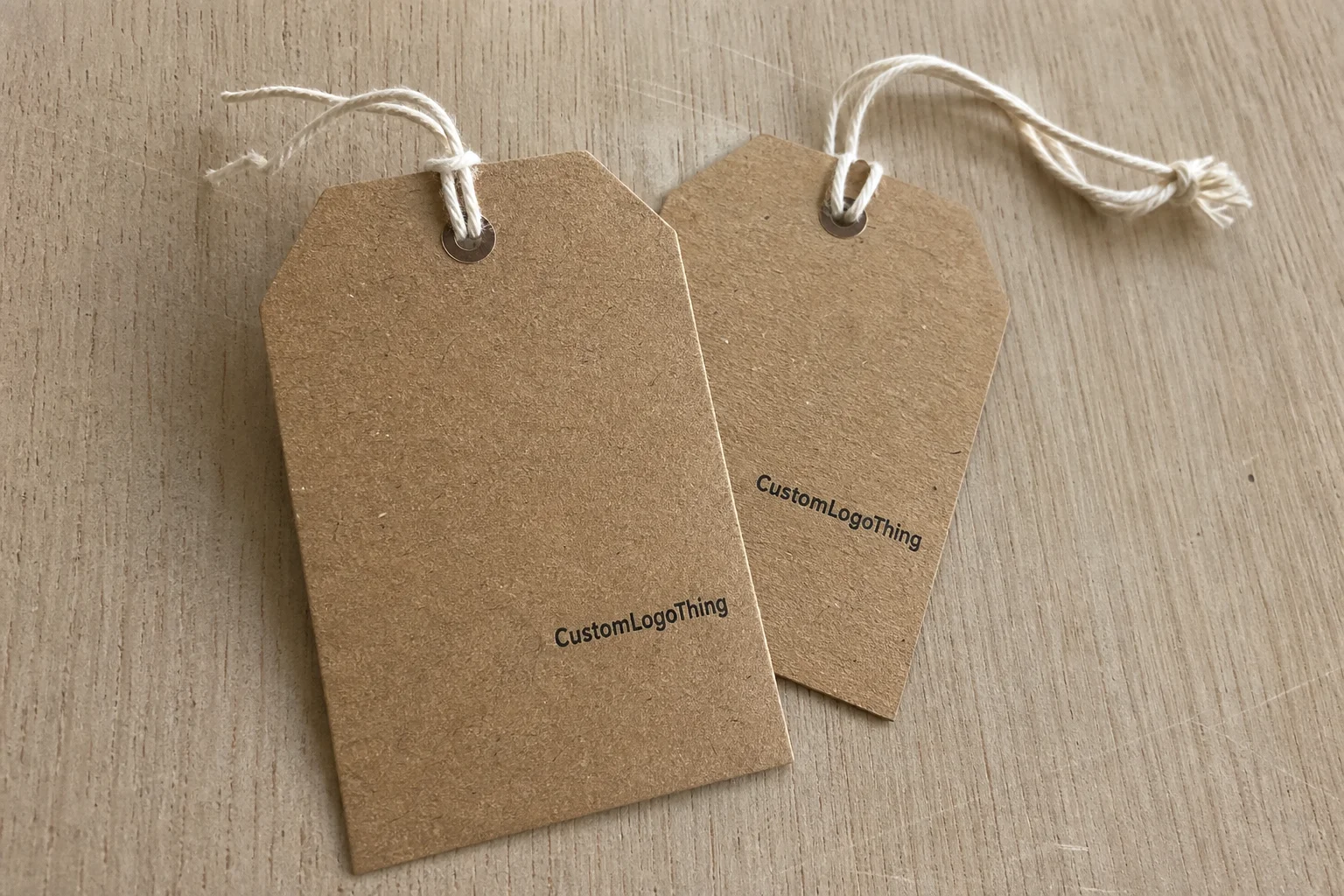
If you need 200 logo stickers for a weekend event, your best option may be completely different from a brand ordering 25,000 roll labels for hand application on glass jars. Buyers often search where can i print custom stickers as though one source covers every case. It does not.
Start with a simpler question: What does the sticker need to do? Decorate? Identify? Seal? Survive moisture? Resist scuffing in shipment? Once that answer is clear, the vendor list narrows fast.
A decorative insert sticker can use an economical paper stock. A shipping seal usually needs a stronger permanent adhesive. A freezer application may need an adhesive designed to bond on cold or slightly damp surfaces. A water bottle or laptop giveaway often needs vinyl plus laminate because abrasion, skin oils, and repeated handling change the performance requirements.
- Quick local pickup: often a local print shop or copy center.
- Low-quantity testing: usually a digital short-run sticker printer.
- Promotional die-cut decals: often an online sticker specialist.
- High-volume packaging labels: typically a label converter or packaging manufacturer.
- Brand-system coordination: suppliers that can align labels with boxes, inserts, and other printed packaging.
This is the part first-time buyers tend to miss: the printer is not the starting point. The surface is. A smooth PET bottle, a lightly textured glass jar, a kraft mailer, and a coated carton each present different adhesion and appearance issues. Experienced buyers usually ask about substrate, storage conditions, handling, and application method before they compare a single quote.
Simple rule: choose the sticker specification first, then choose the supplier that can produce it reliably.
What Are the Best Places to Print Custom Stickers?
The best source depends on the order profile, not on a broad claim about quality. For some jobs, convenience wins. For others, material range, repeatability, or packaging integration matters more.
Local print shops are useful when you want direct communication, quick corrections, and sometimes a physical sample. For modest orders such as 100 to 1,000 basic stickers, they can be a comfortable option. The tradeoff is depth. Some local shops do not offer clear BOPP, specialty laminates, weatherproof vinyl, white ink on transparent film, or more complex die lines. Once quantities move into several thousand pieces, pricing may stop being competitive.
Office supply and copy centers have a place, but it is narrow. They work for temporary sheet labels, mockups, internal use, or fast event materials where long-term durability does not matter much. They are usually not the right fit for premium retail packaging, outdoor use, or labels that need consistent adhesive performance.
Online custom sticker printers cover the middle ground well. Many offer paper, white vinyl, clear film, matte or gloss finishes, lamination, kiss-cut sheets, die-cut singles, and roll labels. For small and mid-sized brands, this route often provides the best balance of options, turnaround, and pricing. Most short and medium runs are handled through digital printing, which helps keep setup costs manageable.
Packaging manufacturers make more sense when the sticker is part of a larger package presentation. If the label needs to coordinate with Custom Labels & Tags, folding cartons, inserts, pouches, or custom printed boxes, a packaging-focused supplier can reduce color drift and finish mismatch across components. That matters more than buyers expect. A label does not sit alone on a product page; it sits on a finished package.
Brokers and marketplaces can speed up sourcing, especially if you need several quotes quickly. The downside is distance from the actual production floor. Support quality, reprint policies, and communication about substitutions vary widely.
| Source | Best For | Typical Strength | Common Limitation |
|---|---|---|---|
| Local print shop | Short local runs, in-person help | Fast proofing support, pickup speed | Less specialty material depth |
| Office supply center | Basic sheets, mockups, temporary use | Convenience | Limited durability and premium finishing |
| Online sticker printer | Promotional stickers, small business orders, mid-run customization | Material variety, scalable pricing | Less hands-on guidance unless support is strong |
| Packaging manufacturer | Packaging labels and coordinated brand systems | Consistency across package components | May have higher minimums |
| Broker or marketplace | Quote comparison | Fast sourcing options | Quality control can vary |
For many small and mid-sized brands, the practical answer to where can i print custom stickers is an online custom sticker supplier with clear material specs and solid proofing support. If the order is tied closely to packaging performance and repeat production, a packaging-focused manufacturer is often the better long-term fit.
How the Sticker Printing Process Works, From File to Finished Roll
Sticker orders usually follow a predictable production sequence. Knowing that sequence helps buyers catch issues earlier, before the job turns into wasted inventory.
Artwork preparation
Clean artwork saves time and prevents soft edges. Vector files such as PDF, AI, or EPS are usually preferred for logos and line work because they scale cleanly. If raster artwork is used, 300 dpi at final size is a reasonable minimum. Most printers also ask for about 0.125 inch of bleed so minor trim shift does not leave a white edge.
Custom shapes need a clear cut path. Tiny type needs caution. Text below about 5 pt can become risky, especially in reverse type, on metallic film, or on textured stock.
Proofing and approval
Most jobs move through a digital proof first. This is Where Buyers Should check spelling, dimensions, orientation, cut line position, finish, and delivery format. Screen color is not print color. If brand color matters, ask whether the order runs in CMYK only, whether spot color matching is available, and what tolerance to expect between runs.
A digital proof confirms layout. It does not fully predict how matte laminate will mute color, how clear stock will look on a dark container, or how a paper label will feel compared with film. For critical retail work, a physical sample or a short pilot run is worth the extra step.
Material and adhesive selection
The face stock might be paper, BOPP film, polyester, or vinyl. Paper is economical and often fine for dry indoor use. BOPP film is common in packaging because it balances cost, moisture resistance, and label performance. White vinyl is a frequent choice for promotional decals because it handles wear better than basic paper. Clear film gives a clean “printed on the container” look, but many designs need white ink underneath to stay readable.
Adhesive matters just as much as the face stock. Permanent, removable, freezer-grade, and high-tack constructions behave differently on glass, PET, HDPE, coated board, and textured kraft. A label can print beautifully and still fail if the adhesive is mismatched.
Printing and finishing
Short and medium runs often use digital printing. Longer runs may shift to flexographic or offset processes depending on format, quantity, and material. After print, the job may be laminated, varnished, die-cut, kiss-cut, sheeted, slit into rolls, and rewound to a specified core size.
That last detail gets overlooked. If labels will be machine applied, roll direction, unwind orientation, outer diameter, and core size must match the applicator. If they will be hand applied, rolls can still save time, but sheets may make more sense for very small batches.
Brands shipping through e-commerce channels should also think about rub resistance. A label on the front of a carton or mailer may face repeated abrasion in transit. If sustainability claims matter, paper sourcing or certified materials may connect to standards referenced by FSC. For transit durability thinking, packaging teams often keep an eye on handling expectations reflected by groups such as ISTA.
Most sticker failures are not print failures. They are specification failures: the wrong stock, the wrong adhesive, the wrong finish, or the wrong format for the job.
Cost and Pricing: What Changes the Quote for Custom Stickers
Sticker pricing is not a flat menu. It is a stack of production choices, and small spec changes can move the quote more than buyers expect.
The main cost drivers are quantity, size, shape, material, adhesive, print coverage, finish, lamination, and delivery format. A 3-inch round paper sticker on sheets may cost roughly $0.18 to $0.45 each at 250 pieces. A laminated weatherproof vinyl version in a custom die-cut shape might land closer to $0.55 to $1.20 each at the same quantity. Push the order to 5,000 pieces and the unit cost often drops sharply, sometimes into the $0.08 to $0.28 range depending on stock and format.
Shape complexity changes pricing. A square with rounded corners is easier to convert than an irregular die-cut with tight curves or narrow points. Clear labels with white ink usually cost more than standard white stock. Rolls can price differently from sheets because slitting, rewinding, and core requirements affect finishing. Multiple SKUs also raise cost even when the art changes only slightly, because proofing and handling repeat across versions.
Shipping and rush fees deserve more attention than they usually get. Standard production might be affordable, then rush processing adds 15% to 40% and expedited freight adds more on top. On a deadline, not every laminate, adhesive, or specialty film will be available for immediate production.
| Example Order | Typical Quantity | Likely Construction | Estimated Unit Range |
|---|---|---|---|
| Event giveaway sticker | 250 | 3" die-cut white vinyl, matte laminate | $0.55-$1.20 |
| Basic logo sheet label | 500 | 2" gloss paper on sheets | $0.12-$0.30 |
| Jar lid packaging label | 5,000 | 2.5" BOPP roll label, permanent adhesive | $0.08-$0.22 |
| Clear retail bottle label | 5,000 | Clear film with white ink, gloss laminate | $0.14-$0.32 |
Lower pricing is not automatically bad. Temporary event use, internal organization, and mockups do not need premium construction. If the sticker is part of final product packaging, though, a slightly better face stock or adhesive often costs less than relabeling inventory or paying staff to rework failed labels.
The cleanest way to compare quotes is to match the specification line by line. A gloss paper sheet label is not a true comparison to a laminated vinyl die-cut, even if the dimensions are identical.
Turnaround and Lead Time: How Long Custom Sticker Orders Really Take
Lead time is usually the sum of four clocks: artwork readiness, proof approval, production, and shipping. Buyers often focus on the production window and overlook the rest.
For a straightforward digital order such as standard vinyl die-cuts or basic roll labels, production often runs about 3 to 7 business days after proof approval. Add shipping and the practical door-to-door timeline may be 5 to 10 business days. Larger orders, specialty laminates, clear stock with white ink, or less common materials can push the total to 8 to 15 business days from approval. High-volume packaging labels may take longer if the converter batches work for press efficiency.
Delays usually come from ordinary issues:
- low-resolution artwork or missing cut lines
- proof approvals that sit untouched for several days
- material shortages or approved substitutions
- late design changes after the job enters the queue
- shipping errors, missed delivery windows, or weather disruptions
If stickers support a launch, seasonal promotion, or trade show, plan backward from the in-hand date rather than the ship date. Build in time for at least one proof revision and one shipping surprise. That is standard purchasing discipline, not overplanning.
Rush service can help, but it narrows your options. A printer may be able to accelerate standard white vinyl or gloss paper, while specialty holographic film, unusual adhesives, or custom rewound roll formats may not be available on the same schedule. Rush jobs also reduce the margin for catching spec mistakes.
A sensible rule is prototype first, then scale. If the sticker will be applied to a new bottle, tin, pouch, or corrugated shipper, test a small run first. Check adhesion after 24 hours, after handling, and after exposure to the actual environment. Edge lift often shows up later, not in the first five minutes.
How to Choose the Right Sticker Specs for Your Product, Surface, and Budget
The most efficient sticker orders are usually decided at the specification stage. Good specs prevent waste, cut reorders, and make quotes easier to compare.
Choose material by environment
Paper works for dry indoor applications, carton seals, short-use branding, and designs where a natural texture suits the product. It is often the least expensive option. Film stocks such as BOPP or vinyl are better for moisture, refrigeration, frequent handling, and giveaway decals. Clear stock creates a minimal look, especially on glass and smooth plastic, but the artwork has to be built for transparency. Specialty films such as metallic or holographic stock can add shelf impact, though they raise cost and may complicate color consistency.
Match adhesive to the surface
Permanent adhesive is common, but “permanent” does not mean universal. Smooth glass, PET, HDPE, low-energy plastics, coated board, and textured kraft do not all bond the same way. Removable adhesive can work for temporary promotions or windows, but it is usually the wrong choice for shipping seals or long-term product labels. In cold storage, damp-fill, or lightly oily conditions, higher-tack or temperature-specific adhesives may be necessary.
Pick finish for appearance and protection
Matte gives a softer look and hides fingerprints well. Gloss increases color pop and often suits bright promotional graphics. Lamination adds abrasion and moisture resistance, which matters on e-commerce packaging and frequently handled products. If staff need to write lot numbers, expiration dates, or batch codes by hand, confirm that the surface is writable. Some glossy laminates resist common pen ink.
Choose the right format
Sheets make sense for low-volume hand application and internal use. Rolls work better for repeated application, higher quantities, and production settings. Individual die-cut stickers are ideal for handouts, merch inserts, and giveaway use. If labor matters, format should be chosen for handling speed as well as appearance.
Surface conditions should drive the final call. Will condensation form? Will the package sit near oil? Is the container curved, textured, or slightly flexible? Will the sticker rub against other boxes in transit? Those details determine whether an economical stock performs well or turns into a problem.
Sticker choices should also fit the broader branding system. If the rest of the line uses premium matte cartons, a thin high-gloss label can look out of place. Visual consistency does not always require expensive upgrades, but it does require paying attention to finish, opacity, and print quality across the package.
Common Mistakes Buyers Make When Ordering Custom Stickers
Most sticker ordering mistakes are predictable, and most are avoidable.
Buying on price alone is the most common one. A low quote may hide a lighter paper stock, weaker adhesive, no laminate, or a sheet format that slows application. The order arrives, looks fine at first glance, and starts failing in real use.
Submitting weak artwork causes a different kind of waste. A logo pulled from a website screenshot will not print like a press-ready vector file. Thin lines may disappear. Small text may fill in. Color expectations can drift if the proof gets only a quick glance.
Ignoring the application surface leads to familiar problems: paper labels on refrigerated containers, removable adhesive used for seals, or unlaminated stickers placed on heavily handled subscription packaging.
Skipping a test run is another expensive shortcut. Buyers move straight to 10,000 pieces, then discover the label bubbles on textured glass, overhangs a curve, or looks undersized once applied to the real pack. A 100-piece or 250-piece trial usually costs far less than a full reprint.
Ordering too late is the final trap. Proofing, revisions, production, and freight all take time. If the sticker affects launch-day presentation, treat it like any other packaging component instead of an afterthought.
What trips up most buyers is rarely a dramatic printing defect. It is ordering the wrong construction for the job.
Next Steps to Order the Right Stickers Without Guessing
A better buying process starts before the quote request. A short specification checklist will usually save more time than chasing the cheapest price first.
- Define the job. Is the sticker for promotion, sealing, branding, identification, outdoor use, or packaging?
- List the specs. Note size, shape, quantity, material, finish, adhesive, and whether you need sheets, rolls, or individual cuts.
- Describe the surface. Mention glass, plastic, corrugated board, kraft paper, tin, or any textured substrate.
- State the environment. Include moisture, refrigeration, oil exposure, sunlight, abrasion, or shipping stress.
- Ask practical supplier questions. Confirm proofing process, durability guidance, lead time, shipping method, sample availability, and reorder consistency.
If the application is new, run a small order first and test it on the actual package. Rub it. Stack it. Chill it if needed. Ship a few units through the real channel if the label will travel. Real handling reveals weak spots faster than a digital mockup ever will.
So, where can i print custom stickers for your business? The short answer is that the best place depends on the sticker’s job. Local and online printers can work well for simple short runs and promotional use. For repeat packaging programs, a packaging-focused supplier often brings better consistency and fewer surprises. The smarter move is not chasing the lowest quote. It is matching stock, adhesive, finish, and format to the way the sticker will actually be used.
Frequently Asked Questions
Where can I print custom stickers for a small business?
Small businesses usually compare local print shops, online sticker printers, and packaging suppliers based on quantity, material requirements, and turnaround. Online suppliers often offer the widest selection of die cuts, vinyl stickers, and low-to-mid volume pricing. Local shops can work well for simple short runs and quick pickup.
Where is the best place to order custom stickers for packaging?
For packaging, the best source is usually the one that can match the label construction to the container and environment. Packaging-focused suppliers are often stronger when repeatability, adhesive performance, roll format, and finish consistency matter. Buyers should confirm surface compatibility before ordering large quantities.
How much does it cost to print custom stickers?
Cost depends on size, quantity, shape, material, finish, adhesive, and delivery format. Small runs tend to have a higher unit cost, while larger runs usually reduce the per-piece price. Specialty films, white ink, custom die-cuts, and rush production can all raise the quote.
How long does it take to get custom stickers printed?
Many standard orders take about 3 to 7 business days in production after proof approval, plus shipping time. Specialty materials, large quantities, and delayed proof approval can extend that schedule. Door-to-door timing is usually what matters most, not just the production window.
Can I print custom stickers in small quantities first?
Yes. Many suppliers offer low-quantity runs for testing size, finish, artwork, and adhesive before a larger order. A small first run is especially useful for new containers, curved surfaces, refrigerated products, or any application where label failure would be expensive to fix.


