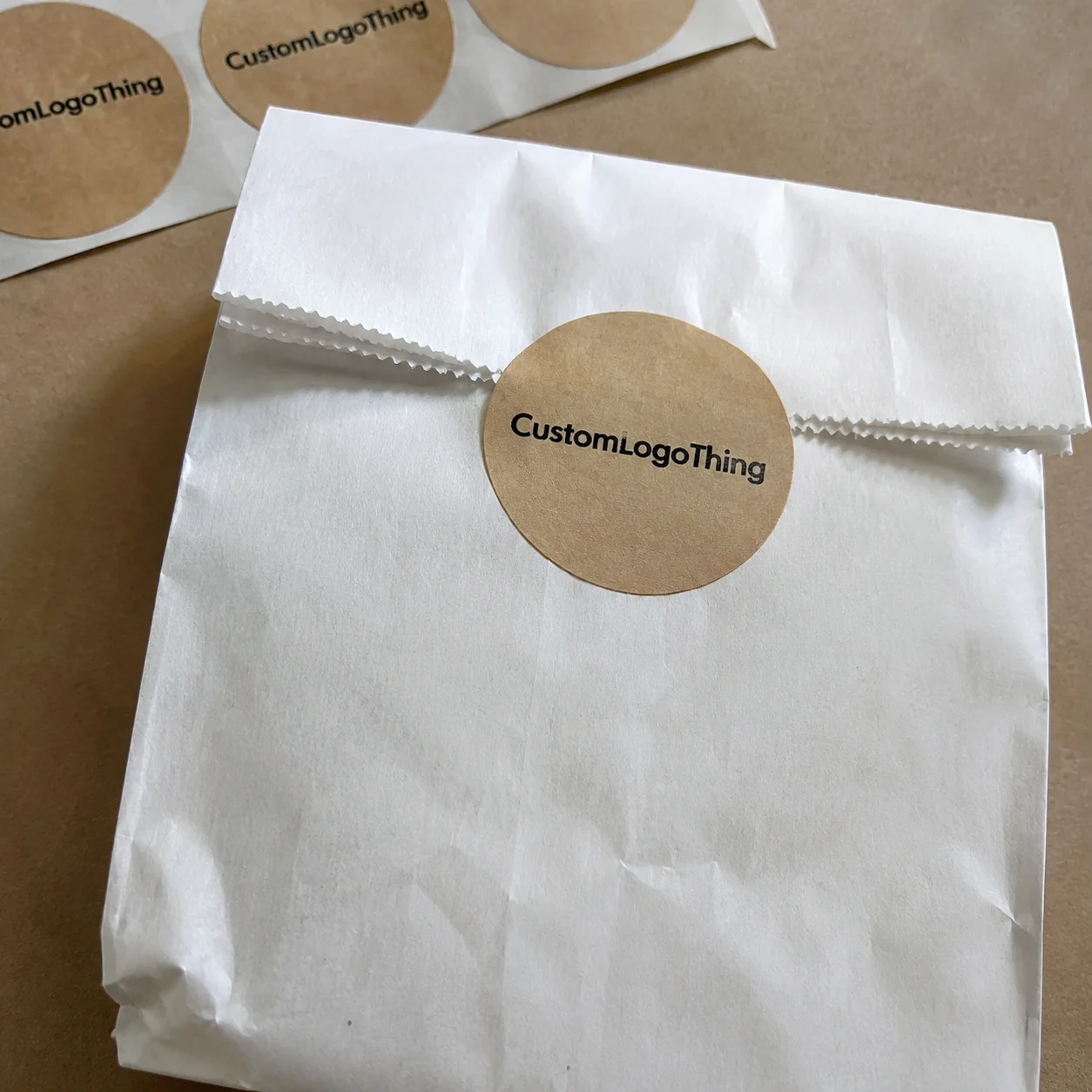
If you are searching where can i Print Custom Stickers, the useful answer is not just a list of printers. The right choice depends on the sticker’s surface, material, adhesive, finish, order quantity, and deadline. A laptop giveaway sticker, a jar label, a mailer seal, and a branded decal for a shipping box all need different specifications.
Custom stickers can support product packaging, package branding, promotional inserts, retail labeling, and fulfillment workflows. To get a clean result, treat the sticker like a packaging component rather than a simple upload-and-print item. The decisions that matter most are stock, adhesive, cut style, format, proofing, cost, and lead time.
What Custom Sticker Printing Really Means
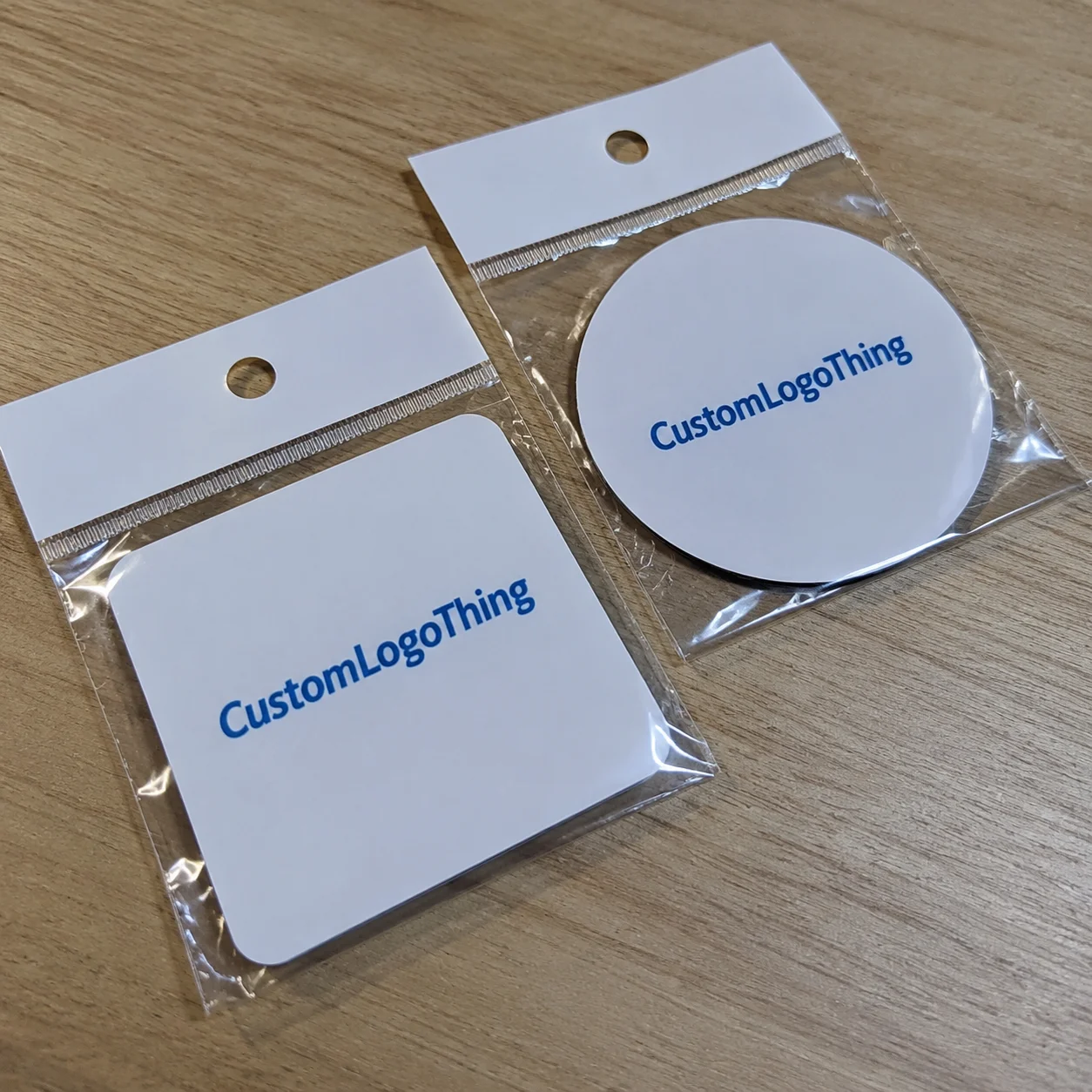
Custom sticker printing includes paper stickers, vinyl decals, roll labels, kiss-cut sheets, die-cut promotional stickers, clear labels, and laminated weatherproof stickers. These products may look similar online, but they perform differently once applied to packaging or handled by customers.
Paper sticker stock is usually the budget option for dry indoor use. It works for event handouts, planner stickers, packaging inserts, short-term promotions, and low-cost sealing labels. It is not ideal for refrigerated products, oily surfaces, bath and body packaging, outdoor exposure, or boxes that move through rough fulfillment. Paper can absorb moisture, scuff, wrinkle, or tear during removal.
Vinyl and BOPP cost more but offer better durability, flexibility, and moisture resistance. They are stronger choices for retail packaging, product labels, decals, and stickers that will be handled often. A protective laminate can add resistance to abrasion, fingerprints, splashes, and UV exposure.
Cut style affects both appearance and application. Die-cut stickers are cut through the sticker and backing so the finished piece follows the artwork shape. They work well for giveaways, merchandise, brand kits, and promotional inserts. Kiss-cut stickers are cut through the face stock and adhesive but not through the liner. The extra backing makes them easier to peel, especially for small shapes, detailed artwork, and sticker sheets.
Roll labels are better when stickers need to be applied repeatedly to jars, bottles, cartons, mailers, pouches, or boxes. They can be used by hand, with a tabletop dispenser, or with automated labeling equipment. Sheeted stickers are convenient for small runs and manual use, but rolls usually become cleaner and faster as volume increases.
Finish is not only a visual choice. Matte reduces glare and supports a softer packaging look. Gloss increases contrast and makes bold color feel sharper. Soft-touch laminate can create a premium feel but may show fingerprints. Clear stock can look excellent on glass or plastic, but white ink may be needed under light colors so the design does not disappear against the package.
Adhesive choice matters as much as the face stock. General-purpose adhesive suits many standard packaging jobs. Removable adhesive is useful for temporary promotions, repositionable labels, or short-term seals. High-tack adhesive may be needed for textured cartons, recycled paperboard, cold surfaces, or irregular substrates. Before choosing a printer, define what the sticker must survive: moisture, cold, shipping, abrasion, curved surfaces, or repeated handling.
How the Printing Process Works
Most sticker orders begin with artwork review. A printer checks finished size, bleed, safe area, cut line placement, resolution, color mode, and material compatibility. Clean files move quickly. Low-resolution logos, missing bleed, tiny type, unclear cut lines, or RGB colors that shift in CMYK can delay the job.
Print-ready files are usually supplied as vector PDF, AI, EPS, or high-resolution PDF. Raster artwork should be at least 300 dpi at final size. Logos, icons, and text should stay vector when possible because small stickers make rough edges and fuzzy type more obvious.
Short-run and medium-run sticker jobs commonly use digital printing. Digital printing is efficient for smaller quantities, fast turnaround, and designs that change often. It is a practical fit for seasonal packaging, product tests, limited campaigns, and early-stage brands.
Offset printing can make sense for larger repeat orders where setup costs are offset by volume and stricter color control is needed. It is less flexible because plates, setup time, and minimum quantities make frequent artwork changes less efficient. For many buyers, digital printing is the better starting point unless the order is large and stable.
After proof approval, production usually moves through printing, curing or drying, finishing, and packing. Finishing may include lamination, digital die cutting, kiss cutting, roll slitting, sheeting, or packing on cores. Each added step can affect cost and lead time.
Pressure-sensitive adhesives bond best when applied with firm pressure to a clean, dry surface. Many adhesives grab quickly but continue to strengthen over 24 to 72 hours. Cold, dusty, oily, or textured surfaces can reduce bond strength. If the sticker will be used on refrigerated goods, cosmetics, beverages, or food packaging, confirm that the printer understands the substrate and storage conditions.
Production tolerances should also be discussed. Small kiss-cut pieces, thin borders, and fine details may need artwork adjustments to reproduce cleanly. Bleed is often around 0.125 inch, though requirements vary by printer. Very small text may need to be enlarged for readability after printing, cutting, and handling.
If stickers are part of a broader packaging system, compare them with related formats such as Custom Labels & Tags and other Custom Packaging Products. Matching the sticker format to the carton, pouch, mailer, bottle, or tag helps avoid using one material for every job when different components need different performance.
Sticker Cost, Pricing, and Quote Factors
Sticker pricing is shaped by setup, material, quantity, size, finish, cut complexity, and turnaround. Larger quantities usually lower the unit cost because setup work is spread across more pieces. A small test run may have a higher cost per sticker, while a larger production run can be more efficient if the artwork is final.
Size is a major cost driver because larger stickers use more stock and print area. Shape also matters. Simple circles, squares, and rectangles are usually easier to produce than intricate contour cuts. Thin borders, delicate cutouts, and nested shapes can slow cutting and increase waste.
Material affects both price and performance. Paper is often the lowest-cost option for dry, short-term use. BOPP and vinyl cost more but offer better durability and moisture resistance. Clear stock, metallic effects, textured materials, and specialty finishes increase cost because they require different materials or additional production steps.
Laminate adds cost but can be worthwhile when the sticker must resist scuffing, moisture, fingerprints, or sunlight. For simple indoor promotional stickers, laminate may be unnecessary. For retail packaging, bottles, outdoor decals, or items handled frequently, it can prevent early wear.
Rush service can also raise pricing. A tight deadline may require priority scheduling, limited material choices, faster proofing, or expedited shipping. If timing is flexible, standard production is usually the better value.
When comparing quotes, ask what is included. Important quote details include proofing, setup charges, custom cut fees, minimum order quantities, shipping, multiple artwork versions, reorder pricing, and material substitutions. Two quotes can look similar until one excludes finishing or freight.
Use case is the simplest way to judge whether a price makes sense:
Low-cost promotional use: Paper or economy stock, simple shape, no laminate, moderate quantity, and standard turnaround.
Retail packaging use: Durable label stock, reliable adhesive, clean die cut, consistent color, and a finish that fits shelf presentation.
Durable or outdoor use: Vinyl or BOPP, protective laminate, weather-resistant adhesive, and edges designed to reduce peeling.
The cheapest quote is not always the lowest-risk quote. A sticker that fails on the package, curls at the edge, smears, or arrives too late can cost more than the savings.
Production Timeline, Turnaround, and Lead Time
Turnaround depends on order complexity and the printer’s queue. Simple digital sticker jobs can sometimes move within a few business days after proof approval. Orders with custom materials, multiple versions, color matching, special die cuts, lamination, or roll finishing usually need more time.
The timeline has four main stages: file review, proof approval, production, and shipping. Most delays happen before production starts. If artwork is not print-ready, the job pauses for revisions. If the proof is not approved quickly, the order waits in queue.
Buyers often assume the clock starts when the order is placed. In many cases, the real production clock starts after artwork is approved and payment is cleared. If stickers are needed for a launch, trade show, subscription box, retail delivery, or seasonal campaign, include buffer time for file fixes, proof review, production, and transit.
Application format can also affect the schedule after delivery. If stickers will be applied by hand to a few hundred units, sheets or individual die-cut pieces may be fine. If they will be applied to thousands of jars, cartons, or mailers, rolls can save labor and reduce handling problems. For automated equipment, roll direction, core size, gap, and unwind orientation may need to be specified before production.
Storage and shipping conditions matter. Stickers are usually packed flat, sheeted, or on cores to prevent curling and scuffing. Heat, humidity, cold warehouses, and long transit windows can affect some materials and adhesives. If the order will enter a refrigerated chain or sit in a hot warehouse, confirm that the material and packaging are suitable.
For recurring packaging, consider reorder timing. Keeping a small reserve can prevent last-minute rush fees and reduce the risk of inconsistent batches. This is especially useful when sticker color must match existing boxes, pouches, or labels.
How to Choose the Right Printing Option
The best printing option starts with the surface. Smooth glass, coated paperboard, matte cartons, recycled kraft, flexible pouches, plastic bottles, and powder-coated tins all interact with adhesive differently. A sticker that works on glass may fail on a textured box.
Start by defining the job. Is the sticker for branding, product information, sealing, shipping, promotion, or compliance? Does it need to be removable? Will it face moisture, cold, sunlight, friction, or curved surfaces? How will it be applied, and how many units are needed?
Use this quick specification guide:
Choose paper for dry, short-term, cost-sensitive indoor use.
Choose vinyl or BOPP for moisture resistance, handling durability, or longer shelf life.
Choose gloss when bold color and shine support the design.
Choose matte when readability, reduced glare, or a softer brand look matters.
Choose clear stock when the package surface is part of the design and the file is prepared for white ink where needed.
Choose rolls for repeated application, higher volume, or labeling equipment.
Choose sheets for small jobs, mixed designs, simple storage, or manual use.
Readability should guide product packaging decisions. If the sticker carries ingredients, warnings, SKU details, barcodes, batch codes, or instructions, clear type and contrast matter more than decorative effects. For promotional seals or mailer branding, visual impact may matter more than dense information.
For brands building a complete packaging system, review stickers alongside labels, inserts, cartons, mailers, and tags. Consistent materials, finishes, and colors help packaging look intentional across every touchpoint.
Common Mistakes Buyers Make Before Ordering
A common mistake is choosing by appearance alone. A design may look strong on screen but fail if the material is wrong. Gloss can create glare over small text. Clear stickers can disappear on certain backgrounds. Paper can wrinkle on humid or refrigerated packaging.
Another issue is ignoring the application surface. General-purpose adhesive may not grip textured kraft, recycled paperboard, powder-coated metal, cold bottles, or flexible pouches. If the surface is rough, damp, curved, or low-energy plastic, ask about adhesive options before ordering.
File setup causes many avoidable problems. Thin fonts, low-resolution images, missing bleed, cut lines too close to artwork, and very small type can all reduce quality. On small stickers, slight misalignment is easier to see. Simplifying the layout often produces a better finished piece.
Ordering too late is also risky. Proofing, revisions, production, packing, and shipping all take time. A missed approval or small artwork correction can push delivery past an event or launch date.
Quantity mistakes can affect both cost and flexibility. Very small runs are useful for testing but expensive per piece. Very large runs lower unit cost but may lock the buyer into outdated artwork, ingredients, branding, or compliance details. For new products, a moderate test quantity is often safer.
Finally, buyers sometimes forget inspection and storage. When the order arrives, check count, color, cut accuracy, finish, adhesive performance, and damage before using the full batch. Store stickers in a cool, dry place away from direct sunlight, heavy pressure, and extreme temperatures.
Best Next Steps Before You Place an Order
Before choosing a printer, write a short specification. Include size, quantity, surface, material preference, finish, cut style, application method, deadline, and whether the sticker is for branding, product information, sealing, shipping, or promotion. This helps printers quote accurately and recommend the right construction.
If possible, request samples or review material descriptions before committing. Similar-sounding stocks can feel, peel, and perform differently. For packaging work, a physical sample is often more useful than a screen mockup.
Always review a proof before full production. Check color, spelling, barcode readability, cut line position, bleed, safe area, and small text. For clear stock, confirm how white ink will be used. For roll labels, confirm roll direction and core size if application equipment is involved.
If the design will be reordered, ask about consistency. Reorder records, material names, color targets, and previous specs help the next batch match the first. This is important for retail packaging and subscription packaging where visible variation looks unprofessional.
If your packaging plan includes more than stickers, coordinate them with related items such as Custom Labels & Tags and the wider set of Custom Packaging Products. Reviewing components together makes it easier to align materials, finishes, colors, and lead times.
The practical answer is to Print Custom Stickers with a supplier that understands the material, cut, adhesive, packaging surface, and production schedule. A clear specification will usually get you a better result than choosing only by the lowest listed price.
FAQ
Where can i print custom stickers for product packaging?
Use a printer that offers packaging-ready materials, adhesive options, proofing, and the cut style you need. For jars, cartons, pouches, bottles, or mailers, confirm the surface, quantity, finish, and application method before ordering.
What is the best material for custom stickers?
There is no single best material. Paper is suitable for dry, short-term indoor use. Vinyl or BOPP is usually better for moisture resistance, durability, and packaging that will be handled often.
Are roll labels better than sheeted stickers?
Rolls are usually better for repeated application, higher volume, and labeling equipment. Sheets are often easier for small jobs, hand application, mixed designs, or simple storage.
How much do custom stickers usually cost?
Cost depends on size, quantity, material, finish, cut complexity, proofing, and turnaround. Larger orders often reduce unit cost, while specialty materials, laminates, and rush service increase pricing.
How far in advance should I order?
Order early enough to allow for artwork review, proofing, revisions, production, and shipping. Standard jobs may need several business days after proof approval, while complex orders need more time.
Can custom stickers work on refrigerated packaging?
Yes, if the stock and adhesive are chosen for cold conditions. Confirm the package surface, temperature range, moisture exposure, and application environment before production.
Do I need a laminate?
Not always. Laminate is useful for stickers exposed to moisture, abrasion, fingerprints, outdoor use, or frequent handling. For simple indoor promotional stickers, it may not be necessary.