Where to Make Custom Stickers: What Actually Matters
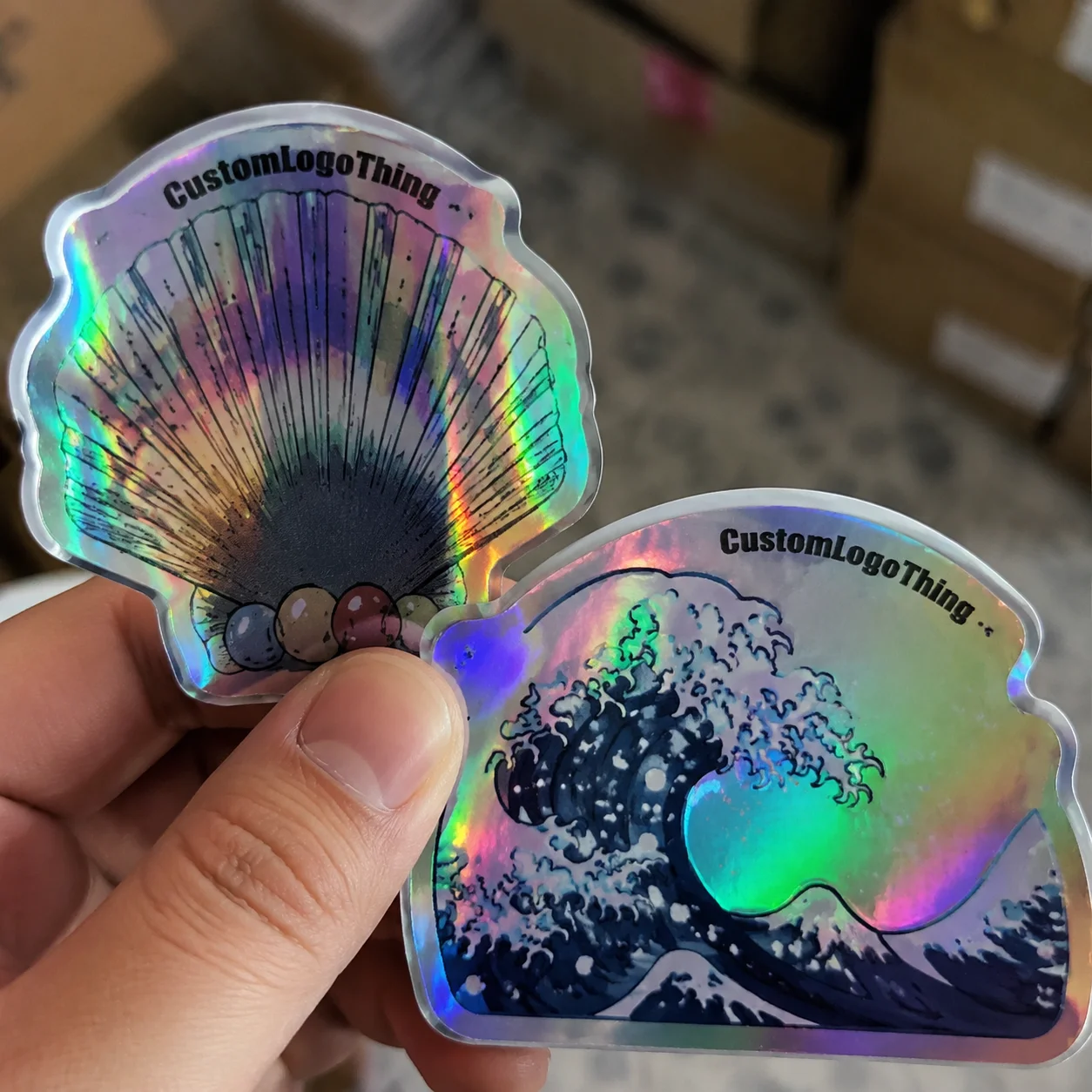
If you are deciding where to Make Custom Stickers, start with performance, not the lowest quote. A cheap sticker can work for a short promotion, but if the adhesive lifts, edges curl, or the finish scuffs during handling, the savings disappear quickly.
The first question is application. A giveaway sticker for an event does not need the same build as a sticker used on a bottle, pouch, carton, or shipping mailer. Once the use case is clear, supplier choice gets easier: online printers for standard runs, local shops for very small quantities or hands-on proof review, and packaging suppliers when the sticker needs to coordinate with broader packaging design, Custom Packaging Products, or a repeatable product packaging system.
The main buying factors are material, finish, MOQ, proofing, turnaround, and reorder consistency. Those details decide whether the sticker performs on coated cartons, textured paper, chilled containers, or shrink-wrapped kits. Many ordering mistakes happen when a design looks good on screen but has not been matched to the actual surface or environment.
A good sticker supplier should be able to explain why one stock works for a dry box and another is better for moisture, abrasion, or refrigeration.
If you are also sourcing Custom Labels & Tags, compare the specs together so the package feels consistent instead of pieced together from unrelated materials.
The practical answer is simple: choose the source that fits the material, workflow, and reorder pattern of the job, not just the shortest price sheet.
How the Sticker Production Process Works
Most sticker orders follow the same sequence: artwork upload, proof review, print, cut, finish, pack, and ship. The steps look simple, but each one affects the finished result.
Digital printing is the most common choice for short and medium runs because setup costs stay manageable and artwork changes are easier to handle. Two cut styles appear often. Die-cut stickers are trimmed to the exact outline of the design. Kiss-cut stickers are cut through the face stock but left on the backing, which usually makes peeling easier for hand application, retail kits, and warehouse use.
Material matters as much as print method. Paper stickers work for dry indoor use, basic promotions, and some box seals. BOPP is a common film for retail packaging and product labels because it handles moisture and repeated handling better than paper. Vinyl is usually chosen for tougher conditions where flexibility and weather resistance matter. Lamination adds protection against scuffing and helps preserve color.
For food, beverage, cosmetics, and shipping use, buyers often ask for waterproof or weather-resistant builds. That may require a synthetic face stock, an adhesive matched to the surface, and sometimes laminate. Not every order needs all three. One common way to overspend is buying outdoor-grade durability for a sticker that will only sit on a dry carton.
Proofing deserves careful review. A useful proof should show size, cut line, finish, and any important color notes. If your brand depends on a specific red, orange, or deep navy, ask for a Pantone reference or comparison against a printed swatch. Digital output can be strong, but color still shifts depending on substrate and finish.
For packaging performance references, organizations such as ISTA and ASTM are helpful. Stickers are not usually tested as full shipping systems, but the same principle applies: the piece has to perform in real handling, not just look good in a mockup.
This stage tells you a lot about where to buy. A capable supplier will talk clearly about face stock, liner, adhesive, cut accuracy, and file setup instead of relying on vague claims about quality.
Cost, Pricing, and Minimum Order Quantity
Sticker pricing usually comes down to size, quantity, shape complexity, material, finish, and whether you need a specialty adhesive or waterproof construction. Without those details, quote comparisons are weak because two suppliers may be pricing different products under similar wording.
As a rough reference, a simple 2-inch round paper sticker in a 5,000-piece run may land around $0.03-$0.08 per unit. A synthetic, laminated, custom-shaped version can move into the $0.12-$0.30 per unit range depending on ink coverage and finishing. Small runs almost always cost more per piece because setup is spread across fewer units.
Higher volume usually lowers unit cost, but bigger is not always better. If you only need a few months of stock, overordering can tie up cash and leave you with unusable inventory if your package branding or product details change.
MOQ varies by supplier type. Some online printers accept 25 or 50 sheets for a test run. Others require 250, 500, or more pieces. Packaging suppliers often become more efficient at higher volumes because they can align the sticker with other printed items such as custom printed boxes, inserts, or labels.
| Sticker Option | Typical MOQ | Best For | Typical Unit Range |
|---|---|---|---|
| Paper, basic cut | 25-100 pieces | Dry indoor use, giveaways, test orders | $0.03-$0.08 |
| BOPP, custom shape | 100-500 pieces | Retail packaging, general product labels | $0.08-$0.18 |
| Vinyl, laminated | 250-1,000 pieces | Moisture, abrasion, handling, shipping | $0.12-$0.30 |
Always compare quotes on the same basis. Ask whether pricing includes proofing, cut style, finishing, and freight. Two quotes can look similar until shipping, setup, or adhesive upgrades are added. If one supplier says “waterproof” and another says “synthetic,” ask for the actual build because those terms are not identical.
The useful comparison is total value: how the sticker performs, how many pieces you truly need, and how easy reorders will be.
Process, Turnaround, and Lead Time
Turnaround starts after proof approval, not when you request a quote. If artwork is still changing, size is not final, or finish is undecided, production has not really started.
A typical order may take 1-2 business days for file review, 1-2 days for proofing, several more days for printing and finishing, and then packing and transit. Depending on quantity and construction, a standard order often takes 7-15 business days after approval. Rush jobs can move faster, but only when artwork is truly print-ready.
Most delays come from file problems rather than press time. Missing bleed, tiny text, wrong cut paths, and low-resolution artwork can all slow a job down. A reliable supplier will flag those issues before production because fixing a file is much cheaper than reprinting a bad run.
For launches, seasonal promotions, and coordinated packaging rollouts, build in extra time. If stickers are part of labeling, kitting, or fulfillment, they need to arrive before pack-out begins. That matters even more for retail packaging, subscription boxes, and multi-part brand kits where one missing component can delay the entire job.
Reorders are easier when the first job is documented well. Save the approved size, material, finish, quantity, and proof file together. If the SKU repeats regularly, ordering before stock gets too low is usually safer than waiting until the last carton is nearly empty.
If sustainability matters, check material claims carefully. The FSC standard is more relevant to paper-based components than to most synthetic films, but it can still matter if the sticker is part of a broader packaging spec.
For many buyers, the best source is the one with slightly higher unit pricing but better proofing discipline, clearer lead times, and fewer surprises on repeat orders.
How to Compare Suppliers Before You Order
Compare suppliers first on proof quality, communication, and material guidance. Fast replies help, but clear answers about adhesive, finish, and file setup tell you much more about how the order will actually go.
Ask for sample sheets when available. Physical samples show thickness, liner feel, peel behavior, edge quality, and whether the finish is matte or gloss. For packaging use, that hands-on review often prevents mismatches later, especially when the sticker needs to work with the rest of the packaging design.
Match the sticker type to the job:
- Indoor labels for dry cartons, inserts, and promotional use
- Product packaging stickers for jars, bottles, pouches, and folding cartons
- Shipping labels for handling and transit
- Retail decals for shelf visibility and point-of-sale use
- Giveaway stickers for events, mailers, and branded kits
Check whether the supplier supports custom shapes, white ink, laminate, and weather resistance if your application needs them. A clean die line and accurate cut registration can be the difference between a polished result and a sticker that peels awkwardly or shows too much border.
It also helps to see how a supplier handles technical questions. If they can explain the difference between paper and BOPP, or why a thicker liner may help with hand application, that is a good sign. If every answer falls back on generic quality claims, keep looking.
Common Mistakes Buyers Make When Ordering
The first mistake is buying on price alone. Cheap stickers can be fine for casual giveaways, but for packaging they often fail in predictable ways: weak adhesive, poor die-cut accuracy, scuffed ink, or curling edges.
The second mistake is sending artwork that is not ready for print. Without bleed, borders can shift and look uneven. Low resolution makes small text fuzzy. Fine details may disappear once the sticker is cut to final size. For text-heavy designs, strong contrast and at least 300 dpi at actual size usually produce better results.
The third mistake is choosing the wrong material for the environment. Paper may work on a dry folding carton, but it is usually a poor choice for condensation, refrigeration, or long shipping routes. BOPP or vinyl with the right adhesive tends to perform better there. At the same time, not every project needs the toughest stock available.
The fourth mistake is ignoring how the sticker will be packed and applied. If a team is hand-applying hundreds of pieces a day, sheet format may be easier than rolls. If the sticker is part of a kitting process, liner size, sheet count, and peel direction matter because they affect speed and accuracy.
A sticker is part of the packaging system, not just a graphic. If it does not fit the workflow, it becomes a bottleneck.
A final mistake appears during supplier selection: forgetting to ask how reorders are managed. If a supplier cannot store specs, match prior proofs, or explain color consistency between batches, a low first-order price can turn into repeated problems.
Expert Tips for Better Results and Reorders
Use one master spec sheet. Keep the approved size, material, finish, adhesive, and cut style in a single document so every reorder starts from the same baseline.
Save a printed sample or proof sheet. A physical reference makes future conversations about color, gloss, and laminate much easier. If a supplier changes substrate or finish, you will spot it faster.
Design with production in mind. Small type, hairline rules, and low-contrast copy tend to disappear at sticker size. Strong shapes, clear hierarchy, and enough negative space usually print more cleanly, whether the sticker supports branded packaging or works as a promotional item.
For reorders, build in a buffer. If monthly usage is 1,000 pieces, do not wait until the last 100 are gone to place the next order. A small inventory cushion helps protect you from transit delays, artwork revisions, or sudden demand changes.
If the sticker is meant to coordinate with cartons, wraps, or seals, align those specs early. Matching stock tone, gloss level, and print feel can make the full package look more intentional and professional.
Best Next Steps Before You Place an Order
Before requesting quotes, lock in the basics: use case, size, quantity, finish, and whether the sticker needs waterproofing or a special adhesive. That makes comparisons easier and cuts down on back-and-forth.
Prepare print-ready artwork if possible. If not, ask what file types the supplier prefers, how bleed should be set up, and whether fonts should be outlined. Approving a clean proof is always easier than fixing rushed artwork after production has been queued.
If the sticker will face shipping, repeated handling, or retail display, request a sample, proof, or small test run. That is especially useful for first orders or for pieces that need to coordinate with Custom Packaging Products. A small test usually costs far less than correcting a bad large run.
Then ask about timeline, approval steps, and reorder handling. A reliable supplier should be able to explain proof timing, normal lead time after approval, and whether prior specs stay on file. The right source is the one that fits your material needs, budget, and workflow without creating avoidable production problems.
Where to Make Custom Stickers: FAQs
Where to make custom stickers if I need a small first order?
Choose a supplier with low minimums and digital print capability. Online printers and some local shops are usually the easiest places to start for a short run, especially if you want proofing before moving to a larger quantity.
Where to make custom stickers for packaging that needs to last?
Look for a supplier that offers durable materials such as BOPP or vinyl, plus an adhesive suited to the surface. If the sticker will face moisture, abrasion, refrigeration, or shipping stress, ask about laminate and real-use performance instead of relying on broad claims.
How long does it usually take to make custom stickers?
Most orders take about 7-15 business days after proof approval, depending on volume, finishing, and shipping. File issues are one of the most common causes of delay, so clean artwork often matters more than press speed.
What affects custom sticker pricing the most?
Quantity, size, shape, material, finish, and special features such as waterproof construction or custom adhesive drive most pricing differences. The clearest comparisons happen when every supplier is quoting the same specification.
What should I check before ordering custom stickers online?
Review file requirements, sample options, turnaround, MOQ, and material choices. Make sure the supplier can explain how the sticker will perform in your actual use case, whether that means packaging, labeling, promotions, or shipping.

