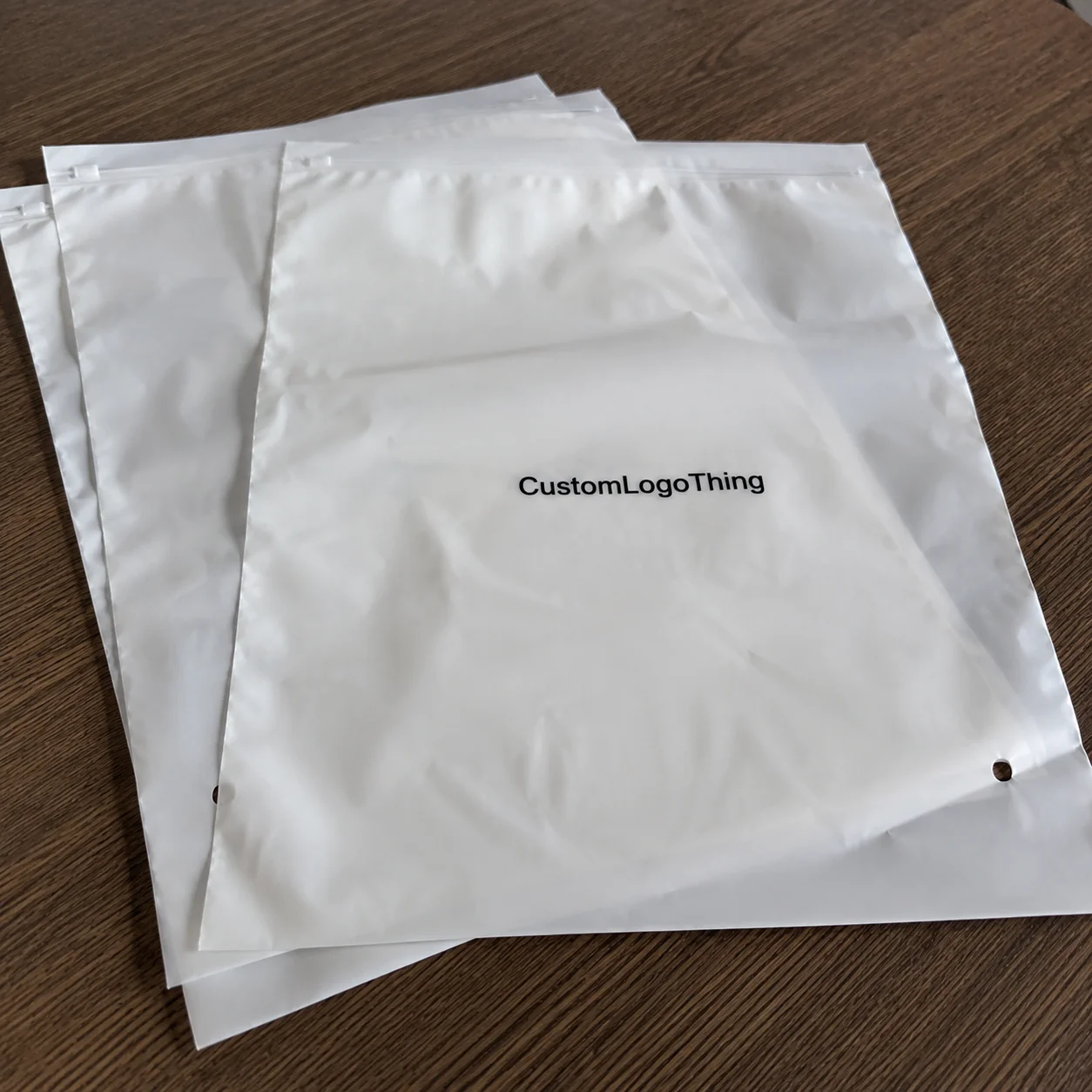
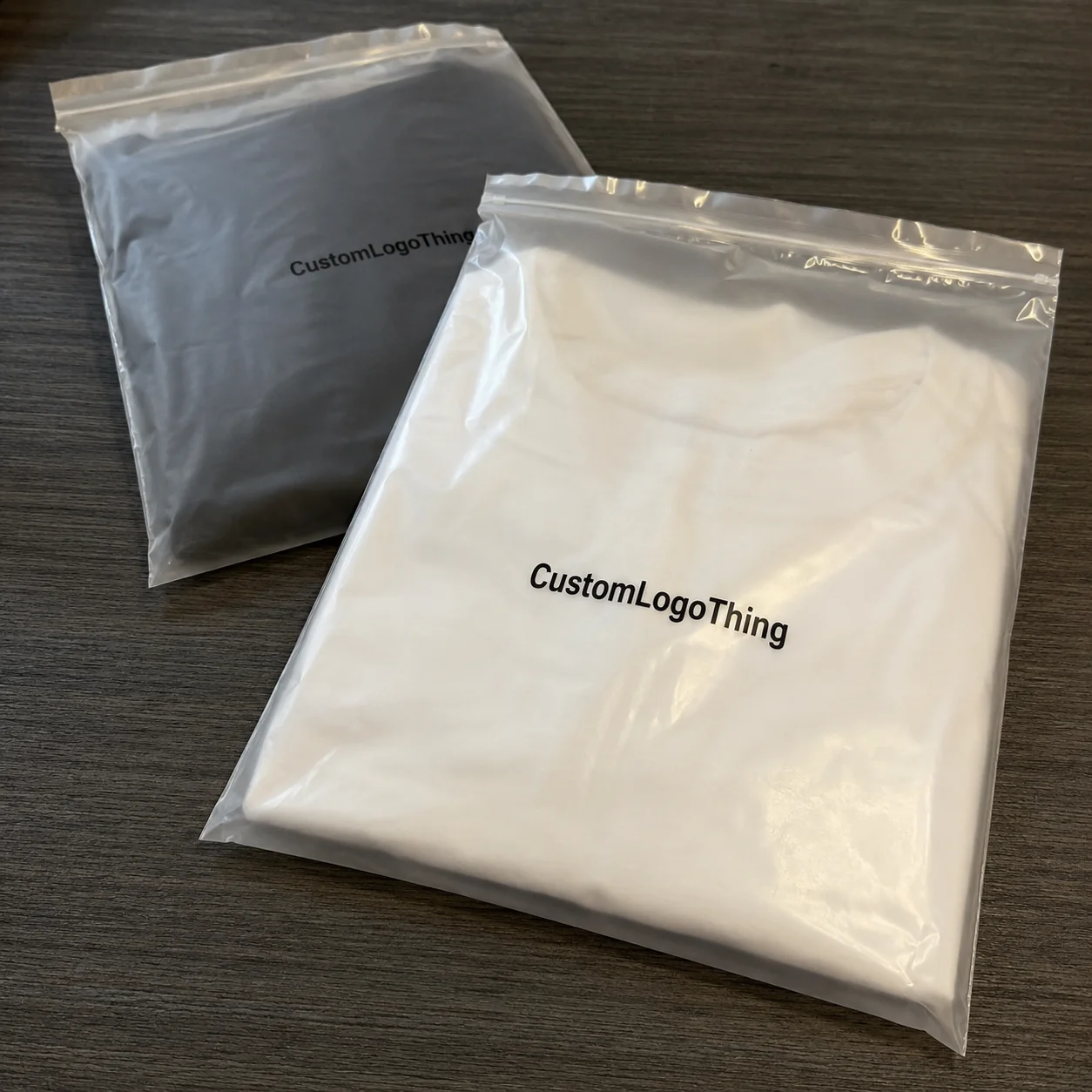
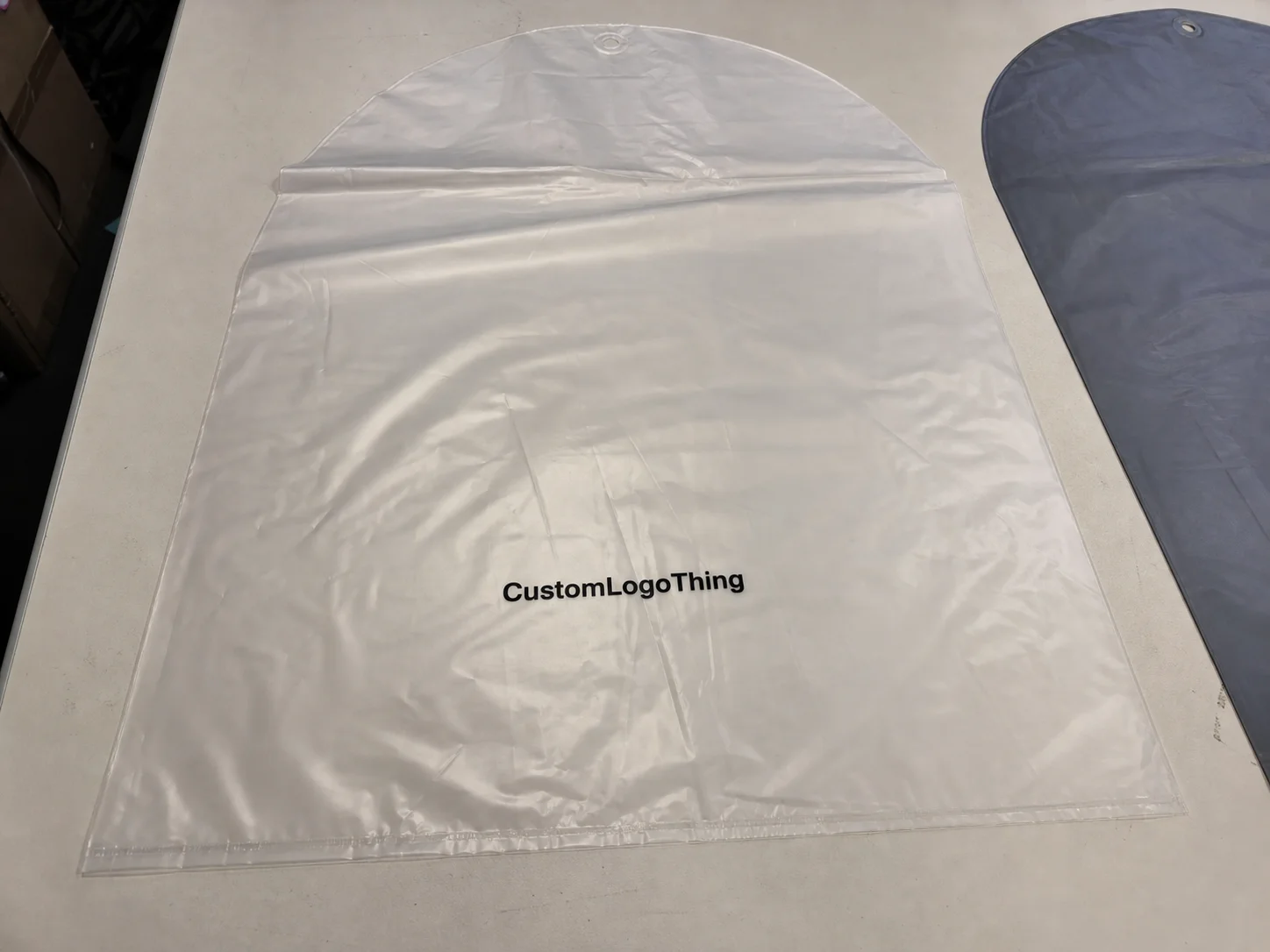
Buyer Fit Snapshot
| Best fit | wholesale packaging practices for for packaging buyers comparing material specs, print proof, MOQ, unit cost, freight, and repeat-order risk where brand print, material, artwork control, and repeat-order consistency matter. |
|---|---|
| Quote inputs | Share finished size, material target, print colors, finish, packing count, annual reorder estimate, and delivery region. |
| Proofing check | Approve dieline scale, logo placement, barcode or warning zones, color tolerance, and any recyclable or compostable wording before bulk production. |
| Main risk | Vague material claims, crowded artwork, or missing packing details can create delays even when the unit price looks attractive. |
Fast answer: Wholesale Packaging Practices for: MOQ, Samples, Lead Time, and Quote Checks should be specified like a repeatable production item. The safest quote includes material, print method, finish, artwork proof, carton packing, and reorder notes in one written spec.
What to confirm before approving the packaging proof
Check the product dimensions against the actual filled item, not only the sales mockup. Ask for tolerance on folds, seals, hang holes, label areas, and retail display edges. If the package carries a logo, QR code, warning copy, or legal claim, reserve that space before decorative graphics fill the panel.
How to compare quotes without losing quality
Compare board or film grade, print process, finish, sampling route, tooling charges, carton quantity, and freight assumptions side by side. A lower quote is only useful if the supplier can repeat the same color, closure quality, and packing count on the next order.
Most packaging overruns do not come from material price swings. They come from specification mistakes, and that is why wholesale Packaging Best Practices start long before a quote lands in your inbox. I’ve watched buyers save 12% on board cost only to lose 18% on reprints because the box was 4 mm too tight, the insert was keyed to the wrong product weight, or the shipper failed a drop test after the first pallet hit the floor. Brutal. Also completely avoidable, which is the annoying part.
In my experience, the smartest buyers treat wholesale packaging best practices as a process, not a product category. They define the product’s journey first: where it ships, how much it weighs, whether it sits on a shelf, how often it gets opened, and whether the packaging has to protect something fragile or simply present a premium image. That order matters. Get it wrong, and dimensional shipping charges creep up, storage gets messier, and your unit economics quietly erode across every order.
Honestly, too many teams obsess over the cheapest quote. Then they act surprised when labor, waste, and rework chew through the savings. The better mindset is plain: match the structure, substrate, and finish to the actual use case. That is the core of wholesale packaging best practices, and it is also how experienced buyers protect margin while keeping brand presentation sharp.
Here’s the buying reality I see most often. A startup wants custom printed boxes for ecommerce, a retailer wants shelf-ready packaging with consistent brand color, and a distributor wants cartons that survive stacking in a 53-foot trailer. All three can buy “packaging,” but they do not need the same solution. If you only compare headline pricing, you miss the structural differences that determine whether the order performs or fails.
“The least expensive box on paper can become the most expensive box in the warehouse.” I heard that from a plant manager in Shenzhen after a customer insisted on saving $0.03 per unit and then paid for two extra weeks of labor to manually rework the inserts. I still remember the look on his face. Equal parts tired and vindicated.
Wholesale Packaging Best Practices: What Smart Buyers Do First
The first rule of wholesale packaging best practices is not about print files, finishes, or negotiating unit price. It is about defining the use case with enough precision that suppliers can quote the same thing. I ask buyers to write down three numbers before they request pricing: product weight, packed dimensions, and shipping method. Those three inputs will eliminate a surprising amount of confusion, especially when the packaging has to travel through multiple channels.
I saw this firsthand during a client meeting with a beverage brand that wanted folding cartons for a gift set. The buyer sent only the bottle dimensions, not the filled carton dimensions, not the tray insert specs, and not the freight environment. One supplier quoted a lightweight carton that looked great on screen but collapsed during pallet compression testing. Another overbuilt the structure and pushed unit cost up by 27%. Both quotes were technically “correct.” Neither was useful. That is why wholesale packaging best practices begin with a clear brief.
Alignment matters before you place a large order. If the box dimensions are even slightly off, you can end up paying more in dimensional weight than in the packaging itself. A carton that is 10 mm too wide may not sound catastrophic, but multiplied across 8,000 shipments, it can alter freight class, pallet counts, and warehouse space. Overbuilt packaging causes a different problem. It protects well, but it inflates material use and assembly time, which quietly raises the total unit cost on every shipment.
The buyer mindset I prefer is disciplined and practical. Wholesale packaging best practices are less about buying the cheapest carton and more about choosing a structure that fits product fragility, branding goals, and the route to market. A retail display box for cosmetics does not need the same crush resistance as a corrugated shipper for glass jars. A premium rigid box with soft-touch lamination may be perfect for a launch kit, but it makes less sense for a low-margin refill item. Context decides value.
Before you request quotes, think through these five decision areas:
- Product type: rigid, fragile, liquid, powder, apparel, electronics, or food-contact.
- Distribution channel: ecommerce fulfillment, retail shelves, subscription kits, or wholesale pallets.
- Brand presentation: basic protection, mid-tier branding, or premium unboxing.
- Handling environment: manual packing, automated packing, humid storage, or long-haul freight.
- Order economics: MOQ tolerance, cash flow, storage space, and forecast stability.
When those inputs are clear, quotes become comparable. That is a core principle of wholesale packaging best practices. I’ve seen buyers save entire weeks simply by sending a proper spec summary instead of a one-line inquiry. Suppliers respond faster, revisions drop, and the chance of a costly misunderstanding falls dramatically.
Wholesale Packaging Best Practices for Product Selection
The right packaging format depends on what the product needs to do, not just what it needs to look like. That is a big distinction, and it is where wholesale packaging best practices start becoming operational. The main formats buyers compare most often are mailer boxes, folding cartons, rigid boxes, corrugated shippers, labels, inserts, and retail-ready printed packaging.
Mailer boxes work well for ecommerce because they balance printability and structure. Folding cartons are efficient for shelf presentation, beauty products, supplements, and smaller consumer goods. Rigid boxes signal premium value and hold their shape, which is useful for gift sets and high-touch branded packaging. Corrugated shippers remain the workhorse for protection, especially when the journey includes multiple handoffs, stacking, or rough freight conditions. Inserts and labels may seem minor, but they often decide whether the customer experience feels polished or improvised.
Material tradeoffs matter more than many buyers realize. Cardboard offers strong print quality and sharp graphics, which supports brand packaging and retail packaging needs. Corrugated board provides better impact resistance and is the safer choice when product protection outranks shelf appeal. Rigid board costs more, yet it sends a clear signal of quality and holds up well for premium package branding. Specialty finishes such as foil, embossing, spot UV, and soft-touch lamination can elevate a box, but each finish adds cost, lead time, and occasionally risk if the artwork is not set up cleanly.
I remember a negotiation with a skincare client that wanted metallic foil across the full lid of a rigid box. The factory warned that the cover stock was too porous for perfect registration on the first run. The buyer pushed back, then approved a sample after seeing how tiny print drift would show on a pale background. That conversation saved them from 20,000 boxes of expensive disappointment. The lesson was simple: wholesale packaging best practices mean choosing finishes that are beautiful and manufacturable.
Channel fit matters just as much. Ecommerce fulfillment usually needs easy assembly, predictable dimensions, and durability for parcel networks. Retail shelves care about visual impact, shelf edge readability, and barcode placement. Subscription boxes need an unboxing sequence that feels intentional, often with inserts that hold product in place. Promotional kits often need a mix of all three: presentation, protection, and fast packing. If you choose packaging without thinking through the channel, you end up paying for features that do not improve performance.
The best buying decisions are often made one step ahead. Ask yourself how the packaging will be stored, how fast it must be packed, whether returns need to be re-used, and whether the retailer expects case packs on pallets. That kind of forward thinking is central to wholesale packaging best practices, because the packaging must survive the warehouse as much as the customer journey.
| Packaging Format | Typical Use | Relative Unit Cost | Best Strength | Watch-Out |
|---|---|---|---|---|
| Folding carton | Cosmetics, supplements, small consumer goods | $0.12–$0.38 | Print quality and shelf appeal | Not ideal for heavy or fragile products without inserts |
| Mailer box | Ecommerce and subscription shipping | $0.28–$0.85 | Balanced protection and branding | Oversizing increases freight and void fill |
| Rigid box | Premium kits and gifting | $1.20–$4.50 | Premium feel and structure retention | Higher labor and storage cost |
| Corrugated shipper | Bulk freight and fragile goods | $0.35–$1.10 | Compression and impact resistance | Print options are more limited than carton board |
For buyers comparing Custom Packaging Products, the real question is not “Which box is best?” It is “Which box is best for this product, this channel, and this margin target?” That is the kind of question that reflects strong wholesale packaging best practices.
Wholesale Packaging Best Practices for Specifications and Quality Control
If product selection is the first filter, specifications are the gatekeeper. The most common failure I see in wholesale packaging best practices is vague spec documentation. Buyers may include artwork files and a target size, but omit thickness, tolerance, coating, print method, or assembly instructions. That leaves too much room for interpretation, and interpretation is where expensive mistakes live.
Lock these details before you approve production: exact dimensions, material thickness, coating type, print method, color standards, and finishing details. A box described as “6 x 4 x 2” is not enough if your product plus insert measures 5.9 x 3.9 x 1.95. Add tolerance ranges. Add whether those dimensions are internal or external. Add the paperboard grade, such as 350gsm C1S artboard, E-flute corrugated, or 1200gsm rigid board wrapped in printed paper.
Sample approval matters more than digital proofs alone. A PDF can show color values, but it cannot show texture, rigidity, scoring behavior, adhesive performance, or the way a matte finish handles fingerprints under warehouse lighting. I once reviewed a line of printed cartons for a beverage accessory brand where the digital proof looked exact, but the real sample showed a darkened crease line that cut across the logo. The buyer caught it on the sample table, not after the full run. That one sample protected a six-figure launch budget. I still think about that one whenever someone says, “Can’t we just trust the file?” No. No, we cannot.
Quality control should be specific enough to survive a supplier change. A good checklist includes carton compression, drop resistance, print registration, adhesive performance, and consistency across production runs. If the packaging will ship internationally, ask about humidity resistance and pallet stacking behavior. If it will sit on a retail shelf, ask about scuff resistance and color consistency under different lighting conditions. If it touches food, confirm the compliance requirements and request the relevant documentation.
One useful habit is writing a supplier-ready spec sheet. Keep it blunt. Include the dieline version number, acceptable tolerance range, artwork placement rules, Pantone or CMYK targets, coating details, insert requirements, packing method, case pack count, and pallet configuration. Remove vague language like “premium feel” or “high quality” unless you translate it into something measurable. That discipline is a hallmark of wholesale packaging best practices.
Here is the practical part many buyers skip: document acceptable variance ranges in advance. A print shift of 1 mm may be acceptable on a box lid, while a die-cut shift of 1 mm on an insert may cause fit failure. If you do not define the threshold, every minor deviation becomes a dispute. If you do define it, both sides know the line. That reduces friction and helps everyone move faster.
I also tell clients to treat the supplier relationship as a technical partnership. Ask for photos from production, not just the final shipment. Ask for in-line checks at 20%, 50%, and 80% of the run if the order is large enough. If the supplier is local, a plant visit can expose issues that email never will. I’ve stood in factories where the artwork file was correct, but the manual folding station was set for a different board thickness and every 30th box had a weak crease. You do not catch that problem with a spreadsheet. You catch it by showing up, looking annoyed, and asking the operator to fold one by hand.
For buyers who want extra support with package branding and structure checks, it helps to work with a supplier that can review both the creative brief and the manufacturing constraints. That is one reason many teams keep returning to Wholesale Programs after the first order. Predictability is valuable, and wholesale packaging best practices are built on predictability.
For formal standards and testing references, I encourage buyers to review industry bodies such as the ISTA and the Packaging School / PMMI packaging resources. If sustainability is part of the brief, the FSC is useful for sourcing claims and chain-of-custody questions.
Wholesale Packaging Best Practices for Pricing and MOQ
Pricing is where emotion often creeps in, and I understand why. Buyers see one quote at $0.24 per unit and another at $0.31, then assume the lower number is the better deal. But wholesale packaging best practices require a wider view. Price changes with volume, material selection, print complexity, and finishing steps. A two-color carton with a simple varnish will not cost the same as a four-color box with foil, embossing, and a custom insert.
MOQ, or minimum order quantity, matters just as much as unit price. A lower MOQ reduces inventory risk and helps buyers test a new product without tying up too much cash. A larger run often lowers the per-unit cost, but only if the inventory can be stored, sold, and shipped before design changes make the run obsolete. I’ve seen brands overcommit to 50,000 units because the unit price looked attractive. Six months later, they had new artwork, a new barcode format, and 11 pallets of outdated packaging. That is the kind of savings that makes everyone weirdly quiet in a conference room.
To compare quotes fairly, check whether tooling, plates, shipping, samples, and setup fees are included. Two quotes can look nearly identical until one reveals a $280 plate charge, a $140 sample fee, and a freight line item that was not part of the initial number. That is not a small detail. It changes the economics completely. Strong wholesale packaging best practices mean reading quotes like a buyer, not like a shopper.
Total landed cost is the figure that really matters. That includes unit cost, freight, warehousing, spoilage, inspection time, and any labor required to assemble the packaging. A slightly more expensive carton can still be the better buy if it reduces packing time by 8 seconds per unit. Over 25,000 units, 8 seconds is real labor. It has a payroll impact. It also affects throughput, which is often more valuable than a few cents saved on board.
Here is a practical way to compare options side by side:
| Quote Element | Supplier A | Supplier B | Why It Matters |
|---|---|---|---|
| Unit price | $0.29 | $0.24 | Headline number is only one part of the total |
| Tooling / plate fees | Included | $180 extra | Can erase the apparent savings on smaller runs |
| Sample cost | $45 | Free | Useful, but sample quality still has to be verified |
| Freight | $620 | $940 | Often overlooked, especially on bulky packaging |
| Lead time | 14 business days | 20 business days | Can determine whether the order supports a launch date |
When buyers ask for tiered pricing, they gain room to negotiate without guessing. For example, 5,000 units at $0.32, 10,000 units at $0.27, and 20,000 units at $0.23 gives everyone a clear framework. If the design permits, ask about alternate material options too. Dropping from a coated premium board to a well-chosen standard board can save meaningful money without hurting performance. The same is true for simplifying one finishing step or changing the insert configuration.
One of the most overlooked wholesale packaging best practices is design-for-cost. If you can reduce the unfolded footprint by 5% or simplify a glued flap, you may lower both material use and packing labor. I once sat with a supplier in Dongguan while we shaved 2.5 mm off a locking tab and reduced the carton board consumption enough to matter on a 30,000-unit run. No drama. Just geometry. That is how margin is protected.
If the brief includes Product Packaging That must also support retail packaging standards, ask for a cost breakdown by component: board, print, finish, insert, labor, and freight. That breakdown reveals where the money goes and where the savings live. Clear numbers reduce conflict. They also make repeat ordering much easier.
Wholesale Packaging Best Practices for Process and Timeline
Good packaging projects move through a fairly predictable workflow: discovery, spec confirmation, artwork setup, sampling, approval, production, inspection, and shipping. Wholesale packaging best practices are about controlling each step so the project does not stall at the one place you forgot to police. The biggest delays usually come from late artwork changes, unclear specifications, color revisions, and slow sample approval.
The timeline can be straightforward if buyers respond quickly. For a standard printed carton, I usually expect 3–5 business days for spec review and quotation, 5–8 business days for sampling, and 12–15 business days from proof approval to production completion, depending on complexity and factory load. Rigid boxes, multi-component inserts, or specialty finishes may need longer. Freight adds another variable, especially if you are splitting between air and ocean or shipping during peak congestion.
Seasonal and promotional launches need buffer time. I’ve watched brands plan a holiday kit with only one sample round and no backup stock. Then the first sample arrived with a color shift and the launch moved three weeks. That is not bad luck. That is a planning failure. The best version of wholesale packaging best practices includes a cushion for revisions, freight delays, and the possibility that one small change will ripple through the entire schedule.
Here is a practical sequence to keep the project on track:
- Confirm dimensions, weight, and use case.
- Approve structure and material selection.
- Review dielines and artwork placement.
- Request and inspect the physical sample.
- Sign off in writing before production starts.
- Check inspection photos or pre-shipment samples on large orders.
- Confirm shipment method, carton count, and pallet plan.
That sequence sounds basic, but it prevents most avoidable errors. One supplier I visited had a brilliant press team and a frustrating approval process because three different people were signing off on artwork. The delay had nothing to do with production capacity. It was internal miscommunication. Buyers can avoid that by naming a single approval contact. One decision-maker. One response thread. Fewer surprises.
When Wholesale Programs are built well, they shorten the path between quote and delivery because the buyer and supplier both know what “done” looks like. That clarity is a practical benefit, not a marketing promise. It reduces rework, lowers email traffic, and helps the factory schedule your order with confidence. That is exactly what buyers want from wholesale packaging best practices.
For buyers concerned about shipping performance, it can also help to align the packaging spec with recognized test methods. ASTM and ISTA references give you a shared language for compression, vibration, and drop testing. You do not always need a formal test on every order, but if the product is fragile or high value, a documented test plan can save a lot of trouble later.
Why Choose Us for Wholesale Packaging Best Practices
Custom Logo Things is built for buyers who want packaging that performs in the real world, not just on a render. I appreciate suppliers that tell the truth early, and that is the kind of relationship we aim to support. We help customers think through material selection, structure, branding, and production planning before the order is locked. That consultative approach is central to wholesale packaging best practices.
In practice, that means we do more than quote a box. We review fit, recommend the right substrate, check whether the finish supports the brand, and flag where a design may create unnecessary cost. Sometimes the answer is a simpler board with better print. Sometimes it is a stronger corrugated structure with less decoration. Sometimes the best move is reducing the insert count so the line packs faster. Those tradeoffs are what experienced buyers want to hear.
I’ve had client conversations where the first idea was attractive but not manufacturable at scale. Rather than nodding along, the better path is to explain why. That honesty builds trust. Buyers can compare options confidently when the quote is transparent and the specs are clear. It is also easier to scale repeat orders when the supplier understands the original structure and can reproduce it without drift.
Order scalability matters more than many people expect. The first run might be 3,000 units. The next could be 18,000. If the supplier cannot maintain print consistency, dieline accuracy, and finish quality across batches, the brand starts paying for inconsistency with customer complaints and extra checks in the warehouse. That is why wholesale packaging best practices are inseparable from supplier reliability.
Here is the bottom-line value for B2B buyers: fewer surprises, tighter timelines, more predictable costs, and packaging that performs under actual shipping conditions. That is not hype. It is the measurable result of good specification, disciplined production control, and a supplier who respects the buying process.
If you are building branded Packaging for Retail or ecommerce, Custom Logo Things can support the structural and visual side of the work while keeping the quote process grounded in the numbers that matter. That includes unit cost, setup cost, lead time, and the practical realities of packing and shipping. Those are the factors that determine whether a packaging program helps margin or drains it.
Next Steps for Applying Wholesale Packaging Best Practices
If your current packaging feels expensive, inconsistent, or slow to source, start with a simple audit. Look for the failure point: is it cost, protection, appearance, or lead time? That one question usually reveals the problem quickly. A box that protects well but arrives late is still a problem. A gorgeous carton that fails in transit is an even bigger one. Wholesale packaging best practices begin with identifying what has to improve.
Before you request quotes, gather the inputs that actually matter: dimensions, product weight, artwork files, target quantity, delivery deadline, and whether the packaging must support ecommerce, retail, or both. If you can add samples, photos, or a competitor reference, even better. Suppliers price and plan faster when they are working from specifics rather than guesswork.
I strongly recommend requesting either a sample or a spec review before you commit to a large production run. A 15-minute review can catch an artwork bleed issue, a flap alignment problem, or an insert tolerance mismatch that would otherwise become expensive later. One buyer I worked with caught a barcode placement problem on the sample because the retail scanner would have hit the fold line. That single catch prevented a warehouse headache.
When comparing suppliers, use the same criteria for each one. Check unit price, total landed cost, sample policy, MOQ, lead time, print capability, and response speed. Do not let one supplier win because they quoted a lower headline number while quietly adding freight, plates, and extra setup charges later. Wholesale packaging best practices depend on apples-to-apples comparisons.
Finally, remember that good packaging buying is a repeatable process. The first order is where the learning happens. The second is where the margin improvement starts. The third is where the right supplier relationship really pays off. If you define the spec well and choose a partner who can execute reliably, the result is better product packaging, cleaner cost control, and fewer expensive surprises.
That is the practical promise of wholesale packaging best practices: clearer decisions, tighter execution, and packaging that supports the business instead of complicating it.
FAQs
What are the most important wholesale packaging best practices for first-time buyers?
First-time buyers should define product dimensions, weight, and shipping method before requesting quotes. That single step prevents a lot of sizing errors and mismatched materials. It also helps to request samples or prototypes so you can confirm fit, strength, and print quality before approving production. Finally, compare suppliers on total landed cost, not just unit price, because freight and setup fees can change the real economics by a wide margin.
How do wholesale packaging best practices help reduce costs?
They reduce costs by preventing oversizing, material overuse, and unnecessary finishing charges. They also reduce the chance of reorders caused by specification errors or weak sample approval. Another benefit is negotiation: when you have a clear spec sheet and a realistic quantity forecast, suppliers can offer tiered pricing and alternate material options that better support your margin targets.
What should be included in a packaging spec sheet for wholesale orders?
A strong spec sheet should include exact dimensions, material type, thickness, print method, artwork placement, color standards, finishing details, tolerances, and assembly requirements. If there are special handling instructions, add those too. The more measurable the spec sheet is, the less room there is for ambiguity during production.
How do I evaluate MOQ when comparing wholesale packaging suppliers?
Start by checking whether the MOQ fits your storage space, cash flow, and sales forecast. Then compare whether the lower MOQ comes with a higher unit price or extra setup fees. If you expect repeat orders, ask about tiered pricing so you can decide whether it makes sense to place a smaller initial run and scale later.
What is the best way to avoid delays in a wholesale packaging order?
Approve artwork and samples quickly, and avoid late-stage design changes once the run is scheduled. Build buffer time into the timeline for revisions, production, and freight, especially for seasonal launches. It also helps to use one clear approval contact so decisions are not slowed by internal back-and-forth.
How do wholesale packaging best practices affect branded packaging and retail packaging?
They improve both by matching the structure and finish to the actual sales channel. For branded packaging, that means choosing materials and effects that support the visual identity without inflating cost unnecessarily. For retail packaging, it means making sure the box fits shelf requirements, barcode placement, packing speed, and display needs. The result is packaging that supports the brand and works operationally.